A calm, step-by-step guide for household chemical and medication ingestions: do and do not, when to call Poison Control, what info to have ready, plus button...
Iron Toxicity in Toddlers

Sarah Mitchell
Sarah Mitchell is a Registered Pediatric Nurse and a mother of three who has spent over a decade helping families navigate the beautiful, chaotic early years of childhood. She combines evidence-based medical knowledge with real-world parenting experience to offer practical, compassionate advice. At Awesome Parent, Sarah's mission is to help exhausted parents find solutions, trust their instincts, and finally get some sleep.
As a pediatric nurse and a mom of three, I can tell you this: toddlers are basically tiny, confident explorers with zero respect for childproof caps. And iron is one of those things that feels harmless because it lives in the “vitamin” aisle. But when a little one gets into iron supplements, it can become serious fast.
This article will walk you through why iron overdose is dangerous, the common ways toddlers are exposed (hello, prenatal vitamins), what symptoms to watch for, what to do right away, and how to prevent it in the first place.
Quick note: This is general education, not personal medical advice. If you suspect an ingestion, call Poison Control or emergency services for guidance for your child’s exact situation.

Why iron overdose is so dangerous
Iron is essential in the right dose. It helps the body make healthy red blood cells and carry oxygen. The problem is that in an overdose, iron acts like a corrosive poison. It can directly injure the stomach and intestines, and the body has a limited ability to protect itself from a sudden, large iron load. Once absorbed, excess iron can affect major organs like the liver and heart.
Iron poisoning is especially high-risk because:
- Small bodies, small margin for error: A dose that might not faze an adult can be dangerous for a toddler.
- It can look like a stomach bug at first: Vomiting and diarrhea are common early symptoms, which can delay care.
- There can be a false calm period: After early stomach symptoms, some children seem to improve briefly, then can worsen again later.
If you suspect your toddler swallowed iron pills, iron drops, or prenatal vitamins, treat it as urgent until a professional tells you otherwise.
Common toddler exposures: where iron hides
In real life, many toddler iron ingestions come from everyday products that are easy to leave within reach during a rushed morning or a bedtime routine.
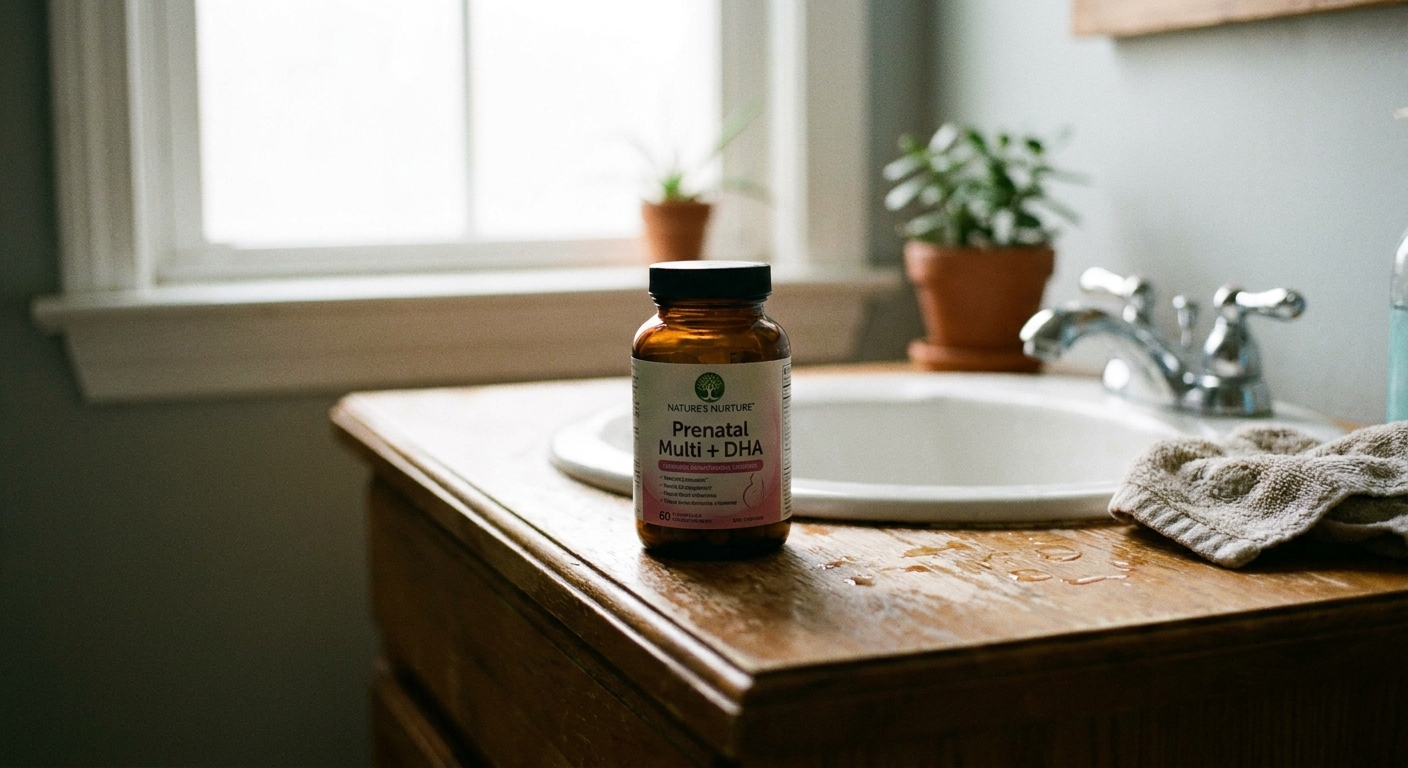
Prenatal vitamins
Prenatal vitamins can be a major concern because many contain significant amounts of iron, and some look candy-like. Packaging and formulations vary, and some are harder for kids to access than others, but a toddler can still swallow several before anyone notices.
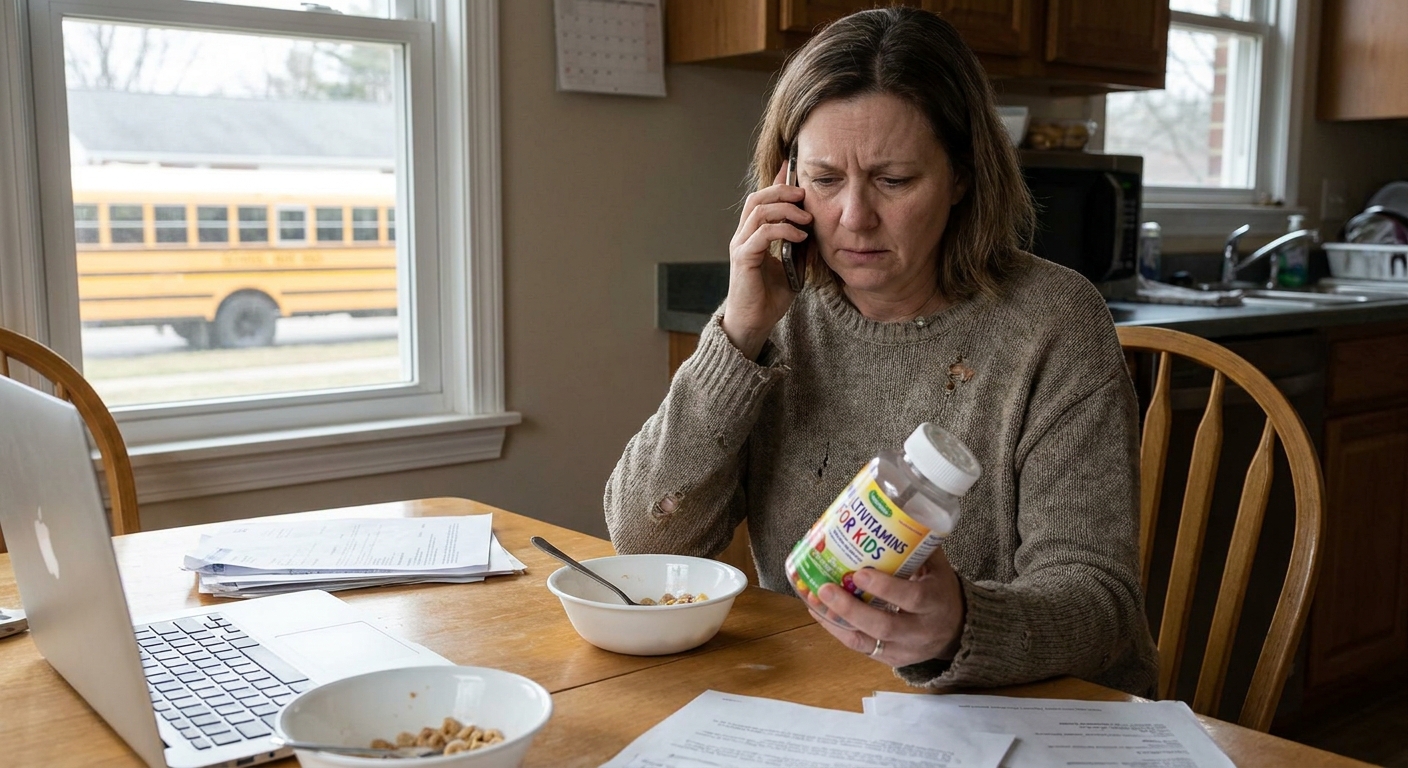
Children’s vitamins
Not all kids’ vitamins contain iron. Many do not. But some chewables (and some non-gummy kids’ multis) do, and anything sweet-tasting can be appealing.
Iron drops and liquid iron
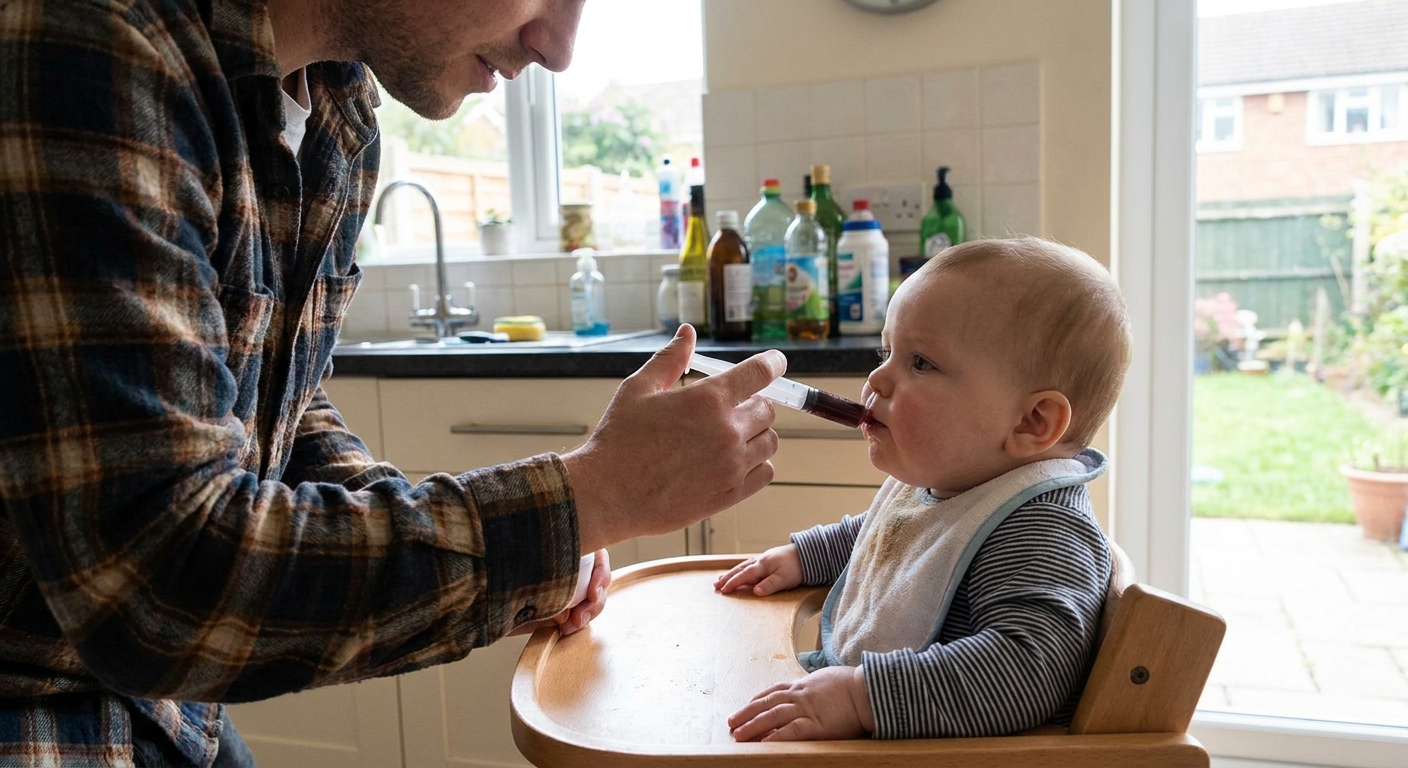
Liquid iron for infants and toddlers is common when a child has anemia or low iron stores. Bottles can be small, easy to spill, and easy to “sip” if left out.
Adult multivitamins and iron tablets
Grandparent pill organizers, purse bottles, nightstand meds, and travel containers are frequent culprits. Many are not child-resistant.
Symptoms of iron toxicity by severity
Symptoms vary depending on the amount swallowed, the type of supplement, and your child’s size. If you know what they got into, keep the container. It helps Poison Control and the ER calculate risk.
Early symptoms (often within hours)
- Nausea
- Vomiting (sometimes persistent)
- Diarrhea
- Stomach pain or cramping
- Poor appetite, fussiness
- Sleepiness, irritability, or acting “off”
Red flag: Vomit or stool that looks bloody or dark can happen with serious irritation and needs urgent medical attention.
Worrisome symptoms (get urgent help)
- Repeated vomiting, cannot keep fluids down
- Signs of dehydration (dry mouth, no tears, fewer wet diapers)
- Fast breathing or unusual tiredness
- Pale or clammy skin
- Severe belly pain
Emergency symptoms (call 911)
- Trouble breathing
- Extreme sleepiness, hard to wake
- Seizure
- Fainting or collapse
- Blue or gray lips or face
Even if your child seems okay right now, do not “wait and see” after a plausible iron ingestion. Iron toxicity can be delayed, especially if there is an early improvement that looks reassuring.
What to do first
If you think your toddler swallowed something with iron, you do not need to figure this out alone. In the United States, Poison Control is the fastest way to get expert guidance.
Step 1: Call Poison Control right away
U.S. Poison Control: 1-800-222-1222
If your child has severe symptoms (trouble breathing, seizure, collapse), call 911 first.
If you are outside the U.S., contact your local poison center or emergency number. If you are not sure what it is, your local emergency services can route you.
Step 2: Gather the key details
Poison Control will likely ask:
- Your child’s age and approximate weight
- What product they got into (bring the bottle to the phone if you can)
- The strength listed on the label, ideally mg elemental iron per tablet or per mL (labels vary)
- How many might be missing
- When it happened
- Current symptoms
If the label lists the iron type (for example ferrous sulfate, ferrous fumarate, ferrous gluconate), share that too. Do not stress if you cannot find it. Call anyway.
Step 3: Skip these common “quick fixes”
- Do not induce vomiting.
- Do not use ipecac. (It is not recommended.)
- Do not give activated charcoal unless specifically instructed. (It does not reliably bind iron.)
- Do not delay calling while searching symptoms online or trying home remedies.
- Do not give random home remedies or extra food “to soak it up” without guidance.
Depending on the situation, Poison Control may advise home monitoring, urgent evaluation, or an ER visit for tests and treatment.
What happens at the ER
If Poison Control or your pediatrician sends you in, the goal is to estimate how much iron your child may have absorbed and to treat symptoms early.
Common ER steps may include:
- Checking vital signs and hydration status
- Blood tests, including an iron level and other labs as needed (some tests are time-sensitive after ingestion)
- Imaging in some cases to look for tablets in the stomach (not all iron products show up well on X-ray, so imaging is not always helpful)
- IV fluids for dehydration
- Medications for nausea or pain
- In more serious cases, a medicine called a chelator may be used to bind iron so the body can remove it
Not every child will need all of this. Many exposures turn out to be lower-risk, but the evaluation matters because high-dose iron can be high-stakes.
Prevention: storage that works
Prevention is not about being perfect. It is about building friction into the system so a curious toddler cannot access iron supplements during the ten seconds you turn your back to switch the laundry.
Make iron high and locked
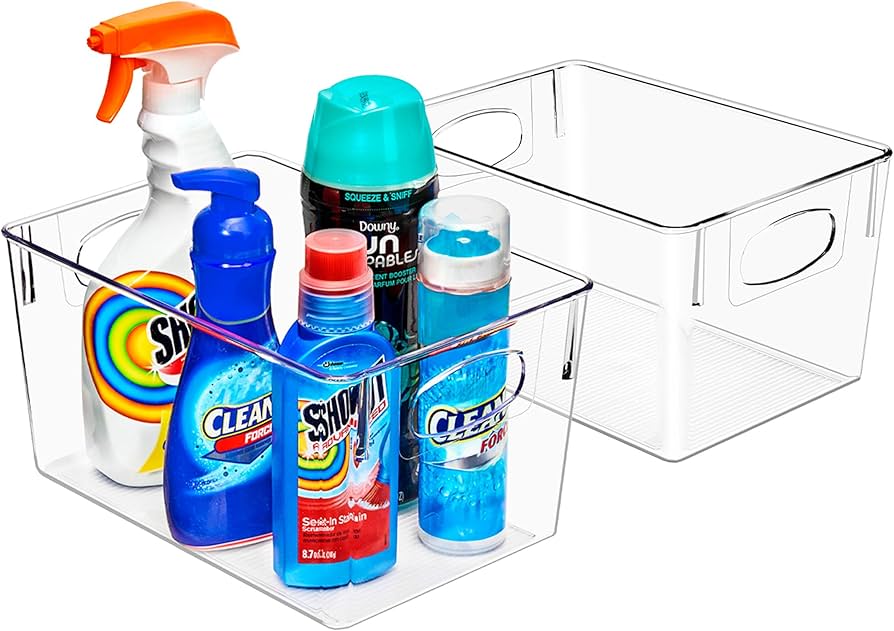
- Store all vitamins and supplements like medications, not like food.
- Use a high cabinet plus a child lock, not just “top shelf.” Toddlers climb.
- Avoid leaving bottles on nightstands, counters, diaper caddies, or in purses.
Watch the travel and visitor risk
- Ask grandparents and babysitters to keep purses, pill organizers, and weekly containers out of reach.
- Be extra careful during holidays and travel when routines change and bags sit open.
Choose packaging wisely
- Keep supplements in their original child-resistant containers.
- Avoid moving iron pills into non-child-resistant jars or baggies.
- If your child takes iron drops, close the cap immediately after dosing and put it away before you do anything else.
Stop calling vitamins “candy”
I know it is tempting when you are trying to get a picky toddler to cooperate. But framing vitamins as candy increases the chance they will seek them out. A neutral line works best: “This is your vitamin. Grown-ups keep the bottle.”

Quick FAQs
Are gummy vitamins with iron more dangerous?
They can be, mostly because toddlers may eat more of them. The risk depends on how much iron is in each gummy and how many were swallowed. Most gummy vitamins for kids actually do not contain iron, but a few specialty brands do, which is why checking the label is critical.
If my child swallowed one prenatal vitamin, is that automatically an emergency?
Not automatically, but take it seriously until you get guidance. Call Poison Control with the exact product and your child’s weight. They can tell you what threshold is concerning for that specific situation.
What if I am not sure how many are missing?
This is common. Call Poison Control anyway. If possible, count what is left and compare it to the labeled quantity, but do not delay the call if your child is symptomatic.
When to get help now
Call Poison Control (U.S. 1-800-222-1222) immediately if you suspect your toddler swallowed:
- Prenatal vitamins
- Iron tablets or iron gummies
- Iron drops or liquid iron
- Any multivitamin that lists iron on the label
Call 911 if your child has trouble breathing, collapses, has a seizure, is extremely sleepy and hard to wake, or looks blue or gray.
You are not overreacting by asking for help. Iron is one of those situations where fast, expert guidance matters.