Is Melatonin Safe for Toddlers?

Sarah Mitchell
Sarah Mitchell is a Registered Pediatric Nurse and a mother of three who has spent over a decade helping families navigate the beautiful, chaotic early years of childhood. She combines evidence-based medical knowledge with real-world parenting experience to offer practical, compassionate advice. At Awesome Parent, Sarah's mission is to help exhausted parents find solutions, trust their instincts, and finally get some sleep.
If you are reading this at an unreasonable hour with a wide-awake toddler and a cold cup of coffee, I see you. Melatonin is everywhere right now, and it is often marketed like a gentle, natural fix. But “natural” does not always mean “no big deal,” especially for little kids.
Here is the calm, evidence-based answer: melatonin may be helpful for some children in specific situations, but it is not a first-line sleep solution for most toddlers, and it should be used with your pediatrician’s guidance. The goal is always the same: get your child sleeping well without creating new problems or masking an underlying issue.
If you take one thing away: Melatonin is most likely to help with falling asleep. If your toddler’s main problem is night wakings, early mornings, or a bedtime struggle rooted in routine and boundaries, it often is not the main fix.

What melatonin is (and is not)
Melatonin is a hormone your body already makes. It rises in the evening as it gets dark and helps signal to the brain that it is time to sleep. Think of it as a “sleepy-time cue,” not a knockout pill.
Toddler sleep reality check
Melatonin may help with falling asleep (sleep onset). It often does not fix:
- Night wakings
- Early morning wake-ups (unless there is a true circadian timing issue)
- Sleep disruptions from illness, teething, reflux, or sleep apnea
- Behavioral bedtime battles rooted in routine, boundaries, or sleep associations
So if the core issue is “my toddler wakes up three times a night,” melatonin can disappoint, and it can distract from the real fix.
Is melatonin safe for toddlers?
Safety is a two-part question: short-term safety and long-term safety.
What most pediatric guidance agrees on
- Short-term use appears to be relatively safe for many children when used appropriately and under medical guidance.
- Long-term safety data in young children is limited. That does not automatically mean it is dangerous. It does mean we should be cautious about making it a nightly, indefinite habit for toddlers.
- Supplement quality varies. In the US, melatonin is sold as a dietary supplement, which means the actual amount in a gummy or tablet may not match the label. Some products have been found to contain more (or less) melatonin than listed. Quality testing has also raised concerns about inconsistent ingredients across products.
In pediatric settings, one of the biggest “safety issues” is not melatonin itself. It is families using it nightly without guidance, using too high a dose, or using it to cover up an underlying problem like chronic snoring, restless sleep, or anxiety.
Sources to review: American Academy of Pediatrics (HealthyChildren.org) guidance on melatonin use in children; quality testing reports on melatonin supplement label accuracy published in peer-reviewed journals and by independent testing organizations.
When melatonin might help
Melatonin often works best when a child’s internal clock is off, but sleep is rarely just one thing. Some kids have a mix of circadian timing issues and routine or behavioral factors, and that is where a pediatrician can help you sort it out.
When clinicians may consider it
- Significant difficulty falling asleep despite a solid, consistent bedtime routine
- Shifted sleep schedule (for example, bedtime has crept later and later)
- Neurodevelopmental differences where sleep onset problems are common (your pediatrician or specialist will guide this)
- Short-term reset after travel or a major schedule disruption, when recommended by your child’s clinician
When it is usually not the first move
- Toddler is getting a lot of late-day screen time
- Bedtime routine changes nightly
- Napping is too late or too long
- Toddler is overtired and wired (yes, that is a real thing)
- There are signs of medical sleep disruption (snoring, gasping, chronic mouth breathing, frequent waking with sweating)
Side effects to watch
Most side effects are mild, but in a toddler, even “mild” can look like a rough day.
Commonly reported
- Morning sleepiness or grogginess
- Headache
- Nausea or stomach upset
- Vivid dreams or nightmares (more common in older kids, but it happens)
- Irritability or mood changes
- Bedwetting (occasionally reported)
Less common but important
- More night wakings in some kids, especially if the dose is too high or timing is off
- Potential medication interactions. This depends on the medication and your child’s health history, so check with your pediatrician or pharmacist (especially if your child takes seizure medications, blood thinners, immune-modifying drugs, or daily prescriptions).
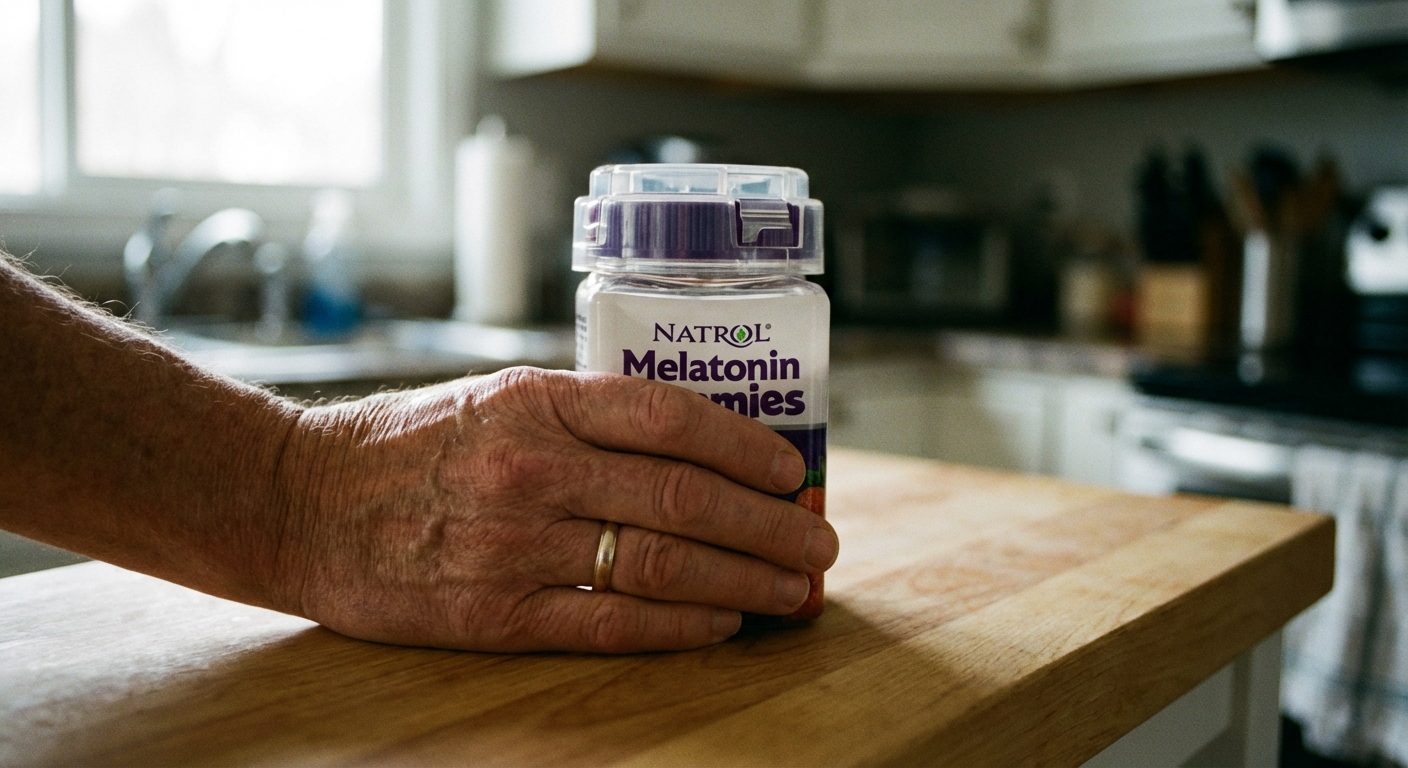
- Accidental ingestion. Melatonin gummies look like candy. Keep them locked up like any other medicine.
If your toddler becomes more irritable, more wakeful at night, or harder to wake in the morning after starting melatonin, stop and call your pediatrician. More is not better with melatonin.
If you suspect your child took too much: In the US, call Poison Control at 1-800-222-1222. Seek emergency care right away for trouble breathing, extreme difficulty waking, seizures, or any symptom that scares you.
Dosage and timing
This is where I need to be very clear: your pediatrician should guide dosing for a toddler. Toddlers are not just “small big kids,” and melatonin products vary widely in strength.
General principles (not a personal medical plan)
- Start low. Many children respond to very small amounts.
- Use the lowest effective dose. If it is not working at a low dose, the answer is not always to keep increasing.
- Timing matters. Melatonin is about shifting the body toward sleep. Many clinicians suggest giving it 30 to 90 minutes before the desired sleep time, but the best timing depends on the child and the goal (and it can backfire when mistimed).
- Avoid high-dose gummies. Some products contain several milligrams per gummy, which can be far more than a toddler needs.
If your pediatrician recommends melatonin, ask them to specify:
- The exact dose in milligrams
- The best time to give it
- How long to try it before reassessing
- A plan for tapering off
Note: Some pediatric resources mention very low starting doses for children. If you see a number online, treat it as a conversation starter, not a plan. Your child’s clinician should tailor it to age, size, symptoms, and product formulation.
Choosing a product
Because melatonin is a supplement, quality control is not the same as prescription medication. If your pediatrician approves melatonin, choose carefully.
What to look for
- Child-resistant packaging
- Third-party testing (look for independent verification seals such as USP or NSF when available)
- Simple ingredient list. Toddlers do not need extra herbal blends, dyes, or lots of added sugar.
- Clear labeling in mg, not just “one gummy” instructions
Also consider the form: liquids and low-dose tablets can make “start low” easier than high-dose gummies.
Talk to your doctor checklist
When you are exhausted, it is hard to know what to ask. Here is a simple, practical checklist to bring to your pediatrician. You can even read it off your phone.
1) Describe the problem
- How long does it take to fall asleep?
- How many night wakings, and how long are they?
- What time is wake-up?
- What is nap schedule?
- How long has this been going on?
2) Screen for red flags
Ask specifically about:
- Snoring, pauses in breathing, gasping, chronic mouth breathing
- Restless sleep, frequent sweating, unusual movements
- Poor growth, frequent vomiting, chronic cough
- Behavior changes that suggest anxiety or stress
3) Review what you tried
- Bedtime routine details
- Screen habits
- Sleep environment
- Responses to night wakings
4) Decide if melatonin fits
- Is this a circadian timing issue, a behavioral sleep issue, or both?
- What dose and timing do you recommend for my child’s age and size?
- What side effects should make us stop?
- How long do we use it before re-evaluating?
5) Make an exit plan
If melatonin is used, it should usually come with a plan for when and how to taper off while you strengthen the routine that will keep sleep steady.
What to try first
I know “try a routine” can feel like advice from someone who has never met a toddler. But these specific changes are the ones that actually move the needle for many families.
1) Protect the hour before bed
- Dim lights
- Skip fast-paced shows
- Keep voices and play calm
Bright light in the evening can suppress your child’s natural melatonin production. Toddlers are tiny, but their brains are very responsive to light cues.
2) Get morning light
Morning light helps anchor the body clock. Even 10 to 20 minutes outside after breakfast can support an earlier, smoother bedtime over time.
3) Tighten the routine
A simple, repeatable routine is the goal. Example:
- Bath or wash-up
- Pajamas
- Two books
- Song
- Lights out
Same order, same general timing, most nights. This is not about perfection. It is about predictability.
4) Check naps and bedtime
Overtired toddlers can look wired. Under-tired toddlers can look like they have had three espresso shots. If bedtime is a fight every night, your schedule may need a small adjustment.
5) Watch for sleep associations
If a toddler falls asleep only with a parent in the room, a bottle, or being rocked, they often wake at night needing the same conditions again. Reducing that “help” gradually can improve night wakings more than melatonin ever will.
A simple fading plan: For 3 to 5 nights, do the usual routine, then sit next to the bed quietly until your child falls asleep. Next, move the chair a little farther away every few nights until you are at the doorway, then out of the room. You are keeping the comfort, but changing the dependency.
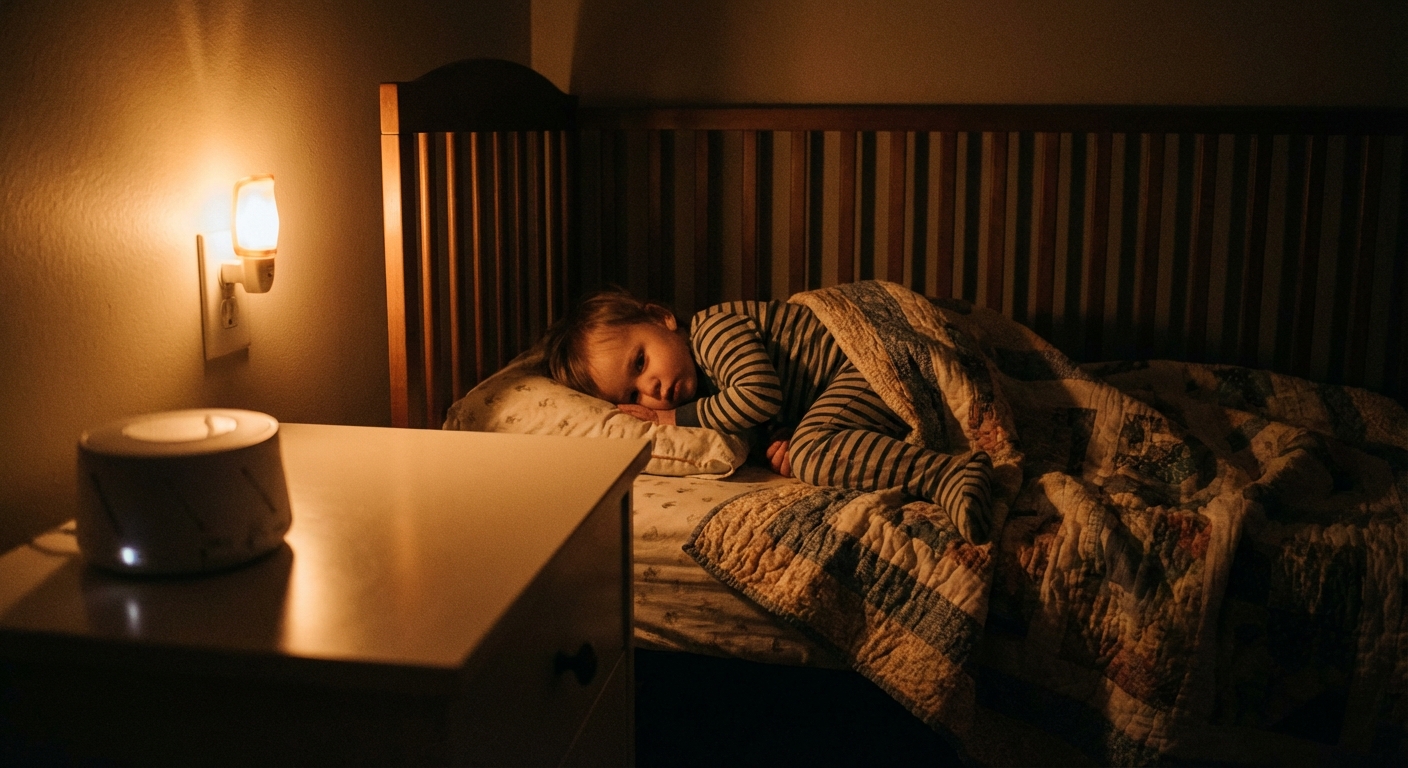
6) Make the room boring
- Cool, dark room
- White noise if it helps
- No glowing toys or bright nightlights
When to avoid DIY melatonin
Please call your pediatrician before using melatonin if your toddler:
- Is especially under age 3
- Has a seizure disorder or takes daily medications
- Has autoimmune conditions or complex medical needs
- Has frequent snoring or breathing concerns during sleep
- Has ongoing vomiting, reflux symptoms, or poor weight gain
- Has insomnia tied to anxiety, trauma, or major stressors
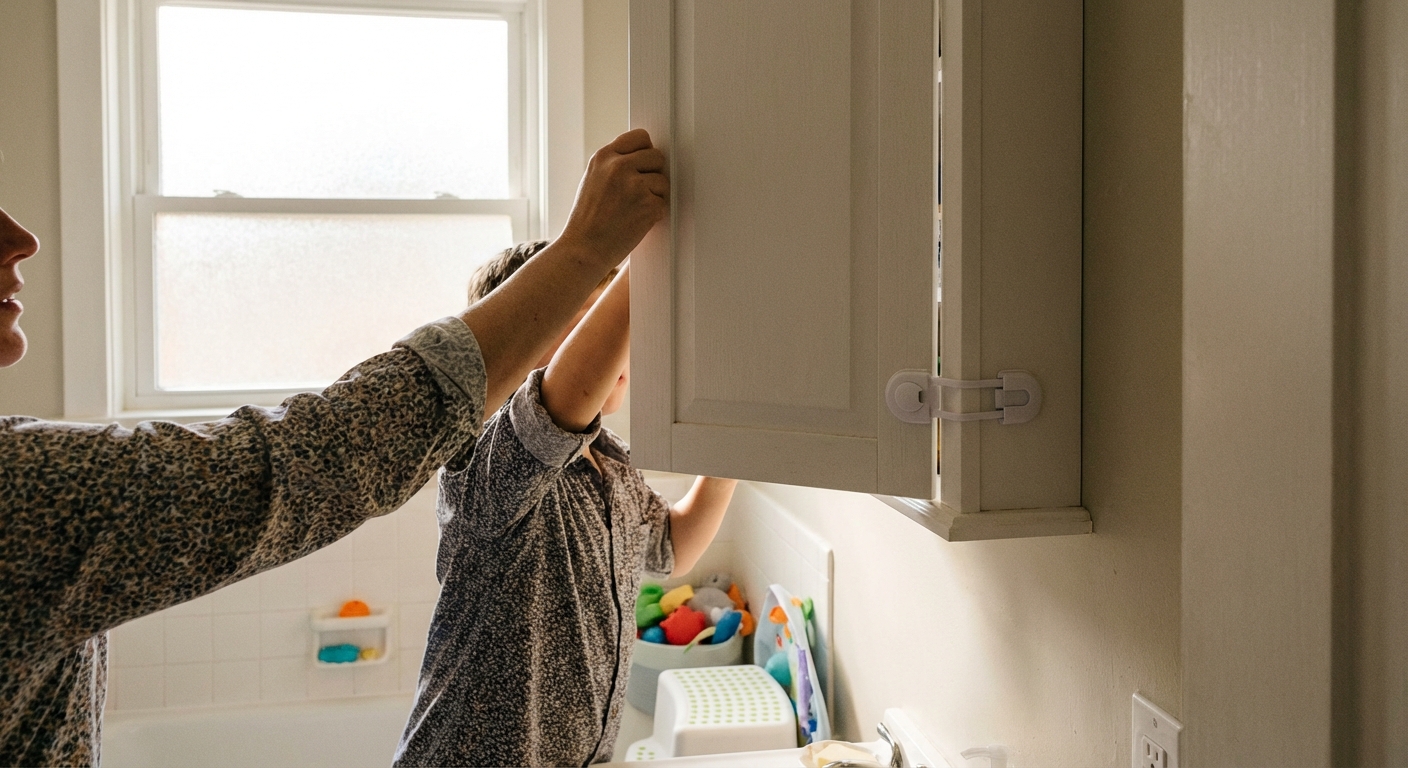
And treat melatonin like medicine in your home. Use child-resistant packaging, store it locked up and out of reach, and never describe it as “candy.”
What I tell parents
Melatonin is not a parenting shortcut. It is a tool. Sometimes it is the right tool, but usually only after we make sure the basics are in place and there is not a bigger issue hiding underneath.
If you want the simplest next step, it is this: write down your toddler’s sleep pattern for three nights (bedtime, how long to fall asleep, wake-ups, nap length, wake time) and bring it to your pediatrician. That one page of notes can save weeks of guessing.
You are not failing because your toddler will not sleep. You are parenting a tiny human with a developing nervous system and very strong opinions. We can work with that.
Quick FAQ
Will melatonin keep my toddler asleep all night?
Usually it helps more with falling asleep than staying asleep. If your child wakes frequently, you may need to address schedule, sleep associations, or possible medical issues.
Can melatonin affect puberty or hormones?
This is a common and understandable concern. Long-term data in young children is limited, which is one reason many pediatricians recommend using the lowest effective dose for the shortest time needed, with regular re-evaluation.
Is it safe to use melatonin every night?
That is a decision to make with your pediatrician. For toddlers, many clinicians prefer short-term use with a clear plan and ongoing check-ins rather than indefinite nightly use.
What if melatonin does nothing?
That is useful information. It may mean the issue is not mainly circadian timing. Before increasing the dose, talk with your pediatrician about schedule tweaks, behavior strategies, and screening for sleep-disrupting conditions.