A calm, parent-friendly guide to timing your baby’s first dental appointment, what the exam includes (and when X-rays might be needed), and simple ways to ...
Knocked-Out or Chipped Baby Tooth: What to Do Now

Sarah Mitchell
Sarah Mitchell is a Registered Pediatric Nurse and a mother of three who has spent over a decade helping families navigate the beautiful, chaotic early years of childhood. She combines evidence-based medical knowledge with real-world parenting experience to offer practical, compassionate advice. At Awesome Parent, Sarah's mission is to help exhausted parents find solutions, trust their instincts, and finally get some sleep.
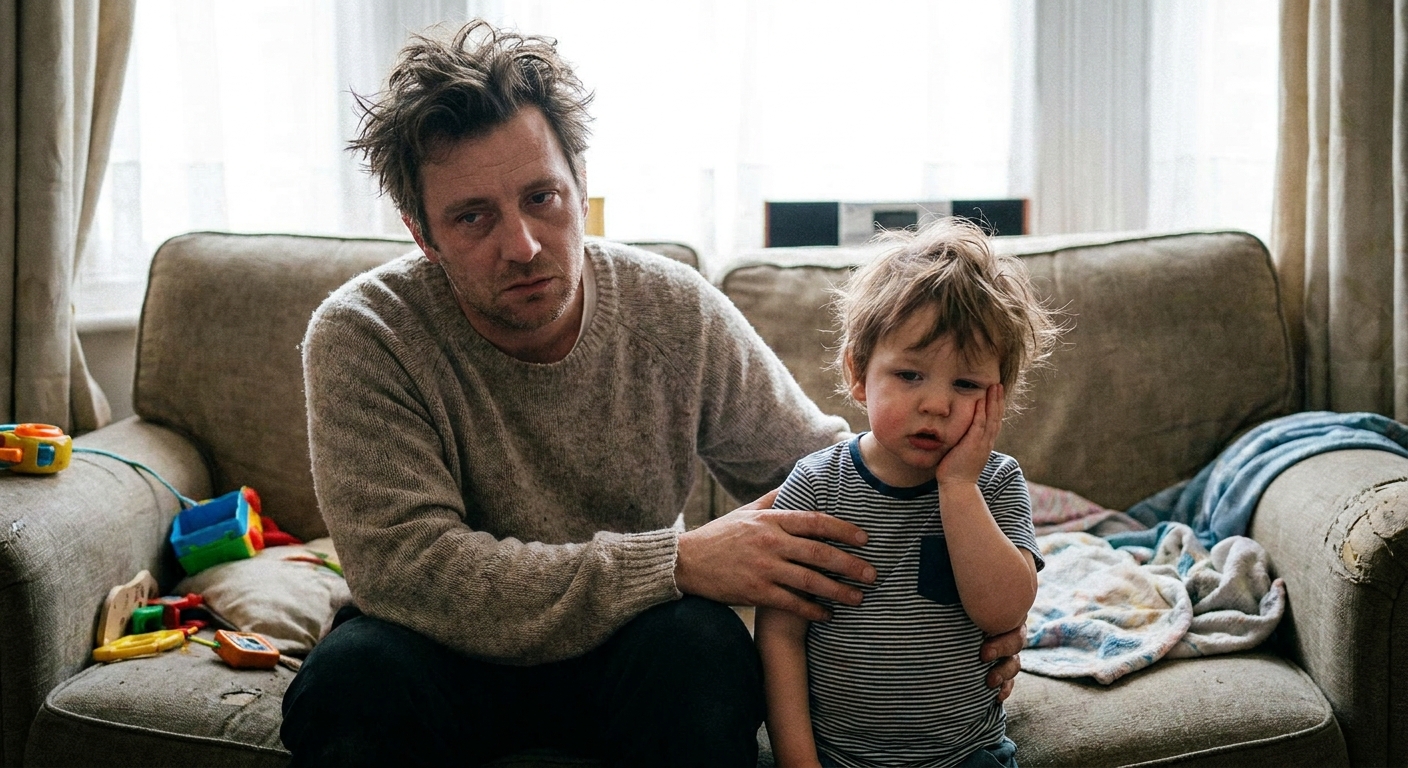
If your toddler just face-planted and a tooth looks chipped or missing, your brain probably went straight to worst-case scenarios. Take a breath. Most baby-tooth injuries look scarier than they are, and there are a few simple steps that make a big difference in comfort, bleeding control, and protecting the adult teeth developing underneath.

This guide covers what to do right away for a chipped tooth or a fully knocked-out baby tooth, what to do with the tooth itself, and how to decide between the ER, urgent care, and urgent dental care.
First: quick safety check
Before we focus on teeth, make sure your child is otherwise okay.
- Check breathing and responsiveness. If your child is struggling to breathe, hard to wake, very sleepy, or not acting like themselves, seek emergency care.
- Look for a head injury. Go to the ER or call emergency services if there was a high-impact fall, your child has repeated vomiting, worsening headache, confusion, seizure, fainting, or you suspect a neck injury.
- Make sure a tooth is not in the airway. If your child is coughing, choking, wheezing, or struggling to breathe, treat it as an emergency.
If your child is stable and breathing comfortably, move on to mouth first aid.
Quick look inside the mouth
You do not need a perfect exam, just a quick check.
- Lift the lip. Look for cuts and swelling, and check if a tooth looks pushed up into the gum.
- Check the lip and cheek for “stuck” pieces. A tooth or chip can get embedded in soft tissue. If you see a bump, a sharp spot, or a cut that looks like it has something inside, the dentist may need an X-ray.
- Look at alignment. If teeth look shifted or the bite suddenly seems off, that is a same-day dental call.
Stop bleeding and calm the mouth
Step-by-step
- Wash your hands or use sanitizer if that is what you have.
- Rinse gently with cool water if your child will tolerate it. Do not force a vigorous swish.
- Apply firm pressure with clean gauze or a folded clean cloth directly to the bleeding gum or lip for 10 to 15 full minutes without peeking.
- Use a cold compress on the outside of the mouth or cheek for 10 minutes on, 10 minutes off to reduce swelling.
Most mouth bleeding slows down with steady pressure. If it does not, that is one of the reasons to go in for urgent evaluation.
What not to do
These are common, well-meaning moves that can backfire.
- Do not put aspirin on the gums and do not give aspirin to children unless a clinician tells you to.
- Do not use hydrogen peroxide, alcohol mouthwash, or antiseptic rinses in toddlers. They can irritate tissue and are easy to swallow.
- Do not probe the socket or dig around for fragments.
- Do not wiggle a loose tooth to “test” it.
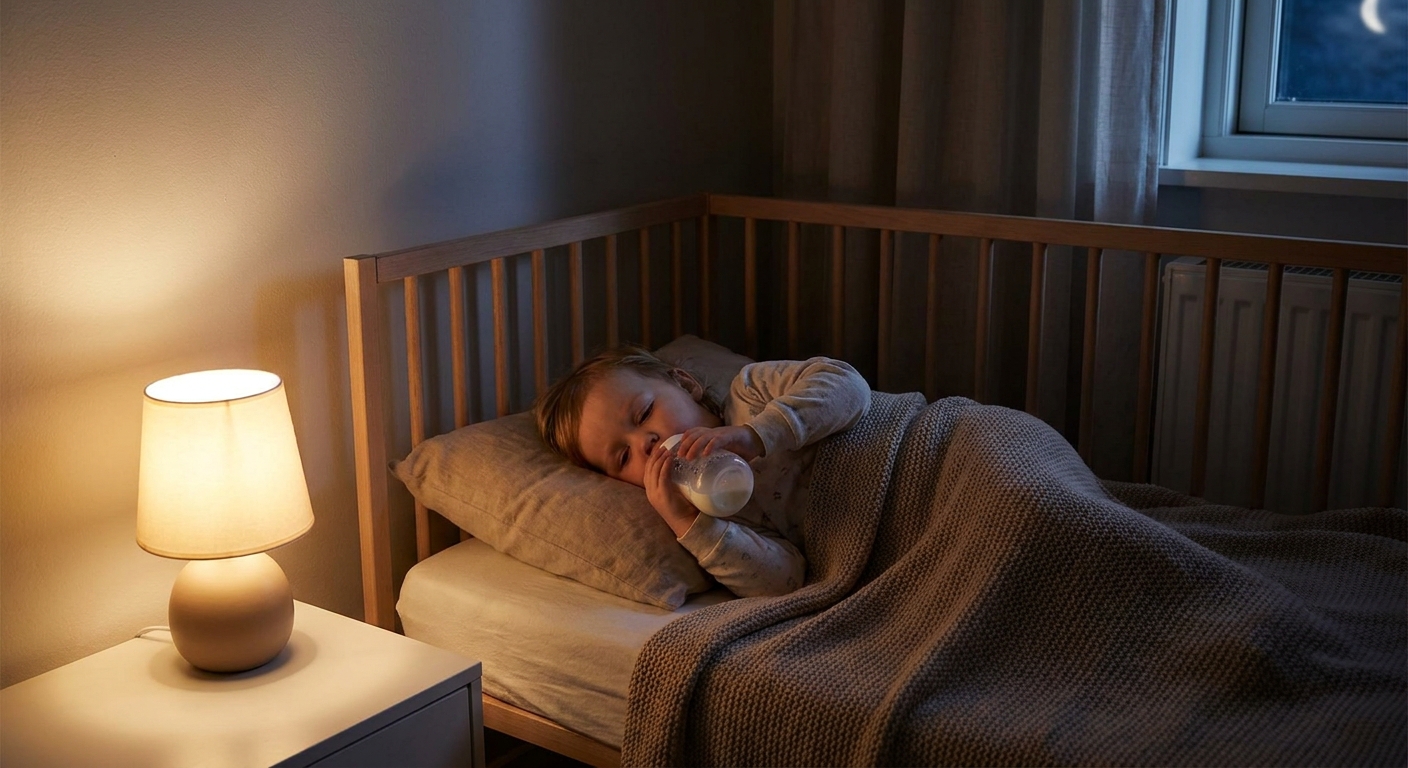
- Do not send them to bed with a bottle or sippy of milk or juice after an injury. Stick to water, especially overnight.
If a baby tooth is knocked out
A fully knocked-out tooth is called an avulsion. The most important rule for baby teeth is different than for adult teeth:
Do not try to put a knocked-out baby tooth back in. Reimplanting a primary tooth can damage the developing adult tooth underneath.
What to do now
- Find the tooth if you can. Make sure it is not stuck in the lip or cheek, and consider whether it might have been swallowed or inhaled.
- Pick it up by the crown (the part you chew with), not the root.
- Rinse briefly with clean water if it is dirty. Do not scrub.
- Saving it is optional. If you can, place it in a small container or wrap it in clean gauze and bring it to the dentist for identification. Do not store it in milk or special tooth solution like you would with a permanent tooth. For baby teeth, the goal is assessment, not reimplantation.
- Control bleeding with pressure as described above.
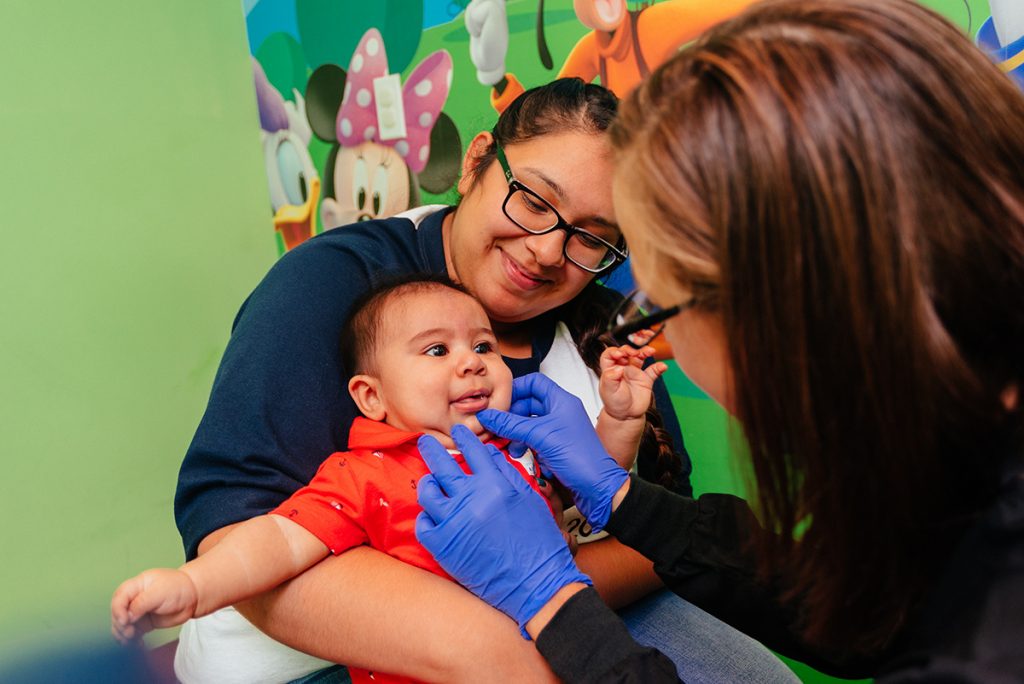
- Call a pediatric dentist the same day for guidance and an exam.
Why the dentist still needs to see your child
- To confirm the tooth was truly knocked out and not pushed up into the gum (intrusion).
- To check nearby teeth for looseness, fractures, or pulp injury (the inside of the tooth).
- To evaluate gum and lip cuts that may need special care.
- To decide whether dental X-rays are needed to look for a root fracture, an intruded tooth, or tooth fragments in the lip.
- To monitor the adult tooth bud under the area over time.
If you cannot find the tooth
It is common for a tooth to be swallowed, and that is usually not dangerous. The bigger concern is inhalation into the airway. Seek urgent medical evaluation right away if your child had choking, persistent coughing, wheezing, trouble breathing, or chest discomfort after the injury. Also call your clinician if your child later develops significant belly pain, repeated vomiting, or you have other concerns.
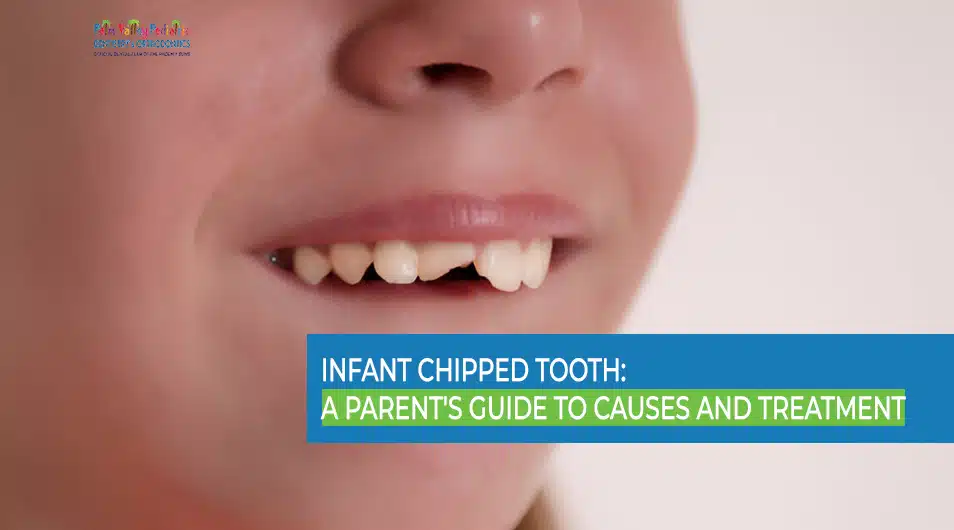
If the tooth is chipped or cracked
Chips range from a tiny enamel flake to a deeper fracture that reaches the sensitive inner tooth. Here is how to handle the most common scenarios.
Small chip
Think: no pain, no bleeding from the tooth itself.
- Rinse gently with water.
- If you find the broken piece, save it in a clean container and bring it to the dental visit.
- If the edge is sharp, you can cover it temporarily with orthodontic wax (from a pharmacy) to prevent tongue cuts.
- Offer soft foods for 24 to 48 hours.
- Call the dentist for an appointment within 1 to 3 days.
Bigger chip or crack
Think: pain, sensitivity, or a deeper-looking spot.
- Rinse gently.
- Keep the area clean and avoid crunchy foods.
- Use a cold compress for swelling.
- Call for same-day or next-day dental evaluation, especially if your child is uncomfortable.
Tooth looks pink or bleeds from the center
This may mean there is bleeding or injury inside the tooth (pulp). That needs urgent dental care today if possible.
Loose, pushed in, or looks missing
Sometimes the tooth is not gone, it is pushed into the gum (intruded) or displaced sideways. Avoid wiggling it to check.
- Do not pull it out and do not force it back into place.
- Offer soft foods and keep fingers and toys out of the mouth.
- Call a pediatric dentist the same day. These injuries can affect the adult tooth and often need an exam and possibly X-rays.
If the tooth is extremely loose and your child is at risk of swallowing it, treat it as urgent and call for immediate guidance.
Pain relief for toddlers
For most dental injuries, simple comfort measures help a lot.
- Cold compress outside the mouth for swelling.
- Age-appropriate acetaminophen or ibuprofen can be used if your child can take it safely. Follow the dosing instructions on the bottle based on your child’s weight and age, and avoid using multiple products with the same ingredient.
- Soft, cool foods like yogurt or applesauce can be soothing.
Avoid numbing gels unless your dentist specifically recommends one. Many over-the-counter oral anesthetics are not ideal for young children and can be risky if overused.
ER vs urgent care vs dentist
Go to the ER now (or call emergency services) if:
- Trouble breathing, choking, wheezing, or concern a tooth was inhaled
- Uncontrolled bleeding after 10 to 15 minutes of uninterrupted firm pressure, or bleeding that restarts repeatedly
- Signs of serious head injury: seizure, repeated vomiting, confusion, worsening headache, fainting, very unusual sleepiness
- Jaw looks deformed, your child cannot open or close normally, or the bite suddenly seems misaligned
Go to urgent care (or the ER) today if:
- There is a deep lip or tongue cut that may need stitches, but there are no airway concerns
- You cannot get dental care quickly and your child has worsening swelling, fever, or severe pain
- You are worried about tetanus status after a dirty cut and cannot reach your pediatrician
Call for an urgent dental visit today if:
- A baby tooth was knocked out
- A tooth is pushed into the gum, significantly displaced, or very loose
- There is significant pain, a large chip, or a crack
- The tooth looks pink, gray, or seems to be bleeding from the center
- Your child’s bite feels off after the injury
Book within 1 to 3 days if:
- A tiny chip with no pain and no sharp edge
- Mild gum tenderness that is improving
If you are unsure, call a pediatric dentist anyway. A quick phone triage can save you a long night of worry.
Tetanus and cuts
If there is a cut to the lip or gum, especially from an outdoor fall or a dirty surface, it is worth a quick check-in with your pediatrician about tetanus. Most vaccinated kids are protected, but timing matters for boosters in certain situations.
What to watch for
Dental trauma sometimes shows delayed symptoms. Contact your dentist if you notice:
- Increasing pain after the first day
- Swelling of the gum or face, or a pimple-like bump on the gum (possible infection)
- Fever with worsening mouth swelling
- Tooth discoloration (gray or dark) in the weeks after the injury
- Bad smell or drainage from the gum
- Your child refusing to bite down days later
Some discoloration can happen after a bump and may still be monitored rather than treated immediately, but it always deserves a dentist check.
Common parent questions
Will my child need the baby tooth replaced?
Usually, no. Front baby teeth are not typically replaced with a space maintainer. Your dentist will monitor spacing and speech as your child grows.
What if the adult tooth gets damaged?
Most kids do great, but the developing adult tooth can be affected depending on age and the type of injury. That is why follow-up is important even when your child seems fine the next morning.
Should I save the tooth or chip?
If you can find it safely, yes, you can bring it to the dental visit. But remember, for a baby tooth, the dentist will almost never put it back in.
Can my child brush their teeth?
Yes, gently. Use a soft toothbrush and avoid scrubbing the injured gum for the first day or two. Keeping the area clean helps healing.
When in doubt, trust your gut
I have talked to plenty of parents who apologized for calling about “just a baby tooth.” Please do not. Dental injuries are stressful, toddlers cannot always explain what hurts, and quick reassurance from a pediatric dentist is worth it.
If you want a simple takeaway: do not reinsert a knocked-out baby tooth, stop bleeding with uninterrupted firm pressure, and call a dentist the same day for most significant chips, looseness, or any tooth that looks missing after impact.
Sarah Mitchell
Sarah Mitchell is a Registered Pediatric Nurse and a mother of three who has spent over a decade helping families navigate the beautiful, chaotic early years of childhood. She combines evidence-based medical knowledge with real-world parenting experience to offer practical, compassionate advice. At Awesome Parent, Sarah's mission is to help exhausted parents find solutions, trust their instincts, and finally get some sleep.