Lisps in Kids: When ‘Thun’ for Sun Is Normal

Sarah Mitchell
Sarah Mitchell is a Registered Pediatric Nurse and a mother of three who has spent over a decade helping families navigate the beautiful, chaotic early years of childhood. She combines evidence-based medical knowledge with real-world parenting experience to offer practical, compassionate advice. At Awesome Parent, Sarah's mission is to help exhausted parents find solutions, trust their instincts, and finally get some sleep.
If your child says “thun” for “sun”, you are not alone. I heard this constantly as a pediatric triage nurse, and then I heard it again at my own kitchen table while cutting grapes into comically tiny pieces.
Lisps can be part of typical speech development, or they can be a sign your child would benefit from a little extra support. The tricky part is that not all lisps are created equal, and sometimes what sounds like a lisp is being shaped by something else, like chronic congestion or hearing issues (or it can be a mix of both).
What a lisp is
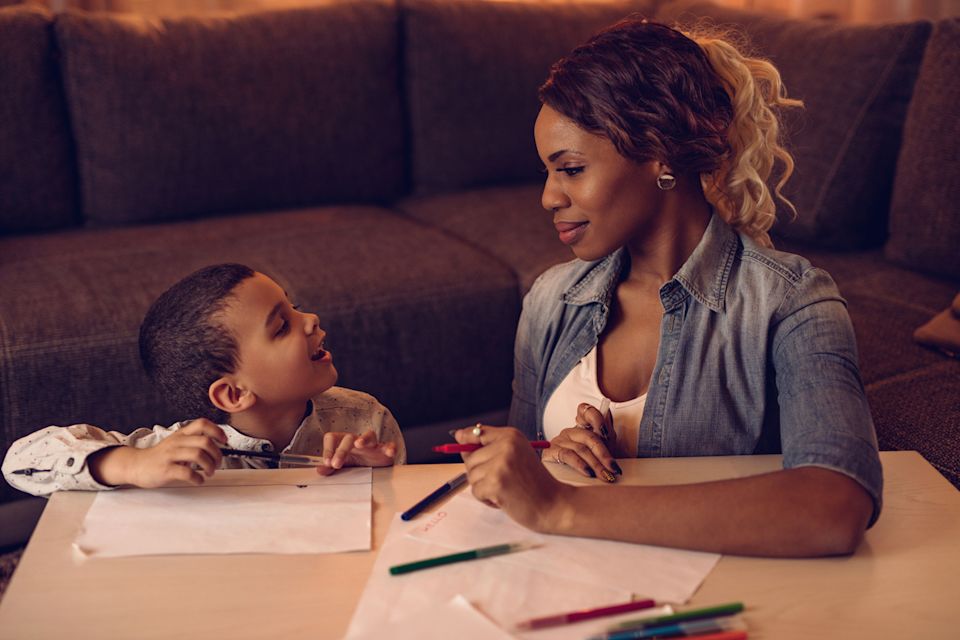
A lisp is an articulation pattern where the tongue or airflow is positioned in a way that changes how certain sounds come out, most often the “s” sound (as in “sun”) and the “z” sound (as in “zoo”). These are hissing sounds made by directing a narrow stream of air along the middle of the tongue.
When the tongue or airflow goes somewhere else, the sound changes. Parents usually notice it as:
- “th” instead of “s” (sun becomes “thun”)
- “th” instead of “z” (zoo becomes “thoo”)
- a wet, slushy “s” that sounds different from other kids
Frontal vs lateral lisps
One quick note on terminology: I will use speech-language pathologist (SLP) throughout, which is the clinician who evaluates and treats speech sound patterns like lisps.
Frontal lisp (often developmental)
A frontal lisp happens when the tongue pushes too far forward. Two common subtypes you may hear an SLP mention are:
- Interdental: tongue slips between the teeth
- Dentalized: tongue presses against the teeth
Air escapes and the sound can shift toward “th”.
What it may sound like:
- “thun” for “sun”
- “I thee it” for “I see it”
In young children, a frontal lisp can be part of the normal learning curve as they figure out tongue placement.
Lateral lisp (less often developmental)
A lateral lisp is different. Instead of air flowing down the center, it escapes over the sides of the tongue. This often creates a slushy, wet, or “sideways” sound, sometimes almost “sh”-like to a listener.
What it may sound like:
- A distorted /s/ or /z/ with a wet, messy quality
- Sometimes it affects “sh,” “ch,” and “j” sounds too
Compared with frontal (interdental or dentalized) patterns, a lateral lisp is less likely to resolve on its own and is more often a reason SLPs recommend therapy.
When kids master “s” and “z”
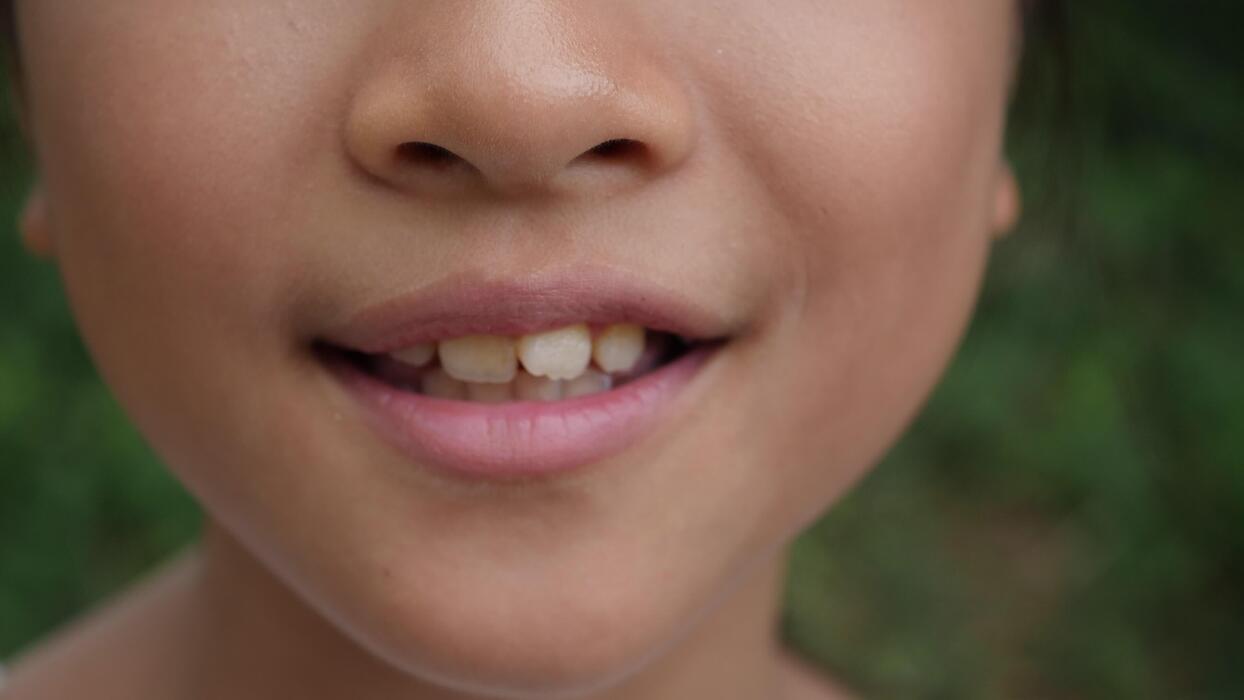
Speech sound development is a range, not a deadline. That said, many children produce the “s” and “z” sounds clearly by about age 5 to 6, with continued refining into the early school years. A child might use a sound correctly in some words but not others for a while. That can be normal.
In clinic, what mattered most was not a single birthday cutoff but the bigger picture:
- Is your child generally understandable to people outside the family?
- Is the lisp getting better over time, or staying the same?
- Is the pattern mainly “s/z,” or are many sounds affected?
If your child is preschool-aged and you are hearing a mild frontal lisp, it may be something you watch. If your child is in kindergarten or beyond and it is still strong, it is worth an evaluation, especially if it bothers your child or affects confidence.
What can mimic or contribute
Before we assume “lisp,” it helps to consider common barriers that can mimic a lisp, contribute to it, or co-occur with a true speech sound disorder.
Hearing issues
Kids learn sounds by hearing them clearly and repeatedly. If a child has frequent ear infections or fluid behind the eardrum, they may have temporary conductive hearing loss that comes and goes. That can make it harder to learn crisp “s” and “z” sounds.
Clues that hearing might be a factor:
- History of recurrent ear infections or chronic fluid
- They say “huh?” often or seem to miss instructions
- Speech sound errors are broad, not just “s/z”
- They do better face-to-face than from across the room
Chronic congestion or mouth breathing
When a child is constantly congested, snores, or breathes through the mouth, tongue posture can shift and speech can sound muddier. Sometimes “s” distortions improve when nasal and airway issues are treated.
Dental changes and bite alignment
Loose teeth can temporarily affect “s” in some kids. An open bite or other alignment pattern can also make it harder to place the tongue correctly behind the teeth. Speech therapy can still help, but it is useful for the SLP to know what is going on dentally.
Oral habits
Long-term thumb sucking and prolonged pacifier use can influence the shape of the palate and bite, which can contribute to a frontal lisp. This is not about blame. Kids use these tools for regulation. If you are working on weaning and need support, you are doing a good thing by tackling it gently.

When therapy is more likely
Here are situations where many SLPs would encourage a speech-language evaluation:
- Lateral lisp at any age where it is clearly present
- Frontal lisp that persists past about age 5 to 6 or is not improving
- Your child is being teased or avoiding speaking in class
- The lisp is paired with other concerns: multiple sound errors, language delay, or trouble being understood
- You notice your child seems to work hard to talk, gets frustrated, or shuts down
And here is the part many parents need to hear: you do not have to “wait and see” if you are worried. An evaluation is information. It does not obligate you to therapy. It simply tells you what is going on and what would help.
What an SLP evaluation is like
Speech evaluations for lisps are usually play-based and kid-friendly. The SLP typically:
- Listens to your child talk naturally
- Checks how your child says specific sounds in words and sentences
- Looks at oral structures and function (lips, tongue movement, jaw)
- Asks about medical history like ear infections, allergies, snoring, and feeding history
- May screen hearing or recommend a formal hearing test if history suggests it
The goal is to figure out whether the lisp is developmental, habit-based, structurally influenced, or part of a broader speech sound pattern.
How therapy helps
Speech therapy for a lisp is not just repeating “ssss” louder. A good plan is targeted and specific.
Step 1: Awareness
Many kids do not notice the difference between their “s” and the clear “s.” SLPs often start by helping kids hear and feel the difference, in a supportive way.
Step 2: Placement and airflow
For a frontal lisp, the focus is often on keeping the tongue behind the teeth and creating a narrow airflow channel along the middle.
For a lateral lisp, therapy often targets keeping airflow from escaping the sides of the tongue and building the correct central airflow. This can take time, but it is very teachable.
Step 3: Simple to complex
SLPs usually move in a progression like:
- Sound by itself
- Sound in syllables (“see,” “soo”)
- Sound in words (beginning, middle, end)
- Sound in phrases and sentences
- Sound in conversation
Step 4: Home practice
Most therapy plans include short, consistent practice at home. Think: a few minutes most days, not an hour-long battle. The secret is repetition without pressure.
What you can do at home
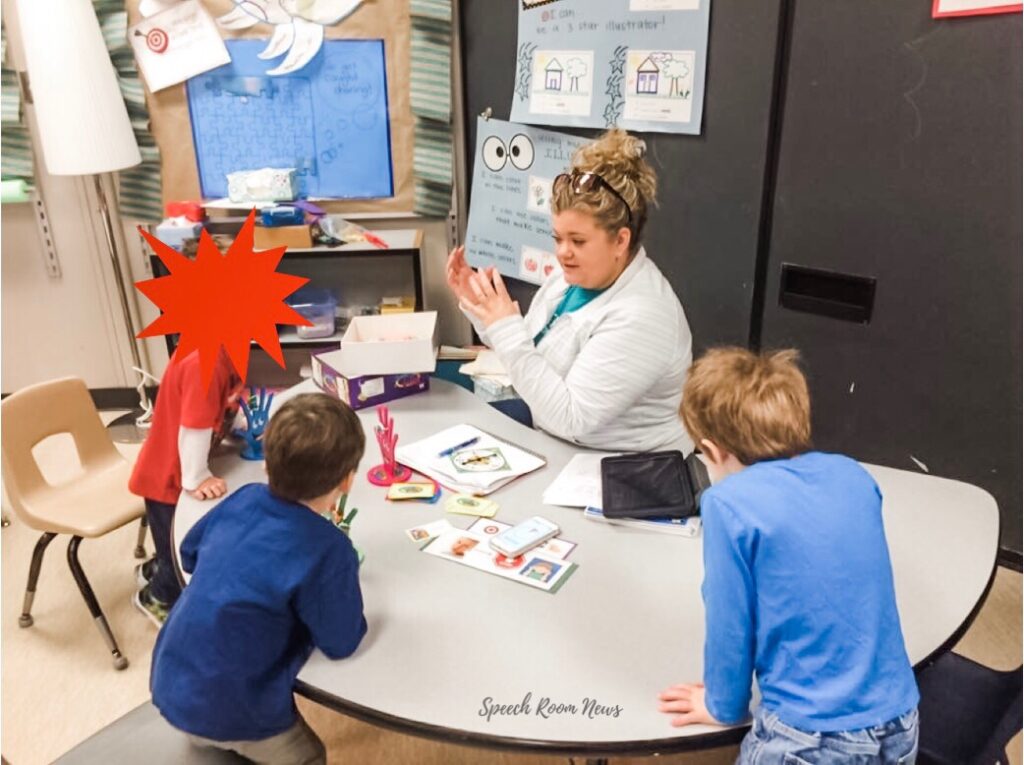
You do not need to correct every “th” sound. In fact, constant corrections can make some kids self-conscious and talk less.
Try these gentle, low-pressure supports:
- Model, do not pounce: If your child says, “I thee a thun,” you can respond, “Yes, you see a sun.”
- Pick one practice moment: If your child is motivated, choose a calm time and practice a couple of “s” words, then move on.
- Boost the basics: Address chronic congestion with your pediatrician’s guidance, stay on top of dental visits, and consider a hearing screen if you have concerns.
- Protect confidence: If siblings tease, shut it down quickly and matter-of-factly. Speech differences are not a character flaw.
What not to do
- Avoid telling your child to “just slow down” or “say it right” on command
- Avoid shaming, teasing, or having siblings “correct” them
- Avoid long drill sessions that turn into a power struggle
- Avoid forcing mouth positions (like “bite down and say s”) unless an SLP has shown you a specific cue for your child
If your child is already feeling embarrassed, focus first on helping them feel safe speaking. Confidence is the foundation therapy builds on.
Red flags to call the pediatrician
Most lisps are not an emergency. But as a nurse, I always want parents to know when to check in.
- Snoring, pauses in breathing during sleep, or chronic mouth breathing (possible signs of sleep-disordered breathing)
- Frequent ear infections, chronic fluid, or suspected hearing difficulties
- Speech that is hard to understand for most people past age 3 to 4
- Regression, meaning speech gets noticeably worse over time
- Feeding or swallowing concerns that co-occur with speech issues
Your pediatrician can help decide if referrals are needed for hearing testing (audiology), ENT, dentistry or orthodontics, or speech therapy.
Common parent questions
Will a lisp go away on its own?
Some will. Mild frontal lisps in preschoolers often improve as articulation skills mature, especially if there are no underlying barriers. Lateral lisps are less likely to resolve without targeted help, compared with frontal patterns.
Is a lisp linked to intelligence?
No. A lisp is about speech motor patterns and sound learning, not intelligence. Some of the brightest kids I have met had persistent speech sound errors.
Could my child be doing it “for attention”?
Lisps are almost never intentional. Kids are usually doing their best with the motor plan they have learned. If a child is leaning into a babyish speech style, it is still a sign they need support, not punishment.
What if my child refuses to practice?
That is normal. Motivation comes and goes, especially with preschoolers. An SLP can help find practice styles that feel like games, not drills. Also, therapy is often more effective when the adult lowers the stakes.
Bottom line
If your toddler says “thun” for sun, take a breath. In many cases, that is a normal part of learning speech sounds.
But if the lisp is lateral, persisting into early elementary years, impacting confidence, or paired with hearing, congestion, dental, or broader speech concerns, speech therapy can be a smart and genuinely empowering next step. You are not overreacting. You are gathering support.
If you are unsure, you can ask for a speech-language evaluation. The best outcome is either reassurance that it is typical, or a clear plan that makes your child easier to understand and more confident speaking.