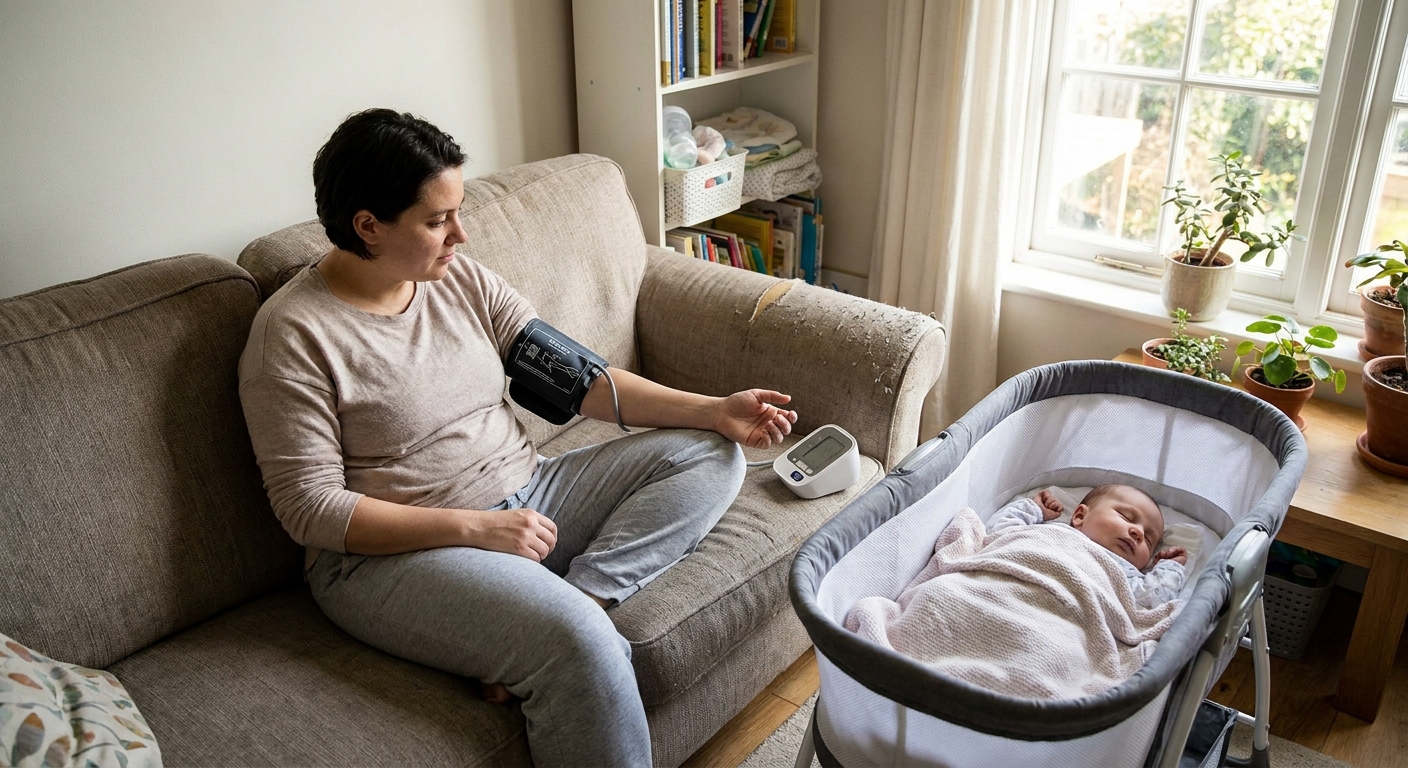
Normal postpartum bleeding changes over time. Here’s how to spot dangerous heavy bleeding, what to do right away, and when it’s an emergency.
Lochia After Birth: What’s Normal and When to Get Help

Sarah Mitchell
Sarah Mitchell is a Registered Pediatric Nurse and a mother of three who has spent over a decade helping families navigate the beautiful, chaotic early years of childhood. She combines evidence-based medical knowledge with real-world parenting experience to offer practical, compassionate advice. At Awesome Parent, Sarah's mission is to help exhausted parents find solutions, trust their instincts, and finally get some sleep.
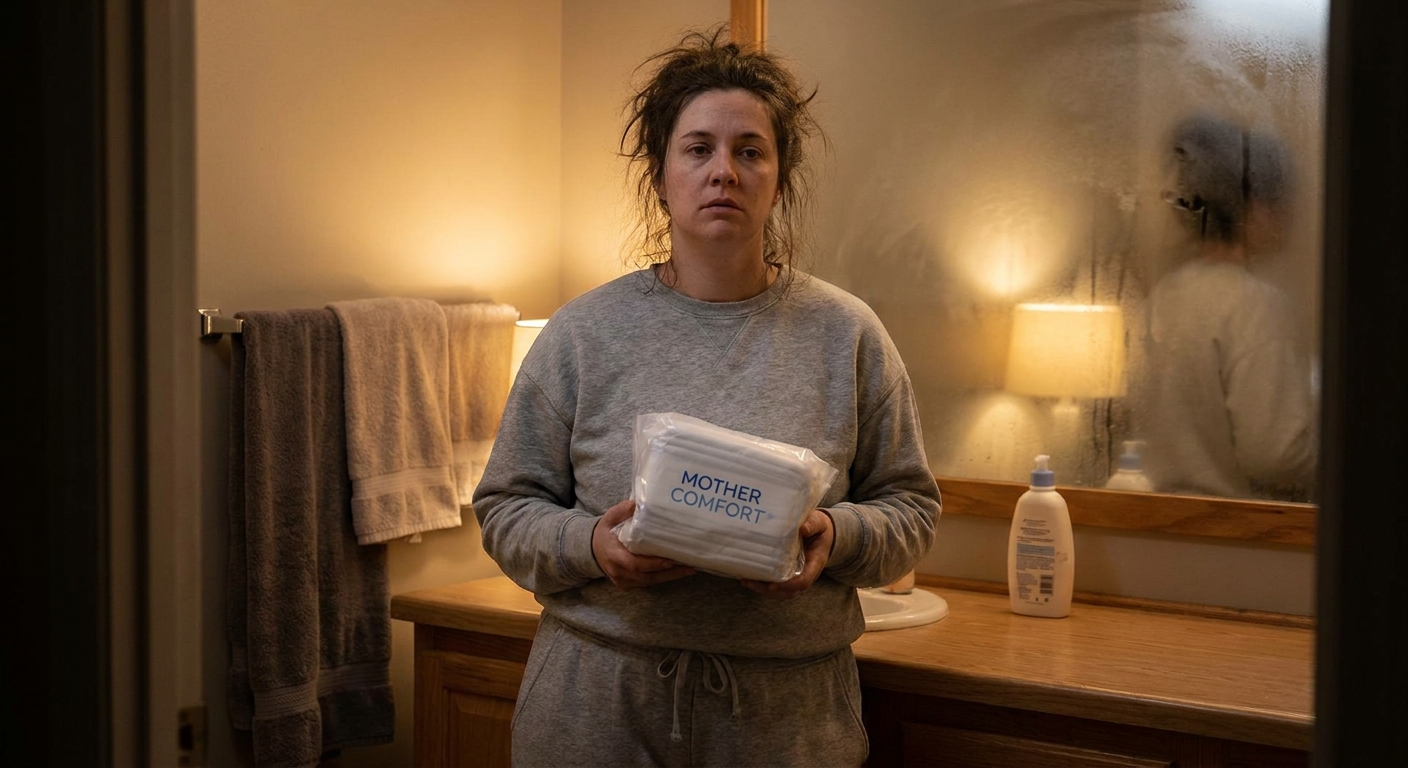
If you’re reading this in the dim glow of your phone while feeding a newborn, hear this first: postpartum bleeding can look intense, and most of the time it’s completely normal. It’s also one of those topics nobody explains well until you’re standing in your bathroom thinking, “Is this supposed to be happening?”
That bleeding and discharge after birth is called lochia. It’s your body’s way of clearing out blood, tissue, and mucus from the uterus as it heals where the placenta was attached. Let’s walk through what’s typical, what’s annoying but normal (hello, small clots), and what’s an emergency.
What lochia is (and why it happens)
Lochia is the normal vaginal discharge after giving birth, whether you had a vaginal delivery or a C-section. Even with a C-section, the placenta site inside your uterus still needs to heal.
Lochia can include:
- Blood (especially in the first days)
- Uterine tissue and small clots
- Mucus
- Fluid
As your uterus shrinks back down and the placental site closes, the amount and color of lochia change.
Lochia stages by week
Many people move through these stages in order, but it can vary a lot. It’s also common to bounce around a bit depending on activity, feeding, and how your body heals.
Lochia rubra (often days 1 to 3 or 4)
This is usually the heaviest stage. Expect bright red blood, period-like cramping (especially while breastfeeding), and a flow that can feel like a very heavy period.
- Typical: bright red bleeding, small clots, heavier flow when you stand up after lying down
- Why it happens: pooled blood drains when you change positions
Lochia serosa (often around days 4 to 10, sometimes up to 2 weeks)
The bleeding usually lightens and turns pinkish, brown, or watery red.
- Typical: moderate flow, fewer clots, more “watery” discharge
- Smell: mild, like a period. It shouldn’t smell foul.
Lochia alba (often after about 10 to 14 days, up to 4 to 6+ weeks)
This is the home stretch. Discharge becomes yellowish or creamy white and tapers off.
- Typical: light spotting, mucus-like discharge
- Common surprise: it may come and go for a bit
How long does lochia last? Many parents have some lochia for 2 to 6 weeks. Some stop sooner. Some have light spotting longer, and it can last up to 8 weeks, especially if you overdo it physically. If you’re past that window or you’re worried about the pattern, check in with your clinician.

Can lochia get heavier?
Yes, within reason. Lochia often gets a bit heavier with:
- More activity (long walks, lots of stairs, standing for long stretches)
- Breastfeeding (oxytocin causes the uterus to contract, which can increase cramps and bleeding briefly)
- Getting up after sleeping or resting (pooled blood releases)
A good rule of thumb: it can increase slightly with activity, but it shouldn’t jump back to “day 1 heavy” for hours. If it does, that’s your cue to scale back and rest, and sometimes to get checked.
Clots: normal vs concerning
Small clots can be normal, especially in the first week. Lochia isn’t just liquid blood, so you may see thicker material too.
Often normal
- Small clots, especially in the first few days
- Clots that happen once or twice and then stop
- Clots after you’ve been lying down and then stand
Concerning
Call your OB, midwife, or postpartum nurse line urgently if you have:
- Large clots (about the size of a golf ball or larger)
- Repeated clots or clots plus heavy bleeding
- Clots with dizziness, weakness, fainting, or shortness of breath
Clots can happen for benign reasons, but they can also signal that the uterus isn’t contracting well, that there’s retained tissue, or that bleeding is becoming unsafe. You don’t need to “wait and see” with big clots.
Pads vs tampons (and cups)
For postpartum bleeding, pads are the safest choice in the early weeks. Your uterus and vagina (even after a C-section) are healing, and anything inserted can increase infection risk.
What to use
- First days: extra-absorbent maternity pads
- As flow lightens: regular pads or thin pads
- Optional: disposable or washable absorbent underwear
What to avoid (until your clinician clears you)
- Tampons
- Menstrual cups
- Anything inserted vaginally unless prescribed
Many clinicians recommend waiting until after your postpartum checkup (often around 6 weeks, sometimes earlier) before using tampons or cups and before having sex. If your provider gave different instructions for your specific situation, follow those.

What lochia should smell like
Lochia usually smells mild, similar to a period. It can smell a little earthy or musty, especially with pads.
Call your provider if you notice:
- Foul or putrid odor
- Odor plus fever, chills, uterine tenderness, or feeling flu-like
Those can be signs of postpartum infection, such as endometritis, which needs prompt treatment.
Also call if you have new itching or burning, increasing perineal pain, or discharge that looks green, since those can also point to infection or irritation that deserves a quick check.
How much bleeding is too much?
Here’s the clearest red flag I taught families as a triage nurse because it cuts through the uncertainty.
Get urgent help now if you are:
- Soaking a large maxi pad in an hour for 2 hours in a row
- Passing large clots (golf ball size or larger)
- Bleeding heavily with dizziness, fainting, confusion, weakness, or a racing heartbeat
Pad size and absorbency vary, so trust the trend. If bleeding is suddenly much heavier than it was, or you’re soaking through pads quickly, you deserve to be evaluated.
If you’re alone with your baby and you feel faint or your bleeding is heavy, call emergency services. This isn’t the moment to tough it out.
Emergency signs
Postpartum hemorrhage and infection are uncommon, but they’re serious. Trust your gut. If you feel like something is wrong, you deserve to be assessed.
Call 911 or go to the ER now if:
- You’re soaking pads rapidly or bleeding is pouring, not just flowing
- You feel faint, dizzy, weak, or you pass out
- You have shortness of breath, chest pain, or a new fast heartbeat
- You pass very large clots or keep passing clots
- You have severe abdominal pain that’s worsening
Call your OB or midwife urgently (same day) if:
- You have a fever 100.4°F (38°C) or higher (or follow your local postpartum instructions)
- Lochia has a foul odor
- Bleeding becomes bright red and heavy again after it had been getting lighter
- You have increasing uterine tenderness or pelvic pain
- You feel unwell in a way you can’t explain
Important: Heavy bleeding that returns after you’d started to lighten, especially after the first week, can be a sign of secondary postpartum hemorrhage. Don’t brush it off.
Also seek prompt care if you have symptoms of a blood clot in the leg or lung, such as one-sided leg swelling and pain, or sudden shortness of breath. Postpartum is a higher-risk time for clots.
Activity and rest
The early postpartum weeks aren’t the time to push through. I know, easier said than done when you’ve got laundry, older kids, and a baby who thinks sleep is optional.
If your bleeding increases, turns bright red again, or you start passing more clots after activity, treat it like a check-engine light:
- Rest for 24 hours and reduce lifting and stairs
- Hydrate and eat regularly, especially if you’re breastfeeding
- Watch the trend: it should calm down as you rest
A brief return of brighter bleeding after overexertion can happen. Persistent bright red bleeding, heavy flow, or worsening symptoms isn’t typical. If it doesn’t improve quickly, call your provider.
Quick FAQs
Can I have lochia and a period?
In the first few weeks, it’s usually lochia. A true period can return as early as 6 to 8 weeks postpartum if you’re not breastfeeding, and often later if you’re exclusively breastfeeding, but there’s a wide range of normal.
One more thing people don’t always get warned about: ovulation can happen before your first period. If pregnancy prevention matters for you, ask about contraception early, even if you haven’t bled yet.
Is it normal for lochia to stop and start?
Yes. It often tapers, pauses, then comes back lightly. What’s more concerning is a return to heavy, bright red bleeding, especially with clots or symptoms like dizziness.
What if I had a C-section?
You can still have lochia for several weeks. The uterus heals the same placental wound. Some people notice less early bleeding after a C-section, but others don’t, and heavy bleeding is still possible and should be taken seriously.
When can I use tampons again?
Usually after your postpartum visit and when your clinician says your healing is on track. If you’re still having lochia, stick with pads.
If you only remember five things
- Lochia is normal postpartum bleeding and discharge that often lasts 2 to 6 weeks, and sometimes up to 8 weeks.
- Color typically changes from bright red to pink or brown to yellowish or white.
- Small clots early on can be normal, especially after lying down.
- Use pads and avoid tampons or cups until cleared by your provider.
- Get urgent help for soaking a large pad in an hour, large clots, dizziness or fainting, fever, or foul-smelling discharge.
If you’re worried, call. I’ve never once thought a cautious postpartum parent was overreacting. Most of the time we get to say, “Yep, normal.” And when it isn’t normal, calling is exactly what keeps you safe for your baby.