Fever after COVID can be “just a virus,” but sometimes it is MIS-C. Here are the symptom patterns, what overlaps with common illnesses, and when to go to...
Long COVID in Kids and Teens

Sarah Mitchell
Sarah Mitchell is a Registered Pediatric Nurse and a mother of three who has spent over a decade helping families navigate the beautiful, chaotic early years of childhood. She combines evidence-based medical knowledge with real-world parenting experience to offer practical, compassionate advice. At Awesome Parent, Sarah's mission is to help exhausted parents find solutions, trust their instincts, and finally get some sleep.
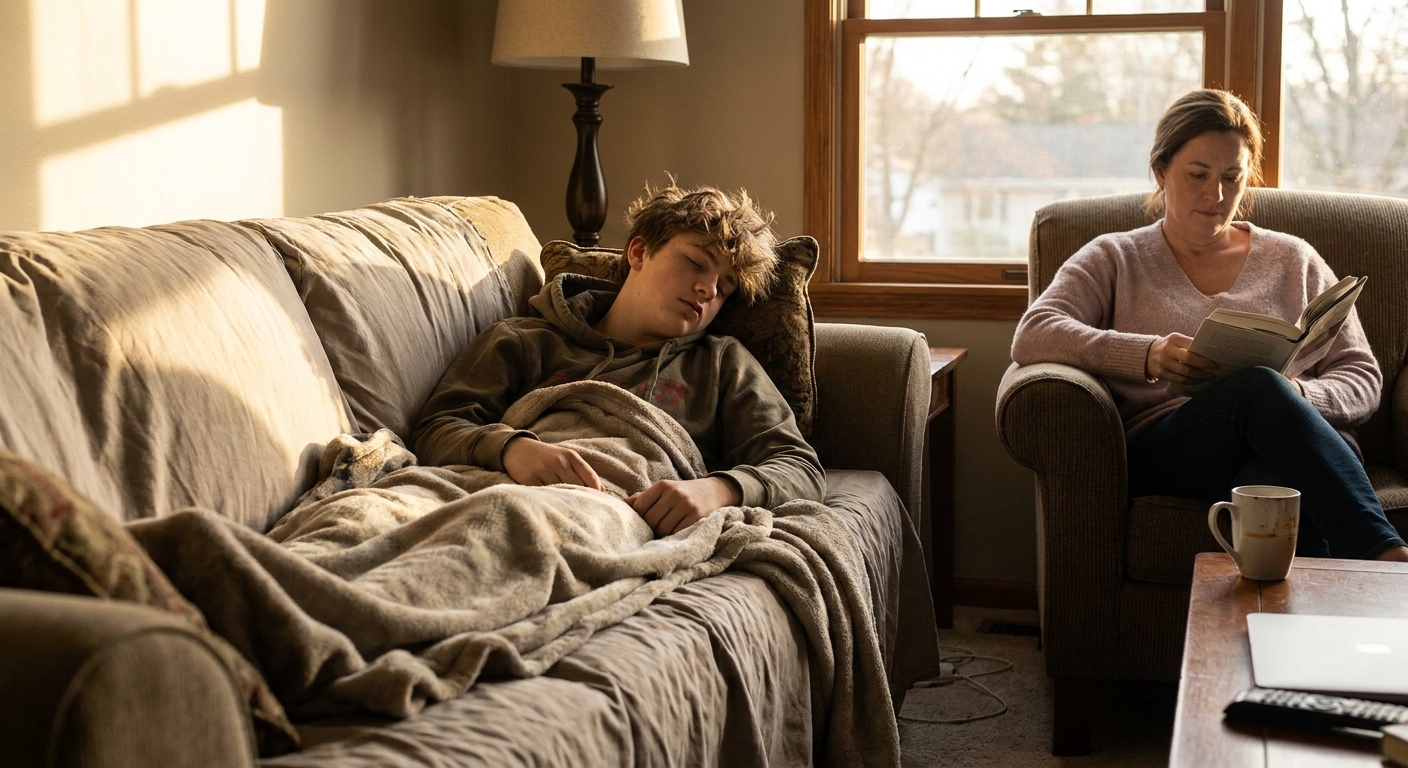
If your child had COVID and never really “snapped back,” you are not imagining it. In clinic, I’ve talked with plenty of families whose kids look fine on the outside but are wiped out by lunchtime, can’t focus the way they used to, or feel dizzy and sick after PE. That long tail after an infection like COVID can be scary, especially when everyone around you expects a quick recovery.
This article focuses on what families commonly notice after COVID, how to approach school and activity safely, when symptoms are more urgent, and what getting help typically looks like through primary care and specialty clinics.
What “long COVID” means in kids
Long COVID is a broad term used when symptoms continue or new symptoms appear after the initial COVID infection has passed. In pediatrics, you will also hear:
- Post-acute sequelae of SARS-CoV-2 (PASC)
- Post-viral symptoms or post-infectious syndrome
There is no single symptom list that fits every child. Some kids have one main issue, like fatigue. Others have a cluster: fatigue plus headaches plus dizziness plus trouble concentrating. Symptoms can also wax and wane, which is frustrating and very typical.
One definition note: timelines vary. Some organizations define pediatric “post-COVID condition” as symptoms lasting about 12 weeks or more. In real life, clinicians often start evaluating earlier if symptoms are affecting school, sports, sleep, or basic daily function.
Important note from a triage-nurse perspective: long symptoms after an infection are not unique to COVID. We can see similar patterns after influenza, mono (EBV), and other viral illnesses. The strategy is often similar: rule out emergencies and common treatable problems, then build a steady plan for recovery.
Common symptoms parents notice
Families usually come in describing a “different kid” after the infection, often in subtle, hard-to-measure ways. The most common themes include:
Fatigue that does not match the day
- Needing naps again after outgrowing them
- Crashing after school, practice, or even a shower
- Sleeping longer but still waking up unrefreshed
Brain fog and school struggles
- Trouble concentrating, slower processing, forgetfulness
- New difficulty with reading comprehension or math steps
- More time needed for homework, more emotional “meltdowns” from cognitive overload
Headaches, stomach issues, and body aches
- Frequent headaches or migraine-like episodes
- Nausea, belly pain, appetite changes
- Muscle and joint aches
Dizziness, fast heart rate, and feeling worse after standing
Some kids describe feeling lightheaded, shaky, or “weird” when they stand up, especially in the morning or after showers. They may have a noticeable racing heart. This can overlap with orthostatic intolerance and conditions like POTS, which deserve proper evaluation.
A quick nuance that matters: POTS is a specific diagnosis with criteria and a clinician assessment. And plenty of other issues can mimic it or worsen it, like dehydration, anemia/iron deficiency, medication side effects, or not eating enough.
Exercise intolerance and next-day crashes
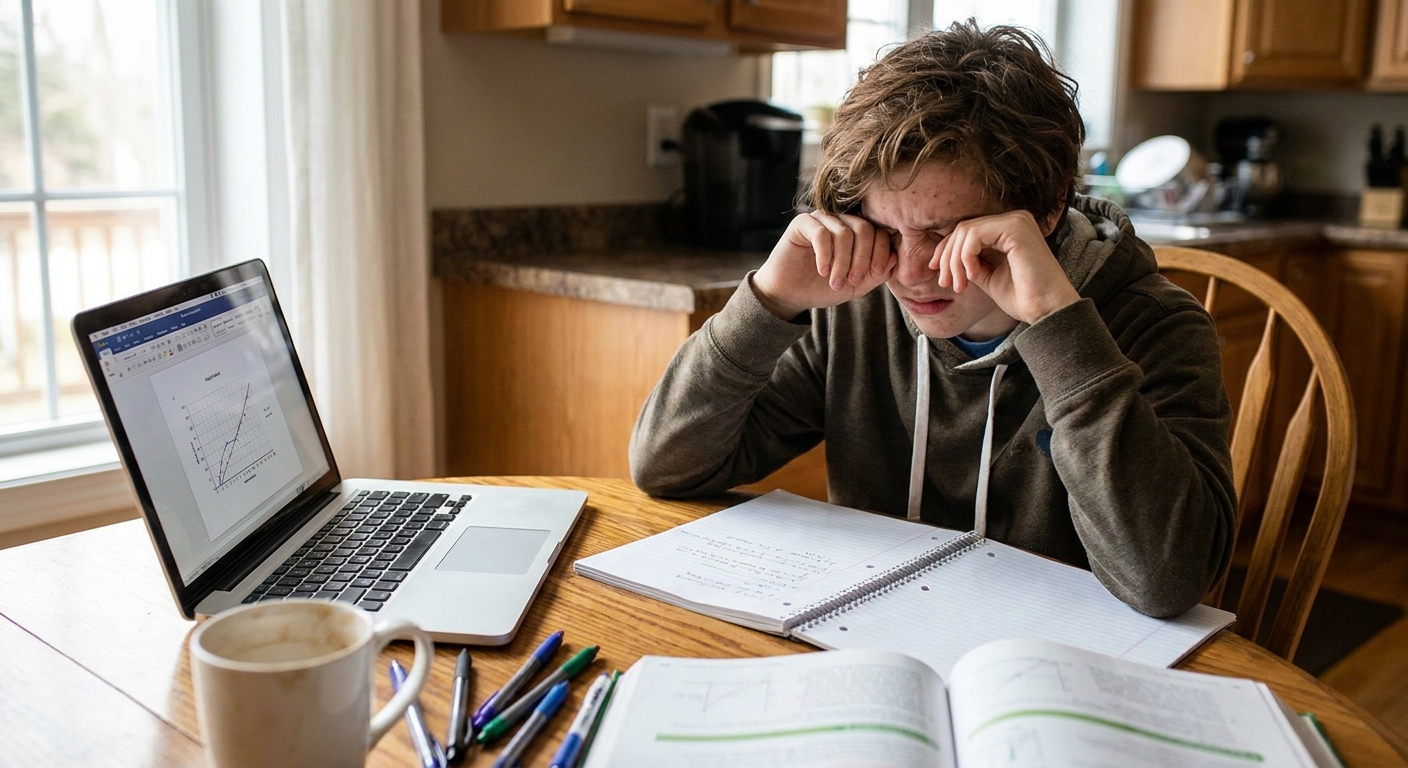
This is a big one. Some kids feel okay during activity but feel significantly worse hours later or the next day. This pattern is often called post-exertional malaise (PEM), meaning symptoms flare after doing too much.
If your child repeatedly crashes after “pushing through,” that is a sign to rethink the approach.
How long is too long?
There is no magic day number that flips a switch from “normal recovery” to “long COVID,” but these are reasonable guideposts:
- First 2 to 4 weeks: lingering cough, low stamina, and needing extra sleep can still be part of recovery for some kids.
- Beyond 4 weeks: ongoing or new symptoms are worth discussing with your child’s primary care clinician, especially if school attendance or daily functioning is affected.
- Beyond 8 to 12 weeks: symptoms that continue to limit life typically deserve a more structured workup and possibly referrals. Some definitions use 12 weeks as the formal threshold, but you do not have to wait if function is impaired.
If your parent gut is saying, “This is not getting better,” you do not have to wait a set number of weeks to ask for help.
Why it can be hard to diagnose
One of the hardest parts for families is that there is usually no single test that proves long COVID. Instead, clinicians put the puzzle together using:
- Symptoms over time
- How day-to-day function has changed (school, sports, sleep, mood)
- Physical exam and targeted testing to rule out other treatable causes
This is also why good notes and school feedback can be surprisingly useful. It helps make the “invisible” visible.
Exercise: rest vs rebuild
Parents often ask me, “Should we make them get moving again so they do not decondition?” That is a fair concern. But the key is how you rebuild, especially if PEM is part of the picture.
Start with pacing, not pushing
Pacing means staying under the level of activity that triggers a symptom flare, then gradually expanding what your child can do. Think “slow and steady,” not “weekend catch-up.”
- Pick a baseline that your child can do most days without a crash. That baseline may be very small at first.
- Increase in tiny steps, and only after several stable days.
- Build in recovery time after school, therapies, and social events.
If PEM happens, do not force increases
If your child gets significantly worse later that day or the next day after activity, that is a red flag that the plan is too aggressive. In PEM, a forced “add more every week no matter what” approach can backfire.
Instead, aim for a symptom-limited, clinician-guided return that respects your child’s current limits. Ask your clinician whether physical therapy or rehab can help structure this safely.
A simple pacing tool
If you want something concrete, try this for 1 to 2 weeks:
- Use a 0 to 10 symptom scale (0 = normal, 10 = worst) for fatigue, headache, dizziness, and brain fog.
- Write down activity “chunks” (school day, shower, practice, social outing) and how your child feels 6 to 24 hours later.
- Look for patterns, then set a baseline that avoids the 24-hour crash.
Practical return-to-activity ideas
- Replace intense workouts with gentle movement at first: short walks, stretching, light yoga, easy biking if tolerated.
- Use a timer for activity and rest breaks rather than relying on willpower.
- Prioritize consistency over intensity. Ten minutes most days beats one big session followed by a two-day crash.
If your child has chest pain, fainting, significant palpitations, or shortness of breath beyond what you would expect, they should be evaluated before increasing exercise.
Return to school: protect learning
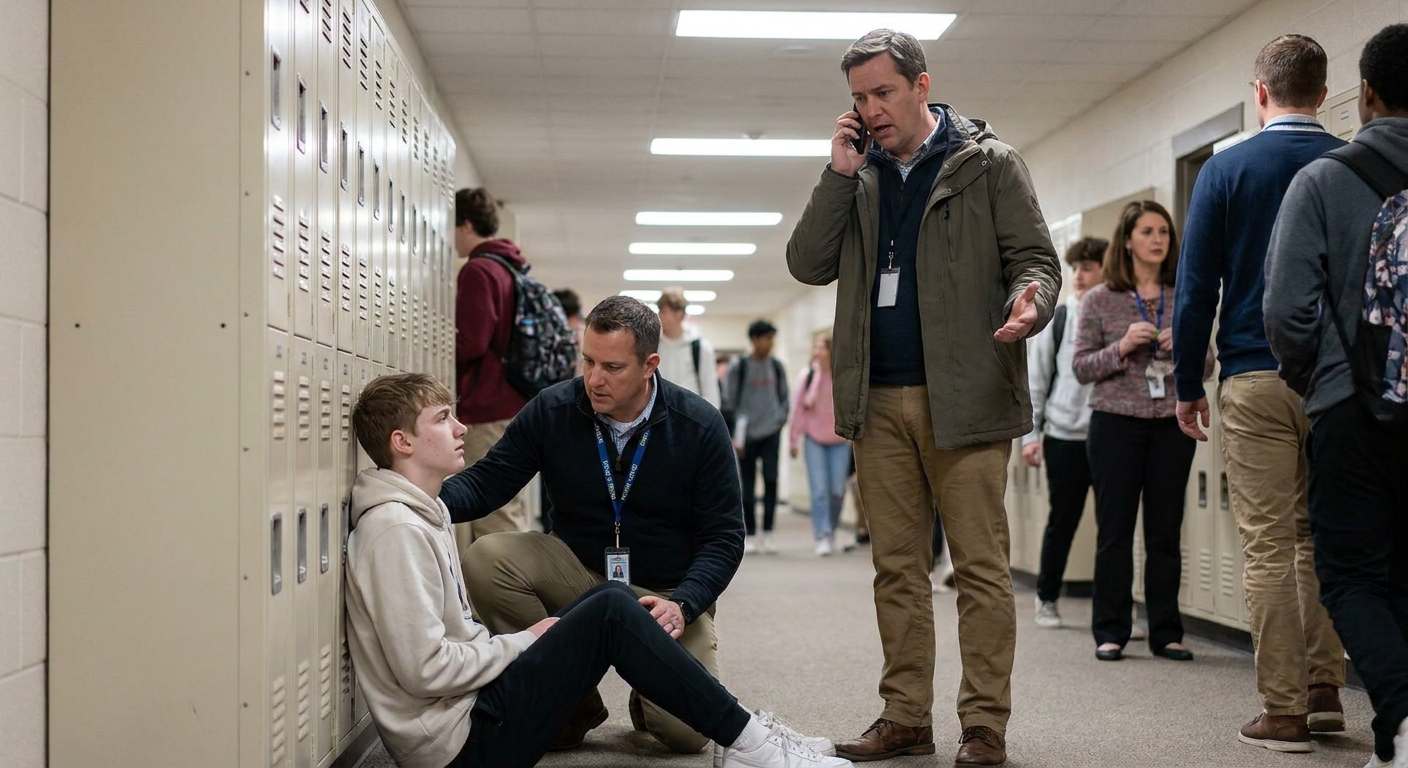
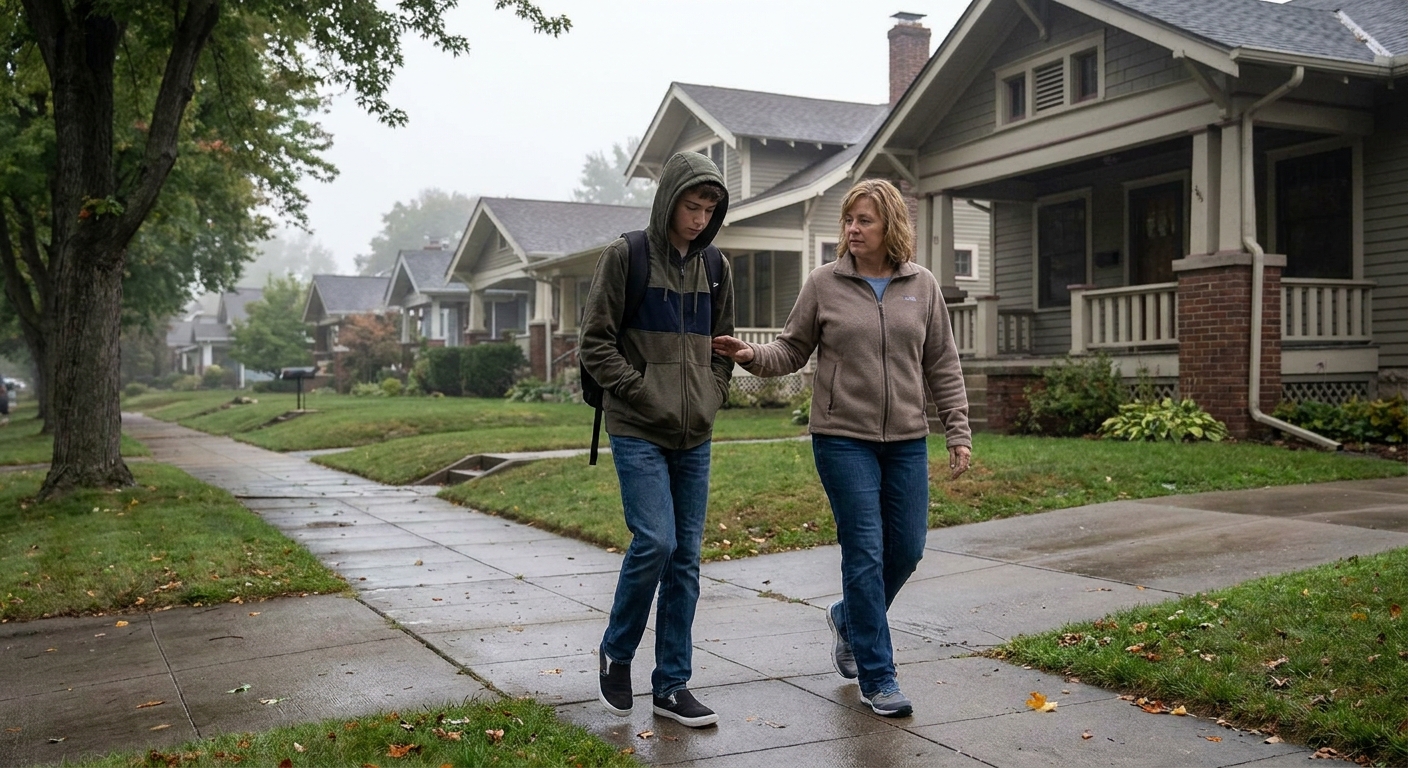
School is often where long COVID becomes impossible to ignore. The cognitive load, the noise, the pace, the stairs, the social stress, and the “no time to rest” structure can overwhelm a recovering nervous system.
Signs your child needs supports
- They cannot consistently attend a full day
- Symptoms spike after school (headaches, exhaustion, dizziness)
- Grades drop because of stamina and focus, not ability
- They are using all their energy at school and have nothing left for eating, bathing, or basic life
Helpful accommodations to ask about
Start with your child’s primary care clinician and the school counselor or nurse. Depending on severity and duration, families may use an informal accommodation plan, a 504 plan, or an IEP. Useful supports can include:
- Shortened day or flexible attendance during recovery
- Rest breaks in the nurse’s office or a quiet space
- Reduced homework load and extended deadlines
- Extra time for tests and reduced testing in one day
- Elevator access or help with heavy backpacks
- Modified PE and a paced, symptom-limited return to physical activity
- Permission to carry water and salty snacks if dizziness or orthostatic symptoms are present and approved by the clinician
A tip from the “I’ve filled out too many school forms” department: ask for accommodations tied to specific functional limits. Example: “Student experiences fatigue and brain fog after 2 to 3 hours of sustained concentration and needs a 10-minute rest break to prevent symptom flare.”
Mental health: both can be true
When kids feel lousy for weeks, their mental health takes a hit. That does not mean symptoms are “just anxiety.” It means the brain and body are connected, and prolonged illness is stressful.
Common impacts
- Increased anxiety about symptoms, school performance, and falling behind
- Low mood from missing activities, friends, and sports
- Irritability and emotional outbursts from exhaustion and sensory overload
- Social withdrawal
What helps
- Validate the experience: “I believe you. Let’s figure this out together.”
- Protect basics: sleep routine, hydration, regular meals, gentle movement if tolerated
- Keep them connected: short friend visits, low-key hangouts, manageable extracurricular involvement
- Consider counseling, especially if symptoms are interfering with daily life or your child feels hopeless
If your child talks about self-harm, not wanting to be here, or you feel they are not safe, seek urgent mental health care immediately.
Red flags: get urgent care
Most post-viral symptoms are not emergencies, but some symptoms should not wait for a routine appointment. Seek urgent care or emergency evaluation if your child has:
- New or worsening chest pain, especially if severe, persistent, or associated with exertion
- Severe shortness of breath, blue lips, or increased work of breathing
- Fainting (especially during exercise) or repeated near-fainting
- New weakness on one side, trouble speaking, new confusion, or severe headache unlike prior headaches
- Signs of dehydration: very little urine, severe dizziness, inability to keep fluids down
- Persistent high fever or a child who looks very ill
- Rapidly worsening symptoms or a parent’s strong sense that something is seriously wrong
One pediatric-specific safety note: in the weeks after COVID, ask for urgent evaluation if your child has persistent fever plus symptoms like rash, red eyes (conjunctivitis), severe belly pain, vomiting/diarrhea, or seems unusually weak or ill. This is because clinicians may need to consider MIS-C, which is now less common than earlier in the pandemic but still important to catch.
If your child is an athlete and develops chest pain, fainting, or racing heart with sports after COVID, they should be evaluated before returning to full training.
Before your appointment
When you have 15 minutes with a clinician, good notes are your best friend. Bring:
- A symptom timeline: onset date, COVID test date (if known), major changes, and triggers
- Top 3 symptoms you want addressed first (example: fatigue, dizziness, brain fog)
- Function snapshots: school attendance, ability to do PE, homework time, nap needs
- What helps and what worsens: hydration, sleep, stress, exertion, screens
- Any concerning episodes: fainting, chest pain, severe headaches, shortness of breath
If your child can describe symptoms themselves, let them. Teens especially may share details they do not say at home, like palpitations, panic symptoms, sleep issues, or restrictive eating.
How primary care evaluates it
Your child’s primary care clinician will typically start with three goals: confirm what is happening functionally, check for red flags, and look for treatable contributors that can mimic or worsen long COVID.
Common pieces of the workup
- History and exam, including orthostatic vitals (heart rate and blood pressure lying, sitting, standing) when dizziness is a main symptom
- Targeted labs based on symptoms and exam. Depending on the child, that might include anemia or iron issues, thyroid concerns, or other checks. These are not automatically needed for every child.
- Screening for sleep issues (including sleep apnea in some kids), nutrition concerns, and mental health
- ECG or additional cardiac evaluation if chest pain, palpitations, fainting, or exertional symptoms suggest it
A big part of care is also coaching: pacing, sleep support, school documentation, and setting expectations for gradual recovery.
Other things we sometimes check for
This is not to overwhelm you, but to reassure you that clinicians have a reasonable “what else could it be?” list. Depending on symptoms, they may consider things like asthma flare, migraines, anemia or iron deficiency, thyroid disease, diabetes, sleep disorders, depression or anxiety, and medication side effects.
When referrals happen
Referrals usually depend on the dominant symptoms and how much daily life is affected. Common pathways include:
- Cardiology: chest pain, fainting, concerning palpitations, abnormal ECG, exercise intolerance that raises concern
- Pulmonology: ongoing shortness of breath, persistent cough, abnormal lung testing, asthma-like symptoms
- Neurology: severe or changing headaches, significant cognitive symptoms, neurologic findings
- Rehab medicine or physical therapy: guided return to function, especially when pacing needs structure and PEM is a concern
- Psychology/psychiatry: anxiety, depression, school refusal, or significant distress, often alongside medical care
- Multidisciplinary long COVID clinics (where available): coordinated evaluation across specialties
In many areas, there is not a single “long COVID test,” and there may not be a local specialty clinic. That does not mean your child cannot get help. Primary care can still coordinate symptom-based care and refer as needed.
Supportive care that helps
There is no one-size-fits-all treatment, but these basics are worth discussing with your clinician because they support recovery and reduce symptom spirals:
- Sleep routine: consistent wake time, screen limits before bed, evaluate for insomnia
- Hydration and regular meals: especially if dizziness or headaches are prominent (ask your clinician about salt and fluid goals if orthostatic symptoms are part of the picture)
- Gentle, paced movement: avoid boom-and-bust cycles, and avoid forced increases if PEM is happening
- Headache hygiene: hydration, sleep, regular meals, stress management, and appropriate medication use as directed
- School accommodations: protect the brain’s energy budget
- Managing coexisting conditions: asthma, allergies, iron deficiency, migraines, anxiety, and ADHD can all amplify symptoms if uncontrolled
If you are thinking, “This sounds like a full-time job,” you are not wrong. Aim for the highest-impact changes first. In many families, that is sleep, hydration, and a school plan.
What recovery can look like
Recovery is often gradual. Many kids improve over time, but the timeline varies. A pattern I see frequently is:
- Symptoms fluctuate for weeks
- There are small gains, followed by setbacks after overexertion
- With pacing and supports, the baseline slowly rises
The goal is not to “win the day” by pushing through. The goal is to build a week-to-week trend toward more function, fewer crashes, and a kid who feels like themselves again.
If your child is struggling, you deserve a clinician who takes you seriously and helps you make a plan. You are not being dramatic. You are being appropriately attentive.
When to push for care
If any of the following are true, it is reasonable to ask for a more structured evaluation, documentation for school, and possibly referrals:
- Your child cannot attend school consistently or is frequently leaving early
- They are unable to return to normal daily activities without crashing
- Symptoms are worsening rather than slowly improving
- Dizziness, fainting, chest pain, or palpitations are part of the picture
- Brain fog is affecting grades and confidence
- Your child’s mood is deteriorating or they are withdrawing
If you feel brushed off, try a simple, concrete statement: “We are not asking for a miracle test. We need help with function, school support, and a safe plan to return to activity. What are our next steps?”
Safety and reassurance
This article is educational and not a substitute for medical care. But I want you to hear this clearly: your child’s symptoms are worth evaluating, and you are allowed to ask for support. Long recoveries happen, and with the right pacing, school accommodations, and targeted medical evaluation, many kids do improve.
One more “ask your clinician” note that comes up a lot: staying up to date on recommended COVID vaccines and boosters may reduce the risk of severe infection and may lower the chance of prolonged symptoms for some people. It is not a guarantee, but it is worth discussing if you have questions.
If you want to be extra prepared for your appointment, print this page or copy the symptom and school accommodation lists into your notes app. Future you will thank you, especially if you are reading this at 3 AM.