Mastitis While Breastfeeding: Symptoms, Home Care, and When You Need Antibiotics

Sarah Mitchell
Sarah Mitchell is a Registered Pediatric Nurse and a mother of three who has spent over a decade helping families navigate the beautiful, chaotic early years of childhood. She combines evidence-based medical knowledge with real-world parenting experience to offer practical, compassionate advice. At Awesome Parent, Sarah's mission is to help exhausted parents find solutions, trust their instincts, and finally get some sleep.
If you are reading this at 2 a.m. with one hot, angry spot on your breast and a baby who somehow wants to nurse more, take a breath. Most breast inflammation during breastfeeding is fixable, and you did not “cause” this by doing anything wrong.
I am Sarah, a pediatric nurse and a mom of three, and I have talked a lot of parents through this exact spiral: “Is this just a clogged duct… or am I getting really sick?” Let’s make it simple, safe, and actionable.

Plugged duct vs mastitis vs abscess
These conditions are related, but they are not the same. Think of them on a spectrum: milk flow slows down, inflammation ramps up, and sometimes infection can join in.
This “gentle, inflammation-first” approach is supported by updated guidance from the Academy of Breastfeeding Medicine (ABM).
Plugged duct (localized inflammation)
- What it feels like: A small, tender lump or firm area. Discomfort often stays in one spot.
- Skin: May look normal or mildly pink, usually not dramatically red.
- How you feel overall: Typically okay. No fever, no body aches.
- Timing: Often improves within 24 to 48 hours with supportive care. If it is not improving, keeps returning, or is getting worse, call your provider.
Mastitis (breast inflammation, sometimes infection)
- What it feels like: A painful, swollen, warm area that can spread quickly. Breast may feel heavy and very sore.
- Skin: Redness may be wedge-shaped or patchy and can expand.
- How you feel overall: Often flu-like symptoms such as chills, body aches, fatigue, and feeling “hit by a truck.”
- Fever: Common, but not required.
- Timing: Symptoms can worsen over 12 to 24 hours. If you have fever or flu-like symptoms, call the same day. If symptoms are mild and localized only, reassess after about 24 hours of good home care and call if you are not clearly improving.
Breast abscess (pocket of infection)
- What it feels like: A very painful, distinct lump that may feel fluctuant, like it has fluid.
- Skin: Often red, shiny, and swollen in a focused area.
- How you feel overall: May have ongoing fever or feel unwell, especially if mastitis has not improved.
- Timing: Often suspected when mastitis does not improve with antibiotics or symptoms worsen after a few days.
If you are unsure which bucket you are in, that is normal. The key is watching the trend: are you improving within a day, or clearly getting worse?
Symptoms and timeline
Parents often ask, “How do I know if it is mastitis and not just soreness?” Here is what I look for clinically.
Early signs
- A tender lump or firm area
- A hot spot or warmth in one part of the breast
- Increased pain during letdown or feeding
- Mild redness that stays localized
Signs it is progressing
- Redness that expands or becomes more intense over hours
- Swelling and pain that are getting worse instead of better
- Flu-like symptoms: chills, body aches, headache, fatigue
- Fever (often 100.4°F / 38°C or higher)
How fast is too fast?
With a plugged duct, you may have a stubborn sore spot but usually no fever and you still feel mostly like yourself. Mastitis tends to come with a sudden shift: you feel fine-ish, then within the same day you feel systemically sick, and the breast redness and pain often ramp up quickly.
If you have a fever plus a painful red area or you feel flu-ish, start home care right away and call your provider the same day.
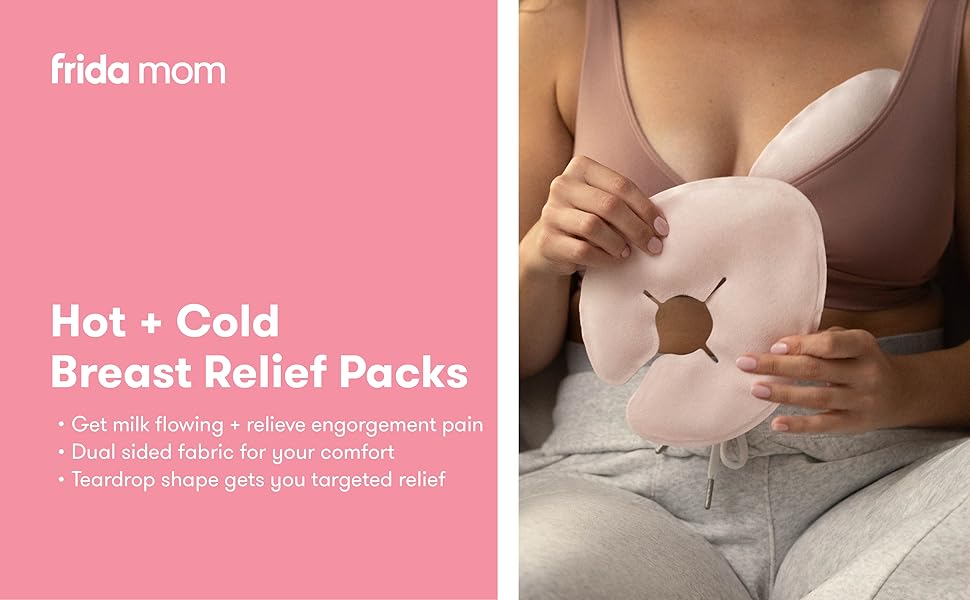
Home care that helps
Old advice used to focus on aggressive massage and “empty the breast at all costs.” Newer evidence (including ABM guidance) supports a gentler approach: reduce inflammation, keep milk moving comfortably, and avoid overdoing pumping or hard massage that can worsen swelling.
1) Keep feeding, keep it comfortable
- Continue breastfeeding if you can. It is usually safe for baby, even if you need antibiotics later.
- Feed on demand and aim for your normal rhythm.
- Start on the unaffected side first if letdown is painful, then switch.
- Try different positions for comfort, but do not force a painful latch.
2) Cold and pain relief
- Cold packs for 10 to 20 minutes at a time can reduce swelling and pain.
- Ibuprofen helps with inflammation and is generally compatible with breastfeeding.
- Acetaminophen (Tylenol) is another option for pain or fever, and can be helpful if you cannot take NSAIDs.
Medication safety note: Avoid ibuprofen if you have an NSAID allergy, certain kidney problems, a history of stomach ulcers or GI bleeding, or if your clinician has told you not to take it. Follow the label and your provider’s guidance, especially postpartum if you have any medical complications.
3) Gentle milk removal only
- If baby is not nursing well, you can hand express or pump just enough to feel comfortable.
- Avoid “power pumping” to chase emptiness. Oversupply and extra pumping can keep inflammation going.
4) Be kind to the tissue
- Avoid deep, hard massage. If it hurts, it is too much.
- If you want to use touch, use light, gentle stroking toward the armpit or chest to help fluid move, not to “crush a clog.”
- Wear a supportive, not tight bra. Skip underwire if it presses on the sore area.
5) Rest and fluids matter
This is the part everyone hates because it feels impossible with a baby. But inflammation and infection both hit harder when you are run down. Rest and hydration can support recovery. If you can, park yourself on the couch, feed the baby, drink water, and accept any help that walks through the door.
Quick mom-to-mom note: if you are trying to “push through” mastitis while doing everything as normal, your body may eventually force you to stop. Rest earlier is often kinder to you.
What not to do
- Do not do deep or painful massage or “dig” at a lump.
- Do not overpump or add extra sessions to “empty” the breast.
- Do not use high heat for long stretches (like long hot showers) if it makes swelling and throbbing worse. Some people like brief warmth right before a feed for comfort, but if heat ramps up swelling, skip it.
- Do not ignore a worsening trend, especially if fever or flu-like symptoms show up.
Nurse or pump the affected side?
In most cases, yes, you can and should keep removing milk in a gentle, normal way.
Usually safe for baby
- Breastfeeding is usually safe for baby. Mastitis rarely harms the baby.
- Most antibiotics used for mastitis are compatible with breastfeeding. Your milk may taste a little different, so some babies fuss briefly, but many do fine.
Pumping tips if nursing is too painful
- Use the lowest suction that effectively removes milk.
- Keep sessions short and comfort-focused.
- Double check flange size. A poor fit can cause nipple trauma and make things worse.
When to get help with latch
If you have cracked nipples, significant nipple pain, or baby’s latch has changed, a lactation consultant can be a game changer. Nipple damage can open the door for bacteria and make inflammation harder to settle.

When to call for antibiotics
Not every case needs antibiotics, especially early inflammation that improves with rest, cold, and normal milk removal. But antibiotics can be important when bacterial infection is likely or symptoms are not improving.
Call today
- Fever (100.4°F / 38°C or higher) with breast pain and redness
- Flu-like symptoms (chills, body aches) plus a tender red area
- Rapid worsening over hours
- Significant nipple damage (cracks, bleeding) along with breast redness and pain
Call within 24 hours
- Mild, localized symptoms that are not clearly improving after about 24 hours of solid home care
- A plug or firm area that keeps coming back
What to expect once antibiotics start
Many parents start feeling noticeably better within 24 to 48 hours after starting the right antibiotic, but full tenderness can linger longer. If you feel no improvement within 48 hours, call back. You may need a different antibiotic, a milk culture, or imaging to rule out an abscess.
When it could be an abscess
A breast abscess is less common, but it is important to catch early because it usually needs drainage (often done with a needle under ultrasound guidance) plus antibiotics.
Red flags
- A distinct lump that does not improve
- Persistent fever or continued feeling very sick
- No improvement after 48 hours on antibiotics
- Skin over the area looks shiny, very swollen, or increasingly red
If you suspect abscess, call your provider promptly. Ask whether you need an ultrasound.
Urgent care now
Most mastitis can be handled with same-day calls and outpatient treatment. But there are times you should not wait.
- Severe illness: confusion, fainting, severe weakness, or trouble staying awake
- Rapidly spreading redness across a large portion of the breast
- High fever (especially 103°F / 39.4°C or higher) or fever with shaking chills
- Severe pain that is not controlled with typical measures
- Signs of dehydration: very dark urine, dizziness, unable to keep fluids down
- Immunocompromised parent or recent breast surgery
If you are worried, trust that instinct. I have never seen a parent regret getting checked when they felt truly unwell.
Causes and lowering risk
Mastitis is usually linked to milk stasis and inflammation, sometimes with bacterial overgrowth. Common triggers include:
- Long stretches between feeds (baby sleeping longer, schedule changes)
- Oversupply or frequent pumping that outpaces baby’s needs
- Pressure on the breast (tight bra, baby carrier strap, sleeping position)
- Nipple trauma from latch issues or pumping friction
- Sudden weaning or dropping feeds quickly
Prevention that is realistic
- Keep a comfortable, consistent feeding rhythm rather than trying to “empty” constantly.
- Check bra and pump fit. Avoid anything that digs in.
- If you are dropping feeds, do it gradually when possible.
- Address latch pain early. Pain is not a requirement for “good breastfeeding.”
- If you get recurrent plugs, ask your provider or lactation consultant about sunflower lecithin. It is commonly used to help reduce recurrence for some parents, and it is generally considered breastfeeding-compatible.
Nipple bleb (milk blister) note
Sometimes the “clog” is linked to a nipple bleb, which can look like a tiny white or yellow dot on the nipple and feel like sharp pain with nursing. Do not pick at it or try to “pop” it. Gentle care, optimizing latch, and reducing inflammation can help. If it persists, keeps returning, or pain is significant, contact a lactation consultant or your provider for guidance.
Next 24 hours checklist
- Apply cold packs 10 to 20 minutes at a time.
- Take ibuprofen if you can safely take it, or acetaminophen for pain or fever.
- Feed as usual, starting on the comfortable side if needed.
- Pump only for comfort if baby is not removing milk well.
- Avoid deep massage and overly aggressive pumping.
- Rest, hydrate, and eat something with protein.
- If you have fever or feel flu-ish, call your provider today.
FAQ
Can I breastfeed with mastitis?
In most cases, yes. Continuing to breastfeed or gently express milk is usually recommended and usually safe for baby. If anything feels sharply painful or baby is not feeding well, reach out for lactation support.
Will antibiotics hurt my baby or my milk supply?
Most commonly prescribed mastitis antibiotics are considered compatible with breastfeeding. Your provider will choose one based on your history and local resistance patterns. Supply often improves once inflammation settles and feeding is comfortable again.
What if I see blood or pus in milk?
Small amounts of blood can happen with nipple damage, and many babies can still breastfeed. If bleeding is heavy, persistent, you see pus-like drainage, you have significant nipple wounds, or baby refuses the breast due to taste changes, call your provider.
Can mastitis happen when I am weaning?
Yes. Dropping feeds quickly can lead to milk stasis. If you are weaning, aim for gradual changes and use hand expression for comfort if you feel overly full.
What if it keeps coming back?
Recurrent mastitis or recurrent plugged ducts deserve a closer look. A lactation consultant can help assess oversupply, latch, pumping technique, and nipple trauma. Your clinician may consider a milk culture or imaging in some cases.
What if I have a persistent lump?
If a mass does not resolve, keeps growing, or you have breast symptoms outside the breastfeeding context, get evaluated. Most causes are benign, but persistent lumps should be checked to rule out an abscess or other conditions.
Final note
Mastitis can feel scary because it comes on fast and you are already running on fumes. You do not have to white-knuckle this. If you have fever, spreading redness, or you are not improving within about a day, loop in your provider. Getting timely care is not overreacting, it is smart.
If you want, tell me what you are seeing: How many days postpartum are you, do you have a fever, and is the redness spreading or staying in one spot? Those details help you decide your next best step.