A calm, practical guide to spotting dehydration in infants and toddlers, including wet diaper patterns by age, soft spot clues, ORS tips, and when to seek ur...
Migraines and Headaches in Children

Sarah Mitchell
Sarah Mitchell is a Registered Pediatric Nurse and a mother of three who has spent over a decade helping families navigate the beautiful, chaotic early years of childhood. She combines evidence-based medical knowledge with real-world parenting experience to offer practical, compassionate advice. At Awesome Parent, Sarah's mission is to help exhausted parents find solutions, trust their instincts, and finally get some sleep.
Headaches in kids are surprisingly common and, yes, incredibly stressful when it’s your child holding their head and asking you to “make it stop.” The good news is that most childhood headaches are not dangerous and are often related to primary headache patterns (like migraines or tension headaches) or to common things like illness, dehydration, or sleep disruption. The tricky part is figuring out which pattern you are dealing with and when it crosses into “call the doctor now” territory.
As a pediatric nurse and a mom, I like to approach headaches with two goals: help your child feel better today, and help you spot patterns so you can prevent the next one. We will walk through common headache types, typical triggers, safe comfort measures, and the red flags that need urgent evaluation.
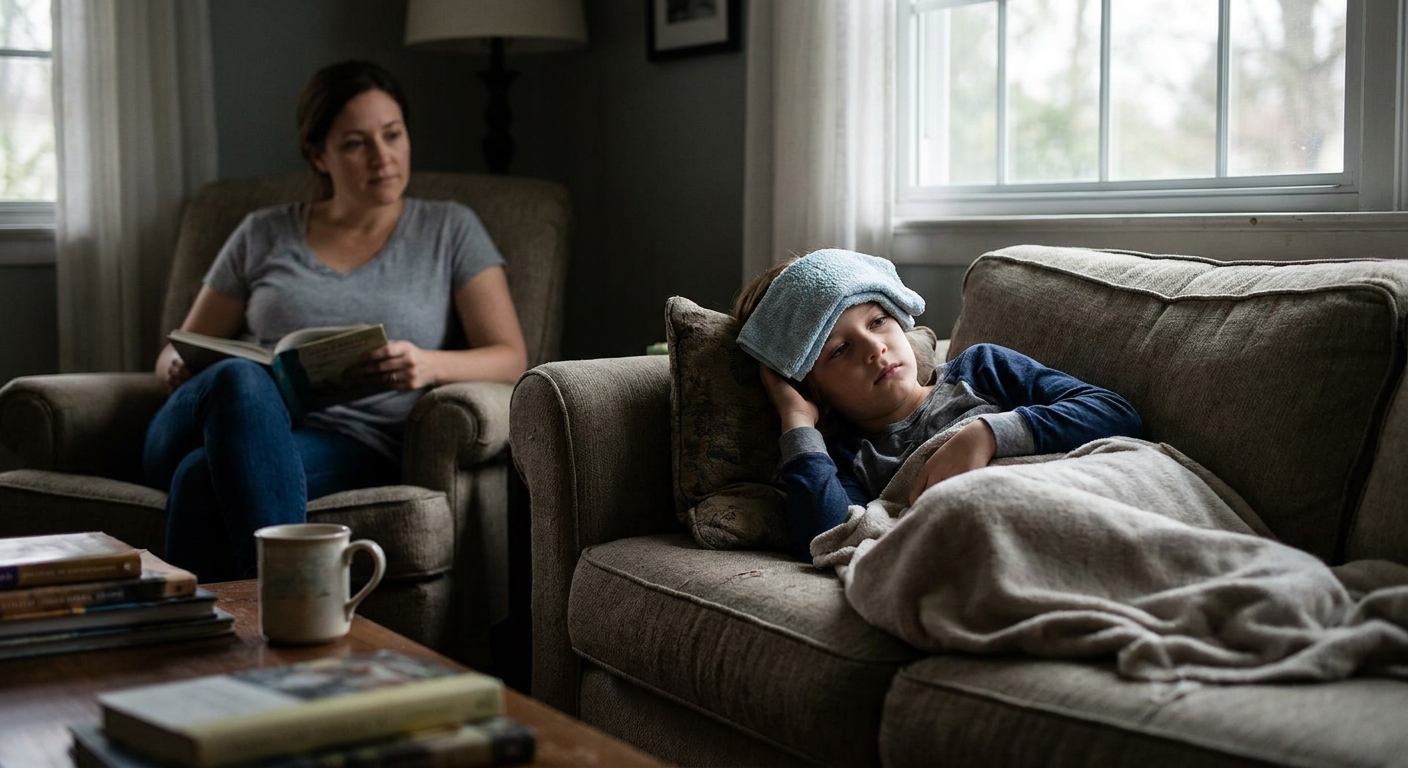
Migraine vs tension headache in kids
Adults and kids can both get migraines and tension-type headaches, but children do not always read the textbook. Their symptoms can be shorter, more “whole body,” and sometimes show up as tummy complaints instead of head pain.
What migraines often look like
- Pain quality: throbbing or pounding, but in kids it can be steady, too.
- Location: often front of the head or both sides in children (not always one-sided like adults).
- Other symptoms: nausea, vomiting, belly pain, dizziness, sensitivity to light or sound, needing to lie down.
- Duration: often shorter than adults. Many last a few hours, and some can be as short as 1 to 2 hours, though longer attacks can happen.
- Function: your child usually wants to stop what they are doing.
What about aura? Some kids get a migraine aura, meaning temporary neurologic symptoms before the headache, like seeing flashing lights, zig-zag lines, blind spots, tingling, or trouble finding words. Aura symptoms should be short-lived and fully go away. If symptoms are new, unusual for your child, or not resolving, that is a reason to get evaluated urgently.
What tension-type headaches often look like
- Pain quality: pressure, tightness, or a “band around the head.”
- Location: usually both sides or across the forehead.
- Other symptoms: typically no vomiting; light and sound sensitivity are less common.
- Duration: can last hours or come and go.
- Function: many kids can still play, but they are crankier and less patient.
Other headache patterns parents ask about
- Sinus-related pain: true sinus headaches are less common than people think. Most “sinus headaches” in kids are actually migraines or viral congestion discomfort. Acute bacterial sinusitis usually looks like congestion and cough (with nasal discharge that may or may not be thick) that lasts more than 10 days without improving, or symptoms that clearly worsen after starting to get better.
- Dehydration headaches: often show up after sports, hot days, or illness with poor intake.
- Medication-overuse headaches: using pain medicine too frequently can create more frequent headaches over time.
- Rare but notable patterns: if headaches are always on one side and come with a red or tearing eye, a droopy eyelid, or a very restless “can’t sit still” feeling, call your pediatrician soon for guidance.
Common triggers in children
Many kids have more than one trigger, and triggers can stack. A busy week with late bedtime plus skipped breakfast plus a long tablet session is a classic setup.

Top triggers I see often
- Sleep issues: too little sleep, irregular bedtimes, or sleeping in much later than usual on weekends.
- Dehydration: especially with sports, hot weather, or kids who “forget” to drink at school.
- Skipped meals: breakfast is a big one. Low blood sugar can be a migraine trigger.
- Screen time: long stretches without breaks, bright screens in a dark room, or poor posture while gaming.
- Stress and schedule overload: tests, social stress, packed extracurriculars, big changes at home.
- Illness: viral infections, fever, and congestion can trigger headaches.
- Motion and travel: car rides can trigger migraines in some kids.
- Hormonal changes: migraines can start or worsen around puberty and periods.
- Caffeine: energy drinks, coffee drinks, and even some sodas can trigger headaches or rebound headaches.
- Environmental factors: strong odors, smoke exposure, heat, bright sunlight, and sometimes weather changes.
- Vision strain: headaches after reading, homework, or screens (especially with squinting or sitting very close) can be a clue that an eye exam is due.
- Constipation: it sounds unrelated, but in some kids, constipation and poor hydration travel together and can contribute to feeling “headachy.”
If you suspect a food trigger (like chocolate, aged cheeses, processed meats, or artificial sweeteners), do not panic and eliminate everything. A short, simple tracking period works better than a long list of restrictions.
What to do at home
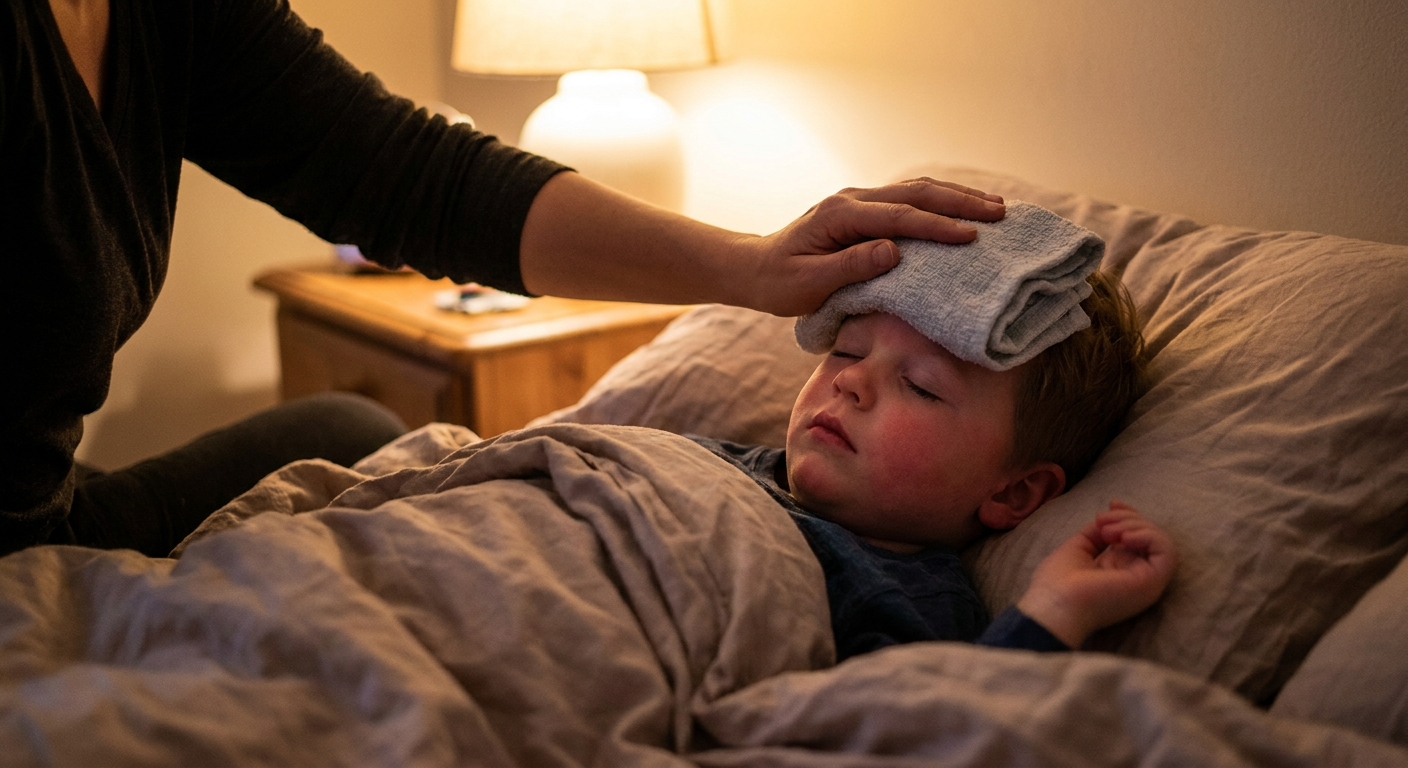
When your child is in pain, you want a plan that is simple, safe, and doable. Think of it as a “headache reset.”
Step 1: Set up a low-stimulation space
- Dim the lights and reduce noise.
- Encourage rest or sleep, even a short nap.
- Offer a cool compress on the forehead or back of the neck.
Step 2: Hydrate and fuel gently
- Offer water first. For kids who have been active, sweating, or mildly ill, an oral rehydration solution or electrolyte drink can help.
- If nausea is mild, try small bland options like crackers, toast, applesauce, or yogurt.
Step 3: Consider pain medicine safely
For many children, early treatment works better than waiting until the headache is severe.
- Acetaminophen or ibuprofen are commonly used for children. Use the dose on your child’s bottle based on their weight and age, and use the measuring device that comes with it.
- Avoid aspirin in children and teens because of the risk of Reye syndrome.
- Do not combine products that might contain the same ingredient (for example, cold medicine plus acetaminophen).
- One more safety note: if your child is vomiting a lot, very dehydrated, or not peeing normally, check with your clinician before using ibuprofen, and focus on rehydration first when you can.
Important: If your child needs pain medicine for headaches frequently, talk with your pediatrician. A common, practical rule of thumb is more than 2 to 3 days per week. Frequent use can contribute to medication-overuse headaches, and it is also a sign you may need a prevention plan.
Step 4: Address the obvious trigger
- If they skipped lunch, offer a snack with protein.
- If they were on screens for hours, take a screen break and stretch the neck and shoulders.
- If they are stressed, try a short calming routine: slow breathing, a warm shower, quiet audiobook, or gentle back rub.
Step 5: Watch and reassess
Most routine headaches should gradually improve with rest, hydration, and appropriate pain medicine. A helpful check-in point is about 60 to 90 minutes after you start your “reset” plan. If your child is worsening, unusually sleepy, vomiting repeatedly, or acting “not like themselves,” it is time to escalate.
A simple headache diary
If headaches are recurring, a quick diary can be incredibly useful for your pediatrician and for you. You do not need anything fancy, just consistency.
Track these basics for 2 to 4 weeks
- Date and time headache started
- Where the pain was and what it felt like
- Severity (0 to 10, or mild, moderate, severe)
- What was happening beforehand: sleep, meals, hydration, sports, screens, stress
- Any symptoms: nausea, vomiting, light sensitivity, aura
- What you tried and how well it worked
Patterns usually show up faster than you expect, and they often point to easy wins like more water at school or a more consistent bedtime.
When to get urgent care
Most headaches are not emergencies. Still, there are specific warning signs that should prompt urgent care or an emergency evaluation. Trust your gut here. You know your child’s “normal.”
Go to the ER or seek urgent evaluation now if your child has:
- Sudden, severe “worst headache” that peaks quickly
- Headache with neurologic symptoms like weakness, trouble walking, confusion, fainting, a seizure, or new slurred speech
- Stiff neck with fever, severe lethargy, or a rash that concerns you
- Persistent vomiting, especially if they cannot keep fluids down
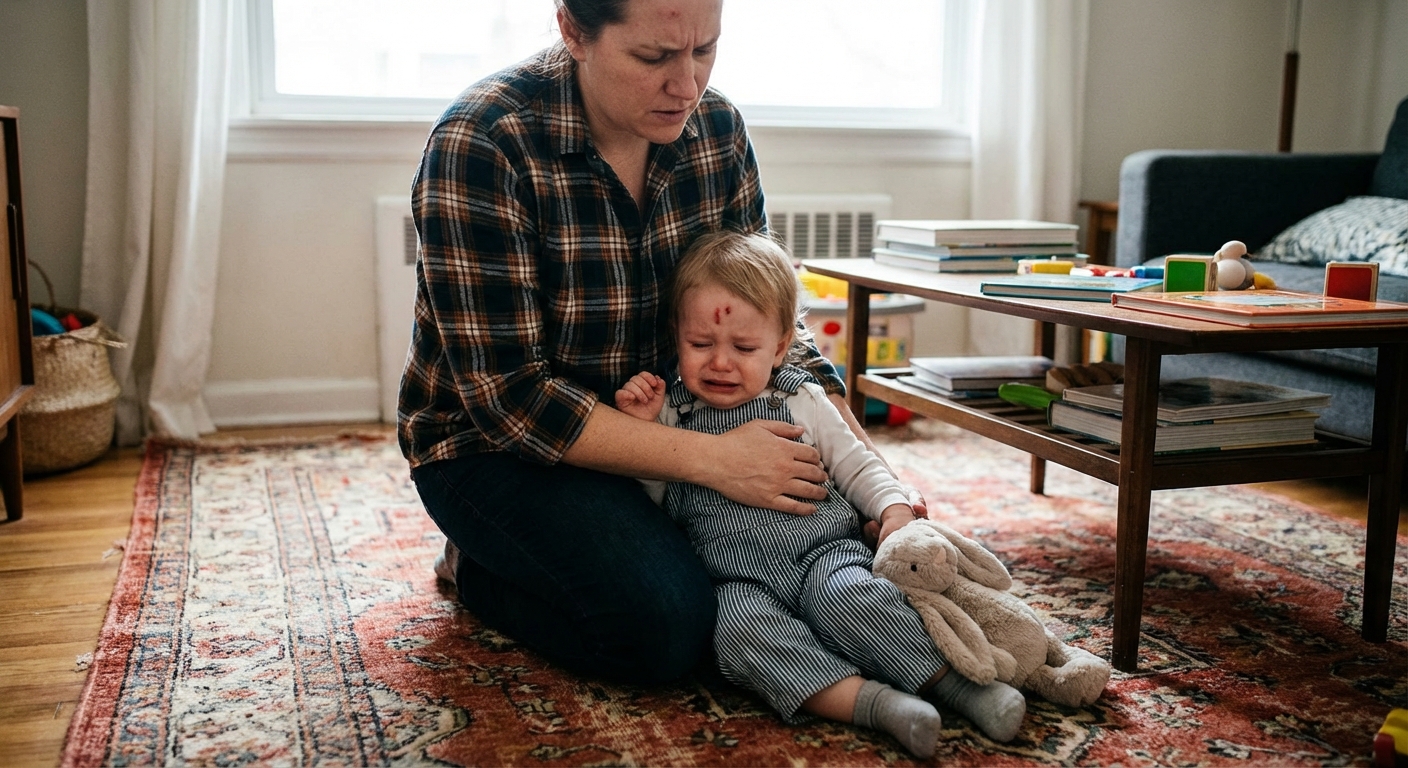
- Headache after a head injury with worsening pain, repeated vomiting, increasing sleepiness, confusion, or behavior changes
- Vision changes like double vision, loss of vision, or a new unequal pupil
- A new or clearly worsening pattern, especially headaches that repeatedly wake them from sleep or are consistently worst first thing in the morning, particularly when paired with vomiting
- Signs of dehydration that are significant: very dry mouth, no urination for many hours, dizziness, or extreme fatigue
Call your pediatrician soon (within a day or two) if:
- Headaches are becoming more frequent or more intense
- Your child needs pain medicine regularly to function
- Headaches are interfering with school attendance, sports, or sleep
- Your child has a chronic medical condition or is immunocompromised
- You suspect vision problems, sleep apnea, anxiety, or depression may be contributing
- Headaches are consistently triggered by reading or schoolwork, or you notice squinting or complaints about blurry vision
If your child is under 3 years old and having recurrent headaches, that is also a good reason for prompt medical assessment because little kids cannot always describe what they feel.
Prevention basics
I wish there were a magical supplement or one simple hack. In real life, the most effective prevention tends to be consistent routines and small daily supports.
- Sleep: aim for a regular bedtime and wake time, even on weekends (within about an hour).
- Hydration: send a water bottle to school and build in drink breaks. Pale yellow urine is a rough, parent-friendly hydration check for older kids.
- Meals: do not skip breakfast. Include protein and complex carbs when you can.
- Screen habits: take breaks, reduce brightness, avoid screens in a dark room, and watch posture. If screens are disrupting sleep, evening limits and night mode or blue-light filtering may help sleep quality.
- Stress tools: a short daily routine like movement, journaling, or a bedtime wind-down can lower baseline tension.
If migraines are frequent, your pediatrician may discuss prescription rescue medicines, preventive options, or a referral to pediatric neurology. That is not a failure. It is a plan.
School and sports tips
Once your child feels better and is back to their usual self, it is generally reasonable to return to school and normal activities. A few practical supports can prevent a second wave headache.
- School: send a water bottle, plan a protein snack, and consider a brief screen break plan if headaches follow long Chromebook days.
- Sports: prioritize hydration and a snack before and after. If your child gets headaches during practice in the heat, ask the coach about extra water breaks.
- PE or practice after a headache: if they still feel foggy, nauseated, or light-sensitive, it is okay to rest and try again the next day.
Frequently asked questions
Can kids really get migraines?
Yes. Migraines can start in childhood. Family history is common, and symptoms often include nausea, vomiting, light sensitivity, and the need to lie down.
Are headaches ever “just for attention”?
Pain is pain. Even when stress is a trigger, the headache is still real. The goal is to treat the pain and also support what is driving it, like anxiety, sleep loss, or overload.
Do we need a CT or MRI?
Most children with a stable pattern of headaches and a normal neurologic exam do not need imaging. Doctors consider imaging when there are red flags, a concerning exam, or a significant change in the pattern.
A quick pep talk
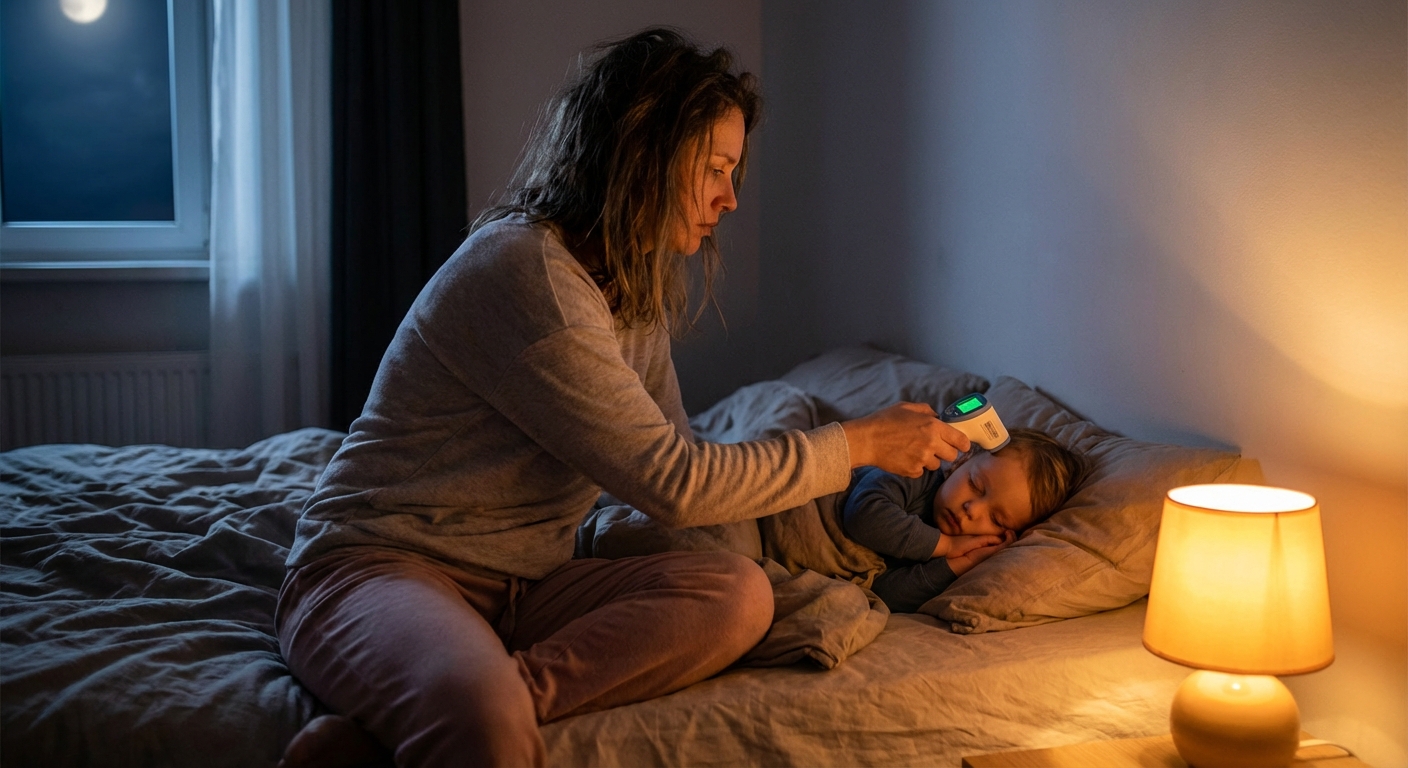
If you are reading this in the dark while your kiddo is miserable, take a breath. Start with the basics: quiet room, fluids, appropriate medicine if needed, and comfort. Then, when everyone is calmer, track a few details so you are not guessing next time.
And if your parent instincts are waving a big red flag, you do not need to talk yourself out of it. You are allowed to get them checked.
Sarah Mitchell
Sarah Mitchell is a Registered Pediatric Nurse and a mother of three who has spent over a decade helping families navigate the beautiful, chaotic early years of childhood. She combines evidence-based medical knowledge with real-world parenting experience to offer practical, compassionate advice. At Awesome Parent, Sarah's mission is to help exhausted parents find solutions, trust their instincts, and finally get some sleep.