A parent-friendly guide to Kawasaki disease symptoms like 5+ days of fever, red eyes, rash, swollen hands and feet, and strawberry tongue, plus incomplete Ka...
MIS-C After COVID-19 in Kids: Fever, Rash, and When to Get Emergency Care

Sarah Mitchell
Sarah Mitchell is a Registered Pediatric Nurse and a mother of three who has spent over a decade helping families navigate the beautiful, chaotic early years of childhood. She combines evidence-based medical knowledge with real-world parenting experience to offer practical, compassionate advice. At Awesome Parent, Sarah's mission is to help exhausted parents find solutions, trust their instincts, and finally get some sleep.
As a pediatric nurse and a mom, I am going to start by saying the quiet part out loud: in most seasons and most households, most fevers in kids are still caused by everyday viruses. But MIS-C (Multisystem Inflammatory Syndrome in Children) is one of those rare situations where we do not want to “wait and see” for too long, especially when a child has had COVID-19 or a known exposure in the past several weeks.
This page will help you spot the pattern, understand what can look similar to common illnesses, and know exactly when to head to the ER. Guidance can change as public health recommendations evolve, so when in doubt, call your child’s clinician or pediatrician or your local nurse line for real-time advice.
What is MIS-C?
MIS-C is an uncommon inflammatory condition that can develop in some children after infection with SARS-CoV-2 (the virus that causes COVID-19). It usually shows up weeks after the initial infection, including after a mild case or one that went unnoticed.
Doctors call it “multisystem” because it can involve more than one body system, like the heart, blood vessels, gut, skin, and nervous system. The key point for parents is this: MIS-C is treatable, and outcomes are generally best when it is recognized early and evaluated promptly. Severity varies, and that is why we take the pattern seriously.
How common is MIS-C?
It is rare. Most children who get COVID-19 do not develop MIS-C. It has also become less common over time in many places, likely due to a mix of vaccination, prior infections, and changes in waves. It can still happen, so the symptom pattern matters.
When does MIS-C happen?
MIS-C typically appears about 2 to 6 weeks after a COVID-19 infection or exposure. In some children, it can show up a bit later, sometimes up to about 8 weeks. Some kids had a documented positive test. Others never did, but they had a known household exposure, a school outbreak, or a “mystery cold” a few weeks earlier.
If your child has a new fever and had COVID-19 in the last month or two, it is reasonable to keep MIS-C in the back of your mind while you watch for other red flags.
MIS-C symptoms
MIS-C is not one single symptom. It is more like a cluster that builds over a day or two. The most consistent feature is fever, plus signs that more than one system is inflamed.
Common symptoms at home
- Fever, often persistent and higher than a typical brief, self-limited fever
- Stomach symptoms: significant belly pain, vomiting, diarrhea, poor appetite
- Rash (can look like blotches, hives, or a diffuse red rash)
- Red eyes (bloodshot eyes without discharge)
- Red or swollen lips/tongue, sore throat
- Swollen hands or feet
- Extreme fatigue, “my child is not themselves”
- Headache or body aches
More urgent symptoms
- Trouble breathing or breathing much faster than usual
- Chest pain or a racing heart
- Dizziness, fainting, or unusual sleepiness
- Signs of dehydration: very dry mouth, no tears, minimal urination
- Severe belly pain that is worsening or localized
Not every child has every symptom. What raises concern is fever plus multiple systems involved, especially after recent COVID-19.

Why it looks like a virus
In triage, the hardest part is that early MIS-C symptoms overlap with many common illnesses. A lot of kids with a stomach bug will have fever, vomiting, and look wiped out.
Common look-alikes
- Viral gastroenteritis (norovirus and other viruses): vomiting and diarrhea with fever
- Flu: fever, body aches, fatigue, headache
- Strep throat: fever, sore throat, sometimes a rash
- Roseola: fever for a few days then a rash
- Hand, foot, and mouth disease: fever, rash, mouth sores
- Appendicitis: belly pain and vomiting, sometimes fever
Clues that lean toward MIS-C
- Timing: COVID-19 infection or known exposure about 2 to 6 weeks ago (sometimes up to about 8 weeks)
- More than one category: fever plus belly symptoms plus rash or red eyes, for example
- Child looks unusually ill: weak, pale, hard to keep awake, not engaging
- Symptoms are escalating rather than slowly improving
If you are stuck in the gray area, trust that instinct. Parents are often right when they say, “This is different.”
Emergency care now
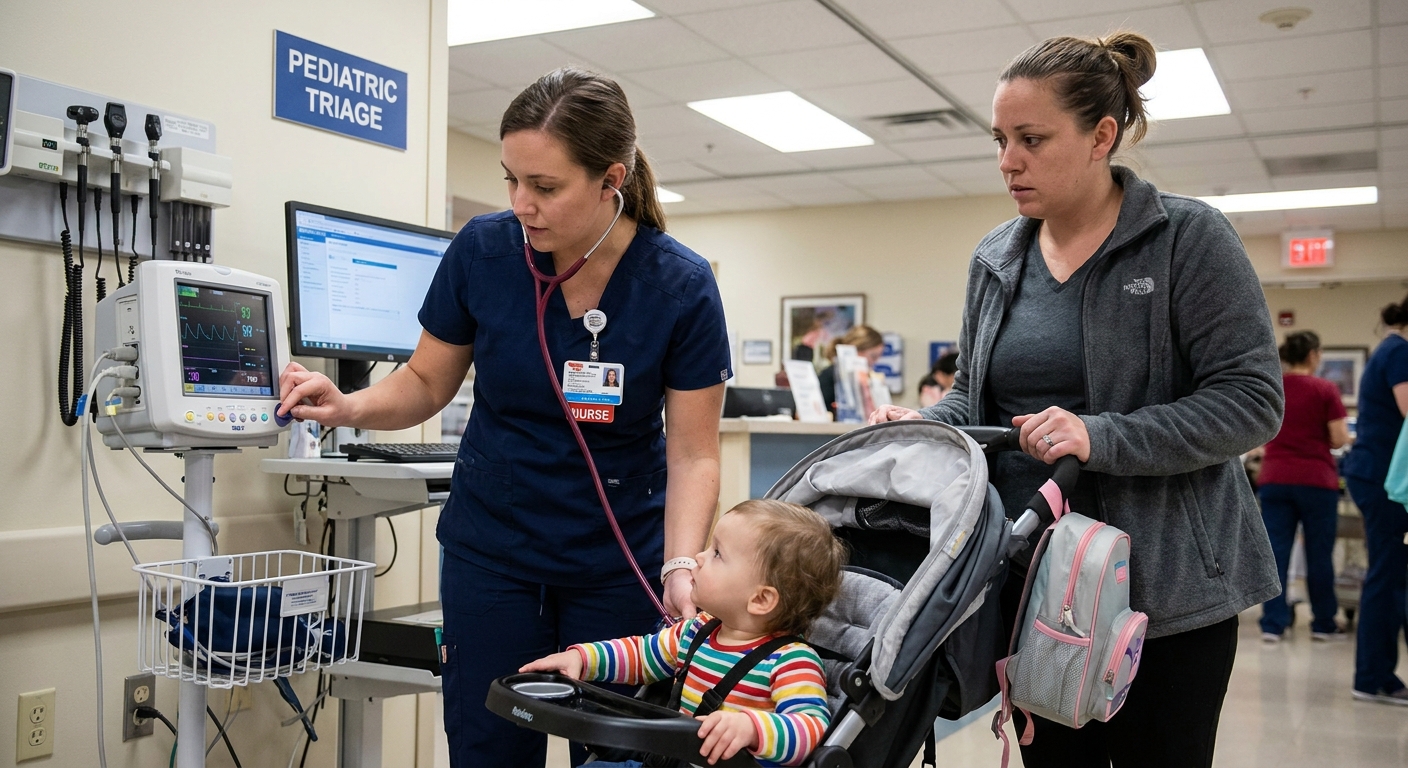
If you remember nothing else, remember this: MIS-C is not diagnosed at home. It is diagnosed with an exam and testing (often blood work, sometimes heart testing). Your job is to recognize when your child needs urgent evaluation.
Go to the ER or call emergency services now if your child has:
- Trouble breathing, grunting, or working hard to breathe
- Chest pain, pressure, or a heart that feels very fast or irregular
- Blue, gray, or very pale lips or face
- Severe confusion, difficulty waking, fainting, or a new seizure
- Signs of shock: very weak, cold or clammy skin, fast breathing, very fast heart rate, or they “seem like they are fading”
- Severe, persistent belly pain, especially with vomiting and inability to keep fluids down
- Dehydration with minimal urination or no urination for many hours (especially with ongoing vomiting or diarrhea)
If any of the above are happening, do not drive yourself into a debate. Call 911 (or your local emergency number) or go to the nearest ER.
Get same-day medical evaluation if:
- Your child has fever and had COVID-19 or an exposure in the past 2 to 8 weeks plus one or more concerning symptoms like rash, red eyes, significant stomach symptoms, unusual fatigue, or new swelling of hands or feet
- Fever is persisting and your child is not improving as expected
- Your child has very red lips/tongue or seems unusually weak or ill
If your clinician’s office is closed and you are concerned about MIS-C, it is reasonable to choose the ER. This is one of those “I would rather you be checked and reassured” situations.

What the doctor will do
If MIS-C is a concern, clinicians may:
- Check vital signs carefully (heart rate, blood pressure, oxygen level)
- Do a full physical exam focused on hydration, rash, breathing, and circulation
- Order blood tests that look for inflammation and how organs are functioning
- Consider a COVID-19 test or antibody testing, depending on the situation and local guidance
- Check the heart with an ECG and possibly an echocardiogram if indicated
- Start IV fluids or other treatments if your child looks dehydrated or unstable
Here is the parent-level “why” behind all of that testing: doctors are often looking for evidence of significant inflammation (for example, labs like CRP or ESR) and whether the heart is under strain (for example, markers like troponin or BNP). Heart involvement is one reason MIS-C gets urgent attention.
Treatment depends on severity. Many children with MIS-C need hospital care, and some need monitoring in a pediatric ICU. I know that is scary to read. The reassuring part is that with prompt care, many kids recover well.
What you can do at home
Track the basics
- Take note of the highest temperature, how long fever has lasted, and what medicines were given
- Watch breathing: is your child working hard, breathing fast, or unable to talk comfortably?
- Monitor hydration: sips tolerated, vomiting frequency, and urination
- Write down key symptoms: rash, red eyes, belly pain, dizziness, chest discomfort
Tell the clinician
- Date of known COVID-19 infection or exposure, if you know it
- Any recent illnesses in the household or school
- Medical history, including heart conditions or immune issues
- Current medications and allergies
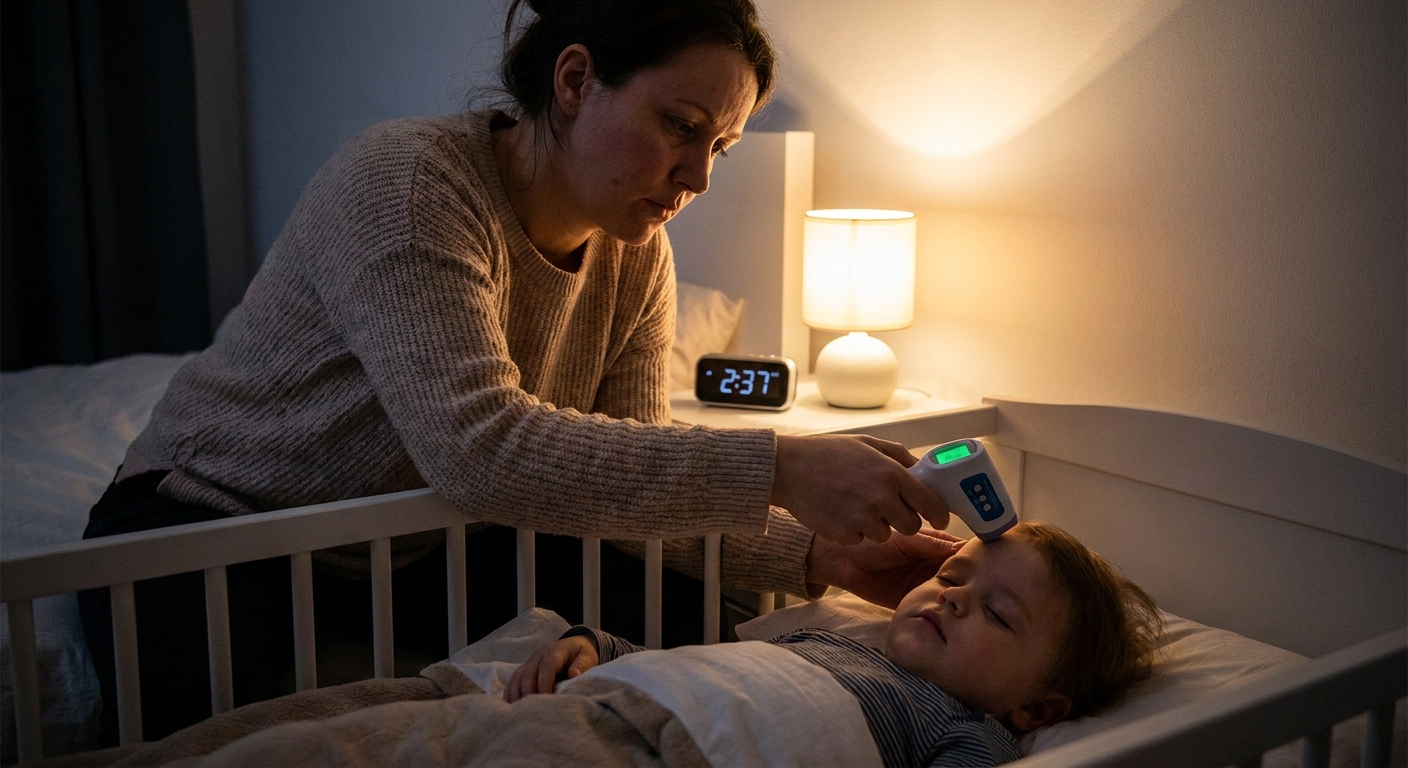
If it is the middle of the night and you are debating, I give parents this rule from my triage days: if you are worried enough that you are repeatedly checking on them, call for guidance or go in. You are not being dramatic. You are being a parent.
MIS-C vs long COVID
These terms get mixed up online, especially at 3 AM.
- MIS-C is an acute inflammatory illness that can happen weeks after COVID-19 and can make a child quite sick quickly.
- Long COVID generally refers to ongoing symptoms weeks to months after infection (like fatigue, headaches, trouble concentrating, or exercise intolerance). It is real, but it is a different pattern than MIS-C.
- Typical post-viral recovery can include lingering cough or fatigue for a week or two after many viruses. Kids can be “off” for a bit and still be okay, as long as they are steadily improving.
Prevention
Public health guidance and recommendations can shift over time, but in general, reducing COVID-19 infection risk reduces the chance of post-infectious complications like MIS-C.
- Stay up to date on vaccination guidance for your child’s age and health status.
- Use smart illness hygiene: handwashing, staying home when sick, and improving indoor air when possible.
- If your child recently had COVID-19, keep a higher index of suspicion for unusual fever patterns in the following weeks.
Quick checklist
- COVID-19 infection or exposure in the last 2 to 8 weeks
- Fever plus concerning additional symptoms such as significant belly pain/vomiting/diarrhea, rash, red eyes, swollen hands/feet, very red lips/tongue, or extreme fatigue
- Child looks unusually ill or symptoms are escalating
If that list is lighting up for your child, call your child’s clinician or pediatrician for same-day guidance or go to the ER depending on how sick your child looks.
Parent-to-parent reassurance: You do not need to be 100 percent sure it is MIS-C to seek help. Your job is to notice when your child is not okay. The medical team’s job is to sort out why.
Sources and notes
This article reflects widely used clinical and public health framing of MIS-C, but recommendations can change. For the most current information, check your local public health department and national health agencies, and follow your child’s clinician’s recommendations.
- Centers for Disease Control and Prevention (CDC): MIS-C information for parents and clinicians
- American Academy of Pediatrics (AAP): COVID-19 guidance and MIS-C resources
- World Health Organization (WHO): Multisystem inflammatory syndrome in children and adolescents temporally related to COVID-19
Last reviewed: April 2026
Sarah Mitchell
Sarah Mitchell is a Registered Pediatric Nurse and a mother of three who has spent over a decade helping families navigate the beautiful, chaotic early years of childhood. She combines evidence-based medical knowledge with real-world parenting experience to offer practical, compassionate advice. At Awesome Parent, Sarah's mission is to help exhausted parents find solutions, trust their instincts, and finally get some sleep.