Motion Sickness in Toddlers and Young Kids

Sarah Mitchell
Sarah Mitchell is a Registered Pediatric Nurse and a mother of three who has spent over a decade helping families navigate the beautiful, chaotic early years of childhood. She combines evidence-based medical knowledge with real-world parenting experience to offer practical, compassionate advice. At Awesome Parent, Sarah's mission is to help exhausted parents find solutions, trust their instincts, and finally get some sleep.
If you have ever heard that heartbreaking little voice from the back seat, “I don’t feel good,” you know how fast a normal outing can turn into an emergency pit stop. Motion sickness is common in kids, especially between ages 2 and 12, and it is not a parenting failure. It often happens when the brain gets mixed messages from what your child sees, what their inner ear feels, and what the rest of their body senses. Their brain basically throws up its hands and says, “Nope.”
The good news is that you can prevent a lot of it with the right setup, timing, and a few smart travel habits. And when you cannot prevent it, you can usually manage it calmly and safely.
Why kids get motion sickness
Motion sickness happens when the brain gets mixed messages from the body:
- Inner ear senses motion (turning, accelerating, bouncing).
- Eyes may see stillness (looking down at a book or tablet, staring at the seat in front of them).
- Brain reacts with nausea, dizziness, sweating, yawning, and sometimes vomiting.
It is often uncommon under age 2, then becomes more common in early childhood and school-age years. Some kids are simply more sensitive, and kids who get migraine headaches (or have a strong family history of migraines) can be extra prone to it.
How to tell it is motion sickness
Motion sickness usually builds during travel or rides and improves once the motion stops and your child gets fresh air. Common signs:
- Nausea or tummy pain
- Pale skin, clamminess, sweating
- Excessive yawning or fatigue
- Irritability, sudden quietness, or “I feel yucky”
- Vomiting during or soon after motion
Call your pediatrician for guidance if symptoms happen even when your child is not in motion, if they have fever or diarrhea (could be a virus), or if vomiting is persistent or severe.
What helps with car sickness
1) Seating and positioning
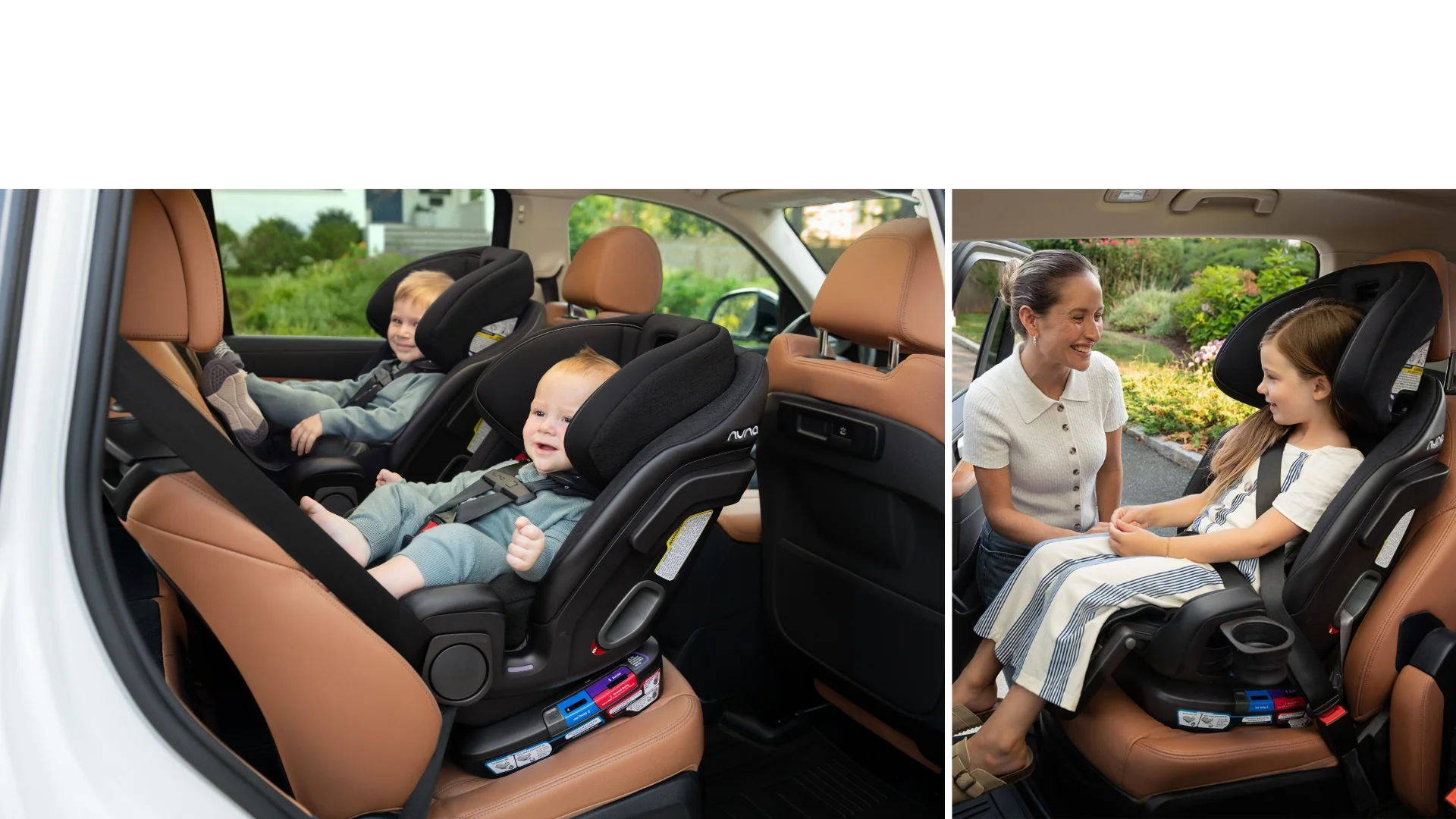
- Keep the back seat as your default. It is the safest place for kids. If a particular spot gives your child a better view of the horizon (often the middle seat), it may help with nausea.
- Rear-facing is safest as long as your child fits the seat’s limits. Some families find that a forward-facing view reduces motion sickness, but this is not true for every child and evidence is limited. Always follow your car seat manual, local laws, and your child’s height and weight limits. If your child is still rear-facing and gets very sick, discuss options with your pediatrician and a certified car seat technician before changing anything.
- Support the head and keep the body steady. A well-fitted car seat and snug harness may reduce head bobbing for some kids, which can make nausea worse.
2) Eyes up, not down
- Skip books, coloring, and tablets during curvy roads or stop-and-go traffic.
- Try a simple “look for trucks” or “find red cars” game that keeps their gaze outside.
- If your trip is mostly straight highway, some kids can handle a little screen time. If you know your child gets queasy, it is still usually safer to save it for later.
3) Air and temperature
- Cool, moving air can help. Aim vents toward your child if you can do it safely.
- Strong smells can trigger nausea. Avoid heavy air fresheners and greasy takeout in the car.
4) Breaks and timing
- Plan breaks every 60 to 90 minutes for kids who are prone to vomiting.
- Try to avoid reading or screens right after a big meal.
- If your child tends to get sick at the same point in the trip, stop before that usual trigger spot for a quick reset.
5) Snacks that are less likely to backfire
The goal is “not empty stomach” and also “not stuffed.” My favorites for motion-prone kids:
- Dry crackers or pretzels
- Plain toast or a small bagel
- Applesauce pouch
- Banana
- Water in small sips
Try to avoid very greasy foods, lots of dairy right before travel, and big sugary drinks.
What to pack for motion sickness
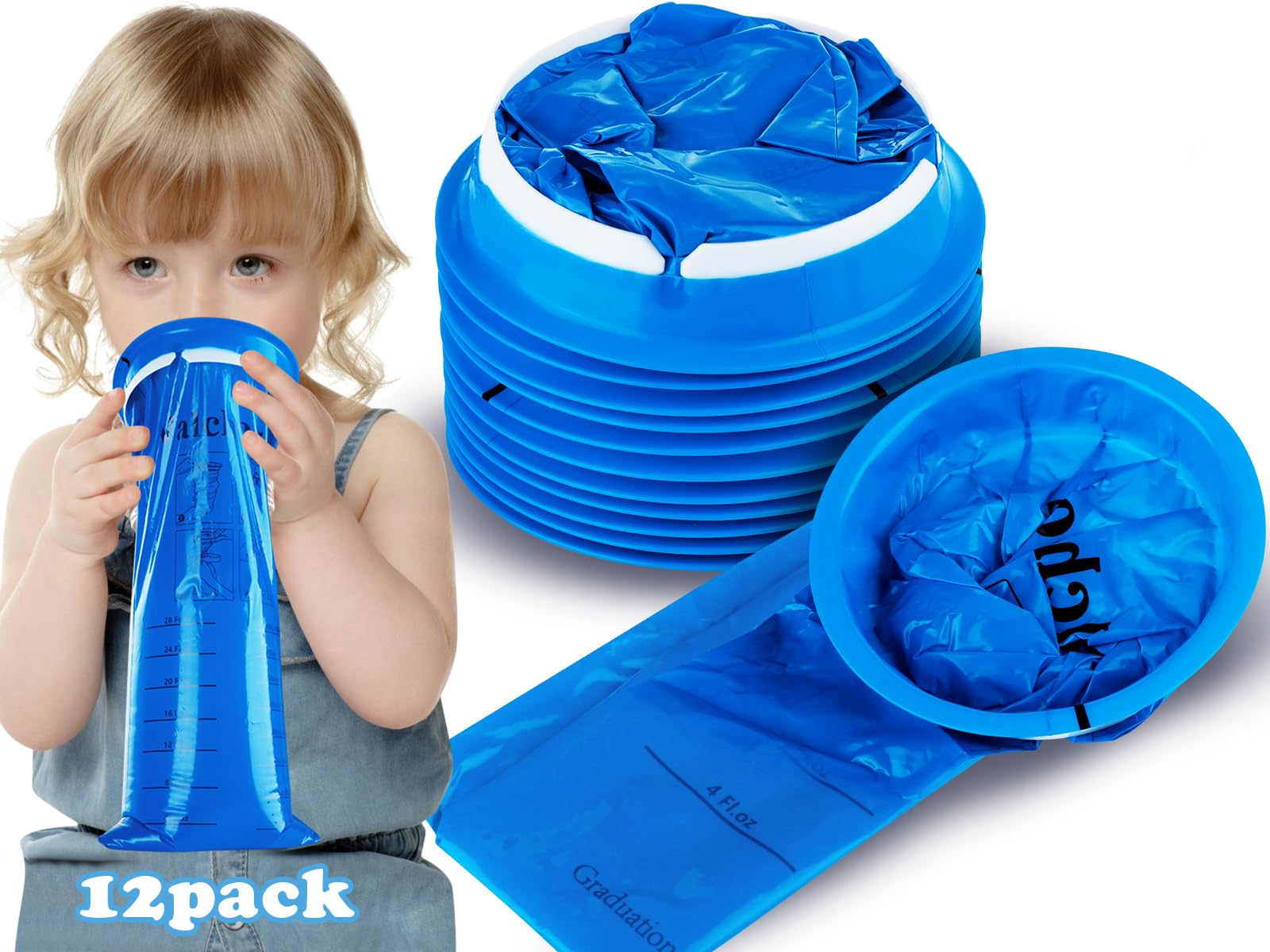
- Airsickness bags or small lined trash bags
- Wipes and paper towels
- Spare outfit for child and a shirt for you (trust me)
- Small blanket or towel to protect the car seat
- Water for small sips
- Dry snack (crackers, pretzels)
- Zip-top bags for soiled clothes
- Hand sanitizer
Car seat note: If vomiting happens, follow your car seat manual for cleaning. Many harness straps cannot be soaked or machine washed. Some manufacturers may recommend replacement of certain parts after significant contamination, so check the manual and contact the company if you are unsure. It is frustrating, but it matters for safety.
Flying with a motion-sick kid
Planes are tricky because you cannot pull over. The motion is different from a car, and some kids do fine until turbulence hits.
Before the flight
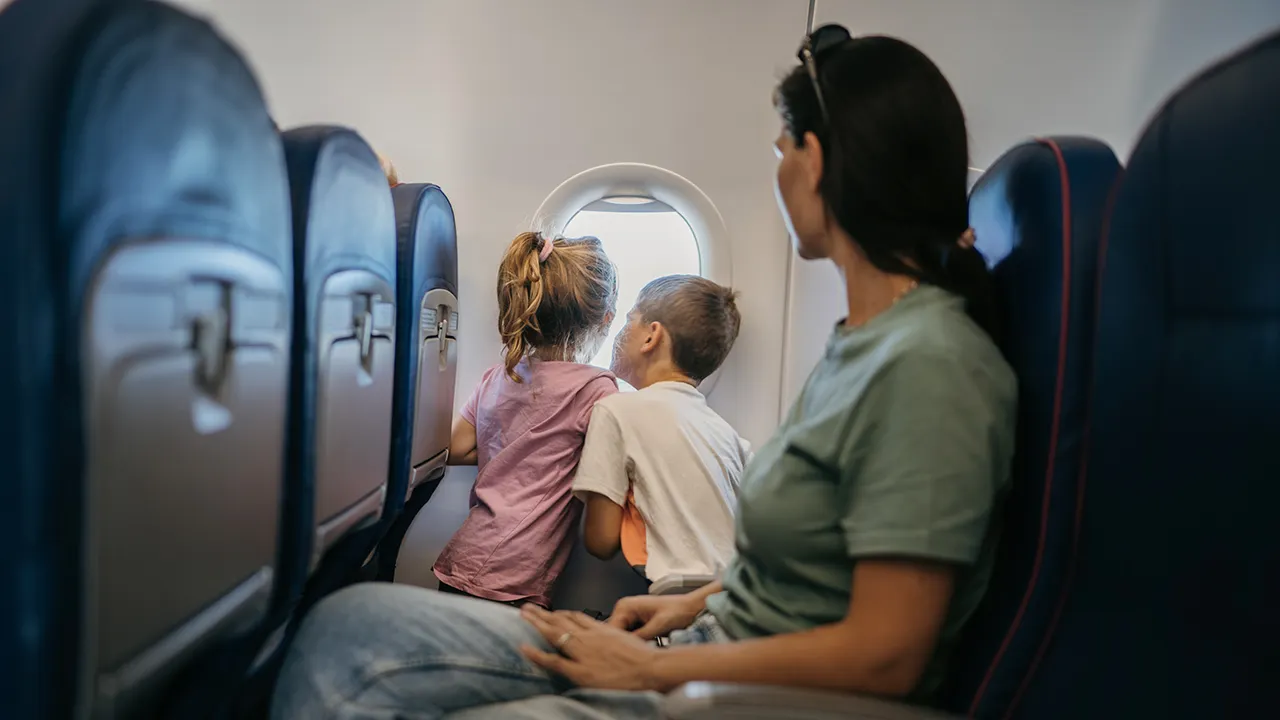
- Choose seats strategically. Over the wing tends to feel more stable than the back of the plane.
- Board prepared. Have wipes, a change of clothes, and bags in the seat pocket or a small under-seat pouch.
- Keep food simple. Small, bland snacks are better than a big airport meal right before takeoff.
During the flight
- Help them find a steady visual plan. Looking out the window helps some kids. For others, closing eyes and resting feels better.
- Small sips, not chugging. Too much liquid at once can trigger vomiting.
- Use cool air if it helps. Try the overhead vent if your child tolerates it.
Ear pressure versus motion sickness
Sometimes what looks like nausea is really ear pressure discomfort during takeoff and landing. Swallowing helps. For toddlers, that can mean drinking from a cup, sucking on a straw cup, or eating something chewy. If your child is crying and clutching their ears, think pressure first.
Amusement parks
Theme parks are basically a perfect storm: spinning rides, excitement, heat, and snack foods that are delicious and also not your stomach’s best friend.
Pick rides thoughtfully
- Start with gentle rides and see how your child does.
- Avoid spin-heavy rides if your child already gets carsick.
- Take breaks between rides to reset.
Hydration and heat
- Dehydration can make nausea worse. Offer water frequently.
- Use shade, fans, and indoor attractions to cool down.
Food plan
- Go for smaller portions more often.
- Choose bland options earlier in the day.
- Save the greasy, sugary “treat foods” for later if your child is prone to vomiting.
Do ginger or wrist bands work?
Parents ask me this all the time at 3 AM before a trip.
- Ginger: Some families find ginger helpful for nausea. For young kids, talk with your pediatrician about age-appropriate forms and amounts, and avoid choking hazards like hard candies for toddlers.
- Acupressure wrist bands: Evidence is mixed, but they are low risk for most kids and can be worth a try if your child will tolerate wearing them.
- Smells: Peppermint or other scents help some people, but strong odors can worsen nausea in others. If you try a scent, keep it very mild and stop if it seems to trigger symptoms.
Medication options
There are over-the-counter motion sickness medicines, but the right choice depends on your child’s age, weight, medical history, and the specific product. Some are not appropriate for toddlers, and some can cause significant drowsiness or paradoxical agitation.
This is general information, not medical advice. Your pediatrician should guide medication choice and dosing for your child.
Before you give any medicine
- Ask your pediatrician which medication is appropriate for your child’s age and weight.
- Do a “test dose” at home (when you are not traveling) if your pediatrician agrees. Some kids get sleepy. Some get wired. You want to know which kid you have before you are trapped on an airplane.
- Avoid doubling up on meds that contain similar ingredients. Many “cold” or “allergy” products overlap, and it is easy to accidentally stack doses.
Common topics to ask about
- Whether an antihistamine-based motion sickness medication is safe for your child
- What timing works best for a long car ride or flight
- What side effects to watch for (sleepiness, dry mouth, hyperactivity)
- Whether your child’s other medications or health conditions change the plan
Important: Never use medication to make a child sleepy for travel unless your pediatrician has specifically advised it. Safety and dosing matter a lot with little bodies.
If your child vomits during travel
First, take a breath. Your child is usually more scared than sick.
- Stop motion if you can. Pull over safely, or step off to a calmer area at the park. On a plane, do your best to keep them upright and still.
- Rinse mouth and offer small sips. Water is fine. If your child is old enough, a quick mouth rinse can help with the yucky taste.
- Wait 15 to 30 minutes before offering food. Then start with bland snacks.
- Keep it low pressure. Forcing food can trigger more vomiting.
When vomiting needs care
Motion sickness vomiting is usually brief and improves once the motion stops. Contact your pediatrician or seek urgent care guidance if:
- Your child is vomiting repeatedly and cannot keep down fluids
- There are signs of dehydration (very dry mouth, no tears when crying, significantly fewer wet diapers or pees, lethargy)
- Vomit is green (bright or dark), looks like coffee grounds, or contains blood
- Your child has severe headache, neck stiffness, confusion, trouble walking, or unusual sleepiness
- Your child has severe belly pain, a very swollen or tight abdomen, or worsening pain
- Symptoms happen without travel, are getting worse, or are new and intense
- Your child has ear pain, persistent dizziness, or balance issues after the trip (possible ear infection or inner ear problem)
If your child is under 2 years old and vomiting is persistent, it is always worth a call for individualized advice. Young kids can dehydrate quickly.
A simple prevention plan
If you want a quick checklist that covers most situations, here is my go-to:
- Before leaving: small bland snack, water available, avoid heavy smells
- In the car or on the plane: cool air if it helps, eyes up, limit screens, keep head supported
- Schedule breaks: every 60 to 90 minutes for sensitive kids
- Pack the “just in case” kit: bags, wipes, spare clothes
- Medication: only with pediatrician guidance, consider a test dose first
And a gentle reminder from one mom to another: motion sickness can hit even when you do everything “right.” Prepared beats perfect every time.