A calm, step-by-step cradle cap routine: gentle softening, brushing, shampoo options, how to tell it from eczema, maintenance tips, and red flags that need a...
Newborn and Infant Hair Loss: Normal Shedding vs Patchy Bald Spots

Sarah Mitchell
Sarah Mitchell is a Registered Pediatric Nurse and a mother of three who has spent over a decade helping families navigate the beautiful, chaotic early years of childhood. She combines evidence-based medical knowledge with real-world parenting experience to offer practical, compassionate advice. At Awesome Parent, Sarah's mission is to help exhausted parents find solutions, trust their instincts, and finally get some sleep.
Nothing like giving your baby a bath at 10 PM and finding a suspicious amount of hair on your hand to make your brain whisper, “Is this… normal?” If you are looking at a thinning hairline, a bald patch on the back of the head, or little tufts coming out on a onesie, take a breath. Most newborn and infant hair loss is temporary and expected.
In this guide, we will sort out the most common causes: normal newborn shedding, friction bald spots (the classic “back of the head” spot), and the way cradle cap can overlap with both. We will also cover when patchy hair loss can look more like an immune or inflammatory issue such as alopecia areata, and when it is time to get your pediatrician involved.

Quick reassurance: most baby hair loss is normal
Babies can lose hair for a few very normal reasons, and it often happens in the first few months of life. The most common patterns I saw as a pediatric triage nurse, and later as a mom, were:
- All-over shedding (often called physiologic newborn shedding).
- A smooth bald spot on the back or side of the head from rubbing (friction alopecia).
- Flaky scalp (cradle cap) with or without some hair coming out with the flakes.
In most cases, hair starts filling back in on its own over the next several months.
Normal newborn shedding (physiologic shedding)
Why it happens
Newborn hair growth is influenced by hormones during pregnancy. After birth, those hormone levels change, and many babies shift hair follicles into a resting phase. The result is a period of shedding, similar to postpartum hair shedding in adults, just on a much tinier scale.
When you see it
- Often starts sometime in the first several weeks after birth
- Commonly most noticeable around 2 to 4 months (many references describe a peak near 3 months)
What it looks like
- Hair seems to be thinning all over, or especially on the top
- You find fine hairs on your hands after shampooing, on sheets, hats, or the car seat
- The scalp skin looks normal (not angry, oozing, or very scaly)
How long it lasts
Typically weeks to a few months. Many babies regrow hair gradually, and some “new” hair comes in a different color or texture. That is normal too, even if it feels like your baby swapped wigs overnight.
Friction bald spots (back-of-head patch)
If your baby has a bald spot on the back of the head, you are in extremely good company. This is usually friction alopecia, meaning hair wears away from repeated rubbing against a surface.
Why it happens
- Babies spend a lot of time on their backs for safe sleep
- They turn their head side to side, especially during the “wiggle and scoot” phase (lots of head-turning and rubbing)
- Car seats, swings, bouncers, and play mats can add more rubbing
What it looks like
- A smooth bald or thinned area, usually on the back of the head (occiput)
- Skin looks normal, or mildly dry, without a sharply inflamed border
- Often noticed between about 2 and 6 months, but timing varies
One more practical note: if you are also noticing head flattening (plagiocephaly) or a strong “always looks one way” preference, mention it at checkups. Sometimes tight neck muscles (torticollis) or head shape concerns benefit from early positioning tips or physical therapy.

Cradle cap and hair loss
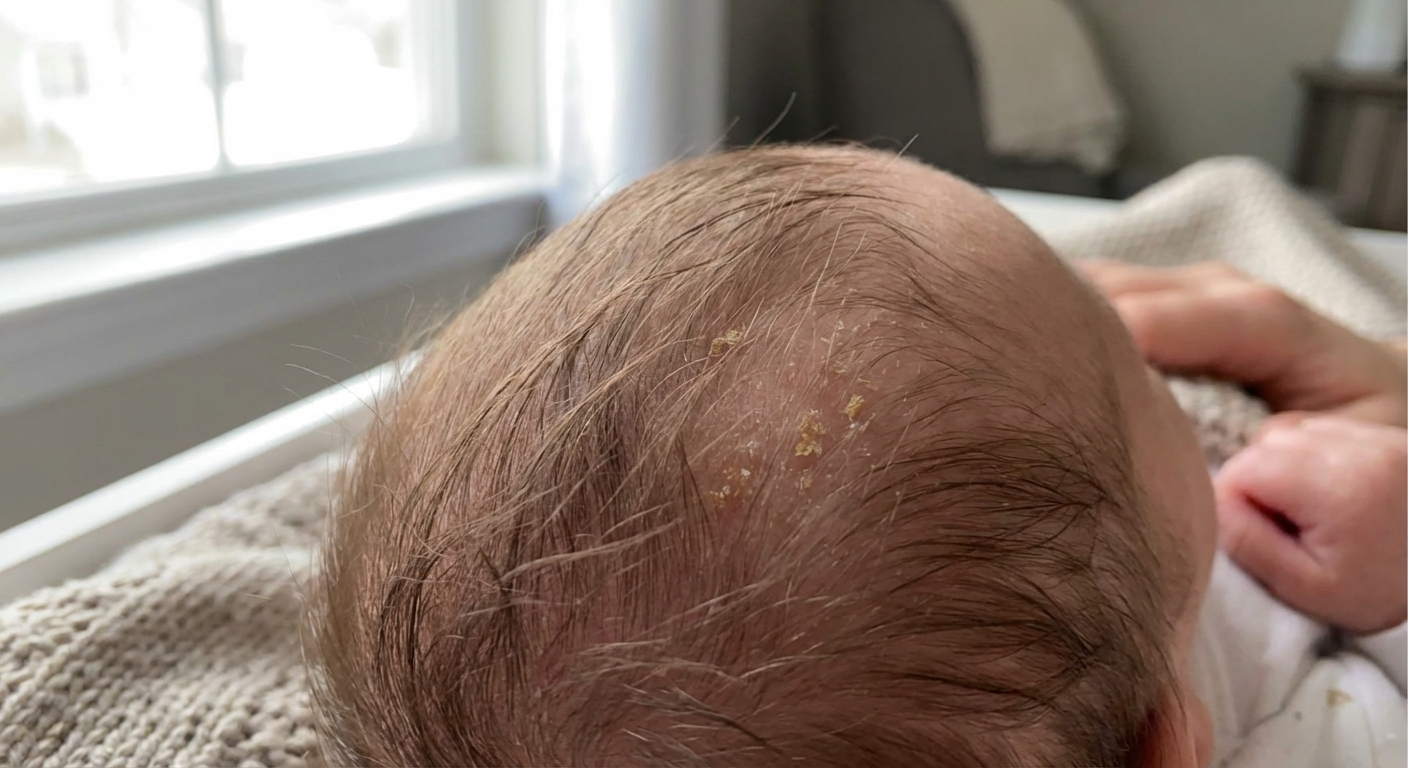
Cradle cap (infant seborrheic dermatitis) is very common in the first year. It can look like greasy yellow scales, white flakes, or patches of thick buildup on the scalp.
Can cradle cap cause hair loss?
Cradle cap itself does not usually damage follicles. But hair can come out when:
- Thick scales lift and take a few hairs with them
- Scratching happens (baby nails are surprisingly efficient)
- Parents try to “pick” scales off, which pulls hair
The key detail: the hair loss is usually mild and the hair typically grows back once the scalp calms down.
Gentle cradle cap care
- Soften first: Massage a small amount of mineral oil or petroleum jelly onto the scalp and let it sit for 10 to 20 minutes. Stop if you notice irritation.
- Loosen flakes: Use a soft baby brush or washcloth in gentle circles.
- Wash: Shampoo with a mild baby shampoo, then rinse well. Make sure you shampoo the oil back out.
- Repeat: Daily or a few times a week as needed.
If cradle cap looks very red, spreads to the face or body, smells bad, oozes, or seems painful, check in with your pediatrician. Sometimes a medicated shampoo or cream is appropriate, but you want guidance for a baby scalp.
Normal shedding vs patchy loss
When you are trying to decide “normal or not,” look at pattern and skin changes. Here is a practical way to sort it out at home.
More likely typical
- Hair thinning is diffuse or gradual
- Bald spot is on the back of the head where baby rubs
- Scalp skin looks normal or mildly dry
- No swelling, crusting, pus, or tenderness
- Baby otherwise seems well
Worth a call to your pediatrician
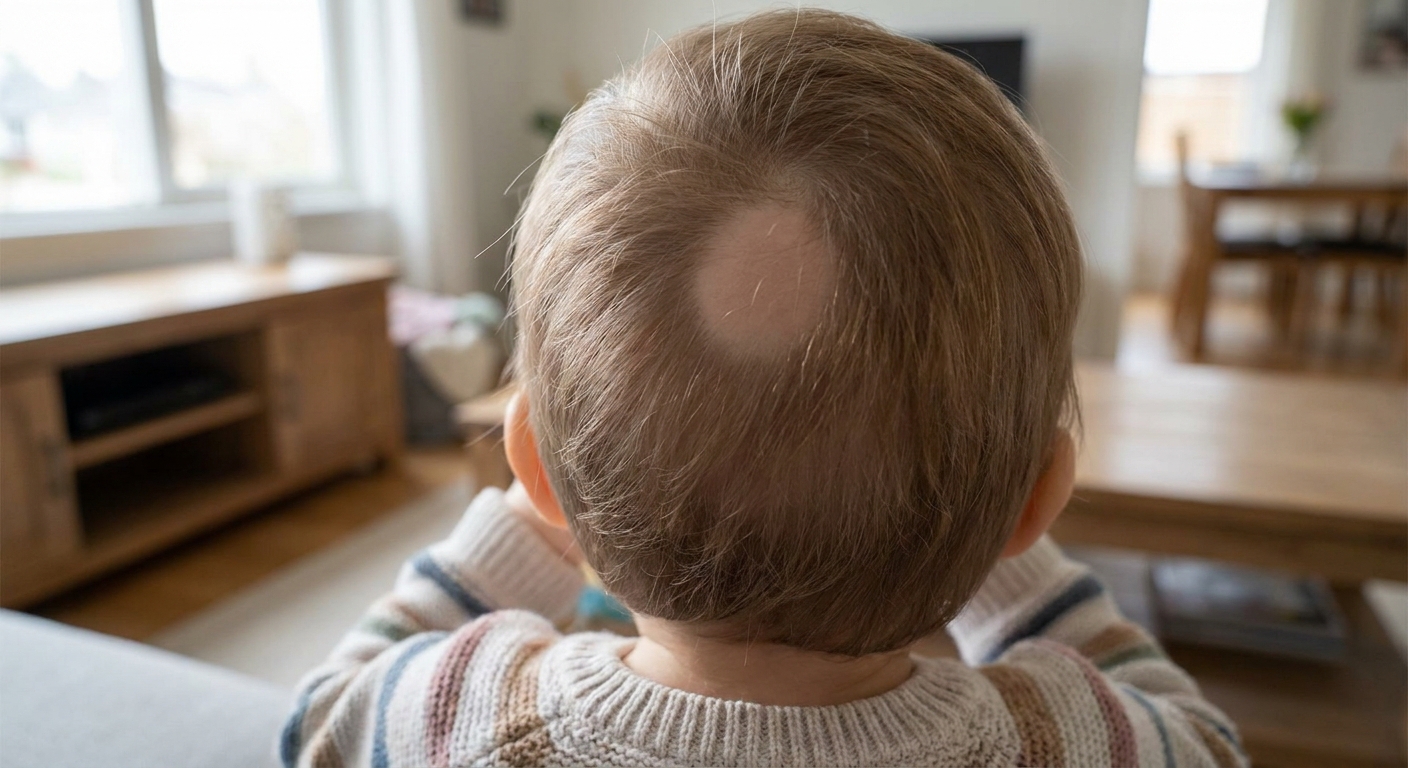
- Hair loss is in distinct round or oval patches
- The patch looks inflamed (red, swollen, scaly, crusted, or shiny with irritation)
- There is broken hair or “black dots” at the scalp surface (this can be seen with fungal infection)
- Baby seems itchy or uncomfortable, or there are open sores
- Hair loss is progressing quickly or spreading
- There are bald patches in places that do not rub much (random areas on the scalp)
Patchy hair loss and alopecia areata
Alopecia areata is an autoimmune condition where the immune system targets hair follicles, leading to patchy hair loss. It can happen in children, including infants, although it is less common than newborn shedding or friction hair loss.
Clues that point toward alopecia areata
- One or more smooth, well-defined patches of hair loss
- Scalp skin often looks normal (not flaky or crusty), which can be confusing
- Sometimes there are short broken hairs at the edge of a patch
- May be associated with a family history of autoimmune conditions (not always)
Other causes that can mimic patchy loss
- Fungal scalp infection (tinea capitis): can look scaly with broken hairs and sometimes “black dots.” It can be tender or swollen. It is contagious and typically needs prescription treatment (often an oral antifungal), so call your pediatrician. Over-the-counter creams alone usually do not fix scalp fungus.
- Traction: hair loss from tight headbands, bows, or styles that pull (more common as babies get older).
- Inflammatory scalp conditions: eczema or other dermatitis can cause scratching and breakage.
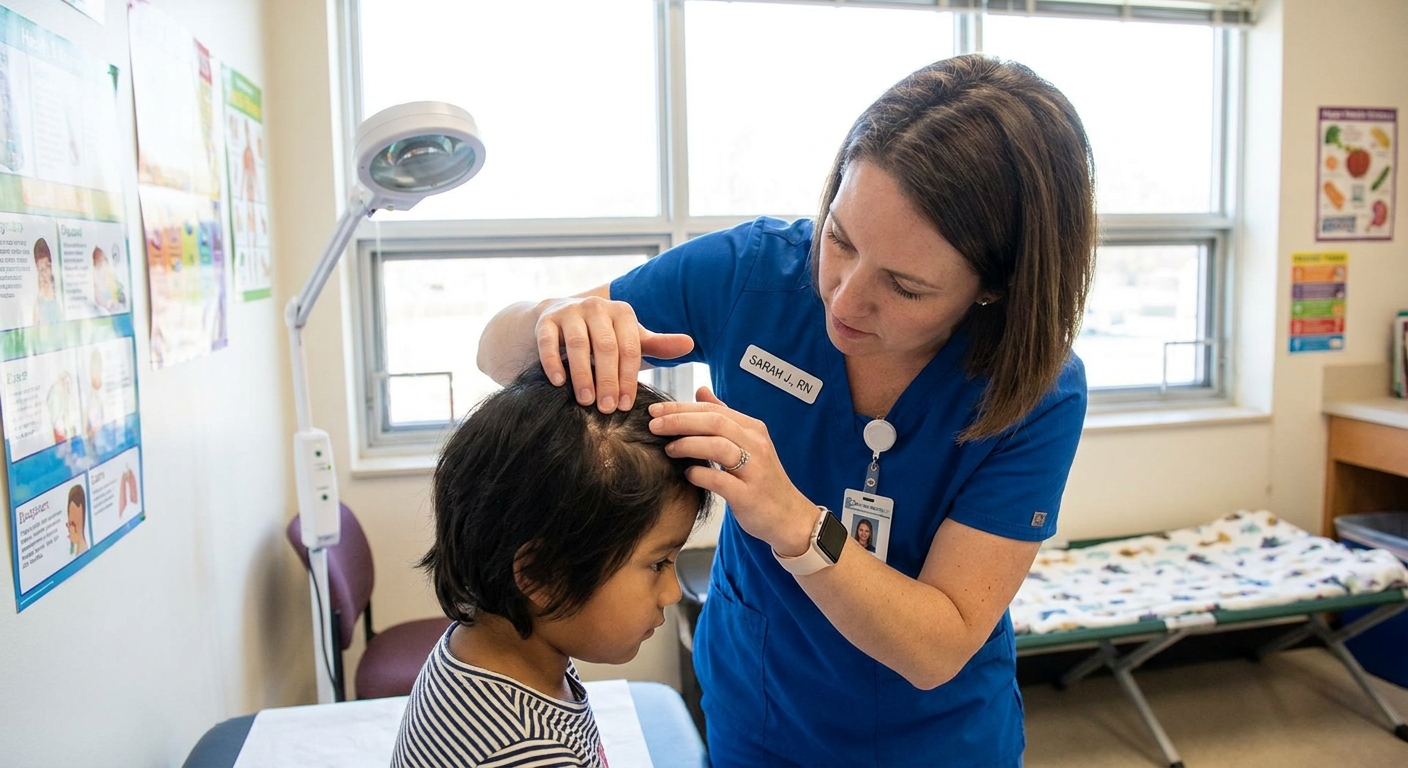
If your baby has distinct patches, especially with redness, scaling, tenderness, swelling, or rapidly expanding areas, it is a good idea to have them seen.
If you are specifically concerned about autoimmune patchy hair loss, see our dedicated guide here: Alopecia Areata in Children. (That page goes deeper into triggers, diagnosis, and treatment options.)
What you can do at home
1) Be gentle with scalp care
- Use a mild baby shampoo
- Avoid vigorous scrubbing
- Use a soft brush if flakes are present
2) Reduce friction without changing safe sleep
Back sleeping is the safest sleep position for infants. Please do not change that to “save hair.” Instead:
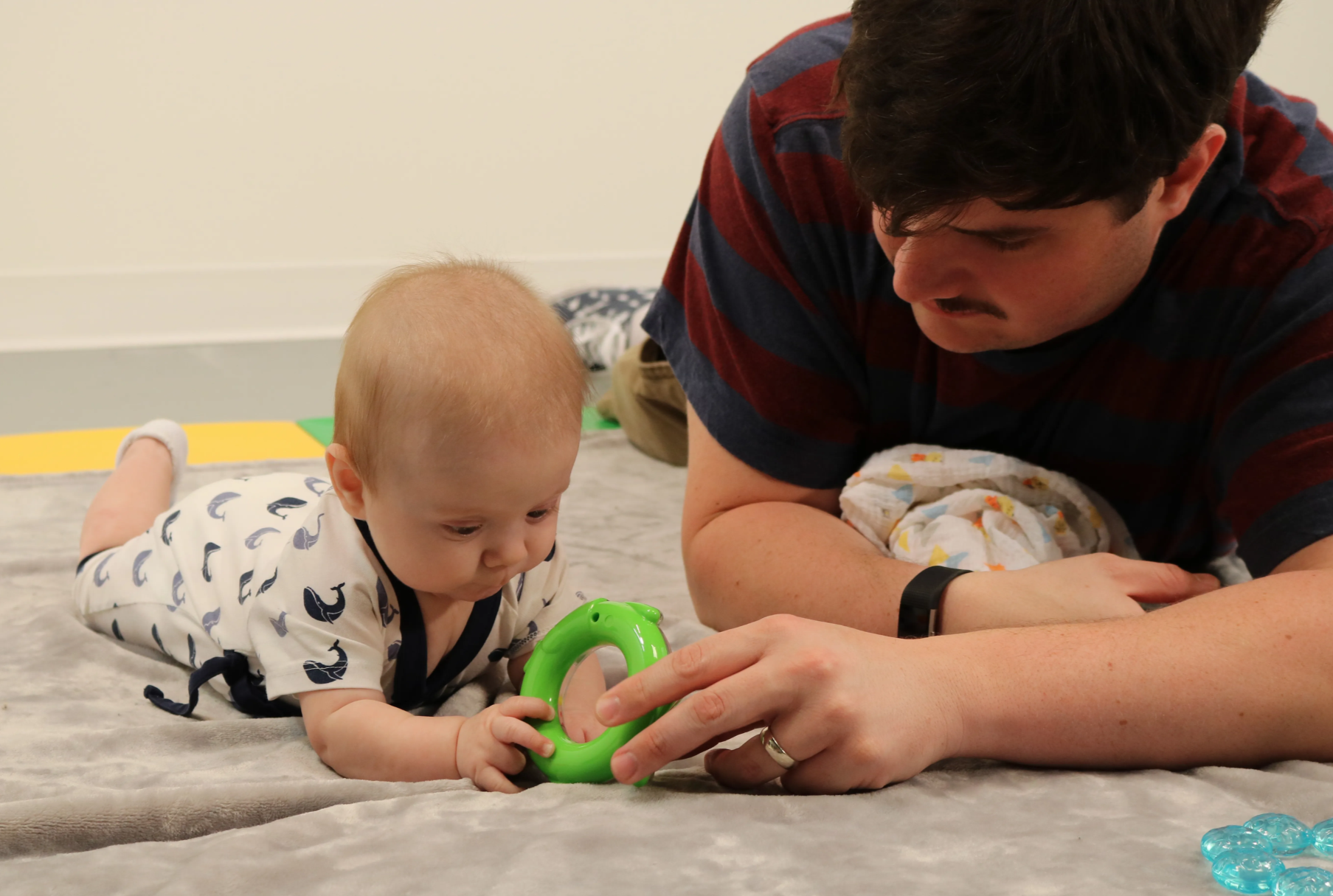
- Increase supervised tummy time when baby is awake
- Alternate the direction your baby lies in the crib (many babies naturally turn toward the room)
- Limit time in swings and car seats when not traveling
- If your baby strongly prefers turning to one side, mention it at checkups. Sometimes tight neck muscles (torticollis) or head shape concerns need extra support.
3) Skip unproven hair growth products
Babies do not need supplements, essential oils, or hair growth serums. Many are irritating, and some are not safe for infant skin. In most typical cases, time is the “treatment,” even though I know that is not the satisfying answer when you are staring at a bald patch.
When to call the doctor urgently
Hair loss alone is rarely an emergency, but you should call promptly if you notice:
- Red, hot, swollen scalp skin or a rapidly worsening rash
- Oozing, pus, or honey-colored crusting
- Fever or your baby seems unusually sleepy, very fussy, or unwell
- A swollen, boggy bump on the scalp (especially if tender)
- A rapidly enlarging scalp swelling after a fall or other head trauma
Common questions
Will my baby be bald forever?
Almost always, no. Normal shedding and friction bald spots are temporary. Hair commonly starts to thicken again as babies sit up more and spend less time rubbing the same spot.
My baby was born with a lot of hair. Why is it falling out now?
Newborn hair can be “pregnancy hair.” Once hormone levels shift after birth, shedding is common. Many babies also swap their early fine hair for a new texture.
Is hair loss a sign my baby is not getting enough nutrients?
In a healthy infant who is growing well, nutrient deficiency is not a common cause. If your baby has poor weight gain, feeding struggles, frequent vomiting, or other symptoms, bring it up with your pediatrician. Otherwise, hair loss in early infancy is usually developmental and mechanical.
Can I brush more to help it grow?
Gentle brushing is fine, especially for cradle cap. But more brushing does not stimulate growth in a meaningful way, and aggressive brushing can break hair.
The bottom line
Newborn and infant hair loss is usually a combination of physiologic shedding and friction, sometimes with a side of cradle cap. The biggest clues that it is a reassuring pattern are gradual thinning, a back-of-head bald spot, and scalp skin that looks calm.
If you are seeing distinct patchy loss, especially with inflammation, scaling, broken hairs, pain, or rapid spread, it is worth a pediatrician visit. And if autoimmune patchy loss is on your radar, head over to our alopecia areata page for the deeper dive.