Not sure what those red bumps mean? Here’s how to identify common baby rashes, what causes them, what you can do at home, and when to call your pediatrician.
Newborn Skin Peeling in the First Two Weeks

Sarah Mitchell
Sarah Mitchell is a Registered Pediatric Nurse and a mother of three who has spent over a decade helping families navigate the beautiful, chaotic early years of childhood. She combines evidence-based medical knowledge with real-world parenting experience to offer practical, compassionate advice. At Awesome Parent, Sarah's mission is to help exhausted parents find solutions, trust their instincts, and finally get some sleep.
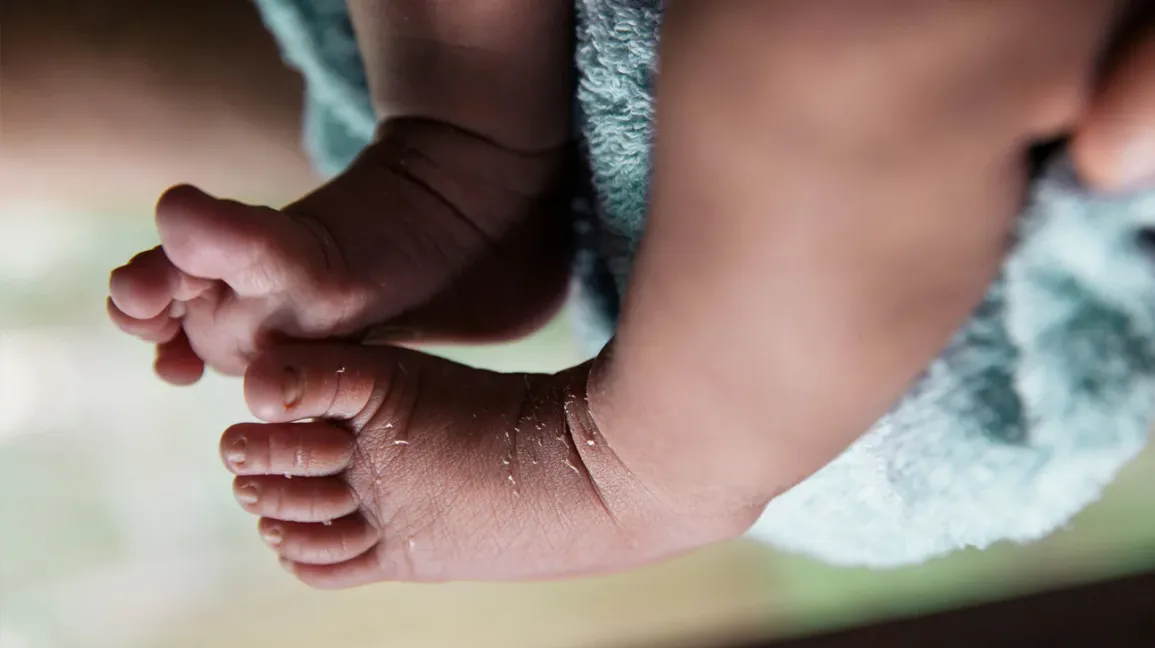
If you are staring at your newborn’s tiny hands thinking, Why are you shedding like a baby lizard? you are in very good company. In the first one to two weeks, lots of babies peel. Most of the time it is completely normal and just part of the transition from a watery womb to dry outside air.
That said, a few skin issues can look “peely” at first glance but need a closer look, especially if there is redness, oozing, blisters, or your baby seems unwell. Let’s sort the normal newborn flaking from the rashes that deserve a call.
Why newborn skin peels
Vernix wears off
Many babies are born with a creamy white coating called vernix caseosa. Vernix acts like a natural moisturizer and protective barrier in the womb. After birth, that coating is gone or gets absorbed, and the outer layer of baby skin starts to dry out and slough off.
New skin meets dry air
In utero, skin is constantly hydrated. Outside the womb, the air is drier, baths and wipes can be drying, and the top layer of skin may peel as it adjusts. This is especially common on:
- Hands and feet (including between toes)
- Ankles and wrists
- Lower legs
- Belly and chest
Post-term babies peel more
Babies born after their due date often peel more. They also tend to have less vernix, which can mean drier-looking skin early on.
What normal peeling looks like
In the first couple weeks, “normal” peeling often has these features:
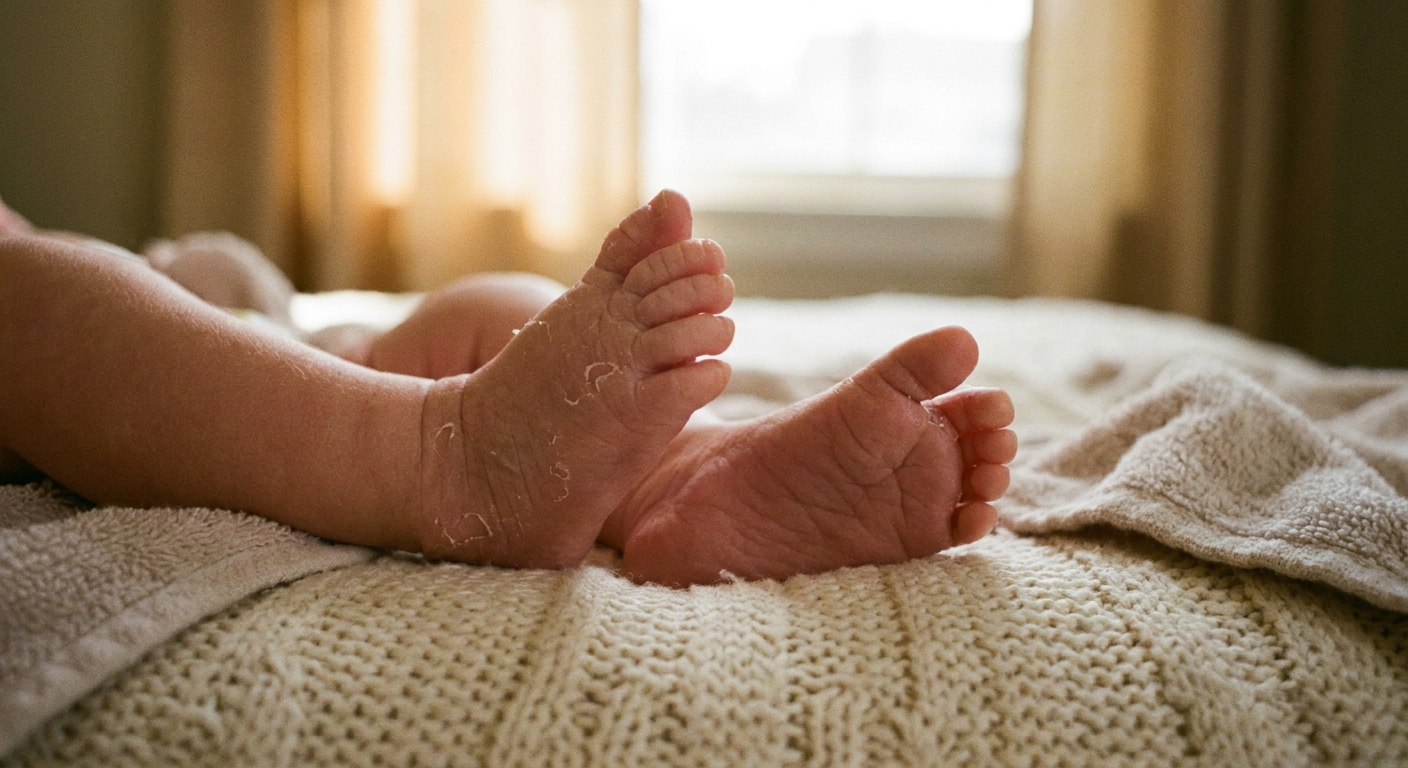
- Thin, dry flakes or small sheets of peeling skin
- Little to no redness underneath
- No oozing, crusting, or pus
- No blisters
- Baby otherwise looks well, feeds normally, and has a normal temperature
Timing-wise, peeling often starts around day 2 or 3 and frequently improves by 2 to 3 weeks, although some babies (especially post-term babies) can have dry flaking that lingers a bit longer. For some babies, it overlaps with other normal newborn skin findings like milia (tiny white bumps) or a little newborn acne.
Normal flaking vs rashes
Here is the practical triage-nurse way to think about it: dry flakes alone are usually fine. Peeling plus “something else” is what makes me pay attention.
Dry newborn peeling (normal)
- Dry, papery flakes
- Most noticeable on hands, feet, ankles
- Not very red
- Does not seem painful
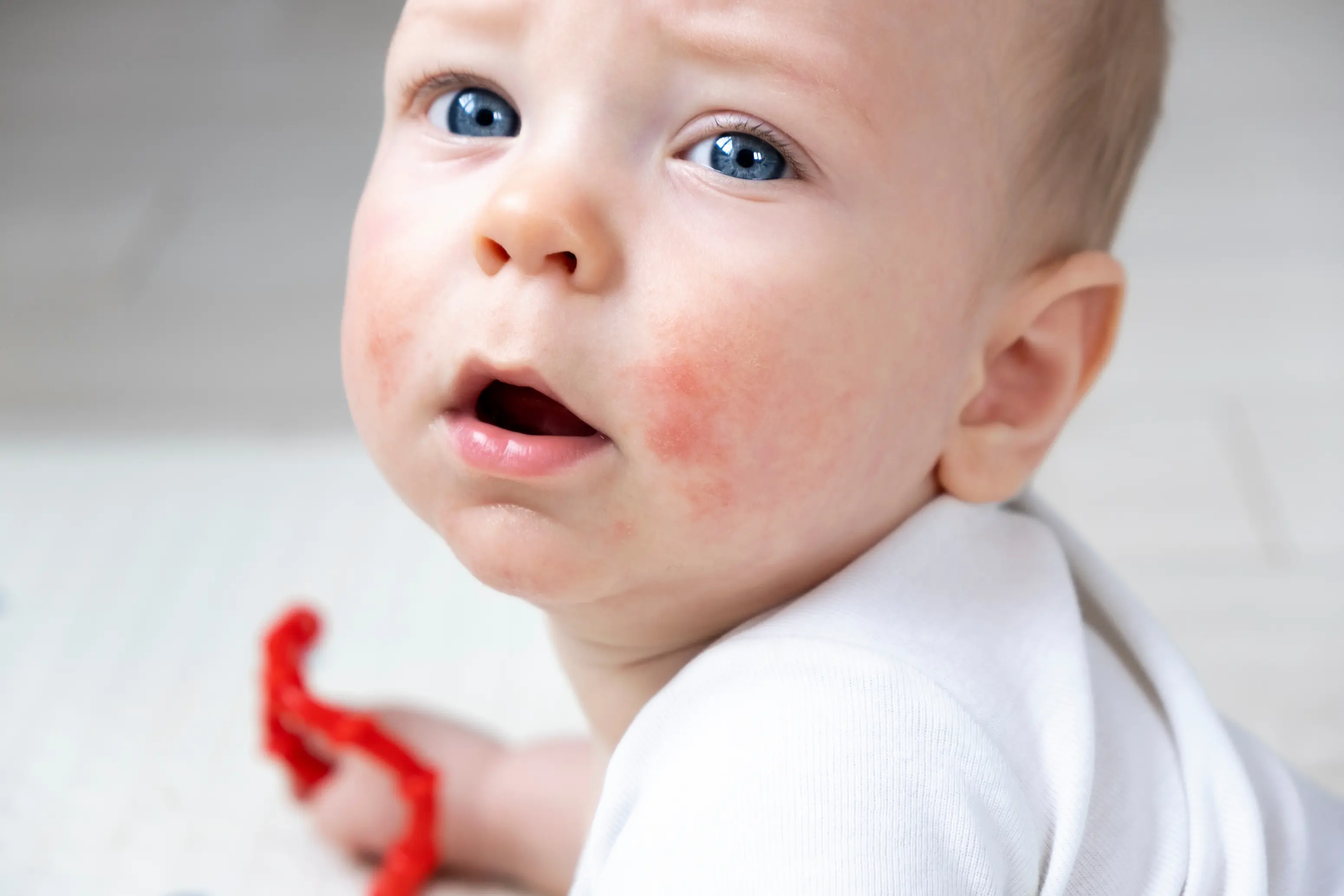
Eczema or irritated dry skin
Eczema is less common in the first two weeks, but irritation and dryness can show up early, especially if there is a family history of eczema, allergies, or asthma.
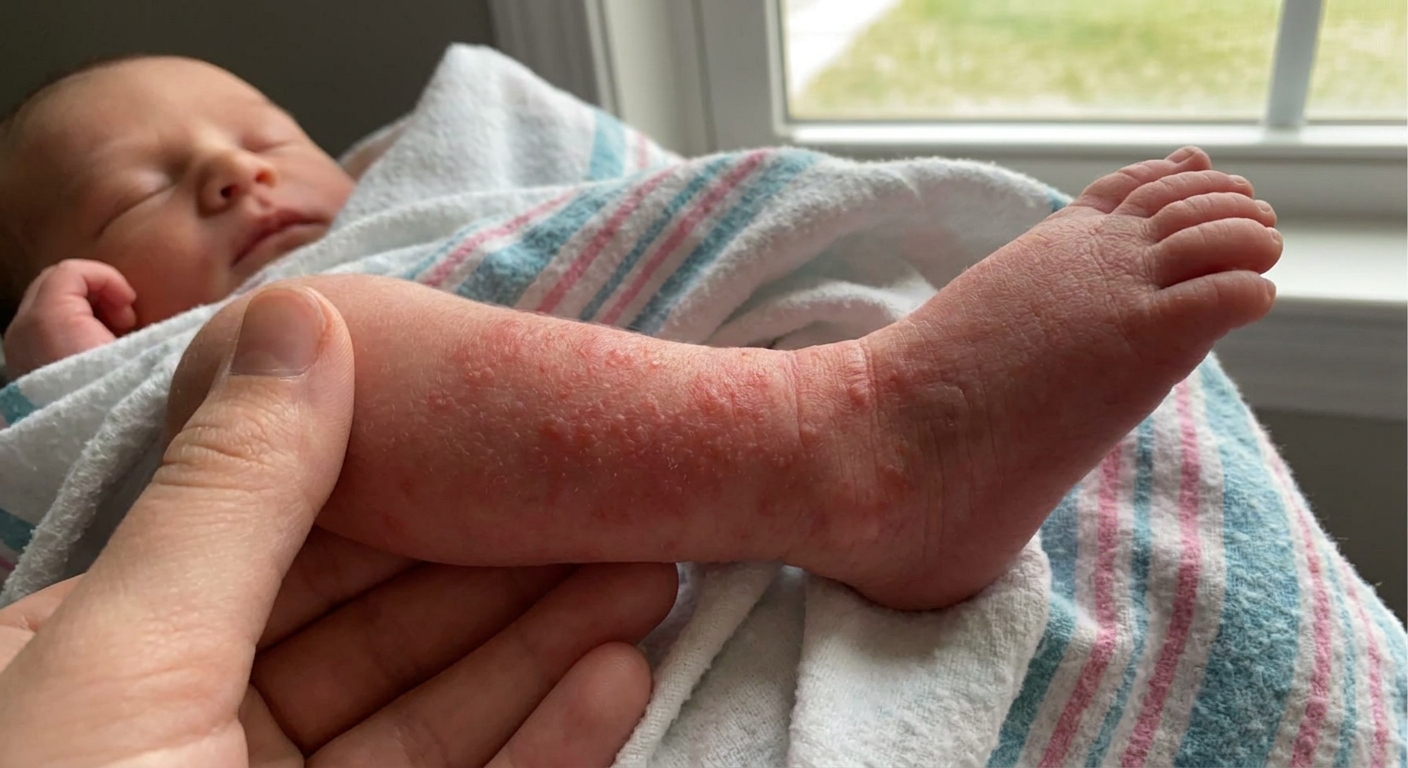
- Red, rough patches more than simple flakes
- Often on cheeks/scalp, and later in infancy on arms and legs
- May look itchy (older babies rub or seem fussier when touched)
- Can worsen with frequent bathing, scented products, and dry air
If you suspect eczema, a pediatrician can confirm and guide safe moisturizers and, if needed, short-term medication.
Infection (prompt advice)
Skin infections can start small. The key clues are redness that spreads, warmth, and drainage.
- Honey-colored crusts (can suggest impetigo)
- Oozing or pus
- Rapidly increasing redness
- Tenderness or your baby seems very uncomfortable when the area is touched
- Fever or poor feeding
Blisters or raw skin (urgent)
Blisters are not part of normal newborn peeling. While there are rare benign newborn blistering conditions, blisters can also signal infection or a more serious skin disorder.
- Fluid-filled blisters
- Skin that looks raw or open
- Peeling that looks like the top layer is lifting off widely
Call your pediatrician right away if you see blisters, especially if your baby is under 28 days old.
Sheeting, tenderness, or fast spread (urgent)
If the skin looks very tender, your baby seems painful to touch, or peeling is happening in larger “sheets,” call promptly. Clinicians worry about conditions like staph scalded skin syndrome in that scenario. It is uncommon, but it is not a watch-and-wait situation.
Look-alike conditions
Cradle cap
This is more about the scalp than hands and feet. It can look like greasy yellow flakes or scaling, sometimes extending to eyebrows or behind the ears.
- Looks oily or waxy, not just dry
- Usually not very itchy
- Often improves with gentle washing and a soft brush
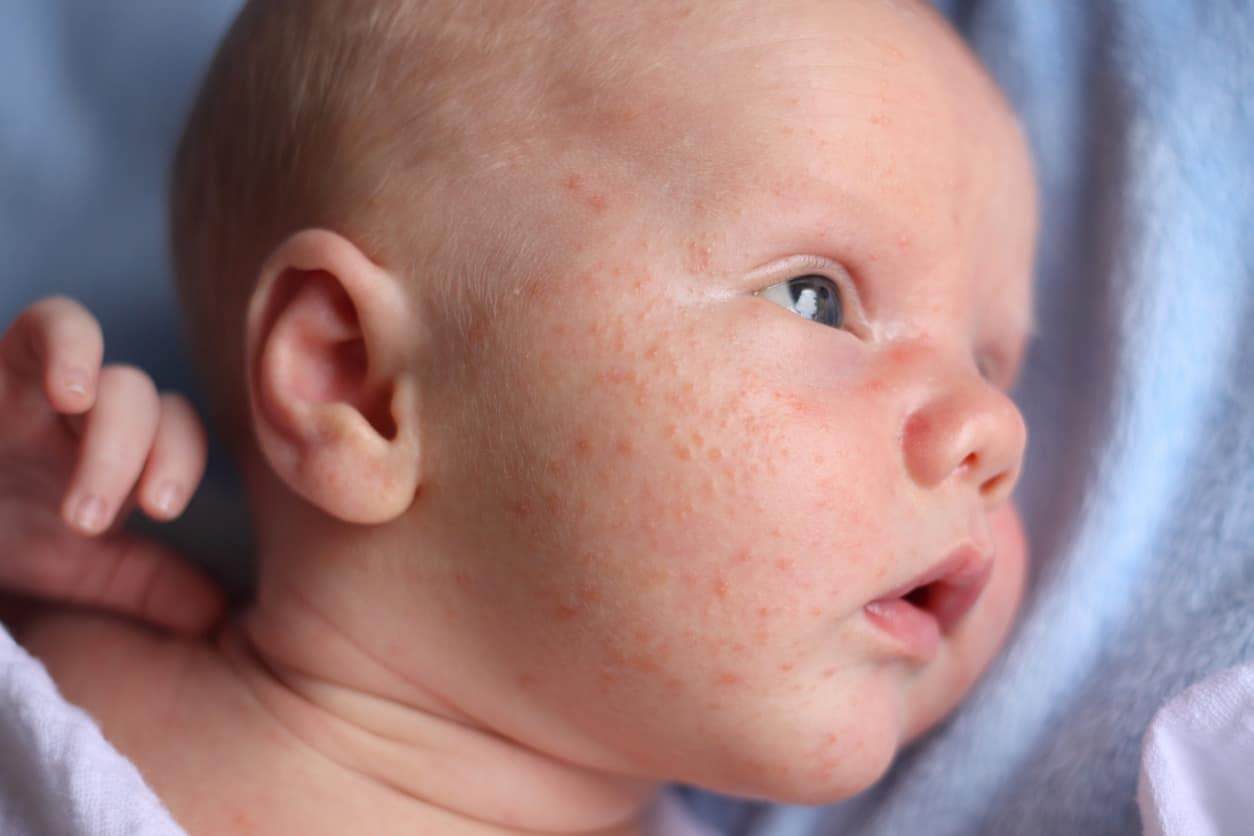
Newborn acne
Newborn acne shows up as small red bumps or pustules, usually on cheeks. It is not really “peeling,” but parents sometimes notice dryness around it.
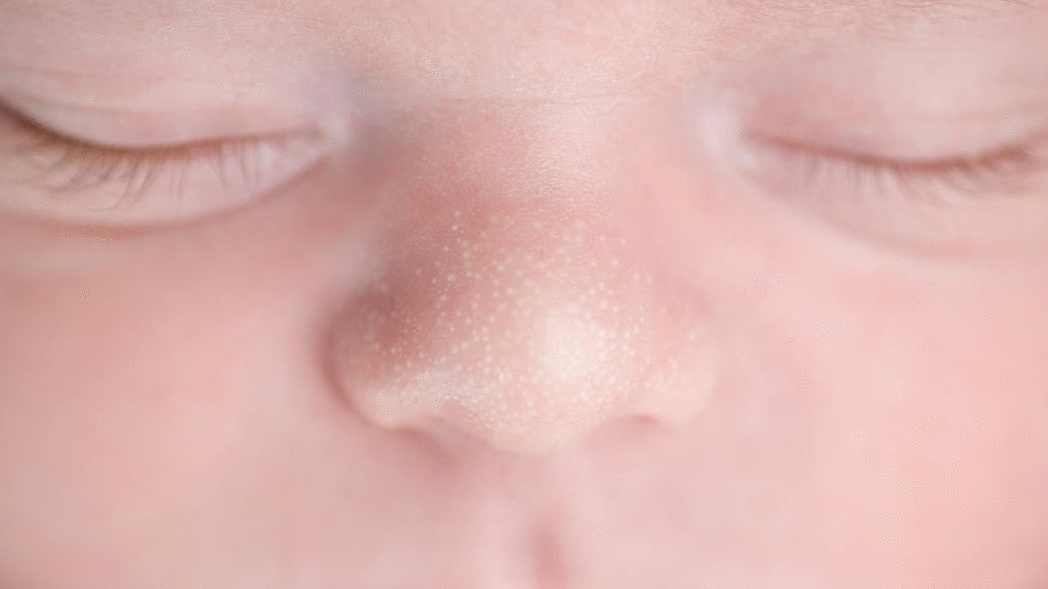
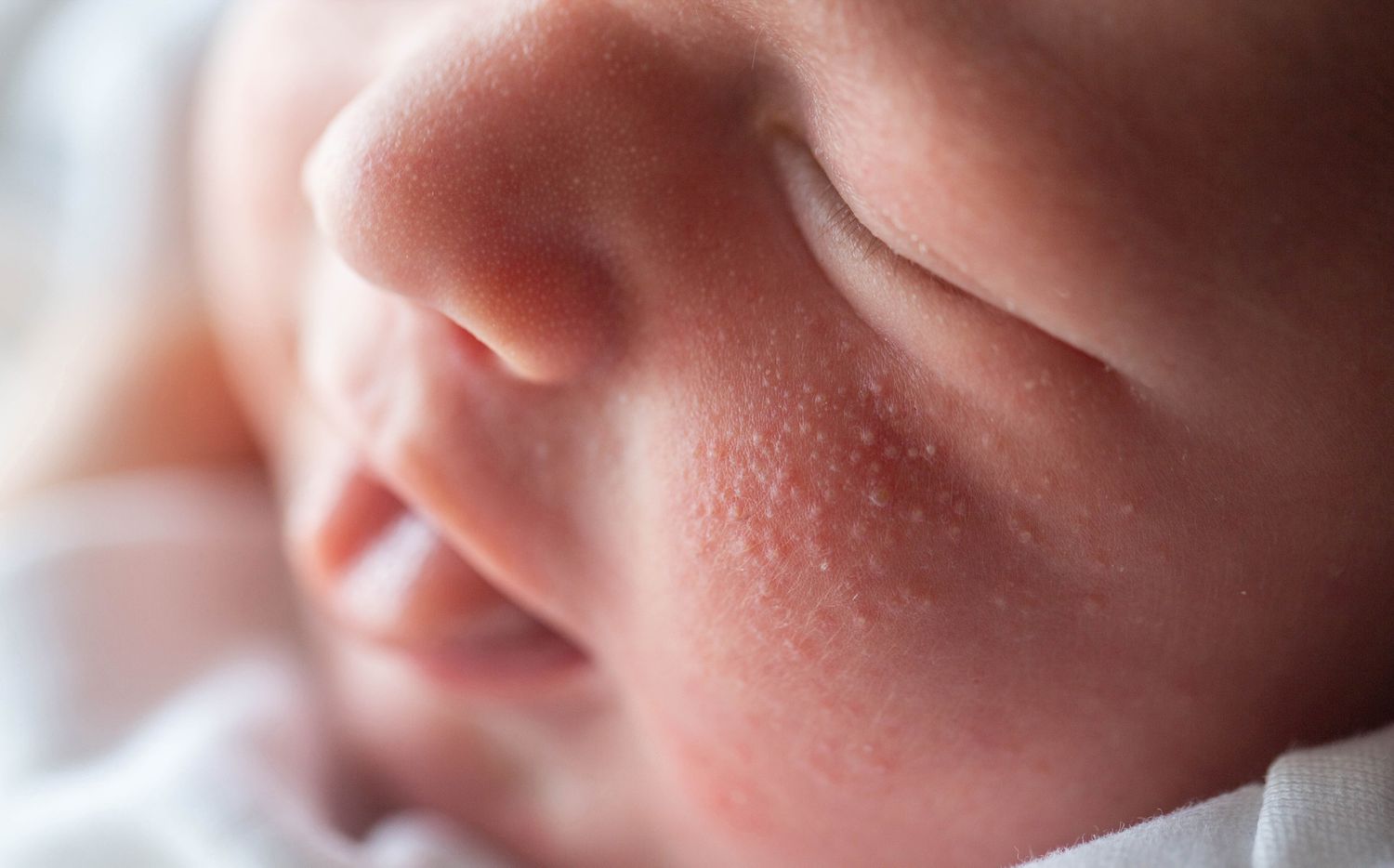
Milia
Tiny white bumps on the nose or cheeks. Not peeling, not a rash, and not something you need to scrub off.
Heat rash
Small red bumps in warm, sweaty areas like the neck folds, chest, or diaper area. This is about overheating and sweat glands, not dry skin.
Rare, but worth naming
Very pronounced scaling from birth or persistent, unusual patterns of scaling can (rarely) be related to conditions like congenital ichthyosis. It is not the typical newborn “dry flakes on the feet” situation, but if something seems off, it is always reasonable to ask your pediatrician.
Safe home care
When skin is simply dry and flaking, the goal is to protect the barrier and avoid adding irritation.
1) Fewer, shorter baths
- In the early weeks, 2 to 3 baths per week is plenty for many babies.
- Use warm water (not hot) and keep baths around 5 to 10 minutes.
- Skip bubbles and heavily scented baby washes.
2) Gentle, fragrance-free products
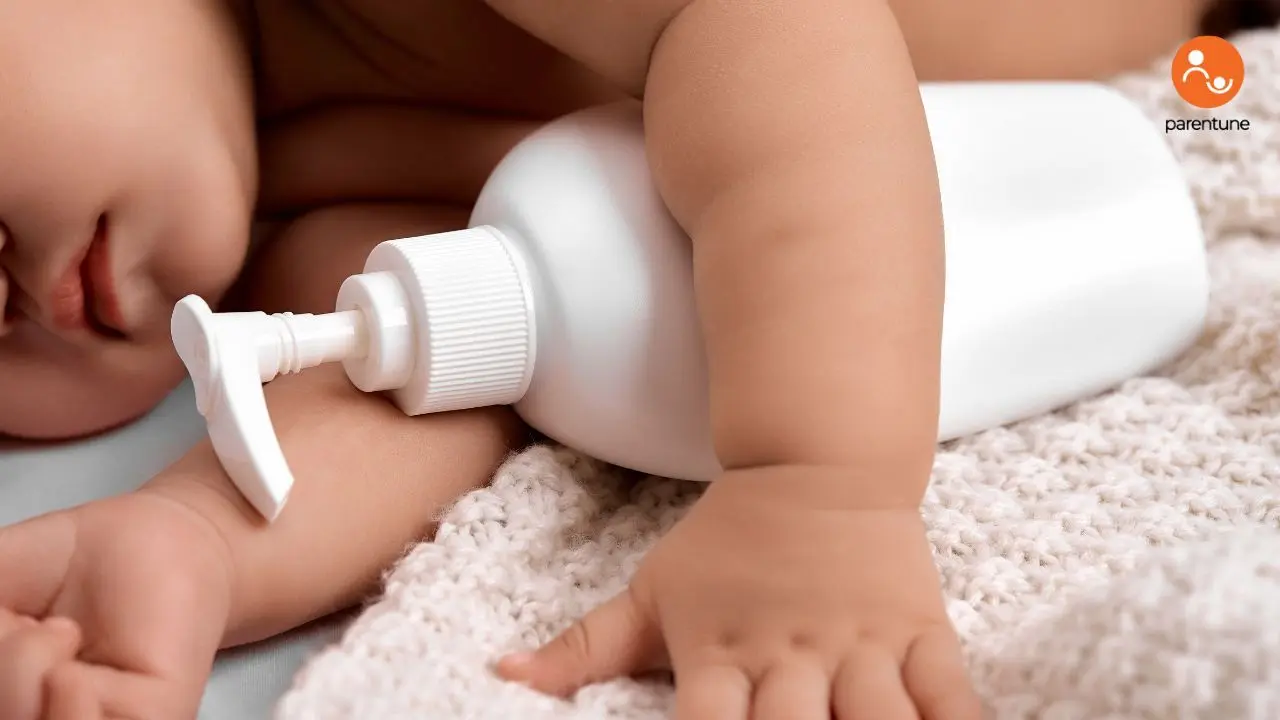
Look for fragrance-free and dye-free baby cleanser and moisturizer. “Natural” is not always gentler. Fragrance is a frequent irritant.
3) Moisturize strategically
Apply a thin layer of a gentle moisturizer right after bathing while skin is still slightly damp. For very dry hands and feet, a thicker ointment can work well.
- Good options: fragrance-free cream or ointment
- For diaper area: a barrier ointment is fine
- Tip: avoid repeatedly layering heavy occlusive ointments over large areas all day long unless your pediatrician recommends it (too much can trap heat and sweat and sometimes trigger clogged pores or irritation)
4) Do not pick or scrub
It is tempting to “help” the peeling along. Resist. Scrubbing can create tiny skin breaks that invite irritation and infection.
5) Skip powders
Avoid talc or cornstarch powders. They can irritate skin and are not great to breathe in.
6) Dress for comfort
Overheating can worsen rashes. As a rule, one more light layer than an adult is usually enough, but trust your baby’s cues and the room temperature.
Red flags to send or call about
If you were to snap a quick photo for your pediatrician portal, these are the kinds of things that would make us want to see the rash sooner rather than later. (Exact advice can vary by clinic and location. When in doubt, call.)
Call the same day (or sooner) if you see:
- Blisters anywhere on the body
- Open sores, raw skin, or skin that bleeds easily
- Yellow crusting, pus, or weeping fluid
- Rapidly spreading redness or swelling
- Redness that feels warm to the touch compared with nearby skin
- Red streaks extending from an area
- Fever (in babies under 3 months, fever needs urgent medical advice)
- Baby seems unwell: very sleepy, hard to wake, poor feeding, fewer wet diapers
Seek urgent care now if:
- Your newborn (under 28 days) has a rectal temperature of 100.4°F / 38°C or higher
- The rash is paired with breathing trouble, significant swelling of lips/face, or persistent vomiting
- You see purple or bruise-like spots that do not blanch (do not fade briefly when pressed)
If you are not sure, call anyway. In the newborn stage, we would much rather reassure you early than have you waiting and worrying at 2 AM.
Quick FAQ
Should I put lotion on my newborn every day?
You can, especially if your baby is very dry. Choose fragrance-free products and use a thin layer. If your baby’s skin is doing fine, you do not have to moisturize daily.
Is peeling a sign of dehydration?
Usually, no. Newborn peeling is typically a normal skin transition. True dehydration signs include fewer wet diapers, very dry mouth, lethargy, and sometimes a sunken soft spot. If you are worried about intake, call your pediatrician.
Can I use coconut oil or olive oil?
Some families do. If your baby is eczema-prone, some oils (especially olive oil) may not be ideal for the skin barrier based on limited research. If you want the simplest, lowest-risk option, stick with a fragrance-free baby ointment or cream recommended by your pediatrician.
My baby’s hands and feet are peeling a lot. Is that normal?
Yes, hands and feet are classic spots. As long as the skin underneath is not very red, hot, swollen, or blistered, it is usually normal newborn peeling.
Is peeling related to jaundice?
Not usually. Peeling is a surface skin adjustment. Jaundice is a yellowing of the skin and eyes from bilirubin. If your baby looks more yellow or is hard to wake or feeding poorly, contact your pediatrician.
Bottom line
In the first couple weeks, newborn peeling is often just your baby’s skin adjusting after the vernix wears off. Keep baths gentle, moisturize with fragrance-free products, and let the flakes fall off on their own.
If peeling comes with redness that spreads, oozing, blisters, fever, or your baby seems unwell, trust your gut and call your pediatrician. You are not overreacting. You are parenting a brand-new human with brand-new skin.
Sarah Mitchell
Sarah Mitchell is a Registered Pediatric Nurse and a mother of three who has spent over a decade helping families navigate the beautiful, chaotic early years of childhood. She combines evidence-based medical knowledge with real-world parenting experience to offer practical, compassionate advice. At Awesome Parent, Sarah's mission is to help exhausted parents find solutions, trust their instincts, and finally get some sleep.