Step-by-step congestion relief for babies using saline, suction, humidifiers, and shower steam plus red flags that mean it’s time to call the pediatrician.
Newborn Sneezing: Normal vs Sick

Sarah Mitchell
Sarah Mitchell is a Registered Pediatric Nurse and a mother of three who has spent over a decade helping families navigate the beautiful, chaotic early years of childhood. She combines evidence-based medical knowledge with real-world parenting experience to offer practical, compassionate advice. At Awesome Parent, Sarah's mission is to help exhausted parents find solutions, trust their instincts, and finally get some sleep.
If your newborn sneezes like they are trying to set a world record, take a breath. In the clinic, I reassured parents about this all the time. Most newborn sneezing is normal and surprisingly useful. It is one of the ways babies clear their small, easily irritated nasal passages.
That said, sneezing can sometimes come along with other symptoms that do deserve a closer look. Let’s sort out what is normal, what is fixable with a few home tweaks, and what should prompt a call to your pediatrician.
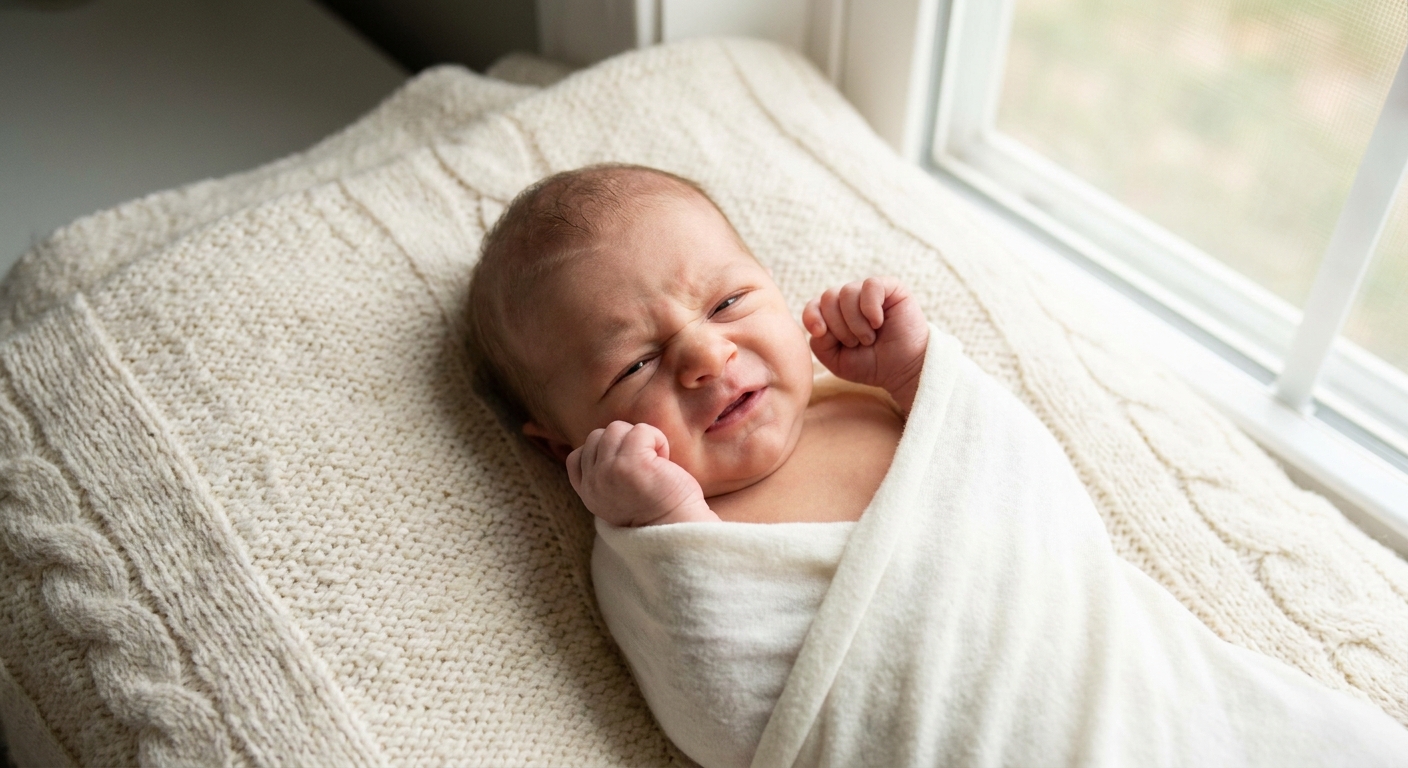
Why newborns sneeze so much
Sneezing is a protective reflex. For newborns, it is basically housekeeping. Their nasal passages are narrow, their noses do most of the breathing work (especially during feeds), and they are adjusting to air that is drier and dustier than the cozy, fluid-filled environment they just left.
1) Clearing mucus and leftover fluid
In the first days (and sometimes into the early newborn period), babies may still have a bit of leftover fluid and normal newborn mucus. A few sneezes here and there can help clear it. This is especially common after waking up or during diaper changes when babies wiggle and take deeper breaths.
2) Dry air and irritated nasal passages
Heated or air-conditioned homes dry out the lining of the nose. A dry nose gets irritated, and irritated noses sneeze. If you notice more sneezing at night or in winter, dry air is often the culprit.
3) Dust, lint, and everyday particles
Newborns are close to fabrics all day long: blankets, your shirt, burp cloths, bassinet sheets. Tiny fibers and dust can tickle their nose and trigger sneezes. This does not automatically mean your home is dirty. It means your baby has a working reflex.
4) Feeding-related sneezes
Some babies sneeze right after feeding or spitting up a little. Milk may briefly irritate the back of the nose and throat, and reflux can sometimes trigger sneezing. Evidence is limited here, but the pattern is common. A couple of post-feed sneezes, with a baby who otherwise seems comfortable and feeds well, is usually normal.
5) Light reflex (yes, really)
Some people sneeze when they step into bright light. Babies can too. If your newborn sneezes near a sunny window and then goes back to looking innocent, that can be a normal quirky reflex.
6) What about allergies?
Many parents worry about allergies. True environmental allergies are uncommon in very young newborns, even though dust and fragrance can still be irritating. If sneezing is the only symptom and your baby is otherwise well, allergies are usually not the first explanation.
What normal sneezing looks like
Normal newborn sneezing tends to be:
- Occasional, often in small clusters (like 2 to 5 sneezes)
- Not accompanied by a fever
- Not affecting feeding (baby latches or takes the bottle normally)
- Not causing breathing distress (no struggling or working hard to breathe)
- Followed by comfort, meaning baby settles back down afterward
In other words, sneezing by itself is rarely the problem. It is the company sneezing keeps that matters.
When sneezing can mean your newborn is sick
Sneezing can show up with a cold or other viral infection, but it is usually not the main symptom. Newborns may also have congestion, feeding changes, or breathing changes.
Pay attention if sneezing comes with any of the following:
Fever (this is the big one)
For babies under 3 months, a fever can be serious even if it looks like “just a cold.”
- Call your pediatrician right away if your baby is under 3 months and has a rectal temperature of 100.4°F (38°C) or higher.
Breathing trouble or increased work of breathing
Seek urgent care if you notice:
- Fast breathing that does not settle
- Ribs pulling in with breaths (retractions)
- Nostrils flaring
- Grunting, like a soft “uh” sound with breathing out
- Blue or gray lips or face, especially at rest or not just around the mouth when crying (call emergency services)
Poor feeding or fewer wet diapers
Newborns can get dehydrated faster than older kids. Call your pediatrician if your baby:
- Is too sleepy or congested to feed well
- Feeds much less than usual
- Has noticeably fewer wet diapers than normal
- Seems unusually weak or hard to wake
As a general guide, after day 4 to 5, many babies have around 6 or more wet diapers in 24 hours. Ranges vary, so if you are not sure what is normal for your baby, ask your clinician.
Persistent cough, thick drainage, or worsening congestion
A little clear mucus can be normal. But if congestion is getting worse, mucus turns thick and copious, or a cough is frequent and persistent, it is worth checking in. This is especially true during the first 2 to 3 months when babies are still very vulnerable.
Home comfort tips that actually help
If your baby is sneezing and sounds a little stuffy but is otherwise acting well, these simple steps can make a big difference.
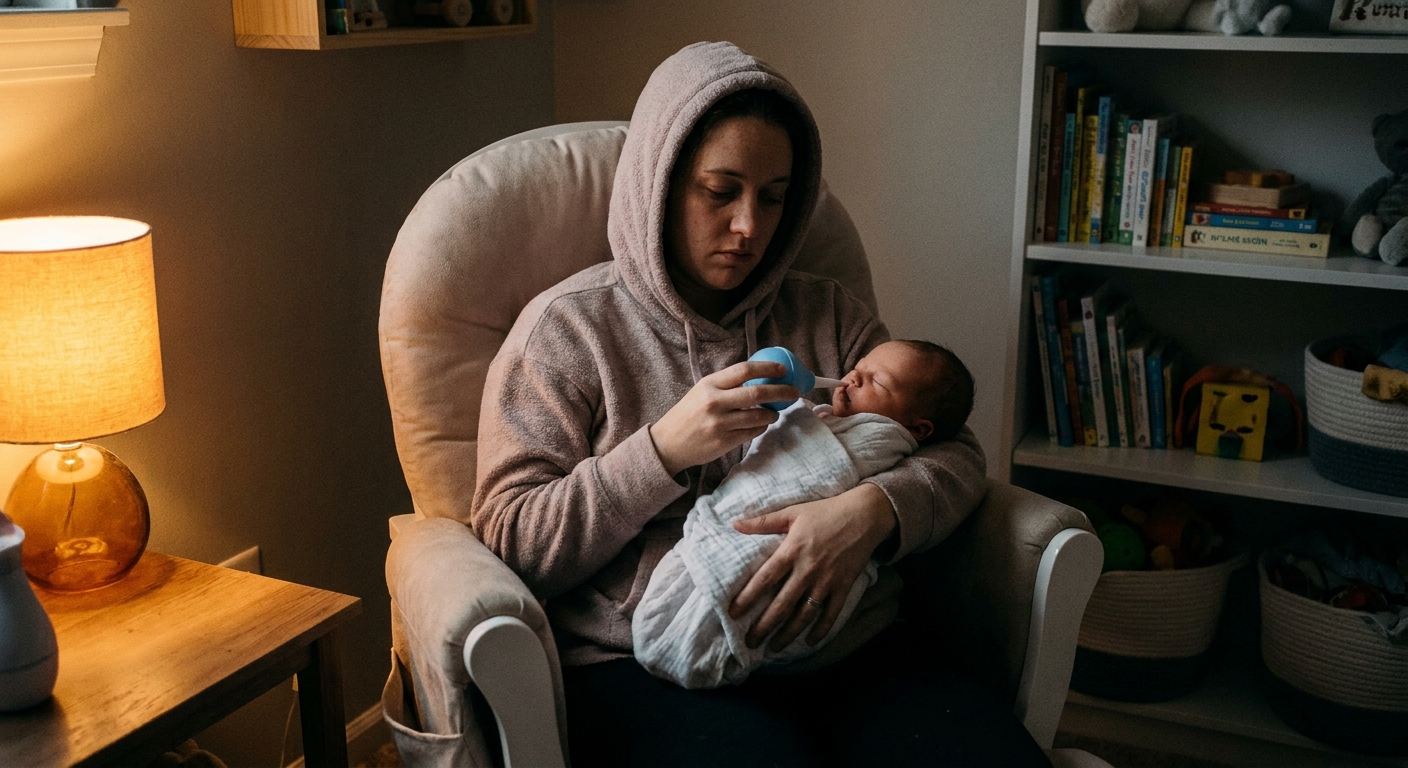
Use saline and gentle suction when needed
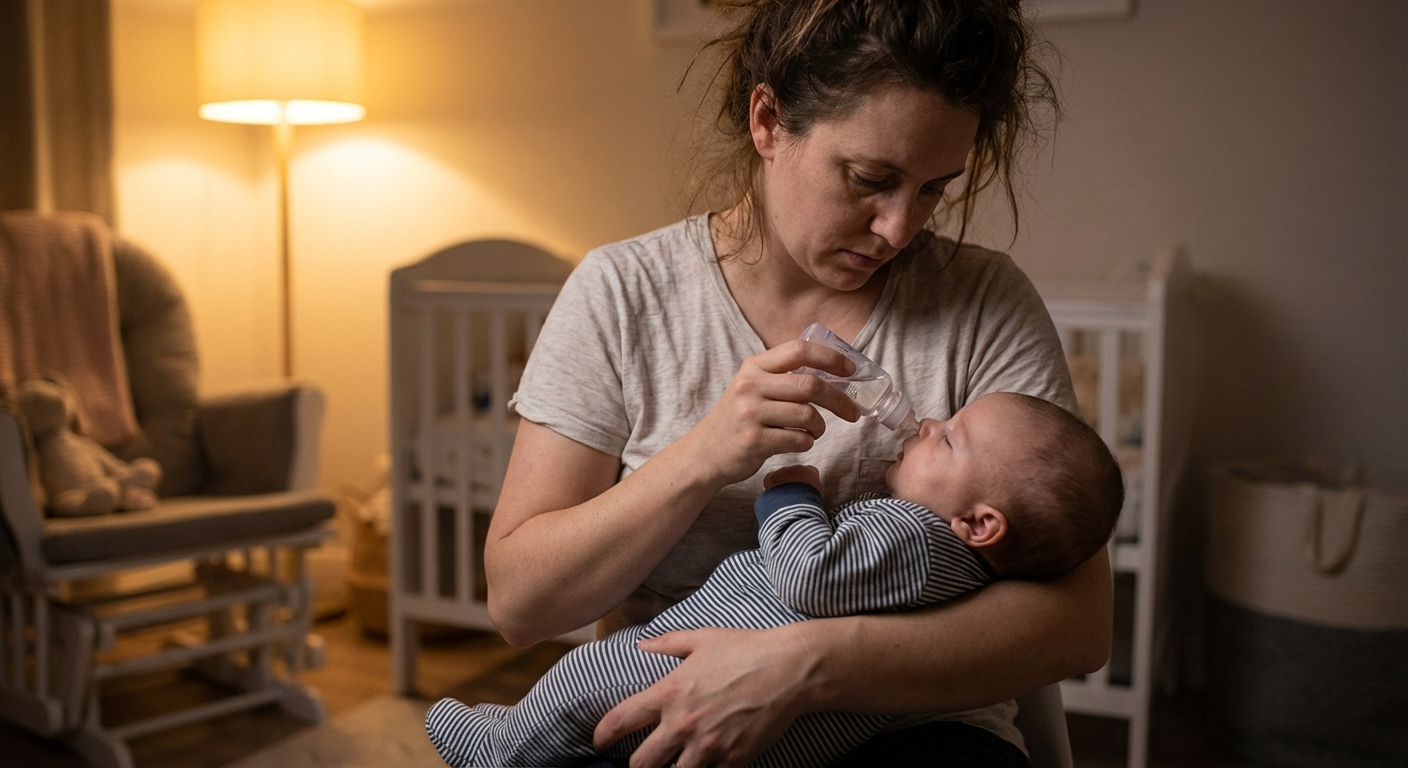
- Try saline drops or mist to loosen mucus.
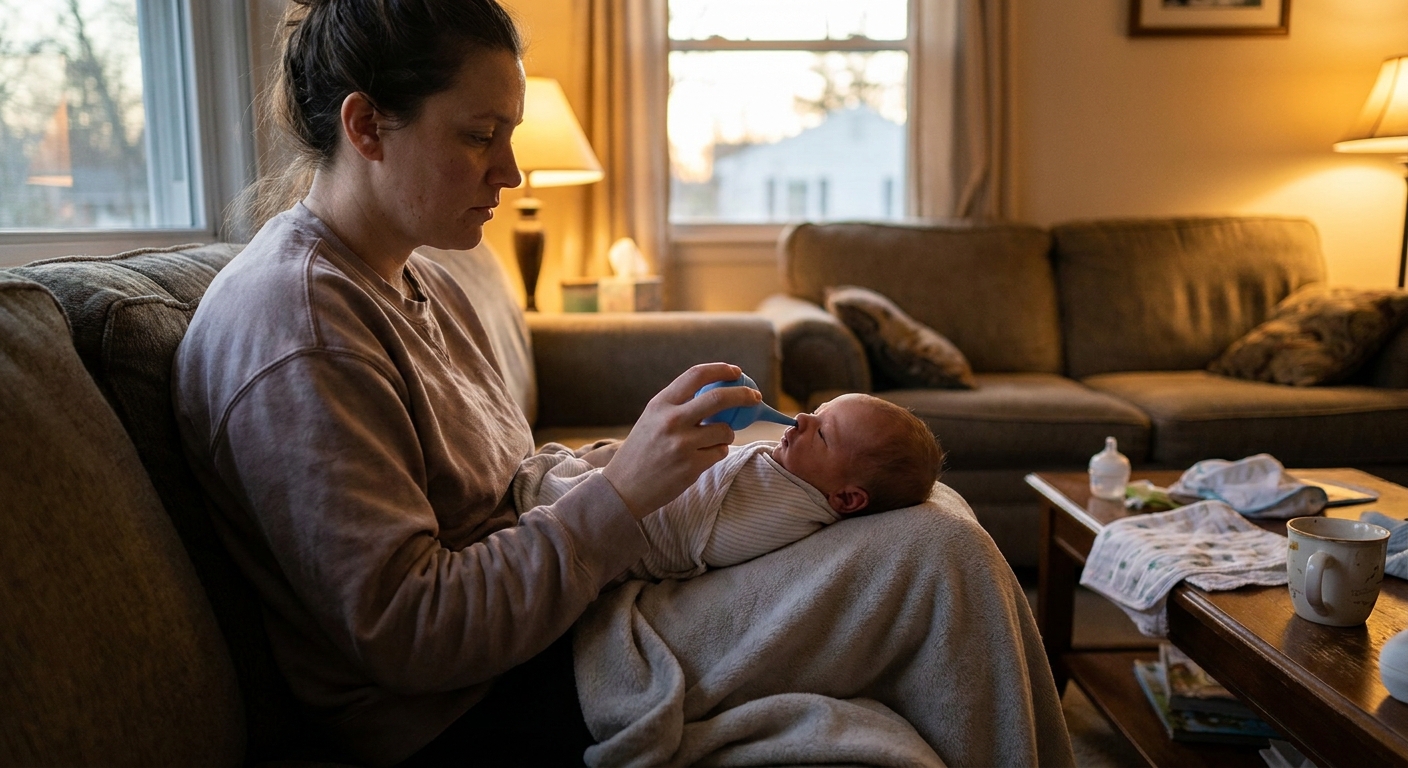
- Use a bulb syringe or suction tool gently, especially before feeds and sleep.
- Avoid over-suctioning. Too much can irritate the nose and make swelling worse.
When congestion affects feeding
- Do saline plus suction right before latching or offering the bottle.
- Try smaller, more frequent feeds if your baby tires out quickly.
- Keep an eye on wet diapers and alertness, and call if you are worried about dehydration.
Humidify the air
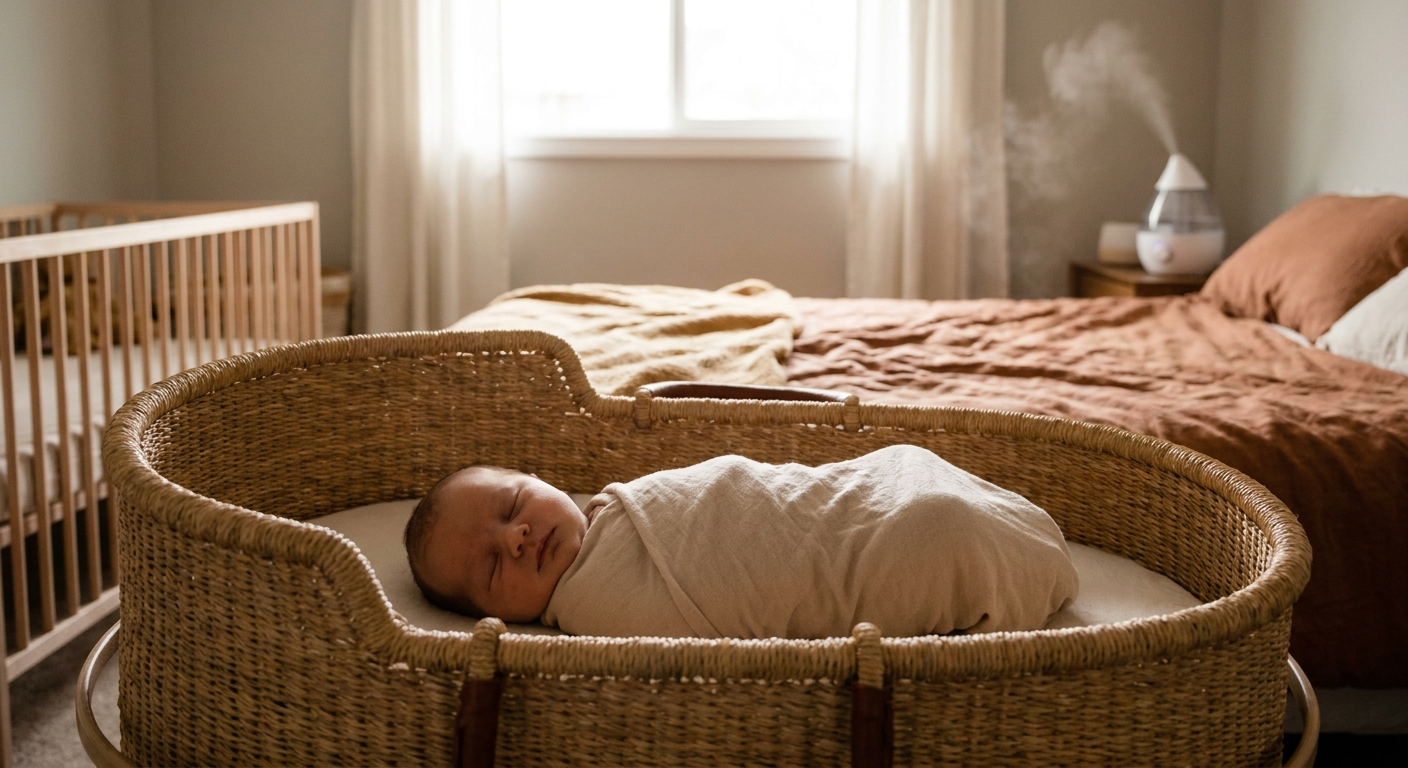
A cool-mist humidifier can help if your home is dry. Clean it as directed to prevent mold buildup.
Keep the air clean and fragrance-free
- Avoid smoke and vaping exposure completely.
- Skip scented candles, plug-ins, and strong cleaning sprays near baby.
- Wash sheets regularly and consider vacuuming or dusting if sneezing seems linked to a particular room.
Positioning during feeds
If sneezing happens mostly after feeds, try:
- Keeping baby a bit more upright during feeding
- Burping more frequently
- Holding upright for 10 to 15 minutes afterward if reflux seems to be a factor
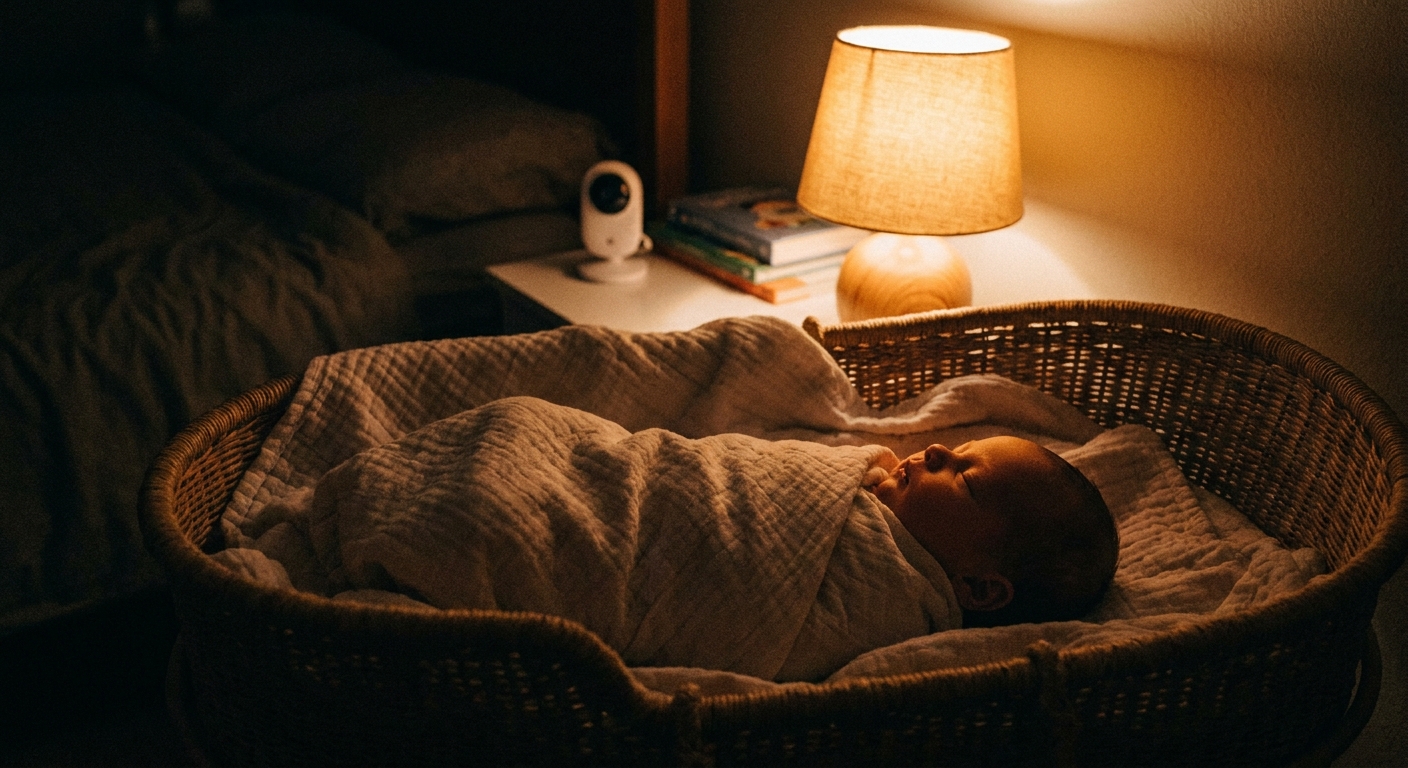
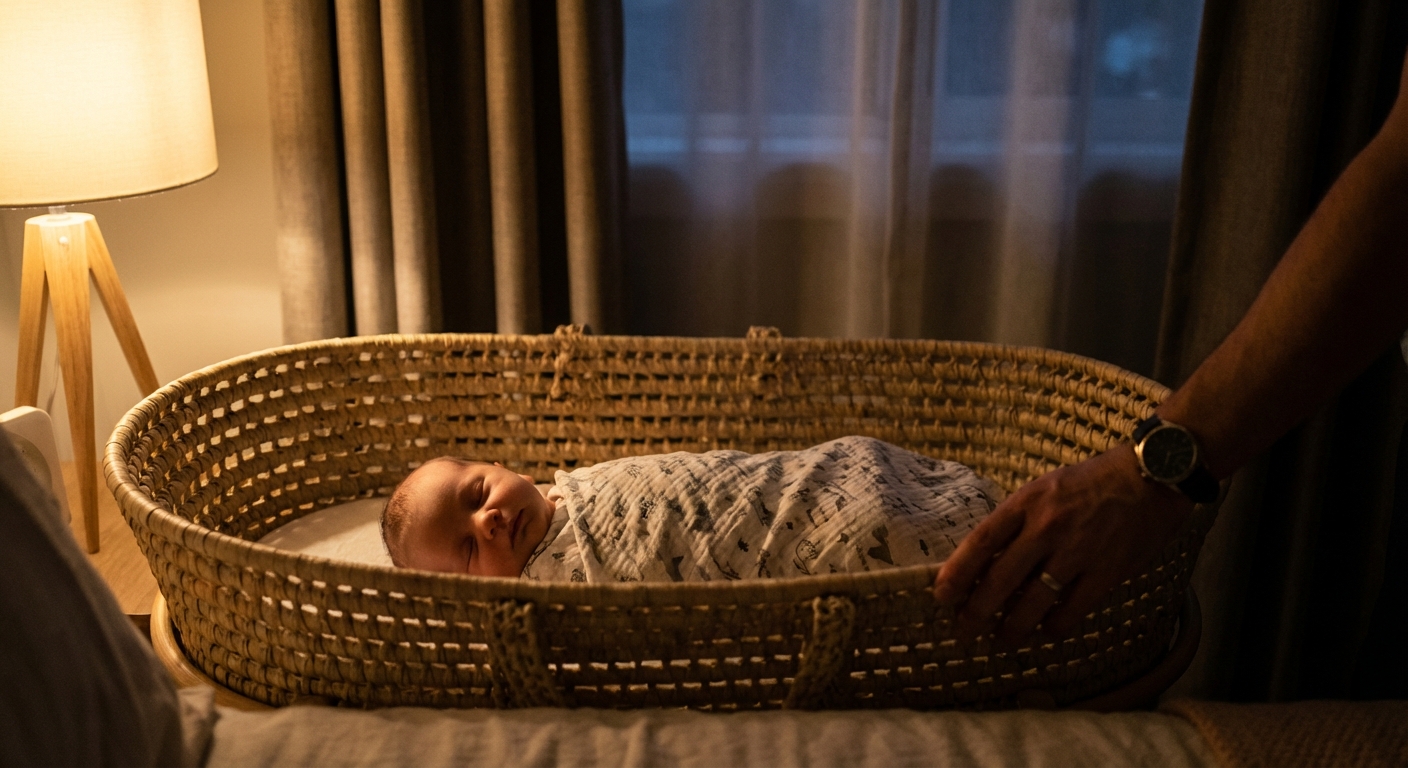
Safe sleep reminder: even if your baby is congested, avoid elevating the mattress or using pillows, positioners, or rolled blankets. Place baby on their back on a firm, flat sleep surface.
What not to do
These are common late-night ideas that I gently steer families away from:
- Do not use over-the-counter cold medicines for newborns unless specifically instructed by your clinician.
- Do not use medicated vapor rubs on babies unless your pediatrician recommends it. Some products can irritate airways.
- Do not put anything inside the nose besides saline drops and appropriately used suction devices.
- Do not ignore breathing effort. Congestion can look scary, but true work of breathing is the red flag.
Quick checklist
Usually normal
- Occasional sneezing with an otherwise comfortable baby
- Sneezing after feeds but feeding well overall
- No fever
- No breathing distress
- Normal wet diapers
Call your pediatrician
- Temperature concerns, especially 100.4°F (38°C) or higher under 3 months
- Baby is feeding poorly or having fewer wet diapers
- Worsening congestion that interferes with feeding or sleep
- Persistent cough or unusual sleepiness
Get urgent help now
- Blue or gray color around lips or face, especially at rest
- Grunting, retractions, or significant breathing struggle
- Baby is hard to wake or very floppy
The bottom line
Newborn sneezing is usually a normal reflex that helps clear the nose. Most of the time, it is your baby’s body doing exactly what it is supposed to do.
If sneezing comes with fever, trouble breathing, poor feeding, or fewer wet diapers, trust your gut and call your pediatrician. You are not overreacting. You are parenting a brand-new human with brand-new airways, and that is a job that deserves backup.