A calm, evidence-based guide to spotting overheating, checking temperature the right way, and dressing baby safely for sleep using simple layering and TOG ba...
Night Sweats in Kids: Common Causes and When to Worry

Sarah Mitchell
Sarah Mitchell is a Registered Pediatric Nurse and a mother of three who has spent over a decade helping families navigate the beautiful, chaotic early years of childhood. She combines evidence-based medical knowledge with real-world parenting experience to offer practical, compassionate advice. At Awesome Parent, Sarah's mission is to help exhausted parents find solutions, trust their instincts, and finally get some sleep.
If you have ever walked into your child’s room and found their hair damp, pajamas soaked, and sheets soaked through (sometimes even the mattress protector), you are not alone. Night sweats can look dramatic, and it is completely normal for your brain to jump straight to, “Is something wrong?”
Most of the time, night sweats in kids are caused by something simple like a warm room, too many layers, or a passing viral bug. But there are a few patterns that do deserve a closer look. Let’s sort the common from the concerning, so you can decide what to tweak at home and when to call your pediatrician.
What counts as night sweats?
Kids can perspire in their sleep for a lot of reasons. I generally think of night sweats as sweating that is:
- More than mild warmth, meaning you are changing pajamas or sheets, or their hair is noticeably wet
- Repeated, especially if it happens many nights in a row
- Out of proportion to the room temperature and clothing
Some children are simply “sweaty sleepers.” If your child wakes up happy, grows well, plays normally, and the sweating improves with cooler sleep routines, that is often reassuring.
Common (usually benign) causes
Overheating: the top culprit
This is by far the most common reason I saw in clinic and in my own house. Kids sleep deeply, they move around, and they often get dressed like it is a winter camping trip.
Common overheating triggers include:
- A room temperature around 70°F (21°C) or higher for many kids (some are comfortable warmer or cooler)
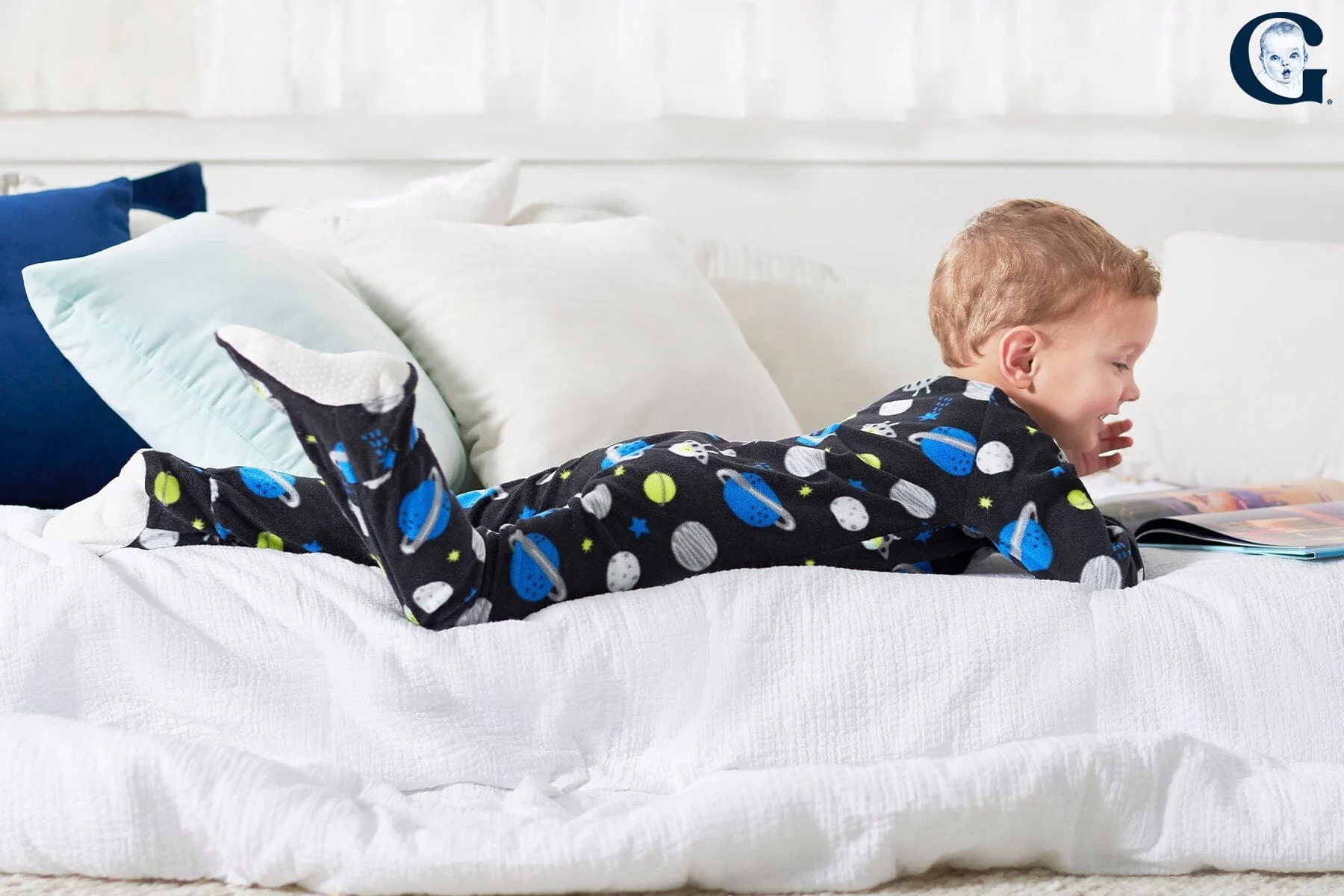
- Fleece pajamas, footed sleepers, or thick sleep sacks in a warm room
- Heavy comforters or multiple blankets
- Heat-trapping bedding or foam toppers that hold warmth
- A child who falls asleep right after running around (their body heat is still up)

Viral illnesses and low-grade fevers
Viruses can cause temperature swings. A child may sweat as a fever breaks, or they may be fighting something mild enough that you never saw a daytime fever. This is especially common with colds, flu-like viruses, and stomach bugs.
Clues this is the reason:
- Sweating started around the same time as cough, runny nose, sore throat, diarrhea, or vomiting
- Your child feels warm at bedtime and then sweaty later overnight
- It improves as the illness improves
Nightmares, night terrors, and stress
Big emotions can activate the body’s stress response. Night terrors can come with a fast heart rate and sweating. So can nightmares, anxiety, and major routine changes.
Important note: night terrors are different from “bad dreams.” In a night terror, kids can look awake but are not fully aware, and they often do not remember it the next day.
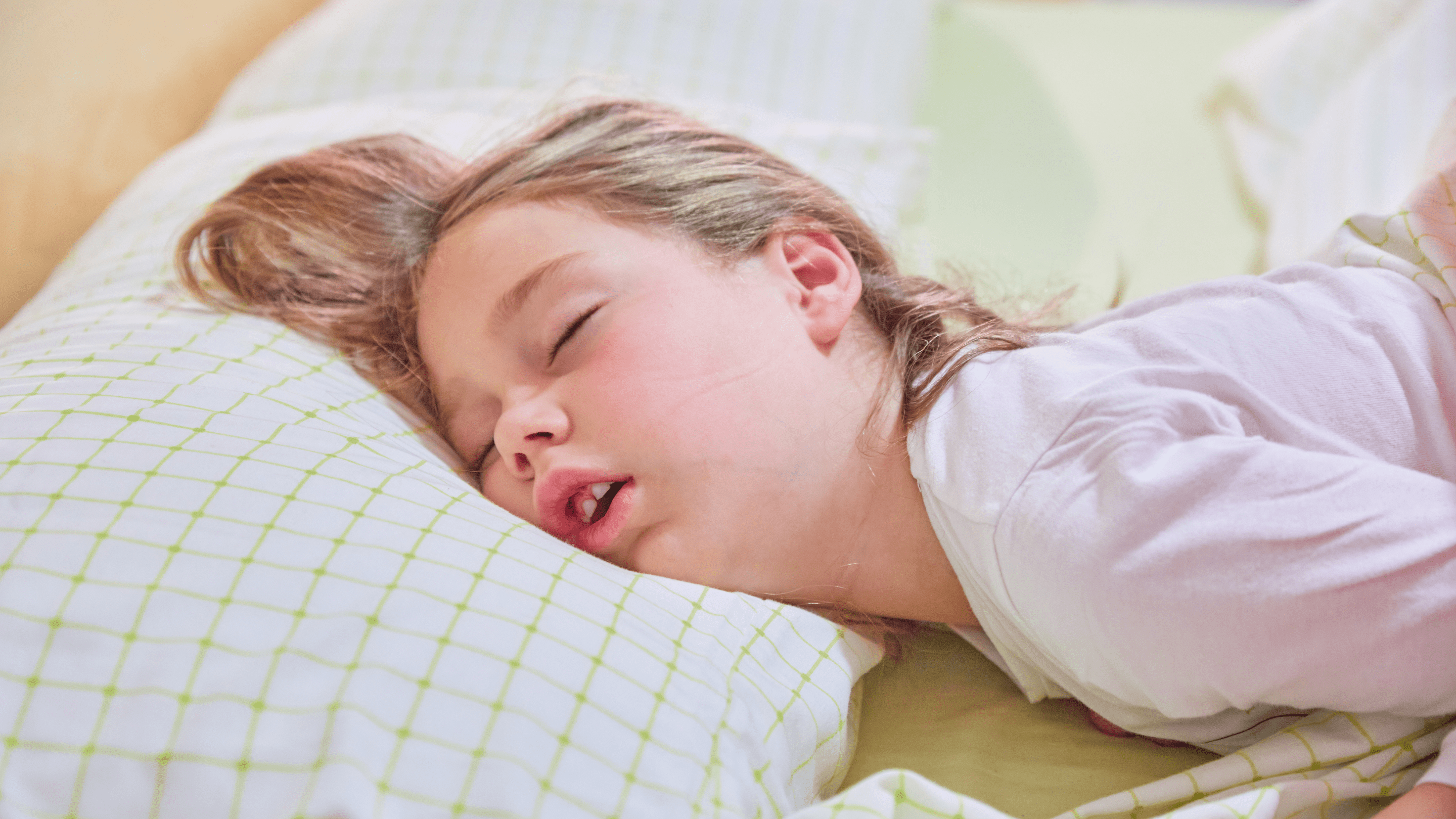
Sleep apnea or breathing issues
Kids who work harder to breathe in their sleep can be associated with more sweating at night. This can happen with enlarged tonsils and adenoids, allergies, or other breathing problems.
Clues include:
- Loud snoring most nights
- Pauses in breathing, gasping, or restless sleep
- Mouth breathing, morning headaches, or daytime irritability
- Bedwetting that is new or worsening
Medication side effects
Some medications can increase sweating, including certain antidepressants and ADHD medications. Acetaminophen and ibuprofen do not usually cause sweating on their own, but sweating often happens as a fever comes down, whether that is naturally or after a dose.
If night sweats started soon after a new medication or dose change, let your pediatrician know.
Normal development and individual thermostats
Kids are not tiny adults. Their bodies regulate heat differently, and some kids are just more prone to sweating in deep sleep. If your child is otherwise thriving, this can be a normal variant.
When to call
Night sweats rarely mean something serious, but there are patterns that should be checked out. Call your pediatrician if night sweats are persistent or come with other symptoms, especially:
- Unexplained fever or recurring fevers, especially lasting more than a few days
- Weight loss, poor weight gain, or a noticeable drop in appetite that is not improving
- Persistent fatigue, low energy, or your child “just isn’t themselves” for more than a week or two
- Swollen lymph nodes (neck, armpits, groin) that are enlarging, firm, or not improving over 2 to 4 weeks
- Chronic cough, shortness of breath, wheezing, or chest pain
- Frequent infections or unusually severe illnesses
- Easy bruising, frequent nosebleeds, or unusual bleeding
- Severe itching with no clear rash
- Drenching sweats that soak the bed night after night despite a cool sleep setup
If your child is an infant under 3 months with any fever (100.4°F or 38°C or higher), follow your pediatrician’s guidance right away.
And yes, there are rarer causes clinicians keep on the radar when sweats are persistent and truly drenching, especially with red flags or relevant exposures. Depending on the story, that can include things like tuberculosis exposure, thyroid problems, blood sugar issues (including diabetes), inflammatory conditions, and, very rarely, certain cancers. The goal is not to panic, but to understand why the “pattern” matters.
When to get urgent care
Seek urgent evaluation (ER or urgent care depending on severity and your pediatrician’s guidance) if your child has night sweats along with:
- Trouble breathing, blue lips, or rapid breathing
- Severe dehydration signs (very dry mouth, no tears, very little urine)
- A stiff neck, severe headache, confusion, or extreme sleepiness that is hard to wake
- Fever with a non-blanching purple rash (spots that do not fade when pressed)
- Chest pain, fainting, or a racing heartbeat that does not settle
Trust your instincts. If something feels “off,” it is okay to get help.
How to reduce night sweats
If your child seems otherwise well, start with simple environment fixes. In clinic, these steps solved a surprising number of “mystery sweats.”
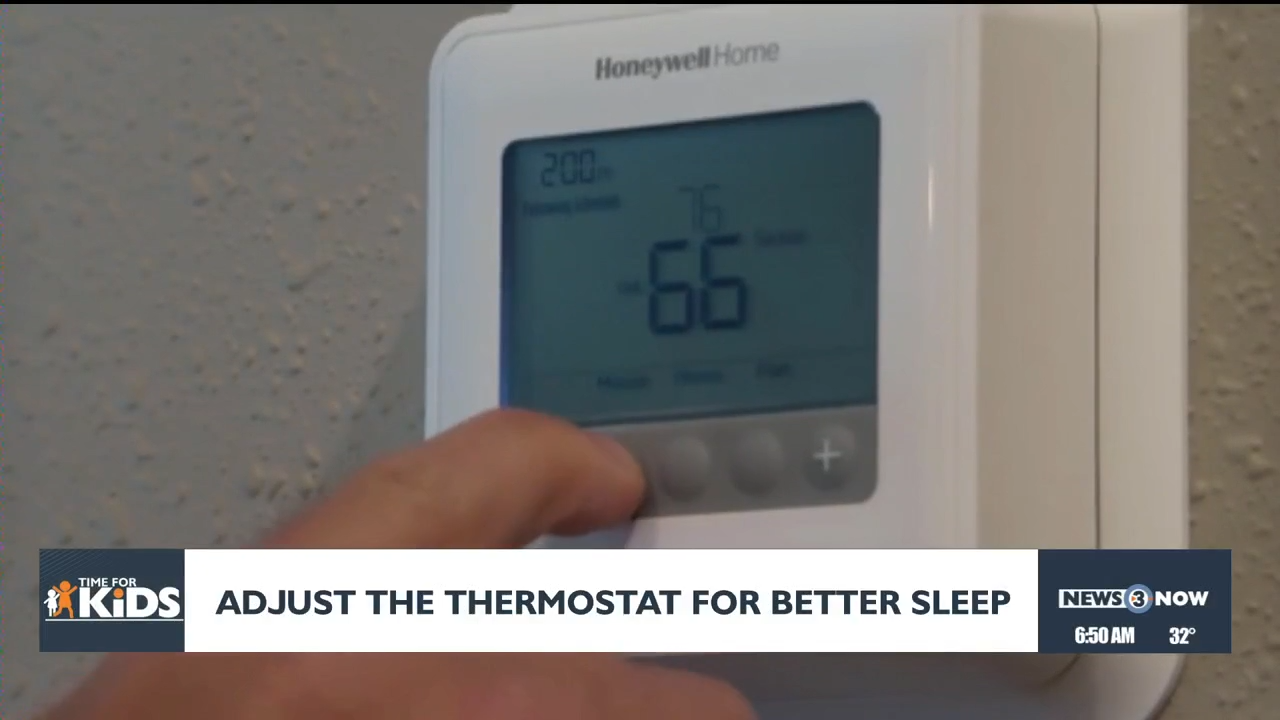
1) Aim for a cooler room
Many kids sleep best in a cooler room, often around 65 to 68°F (18 to 20°C). That is not a hard medical cutoff, and comfort can vary by child, season, and what they are wearing. The goal is “cool and comfortable,” not cold.
2) Dress for sleep
- Choose lightweight cotton or bamboo pajamas
- Avoid fleece unless the room is truly cold
- Use one blanket max for older kids, and keep it breathable
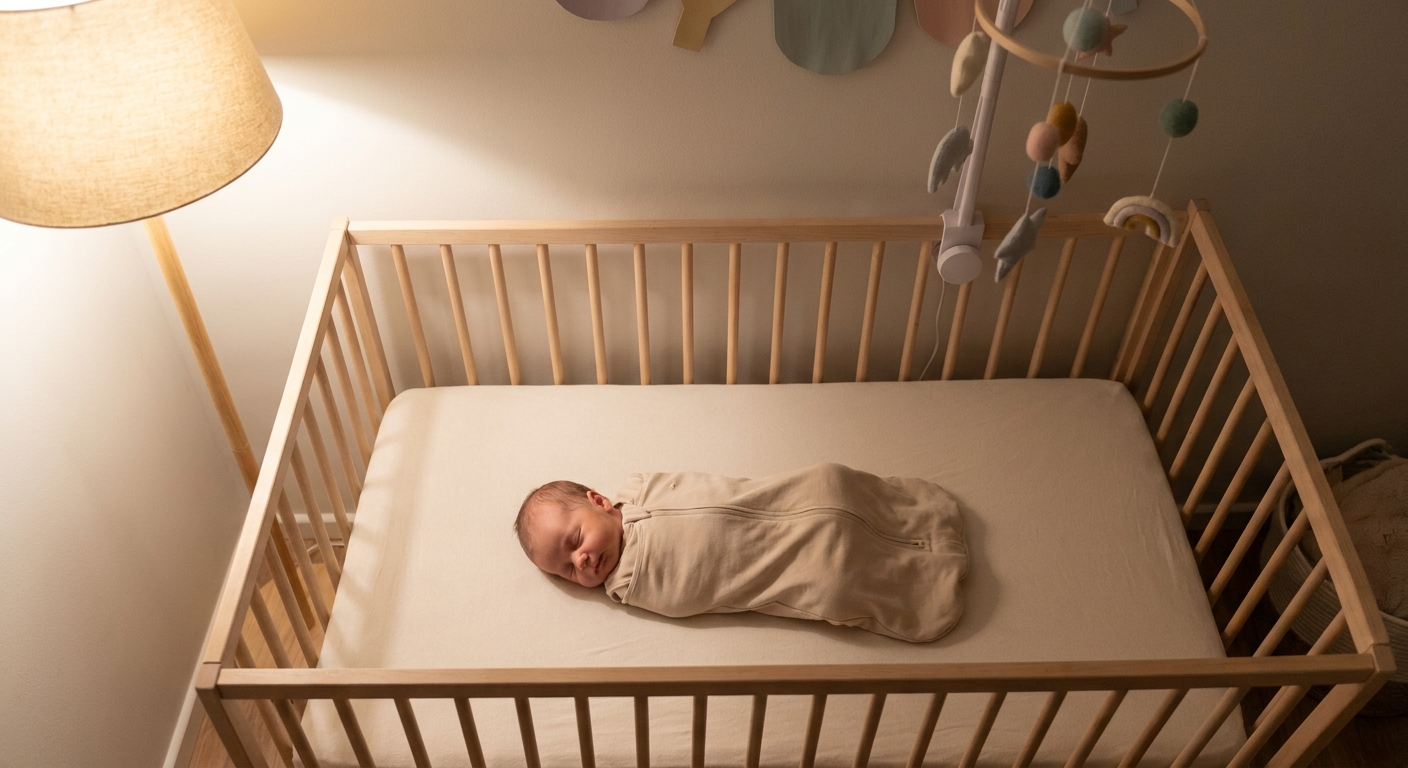
- For babies, follow safe sleep guidance and use an appropriately rated sleep sack rather than loose blankets
- Do a quick check at bedtime: the back of the neck should feel warm, not sweaty
3) Check the bedding and humidity
- Try cotton sheets and a breathable mattress protector (some waterproof covers trap heat)
- Consider swapping heavy comforters for a lighter quilt
- If your home runs humid, a fan or dehumidifier can improve comfort and reduce that “sticky” sleep
4) Cool down the pre-bed routine
- Keep roughhousing earlier in the evening when possible
- Offer a lukewarm bath (not hot)
- Hydrate normally, but avoid huge drinks right at bedtime if bedwetting is an issue
5) Keep a simple log for 1 to 2 weeks
This is not to spiral. It is to spot patterns quickly. Jot down:
- Room temp, humidity if you know it, and what they wore
- Any fever or illness symptoms
- Any snoring, mouth breathing, or restless sleep
- Whether the sweat was mild or truly soaking
What your pediatrician may ask
If you call or come in, your pediatrician is trying to separate common causes from the less common ones. Expect questions like:
- How old is your child? (Age changes the list of likely causes.)
- How often does it happen? Every night, a few times a week, or only with illness?
- How severe is it? Damp hair versus soaked sheets and pajamas.
- Any fever? How high, how long, and how you measured it.
- Any weight loss, appetite change, or fatigue?
- Any cough, breathing changes, or snoring?
- Any swollen glands, easy bruising, or frequent infections?
- What is the bedroom temperature and sleep clothing?
- Any new medications or supplements?
- Any recent travel or known exposures? (Depending on your area and situation.)
They may do a physical exam and, if the story suggests it, order targeted testing. Most kids do not need extensive labs for occasional night sweats, especially if it improves with cooling changes and there are no red flags.
A quick reality check
Night sweats feel alarming because they are messy and visible. But in pediatrics, the most common explanation is also the least scary: kids run warm, bedrooms run warmer than we think, and viruses love to show up at 2 AM.
Start by cooling the sleep setup and watching for patterns. If the sweating is persistent, drenching, or paired with symptoms like fever, weight loss, swollen lymph nodes, or breathing issues, call your pediatrician and bring your notes. That is not “overreacting.” That is smart parenting.
If you are reading this at 3 AM with a sweaty kid and a racing mind, take a breath. Change the pajamas, cool the room, offer a sip of water, and decide in the morning whether this looks like overheating, a virus, or something that needs a quick check-in.
FAQ
Can kids have night sweats without a fever?
Yes. Overheating is a big reason, and stress, nightmares, and sleep-disordered breathing can also cause sweating without a measurable fever. Mild viral illnesses can cause sweating even if you never caught the fever at the “right” moment.
Are night sweats a sign of puberty?
They can be, especially in older kids and teens as hormones shift and sleep environments run warm. Still, persistent drenching sweats, or sweats plus other symptoms, deserve a clinician check-in.
Should I run a fan in my child’s room?
For many families, yes. A fan can improve comfort and airflow. Just aim it to circulate air rather than blowing directly on a baby, and keep cords safely out of reach.
Do I need special tests for night sweats?
Not always. If your child is growing well, acting normally, and the sweating improves with a cooler environment or resolves after a viral illness, testing is often unnecessary. Your pediatrician will recommend tests if the pattern, exposures, or exam suggests a specific concern.
References
- American Academy of Pediatrics. How to Keep Your Sleeping Baby Safe: AAP Policy Explained (HealthyChildren.org). https://www.healthychildren.org
- American Academy of Pediatrics. Fever and Your Baby (age-specific guidance, including when to call urgently). https://www.healthychildren.org
- National Heart, Lung, and Blood Institute (NHLBI). Sleep Apnea (overview, including children). https://www.nhlbi.nih.gov
- Centers for Disease Control and Prevention (CDC). Fever in Children (general guidance and when to seek care). https://www.cdc.gov
Sarah Mitchell
Sarah Mitchell is a Registered Pediatric Nurse and a mother of three who has spent over a decade helping families navigate the beautiful, chaotic early years of childhood. She combines evidence-based medical knowledge with real-world parenting experience to offer practical, compassionate advice. At Awesome Parent, Sarah's mission is to help exhausted parents find solutions, trust their instincts, and finally get some sleep.