Nighttime Potty Training: How to Ditch Diapers at Bedtime

Sarah Mitchell
Sarah Mitchell is a Registered Pediatric Nurse and a mother of three who has spent over a decade helping families navigate the beautiful, chaotic early years of childhood. She combines evidence-based medical knowledge with real-world parenting experience to offer practical, compassionate advice. At Awesome Parent, Sarah's mission is to help exhausted parents find solutions, trust their instincts, and finally get some sleep.
If your child is happily daytime potty trained but still waking up wet, you're not behind. You're not doing it wrong. And you're definitely not the only parent doing midnight sheet changes like it's an Olympic sport.
Nighttime potty training is a different skill from daytime training. Daytime success is mostly about routines and learning body signals. Nighttime dryness is largely about biology and sleep, with a side of practical factors like constipation, fluid timing, and sleep hygiene. The goal of this page is to help you ditch bedtime diapers when your child is truly ready, with fewer tears and fewer loads of laundry.
Quick note: I'm writing this as general education from a pediatric nurse, not personalized medical advice. When you're unsure or something feels off, your child's pediatrician is your best next step.
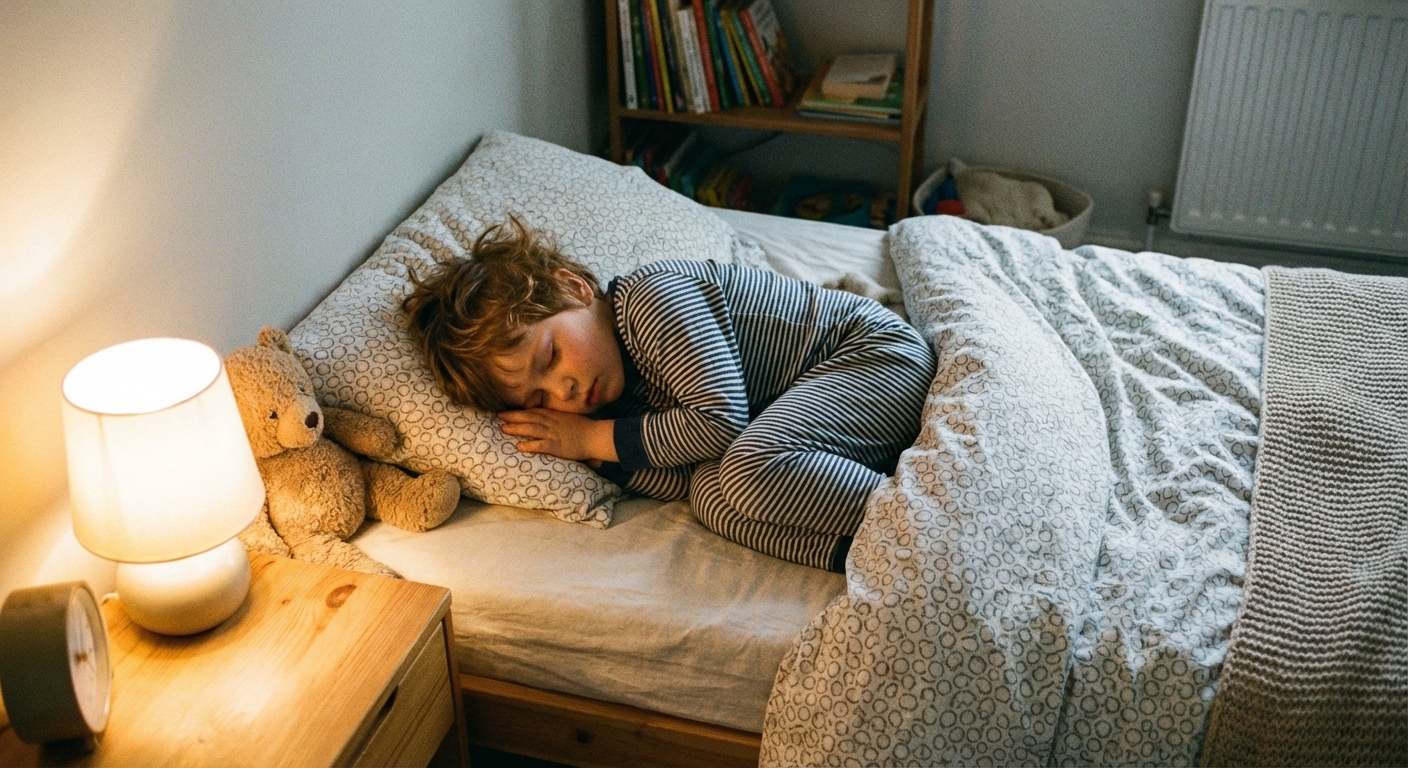
Why nights are different
As a pediatric nurse, this is the piece I wish every exhausted parent heard early: nighttime dryness develops when the body and brain can do a few things consistently while your child is asleep.
- Bladder capacity has to grow. A small bladder fills faster, especially overnight.
- The brain has to wake up to a full-bladder signal. Some kids sleep so deeply they don't register that signal yet.
- The body has to make enough antidiuretic hormone (ADH) at night. ADH helps the kidneys make less urine while sleeping. Many kids naturally increase ADH as they get older.
- Genetics matter, a lot. Bedwetting often runs in families. If you or your child's other parent stayed wet at night longer than your peers, your child may simply be following that same timeline.
That's why a child can be totally dry during the day and still wet at night for months (or longer). It's developmental, not defiance.
What's a normal age?
Nighttime dryness commonly comes later than daytime training. Many kids become reliably dry overnight sometime in the early school years, and a healthy minority take longer. In other words: a wet bed at 5 is common, and bedwetting at 7 is still often treatable and not rare.
In clinic, I frame it like this:
- Under 5: Night wetting is very common.
- Ages 5 to 6: Many kids start getting longer dry stretches, but accidents are still common.
- Age 7 and up: Ongoing bedwetting is still often developmental, but it's a good time to check in with your pediatrician for guidance and to rule out common contributors like constipation, UTIs, or sleep issues.
If your child is older and embarrassed, please know you're not stuck. There are effective, kid-friendly options.
Signs your child is ready
Look for patterns, not one random dry night that happens after they barely drank at dinner.
Strong readiness clues
- Wakes up with a dry diaper or pull-up most mornings (think 5 to 7 dry mornings in a row)
- Has a dry pull-up after nap time, if they still nap
- Can pee right before bed and understands the routine
- Can get to the bathroom quickly once awake (or will reliably call for you)
- Wants to try underwear at night, or at least isn't anxious about it
Signs it's probably too soon
- Pull-up is very full most mornings
- Your child is a very deep sleeper and doesn't wake for much yet
- Frequent daytime urgency, accidents, or pee holding
- Constipation or poop accidents (a big one)
- New stressors like moving, a new sibling, travel, or starting school
If you're on the fence, it's completely fine to wait a few weeks and reassess. Waiting isn't “giving up.” It's choosing the low-drama path.
Before you start: check common blockers
Two common issues can make nighttime training feel impossible even when you're doing everything “right.”
Constipation
A backed-up rectum can press on the bladder and reduce how much it can hold. A significant number of kids who wet the bed regularly also struggle with constipation, even if they poop daily. Signs include hard stools, painful poops, skid marks, bellyaches, or very large stools.
Sleep and breathing issues
Loud snoring, pauses in breathing, or very restless sleep can interfere with the brain's ability to wake to bladder signals. Bring this up with your pediatrician.
If your child has either of these, addressing them often improves bedwetting significantly.
A realistic plan
There's no one perfect method. But there is a smart, low-pressure way to set your child up for success and protect your sleep while you practice.
Step 1: Solid daytime bathroom habits
- Encourage regular bathroom breaks during the day, about every 2 to 3 hours.
- Avoid “just in case” peeing every 20 minutes, which can train the bladder to expect constant emptying.
- Make sure your child isn't holding pee because they're busy playing.
Step 2: Shift fluids earlier
Hydration matters for health and constipation, so we're not trying to “dehydrate them dry.” Instead:
- Offer most fluids earlier in the day.
- With dinner, normal fluids are fine.
- In the last 60 to 90 minutes before bed, keep drinks small (a few sips of water if they're thirsty, not a full cup).
- Avoid caffeine. Also know that carbonated or acidic drinks (like soda or citrus) can worsen urgency for some kids, especially later in the day.
Step 3: Do a two-pee bedtime routine
This is one of my favorite real-life tricks.
- Pee #1: about 30 to 45 minutes before lights out (often right before bath or pajamas).
- Pee #2: right before you leave the room.
That second pee often gets “the rest” without turning bedtime into a battle.
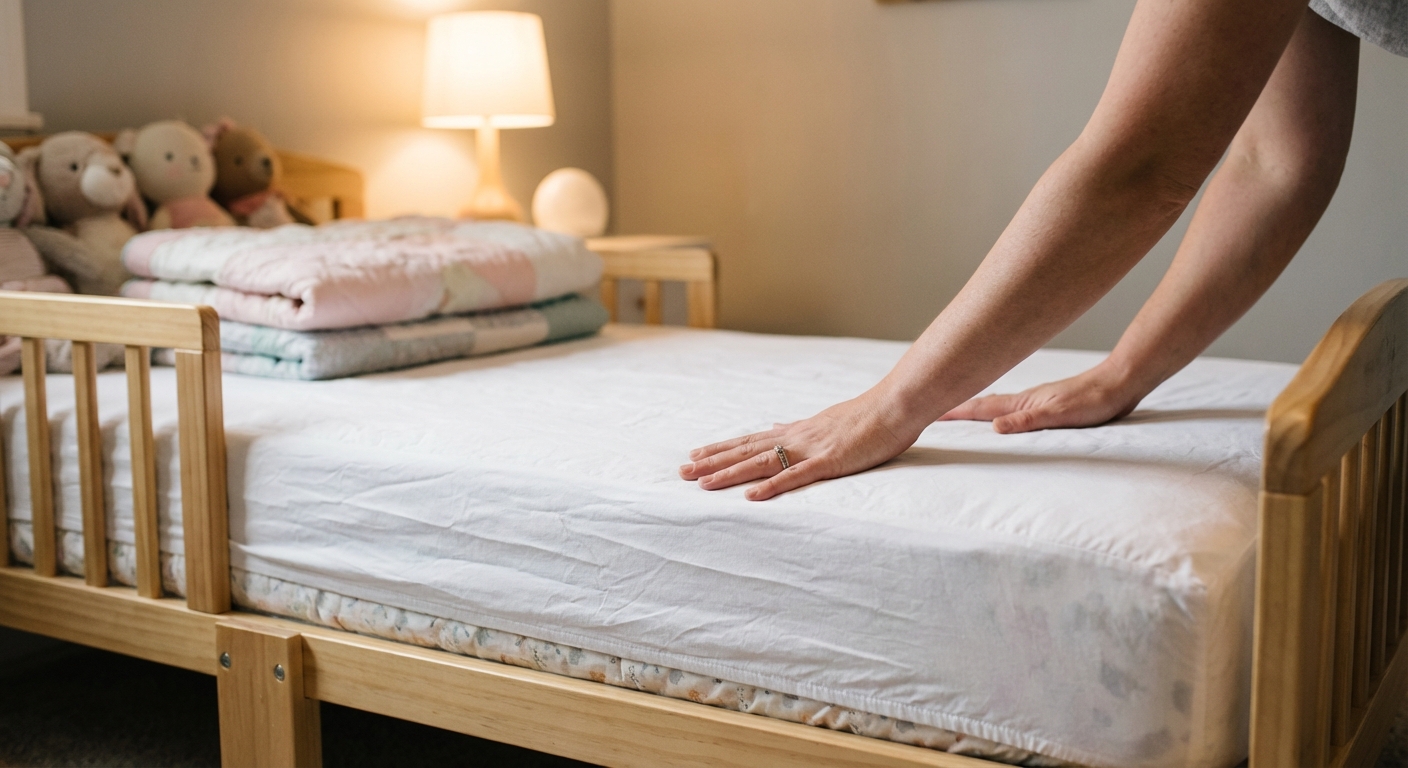
Step 4: Set up the bed
Protecting the bed isn't a sign of pessimism. It's a sign of a parent who values sleep.
- Use a waterproof mattress protector.
- Make the bed in layers so you can strip it fast at 2 AM.
- If your child runs hot, look for protectors that are washable and more breathable to reduce sweating.
Try this layering method:
- Mattress
- Waterproof protector
- Fitted sheet
- Another waterproof protector
- Another fitted sheet
When an accident happens, remove the top sheet and protector, and you're back in business.
Dream pee: yes or no?
A dream pee is when you guide your child to the toilet before you go to sleep, usually around 10 to 11 PM, without fully waking them.
It can help some families reduce sheet changes, especially early on. But it doesn't necessarily teach the brain to wake up on its own. Think of it as a tool for parent sleep protection, not a required step.
If you try it
- Do it at the same time each night for a week and see if it helps.
- Keep lights dim and interaction minimal.
- Safety first: fully support your child to prevent falls, and avoid carrying a deeply sleeping child on stairs.
- Guide them to pee, then straight back to bed.
If it turns into a cranky wake-up or doesn't change the outcome, you can skip it with zero guilt.
Ditch diapers without battles
Option A: Cold turkey
Best for kids who are already mostly dry.
- Explain the plan in the daytime, not at bedtime.
- Let your child pick new “sleep underwear.”
- Remind them: “Your job is to try. My job is to help.”
Option B: Gradual transition
Best for anxious kids.
- Start with underwear plus a pull-up over it for a week. This can help them notice wetness while protecting the bed.
- Skin note: this combo can trap moisture. Use breathable underwear, change promptly in the morning, and consider a thin barrier cream if irritation pops up.
- Then switch to underwear with bed protection only.
Option C: Training pants
Best for protecting dignity on a budget.
Thicker cloth training pants absorb a small accident and can feel more “grown-up” than a pull-up. They won't hold a full overnight pee the way a diaper does, so you still need mattress protection.
When accidents happen
Accidents are part of the process, not evidence that you started too early. The trick is responding in a way that's calm, boring, and kind.
- Keep your voice neutral. “Oops, your body peed while you were sleeping. Let's get comfy again.”
- Do a quick cleanup plan. Have clean pajamas, wipes, and a hamper ready.
- Back to bed fast. Middle-of-the-night conversations and negotiations backfire.
- No punishment or shame. Bedwetting isn't a behavior problem.
If your child is upset, validate it: “I know this feels frustrating. Your body is still learning.”
One more thing that really helps: protect their self-esteem. No teasing (including from siblings), and keep supplies discreet for sleepovers or travel when possible.
How long does it take?
This is the question every parent asks, usually while holding a pile of wet pajamas.
Timeline varies widely because biology varies widely. But here are realistic ranges:
- If your child is already frequently dry: Often 2 to 6 weeks to see mostly dry nights, with occasional accidents.
- If your child is 50/50 dry and wet: Often a few months of gradual improvement.
- If your child rarely wakes dry: It may take many months, and waiting may be the most effective strategy.
My practical rule of thumb: I consider a child “night trained” when they have about 2 weeks of dry nights in a row and aren't relying on you waking them.
When to call the pediatrician
Most bedwetting is normal and not a sign of laziness, trauma, or bad parenting. Still, there are times you should loop in your pediatrician.
Call if
- Your child starts wetting the bed again after being dry for months (this is called secondary enuresis)
- There's pain with urination, fever, foul-smelling urine, or frequent daytime accidents (possible UTI or irritation)
- Your child is extremely thirsty, peeing very large amounts, or losing weight
- There's loud snoring or breathing pauses during sleep
- Constipation is ongoing or severe
- Bedwetting continues regularly after age 7, especially if it's causing distress
What treatment might look like
Depending on the child, your pediatrician might recommend treating constipation, adjusting routines, or using a bedwetting alarm. Alarms are one of the most evidence-based tools for persistent primary nighttime bedwetting because they help train the brain to wake to bladder signals. They're usually used when a child is developmentally ready and motivated (often around ages 6 to 7 and up), and they work best with consistent follow-through.
In some situations (like sleepovers or camp), a clinician may discuss medication such as desmopressin. It's not a DIY fix, and it requires medical guidance, but it can be a helpful short-term option for the right child.
FAQ
Should I wake my child to pee every night?
Waking a child can protect the bed, but it doesn't always teach independent nighttime control. If you're waking them multiple times for weeks and nothing is changing, it may be time to pause and try again later.
Is it okay to keep using pull-ups?
Yes. Pull-ups are a tool, not a moral failing. If your child is soaking them nightly, they're likely not ready yet. You can keep pull-ups and revisit in a month or two.
Does limiting fluids fix bedwetting?
It can reduce accidents for some kids, but it doesn't address the underlying development. Keep evening drinks reasonable, but focus more on readiness, constipation prevention, and a solid bedtime routine.
My child sleeps like a rock. What helps?
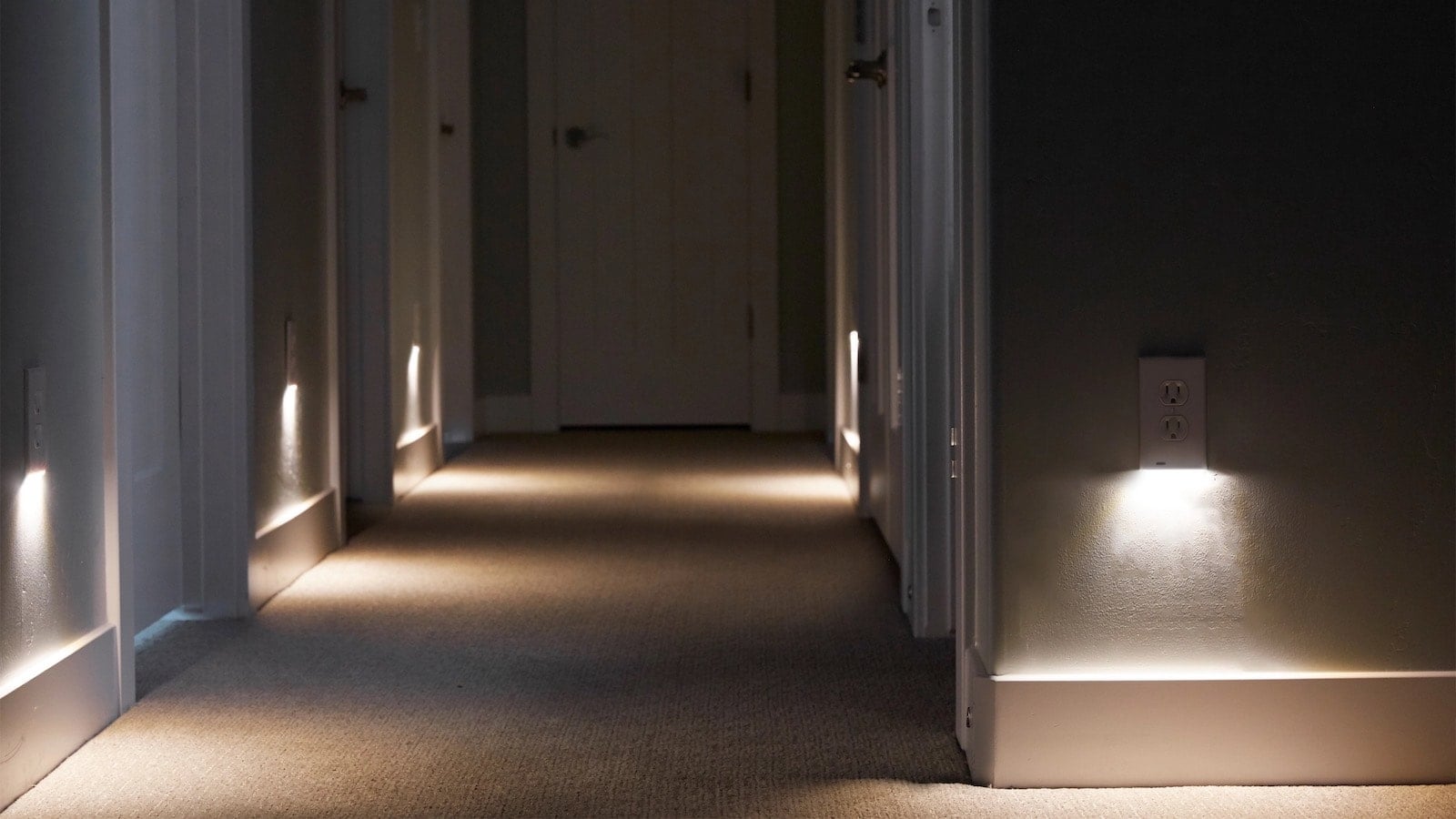
Deep sleepers often take longer. A consistent routine, easy bathroom access (nightlight, clear path), and, later on, a bedwetting alarm can be more effective than trying to “train” them to wake with willpower.
Bedtime checklist
- Bathroom trip 30 to 45 minutes before bed
- Small sips of water only in the last hour if thirsty
- Second bathroom trip right before lights out
- Nightlight on, path clear
- Waterproof bed layers in place
- Clean pajamas and supplies ready for quick changes
The bottom line
Nighttime potty training isn't a finish line you can force with stickers and willpower. It's a mix of readiness, routine, and time. Your job is to create a low-stress setup and give your child lots of chances to succeed. Their job is to grow into it.
And if tonight isn't the night? Put the pull-up back on, protect everyone's sleep, and try again when your child's body is a little more ready. That's not failure. That's wise parenting.