A sore lump while breastfeeding can be a clogged duct. Here are practical steps to relieve it, what not to do, and when symptoms suggest mastitis and need ur...
Nipple Blebs and Milk Blisters While Breastfeeding

Sarah Mitchell
Sarah Mitchell is a Registered Pediatric Nurse and a mother of three who has spent over a decade helping families navigate the beautiful, chaotic early years of childhood. She combines evidence-based medical knowledge with real-world parenting experience to offer practical, compassionate advice. At Awesome Parent, Sarah's mission is to help exhausted parents find solutions, trust their instincts, and finally get some sleep.
If you've ever looked down mid-feed and thought, “Why is there a tiny white dot on my nipple and why does it feel like I'm nursing a piranha,” you're not alone. Nipple blebs, sometimes called milk blisters, are one of those breastfeeding problems that can feel strangely dramatic for something so small.
The good news: most blebs improve with gentle, consistent care and a few latch or pumping tweaks. The important news: if you have fever, spreading redness, or feel flu-like, that's a different category of problem and you should get medical help promptly.

What is a nipple bleb?
A nipple bleb is a blocked milk pore right at the surface of the nipple. It often shows up as a tiny white, yellow, or clear dot. It can look like a small “cap” over a single pore where milk should be flowing.
One important nuance: while a bleb can look like a simple plug at the surface, it often shows up alongside inflammation and swelling in the ductal system. So the goal is usually not to attack it, but to calm things down and help milk drain comfortably.
Some blebs are mostly cosmetic and barely noticeable. Others feel like sharp, pinpoint pain, especially at latch-on, during letdown, or while pumping.
What it can look and feel like
- Appearance: white or yellow spot, sometimes a tiny raised bump, sometimes flat and shiny
- Size: often pinhead-sized
- Pain: can range from none at all to intense “glass shard” nipple pain
- Milk flow: you might see a spray or stream change on that side, or notice baby getting frustrated
Blebs can happen alone, or alongside a deeper tender area. You can have great milk supply and still get one. You can have a brand-new baby or a busy toddler who only nurses twice a day and still get one.
Bleb vs ductal narrowing vs mastitis
Parents are often told, “It's just a clogged duct,” but a bleb is more surface-level and the fixes can be a bit different.
Quick comparison
- Nipple bleb (milk blister): a visible dot on the nipple itself, often with pinpoint nipple pain; may or may not come with a deeper firm or tender area
- Clogged duct (ductal narrowing): usually a tender lump or firm area in the breast, pressure or aching, sometimes with less milk output; no visible dot required. Often driven by inflammation, not a literal chunk you can “massage out.”
- Mastitis: breast inflammation that can include fever, chills, body aches, worsening redness or heat, and feeling truly unwell. It can also start as inflammatory mastitis before you have a fever, especially if pain, swelling, and redness are ramping up.
If you have systemic symptoms like fever and chills, or redness that is spreading, don't try to “power through” with home tricks alone. Call your clinician or lactation consultant the same day.
Why nipple blebs happen
In clinic, the most common story sounds like this: breastfeeding has been going okay, then suddenly there's a sore spot, a white dot, and now every feed feels like a bad idea. A bleb forms when milk isn't draining smoothly from a specific pore and the opening gets blocked or covered by swollen surface tissue.
Common contributors
- Latching issues (shallow latch, nipple compression, baby slipping off)
- Pumping friction (flange size off, suction too high, long sessions)
- Pressure on the breast (tight bras, underwires, baby carrier straps, sleeping position)
- Oversupply or rapid changes in feeding (dropping feeds, longer stretches overnight)
- Nipple trauma (cracks, scabs, prior blister)
- Inflammation (swelling around the pore makes drainage harder)
Sometimes there's no obvious cause. That's not a failure. It's just biology being rude.
How to clear a milk pore safely
The goal is to reduce swelling, encourage gentle drainage, and protect the nipple. Avoid anything that turns your nipple into a DIY project. If it hurts more, looks worse, or keeps coming back, get help sooner rather than later.
Step 1: Brief moist warmth before feeding
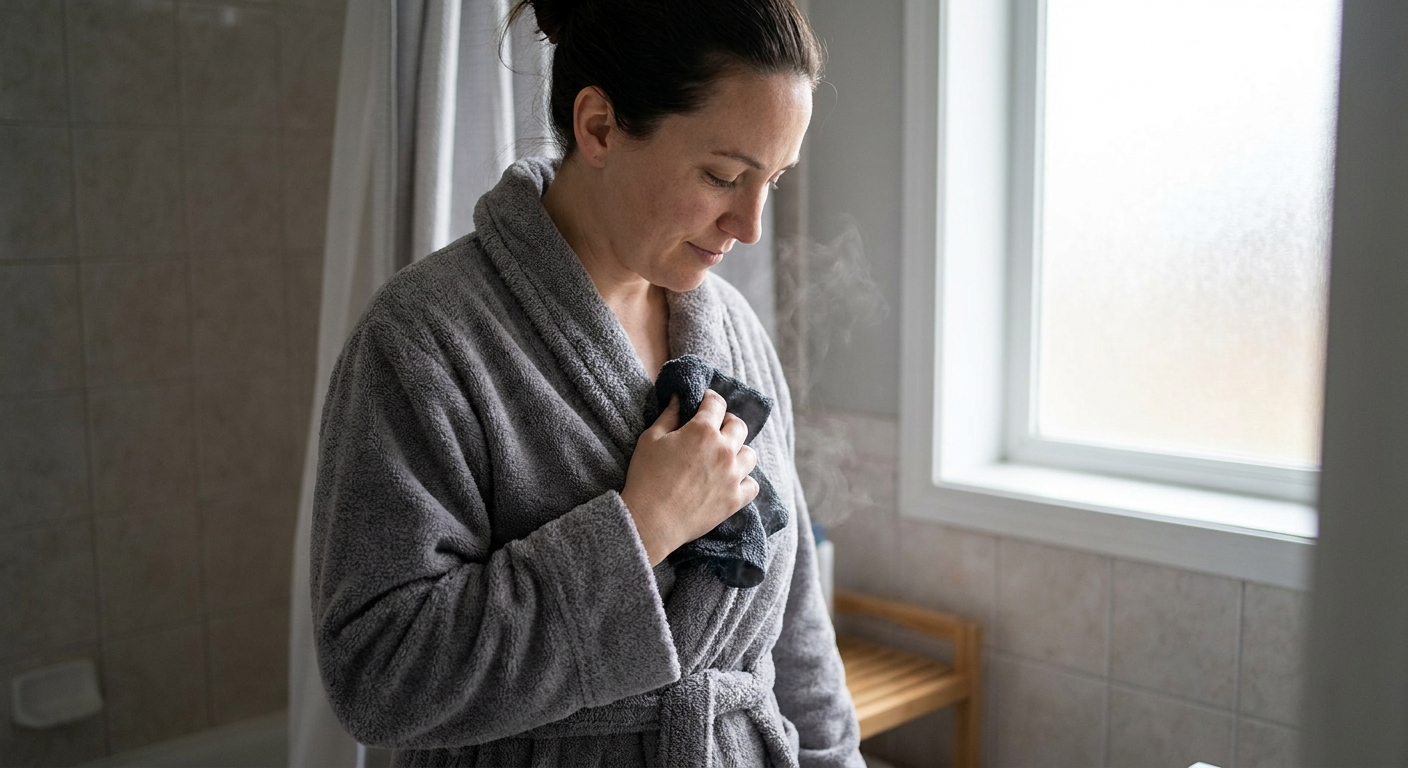
Apply a warm, moist compress for 5 to 10 minutes before nursing or pumping. This is meant to be brief and surface-level, mainly to soften the skin and help milk flow.
- Try a warm washcloth, warm shower, or a clean warm gel pack wrapped in cloth.
- Skip scalding heat. If your skin is turning bright red, it's too hot.
- If warmth makes swelling or pain worse, switch to cold and focus on anti-inflammatory measures instead.
- Avoid long, hot soaks. Prolonged heat can sometimes worsen underlying inflammation.
Step 2: Nurse or pump gently and effectively
Milk removal still matters, but you want effective, not aggressive milk removal.
- Start on the affected side if you can tolerate it, when baby's suck is strongest.
- If it's too painful, start on the comfortable side to trigger letdown, then switch.
- Try different positions to change where baby's tongue and jaw apply pressure, such as football hold or laid-back nursing.
- If pumping, lower the suction. High suction can worsen swelling and trauma.
Step 3: Gentle nipple care after feeding
After nursing, you can try one of these gentle options:
- Saline soak: dissolve about 1/2 teaspoon of salt in 1 cup of water that's been warmed, then cooled to comfortably warm. Soak the nipple for a few minutes, then pat dry. Limit frequency if your skin starts to feel soft, irritated, or “waterlogged.”
- Express a few drops of milk and let it air dry on the nipple.
- Apply a small amount of nipple-safe ointment if the skin is chapped, especially if pumping.
Step 4: Very gentle exfoliation (only if skin is intact)
If the bleb looks like a thin layer of skin covering the pore and your nipple skin isn't cracked, you can try gentle exfoliation after brief warmth.
- Use a clean, soft washcloth and light pressure.
- Stop if you see bleeding, increasing redness, or more pain.
Avoid: digging at it with fingernails, pins, or needles at home. I know you can find videos that make it look quick and satisfying. In real life, that can cause infection, scarring, and a worse blockage.
What not to do
When you're in pain, the internet can make some options look tempting. These tend to backfire.
- No needles, pins, or “popping” at home
- No squeezing or picking
- No aggressive massage or hard rubbing on the nipple or deep breast tissue
- No prolonged heat or very hot soaks
- No harsh scrubs on broken skin
Oil or nipple soak tricks
Some parents find that a bit of oil on a cotton ball inside the bra helps soften the surface skin. If you try this, keep it simple and clean.
- Use a tiny amount of food-grade olive oil or another gentle oil you tolerate.
- Change it frequently so the area isn't staying damp for hours.
- If you get itchy, rashy, or more red, stop. Moist environments can irritate skin and may worsen yeast issues in some people.
If it's painful: fast relief
Bleb pain can be shockingly intense. You deserve relief that doesn't trade short-term comfort for long-term problems.
- Cold packs between feeds can reduce swelling and pain (10 minutes at a time, wrapped in cloth).
- Ibuprofen is often compatible with breastfeeding and can help inflammation and pain. Follow your clinician's advice and package directions.
- Protect the nipple from rubbing: breathable nursing pads, avoid tight bras, and check that pump parts aren't scraping.
Preventing repeat blebs
Recurrent blebs usually mean something mechanical or inflammatory is still going on. A little troubleshooting now can save you from a repeat performance next week.
Check latch basics
- Baby's mouth wide, lips flanged, chin touching breast.
- Nipple comes out rounded, not creased like a lipstick tube.
- Feedings feel like tugging, not pinching.
If latch has always hurt, or pain started after baby had a growth spurt or a cold, an IBCLC can be incredibly helpful. Sometimes it's a tiny adjustment you can't see when you're tired and just trying to get through the day.
Make pumping kinder to your nipples
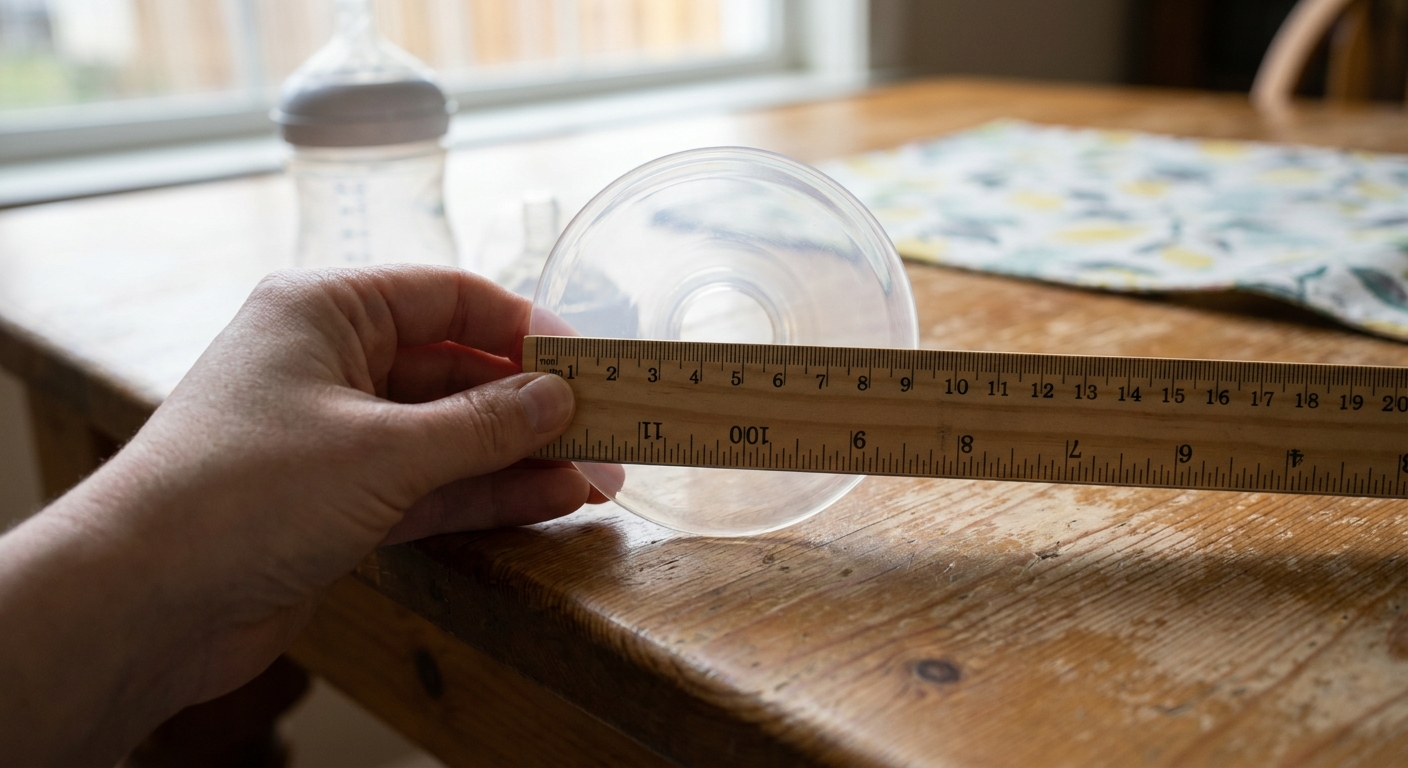
- Confirm flange size. Too small or too large can cause friction and swelling.
- Turn suction down. More suction isn't better if it causes trauma.
- Shorten marathon sessions if you're consistently over-pumping and triggering swelling or oversupply.
Reduce pressure points
- Consider a bra without underwire for a bit.
- Loosen straps on carriers if they press right where you clog.
- If you're a stomach sleeper, try a pillow wedge to reduce direct breast pressure.
When to call a clinician or IBCLC
Please reach out promptly if any of the following are true:
- Fever (100.4°F or 38°C or higher), chills, body aches, or you feel flu-like
- Redness that is spreading, the breast is hot and increasingly painful, or symptoms are worsening (even without fever)
- Pus, significant drainage, or an open sore on the nipple
- The bleb doesn't improve after 24 to 48 hours of gentle home care
- Recurrent blebs on the same spot or multiple pores
- Severe pain that makes feeding feel impossible
- Burning or shiny, flaky nipple skin, or baby with persistent white patches in the mouth. “Thrush-like” symptoms can have multiple causes (including dermatitis or vasospasm), so it's worth getting evaluated instead of self-treating.
An IBCLC can assess latch and pumping setup, and your clinician can evaluate for infection or other conditions. Sometimes prescription anti-inflammatory measures or targeted treatment is needed, especially when blebs keep recurring.
Important: This article is for education and doesn't replace medical care. If you're worried about mastitis, infection, or rapidly worsening symptoms, get same-day advice from your healthcare provider.
Common questions
Can I keep breastfeeding with a nipple bleb?
Usually, yes. In most cases, continuing to nurse or pump gently helps keep milk moving. If pain is severe, you might need short-term strategies like starting on the other side, using a lower pump setting, or getting urgent lactation support.
Will a bleb pop on its own?
Sometimes it will loosen and open with warmth, nursing, and time. The safest approach is to encourage natural drainage and avoid puncturing it yourself.
Is the white dot always a bleb?
Not always. Milk residue, a small scab, dermatitis, or skin changes can look similar. If you're unsure, or if there's increasing redness or drainage, it's worth a quick check by a clinician or lactation consultant.
Why does it hurt more when pumping?
Pumping can increase friction and pull on already irritated tissue, especially if suction is high or the flange size is off. Adjusting the fit and turning suction down often helps.
Could this be vasospasm instead?
Sometimes sharp nipple pain is caused or amplified by vasospasm (nipple blood vessels tightening), especially if your nipple turns white or bluish after feeds and pain comes in waves. You can also have vasospasm and a bleb at the same time, so get help if the pain pattern doesn't match what you see on the skin.
Plan for the next 24 to 72 hours
If you're staring at a bleb right now, here's a simple, realistic plan:
- Use brief warm moist compresses for 5 to 10 minutes before feeds (or skip warmth if it worsens swelling).
- Nurse or pump gently and effectively, not aggressively.
- Cold pack between feeds if swollen or painful.
- Skip needles and picking. Protect the nipple skin.
- Most improve within 24 to 72 hours. If it's not improving, or it's recurring, get help.
- If you develop fever, spreading redness, or feel unwell, call for same-day medical advice.
And if you need someone to tell you this directly: a bleb can hurt a lot and still be treatable. You're not being dramatic. You're just breastfeeding while human.
Sarah Mitchell
Sarah Mitchell is a Registered Pediatric Nurse and a mother of three who has spent over a decade helping families navigate the beautiful, chaotic early years of childhood. She combines evidence-based medical knowledge with real-world parenting experience to offer practical, compassionate advice. At Awesome Parent, Sarah's mission is to help exhausted parents find solutions, trust their instincts, and finally get some sleep.