Norovirus in Kids and Toddlers

Sarah Mitchell
Sarah Mitchell is a Registered Pediatric Nurse and a mother of three who has spent over a decade helping families navigate the beautiful, chaotic early years of childhood. She combines evidence-based medical knowledge with real-world parenting experience to offer practical, compassionate advice. At Awesome Parent, Sarah's mission is to help exhausted parents find solutions, trust their instincts, and finally get some sleep.
If your child went from fine to vomiting out of nowhere, you are not imagining the intensity. Norovirus is famous for that “it came out of left field” start. As a pediatric nurse and a mom of three, I can tell you two things are true at the same time: it usually looks scary, and most kids can ride it out safely at home with the right hydration plan and a clear “when to worry” checklist.
This page focuses on what makes norovirus different from the generic “stomach bug,” how long kids can spread it to others, and how to keep fluids going without turning your living room into a slip-and-slide.

What it is
Norovirus is a highly contagious virus that causes acute gastroenteritis, meaning vomiting and diarrhea from irritation of the stomach and intestines. It spreads fast in daycares, preschools, schools, and households because:
- It takes only a tiny amount of virus to infect someone.
- It can spread through vomit and stool, and through contaminated hands, surfaces, food, and water.
- It can survive on surfaces longer than many parents expect.
Translation: this is not a “just keep them in their room and you’re fine” kind of bug. Good handwashing and smart cleanup matter.
Symptoms
Lots of viruses cause vomiting and diarrhea, but norovirus often follows a recognizable rhythm.
Most common symptoms
- Sudden vomiting, often the first big symptom
- Watery diarrhea
- Stomach cramps
- Low fever (not always)
- Chills, body aches, headache
- Fatigue that can linger for a few days
Typical timeline
- Incubation (after exposure): usually about 12 to 48 hours
- Most intense phase: commonly 12 to 24 hours of frequent vomiting, sometimes longer
- Diarrhea and recovery: many kids are overall sick about 1 to 3 days; diarrhea and a sensitive stomach can occasionally linger for several days
Many children feel noticeably better after that first rough day, but their gut can stay irritated for a bit. That is why appetite can take time to return.
Norovirus vs others
Parents ask this constantly, usually while holding a trash can and blinking in slow motion. Here are practical clues, not perfect diagnostics.
Norovirus often looks like
- Very sudden onset vomiting and then diarrhea
- Multiple family members sick within a short window
- Illness that is miserable but often shorter, commonly 1 to 3 days
Food poisoning can look like
- Symptoms starting within hours of a suspicious meal (sometimes very fast)
- Severe stomach cramps
- Others who ate the same food getting sick
Other viral stomach bugs can look like
- A more gradual start
- Longer diarrhea tail
- More prominent fever or respiratory symptoms depending on the virus
Important: blood in stool, persistent severe belly pain, or signs of dehydration are not “which bug is it” questions. They are “call your clinician now” questions.
How long it spreads
This is the part that makes parents want to move into the backyard for a week.
Contagious window
- Kids are most contagious from the moment symptoms start through the first few days.
- Virus can be found in stool for 2 weeks or sometimes longer after symptoms improve.
A helpful nuance: ongoing stool “shedding” is real, but it does not mean your child is equally contagious that whole time. Infectiousness usually drops as symptoms resolve. Still, for the next couple of weeks, be extra serious about handwashing and bathroom cleanup.
Back to daycare or school
Most childcare centers use a rule like: stay home until vomiting has stopped and diarrhea has improved, usually at least 24 hours (sometimes 48) depending on policy. Follow your center’s rules and your pediatrician’s guidance, especially for toddlers who cannot reliably wash hands or avoid mouthing toys.
Hydration plan
With norovirus, your main job is not to “stop the vomiting.” Your job is to keep your child safely hydrated until their stomach settles.
Best fluids
- Oral rehydration solution (ORS) is the gold standard. Think Pedialyte or the store brand equivalent.
- For older kids, ORS popsicles can be a lifesaver.
- Breast milk and formula are usually fine to continue in babies, but offer smaller, more frequent feeds if they are vomiting.
Plain water is okay in addition to ORS for older kids, but ORS is better when there is frequent vomiting or diarrhea because it replaces electrolytes in the right balance.
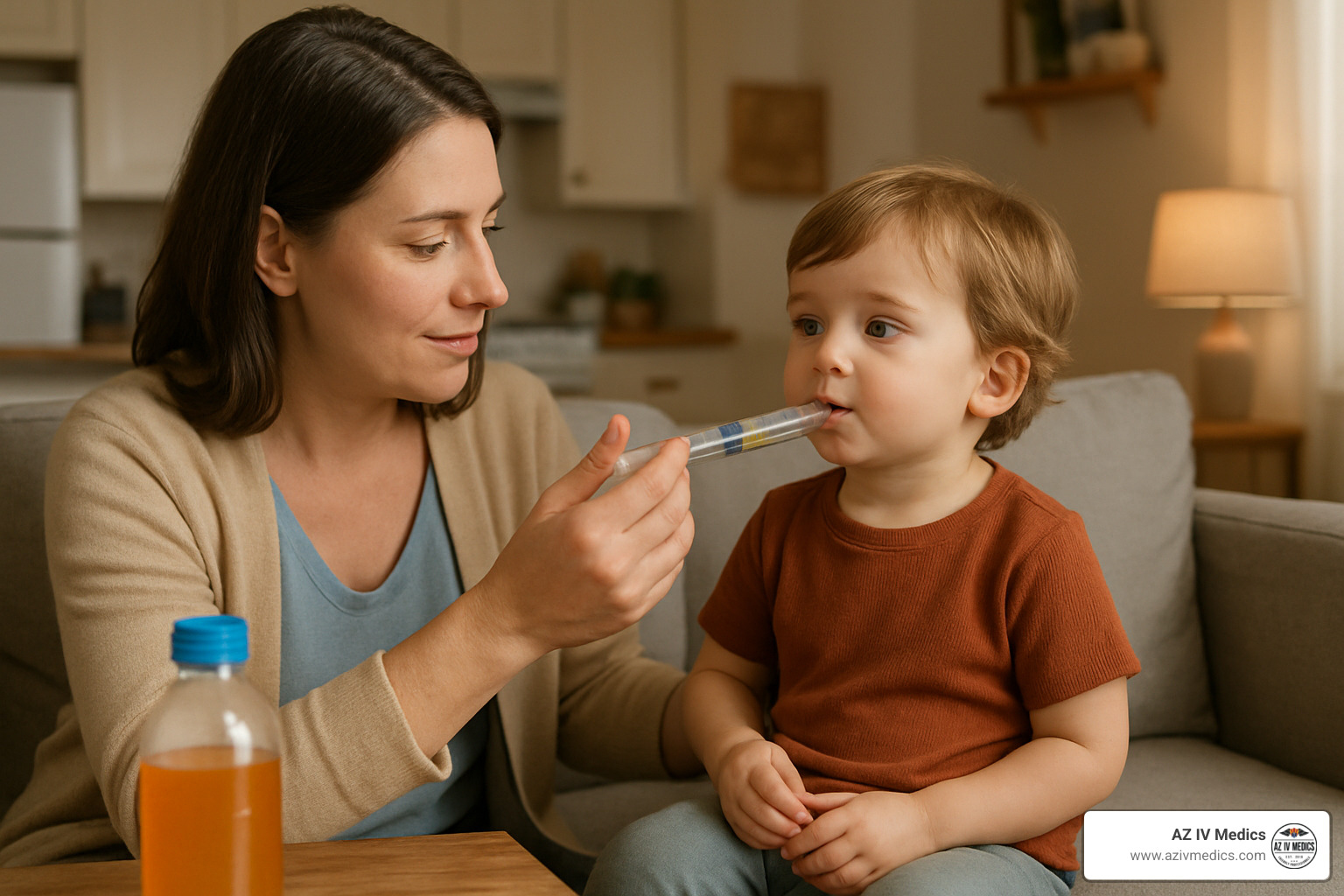
How to give fluids if they keep throwing up
The trick is to go smaller than your instincts want to go. These pacing ideas often help, but adjust to your child’s age and what they can tolerate.
- After a vomit episode, it can help to wait about 10 to 15 minutes before trying again.
- Then offer 1 to 2 teaspoons (5 to 10 mL) every 2 to 3 minutes.
- If that stays down for 20 to 30 minutes, slowly increase to small sips.
If your child is older and begging for a huge drink, I know it is hard to say no. Big gulps often come right back up. Think “slow drip,” not “chug.”
Hydration checkpoints
You do not need fancy tools. You need a few simple signals.
- Pee: A well-hydrated child should urinate regularly. A common red flag for older kids is no pee for 8 hours. For babies and younger toddlers, be more cautious. If there is no wet diaper for about 6 hours or wet diapers are clearly dropping off, call your clinician.
- Mouth and tears: Very dry lips and tongue or no tears when crying can signal dehydration.
- Energy: Sleepy is normal when sick. Hard to wake, unusually limp, or not engaging at all is not.
- Breathing and heart rate: Fast breathing or a racing heart when resting can happen with dehydration.
- Dizziness in older kids when standing up.
Food after vomiting
Once your child is keeping fluids down, you can reintroduce food gently. Forget the old strict food rules. The goal is easy, familiar foods your child will accept.
Good first foods
- Crackers, toast, or plain pasta
- Rice or potatoes
- Bananas or applesauce
- Yogurt, if tolerated (some kids do fine, some do not)
- Soup or broth, alongside ORS
Foods to pause
- Greasy or very spicy foods
- Big servings of sugary drinks or juice (can worsen diarrhea)
- Large amounts of candy or highly sweet snacks
If your child wants to eat and keeps it down, that is usually a good sign. Appetite can take a couple of days to bounce back.
Medicines
There is no specific “norovirus medicine,” so meds are mainly about comfort and preventing dehydration.
Fever and pain
- Acetaminophen can be helpful if your child is uncomfortable.
- Ibuprofen can help with fever and aches too, but avoid it if your child is significantly dehydrated or has not been able to keep fluids down well. When in doubt, ask your clinician.
- Never give aspirin to children or teens with viral illness symptoms.
Nausea and diarrhea meds
- Sometimes clinicians prescribe an anti-nausea medicine for certain children to help them keep fluids down. This is very age and history dependent.
- Do not give over-the-counter anti-diarrheal medicines to young children unless your clinician specifically recommends it.
Testing and diagnosis
Most of the time, norovirus is diagnosed based on the story and symptoms, especially when it is moving through a school or family. Stool testing is not always needed unless your clinician is concerned about dehydration, blood in stool, a longer or unusual course, or an outbreak situation where testing helps public health decisions.
When to get care
Most norovirus cases are self-limited, but some kids need medical help, mainly for dehydration or concerning symptoms.
Call your pediatrician urgently if
- Your child shows signs of dehydration (very dry mouth, no tears, no pee for 8 hours in older kids, no wet diaper for about 6 hours in babies, or significantly fewer wet diapers)
- Vomiting is persistent and your child cannot keep even small sips down
- Diarrhea is very frequent and watery, especially in babies and toddlers
- Fever is high or persistent, or your child looks worse instead of gradually better
- Your child has a chronic medical condition or is immunocompromised
- Vomiting continues beyond about 24 hours without improvement, or symptoms are not trending better over a couple of days
Seek emergency care now if
- Your child is hard to wake, confused, very limp, or has trouble breathing
- There is blood in vomit or blood in stool
- Severe belly pain that does not come and go, a swollen rigid belly, or pain that localizes sharply (for example, worsening right lower belly pain can be an appendicitis red flag)
- Signs of severe dehydration: sunken eyes, cool mottled skin, very fast heartbeat, or no urine for a long stretch
- In babies: poor feeding, a very sleepy or difficult to arouse baby, or a sunken soft spot along with low urine output
If your gut says “this is not right,” trust that instinct and get eyes on your child.
Cleaning and prevention
Norovirus spreads through tiny particles. Cleaning is about reducing risk, not achieving a sterile house.
What works best
- Handwashing with soap and water for at least 20 seconds, especially after diaper changes and bathroom trips. Hand sanitizer can help in a pinch, but soap and water are more reliable for norovirus.
- Clean and disinfect high-touch surfaces (bathroom handles, light switches, faucets, phones).
- Wash soiled clothing and bedding promptly, using hot water if fabric allows, and dry thoroughly.
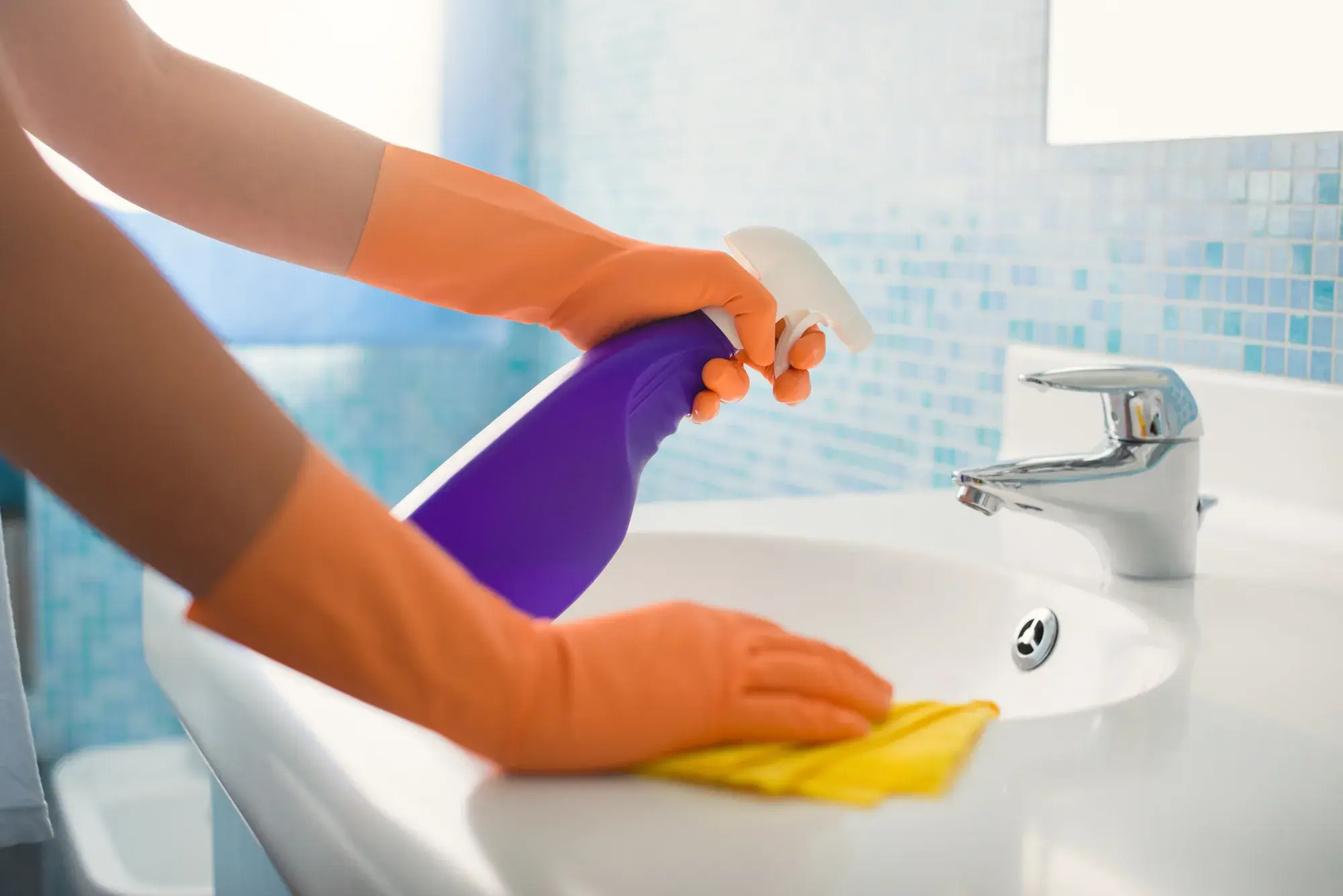
Cleanup after vomiting
- Wear disposable gloves if you have them.
- Remove solids with paper towels.
- Disinfect the area using an EPA-registered disinfectant effective against norovirus or a bleach-based disinfectant. Follow product instructions carefully, including ventilation and contact time.
- Wash hands after glove removal.
Common 3 AM questions
Can my child get norovirus more than once?
Yes. Immunity is not long-lasting and there are multiple strains. You can do everything right and still get repeat episodes in different seasons.
Do I need anti-nausea medicine?
Sometimes pediatric clinicians prescribe anti-nausea medication for certain children to prevent dehydration, but it depends on age, symptoms, and medical history. Do not give over-the-counter anti-diarrheal medications to young children unless your clinician specifically recommends it.
Should I wake my child to give fluids?
If your child is sleeping peacefully and has been able to keep some fluids down, you usually do not need to wake them constantly. If dehydration is a concern or they have not urinated in many hours, it is reasonable to wake for small sips and to check in.
Bottom line
Norovirus is dramatic, fast, and extremely contagious. The good news is that most kids improve within a few days. Your priorities are simple: tiny frequent sips of ORS, watch urine output and alertness, and know your red flags. If you are not sure where your child falls on the “normal sick” versus “needs help” line, call your pediatrician. That is what we are there for.
Note: Guidance here is consistent with common recommendations from public health and pediatric organizations (like the CDC and AAP), plus real-world pediatric nursing experience. Your child’s clinician and childcare policies should always take priority.