Nursemaid’s Elbow in Toddlers

Sarah Mitchell
Sarah Mitchell is a Registered Pediatric Nurse and a mother of three who has spent over a decade helping families navigate the beautiful, chaotic early years of childhood. She combines evidence-based medical knowledge with real-world parenting experience to offer practical, compassionate advice. At Awesome Parent, Sarah's mission is to help exhausted parents find solutions, trust their instincts, and finally get some sleep.
If your toddler suddenly refuses to use an arm after you lifted them by the hands or gave them a quick tug to prevent a face-plant, take a breath. There is a classic, very common injury that fits this exact story: nursemaid’s elbow, also called a radial head subluxation.
In triage, I have heard versions of this hundreds of times: “We were swinging her between us,” “He tried to bolt in the parking lot and I grabbed his hand,” “Grandpa lifted him onto the curb,” and then the same worried sentence: “Now he won’t move his arm.”
The good news is that nursemaid’s elbow is often quick to fix in clinic, and many kids go right back to normal soon after.
What it is
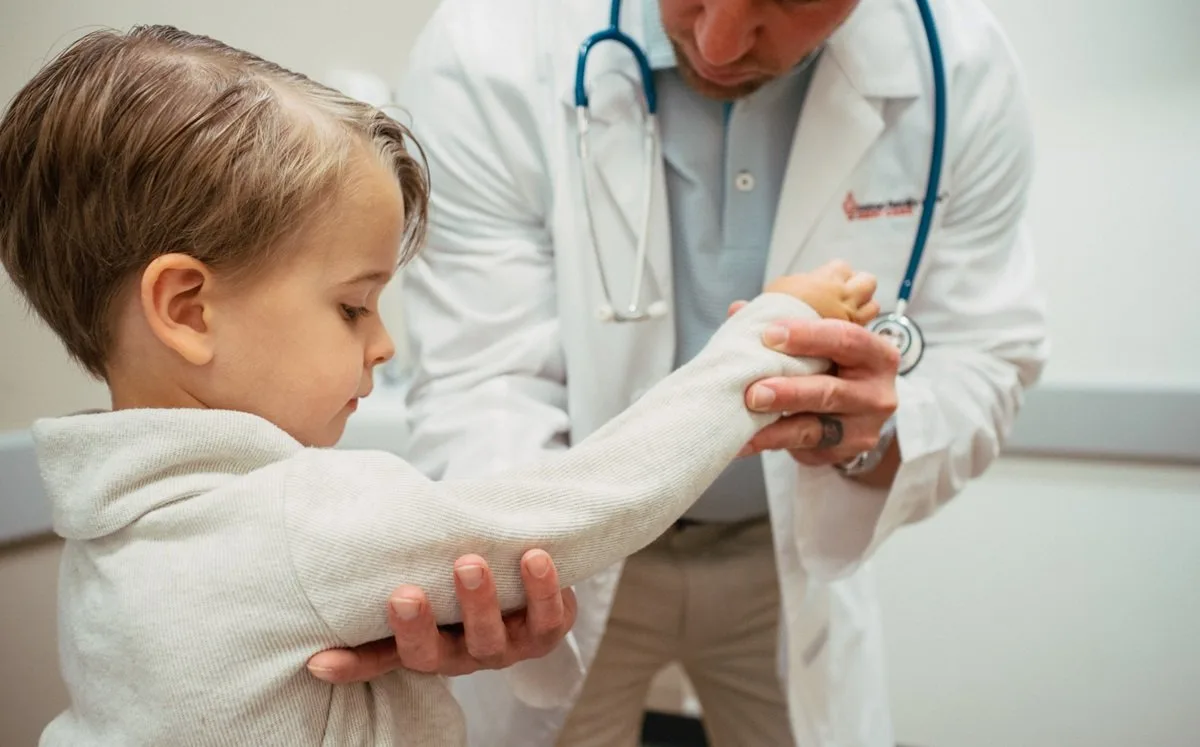
Nursemaid’s elbow happens when the top of the radius bone at the elbow slips slightly out of position and a nearby ligament called the annular ligament briefly gets in the way. In toddlers and young preschoolers, that ligament can be a little loose and stretchy. A sudden pull can let the joint shift just enough to make moving the arm painful.
This is not the same as the dramatic elbow dislocation you might picture in an older child or adult, and it is not usually a broken bone.
Why toddlers get it
- Typical age: about 1 to 4 years old (often around 2 to 3).
- Less common after about age 5: ligaments tighten and bones mature, so the same tug is less likely to cause the problem.
- Can happen again: some kids are prone to repeat episodes for a while.
How it happens
Nursemaid’s elbow most often comes from a sudden pull on a straightened arm. Common scenarios include:
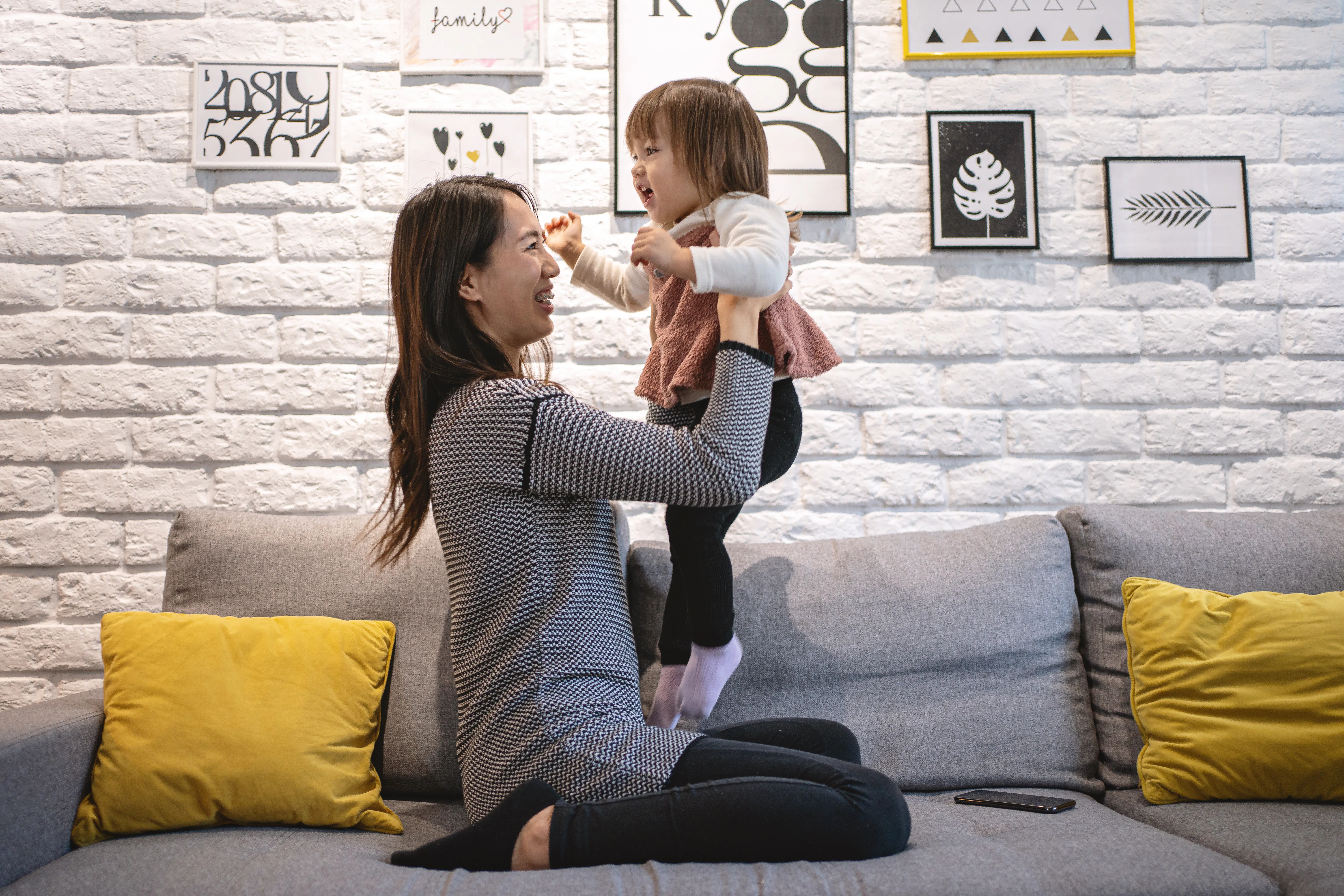
- Swinging a child by the hands or wrists during play
- Pulling a toddler up by one hand (for example, up a step)
- Yanking an arm to prevent a fall or to stop them from running
- Sibling tugging or rough play involving a pulled arm
- A caregiver lifting a child by one arm instead of under the armpits
Sometimes parents tell me, “We didn’t do anything!” and that can be true. Occasionally this injury is reported even without a clear pull, like an awkward twist while getting dressed. The classic mechanism is still a sudden tug, but the history is not always perfectly obvious in real life.
Symptoms
Nursemaid’s elbow has a pretty recognizable pattern:
- Sudden refusal to use one arm right after a pull or awkward moment
- Arm held still, often close to the body
- Elbow slightly bent, forearm turned inward (palm often facing down)
- Minimal or no swelling
- Child may cry when you try to move it, but may calm when the arm is left alone
A detail that surprises many parents: the child might not point to the elbow. They may say their “wrist” hurts or just cry and guard the whole arm.
Is it a fracture?
Parents often worry the arm is broken, especially when their toddler will not move it at all. That worry is completely understandable. Here are some clues that make nursemaid’s elbow more likely than a fracture:
- There was a pulling mechanism (tug, swing, lift by hand) rather than a fall onto the arm
- No obvious swelling or bruising
- No visible deformity (no “something looks crooked” moment)
- Child is otherwise okay and calms when the arm is not touched
That said, not every story is textbook. When in doubt, it is safer to have your child checked.
Go in now
Go in promptly (urgent care or emergency department) if:
- Your child will not use the arm at all
- There is swelling, bruising, warmth, or redness
- You notice deformity or the arm looks “out of place”
- Your child had a fall (especially from height) or a direct blow
- Your child has significant pain even at rest
- There is numbness, tingling, pale or bluish fingers, or the hand feels cold
- Your child is under 1 year old and not using an arm (the evaluation is a little different)
- Your child has fever or seems ill along with refusing to use the arm
If your toddler seems fine overall but suddenly refuses to use the arm after a pull, it is still worth being seen the same day. The fix is often quick, and the sooner the joint is reduced, the sooner they feel better.
What the doctor does
The exam
In clinic, the provider will ask what happened and examine the arm from shoulder to fingers. We check for swelling, bruising, tenderness over specific bones, and how the child holds the arm.
Do kids need an X-ray?
Often, no, especially when the story and exam fit nursemaid’s elbow and there are no red flags.
An X-ray is more likely if:
- The injury involved a fall or direct impact
- There is swelling or bruising
- There is focal bony tenderness
- The history is unclear
- A reduction attempt does not quickly restore function
This is one reason it is important not to assume you know what it is. The provider is deciding whether this is the classic pattern or whether imaging is safer.
The reduction
If the provider suspects nursemaid’s elbow, they can perform a reduction, which is a gentle maneuver to guide the joint back into place. There are a couple common techniques. They take seconds.
What parents should expect:
- Your child may cry briefly because it is startling and momentarily uncomfortable
- There is usually no sedation and no needles
- Within about 5 to 15 minutes, many toddlers start using the arm again
- Sometimes it takes longer, especially if the child is scared or guarding
One of the most reassuring moments is watching a child reach for a snack or your phone with the “injured” arm shortly after. It is also a very real reminder of how fast toddlers can bounce back once something clicks back into place.
What to do at home
Do
- Keep the arm still and comfortable against your child’s body
- Offer comfort, and try to keep them calm while you head in
- If needed, consider an age-appropriate pain reliever you have used before (follow your clinician’s dosing guidance)
Do not
- Do not yank, twist, or “test” the arm repeatedly
- Do not try reduction techniques you saw online. If this is not nursemaid’s elbow, you could worsen a fracture or other injury.
- Do not force a sleeve on the painful arm. Use loose clothing if you can, or dress the other arm first.
Aftercare
After a successful reduction, most kids:
- Use the arm normally the same day
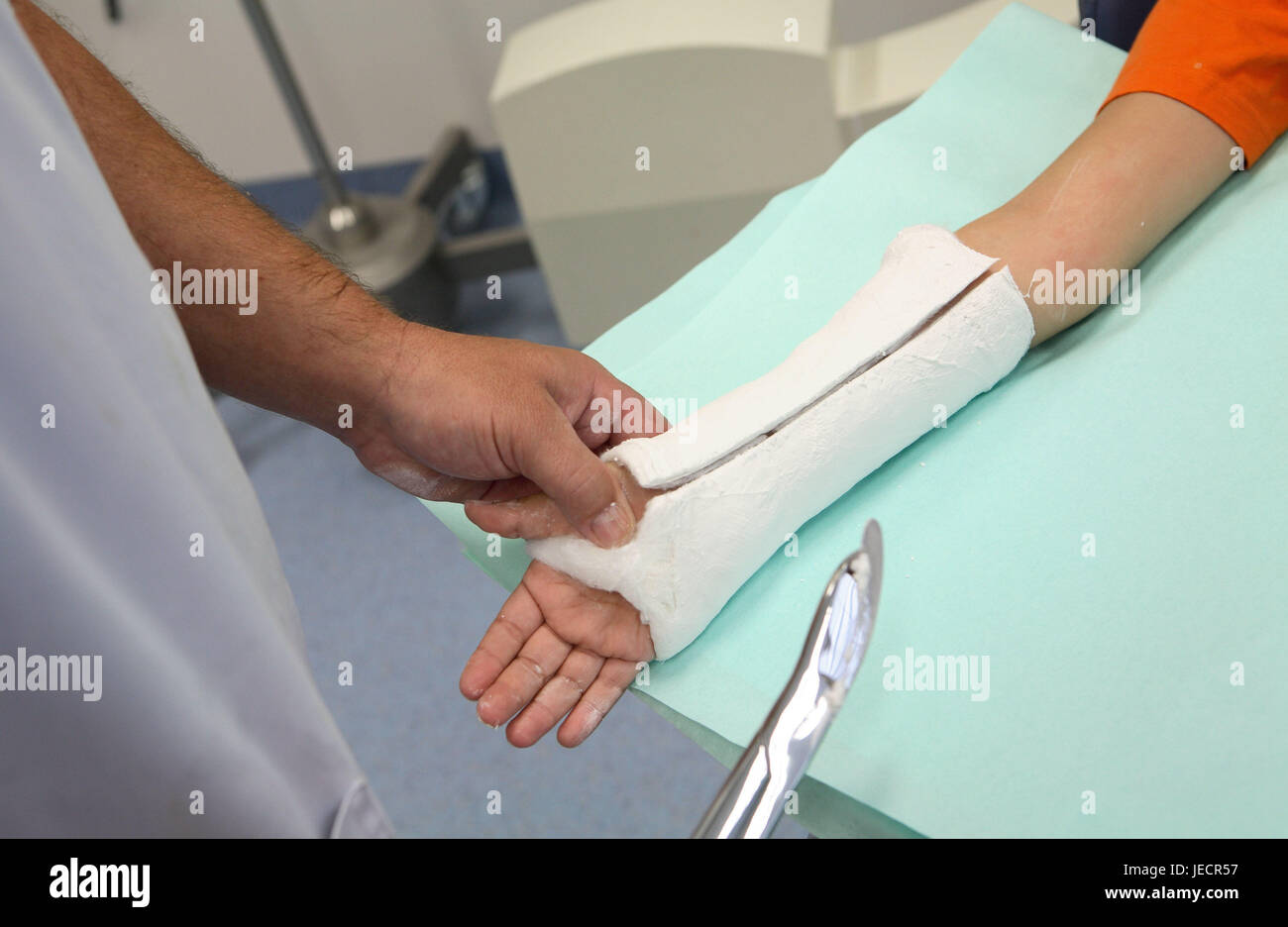
- Usually do not need a sling (though some clinicians may use one briefly for comfort)
- Usually do not need physical therapy
Sometimes a child is cautious for a few hours, especially if they were very upset. If your child still refuses to use the arm after about 30 to 60 minutes, or pain seems to be increasing instead of fading, call the clinic back or return for re-check. That is when providers may repeat the maneuver, consider imaging, or look for a different diagnosis.
Prevention
This is the part where I gently ruin a very fun toddler game: avoid swinging children by the hands or wrists. It is a common way this injury happens.
Safer ways to lift and guide toddlers:
- Lift under the armpits or around the torso
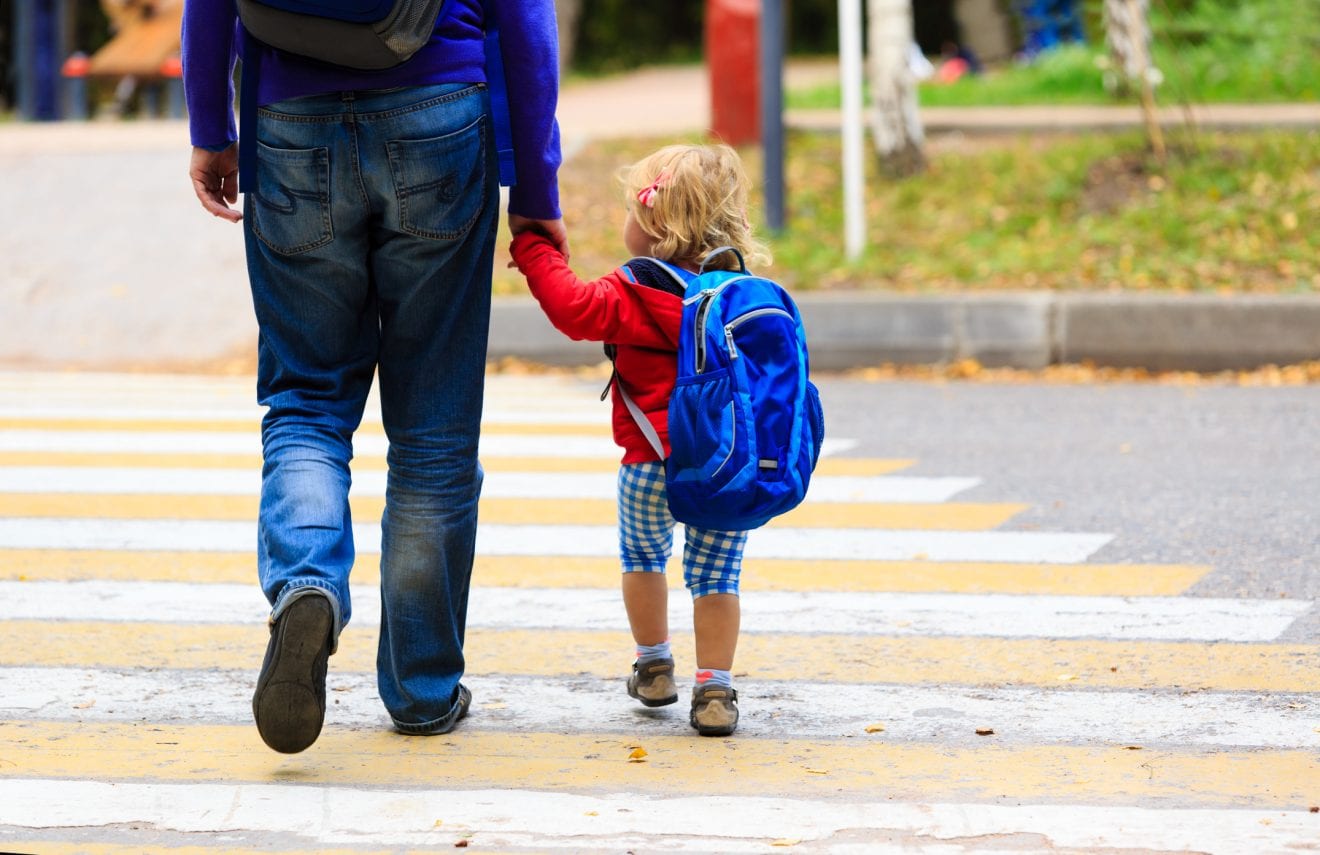
- Hold hands gently when walking, but avoid sudden upward pulls
- If your toddler trips, try to support the body instead of yanking the arm
- Teach all caregivers the same rule, including grandparents, babysitters, and childcare providers
If your child has had nursemaid’s elbow once, they may be more likely to get it again for a while. That does not mean anyone did anything “wrong.” It just means you should be extra mindful about tugging or lifting by one arm.
If it keeps happening, bring it up with your pediatrician. Even with a history of nursemaid’s elbow, new episodes still deserve an appropriate evaluation rather than at-home maneuvers.
Common questions
Can it happen without a pull?
Yes, sometimes there is not a clear “tug” moment, especially with dressing or a quick twist. The most classic trigger is still a sudden pull on an extended arm.
Will it cause long-term damage?
Nursemaid’s elbow typically does not cause long-term problems when treated promptly. The joint usually returns to normal function quickly.
Can it happen again?
Yes. Recurrence is fairly common in the toddler years. Most kids outgrow it as their joints mature.
Should my child avoid sports or playground time after?
Usually no. Once they are using the arm normally and pain is gone, normal play is fine. The main adjustment is avoiding pulling or swinging by the arms.
Bottom line
Nursemaid’s elbow is one of those toddler injuries that looks scary but is often simple to fix. If your child suddenly stops using an arm after a pull, get them evaluated the same day. A quick exam, and sometimes a quick reduction, can have your kiddo back to grabbing snacks, waving, and finding new ways to test limits in record time.
If you are unsure whether it is nursemaid’s elbow or something more serious, trust that instinct and get checked. You are not overreacting. You are parenting.