A calm, practical guide to coin swallowing: what to do now, expected timelines, poop-checking tips, when imaging helps, and the red flags that mean ER. Inclu...
Object Stuck in a Child’s Nose or Ear: What to Do

Sarah Mitchell
Sarah Mitchell is a Registered Pediatric Nurse and a mother of three who has spent over a decade helping families navigate the beautiful, chaotic early years of childhood. She combines evidence-based medical knowledge with real-world parenting experience to offer practical, compassionate advice. At Awesome Parent, Sarah's mission is to help exhausted parents find solutions, trust their instincts, and finally get some sleep.
If you have a child between about 18 months and 6 years old, odds are good you will eventually hear some version of: “Mom, I put a bead in my nose.” Take a breath. Most nose and ear foreign objects can be removed safely, but technique matters because the wrong move can push it deeper or injure delicate tissue.
As a pediatric nurse and a mom of three, I have seen this in clinic more times than I can count. This guide will walk you through what you can try at home (and what you should not), plus exactly when it is time to head to urgent care or the emergency department.
First, a quick safety check
Before you do anything else, check these two things:
- Breathing: If your child is struggling to breathe, wheezing, turning blue, or cannot speak or cry normally, treat it like an airway emergency. Call emergency services right away.
- What is the object? Some objects are much more urgent than others. If it is a button battery or a magnet, do not try home removal. Go to the emergency department now.
Why button batteries are so urgent: they can cause rapid chemical burns and tissue injury in the nose or ear, and damage can start in as little as a couple of hours. Time matters even if your child seems fine.
If your child is stable and you are not dealing with a battery or magnet, keep reading for safe next steps.
What NOT to do
These are the most common ways well-meaning parents accidentally make things worse:
- Do not probe with cotton swabs, tweezers, or bobby pins. It is easy to push the object deeper or scratch the ear canal or nasal lining, which can bleed a lot and swell.
- Do not pour liquids into the ear. You may not know if the eardrum is injured. Liquid can cause pain, infection, and dizziness. Do not put anything in the ear unless a clinician specifically instructs you, especially if there could be a hole in the eardrum.
- Do not have your child sniff hard. Sniffing can pull a nasal object farther back.
- Do not keep trying repeatedly. If one or two calm attempts do not work, stop. More attempts usually equals more swelling, tears, and a harder removal.
- Do not use “ear candles.” They do not work and can cause burns.
One more practical tip: During attempts, avoid giving small foods, candy, or gum. If your child suddenly coughs or startles, you do not want extra choking risk in the mix.
If it is in the nose
Nasal objects are often removable at home if your child is calm, the object is visible, and it is not stuck far back.
Step 1: Encourage gentle blowing
- If your child can follow directions, have them blow their nose while you hold the other nostril closed.
- Do one or two tries. If it does not budge, move on.
Step 2: The parent’s kiss
This is a commonly used technique in pediatrics for nose objects. It uses gentle air pressure to pop the item out.
- Explain what you are doing so your child is not startled.
- Have your child open their mouth slightly.
- Place your mouth over theirs to form a seal (like rescue breathing).
- Use a finger to close the clear nostril.
- Blow a short, gentle puff into their mouth.
- Check the blocked nostril for movement or release of the object.
Safety notes: Use a gentle puff, not a forceful blast. If your child has a lot of distress, nosebleeding, or you cannot get a seal, stop and seek care.
If you are not comfortable doing mouth-to-mouth: that is completely okay. Skip it and go to urgent care or your pediatrician. Keeping everyone calm and safe matters more than forcing a technique you do not want to do.
When to stop and get checked
- The object is not visible or seems far back.
- Your child is very upset or fighting you.
- There is significant bleeding.
- You suspect it is a battery, magnet, sharp object, or a magnet plus a metal object.
- You cannot get it out quickly, or you are not sure it came out. If symptoms persist, do not assume it is gone. Get checked.

If it is in the ear
The ear canal is narrow, curved, and easy to injure. Home options are limited, and that is okay.
Step 1: Look, but do not dig
- In good light, you can gently pull the outer ear back and look from the outside.
- Do not insert anything into the ear canal.
Step 2: Gravity can help
- Have your child tilt their head with the affected ear pointing down.
- You can gently wiggle the outer ear.
- If nothing falls out quickly, stop.
Special case: an insect in the ear
Kids describe this as buzzing, crawling, or sudden ear pain. If you suspect a live bug and your child can cooperate:
- You can try going into a dark room and shining a flashlight near the ear. This may help sometimes, but it is not reliable.
- If your child is in significant pain, you see drainage or blood, or you cannot tell what is happening, it is reasonable to go to urgent care or the emergency department.
Important: Many clinicians use specific drops to immobilize an insect, but at home you usually cannot confirm the eardrum is intact. So do not put oil, alcohol, water, or other liquids into the ear unless a clinician specifically tells you to.
If you cannot see it, do not assume it is gone. Ongoing pain, muffled hearing, drainage, or a bad smell means your child needs an exam.
When to go in
Use this as your quick decision guide.
Go to the emergency department now
- Button battery in the nose or ear, or you are not sure if it is a battery.
- Any magnet in the nose or ear, or suspected magnet plus metal.
- Breathing trouble, choking, drooling, voice changes, or persistent coughing.
- Severe pain, especially ear pain with sudden onset after insertion.
- Heavy bleeding that does not stop with gentle pressure.
- Object is sharp (glass, toothpick, metal shard) or looks embedded.
- Swelling of the face, worsening redness, or your child looks very ill.
Urgent care or same-day pediatric visit
- You cannot remove it with one or two calm attempts.
- The object is deep, not visible, or your child cannot cooperate.
- There is a bad smell or discharge from the nose or ear.
- Your child has persistent discomfort, muffled hearing, or ongoing nose pain.
- You suspect the object has been there more than 24 hours.
Call your pediatrician for advice
- The object may have fallen out but your child still has mild symptoms.
- You are unsure which ear or nostril it was.
- You want guidance on where to go based on your child’s age and medical history.
If you suspect it went into the airway instead: If your child had sudden coughing, wheezing, or choking right after playing with small items, treat it as urgent even if you do not see anything in the nose or ear. Go to the emergency department.
Signs of infection or complications
Sometimes the immediate drama is small, but problems show up later. Call your child’s clinician if you see:
- Nose: one-sided foul-smelling discharge, pus-like drainage, persistent congestion on one side, fever, or facial tenderness.
- Ear: worsening pain, drainage (especially cloudy or bloody), fever, swelling or redness behind the ear, new dizziness, or hearing changes.
A quick note on odor: A foreign object in the nose is a classic cause of a one-sided stinky runny nose. Parents often think it is “just a cold” until the smell shows up. If that is your situation, get it checked.
Choking risk
It is not common, but a nasal object can shift backward, especially if your child sniffs hard, cries intensely, or you attempt removal in a way that pushes it deeper. That is why we avoid probing.
Watch for signs that it may have moved toward the throat or airway:
- Sudden coughing fits
- Gagging or vomiting
- Wheezing or noisy breathing
- Drooling or trouble swallowing
If any of these happen and do not resolve quickly, go to the emergency department.
What removal looks like in clinic
Knowing what to expect can make this less scary for both of you.
For nose objects
- Clinicians may use a small light and a nasal speculum to see clearly.
- Removal tools vary: small forceps, a suction tip, or a soft balloon catheter that slides past the object and pulls it forward.
- They may use a topical numbing medicine or a decongestant spray to reduce swelling.
For ear objects
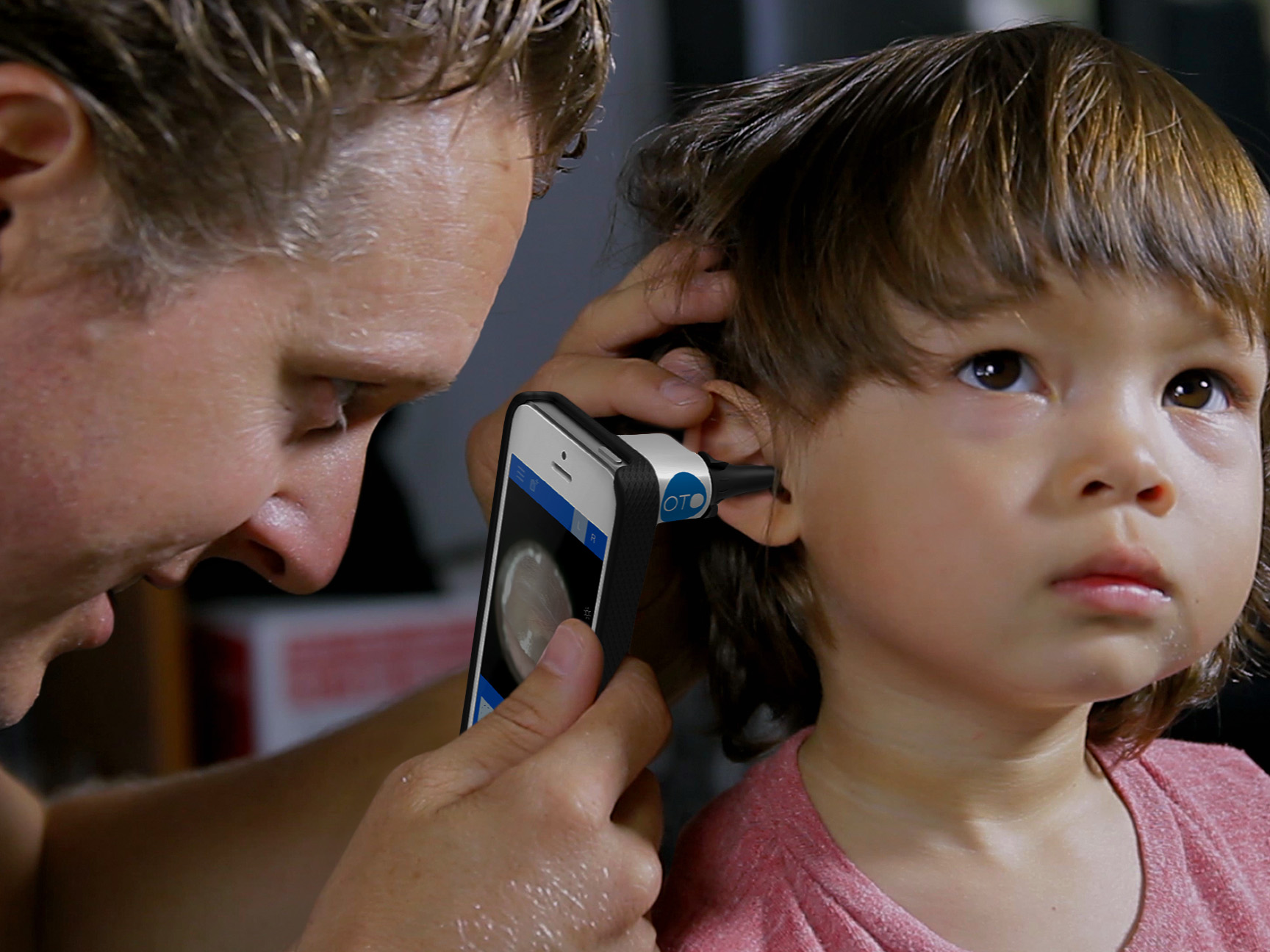
- We usually use an otoscope (the lighted scope used for ear exams) for visualization.
- Tools may include tiny alligator forceps, suction, a curette, or a specialized hook.
- Irrigation is sometimes used for specific objects, but not if there is concern for eardrum injury, certain materials that swell, or significant pain.
Will my child need sedation?
Most children do not. That said, if the object is deep, your child is very young, or they cannot hold still safely, the team may discuss stronger pain control or procedural sedation. The goal is always the safest removal with the least trauma.

Aftercare at home
If the object comes out at home or is removed by a clinician, simple care is usually enough:
- Expect mild irritation: A little redness or a small nosebleed can happen.
- Pain: If needed and your child can take them safely, use weight-based acetaminophen or ibuprofen per your clinician’s guidance.
- Watch for symptoms: Fever, worsening pain, discharge, or a persistent bad smell warrants a call.
- Do not re-check aggressively: No repeated “looking” with tools. If you are worried, let the pediatrician recheck.
Prevention that works
You do not need to baby-proof your entire house like a museum. A few small changes go a long way:
- Keep small objects (beads, Lego pieces, sequins) in containers with lids.
- Do a quick floor sweep after older siblings craft or build.
- Teach the simple rule: “Small things are for hands, not for noses or ears.” Repeat it a lot.
- Store button batteries locked up and taped inside devices. Treat loose batteries like poison.
Quick checklist
- Do not: use cotton swabs or tweezers, pour liquid in the ear, or keep trying repeatedly.
- Nose: try gentle blowing or the parent’s kiss if the child is calm and the object is visible.
- Ear: use gravity only if loose, otherwise seek care.
- Emergency department now: button battery, any magnet, breathing issues, severe pain, heavy bleeding, sharp object.
- Same day care: cannot remove quickly, object deep, discharge, foul smell, symptoms lasting more than a day, or you are not sure it came out.
If you are sitting there at 3 AM with a worried kid and a bead you cannot quite see, you are not failing. This is incredibly common. Your job is not to become an expert foreign-object remover overnight. Your job is to keep your child safe and get help when it is time.
Sarah Mitchell
Sarah Mitchell is a Registered Pediatric Nurse and a mother of three who has spent over a decade helping families navigate the beautiful, chaotic early years of childhood. She combines evidence-based medical knowledge with real-world parenting experience to offer practical, compassionate advice. At Awesome Parent, Sarah's mission is to help exhausted parents find solutions, trust their instincts, and finally get some sleep.