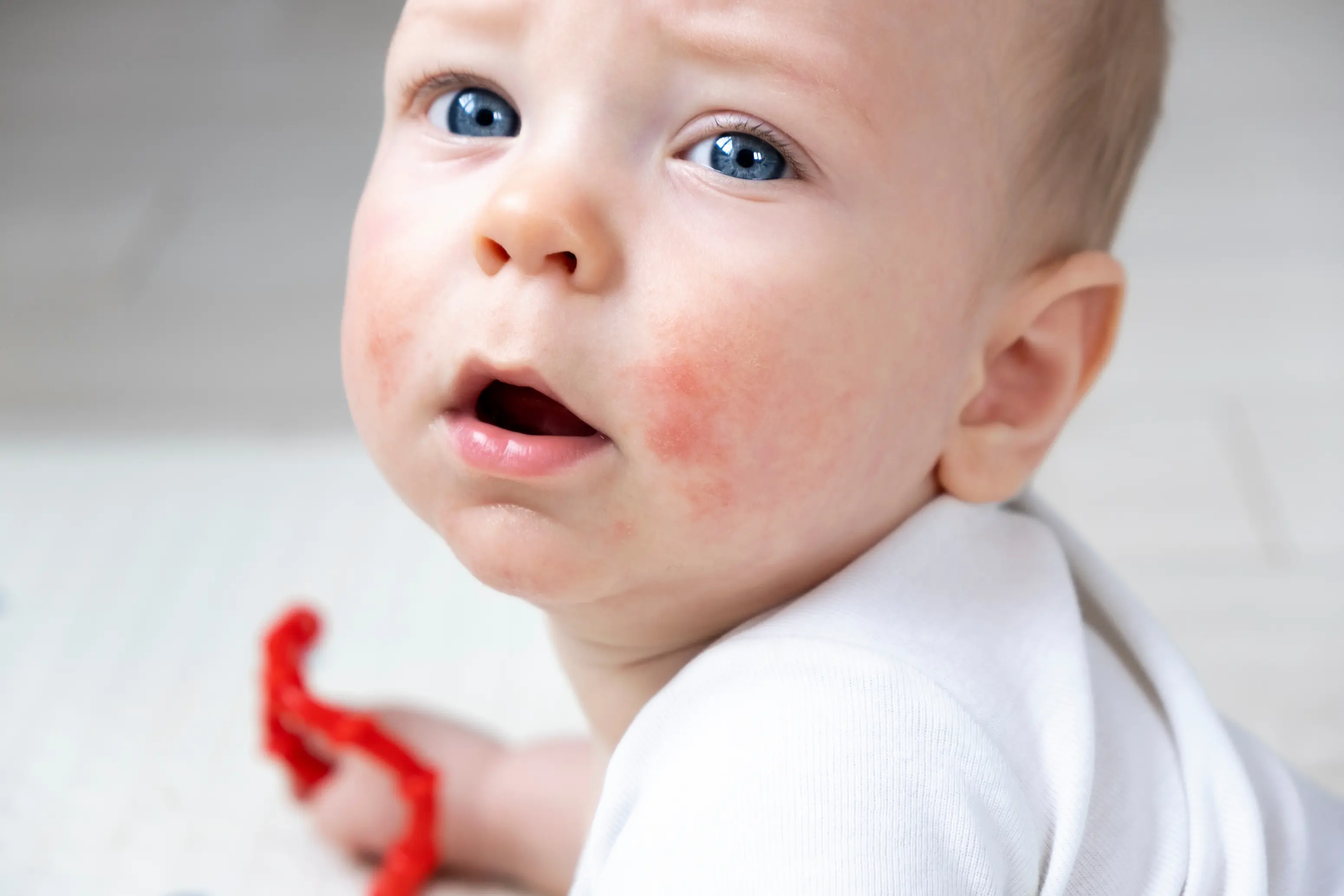
Yeast diaper rash looks different than regular irritation and often needs an antifungal. Here’s what to look for, what works fast, cloth diaper tips, and w...
Perianal Strep Rash in Toddlers

Sarah Mitchell
Sarah Mitchell is a Registered Pediatric Nurse and a mother of three who has spent over a decade helping families navigate the beautiful, chaotic early years of childhood. She combines evidence-based medical knowledge with real-world parenting experience to offer practical, compassionate advice. At Awesome Parent, Sarah's mission is to help exhausted parents find solutions, trust their instincts, and finally get some sleep.
If your toddler has a bright red, sharply outlined rash around the anus and every diaper change turns into a full-body protest, you are not alone. Parents often try every “diaper rash” trick in the book and nothing touches it. That is because sometimes it is not classic diaper rash at all.
Quick note: This article cannot diagnose your child. A clinician needs to examine the rash and, in many cases, test it.
Perianal streptococcal dermatitis (often called perianal strep) is a bacterial skin infection most often caused by Group A Streptococcus (Streptococcus pyogenes), the same bacteria that commonly causes strep throat. It is painful, it can spread, and the good news is that with the right treatment it often improves quickly.

What it looks like
Perianal strep has a few signature clues that make clinicians perk up when we hear them in triage:
- Bright red rash right around the anus
- Sharp, clear border, often like a “ring” or perfectly outlined patch
- Significant tenderness, burning, or pain, especially with wiping or baths
- Shiny or moist-looking skin, sometimes with mild peeling
- Cracks (fissures) or small areas of bleeding
- Itching can happen, but pain is often the big story
Some kids also complain that it hurts to poop. Others start holding stool because it stings, which leads to constipation, which leads to bigger painful poops, which leads to more holding. You get the idea.
Why it gets mistaken for diaper rash
Because the location overlaps with diaper rash territory, perianal strep is easy to miss. Many parents (and sometimes clinicians in a quick visit) assume it is:
- Irritant diaper rash from stool, urine, wipes, or diarrhea
- Yeast (fungal) rash after antibiotics or persistent moisture
- Allergic or contact rash from a new wipe, soap, bubble bath, or diaper brand
Here is the key: perianal strep tends to have a crisp border and be very painful. Irritant rashes are usually more diffuse and scalded-looking. Yeast tends to have a different pattern (more on that below).
Perianal strep vs yeast vs irritant
If you are doing the 3 AM phone zoom on your child’s bottom, these differences can help you decide how urgently to call the pediatrician.
Perianal strep
- Color: bright, “beefy” red
- Edges: sharply demarcated, often ring-like
- Feel: painful and tender, wiping is miserable
- Other clues: fissures, blood streaks on stool or toilet paper, painful poops, constipation from holding
- Response to diaper cream: minimal
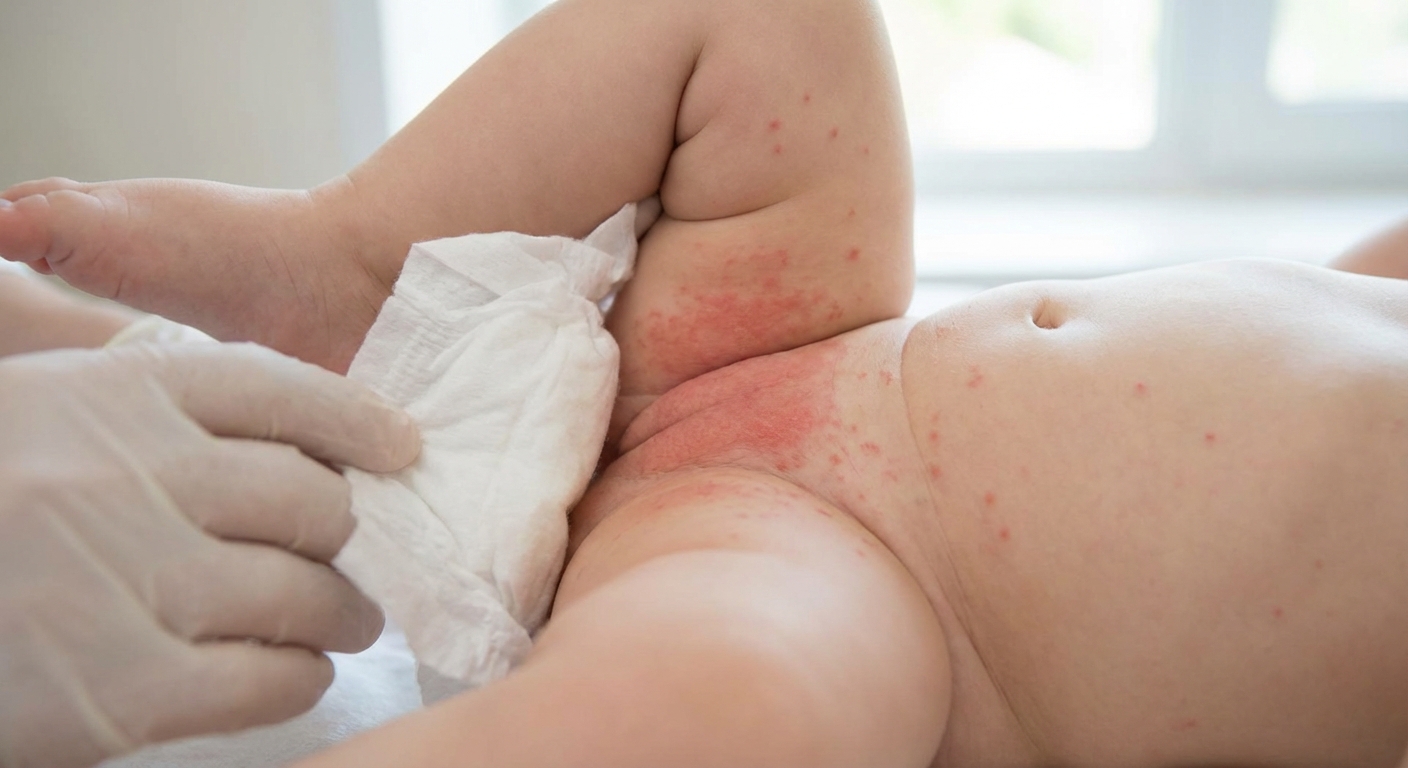
Yeast diaper rash (candida)
- Color: red, sometimes deeper in the skin folds
- Edges: less clean, may spread outward
- Classic clue: satellite spots (small red dots or bumps just beyond the main rash)
- Where: often involves skin folds (groin creases)
- Response: improves with antifungal cream when it truly is yeast
Irritant diaper rash
- Color: pink to red, raw or chafed
- Edges: blotchy and uneven
- Where: usually worst on the parts that touch the diaper, often spares the deep folds
- Triggers: diarrhea, frequent stools, switching wipes, not enough barrier protection
- Response: improves with air time and thick barrier ointment
One more important note: kids can have more than one thing at once. A little irritant rash plus perianal strep is absolutely possible, especially if your toddler has been pooping more or wiping a lot.
Symptoms that often come with it
Not every child has all of these, but they show up often enough that they are worth watching for:
- Butt pain, especially during wiping
- Pain with bowel movements
- Itching (less common than pain, but it happens)
- Constipation or stool withholding
- Blood streaks on stool from small fissures
- Fever: usually absent, but can occur
- Sore throat in the child or family members around the same time (not required, just a clue)
If your child has a high fever, looks ill, or the redness is spreading quickly beyond the perianal area, that is a different urgency level. More on that below.
How kids get it
Perianal strep is most often caused by Group A strep. It can spread through:
- Hand-to-mouth-to-skin transfer (toddlers are talented at touching everything)
- Inadequate handwashing after toileting or diaper changes
- Close contact in households and daycare
- Shared bathing can be a practical concern for cross-contamination in families, even if it is not always the main driver
Sometimes a child has strep bacteria in the throat or nose and transfers it to the perianal area by hands. Sometimes it is picked up from another person. The practical takeaway is simple: hand hygiene matters a lot, especially during treatment.
When to call the pediatrician
Call your child’s clinician within 24 hours if you notice:
- A bright red, sharply outlined rash around the anus
- Significant pain with wiping or pooping
- Rash that is being treated like diaper rash but not improving in 2 to 3 days
- Blood streaks with bowel movements
- New constipation from stool withholding
Go in urgently (same day) if
- Fever plus worsening rash
- Rapidly spreading redness to the buttocks or thighs
- Swelling, warmth, or the area is extremely tender to touch
- Your child seems very unwell, dehydrated, or you cannot manage pain at home
Those red flags can point to other infections (like cellulitis) that need quick evaluation.
Other rashes to keep in mind
Not every perianal rash is strep. A clinician may also consider:
- Pinworms (especially intense night itching)
- Contact dermatitis (new wipes, soaps, bubble baths)
- Eczema or psoriasis (often more chronic, may show up elsewhere too)
- Other infections (rarely, herpes or a deeper skin infection)
- GI issues if there is persistent bleeding, weight loss, poor growth, or ongoing diarrhea
This is exactly why calling early, and testing when appropriate, saves time and suffering.
How it is diagnosed
This is one of those situations where a quick test can save a lot of misery. Your clinician may:
- Examine the rash and ask about pain, stooling, and recent illness
- Take a perianal swab for a strep culture
- In some clinics, use a rapid strep test on the area, with culture as confirmatory if needed
A culture helps confirm strep and guide treatment. It is also helpful when a rash has been treated as yeast for weeks with no improvement, which happens more often than you would think.
Treatment: what helps
Because perianal strep is bacterial, it usually needs an antibiotic. The exact medication depends on your child’s history, allergies, and your clinician’s judgment, but treatment often includes:
- Oral antibiotics aimed at Group A strep
- Sometimes a topical antibiotic as an add-on
Many kids start feeling noticeably better within 24 to 48 hours once the right antibiotic is on board, especially with less pain during wiping and pooping. The skin can take a bit longer to look fully normal.
Finish the full course
I know. When it looks better on day two, it is tempting to stop. Please do not. Stopping early increases the chance it comes right back.
Do not use leftover antibiotics
It is worth saying out loud: do not start antibiotics left over from another illness. The wrong drug or wrong dose can delay proper treatment and makes side effects more likely.
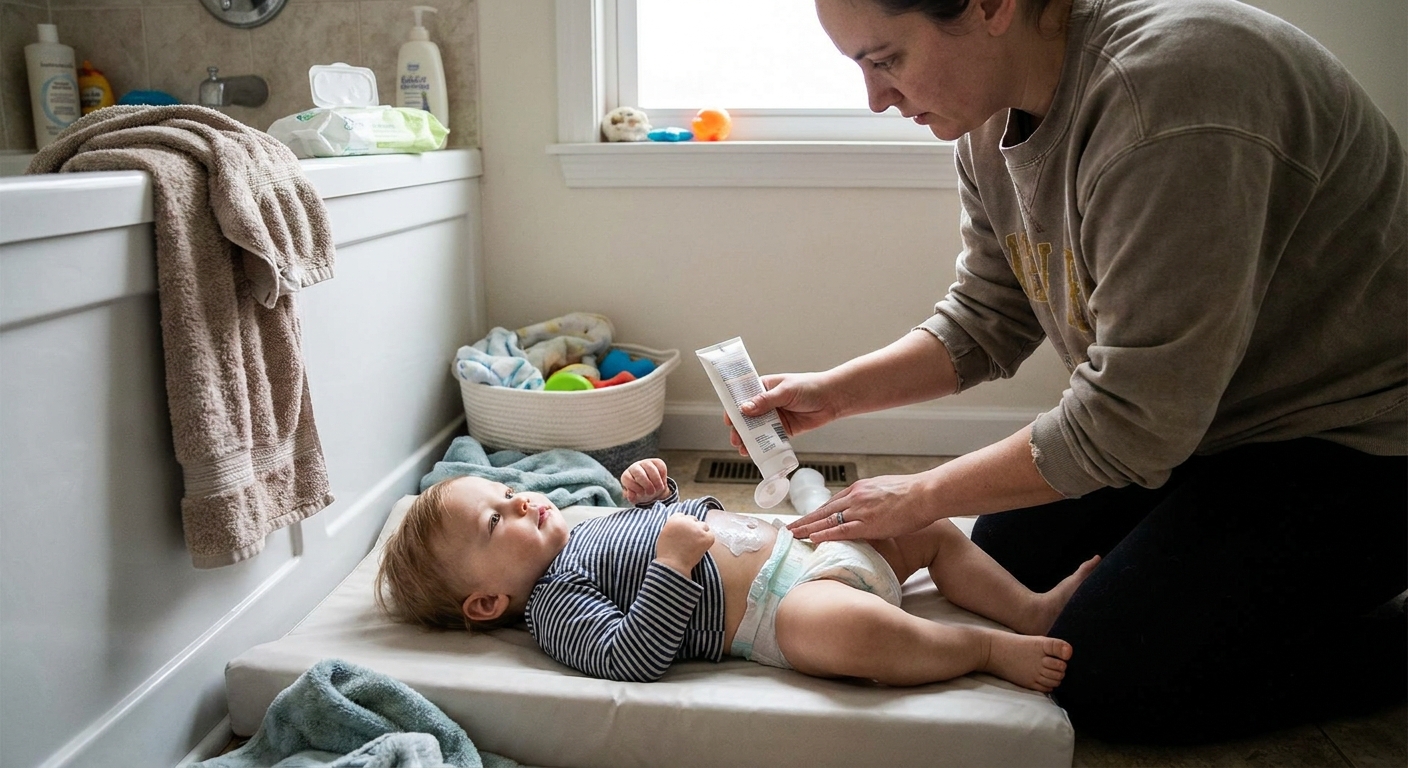
Comfort care at home
- Gentle cleaning: use warm water and soft cloths, or rinse in the tub, then pat dry
- Pause harsh wipes: especially scented wipes or those that sting
- Barrier ointment: a thick layer of petroleum jelly or zinc oxide can reduce friction during healing
- Pain control: ask your pediatrician about appropriate dosing of acetaminophen or ibuprofen
- Keep stools soft: offer extra fluids and fiber-rich foods; if stool withholding has started, ask your clinician for a constipation plan
Skip steroid creams unless your clinician specifically recommends them. Topical steroids can worsen an untreated infection or make it harder to recognize what is going on, so they should be used only with guidance.
Preventing spread and reinfection
Strep germs spread easily in households with little kids. During treatment, focus on simple, high-impact habits:
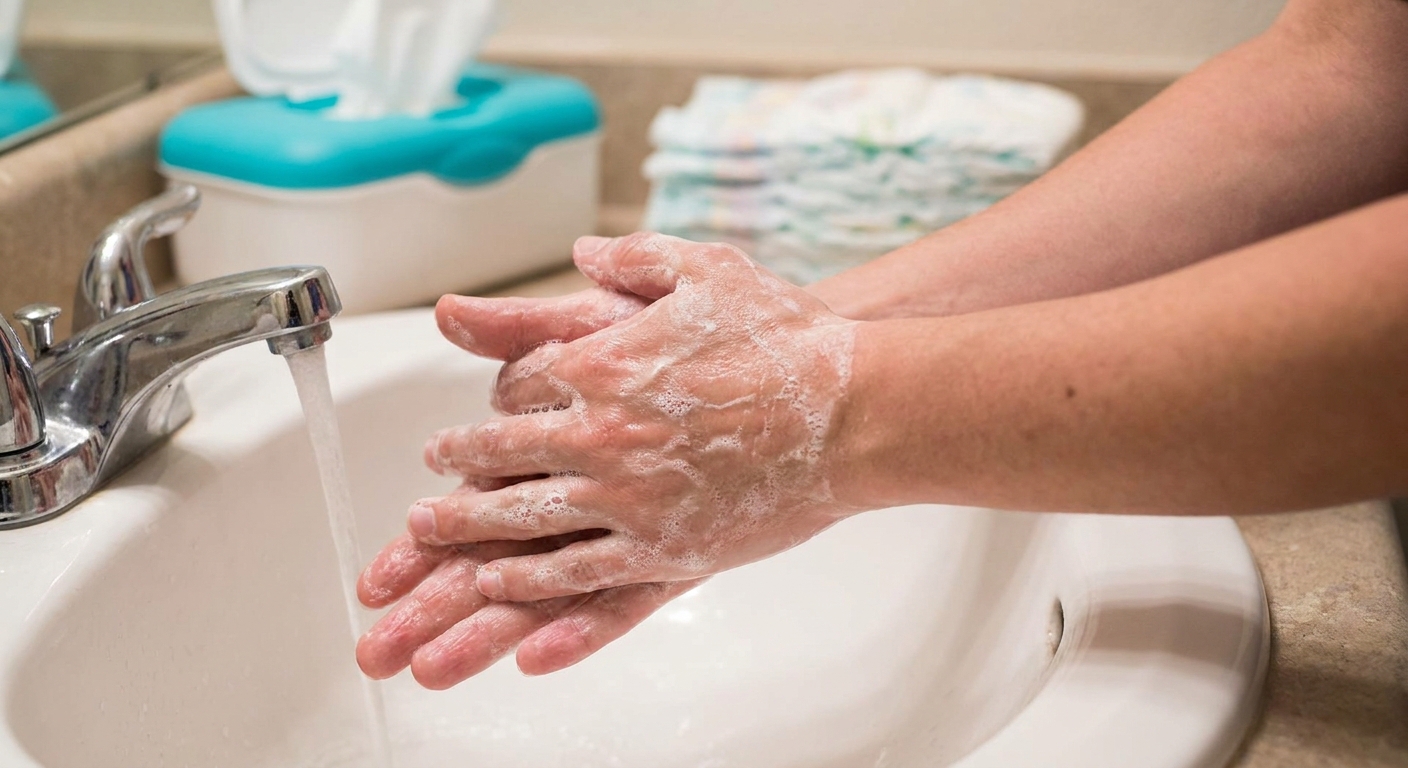
- Handwashing with soap and water after every diaper change or bathroom trip
- Short, clean nails for your child (and honestly, for you too)
- Separate towels and washcloths for the child with the rash
- Hot wash underwear, pajamas, and towels if possible
- Clean potty seats regularly with household disinfectant
- Avoid shared baths while the rash is active, if you can
Recurrence is not rare. If your child gets repeated episodes, your clinician may re-swab, review whether the full antibiotic course was completed, and ask about strep throat exposure in the home or consider whether another family member needs evaluation.
Daycare and school
Daycare questions come up constantly, and understandably so. Policies vary, and for perianal strep, exclusion and return rules are not as standardized as they are for strep throat.
Many clinicians use a similar approach to strep throat guidance, meaning kids can often return when:
- They have started antibiotics and have been on them for about 24 hours
- They are feeling well enough to participate
- They can be kept reasonably clean and comfortable during the day
That said, follow your daycare’s policy and your clinician’s advice. If your child has fever, uncontrolled pain, or needs frequent soothing that daycare cannot realistically provide, keep them home a bit longer.
Common questions
Can it happen without strep throat?
Yes. Many kids with perianal strep do not have a sore throat. The bacteria can still be present and cause a skin infection.
Will antifungal cream make it worse?
It usually just will not help. The bigger issue is delay: if it is strep and it is being treated like yeast, the rash can linger and the pain continues.
Why is my toddler suddenly refusing to poop?
If wiping and pooping burn, toddlers often decide the safest option is “no more pooping ever.” That stool withholding is common with perianal strep. Treating the infection and keeping stools soft helps break the cycle.
Can it come back?
It can. If you see the same sharply defined red ring again, call early rather than trying weeks of diaper cream. Recurrent cases may need repeat testing and a quick look at hygiene, daycare exposure, and household illness.
Bottom line
A painful, bright red rash with a sharp border around your toddler’s anus is a classic setup for perianal strep, and it deserves a call to your pediatrician. The right test and treatment can turn a miserable diaper change week into a much calmer 48 hours.
And if you have been faithfully applying creams, doing air time, changing diapers like you are training for the Olympics, and your child is still screaming during wipes, please hear this clearly: you did not miss something obvious. This rash fools lots of good parents.
Sarah Mitchell
Sarah Mitchell is a Registered Pediatric Nurse and a mother of three who has spent over a decade helping families navigate the beautiful, chaotic early years of childhood. She combines evidence-based medical knowledge with real-world parenting experience to offer practical, compassionate advice. At Awesome Parent, Sarah's mission is to help exhausted parents find solutions, trust their instincts, and finally get some sleep.