Pet Allergies in Babies and Toddlers

Sarah Mitchell
Sarah Mitchell is a Registered Pediatric Nurse and a mother of three who has spent over a decade helping families navigate the beautiful, chaotic early years of childhood. She combines evidence-based medical knowledge with real-world parenting experience to offer practical, compassionate advice. At Awesome Parent, Sarah's mission is to help exhausted parents find solutions, trust their instincts, and finally get some sleep.
If your baby has had a “cold” that never quite leaves, or your toddler’s eczema flares like clockwork after wrestling the dog, you’re not imagining things. Pet allergies can show up in early childhood, and they often look a lot like daycare germs or seasonal allergies. The tricky part is sorting out what’s normal kid stuff and what’s a pattern worth addressing.
As a pediatric nurse and a mom who’s been up at 3 AM doing the mental math of Is this the cat… or is this just Tuesday?, here’s the calm, evidence-based breakdown. We’ll cover symptoms, testing basics, practical home changes, and how many families successfully coexist with the pets they love.
Quick note: This is general education, not medical advice for your child. If you’re worried about breathing, feeding, or sleep, loop in your pediatrician.
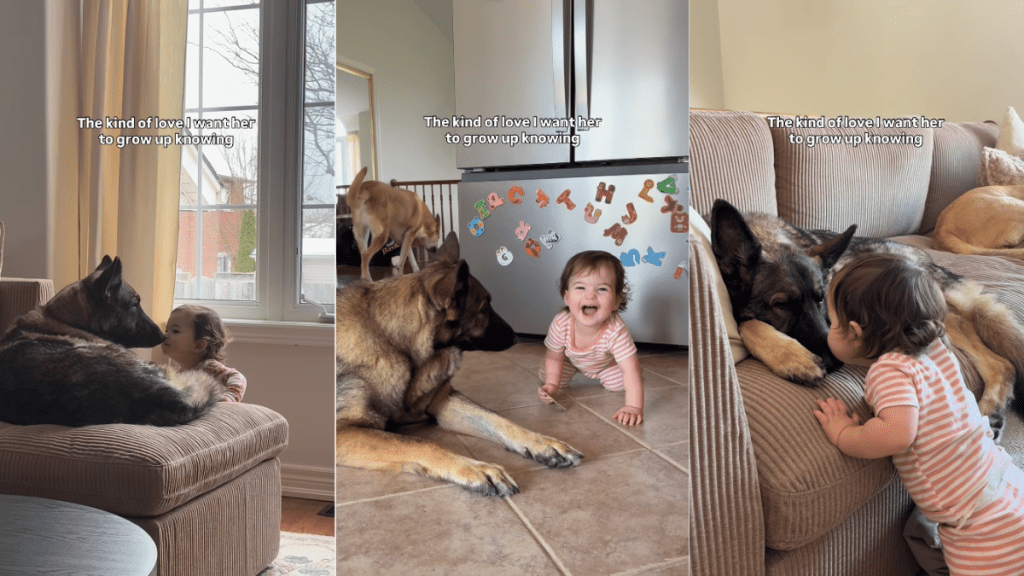
Pet allergy basics
When we say “pet allergy,” we usually mean an allergy to proteins found in dander (tiny skin flakes), saliva, and urine, not the fur itself. Fur just carries those particles around like a fuzzy delivery truck.
Two important realities for families:
- Cat allergens are very “sticky.” They cling to fabric and can hang around for weeks to months, even with diligent cleaning, because they’re easily redistributed from carpets, couches, and clothing.
- Exposure can happen anywhere. Kids can react at grandma’s, in daycare, or even around friends’ clothes that carry dander home.
What about “hypoallergenic” pets?
I wish this were simpler. There’s no truly hypoallergenic cat or dog. Some breeds may shed less, but allergens still come from skin and saliva, and they still stick to fabrics and float in the air.
Symptoms in babies and toddlers
Pet allergies can show up as classic “hay fever” signs, but in little kids they often look like chronic, vague annoyance. Also, in babies especially, true IgE-mediated allergy is less common than in older kids, and symptoms overlap a lot with eczema, frequent viral congestion, reflux, and just being in the age bracket of “sticky mucus forever.”
Here are the most common patterns I see in clinic.
Nose and breathing
- Chronic congestion or a constantly runny nose, especially clear mucus
- Sneezing, postnasal drip, throat clearing
- Mouth breathing, snoring, or restless sleep
- Cough that lingers, especially at night or with play
- Wheezing or recurrent wheeze or reactive airway episodes (always worth discussing with your pediatrician)
Skin and face
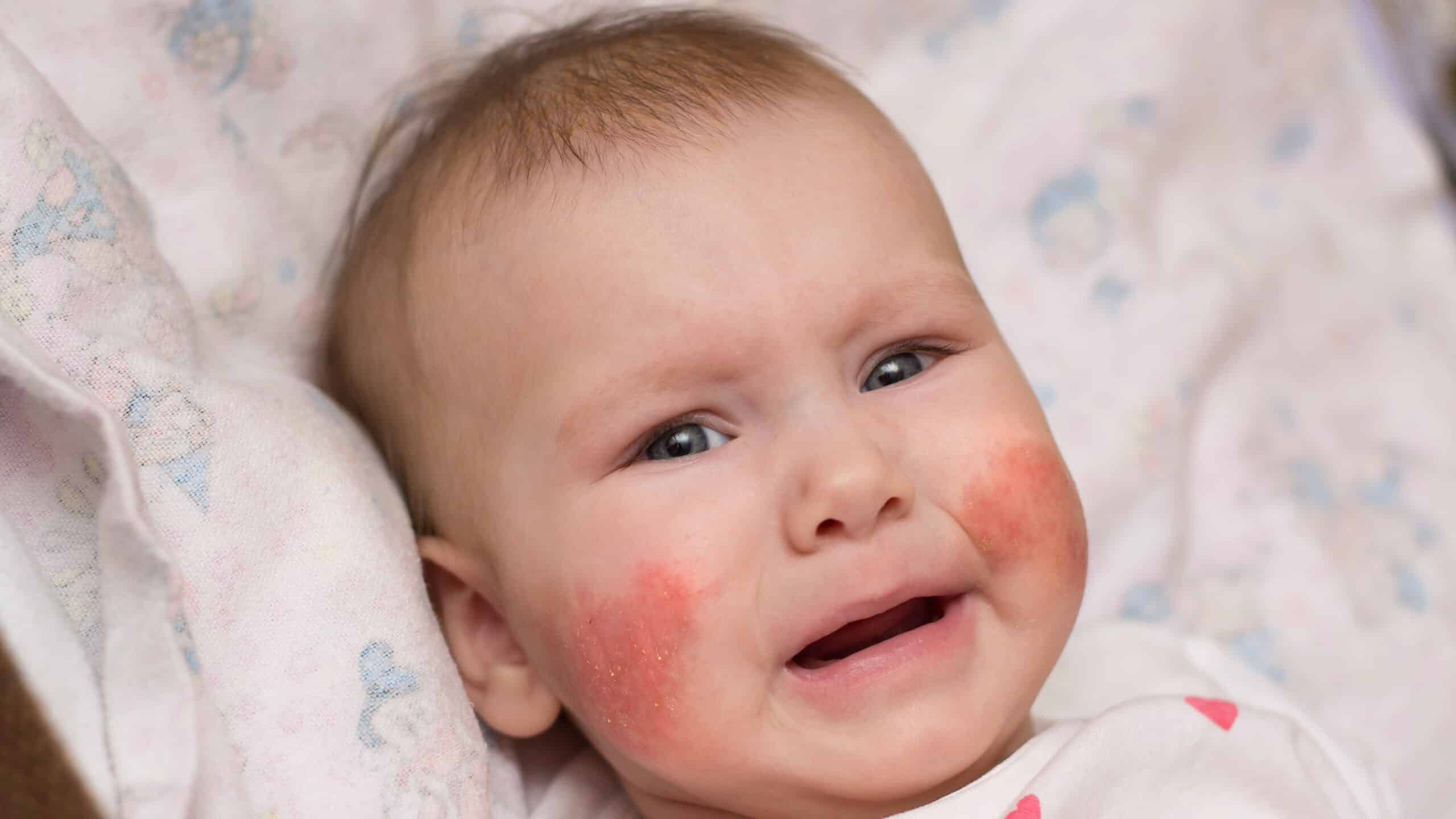
- Eczema flares that worsen after close contact like cuddling on the couch
- Hives or itchy red patches after being licked or rubbed against
- Face rubbing or itchy-looking behavior after pet contact
Eyes
- Watery, red, itchy eyes
- Puffy eyelids, especially after indoor play in a pet-heavy home
A note for babies: infants can’t tell you “my eyes itch,” so you might notice face rubbing, crankiness, sleep disruption, or eczema that seems to have a trigger.
Pets vs seasonal vs daycare colds
This is where most parents get stuck, because the symptoms overlap a lot. And to make it extra fun, many kids have more than one thing going on at once.
Clues that point to pets
- Symptoms are worse indoors and often improve when your child’s away from the main exposure environment (sometimes that’s noticeable quickly, but it can also take longer because allergens cling to clothes, hair, and blankets).
- Flares after close contact with the cat or dog, sitting on pet-favorite furniture, or playing on rugs.
- Year-round pattern with no real “break,” even when viral season slows down.
- Itchy eyes and sneezing without fever or obvious sick contacts.
Clues that point to seasonal allergies
- Symptoms are strongest in specific months and repeat each year.
- Outdoor time makes things worse, and indoor time helps.
- There may be a family history of seasonal allergies.
Clues that point to viral colds
- Fever, body aches, or a clear “I’m sick” vibe
- Thick green mucus can happen with viruses and isn’t automatically bacterial, but shifting mucus with other sick symptoms is common
- Symptoms come in waves with a few better days in between
Common indoor look-alikes
- Dust mites (often worse at night and first thing in the morning)
- Mold or damp areas
- Smoke, fragrances, diffusers, and other irritants
Real life caveat: a toddler can catch back-to-back viruses and have pet-triggered congestion that keeps the baseline “stuffy.”
When to call sooner
For many kids, pet allergy symptoms are uncomfortable, not dangerous. That said, pet exposure can absolutely trigger significant asthma flares in some children, and severe allergic reactions are rare but possible.
Contact your child’s clinician promptly if you notice:
- Wheezing, fast breathing, chest retractions, or your child seems to be working hard to breathe
- Blue or gray lips, or trouble speaking or crying due to shortness of breath
- Swelling of the face or lips, widespread hives, vomiting, or sudden severe symptoms after animal contact
- Poor feeding in infants because they can’t breathe through their nose
- Sleep-disordered breathing like loud nightly snoring, pauses, or gasping
If breathing looks scary, seek urgent or emergency care. You’ll never regret being cautious with breathing.
Testing basics
Parents often ask me, “Can we test for pet allergies?” Yes, but the best approach depends on your child’s age, symptoms, and whether asthma or eczema is involved.
Common testing options
- Skin prick testing: a tiny amount of allergen is introduced on the skin, usually the forearm or back, and checked for a reaction. This is often done by an allergist.
- Blood testing (specific IgE): a blood draw that looks for sensitization to cat or dog allergens.
What testing does well
- It can show sensitization to cat or dog allergens and support the diagnosis when symptoms match.
- It helps guide a practical plan when multiple triggers are possible, like dust mites, pets, and pollens.
What testing can’t do perfectly
- A positive test doesn’t always mean the pet is the main reason for symptoms. Some kids test positive but don’t react much in daily life.
- A negative test doesn’t rule out every problem. Symptoms can be from irritants like smoke or strong fragrances, indoor triggers like dust mites, or just frequent viruses.
Best next step: If you suspect pet allergy and symptoms are persistent, talk with your pediatrician about whether an allergy referral makes sense. For kids with wheeze, chronic cough, or tough eczema, I tend to favor getting an allergist involved sooner rather than later.
Home changes that help
Let’s be honest: telling a family to “just rehome the cat” isn’t realistic for most people and is often emotionally devastating. The good news is that many families can reduce symptoms with layered, consistent changes.
1) Make the bedroom a clean-air zone
If you do only one thing, do this. Sleep is when kids are stuck breathing the same air for hours.
- No pets in the child’s bedroom, ideally 24/7.
- Keep the bedroom door closed as much as possible.
- Wash bedding weekly in hot water if the fabric allows.
- Minimize stuffed animals on the bed. Pick 1 or 2 favorites and wash them regularly.
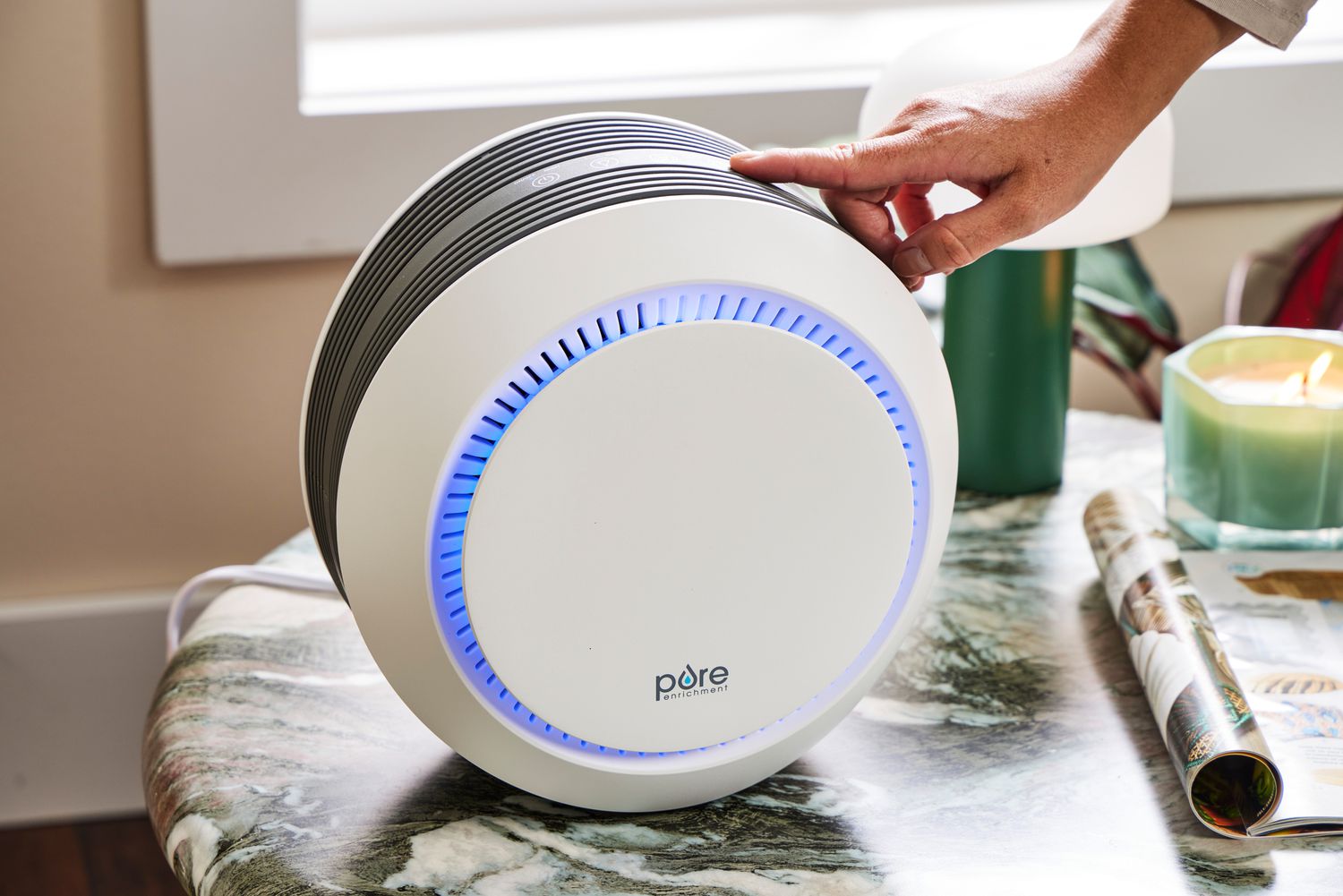
2) Use air filtration the smart way
A true HEPA air purifier can reduce airborne allergens, especially in the bedroom and main living area. It works best as part of a package (pet boundaries plus cleaning), and it won’t remove allergens that are embedded in carpets or upholstery.
- Choose a unit sized for the room and run it consistently, not just on “bad days.”
- Replace filters on schedule. A clogged filter helps nobody.
- Keep windows closed during high pollen seasons if seasonal allergies also play a role.
3) Clean for allergens, not just for looks
Allergen cleaning is about removing the tiny stuff that hangs around.
- Vacuum with a HEPA filter 2 to 3 times per week in high-traffic areas.
- Consider swapping heavy curtains for washable options.
- If possible, limit carpeting in the child’s sleep space. Area rugs that can be washed are often easier.
- Damp dust hard surfaces instead of dry dusting, which can re-float allergens.
4) Furniture rules that actually stick
- Keep pets off the child’s bed and ideally off upholstered furniture.
- If the couch is pet central, use a washable cover and launder it weekly.
- Create one pet-friendly “zone” with easy-to-clean surfaces.
5) Bathing and grooming
Bathing a dog weekly can reduce allergens for some families, but the effect may be temporary, so consistency matters. With cats, bathing is often… aspirational. Brushing helps some, but it can also kick up allergens while you do it.
- Have a non-allergic adult groom the pet if possible.
- Do grooming outdoors or in an easy-to-clean area.
- Wash hands and consider a quick shirt change after heavy pet contact if symptoms are significant.
6) Don’t forget the sneaky sources
- Cat litter and pet bedding can hold allergens. Keep litter out of main play areas and clean it frequently.
- Car seats and strollers can collect dander from pet-friendly rides. Vacuum them.
- Daycare and relatives: your child can be exposed outside your home, which can confuse the pattern.
Medication options
For many kids, environmental steps plus medication during rough stretches is the sweet spot. Medication choice depends on age, symptoms, and whether asthma is part of the picture, so this is a conversation for your pediatrician or allergist.
Common categories clinicians may recommend
- Non-drowsy antihistamines for sneezing, runny nose, and itch.
- Nasal steroid sprays for persistent congestion and postnasal drip. These can be very effective when used correctly and consistently, but dosing and technique matter.
- Asthma medications if your child wheezes or coughs with triggers. Pet dander can be a powerful asthma trigger.
- Topical eczema treatments and a daily moisturizer routine if skin is the main issue.
Age matters: many allergy meds (including several “non-drowsy” options and nasal sprays) have different age cutoffs and dosing. If your child is under 2, or you’re unsure, don’t guess, ask your clinician.
Please avoid: using adult products in toddlers without guidance, doubling up on combination cold medicines, or using essential oil diffusers to “open airways.” Diffusers can irritate sensitive lungs and don’t remove allergens.
Living with pets
Keeping a pet with a child who has allergies isn’t a moral failure. It’s a logistics problem. Here’s what tends to work best long-term.
Use a layered plan
- Bedroom clean-air zone
- HEPA purifier in bedroom and main living area
- HEPA vacuum routine
- Clear pet boundaries on beds and soft furniture
- Medication plan with your clinician when needed
Track patterns like a detective
A simple notes app log for 2 weeks can help: symptoms, where your child spent time, pet contact, and sleep quality. Bring that to your appointment. It’s more useful than trying to remember everything while your toddler climbs the exam table.
Cut down on exposure transfer
- After visiting pet homes, wash hands and consider a quick face wipe for little ones.
- If reactions are strong, change clothes when you get home and keep pet-exposed jackets out of the bedroom.
- Wash loveys and blankets that travel between houses regularly.
Allergy shots later
Allergen immunotherapy is sometimes an option for older children with significant symptoms, but eligibility varies. Your allergist can tell you when it becomes a reasonable consideration.
Should we rehome the pet?
This is the question that comes with a lump in your throat. Sometimes, despite everyone’s best efforts, symptoms remain severe, asthma is poorly controlled, or your child is missing sleep and quality of life.
In general, a clinician is more likely to discuss rehoming if:
- Your child has moderate to severe asthma that’s triggered by pet exposure.
- There are frequent urgent visits for breathing issues.
- Symptoms remain significant despite consistent environmental controls and appropriate treatment.
If you get to this point, you deserve compassionate, non-judgmental support. Families don’t make this decision lightly.
Quick checklist
- Make the child’s bedroom pet-free starting tonight.
- Run a HEPA air purifier in the bedroom.
- Wash bedding and the two most-loved stuffed animals.
- Vacuum with a HEPA filter and damp dust main surfaces.
- Schedule a pediatrician visit if symptoms are ongoing, sleep is disrupted, or there’s wheeze.

Bottom line
Pet allergies in babies and toddlers can look like never-ending colds, chronic congestion, or eczema that won’t quit. The most helpful first step usually isn’t a dramatic one. It’s creating a bedroom clean-air zone and adding smart filtration, then looping in your child’s clinician to decide whether testing or medication makes sense.
You can love your pet and take your child’s symptoms seriously at the same time. Most families find a workable middle path, and you deserve one that leads to better sleep for everyone.