A calm, clear guide to spotting sepsis red flags beyond “just a fever” and knowing when to call 911 or head to the ER.
PFAPA Syndrome in Kids

Sarah Mitchell
Sarah Mitchell is a Registered Pediatric Nurse and a mother of three who has spent over a decade helping families navigate the beautiful, chaotic early years of childhood. She combines evidence-based medical knowledge with real-world parenting experience to offer practical, compassionate advice. At Awesome Parent, Sarah's mission is to help exhausted parents find solutions, trust their instincts, and finally get some sleep.
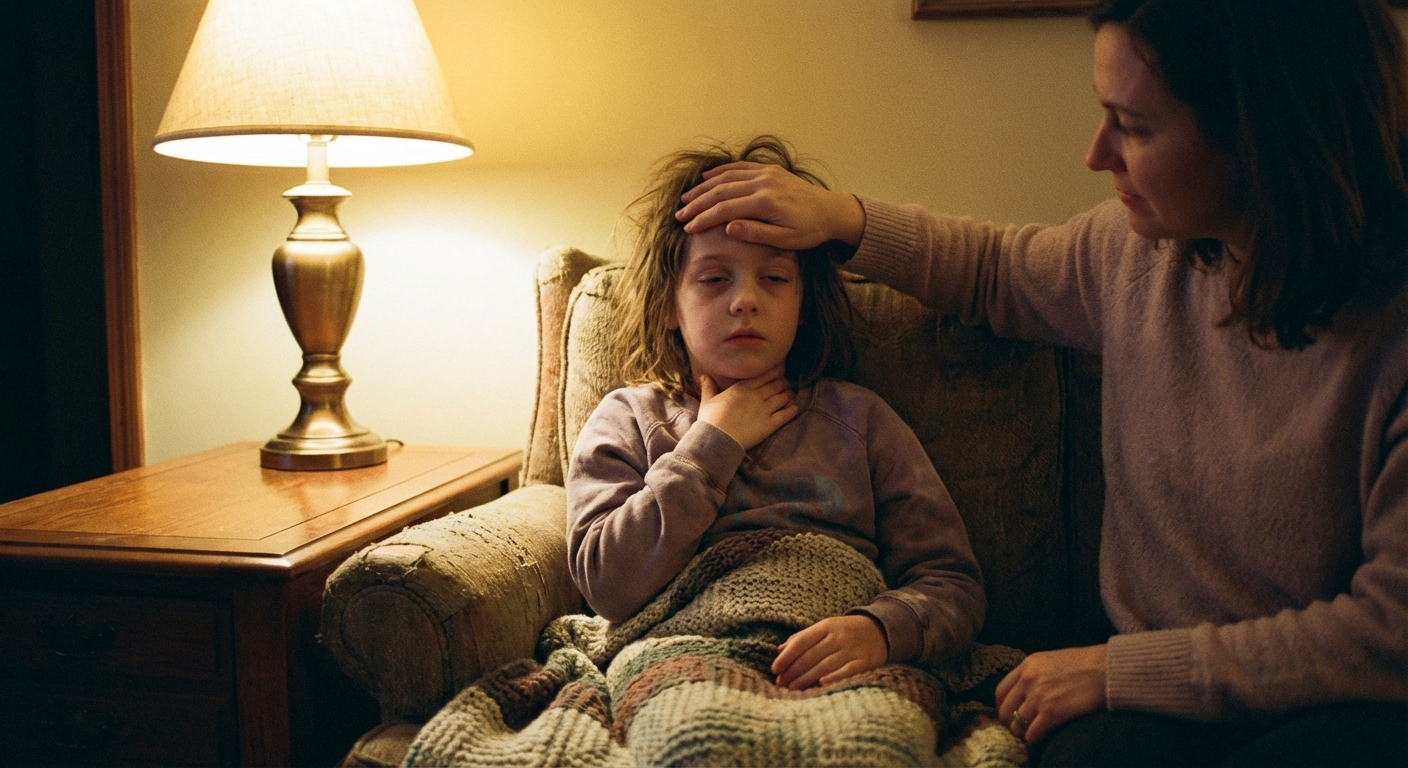
If your child keeps spiking high fevers that seem to arrive on a schedule, you are not imagining the pattern. PFAPA syndrome is a common cause of recurrent, highly regular fevers in young kids, and it can be deeply unsettling because it looks like “another infection” every few weeks.
As a pediatric nurse and a mom, I have seen this go two ways: families are either told it is “just viruses” for months, or they are scared into thinking it must be something much worse. The truth is usually calmer than late-night Google makes it feel.

What PFAPA stands for
PFAPA is short for:
- Periodic Fever
- Aphthous stomatitis (canker sores in the mouth)
- Pharyngitis (sore throat)
- Adenitis (swollen neck lymph nodes)
It is considered an autoinflammatory condition, meaning the immune system triggers inflammation on a repeating cycle, not because of a new germ each time.
The classic PFAPA pattern
PFAPA often has a surprisingly predictable rhythm. Many parents can point to the calendar and say, “It’s been three or four weeks. Here we go again.”
Common pattern parents notice
- Sudden high fever, often 102°F to 104°F (38.9°C to 40°C), with higher temps possible in some kids
- Repeats at regular intervals, commonly every 3 to 6 weeks
- Fever lasts a few days, often 3 to 6 days
- Child is often pretty well between episodes, with normal energy, growth, and development
That “totally fine in between” detail is a big clue. Kids with frequent viral infections can feel like they never fully bounce back. PFAPA kids usually do.
Symptoms with the fever
PFAPA is not just fever. During episodes, kids may have:
- Sore throat that can look like strep, but tests often come back negative
- Mouth ulcers (canker sores) on the inside of the lips or cheeks
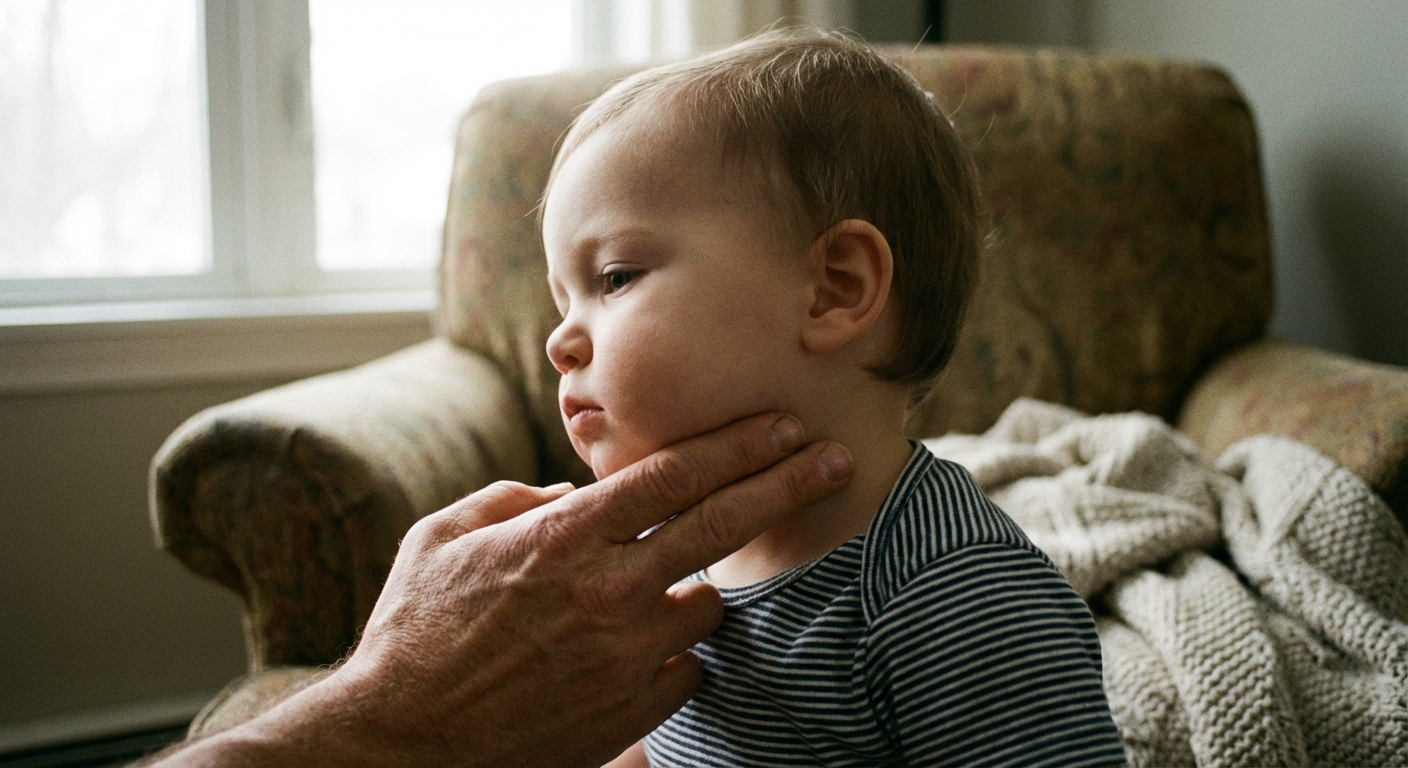
- Swollen neck lymph nodes
- Headache, body aches, fatigue
- Chills
- Belly pain or mild nausea in some kids
Important nuance: not every child has every symptom every time. Some have obvious mouth sores only occasionally, or their sore throat is the main feature.
PFAPA vs back-to-back colds
In the clinic, this is one of the most helpful conversations we have. Recurrent fevers are common in young children, especially in daycare and early elementary years. PFAPA is different because it is predictable and stereotyped.
More consistent with PFAPA
- Fevers show up at a regular interval
- Similar symptoms each episode (sore throat, mouth ulcers, swollen nodes)
- Minimal cough and runny nose (some kids have a little, but it is not the main event)
- Child is completely well between episodes
- Antibiotics do not help (unless there is a true bacterial infection on top)
More consistent with repeated viral URIs
- No consistent timing, it feels random
- Cough, congestion, and runny nose are front and center
- Symptoms can linger 1 to 2 weeks, then blur into the next illness
- Other family members are often sick too
If you are unsure, a simple tool helps: keep a notes app log with start date, highest temp, days of fever, symptoms, and any tests. Pattern recognition is powerful.
What causes PFAPA?
The exact cause is not fully understood. PFAPA is thought to involve an overactive inflammatory response that turns on and off in cycles. It is not considered contagious, and it is not caused by parenting choices, diet, daycare, or “a weak immune system.”
PFAPA usually begins in early childhood (often before age 5), though older kids can have it too. Many children improve over time, but a smaller group can have symptoms that persist longer.
How PFAPA is diagnosed
PFAPA is mainly a clinical diagnosis, meaning it is diagnosed by the story and pattern, plus making sure there is not a different cause of recurring fever.
Clues clinicians look for include:
- Repeated episodes of fever with sore throat, mouth ulcers, and or swollen neck nodes
- Normal growth and typical health between episodes
- Inflammation on labs during flares that settles back down afterward
- No signs pointing to another condition that needs different treatment
The medical workup
PFAPA is a diagnosis of pattern plus ruling out other causes of recurrent fever. Most kids do not need an endless battery of tests, but a thoughtful baseline evaluation is important.
Common tests you may see
- Throat swab for strep during episodes (because strep is common and treatable)
- Viral testing sometimes, depending on season and symptoms
- CBC (complete blood count) to look at white blood cells, anemia, platelets (some kids show neutrophilia during attacks)
- Inflammatory markers like CRP and ESR, which are often elevated during PFAPA flares and typically normalize between episodes
- Comprehensive metabolic panel sometimes, to check general organ function and hydration status
- Urinalysis in younger kids or if urinary symptoms are possible
A very PFAPA-like clue: labs can look “inflamed” during the fever, then normalize afterward.
What else needs to be ruled out
Your clinician may also think about other conditions that can mimic PFAPA, especially if the pattern is not classic. Examples include:
- Cyclic neutropenia
- Monogenic periodic fever syndromes (such as FMF, TRAPS, and mevalonate kinase deficiency or HIDS)
- Recurrent true strep or other chronic infections
- Immunodeficiency (especially if infections are severe or unusual)
- Less commonly, other inflammatory or hematologic conditions, especially if there are red flags
Why doctors ask about between episodes
Your pediatrician will want to hear that your child is growing well, acting like themselves between fevers, and does not have red-flag symptoms like ongoing weight loss, persistent swollen glands, unusual bruising, or chronic diarrhea.
ENT and rheumatology
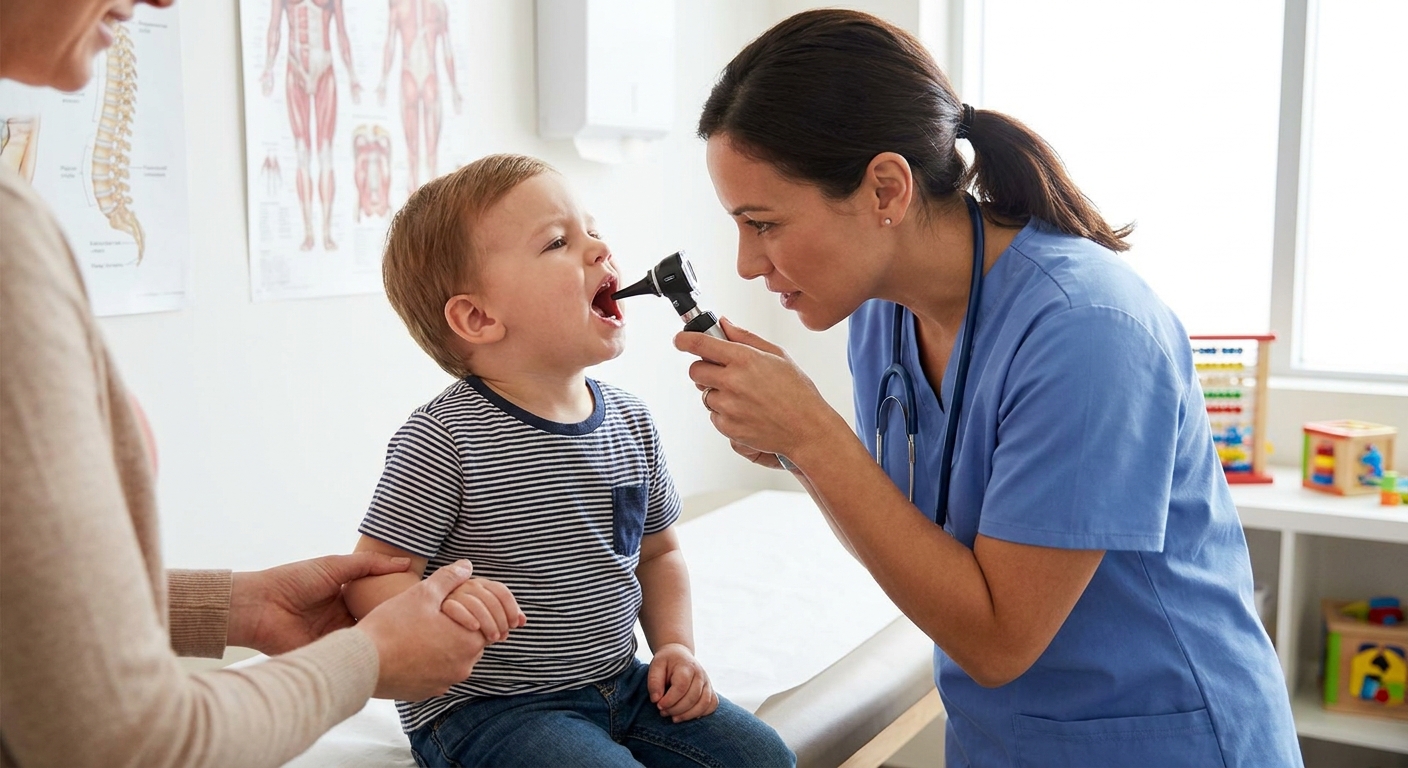
If the pattern fits PFAPA, your pediatrician may manage it initially, then refer depending on severity and how clear the diagnosis is.
ENT referral
ENT (ear, nose, and throat) specialists often get involved because the episodes feature tonsil and throat inflammation . Some families discuss whether tonsillectomy (sometimes adenotonsillectomy) could reduce or stop episodes. Evidence suggests many children improve after surgery, but it is not guaranteed, and recurrence can happen. This is a very individual decision that depends on frequency, severity, missed school and work, and the child’s overall health.
Rheumatology referral
Pediatric rheumatology is the go-to specialty for autoinflammatory periodic fever syndromes. They help confirm PFAPA and, importantly, help rule out other periodic fever conditions that can look similar.
Sometimes, additional labs or genetic testing are considered if symptoms are atypical, severe, or not following the expected PFAPA course.
Treatment options
There is no one “right” plan for every family. Treatment is about reducing suffering, minimizing disruption, and keeping your child safe.
Supportive care during episodes
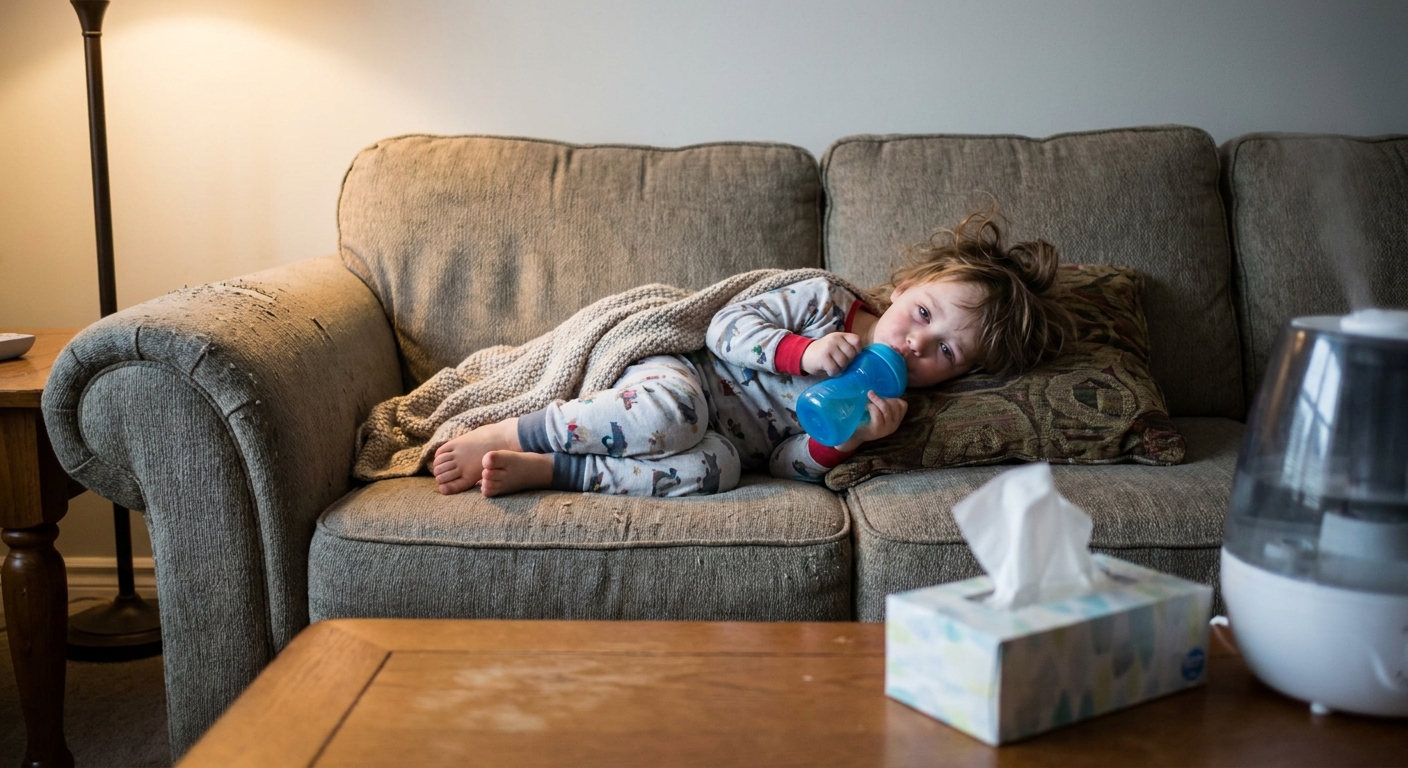
- Fluids and rest
- Fever comfort with acetaminophen or ibuprofen as directed by your child’s clinician
- Soft foods if mouth sores hurt (yogurt, smoothies, warm soups)
- Avoid acidic or spicy foods that sting canker sores
Abortive treatment
Some clinicians prescribe a single dose of a corticosteroid at the start of an episode, which can shorten or stop the fever quickly in many PFAPA kids. Common options your clinician might mention include prednisone or prednisolone, or dexamethasone. This response can support the diagnosis, but it is not a DIY treatment and should only be used under medical guidance.
One thing parents should know upfront: in some children, steroid use can make the next episode come sooner. That is a trade-off your care team will discuss.
Preventive options
Depending on the child, some families discuss preventive medicines or surgical options with rheumatology and ENT. Medications you may hear named include cimetidine or colchicine. Evidence and response vary by child, so this is very much a shared decision with your specialist team.
When to go to the ER
This is the part I wish every exhausted parent could print and stick on the fridge.
Go to the ER now (or call emergency services) if your child has:
- Signs of breathing trouble: fast breathing, struggling to breathe, blue or gray lips
- Severe dehydration: very dry mouth, no tears, significantly decreased urination, extreme sleepiness
- A seizure
- Stiff neck, severe headache, confusion, or hard to wake
- A purple or widespread rash, or rash with fever that concerns you
- Fever in an infant under 3 months (100.4°F or 38°C or higher) unless your pediatrician has given a specific plan
- Severe abdominal pain, persistent vomiting, or your gut says “this is not our usual pattern”
Consider urgent same-day care if:
- Your child looks very ill during an episode and you cannot keep them comfortable
- There is significant throat pain with drooling, trouble swallowing, or inability to take fluids
- Your child has immune system problems, is on chemotherapy, or has other complex medical issues
- The fever is lasting longer than usual for your child or is not responding the way it typically does
Schedule a routine pediatric visit if:
- Your child has had three or more similar fever episodes with a recognizable pattern
- Strep tests keep being negative, antibiotics are not helping, and the same symptoms keep returning
- You want a clear plan for what to do during the next episode, including which tests to repeat and when
Questions to ask
- Does my child’s pattern fit PFAPA, or do you suspect another cause of recurrent fever?
- What symptoms should prompt us to come in during the next episode?
- Which labs should be drawn during a fever, and should we repeat labs when they are well?
- When should we consider ENT or rheumatology?
- If we try an abortive medicine, what is the dosing plan and what side effects should we watch for?
- What is our plan for hydration and pain control when mouth ulcers make eating hard?
Prognosis
PFAPA is scary because high fevers are scary. Full stop. But PFAPA does not typically cause long-term organ damage, and most kids with PFAPA have normal growth and are healthy between episodes.
Many children improve over time, and for a lot of families it gradually fades over years. If you are in the “it is 3 AM and I am staring at the thermometer” phase, take a breath. Start tracking the pattern, get a calm workup with your pediatrician, and ask for referrals if you need them. You are not overreacting. You are gathering the right information.
Nurse-mom tip: When the fever breaks, write down the dates immediately. PFAPA is one of those conditions where your notes become the most valuable diagnostic tool in the room.

Quick glossary
- Aphthous ulcers: Canker sores inside the mouth.
- Pharyngitis: Inflammation of the throat, often felt as a sore throat.
- Adenitis: Swollen lymph nodes, commonly in the neck.
- CRP/ESR: Blood tests that rise with inflammation and can be elevated during PFAPA flares.
References
- American College of Rheumatology (ACR): Patient information on autoinflammatory diseases and periodic fever syndromes.
- National Organization for Rare Disorders (NORD): PFAPA overview.
- Feder HM Jr, Salazar JC. A clinical review of periodic fever, aphthous stomatitis, pharyngitis, and adenitis (PFAPA) syndrome.
- Review articles in pediatric rheumatology and pediatric otolaryngology on PFAPA diagnosis and management (including tonsillectomy outcomes and steroid response patterns).
This article is for education and does not replace medical care. If you are worried about your child’s breathing, hydration, or alertness, seek urgent evaluation.