Pink Eye in Toddlers: Symptoms, Causes, and When to See a Doctor

Sarah Mitchell
Sarah Mitchell is a Registered Pediatric Nurse and a mother of three who has spent over a decade helping families navigate the beautiful, chaotic early years of childhood. She combines evidence-based medical knowledge with real-world parenting experience to offer practical, compassionate advice. At Awesome Parent, Sarah's mission is to help exhausted parents find solutions, trust their instincts, and finally get some sleep.
If your toddler wakes up with a crusty eye and you immediately picture a daycare outbreak, take a breath. “Pink eye” is very common in the toddler years, and many cases are manageable with simple comfort care and a little patience. The tricky part is that several different things can look like pink eye, and a few uncommon causes (like a corneal infection, herpes infection, or cellulitis around the eye) need same-day care. The right next step depends on what is actually going on.
As a pediatric nurse and a mom who has done the “one eye is glued shut at 6 AM” routine more times than I care to count, I want to give you a clear, no-panic roadmap: what symptoms matter, how to tell the main types apart, what you can safely do at home, when antibiotics help (and when they do not), and when your child should be seen urgently.
What is pink eye?
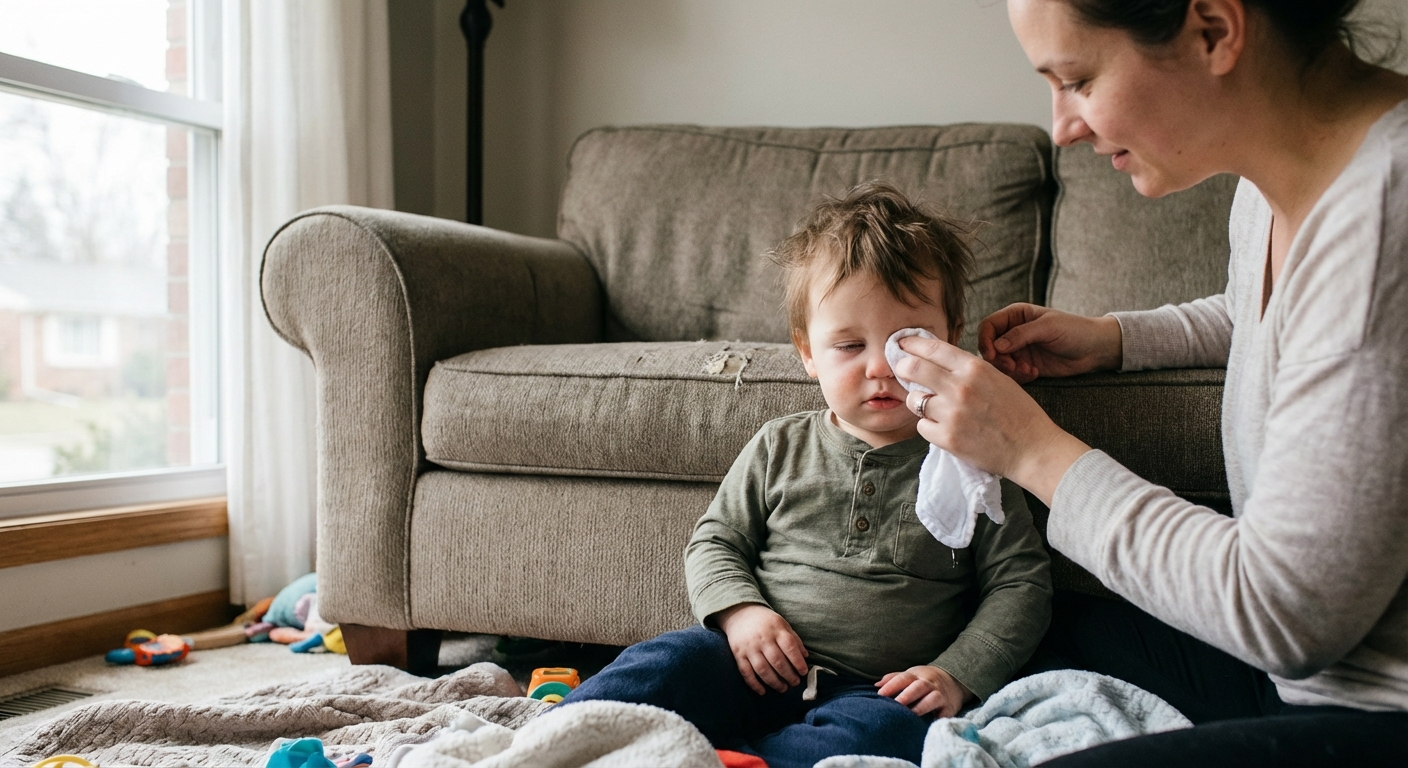
Pink eye is the everyday name for conjunctivitis, which means the thin, clear tissue covering the white part of the eye and the inside of the eyelids gets irritated or inflamed. In toddlers, the big three causes are:
- Viral conjunctivitis (often comes with a cold)
- Bacterial conjunctivitis (more likely to have thicker discharge)
- Allergic conjunctivitis (itchy, watery eyes, often seasonal)
Sometimes it is not true conjunctivitis at all, but instead a blocked tear duct, eye irritation from shampoo/sunscreen, or blepharitis (irritated eyelids). If you are not sure, your child’s pediatrician or a nurse triage line can help you sort it out.
Pink eye symptoms in toddlers
Most toddlers with conjunctivitis have a few of these:
- Pink or red whites of the eyes
- Discharge that may be watery, sticky, or thick
- Crusting on eyelashes, especially after sleep
- Watery eyes
- Gritty feeling (toddlers may rub their eyes or say “owie”)
- Swollen eyelids (mild puffiness is common)
- Light sensitivity (more concerning if significant)
Pink eye often starts in one eye and then spreads to the other within a day or two, especially if little hands are doing what little hands do.
Types: viral, bacterial, allergic
No at-home checklist is perfect, but these patterns are genuinely helpful. If you are unsure, check in with your child’s clinician, especially for younger toddlers or more intense symptoms.
Quick clues
| Type | Common discharge | Other common signs | Typical course |
|---|---|---|---|
| Viral | Watery or thin, clear to whitish mucus | Often with cold symptoms (runny nose, cough), may start in one eye then both; mild gritty feeling | Often worsens for a couple days, then improves over 1 to 2 weeks |
| Bacterial | Thicker mucus, yellow or green; lashes may be stuck together | More noticeable discharge throughout the day; may be one or both eyes | Often self-limited; antibiotics can shorten symptoms for some kids, usually by a modest amount |
| Allergic | Watery, clear | Itching is the big clue; often both eyes; sneezing, clear runny nose; seasonal or around pets/dust | Improves when the trigger is removed and allergies are treated |
What about “goopy” eyes after sleep?
A little crusting in the morning can happen with any type, especially viral. The more helpful question is: Is there thick yellow/green discharge that keeps coming back soon after you wipe it? That makes bacterial infection more likely, but it is not a guarantee.
Could it be something else?
- Blocked tear duct: watery eye and mild mucus, usually without a very red eye. This is most common in infancy and many cases resolve by 6 to 12 months, but persistent tearing or discharge beyond that can happen and is worth discussing with your pediatrician. Some kids need an eye specialist evaluation.
- Eye irritation: after a bath, chlorine, wind, smoke, or sunscreen. Often watery and improves quickly once the irritant is gone.
- Chemical exposure: if a stronger chemical (cleaner, pool chemicals) gets in the eye, rinse right away with plenty of lukewarm water or saline and seek urgent guidance, especially if there is pain, trouble opening the eye, or ongoing redness.
- Stye: a tender bump on the eyelid margin with localized redness.
- Corneal scratch: significant pain, tearing, light sensitivity, and a child who will not open the eye normally.
Is pink eye contagious?
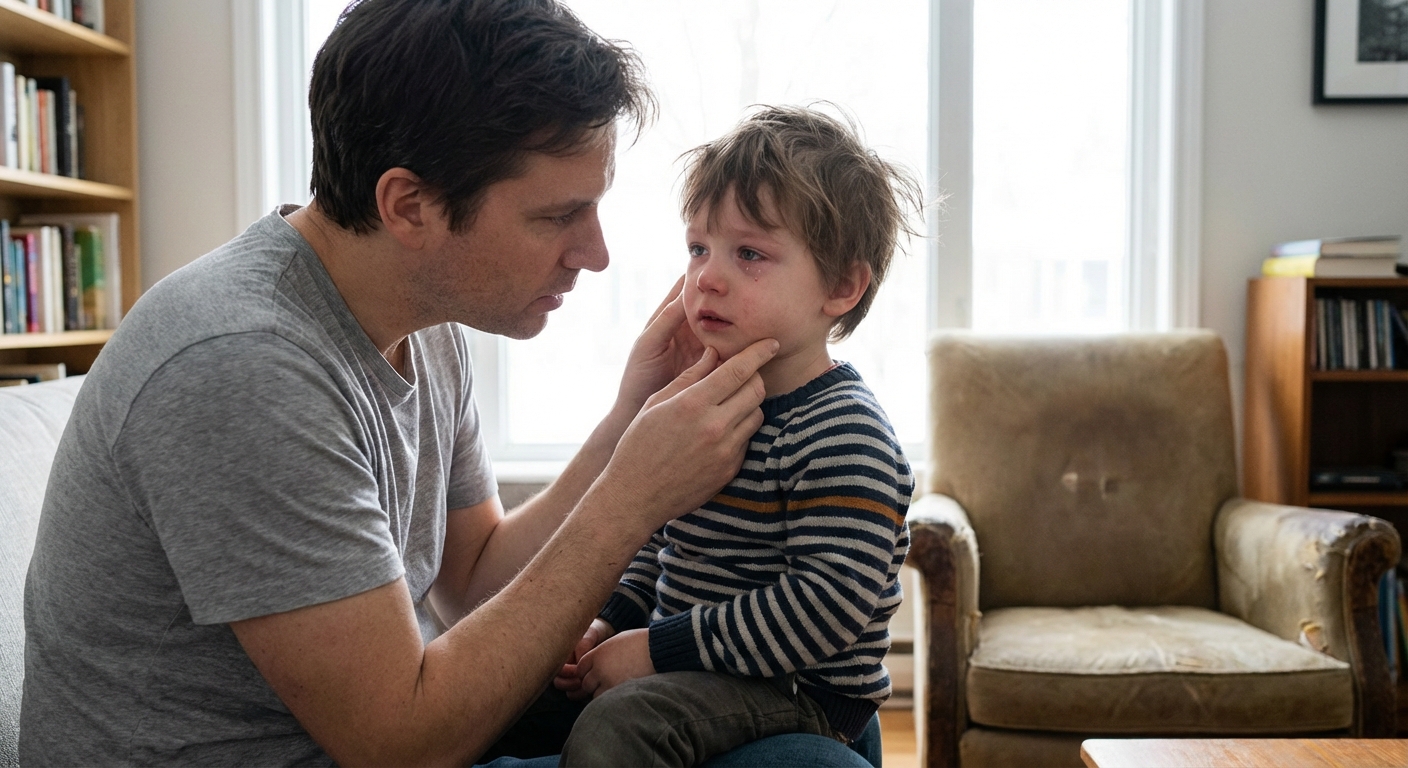
This is the question that keeps parents up, especially if daycare is involved.
Viral: contagious
Viral conjunctivitis is usually very contagious, especially in the first few days. It spreads through direct contact with eye secretions and through shared items, and it often travels with the same viruses that cause colds. Some viruses (including adenovirus) can spread easily in group settings, and kids may be contagious before the eye looks dramatically red.
Bacterial: contagious
Bacterial conjunctivitis can also be contagious. Good handwashing and avoiding shared towels, pillows, and washcloths matter a lot.
Allergic: not contagious
Allergic conjunctivitis is an immune response to pollen, dust, pet dander, and similar triggers. It is not contagious.
Back to daycare or preschool
Policies vary, and some are outdated. Many children are excluded for pink eye even when it is mild or allergic. In general, check your center’s rules and ask your child’s clinician if you need a note.
From a medical standpoint, many children can return when:
- They feel well enough to participate.
- You can manage discharge with basic hygiene.
- Staff can reasonably keep hands and shared items clean (eye rubbing is hard to prevent in toddlers).
Some schools require 24 hours of antibiotic drops for suspected bacterial conjunctivitis. This is a policy decision, and major pediatric guidance commonly notes that antibiotics are not always required for return for uncomplicated cases. If your daycare is strict, your pediatrician can help you navigate what is appropriate for your child.
Safe home care
The goal at home is comfort, keeping the eye clean, and reducing spread. These steps are generally safe for viral, bacterial, and allergic conjunctivitis unless your clinician tells you otherwise.
1) Gentle cleaning
- Wash your hands first.
- Use a clean, warm, damp washcloth or cotton pad to wipe from the inner corner outward.
- Use a fresh part of the cloth each wipe, and use a separate cloth for each eye.
2) Warm or cool compresses
- Cool compress can help itching and swelling (often great for allergies).
- Warm compress can help loosen crusting and soothe irritation.
Use clean cloths and do not reuse them without washing.
3) Lubricating drops (artificial tears)
Preservative-free artificial tears can reduce discomfort for many kids. Avoid redness-relief drops, which can irritate eyes and are not meant for toddlers without clinician guidance.
4) Reduce eye rubbing
Rubbing makes irritation worse and spreads germs. Trimming nails can help. This is also a good time to be extra consistent with handwashing.
5) Household hygiene
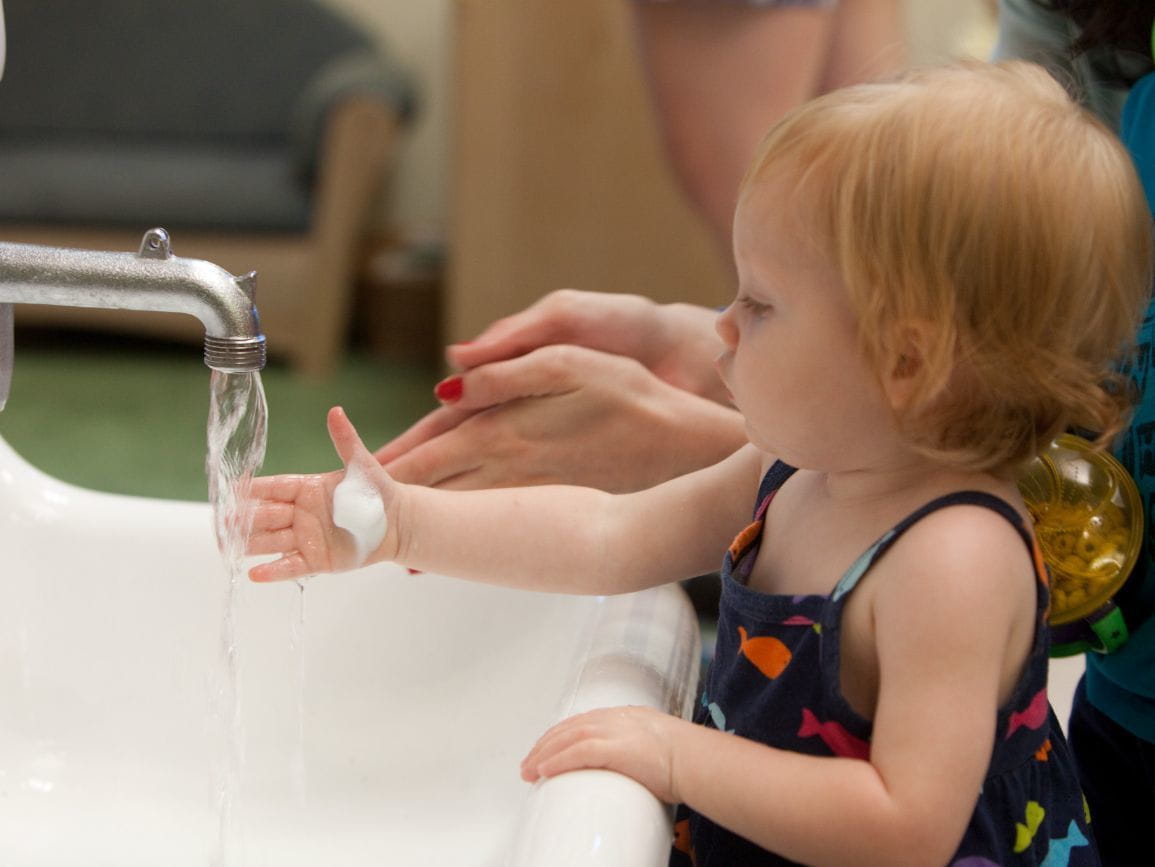
- Handwashing with soap and water, especially after wiping eyes.
- Do not share towels, washcloths, pillowcases, eye makeup, or eye drops.
- Change pillowcases regularly during the acute phase.
- Clean high-touch surfaces and toys as you normally would.
Home care by type
Viral: what to do
Viral conjunctivitis usually improves with time and supportive care.
- Continue cleaning and compresses.
- Use artificial tears if helpful.
- Treat other cold symptoms as appropriate for your child’s age.
Antibiotics do not help viral infections, and unnecessary drops can irritate the eye or cause side effects.
Bacterial: what to do
Mild bacterial conjunctivitis can sometimes clear on its own. Antibiotic eye drops or ointment are still commonly prescribed in toddlers because it can be hard to distinguish bacterial from viral early on, symptoms may improve a bit faster, and daycare policies sometimes require treatment. When antibiotics help, the average benefit is often modest, commonly around 1 to 2 days sooner improvement.
While you are waiting to be seen, keep doing the basics: wipe away discharge, use compresses, and focus on hygiene.
Allergic: what to do
Allergic conjunctivitis is all about reducing triggers and calming the immune response.
- Rinse face and hands after outdoor play and consider a quick bath before bedtime on high pollen days.
- Use cool compresses for itching and swelling.
- Ask your child’s clinician about age-appropriate allergy medicines. Some children benefit from oral antihistamines or allergy eye drops, but toddler-safe options and dosing should be guided by a professional.
- If your child has eczema, asthma, or known seasonal allergies, mention that. It helps connect the dots quickly.
Antibiotics: when they help
Antibiotic drops or ointment are used for suspected bacterial conjunctivitis. They are not routinely needed for viral or allergic conjunctivitis.
Contact your clinician if:
- There is thick yellow or green discharge that reappears soon after wiping.
- Eyelids are frequently matted shut.
- Symptoms are getting worse after 2 to 3 days instead of slowly improving.
- Your child has a higher-risk situation (your clinician will guide you), such as certain immune problems.
- Your child also has ear pain or a new ear infection is suspected. Some kids get an ear infection plus conjunctivitis at the same time and may need oral antibiotics.
If your toddler is prescribed antibiotic drops
- Use them exactly as directed and finish the course unless your clinician tells you otherwise.
- Do not share eye medication between children.
- If it is an ointment, it can blur vision briefly, so bedtime can be an easier time to apply.
Contact lenses
Most toddlers do not wear contacts, but if your child does, contact lens wear plus a red painful eye needs prompt medical evaluation due to higher risk of corneal infection.
When to see a doctor
Many cases can be handled with a routine call to your pediatrician, but some situations should be evaluated quickly.
Call within 24 hours if:
- Your toddler has significant discharge, especially yellow or green.
- Symptoms are not improving after 2 to 3 days of supportive care.
- Your child is younger than 2 months (always call for eye issues in very young babies).
- You suspect allergic conjunctivitis and need help choosing a safe treatment plan.
Seek urgent care today (or emergency care) if:
- Moderate to severe eye pain, not just mild irritation.
- New or significant light sensitivity.
- Vision changes (blurry vision that does not clear after wiping, trouble focusing, or saying they cannot see well).
- Worsening redness and swelling around the eye, especially with tenderness or your child looking ill. This can be a sign of preseptal (periorbital) cellulitis or, more seriously, orbital cellulitis and needs same-day evaluation.
- Fever with worsening eye symptoms or a child who is unusually sleepy, inconsolable, or not drinking well.
- Inability to open the eye, or the eye seems stuck shut due to pain rather than crusting.
- Eye injury, scratch, chemical exposure, or a foreign body sensation that will not go away.
- Cloudy-looking cornea (the clear front surface of the eye looks hazy).
If your parent gut says “this looks different” or “they are really uncomfortable,” it is absolutely okay to call. That is what pediatric offices are for.
How long does pink eye last?
- Viral: commonly 7 to 14 days, sometimes longer.
- Bacterial: may improve in a few days; with antibiotics, many kids feel better within 1 to 2 days, but finish the full course.
- Allergic: lasts as long as exposure continues, but symptoms can improve quickly with trigger control and appropriate allergy treatment.
Preventing repeat infections
You do not need to sterilize your home like a hospital room, but a few habits make a noticeable difference.
- Teach “hands away from eyes” and reinforce handwashing after wiping noses.
- Use separate towels and washcloths for each child during illness.
- Wash pillowcases and comfort items that touch the face.
- If your child uses a lovey at night, consider having a backup so you can wash one.
Pink eye FAQ
Can pink eye cause a fever?
Pink eye itself does not usually cause a high fever, but viral pink eye often comes with a cold virus that can cause fever. If your toddler has a fever and looks quite unwell, check in with your clinician.
Can I use leftover antibiotic eye drops?
It is best not to. Old drops may be expired or contaminated, and the medication may not be the right one for this episode. Contact your child’s clinician for advice.
Is green discharge always bacterial?
Not always. Viral infections can produce thicker mucus too. Persistent thick discharge that quickly returns after wiping makes bacterial infection more likely, but the whole symptom picture matters.
Do I need to wash all the stuffed animals?
If a stuffed animal is used as a face wipe or sleep buddy, yes, washing it is a good idea. Otherwise, focus on the items that touch your child’s face and hands the most.
The bottom line
Most toddler pink eye is uncomfortable but manageable. Watch the discharge pattern, look for itching and allergy clues, and lean on supportive care while keeping hygiene tight. If symptoms are severe, your child seems truly uncomfortable, or you see red flags like pain, light sensitivity, vision changes, or swelling around the eye, get seen urgently.
If you call your pediatrician, it helps to have a quick “snapshot” ready: your child’s age, whether one eye or both, discharge color and thickness, itching, cold symptoms, fever, and any eye pain or light sensitivity. Those details make triage faster and safer.