Pinworms in Kids: Symptoms, Treatment, and Preventing Reinfection

Sarah Mitchell
Sarah Mitchell is a Registered Pediatric Nurse and a mother of three who has spent over a decade helping families navigate the beautiful, chaotic early years of childhood. She combines evidence-based medical knowledge with real-world parenting experience to offer practical, compassionate advice. At Awesome Parent, Sarah's mission is to help exhausted parents find solutions, trust their instincts, and finally get some sleep.
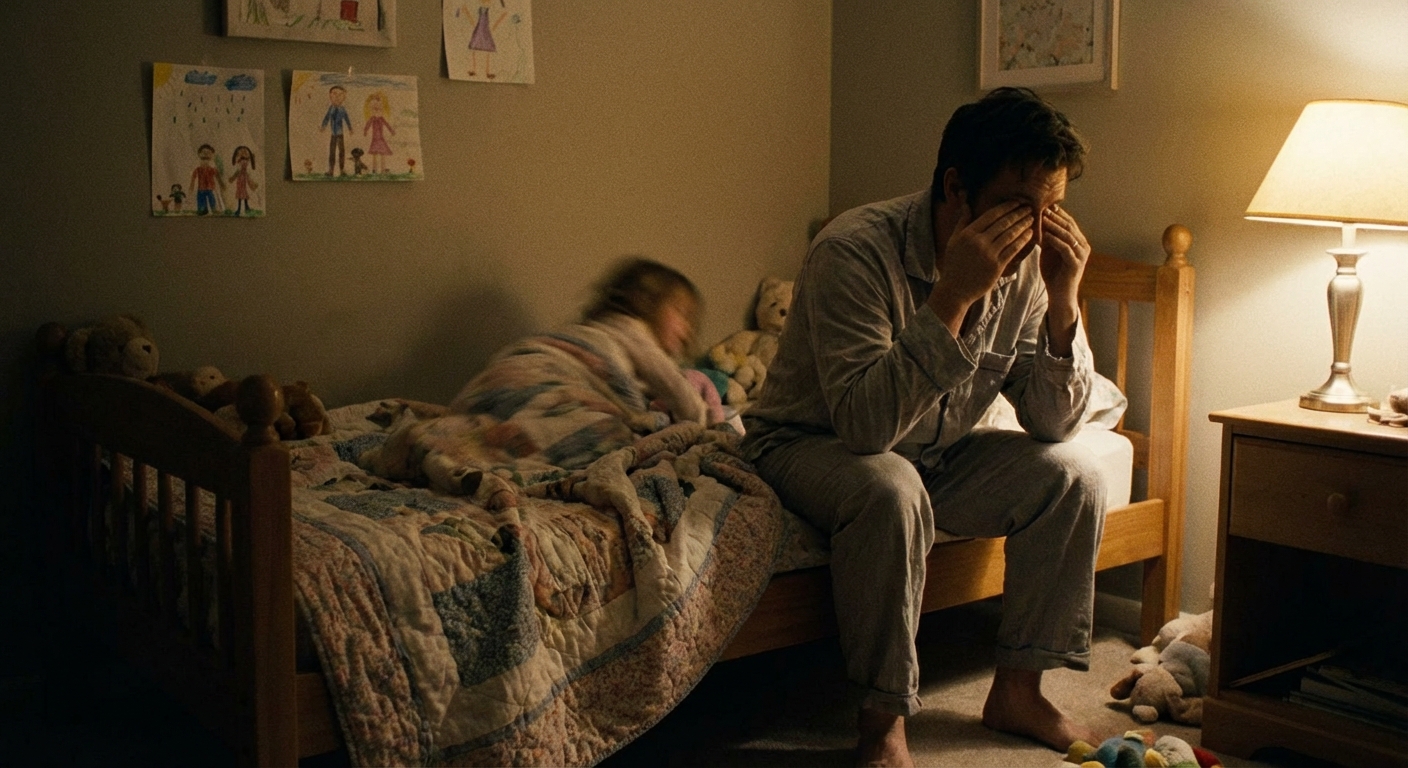
If your child is suddenly waking up scratching their bottom at night, take a deep breath. Pinworms are extremely common in kids, especially preschool and early elementary ages. They are not a sign of a dirty home or “bad hygiene.” They are a sign that your child is, well, a child who touches everything and then forgets to wash their hands like it is their job to forget.
The good news: pinworms are usually more annoying than dangerous, and treatment is straightforward. The tricky part is preventing reinfection, because the eggs are sneaky. I’ll walk you through symptoms, how kids catch them, treatment options (over-the-counter and prescription), and a realistic cleaning protocol that actually works.
Note: This article is general information and not a substitute for medical advice. When in doubt, call your child’s clinician.
What are pinworms?
Pinworms are tiny intestinal worms (most commonly Enterobius vermicularis). They live mainly in the large intestine (colon). At night, the female worm crawls to the area around the anus to lay eggs. That egg-laying is what causes the classic nighttime itching.
Pinworms are especially common in group settings like daycare, preschool, and elementary school because kids share spaces, touch surfaces, and put fingers in mouths. It is basically a perfect storm.
Pinworm symptoms in kids
Some children have no symptoms at all. Others are miserable, especially at night.
Common symptoms
- Itching around the anus, especially at night
- Restless sleep or frequent waking
- Irritability or being more emotional than usual (sleep loss does that to all of us)
- Scratching that can lead to mild skin irritation
- Vaginal itching or irritation in girls (worms can migrate to nearby areas)
Less common symptoms
- Mild stomach pain
- Nausea or decreased appetite
- Bedwetting or urinary symptoms in some kids (often from irritation and disrupted sleep)
What pinworms look like
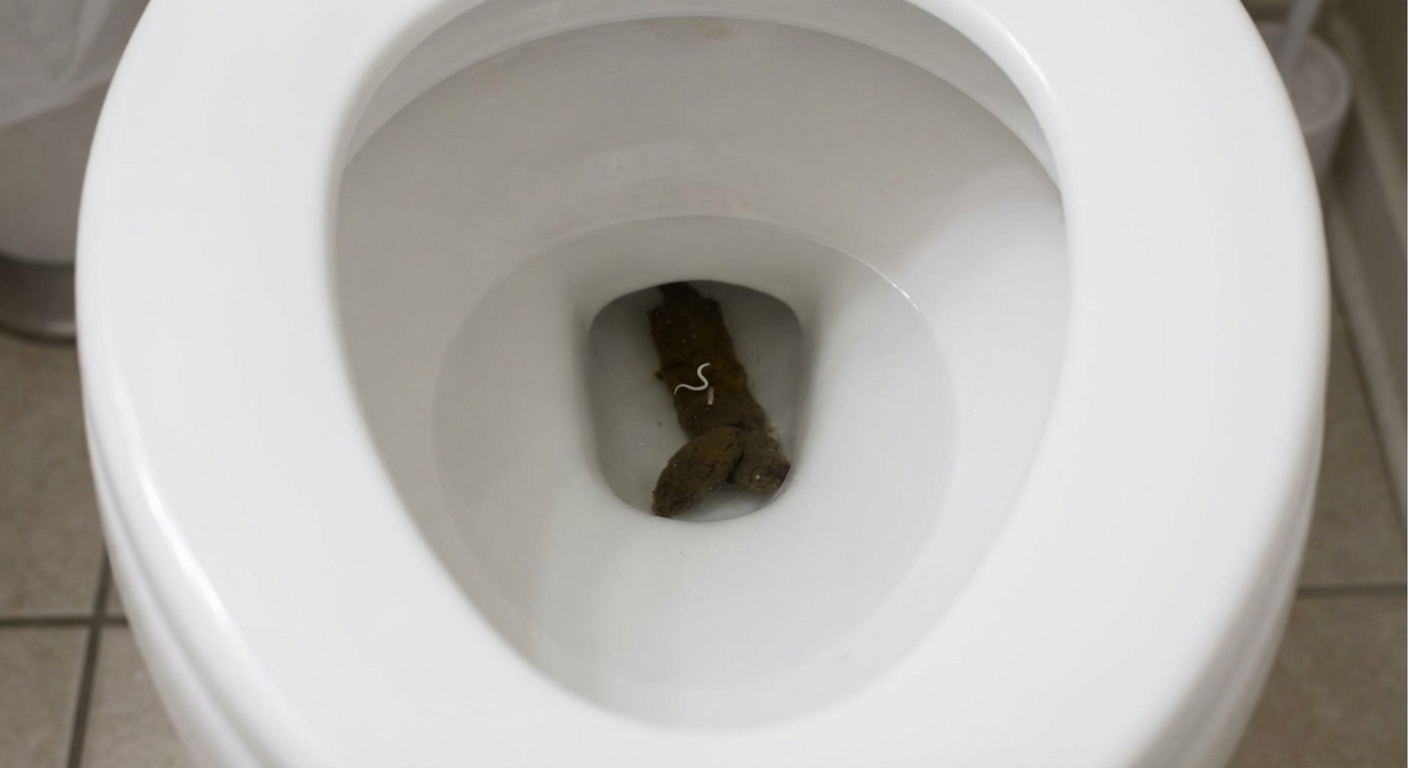
Pinworms look like tiny white threads. They are usually about the length of a staple (roughly 1 cm), sometimes smaller. You might see them:
- On the skin near the anus (often at night)
- On underwear or pajamas in the morning
- In the stool (less common, but possible)
How kids get pinworms
Pinworms spread through a simple cycle:
- Eggs get on hands (usually after scratching an itchy bottom).
- Eggs get swallowed (fingers in mouth, food touched with unwashed hands).
- Eggs hatch in the intestines and mature into worms.
- At night, worms lay eggs around the anus, which causes itching.
- Scratching spreads eggs to hands, under fingernails, bedding, clothing, and surfaces.
Eggs can survive on surfaces for a while, and many public health sources describe survival for up to about 2 to 3 weeks in favorable conditions. That is why reinfection is so common. This is not because you “didn’t clean enough.” It is because the eggs are microscopic and kids are enthusiastic germ distributors.
How to check at home
1) Look during the night
If you suspect pinworms, check after your child has been asleep for a while. Use a flashlight and look around the anus. This is often when you can actually see them.
2) The tape test
Your pediatrician may recommend a tape test to confirm. The basic idea is to press clear tape against the skin around the anus first thing in the morning (before a bath or bathroom) and then bring it in for testing. If you are considering this, call your clinic so they can tell you exactly how they want it done and how to store and transport the sample.
In real life, many families treat based on classic symptoms and exposure, especially if pinworms are going around school or you can see them.
Treatment options
Pinworms are typically treated with a medicine that kills the worms. Because eggs can survive and hatch later, treatment usually involves two doses: one now, then another dose about 2 weeks later. That second dose is often the difference between “We’re done” and “Why are we doing this again?”
Over-the-counter (OTC)
Pyrantel pamoate is available over the counter in many places and is commonly used for pinworms. Dosing is based on weight, so read the package carefully and use an accurate weight if you can. OTC availability and age guidance can vary by country, so follow your local label and clinician advice.
- Pros: accessible, no prescription needed (in many regions)
- Cons: may not be appropriate for all ages or situations, dosing matters
Prescription
Pediatricians often prescribe:
- Mebendazole
- Albendazole
These are very effective and are commonly given as one dose now and one dose in 2 weeks, depending on the medication and your clinician’s guidance. Recommendations can vary by age and jurisdiction.
Do we treat the whole family?
Sometimes yes, and sometimes a clinician will focus on the child plus close contacts. Guidance varies by clinic and country, and it also depends on safety considerations (especially for pregnancy, breastfeeding, and very young children).
Many clinicians recommend treating household members at the same time when:
- More than one person has symptoms
- You have young kids who share baths, beds, or lots of toys
- Reinfection has already happened
Your pediatrician can advise based on ages, pregnancy status, and health history.
Important safety notes
- Call your child’s clinician before treating if your child is under 2 years old, has significant medical conditions, or is on other medications.
- Pregnancy or breastfeeding: ask a clinician before taking pinworm medication.
- Do not use multiple products “just to be safe.” More is not better here.
How long until itching improves?
Many kids start to feel better within a few days, but itching can linger from irritated skin even after the worms are gone. If itching is not improving after treatment (or it improves and then quickly returns), talk with your clinician about reinfection, dosing, or whether something else might be going on.
Cleaning to prevent reinfection
This is the part that makes parents feel like they should rent a carpet shampooer and quit their jobs. You do not need to disinfect your entire life. You do need a focused plan for about two weeks, especially around the first few days of treatment.
Think “hands, nails, laundry, mornings.” That is where you get the biggest payoff.
First 2 to 3 days
- Morning bath or shower for your child to wash away eggs laid overnight. (Morning is more helpful than bedtime.)
- Fresh underwear and clothes each morning.
- Change bedding the first morning after treatment starts.
- Wash pajamas, underwear, towels, washcloths, and bedding in hot water if the fabric allows, then dry thoroughly.
- Trim fingernails short and scrub under nails with soap and water.
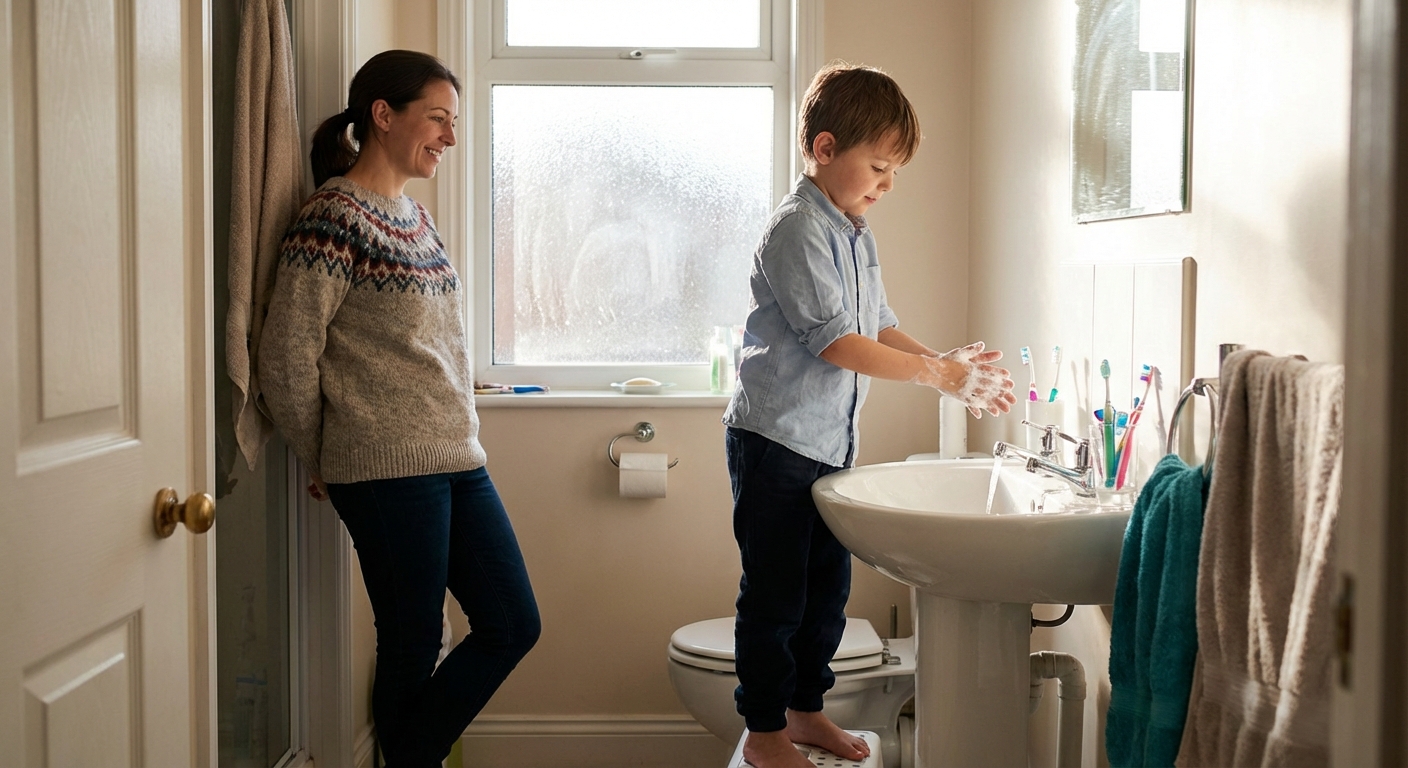
- Handwashing with soap and water after bathroom use and before eating, especially in the morning before breakfast. This is the hill we die on.
- Skip towel sharing for now. Give each child their own towel and washcloth.
Next 2 weeks
- Daily morning underwear change and reinforce handwashing.
- Regular laundry routine for underwear, pajamas, towels, washcloths, and bedding. You do not need to launder every single blanket in the house daily, but do prioritize what touches bare skin.
- Discourage scratching and nail biting as much as possible. If your child is a thumb-sucker, this is a tough week. Focus on washing hands and offering a comfort item that can be washed.
- Wipe down high-touch surfaces (bathroom doorknobs, faucet handles, toilet flush handle, light switches) every day or two.
- Vacuum or damp-dust bedrooms and play areas a couple times a week. (Avoid aggressive dry dusting that can stir things up.)
What you do not need to do
- You do not need to fumigate your home.
- You do not need to throw away stuffed animals. If your child sleeps with one, wash it or run it through the dryer if the tag allows.
- You do not need to bleach every surface. Normal household cleaning is fine.
School and daycare
This is one of the most common questions, and I get it. Pinworms come with extra embarrassment, even though they are unbelievably common.
In many childcare and school settings, yes, you should notify them, because:
- They may already be seeing cases and can remind families about symptoms and handwashing.
- They can step up bathroom and surface cleaning.
- They can watch for outbreaks.
Return-to-school rules vary. Many kids can attend once treatment has started, but it depends on your school or daycare policy. If you are unsure, call the office and ask what they require.
Script you can use: “My child is being treated for suspected pinworms. I wanted to let you know so you can watch for symptoms and reinforce handwashing.”
Stigma
Let’s say this clearly: pinworms are not a reflection of cleanliness or parenting quality. They spread because kids are in close contact, have developing hygiene habits, and share bathrooms and toys. I have cared for kids from every background and I have seen pinworms in families who do everything “right.”
If you are feeling embarrassed, you are not alone. But your child needs calm, practical action, not shame. Treat it, clean strategically, and move on.
When to call the pediatrician
Pinworms are usually manageable at home, but call your child’s clinician if:
- Your child is under 2 years old
- Symptoms are severe or not improving after treatment
- You are unsure about dosing or which medication to use
- Your child has significant redness, pain, bleeding, or signs of skin infection from scratching
- Your child has vaginal pain or discharge, urinary pain, or persistent genital irritation
- Reinfection keeps happening despite treatment and a reasonable cleaning plan
- You are pregnant or breastfeeding and need treatment guidance for yourself
What else could it be?
Not every itchy bottom is pinworms. Other common culprits include irritated skin or dermatitis, eczema, constipation with small fissures, and (less commonly) other infections. If the symptoms do not fit, you cannot see worms, or treatment is not helping, your clinician can help you sort it out.
Quick FAQ
Can pinworms go away without treatment?
Sometimes symptoms may wax and wane, but the cycle often continues, and reinfection is common. Treatment is usually recommended because it is effective and reduces spread.
Are pinworms dangerous?
In most kids, no. They are mainly a quality-of-life problem due to itching and sleep disruption. Complications are uncommon but can include skin irritation from scratching and, in girls, genital irritation.
Will my child have them forever?
No. With the right medication schedule and a focused hygiene and laundry plan, most families clear pinworms quickly. The second dose and the handwashing routine are the MVPs.
Should siblings be treated even if they are not itchy?
Sometimes clinicians recommend treating household members due to easy spread, but it depends on ages, pregnancy or breastfeeding status, and other health factors. When in doubt, call your pediatrician for a household plan.
A simple 7-day plan
- Day 1: Treat (first dose). Trim nails. Morning bath. Change bedding that night or next morning.
- Days 2 to 3: Morning bath, clean underwear daily, wash towels and pajamas, wipe high-touch bathroom surfaces.
- Days 4 to 7: Keep handwashing consistent, keep nails short, wash bedding once more during the week, vacuum bedrooms once.
Then: Give the second dose at about 2 weeks (or as directed). Keep the handwashing habit going, because it protects against a lot more than pinworms.
If you are reading this late at night because your child cannot stop scratching, I’m sending you the calm triage-nurse energy you deserve. This is fixable. You are not alone. And yes, you will sleep again.