Weeks after strep, some kids develop joint pain, heart inflammation, unusual movements, or a faint rash. Here is what to watch for, what testing can show, an...
Post-Streptococcal Reactive Arthritis in Kids

Sarah Mitchell
Sarah Mitchell is a Registered Pediatric Nurse and a mother of three who has spent over a decade helping families navigate the beautiful, chaotic early years of childhood. She combines evidence-based medical knowledge with real-world parenting experience to offer practical, compassionate advice. At Awesome Parent, Sarah's mission is to help exhausted parents find solutions, trust their instincts, and finally get some sleep.
I have talked with a lot of parents who thought they were “done” with strep, only to have a new problem pop up a week or two later. The most common curveball is joint pain: a limping child who was fine yesterday, or a swollen knee that seems to come out of nowhere. Most of the time it is not an emergency, but it is something we take seriously because a few different post-strep conditions can look similar at first. And to balance the reassurance with safety: a very hot, very swollen joint with fever is an emergency and needs same-day care.
One possibility is post-streptococcal reactive arthritis, often shortened to PSRA. It can happen after strep throat or scarlet fever and causes joint inflammation without the full “classic” picture of rheumatic fever.

What is PSRA?
PSRA is joint inflammation that shows up after a strep infection (group A strep). It typically causes pain, swelling, warmth, and reduced movement in one or more joints. It is called “reactive” because the joint symptoms are triggered by the immune response after the infection, not because the bacteria are actively infecting the joint.
It most often appears around 7 to 10 days after strep, and typically within 1 to 2 weeks overall (sometimes sooner, sometimes a bit later). A child may have had:
- Strep throat with fever and sore throat
- Scarlet fever (strep plus a sandpapery rash)
- Or a strep infection that was mild or not recognized at the time
Important reassurance: PSRA is not the same diagnosis as acute rheumatic fever, but we evaluate carefully because the “after strep” timing overlaps.
Common signs parents notice
Every kid is different, but PSRA often looks like this at home:
- Joint pain that can be significant, sometimes out of proportion to what you see
- Swelling in a joint (knee and ankle are common)
- Warmth and tenderness over the joint
- Limping or refusing to bear weight
- Stiffness, especially after resting
- More than one joint involved in some children
Kids may or may not still have other “strep recovery” symptoms like fatigue or low appetite. Some have no fever at the time the joint symptoms begin.

Why the timeline matters
When joint symptoms follow strep, we think about a few key possibilities:
- PSRA (post-streptococcal reactive arthritis)
- Acute rheumatic fever (ARF), a broader inflammatory illness that can involve the heart
- Post-streptococcal glomerulonephritis (PSGN), a kidney complication that can cause dark urine and swelling
- Juvenile idiopathic arthritis (JIA), a chronic inflammatory arthritis not caused by a recent infection
- Other post-viral joint issues, like transient synovitis after a viral illness, which can also cause limping and hip or leg pain
The early symptoms can overlap. The job of your child’s clinician is to look for the “tells” that separate these conditions, and to decide who needs urgent evaluation versus close follow-up.
PSRA vs rheumatic fever
PSRA and acute rheumatic fever both can happen after strep, but they behave differently.
1) Timing after strep
- PSRA: often starts sooner, commonly within about 7 to 10 days after the throat infection (typically within 1 to 2 weeks).
- Acute rheumatic fever: more often begins later, commonly around 2 to 4 weeks after strep.
2) Pattern of joint involvement
- PSRA: can be persistent in one joint or involve multiple joints. It does not have the classic “moves from joint to joint” pattern.
- Acute rheumatic fever: classically causes migratory arthritis, meaning a joint is very painful for a short time, improves, then another joint becomes inflamed.
3) Response to anti-inflammatory medicine
- PSRA: often has a less dramatic response to aspirin or NSAIDs (like ibuprofen). Kids may improve, but not overnight.
- Acute rheumatic fever: the joint pain often improves quickly and dramatically with anti-inflammatory treatment.
4) The “extra” symptoms clinicians look for
Acute rheumatic fever is diagnosed using a set of clinical criteria and may include:
- Carditis (inflammation of the heart) which may show up as shortness of breath, chest pain, fast heartbeat, reduced exercise tolerance, new murmur, or unusual fatigue
- Chorea (uncontrolled, jerky movements)
- Specific rashes and painless nodules under the skin
PSRA is more “joint-focused” and does not usually come with that full constellation.
5) Heart evaluation can be part of the workup
This is one area where parents hear different things, and it can be confusing. PSRA is generally considered distinct from acute rheumatic fever, and the risk of later heart inflammation appears to be low and is debated in the medical community.
That said, some clinicians still consider screening for heart involvement based on the child’s symptoms, exam, and local practice patterns. This may include an ECG and/or an echocardiogram. Sometimes a clinician will also discuss a period of antibiotic prophylaxis while follow-up is arranged. The goal is to be cautious when the diagnosis is not crystal clear, not to imply that “silent carditis” is expected.
PSRA vs kidney complication (PSGN)
Post-streptococcal glomerulonephritis (PSGN) is a kidney inflammation that can happen after strep throat or a skin strep infection (like impetigo). It does not primarily cause swollen, painful joints. The home clues are more “kidney and fluid” related.
One timeline detail that helps: PSGN often shows up about 1 to 3 weeks after strep throat (and sometimes longer after skin infections). So urine changes can appear later than the sore throat.
Signs that point more toward PSGN than PSRA
- Dark, tea-colored, or cola-colored urine
- Foamy urine (from protein in the urine)
- Puffy face or eyelids, especially in the morning
- Swelling of hands, feet, or ankles that looks like fluid retention, not a hot tender joint
- High blood pressure (you would not know without a check, but headaches or vomiting can be clues)
- Decreased urination
If your child has joint symptoms plus dark urine, facial puffiness, or new swelling, that is a same-day call or visit. I would rather you be told “kidneys look fine” than sit on those symptoms.
PSRA vs JIA
Juvenile idiopathic arthritis is a chronic inflammatory arthritis that is not caused by strep. Sometimes families first notice JIA after an illness because they are paying closer attention, but JIA is diagnosed based on the pattern and duration of symptoms, not a recent infection.
Clues that may suggest JIA instead of PSRA
- Symptoms lasting more than 6 weeks
- Daily morning stiffness that improves as the day goes on
- Swelling that lingers rather than gradually resolving
- Recurring flares with no clear infection trigger
- Unexplained fevers, rash, or weight loss (depends on JIA type)
PSRA can last weeks in some kids, so the line is not always obvious on day one. That is why follow-up matters. If joint symptoms are not improving as expected, your child may need referral to pediatric rheumatology.
How PSRA is diagnosed
There is no single “PSRA test.” Diagnosis is based on the overall story and exam, plus tests that help confirm a recent strep infection and rule out other causes.
What your child’s clinician may do
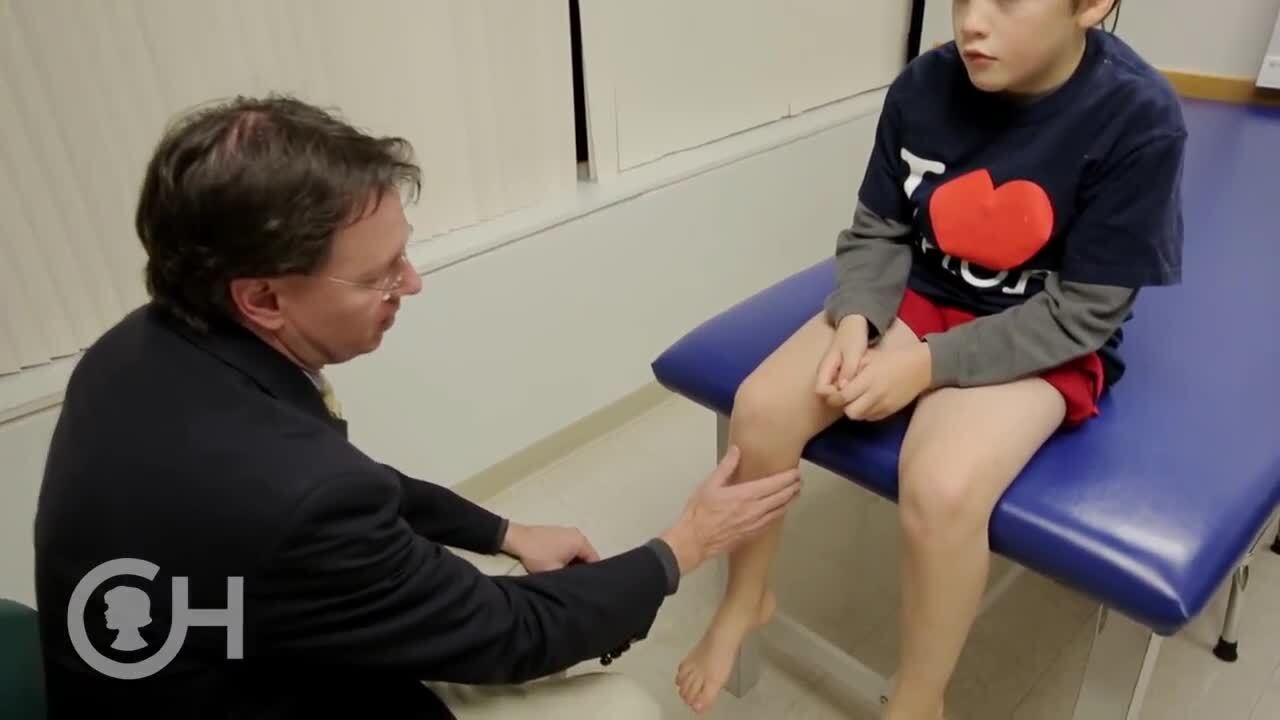
- History and exam: which joints, how long, any fever, rash, breathing symptoms, chest pain, dark urine, or neurologic symptoms
- Strep testing: throat swab if still symptomatic, and often blood tests that suggest a recent strep infection (commonly ASO or anti-DNase B titers)
- Inflammation labs: markers like ESR or CRP can be elevated in many inflammatory conditions
- Urinalysis and blood pressure if kidney involvement is a concern
- Imaging: sometimes an X-ray or ultrasound of a very swollen joint, mainly to rule out injury or other problems
- Joint aspiration (only in certain cases): if the joint is very hot, very swollen, or the child has fever or severe pain, clinicians may need to rule out septic arthritis
One practical point: if your child is limping or refusing to walk, clinicians take that seriously. Not because it is always dangerous, but because a few urgent conditions can start the same way.
Treatment and what to expect
Treatment depends on your child’s symptoms and whether strep was fully treated.
1) Treating the strep infection
If strep was not treated, or treatment is uncertain, clinicians typically prescribe an appropriate antibiotic to eradicate group A strep. This is important even if the sore throat is long gone. Antibiotics also help prevent ongoing transmission and reduce the risk of acute rheumatic fever when given promptly for strep throat. PSRA can still occur because it is immune-mediated.
2) Managing joint pain and inflammation
- NSAIDs (like ibuprofen or naproxen) are commonly used. Your child’s clinician will advise the right dose and schedule.
- Rest and gentle movement: kids often need a couple of quiet days, then gradual return to activity as pain improves.
- Heat or warm baths can ease stiffness for some children.
3) Follow-up and course
Many kids improve over days to a few weeks, but symptoms can last longer in some children. Some also have symptoms that fade and flare for a period of time. Follow-up may include repeat exams, tracking which joints are involved, and sometimes referral to pediatric rheumatology if symptoms persist or the pattern starts to look less “post-infectious.”
As a triage nurse, one of my most common conversations is helping a parent decide between “watch at home” and “needs to be seen.” With PSRA, you usually do not need the emergency department, but you often do need a timely clinic visit to confirm what is going on.

Symptoms that need urgent care
If your child has joint pain after strep or scarlet fever, call your pediatrician the same day or seek urgent care today if you notice any of the following:
- Refusing to walk or unable to bear weight
- High fever or your child looks very ill
- A single joint that is very hot, very swollen, and extremely painful (especially hip or knee), which can signal septic arthritis
- Shortness of breath, chest pain, new fast breathing, or unusual fatigue (possible heart involvement)
- Dark, tea-colored urine, bloody urine, or markedly decreased urination
- Facial puffiness, swelling around the eyes, or generalized swelling in hands and feet
- Severe headache, repeated vomiting, or new confusion (can be seen with high blood pressure)
- New jerky, uncontrolled movements or significant clumsiness that is out of character
- Rapidly spreading rash with illness or any rash plus trouble breathing or swelling of lips or face
If you are reading this at night and your gut is telling you something is off, trust that. You can always start with your nurse line if you have one.
What to do at home
- Write down the timeline: when strep symptoms started, when antibiotics started (if any), and when joint symptoms began.
- Note which joints are affected and whether pain “moves” from one joint to another.
- Check temperature and keep track of fevers.
- Look at urine at least once: normal yellow versus dark brown or red-tinged.
- Offer fluids and keep activity gentle.
- Use medication only as directed: if you are not sure about dosing or your child has kidney concerns, ask before giving NSAIDs.
And a small but real-life tip: if your child is limping, put them in easy-on shoes and bring a stroller or wagon if you have a long walk into the clinic. I have watched too many parents try to “tough it out” across a parking lot.
Frequently asked questions
Can PSRA happen even if my child took antibiotics for strep?
Yes. Antibiotics treat the infection, but PSRA is an immune reaction that can still occur. If your child completed antibiotics and later develops joint symptoms, it still deserves evaluation.
Is PSRA contagious?
PSRA itself is not contagious. The original strep infection can be contagious, especially before antibiotics have been taken for about 24 hours. If your child is newly sick with sore throat and fever again, they may need repeat testing.
How long does PSRA last?
Many children improve over days to a few weeks, but some take longer. If symptoms are persisting, returning, or interfering with normal life, follow-up is important to reassess the diagnosis and treatment plan.
Will my child need heart tests?
Sometimes. If the history or exam raises concern for rheumatic fever, or if the diagnosis is not completely clear, clinicians may recommend an ECG and/or an echocardiogram. The goal is to be cautious, not scary.
Could this just be “growing pains”?
Growing pains typically happen at night, often in both legs, and do not cause visible swelling, warmth, or limping. Joint swelling after a recent infection is not something I would chalk up to growing pains.
The bottom line
Joint pain and swelling after strep throat or scarlet fever can be post-streptococcal reactive arthritis. It is real, it is treatable, and it usually improves with time and anti-inflammatory support. The key is making sure your child does not have signs of rheumatic fever (especially heart symptoms), a kidney complication like PSGN (dark urine, puffiness, swelling), or a different chronic arthritis pattern like JIA.
If your child is limping, has a very hot swollen joint, has dark urine, swelling around the eyes, chest symptoms, or simply looks unwell, please get urgent care.
Sarah Mitchell
Sarah Mitchell is a Registered Pediatric Nurse and a mother of three who has spent over a decade helping families navigate the beautiful, chaotic early years of childhood. She combines evidence-based medical knowledge with real-world parenting experience to offer practical, compassionate advice. At Awesome Parent, Sarah's mission is to help exhausted parents find solutions, trust their instincts, and finally get some sleep.