Not all postpartum headaches and swelling are “normal.” Learn postpartum preeclampsia symptoms, how it differs from routine recovery, and exactly when to...
Postpartum Night Sweats: How Long They Last and Warning Signs

Sarah Mitchell
Sarah Mitchell is a Registered Pediatric Nurse and a mother of three who has spent over a decade helping families navigate the beautiful, chaotic early years of childhood. She combines evidence-based medical knowledge with real-world parenting experience to offer practical, compassionate advice. At Awesome Parent, Sarah's mission is to help exhausted parents find solutions, trust their instincts, and finally get some sleep.
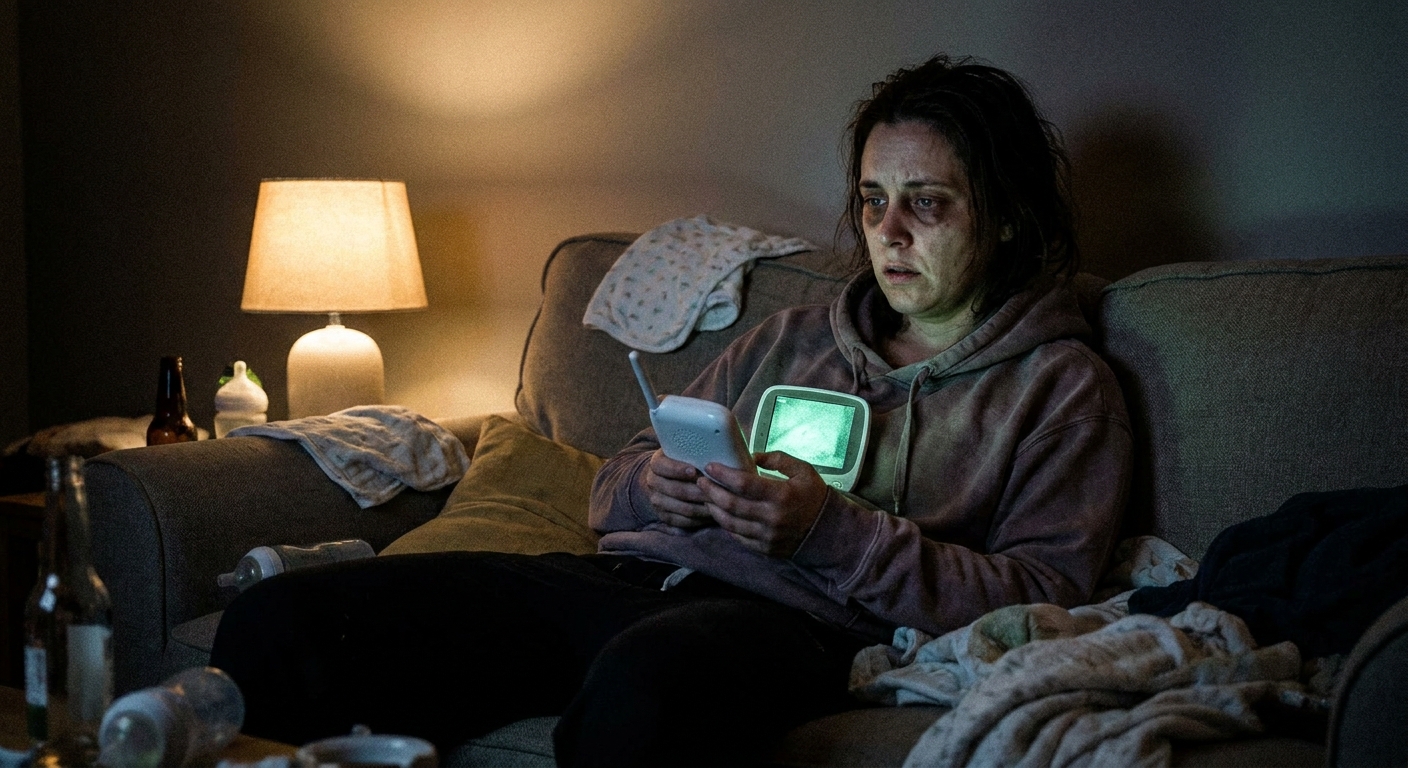
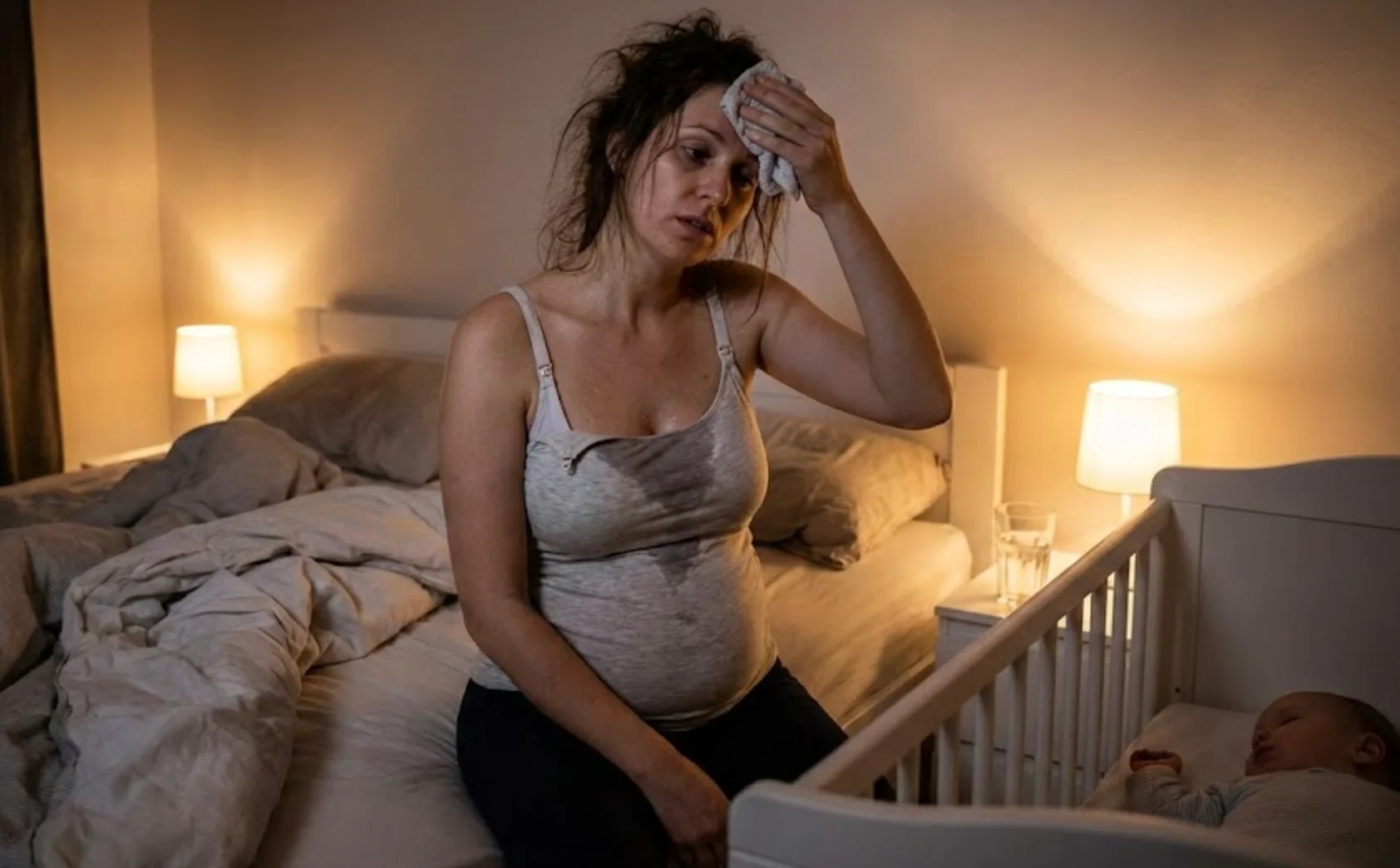
If you are waking up drenched, you are not alone. Postpartum night sweats are one of those “why did nobody mention this?” symptoms. As a pediatric nurse, I spent years talking families through baby concerns, but after I had my own kids I learned quickly that moms’ bodies do some truly wild things too.
The good news is that postpartum night sweats are usually a normal part of recovery. The important part is knowing what is typical, what actually helps at 3 AM, and what symptoms should prompt a call to your clinician.
Why postpartum night sweats happen
Night sweats after birth are most often caused by two big, normal shifts:
- Hormone changes: After delivery, estrogen and progesterone drop quickly. That hormonal whiplash can affect your temperature regulation and trigger sweating, especially at night.
- Fluid shifts: During pregnancy your body holds on to extra fluid. After birth, you get rid of it through peeing and sweating. Many parents notice they are in the bathroom constantly in the first week or two, and the sheets take a hit too.
If you are breastfeeding, your hormones continue to fluctuate. Estrogen often stays relatively lower while prolactin is high, which may contribute to feeling warmer or having night sweats for longer.
How long do postpartum night sweats last?
For many people, postpartum night sweats are strongest in the first 1 to 2 weeks after delivery and then gradually improve. But there is real variation, especially with feeding method, sleep deprivation, stress, medications, and room temperature.
- Common timeline: many people notice improvement by 2 to 4 weeks postpartum
- Can be longer: some parents have intermittent night sweats for 6 weeks or occasionally beyond, especially while breastfeeding or during periods of poor sleep
If you are still having frequent, drenching night sweats after 6 weeks or they are getting worse instead of better, it is reasonable to check in with your OB, midwife, or primary care clinician.
What is normal vs not normal?
Common, usually normal sweating
- Waking up sweaty, especially in the first couple of weeks
- Sweating more during longer stretches of sleep (many people notice this)
- Feeling hot and then cooling off quickly after changing clothes
- No fever and you feel basically “postpartum tired,” not ill
When sweating could mean fever or infection
The key difference is that night sweats alone can be normal. Night sweats plus signs of illness need attention.
Call your clinician promptly if you have sweating with any of the following:
- Fever (often defined as 100.4°F or 38°C or higher, especially if persistent, or any fever you are concerned about)
- Chills, body aches, or flu-like feeling
- Worsening uterine or pelvic pain
- Foul-smelling vaginal discharge or heavy bleeding that is increasing instead of tapering
- Red, hot, painful area on the breast, breast swelling, or pain with fever (possible mastitis)
- Burning with urination, urgency, or back pain (possible UTI or kidney infection)
- Incision pain, redness, swelling, drainage after a C-section or perineal repair
If you feel suddenly very unwell, have a high fever, confusion, fainting, or trouble breathing, seek urgent care or emergency evaluation.
Tips that help tonight
You do not need to “tough it out” in a swampy bed. A few small changes can make a big difference.
Keep your setup cool and easy
- Dress in layers: a light nursing tank plus a button-down pajama top is easier than one heavy top.
- Choose breathable fabrics: cotton or bamboo pajamas and sheets tend to trap less heat than synthetics.
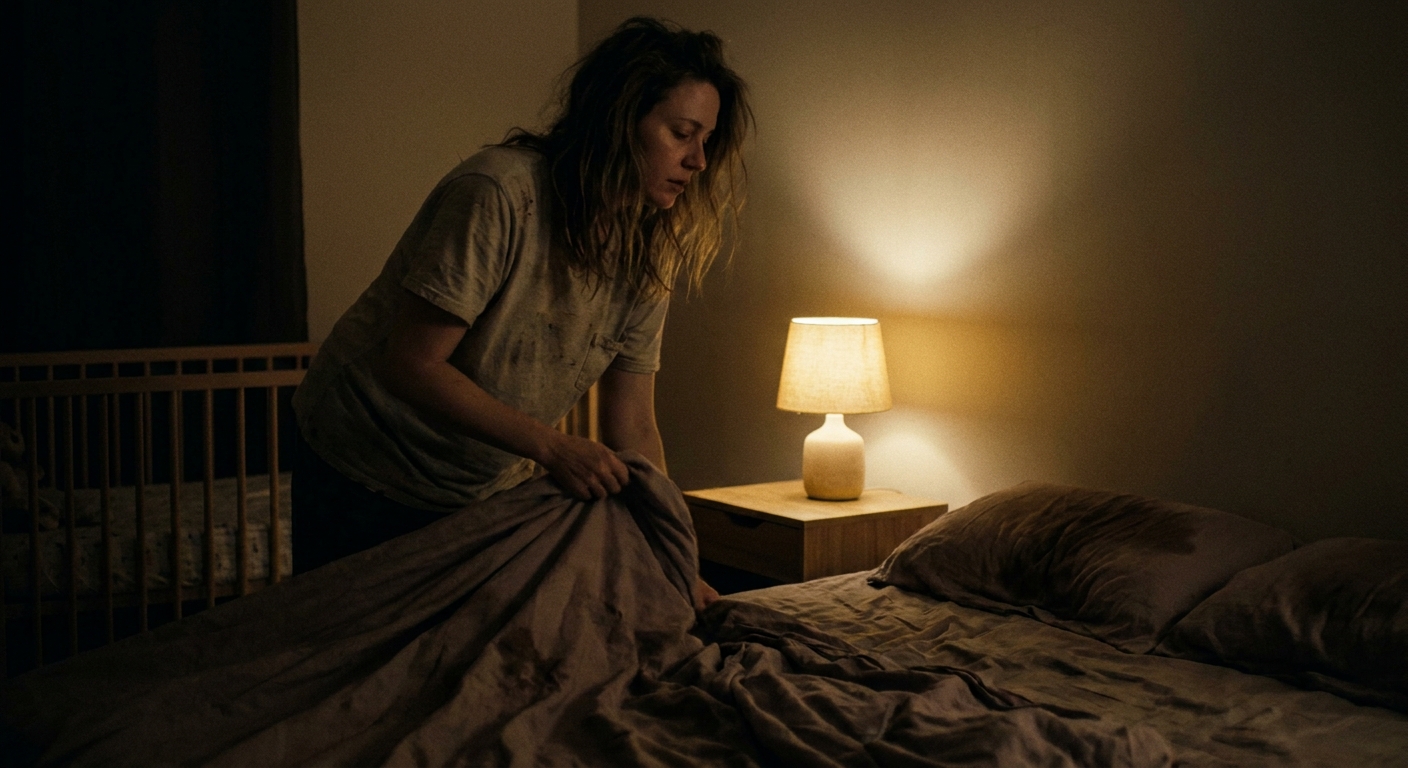
- Make the bed in layers: try a mattress protector, then a fitted sheet, then a breathable towel or washable pad on top where your torso rests. If you soak through, you can pull off that top layer quickly and go back to sleep.
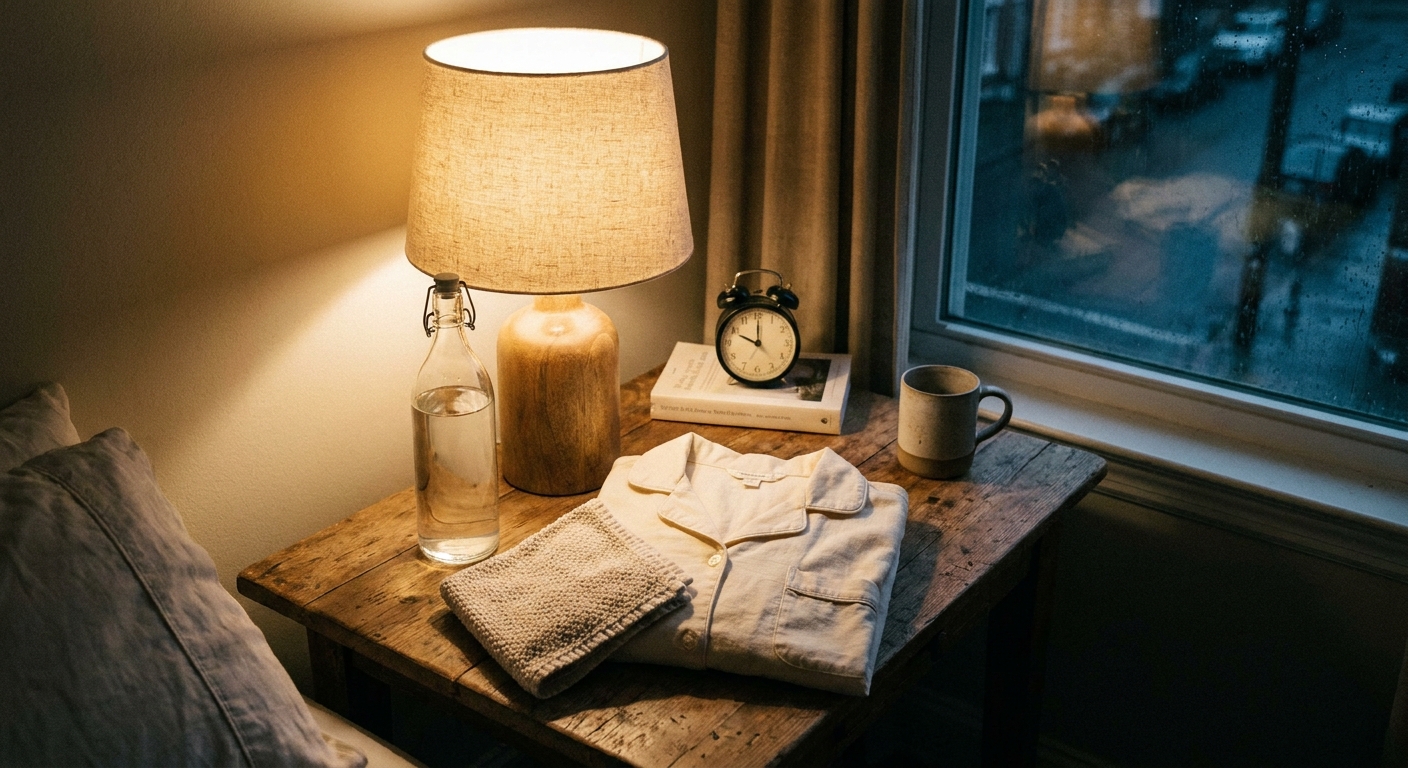
- Keep a spare set nearby: shirt, underwear, and a small towel within arm’s reach. The goal is minimal fully-awake time.
- Use a fan or lower the thermostat: even a small bedside fan can help your body regulate temperature.
Hydration and electrolytes
When you sweat a lot, you lose fluid. Add breastfeeding on top of that and you can feel like a dried-up houseplant.
- Drink to thirst, and keep water at your bedside.
- Add electrolytes if you are sweating heavily or feeling lightheaded, especially in hot weather. A low-sugar electrolyte drink or oral rehydration solution can be useful. Avoid mega-dosing supplements, and if you have kidney disease, heart disease, or blood pressure issues, check with your clinician about what is best for you.
- Watch for dehydration signs: very dark urine, dizziness when standing, pounding headache, or feeling unusually weak.
Sleep hygiene, postpartum edition
No, you cannot just “sleep 8 hours.” But you can make the sleep you do get less sweaty:
- Skip heavy blankets and use lighter layers you can kick off.
- Take a quick lukewarm rinse if you wake up soaked and it helps you reset.
- Avoid overheating before bed: hot showers and very warm rooms can worsen sweating.
Other causes to rule out
Most postpartum night sweats are hormonal and temporary. But persistent or intense symptoms can sometimes point to other postpartum conditions that deserve medical attention, or to something unrelated to birth that happens to show up now.
If sweating is persistent or comes with unexplained fever, weight loss, palpitations, swollen lymph nodes, or you just feel “not right,” schedule an evaluation. Medication side effects (including some antidepressants), postpartum anxiety or panic , anemia, thyroid problems, and infections are all worth considering.
Postpartum thyroiditis
Some people develop inflammation of the thyroid in the months after birth. It can cause a brief phase of hyperthyroid symptoms (too much thyroid hormone) and sometimes later a hypothyroid phase (too little).
Contact your clinician if sweating comes with:
- Rapid heartbeat or feeling “revved up”
- New anxiety, shakiness, tremor
- Unexplained weight loss or inability to tolerate heat
- Later symptoms like fatigue beyond expected, constipation, dry skin, feeling cold
A simple blood test (TSH and thyroid hormones) can help sort this out.
Postpartum preeclampsia and blood pressure
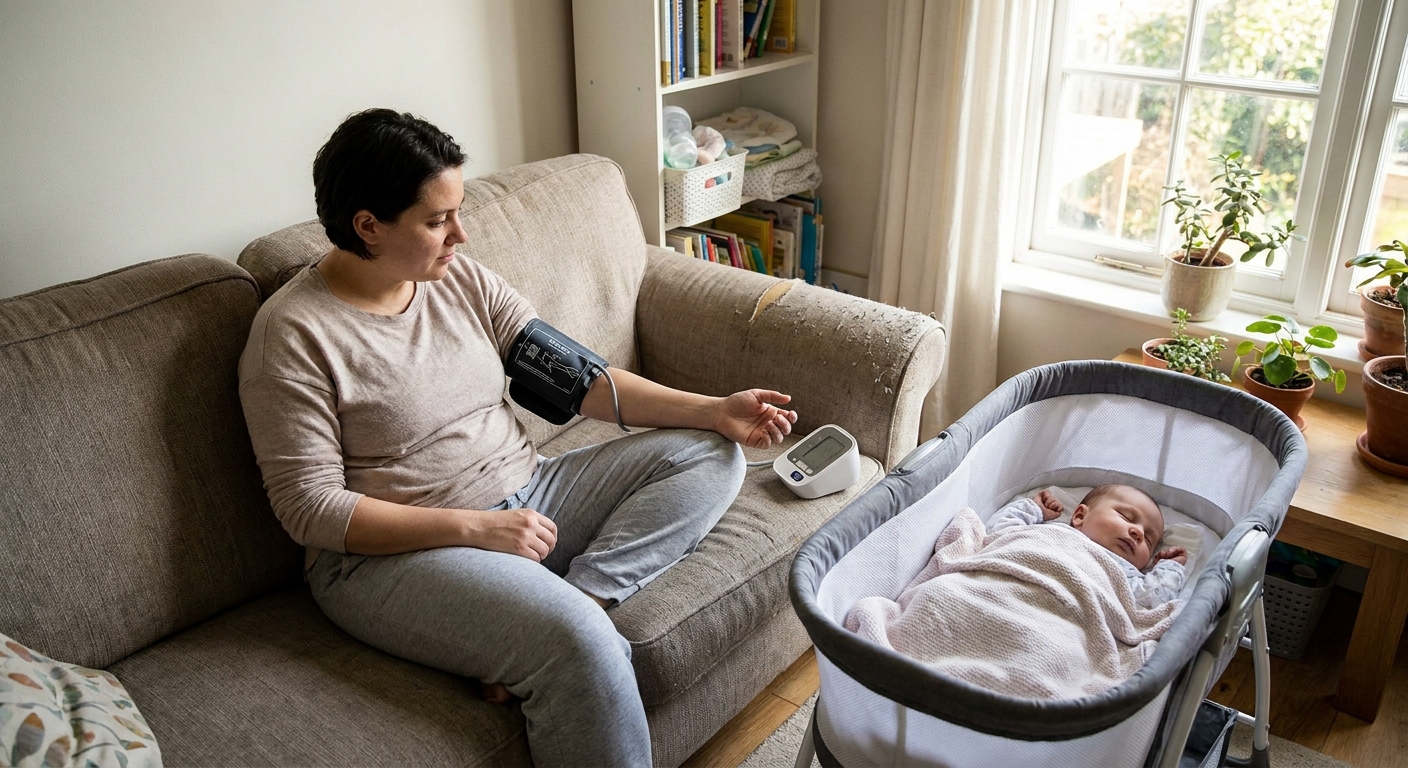
High blood pressure can develop after delivery, even if your pregnancy blood pressure was normal. Postpartum preeclampsia can happen up to 6 weeks after delivery (and occasionally later). Night sweats are not the classic symptom, but blood pressure issues can show up alongside feeling “off,” headaches, or other warning signs.
Seek urgent evaluation if you have:
- Severe headache that is new, persistent, or not improving
- Vision changes (spots, flashes, blurry vision)
- Shortness of breath or chest pain
- Severe swelling of face or hands, or sudden significant swelling
- Right upper belly pain or severe nausea and vomiting
If you have a home blood pressure cuff and get repeated readings at or above 140/90, call your clinician. If readings are very high (for many practices, around 160/110), treat it as urgent.
C-section and breastfeeding notes
After a C-section
The underlying drivers are the same: hormones and fluid shifts. But a few things can make sweating feel worse, like sleeping propped up, pain medications, and limited ability to quickly change the bed.
- Keep extra gauze or a clean, soft cloth to gently pat around the incision if you are sweaty.
- Wear loose, breathable pajamas that do not rub the incision line.
- Call your clinician if you notice incision redness, warmth, increasing pain, pus-like drainage, or fever.
While breastfeeding
Many breastfeeding parents feel warmer and sweatier, especially during letdown or night feeds. Also, if you are running on broken sleep, your body’s stress hormones can add to temperature swings.
- Keep a muslin burp cloth near your pillow to wipe sweat during feeds.
- Consider a cool pack wrapped in a cloth on the back of your neck for a minute or two if you are overheated.
Quick self-check
Use this as a simple gut-check when you are exhausted and Googling with one eye open.
Usually okay to monitor at home if
- You are in the first few weeks postpartum
- You have no fever
- You feel well overall, just sweaty and tired
- Symptoms are slowly improving week by week
Call within 24 hours if
- Night sweats are drenching and persistent beyond 6 weeks
- You have symptoms that suggest thyroid issues (racing heart, tremor, heat intolerance)
- You feel lightheaded often or think you may be dehydrated
- You are on a new medication and sweating suddenly worsened
- You are worried, even if you cannot name exactly why
Seek urgent care now if
- You have fever with sweats, chills, or feel acutely ill
- You have possible preeclampsia symptoms (severe headache, vision changes, shortness of breath)
- You have chest pain, trouble breathing, fainting, confusion, or severe weakness
- You have new one-sided leg swelling or pain, especially with warmth or redness (possible blood clot)
One of my triage-nurse rules still applies postpartum: if you are debating whether this is “normal postpartum weirdness” or “I feel sick,” err on the side of calling. You deserve to be taken seriously.
Bottom line
Postpartum night sweats are extremely common and often peak in the first 1 to 2 weeks as your hormones and fluid balance reset. Cooling your sleep space, wearing breathable layers, and staying hydrated can make a rough stretch more manageable.
But sweating should not distract from red flags. If you have fever, infection symptoms, severe headaches or vision changes, chest pain or shortness of breath, or you are still soaking the sheets well past the early postpartum window, check in with your clinician. You are not being dramatic. You are being appropriately protective of the only body you have while you care for a brand-new human.