Potty Training Regression: Accidents After Progress

Sarah Mitchell
Sarah Mitchell is a Registered Pediatric Nurse and a mother of three who has spent over a decade helping families navigate the beautiful, chaotic early years of childhood. She combines evidence-based medical knowledge with real-world parenting experience to offer practical, compassionate advice. At Awesome Parent, Sarah's mission is to help exhausted parents find solutions, trust their instincts, and finally get some sleep.
If your toddler was using the potty pretty reliably and now it feels like you are back to surprise puddles and panicked outfit changes, you are not alone. Potty training regression is a very common “Wait, we already did this” parenting moment I hear in clinic and in my own house. It can happen after weeks or months of success, and it is usually a sign of stress, change, or a body issue, not laziness or defiance.
Take a breath. Regression is frustrating, but it is often fixable. The goal is to figure out what changed, remove pressure, and rebuild the routine.
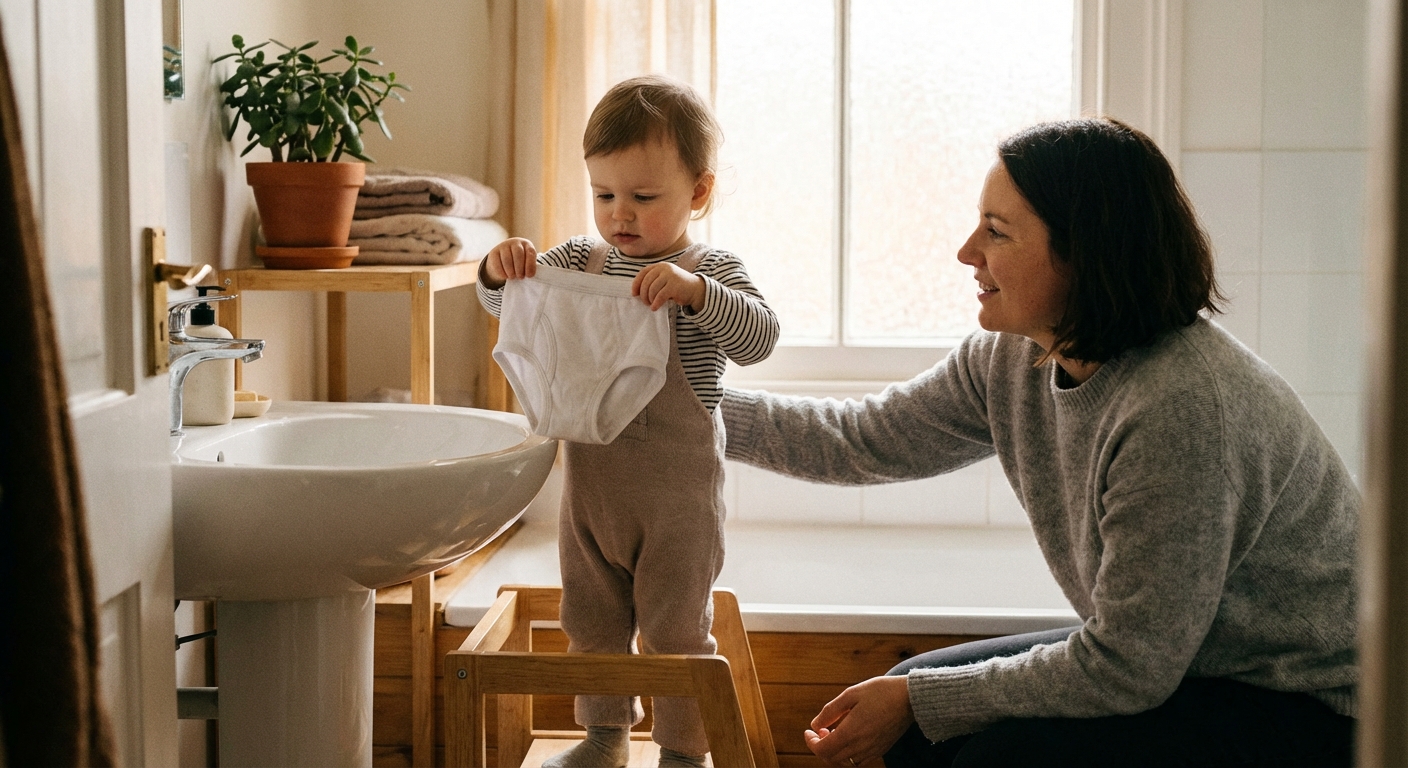
What potty training regression looks like
Regression can show up in a few different ways:
- More daytime accidents after a stretch of dry days
- Refusing to sit on the potty
- Hiding to poop again after pooping in the toilet previously
- Suddenly needing diapers for outings or naps after doing well
- Frequent “I have to go!” emergencies with little output
That last one can be a clue for urgency, irritation, or constipation pushing on the bladder. Either way, it is worth paying attention to the pattern.
Most toddlers bounce between independence and needing support. Potty skills are not a straight line.
Why regressions happen
In my experience as a pediatric nurse and as a mom, regressions usually fall into two buckets: something emotional changed, or something physical changed. Sometimes it is both.
Big life changes
Toddlers love predictability. A shift in routine can scramble potty confidence quickly.
- Starting daycare or preschool
- Moving houses
- Travel
- A new sibling
- A new caregiver
- A parent returning to work
- Switching from crib to bed
Pressure and power struggles
If potty time becomes a battleground, many toddlers dig in. Common pressure points:
- Too many reminders that feel like nagging
- Big reactions to accidents (even “It’s okay!” said loudly and anxiously)
- Rewards that start to feel like bribery or performance
- Adults hovering, watching, or constantly asking if they need to go
Toddlers are little control-seekers by design. When they feel controlled, they often try to control the one thing they can: their body.
Constipation (the sneaky culprit)
If I could put one thing on a billboard for potty training, it would be this: constipation often leads to accidents in many kids.
Hard stool in the rectum can stretch things out and press on the bladder. That can lead to:
- Frequent peeing
- Sudden urgency
- Small leaks
- Pain or fear around pooping
- Withholding poop, which makes the cycle worse
Clues to constipation include poop that looks like pebbles, very large stools, painful poops, skid marks in underwear, belly pain, or going several days without a bowel movement.
What you can do at home: keep water available throughout the day, aim for fiber-rich foods (fruits, veggies, beans, whole grains), and prioritize bathroom sits after meals. If constipation seems persistent, painful, or is paired with accidents, call your child’s pediatrician. Many kids need more than dietary tweaks, and it is much easier to treat early than after weeks of withholding.
UTIs or irritation
Sometimes regression is a body saying, “Ouch.” Call your pediatrician if you notice:
- Pain or burning with urination
- Fever
- Urine that is strongly foul-smelling (can be associated with a UTI, but is not specific on its own)
- New daytime accidents plus frequent tiny pees
- Blood in urine
Also watch for irritation from bubble baths, harsh soaps, or tight clothing, which can make kids avoid peeing because it stings. For kids who need help wiping, gentle front-to-back wiping and good handwashing matter, especially in daycare and preschool.
Developmental distraction
Toddlers get busy. When imagination, climbing, or “I can do it myself!” kicks into high gear, potty signals get ignored until it is too late. This is especially common in the toddler and preschool years.
Fear of the potty
Fear can come from a loud flush, a slip on a step stool, watching something scary, or even being startled by a public restroom hand dryer. Fear-based refusal is real and deserves gentleness.
Sensory needs and neurodivergence
Some kids need extra time and more individualized supports, especially if they are neurodivergent or have sensory sensitivities. Bright lights, echoes, toilet noise, clothing seams, or the feeling of sitting can all be big barriers. In those cases, progress may look slower and that is okay. The most helpful plan is the one that keeps your child feeling safe and in control.
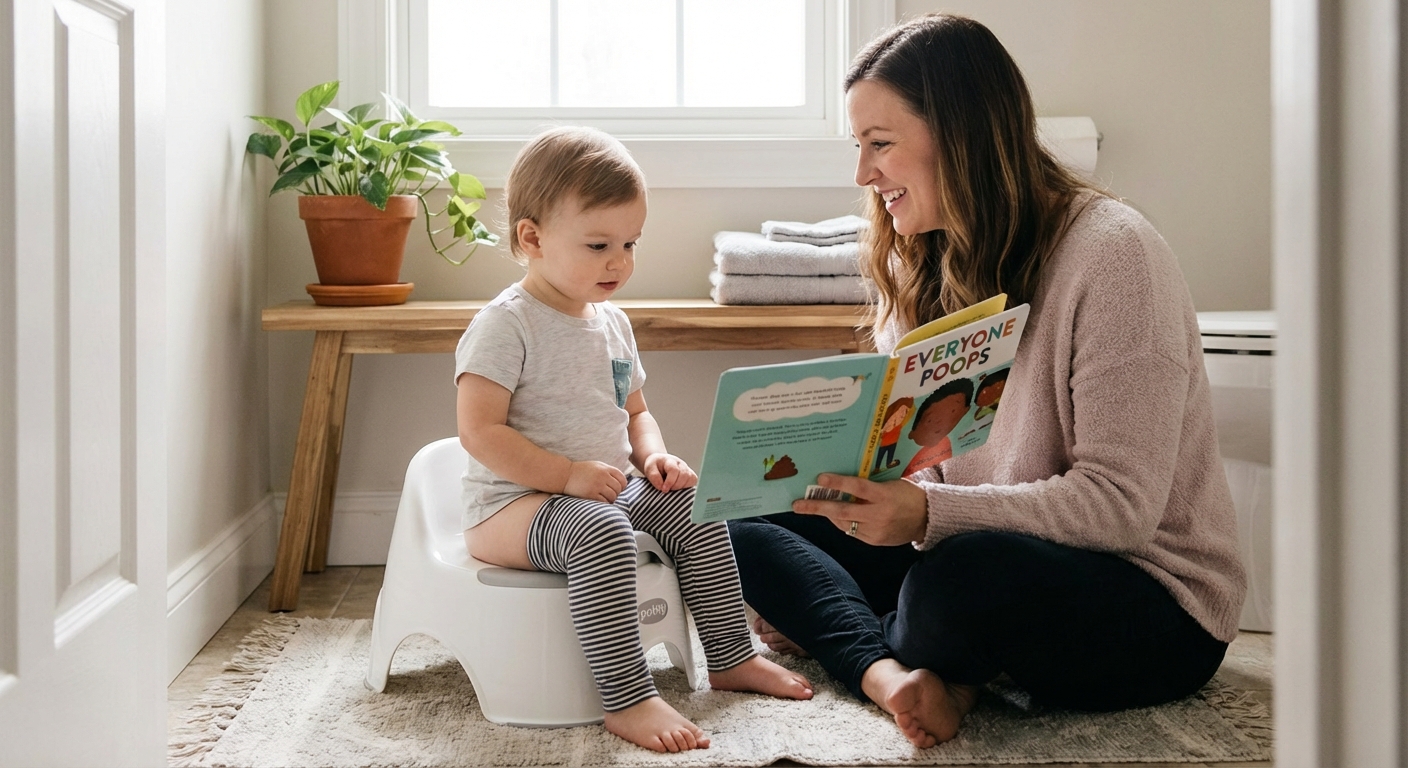
What to do in the moment
Your reaction matters more than the accident. The best response is boring, calm, and consistent.
A simple, calm script
- Name it: “Your underwear is wet.”
- Reassure: “Accidents happen. Your body is still learning.”
- Redirect: “Pee goes in the potty. Let’s finish in the bathroom.” (Even if only a few drops.)
- Reset: “Next time, we will try the potty sooner.”
What to avoid
- Shame: “Big kids don’t do this.”
- Threats: “If you have one more accident…”
- Over-talking or negotiating while everyone is stressed
- Making your toddler clean a big mess as punishment
Natural responsibility is fine. For example, having them toss wet clothes into a hamper or help wipe a small puddle with you. Keep it neutral and quick.
The 7-day reset plan
When families ask me how to “fix” regression, this is the plan I give most often. Think of it as rebuilding muscle memory and confidence.
Important: this is not a strict timeline. Move faster or slower based on your child, and repeat days as needed.
Day 1 to 2: Back to basics
- Return to a predictable schedule. Offer potty sits at natural transition times: wake-up, before leaving the house, before meals, before nap or quiet time, before bath, and before bed.
- Keep sits short. 1 to 2 minutes is enough. Use a timer if it helps.
- Use supportive language. “It’s potty time” instead of “Do you need to go?” (Many toddlers will say no on principle.)
- Make success easy. Dresses, elastic waistbands, and shoes that slip off help.
Day 3 to 4: Less pressure, more control
- Offer choices you can live with. “Big potty with the seat or little potty?” “Bathroom now or in two minutes?”
- Let them lead the steps. Pull pants down, sit, wipe, flush, wash hands.
- Praise effort, not results. “You listened to your body and tried. That’s smart.”
Day 5 to 7: Practice independence
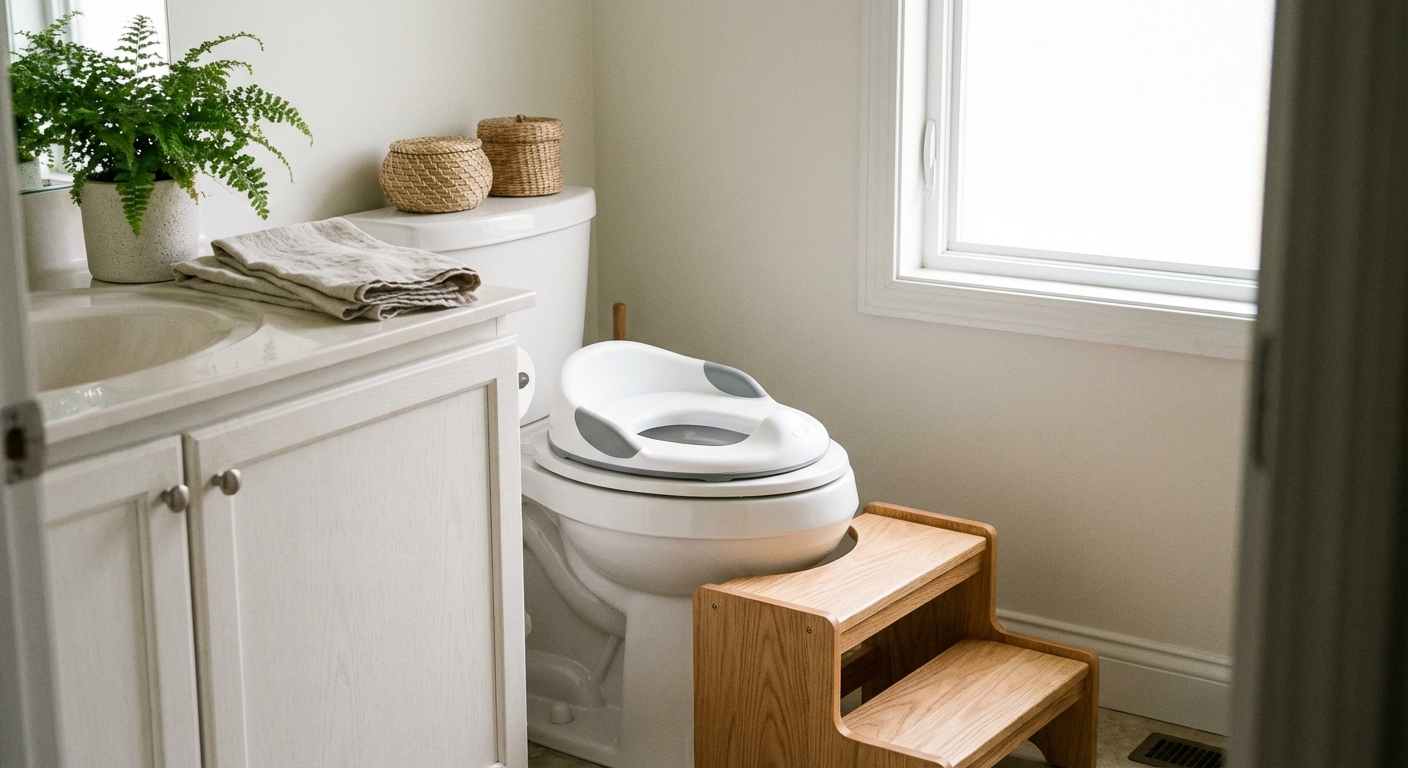
- Set up a potty station. Step stool, toilet seat insert, wipes, spare underwear, and a small hamper or wet bag for accidents.
- Do quick body check-ins. “Let’s pause. What does your body say?”
- Teach early cues. Wiggling, grabbing, sudden stillness, hiding, or sprinting away mid-play.
If accidents are frequent during play: add a “pit stop” before high-focus activities like screens, crafts, or outdoor play.
Poop problems
Many regressions are mostly poop-related. Pee is often easier. Poop takes time because it requires relaxation, privacy, and trust.
If your toddler is withholding poop
- Assume fear or discomfort first. Withholding is usually about avoiding pain.
- Check for constipation. If stools are hard or painful, talk with your pediatrician. Treating constipation is often the missing piece.
- Use posture to help. Feet supported on a stool, knees higher than hips, leaning forward slightly.
- Warm routines. Sitting after meals uses the body’s natural reflex, especially after breakfast and dinner.
If they only poop in a diaper
This is common and not a moral failure. Options that often work:
- Diaper in the bathroom for a few days, no pressure to change anything else.
- Diaper while sitting on the potty when they are ready.
- Cut a small hole in the diaper later as a transition, if your child tolerates it.
Move slowly. Forcing poop training tends to backfire and can worsen withholding.
Should you go back to diapers?
Sometimes, temporarily. Not as a punishment and not with drama.
Consider a short reset if:
- Accidents are constant and everyone is stressed
- Your toddler is clearly not noticing they are peeing
- You are in the middle of a big transition (new baby, move, major travel)
If you do, keep it matter-of-fact: “We are using diapers for a bit while your body practices. We will try underwear again soon.” Then pick a specific time to re-try, like two weeks, and keep practicing low-pressure potty sits.
Daycare and preschool accidents
Many regressions show up the minute kids enter a group setting. New bathrooms, new rules, and not wanting to stop playing is a powerful combo.
- Share your home routine. Ask what their potty schedule looks like.
- Send easy clothes. Two full outfit changes, extra socks, and shoes that are easy to manage.
- Use consistent language. “Potty time” or “bathroom break” at home and school.
- Practice public restrooms. If hand dryers scare your child, show them you can skip them and use paper towels.
When to call the pediatrician
Most regressions are normal. Still, trust your gut and check in if something feels off.
Call your child’s pediatrician if you notice:
- Fever, vomiting, or your child seems ill
- Pain with urination, blood in urine, or urine that seems unusually strong-smelling along with other symptoms
- Regression plus new intense thirst or weight loss
- Constipation symptoms that are ongoing, painful, recurrent, or not improving with basic measures
- New accidents after a long stretch of being reliably dry in the daytime, especially in a child older than 4
If accidents started after a stressful event, sleep disruption, or a major change, it can also help to talk with your pediatrician about anxiety and coping strategies.
Troubleshooting
“They pee fine at home but have accidents when we go out.”
- Potty before you leave, even if they say no.
- Bring a portable seat or plan restroom stops right when you arrive.
- Use a “car seat rule”: try the potty before buckling in.
“They refuse the potty only with me, not my partner.”
- Swap roles for a few days if possible.
- Watch for power dynamics. If you are the default potty enforcer, take a step back.
- Use neutral reminders and offer choices.
“They have accidents when they are angry or excited.”
- That is a regulation issue, not a toilet issue.
- Add scheduled potty breaks before known triggers.
- Practice calming tools: belly breaths, squeezing a pillow, a short reset corner.
“Nighttime accidents started again.”
Night dryness is largely developmental. Hormones (like ADH), sleep depth, bladder capacity, and the ability to wake to signals all play a role. It is common to be dry for a while and then have a stretch of wet nights. Constipation, UTIs, and sleep disruption can contribute too, so look at the whole picture.
- Use a waterproof mattress protector and a calm bedtime bathroom routine.
- Limit big drinks right before bed, but do not restrict fluids all evening.
- Talk to your pediatrician if nighttime wetting is new and frequent after long-term dryness.
How long does regression last?
With consistent, calm support, many kids improve within 1 to 3 weeks. If constipation is part of the picture, it may take longer because the body needs time to reset and heal.
The best sign you are on the right track is not “zero accidents” overnight. It is your child starting to notice the urge earlier and feeling safe about trying again.
Keeping progress going
Once things are back on track, a little maintenance goes a long way:
- Keep “transition-time” potty sits (wake-up, before leaving, before bed), even when things are going well.
- Stay ahead of constipation with water, fiber, movement, and regular after-meal sits.
- Watch for early signs of a slip (more urgency, poop avoidance, skid marks) and respond early with more routine, not more pressure.
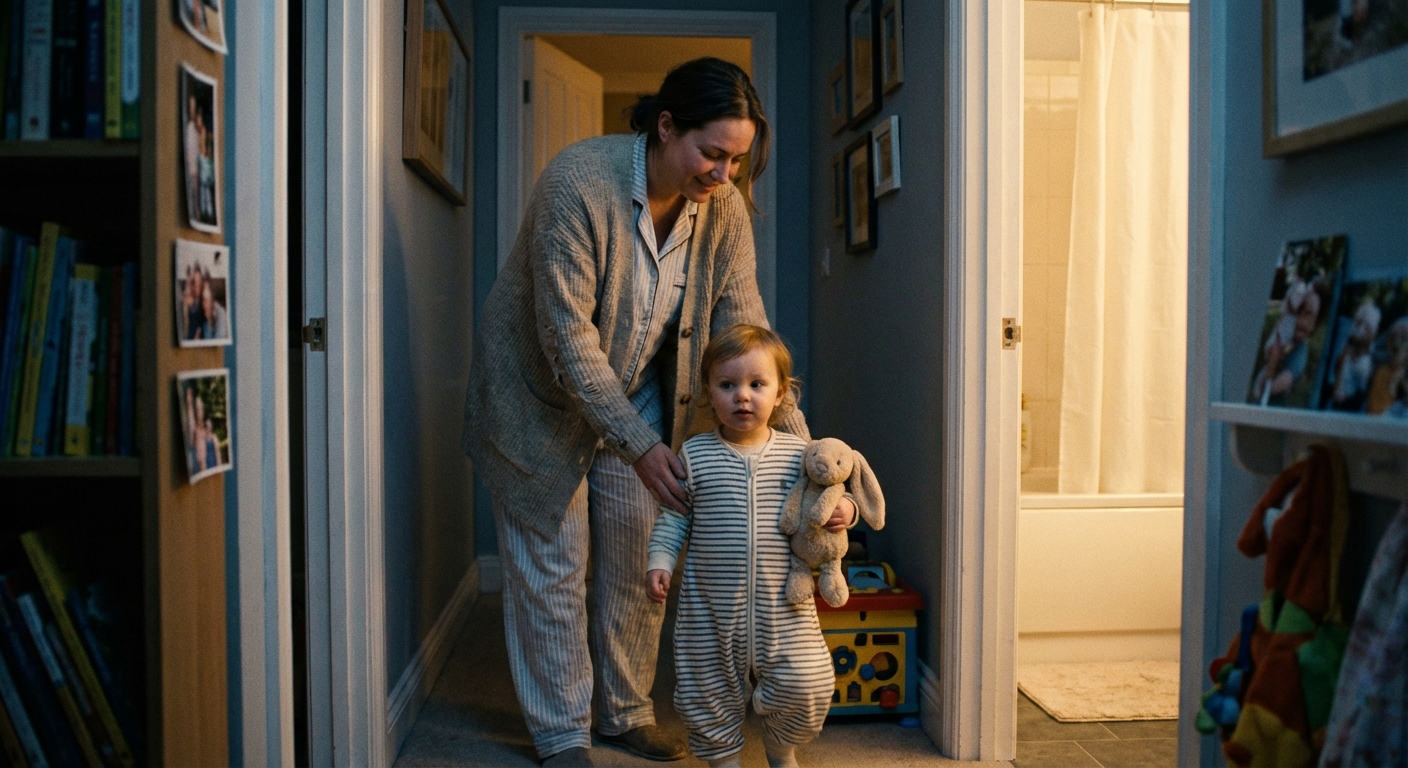
- Make sure your child can get to the bathroom fast, including at night (night light, clear path, stool if needed).
A final note
Potty training regression can feel personal, especially when you are doing a million things already and laundry was not on your vision board this week. But your toddler is not giving you a hard time. They are having a hard time, or their body is asking for help.
Stay calm, lower the pressure, troubleshoot the physical stuff, and return to a simple routine. You have not failed. You are just parenting a tiny human whose brain is growing faster than their bladder some days.