What to do right away, how to spot infection, and the key tetanus and rabies questions to bring to your child’s clinician after a dog bite.
Rabies Evaluation After Wildlife, Strays, or a Bat Indoors

Sarah Mitchell
Sarah Mitchell is a Registered Pediatric Nurse and a mother of three who has spent over a decade helping families navigate the beautiful, chaotic early years of childhood. She combines evidence-based medical knowledge with real-world parenting experience to offer practical, compassionate advice. At Awesome Parent, Sarah's mission is to help exhausted parents find solutions, trust their instincts, and finally get some sleep.
If you are reading this after a weird animal encounter, I am guessing your brain is doing that 3 AM thing where every worst-case scenario feels equally possible. Take a breath. Rabies is very serious, but the decision-making is actually pretty structured, and you do not have to figure it out alone.
This page will help you understand what “counts” as rabies exposure (especially when kids shrug things off), what to do right now, and how rabies post-exposure prophylaxis (PEP) timelines work when the details are fuzzy. You will also learn how to loop in your local health department, because they are the real MVPs of rabies decisions.

First: if this is an emergency
Go to the ER or call 911 if:
- There is severe bleeding, a deep wound, or a bite to the face, head, neck, or hands.
- Your child was attacked by an animal that is acting strangely (staggering, drooling heavily, unusually aggressive, or oddly fearless).
- Your child is very young and you cannot reliably tell what happened (especially with a bat in the room).
- Your child is immunocompromised and may need an adjusted plan.
If the wound is minor but you are worried about rabies exposure, urgent care or the ER can start the process, but your local health department often helps decide whether PEP is needed and can guide next steps.
What counts as a rabies exposure?
Rabies is spread when saliva or nervous system tissue (brain or spinal tissue) from a rabid animal gets into the body, usually through a bite. The tricky part is that “bite” is not the only scenario we worry about.
Clear exposures
- Bite that breaks the skin from a bat, raccoon, skunk, fox, coyote, or stray or unknown dog or cat.
- Saliva on mucous membranes (eyes, nose, mouth), for example, an animal licks a child’s face and you are not sure if it touched lips or an open sore.
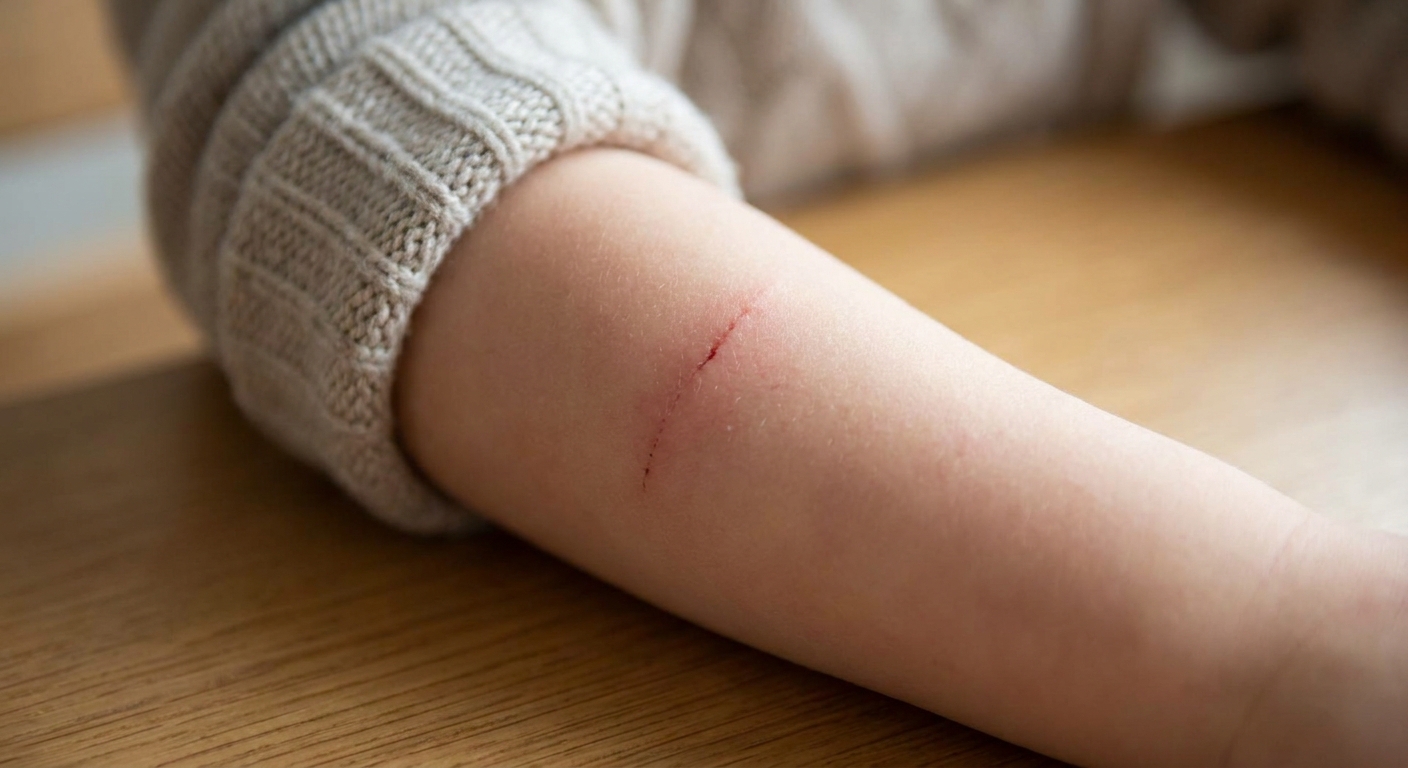
- Saliva on broken skin (scratch plus saliva, or licking a fresh abrasion).
Possible exposures parents often miss
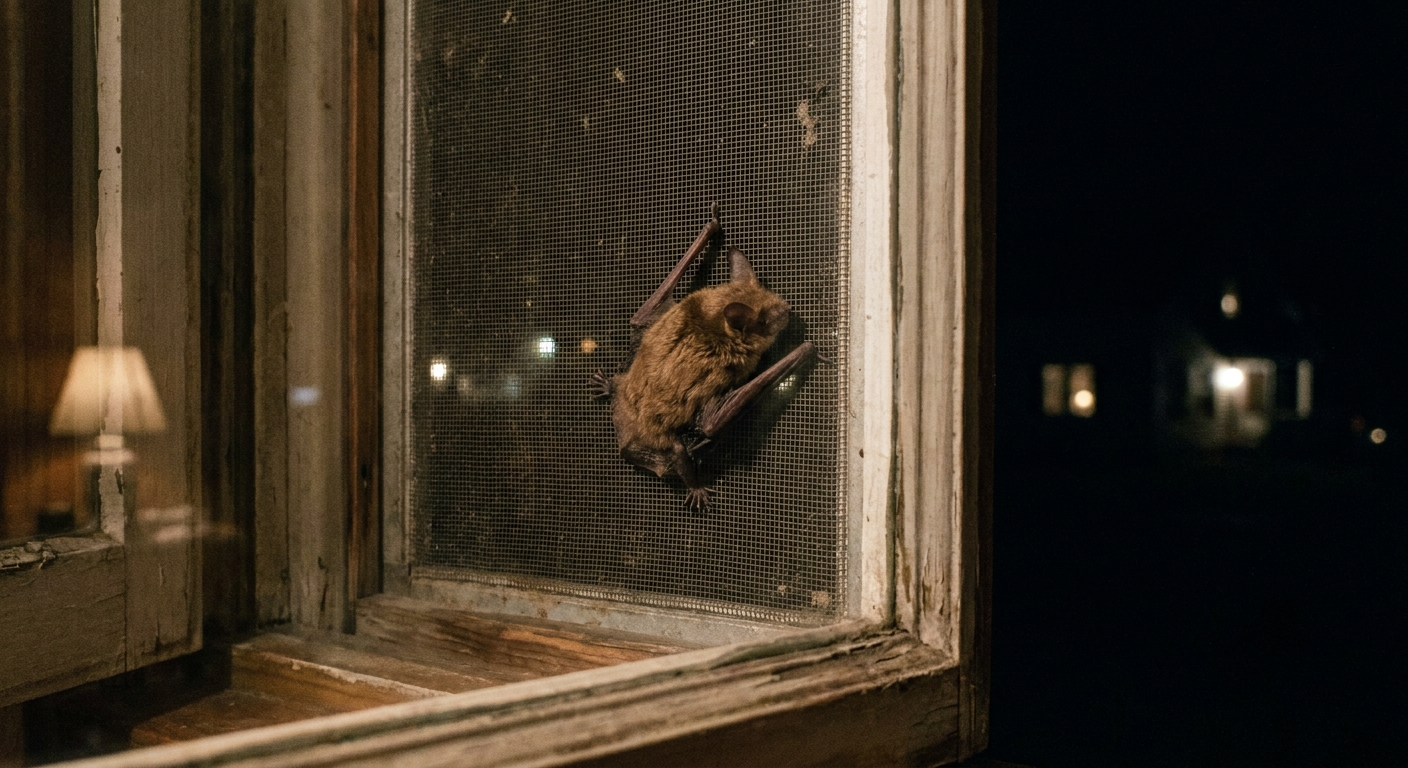
- Bat in the room with a sleeping child. Bat bites can be tiny and painless. If a bat was in a bedroom with a sleeping child, a child who cannot reliably describe what happened, or anyone who was intoxicated or cognitively impaired, public health often treats this as a potential exposure even without a visible bite.
- “It just scratched me.” A scratch alone is not automatically rabies exposure, but if the animal’s saliva could have contaminated the scratch, it matters.
- Kids who do not mention the bite. In clinic, I cannot count the number of times a child casually said, “Oh yeah, it bit me earlier” as if we were discussing a mosquito bite.
Generally not exposures
- Petting an animal with no bite, no scratch, and no saliva contact with mucous membranes or broken skin.
- Touching blood, urine, or feces from an animal is not considered a rabies exposure. (The exception is if saliva or nervous system tissue also gets into eyes, mouth, nose, or broken skin.)
- Finding a bat in the house with no direct contact and you can confidently rule out anyone being asleep in the same room with it. This is usually lower concern, but still call public health to confirm based on your specific situation.
What to do right now
1) Wash the area
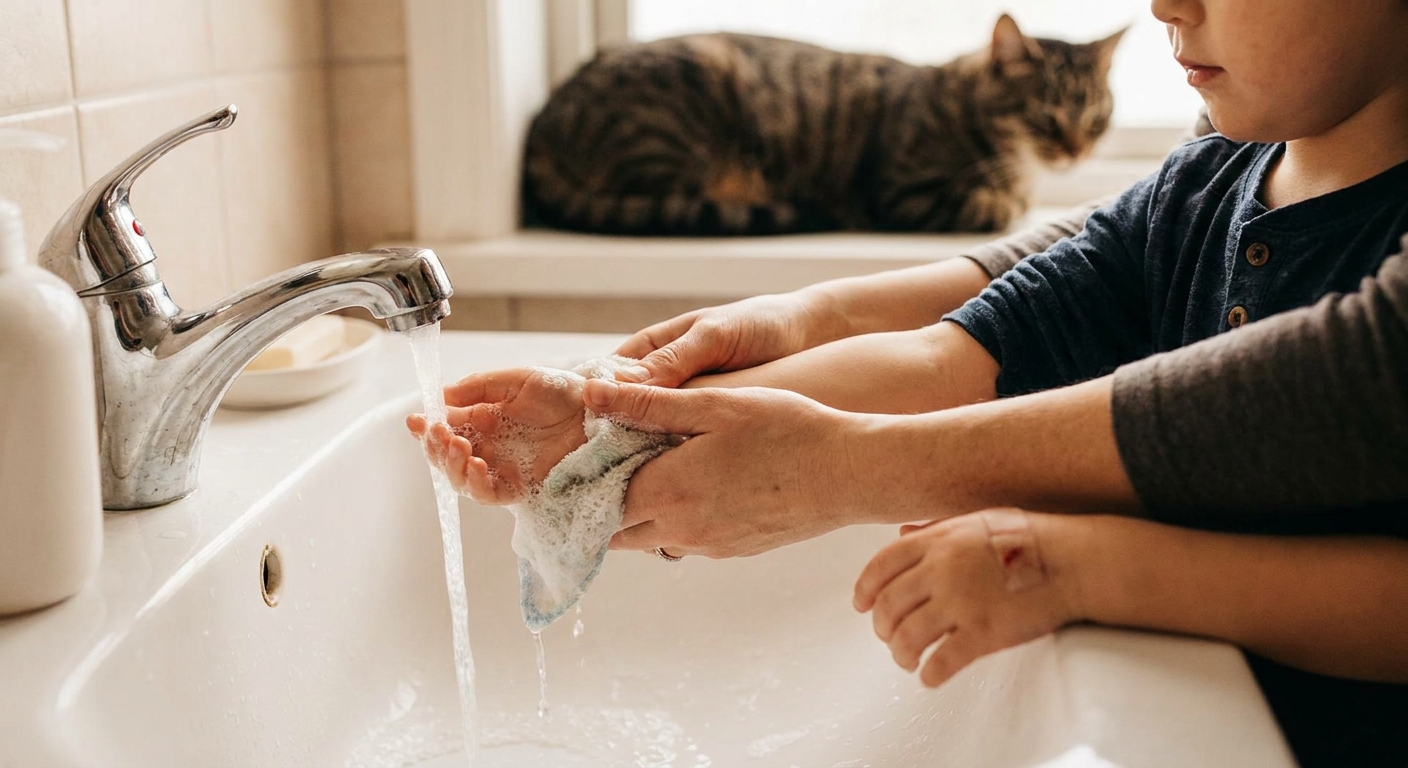
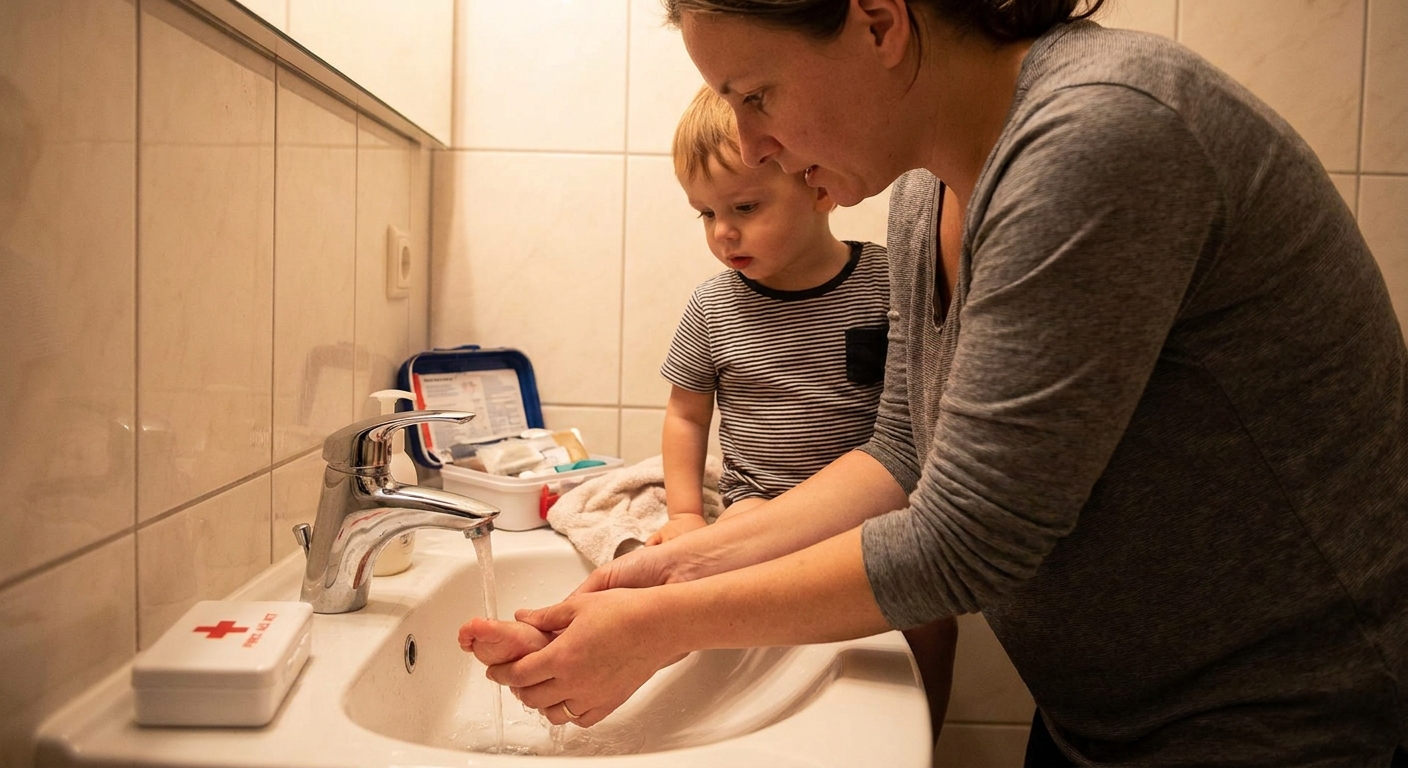
If there is any bite, scratch, or saliva contact with broken skin, wash with soap and running water for at least 15 minutes if you can. This is not busywork. Good wound cleaning helps lower infection risk in general and is a key first step for possible rabies exposures.
2) Do not “wait and see”
Rabies is one of those conditions where we do not wait for symptoms. PEP is preventive, and it does not work once rabies symptoms begin. If symptoms start, survival is exceedingly rare and typically involves intensive, specialized care. The good news is that PEP is highly effective when given appropriately and before symptoms, with failures being extremely uncommon and usually linked to major deviations from recommended protocols.
3) Identify the animal (safely)
- If the animal is a dog, cat, or ferret and can be located and safely confined, it may be observed for 10 days. (This 10-day observation standard is commonly used in the United States and parts of North America. Local rules can vary, so follow your health department’s guidance.)
- If it is wildlife (especially bats, raccoons, skunks, foxes), testing the animal can clarify the need for PEP.
- Do not handle bats or wild animals with bare hands. If a bat is indoors, call animal control or your local health department for capture guidance.
- Do not risk another bite trying to capture an animal yourself.
4) Document fast
When your adrenaline is high, details vanish. If you can, jot down:
- Date and time of the encounter
- Where on the body the bite or scratch occurred
- Whether skin broke and whether there was bleeding
- Whether saliva could have touched eyes, mouth, nose, or broken skin
- Animal description and location, and whether it escaped
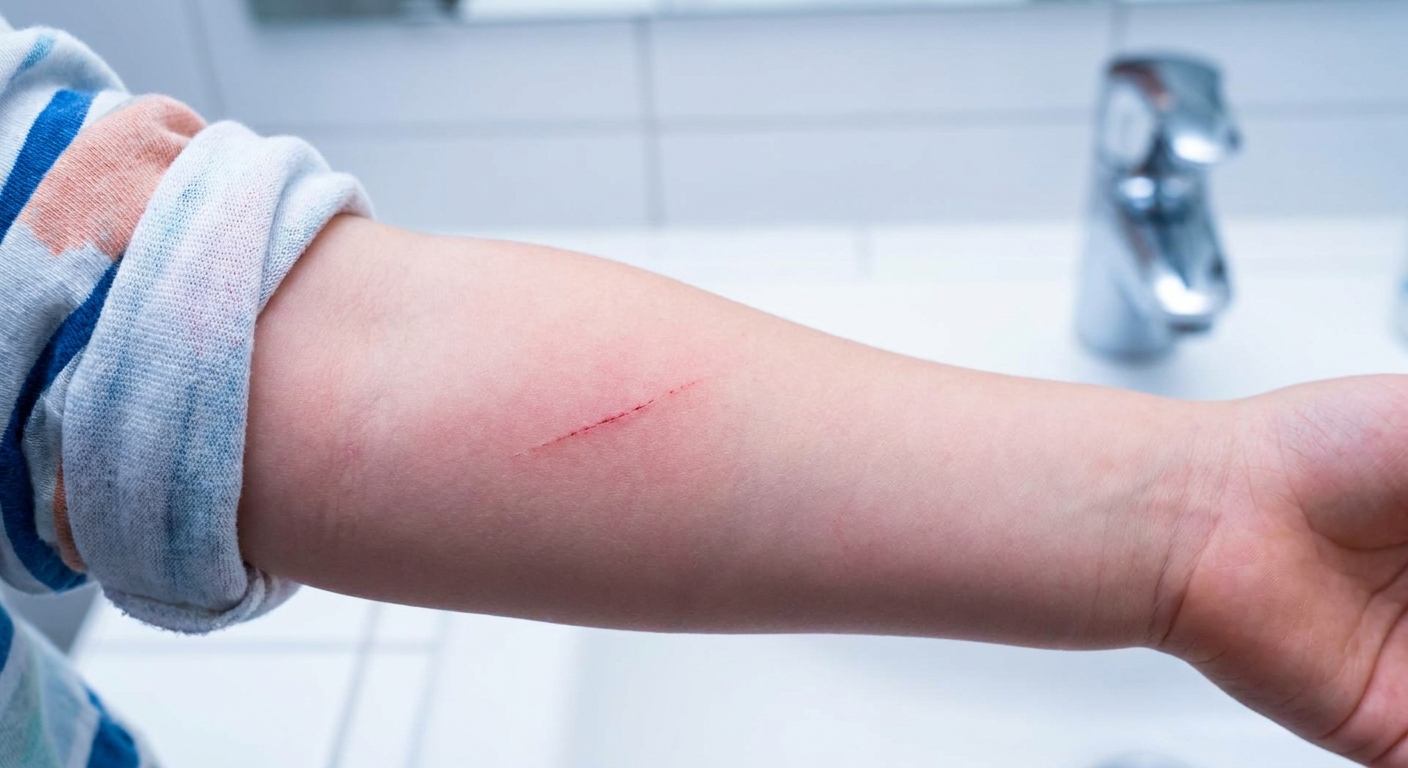
- Any photos of the wound (helpful for clinicians and public health)
PEP timing
Parents often ask me: “If we do not start tonight, did we miss our chance?” Usually, no. But you still want to move quickly.
The key idea
PEP works best when started as soon as possible after an exposure. That said, it is commonly started after a delay when:
- The exposure is recognized later (common with bats).
- Public health is trying to locate the animal for observation or testing.
- A family is transferred between urgent care, ER, and follow-up.
What PEP includes
For people who have never been vaccinated against rabies, PEP typically has two parts:
- Rabies vaccine series (multiple doses over about 2 weeks).
- Rabies immune globulin (RIG) given once, as soon as possible, with as much as feasible infiltrated around the wound.
Typical schedule (US)
Clinicians and public health may tailor this, but the common schedule is:
- Immunocompetent, not previously vaccinated: vaccine on days 0, 3, 7, and 14, plus RIG on day 0.
- Immunocompromised, not previously vaccinated: vaccine on days 0, 3, 7, 14, and 28, plus RIG on day 0.
- Previously vaccinated: no RIG, and vaccine doses are typically fewer (often days 0 and 3). Your clinician will confirm the plan.
If the timeline is fuzzy
Here is the reassuring truth: clinicians and public health do not need perfect documentation to make a safe plan. They weigh:
- Type of animal (bats and certain wildlife are higher risk)
- Local rabies activity (region matters)
- Was there a plausible route for saliva exposure?
- Can the animal be observed or tested?
- How reliable is the history? (sleeping child, toddler, distracted adults)
When you may be able to stop
Sometimes PEP is started while an animal is being tested. If a properly conducted rabies test is negative, PEP is usually not indicated and is typically discontinued. This can vary by situation and jurisdiction, so follow your health department’s guidance.
Bat indoors
Let us talk about the bat situation directly, because it is the top reason parents end up spiraling.
Call now if any are true
- A bat was in a room with a sleeping child or adult.
- A bat was near an unattended infant.
- Your child is a toddler or young child and you cannot confirm there was no contact.
- Your child says it touched them, landed on them, or they picked it up.
Try to get the bat tested
If a bat is captured safely, testing can prevent unnecessary PEP if the bat is negative. If the bat flew away and there is a realistic chance of contact, public health may recommend PEP because there is no way to test.
What not to do
- Do not release a captured bat until you have spoken with animal control or the health department.
- Do not assume “no bite marks” means no exposure, especially for sleeping kids.
Wildlife and strays
Higher-risk animals (often in North America)
Bats are a big one. Depending on your region, raccoons, skunks, and foxes are also common rabies reservoirs. Coyotes and other mammals can be infected, but they are generally less common reservoirs than bats and the major regional wildlife species. Local patterns vary.
Stray dogs and cats
Most owned dogs and cats in the US are vaccinated, but a stray or unknown animal is treated differently. The plan depends on whether the animal can be found and observed, and what rabies activity looks like locally.
Small mammals
Bites from squirrels, chipmunks, rats, mice, hamsters, guinea pigs, rabbits, and hares rarely require rabies PEP. “Rarely” is not “never,” so if the animal was acting bizarrely or you are unsure, call for guidance.
Travel note
This article focuses on North America. If the exposure happened during international travel, especially a dog bite in a country where dog rabies is common, your risk assessment and recommendations may differ. Call for guidance right away.

How the health department helps
Rabies decisions are one of the places where your local or state health department is incredibly helpful. They can:
- Assess your specific exposure details and local rabies risk
- Coordinate animal testing and quarantine guidance
- Recommend whether PEP is indicated
- Help you find where to get vaccine and RIG (not every clinic stocks them)
- Sometimes assist with cost and access pathways depending on region
What to say
Try this simple script:
“My child had possible rabies exposure on (date). The animal was a (bat/stray dog/raccoon). There was (bite/scratch/saliva contact/uncertain contact while sleeping). The animal is (available for testing or quarantine / not available). We need guidance on whether rabies PEP is recommended and where to obtain it.”
Where to go and what to expect
Urgent care vs ER
- ER is often the fastest place to access RIG and the first vaccine dose, especially after hours.
- Urgent care can help with wound care and antibiotics, but may not stock rabies biologics.
Wound care basics
Even if rabies is the headline in your brain, clinicians are also thinking about:
- Tetanus status
- Antibiotics for certain bites (especially hands, face, deep punctures, cat bites)
- Stitches (sometimes delayed for higher-risk bites)
- Reporting requirements
Common questions
“My child touched a bat, but I do not see a bite. Do we need shots?”
Maybe. With bats, we take direct contact seriously because bites can be very small. Call your health department or go to the ER to discuss PEP, especially if your child cannot clearly describe what happened.
“What if it was just saliva on skin?”
Intact skin is a good barrier. The concern is saliva in eyes, mouth, nose, or on broken skin. If there is any doubt about broken skin, get guidance.
“Can we wait until morning?”
If there is a high-risk exposure (bat in a room with a sleeping child, bite from high-risk wildlife, or saliva exposure to eyes or mouth), I recommend calling a nurse line, on-call pediatrician, or going to the ER rather than waiting. If the animal is a healthy, known dog or cat and the bite is minor, you may be guided to urgent care the next day, but do not guess. Call.
“Is PEP safe for kids?”
Yes. Rabies vaccine and immune globulin are used in children routinely when indicated. Side effects are usually mild (sore arm, fever, fatigue). The risk of untreated rabies is far more serious.
“What if we start PEP and then find the animal?”
This happens. Public health can advise whether to stop or continue based on quarantine results or lab testing.
A calm checklist for tonight
- Clean the wound well with soap and water for at least 15 minutes.
- Take a quick photo of the wound.
- Write down the timeline and what your child remembers.
- If a bat was in a room with a sleeping child or there was any direct bat contact, call now.
- If the animal is a dog, cat, or ferret, try to identify the owner and vaccination status and ask if the animal can be confined for observation.
- Call your pediatrician, local health department, or go to the ER for guidance on PEP.
One more gentle reminder: you are not overreacting by asking. Rabies risk assessment is exactly the kind of situation where “I just want to be safe” is the correct parenting instinct.
Sources
- Centers for Disease Control and Prevention (CDC): Rabies information for the public and clinicians, including PEP recommendations and bat exposure guidance.
- World Health Organization (WHO): Rabies fact sheets and exposure categories.
- State and local health department rabies manuals and regional epidemiology guidance (varies by jurisdiction).
This article is for general education and does not replace medical care. If you think your child may have been exposed to rabies, contact a clinician or your local health department immediately.
Sarah Mitchell
Sarah Mitchell is a Registered Pediatric Nurse and a mother of three who has spent over a decade helping families navigate the beautiful, chaotic early years of childhood. She combines evidence-based medical knowledge with real-world parenting experience to offer practical, compassionate advice. At Awesome Parent, Sarah's mission is to help exhausted parents find solutions, trust their instincts, and finally get some sleep.