A parent-friendly guide to growing pains: what they are, why they often show up at night, red flags to watch for, and safe, practical ways to soothe sore legs.
Restless Legs and Nighttime Leg Discomfort in Kids

Sarah Mitchell
Sarah Mitchell is a Registered Pediatric Nurse and a mother of three who has spent over a decade helping families navigate the beautiful, chaotic early years of childhood. She combines evidence-based medical knowledge with real-world parenting experience to offer practical, compassionate advice. At Awesome Parent, Sarah's mission is to help exhausted parents find solutions, trust their instincts, and finally get some sleep.
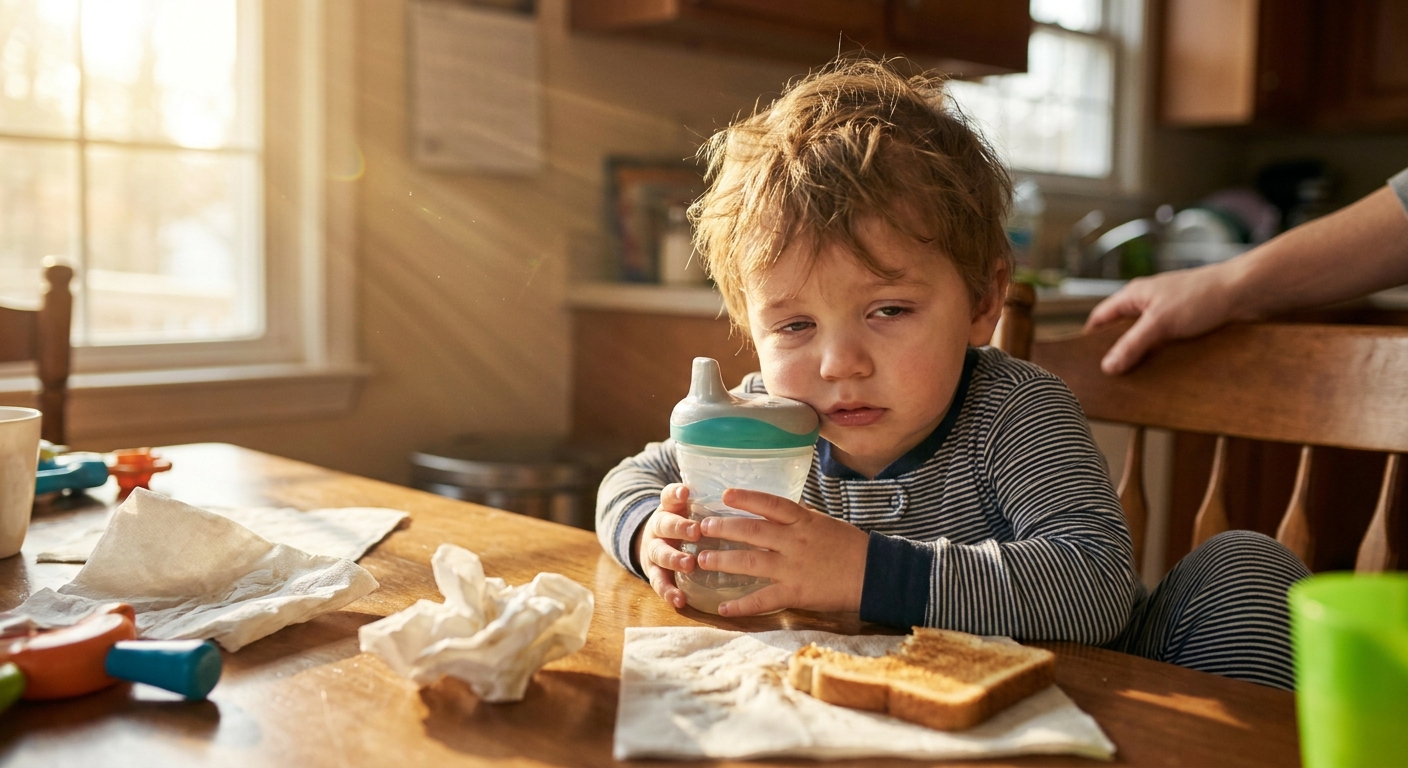
If your child suddenly cannot get comfortable at bedtime, keeps rubbing their legs, or wakes up saying their “legs feel weird,” you are not alone. In pediatric triage, nighttime leg complaints were one of those issues that sounded small on paper but felt enormous in real life, because everyone in the house was tired and worried.
The good news is that most nighttime leg discomfort in kids is not dangerous. The tricky part is that several common causes can look similar at 2 AM. Let’s walk through the most likely explanations, what you can do tonight, and the specific signs that mean you should call your child’s clinician.
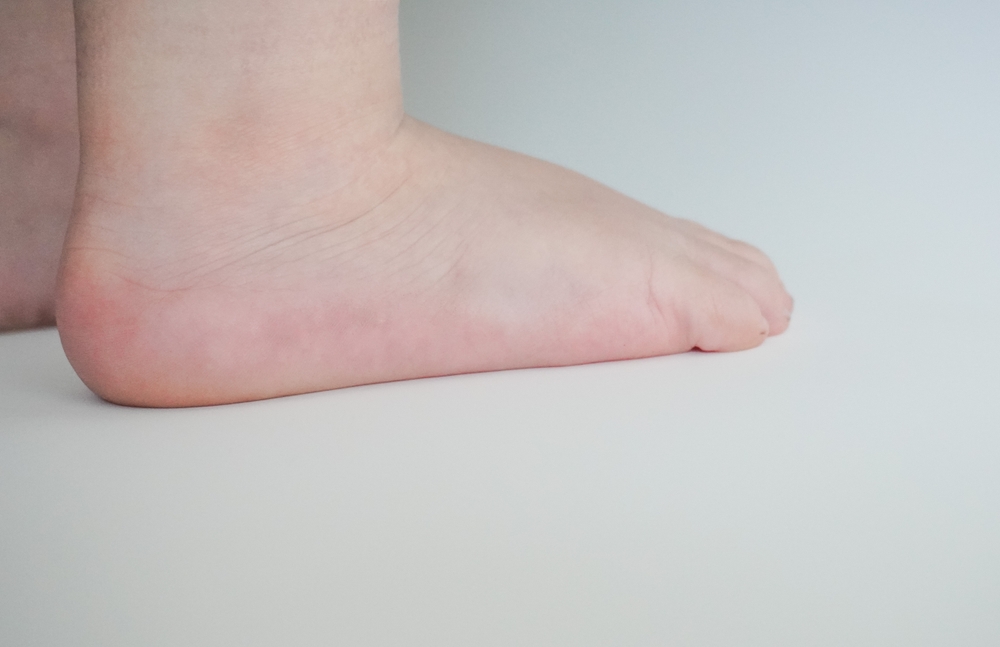
Common causes of leg discomfort at night
Parents often use the phrase “growing pains” for any nighttime leg complaint. Sometimes that is accurate. Other times it is something else entirely. Here are the four most common patterns I think about.
1) Growing pains
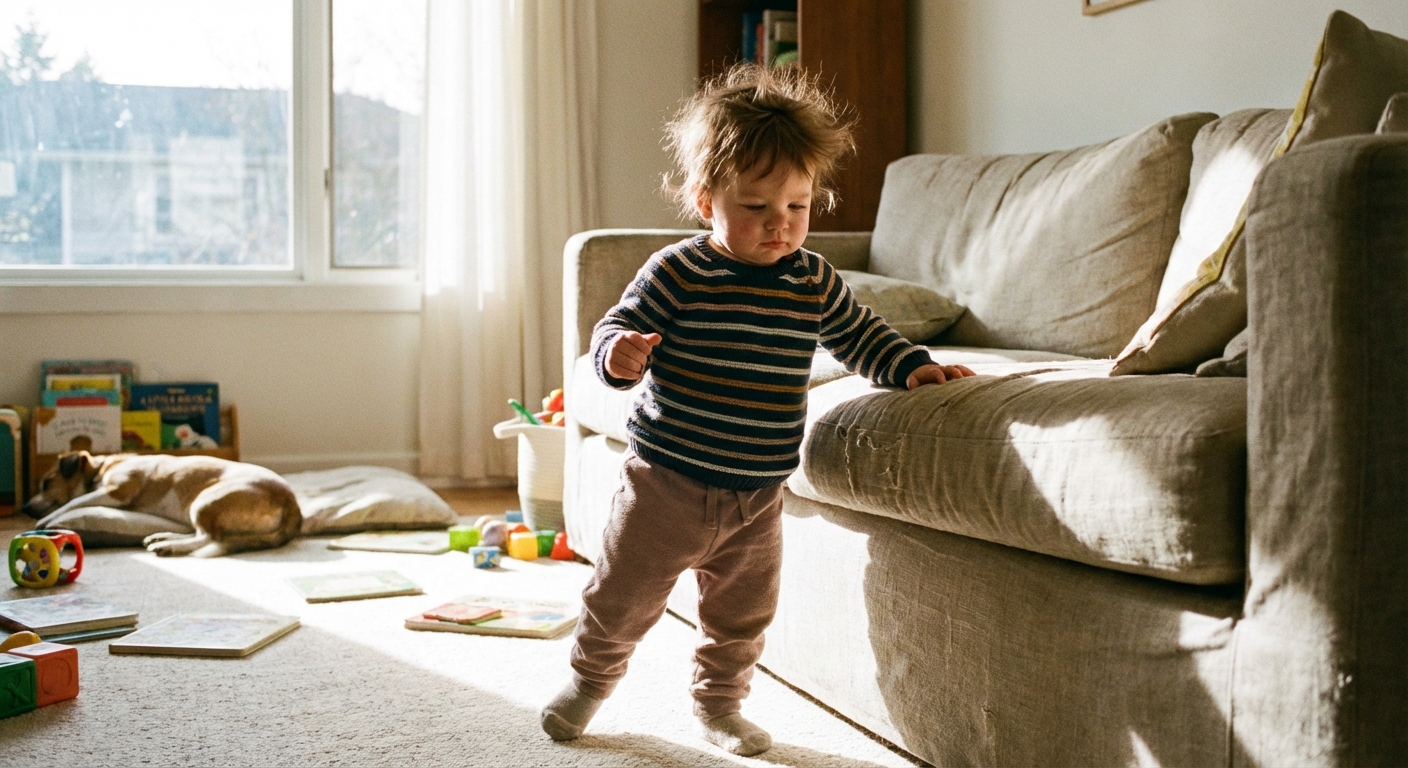
Despite the name, we do not have strong evidence that these pains come from bones “growing.” Growing pains are very real, but they are more like a pattern of benign muscle and limb aches that tend to happen in the evening or overnight.
- Typical age: Often preschool to early elementary.
- Where it hurts: Commonly both legs, often calves, shins, or behind the knees.
- Timing: Late afternoon, evening, or wakes the child at night. Usually fine by morning.
- What helps: Massage, warmth, and reassurance. Pain medicine may help if needed.
- Common related factor: Some highly flexible or “double-jointed” kids (joint hypermobility) seem more prone to these nighttime aches, especially after busy days.
- What you do not see: Limping in the morning, swelling, redness, fever, or one specific spot that is getting worse.
What growing pains are not: They should not be a single pinpoint bony pain that keeps escalating, and they should not cause persistent daytime limitation.
2) Overuse and muscle fatigue
This is the “big playground day” effect: lots of running, jumping, sports, or a long walk can leave muscles sore later. Kids may describe this as aching legs or cramps.
- Clues: New activity, tournament weekend, growth spurt plus increased training, or lots of stairs.
- Where it hurts: Can be one leg more than the other, often the muscle groups they used most.
- Timing: Later that day and the next day.
- Common related factor: Joint hypermobility can also make overuse aches more likely because muscles work harder to stabilize looser joints.
- What helps: Gentle stretching, warm bath, hydration, and rest.
3) Dehydration and cramping
Mild dehydration can contribute to cramping, especially if your child was active, sweaty, or not drinking much during the day. Some kids also cramp more with diarrhea, vomiting, or a fever illness. If cramps are frequent or keep coming back, it is worth checking in with your child’s clinician to look for other causes.
- Clues: Dark yellow urine, fewer bathroom trips, dry lips, very active day, or recent stomach bug.
- What it feels like: Tight, crampy pain rather than a “creepy-crawly” sensation.
- What helps: Fluids, a small salty snack with water if appropriate, and stretching.
4) Restless legs syndrome (RLS) and periodic limb movement of sleep (PLMS)
This is the category parents are often searching for when they say “my kid’s legs feel jumpy at night.” RLS is a neurologic sensory condition that creates a strong urge to move the legs. PLMS is repetitive leg movements during sleep that can fragment rest. They commonly overlap, and both can be associated with low iron stores.
- What kids say: “It feels like bugs in my legs,” “my legs feel tingly,” “they feel itchy inside,” “I have to move them.” Some younger kids just cannot describe it and seem unable to settle.
- Timing: Worse in the evening and at rest. Improves with movement, walking, or stretching.
- Family history: RLS can run in families.
- Sleep impact: Difficulty falling asleep, frequent waking, and daytime crankiness that looks a lot like “overtired.”
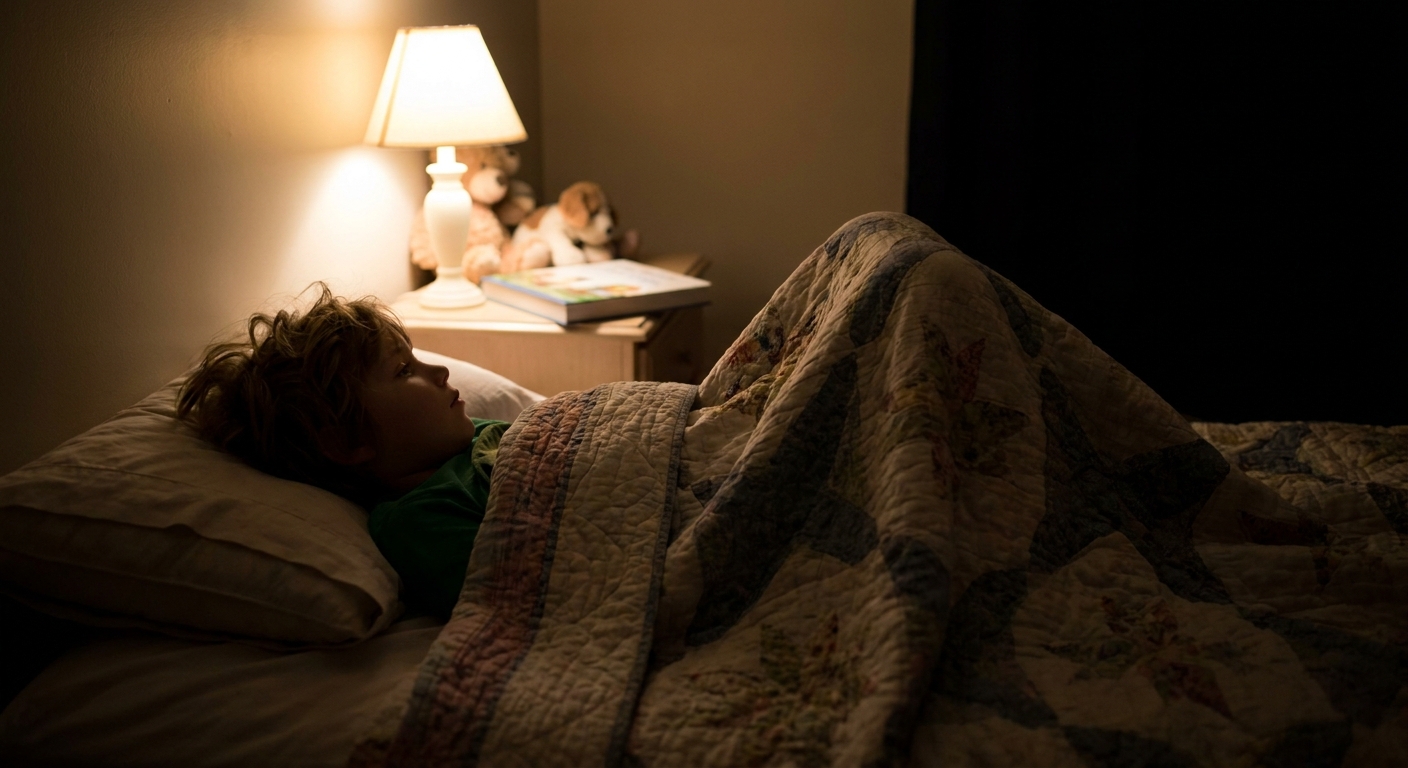
How to tell the difference at bedtime
Here is a quick way to sort these out without becoming your child’s overnight detective.
Ask these three questions
- Does it feel better when they move? If they have to kick, walk, or pace to feel relief, that points toward restless legs.
- Is it mostly an ache or mostly a weird sensation? A deep ache after a busy day can be growing pains or overuse. A tingling, crawling, pulling sensation is more RLS-like.
- Are they fine in the morning? Growing pains typically disappear by morning. Pain that causes morning stiffness, limping, or refusal to bear weight is not classic growing pains.
What periodic limb movements can look like
PLMS is often noticed by caregivers as rhythmic leg jerks or kicks during sleep. The child may not complain of discomfort, but their sleep is choppy. PLMS can also be seen alongside other sleep issues. If your child snores, mouth breathes, or has pauses in breathing, mention that too, because treating sleep-disordered breathing (like obstructive sleep apnea) can improve overall sleep fragmentation in some kids.
What you can do tonight
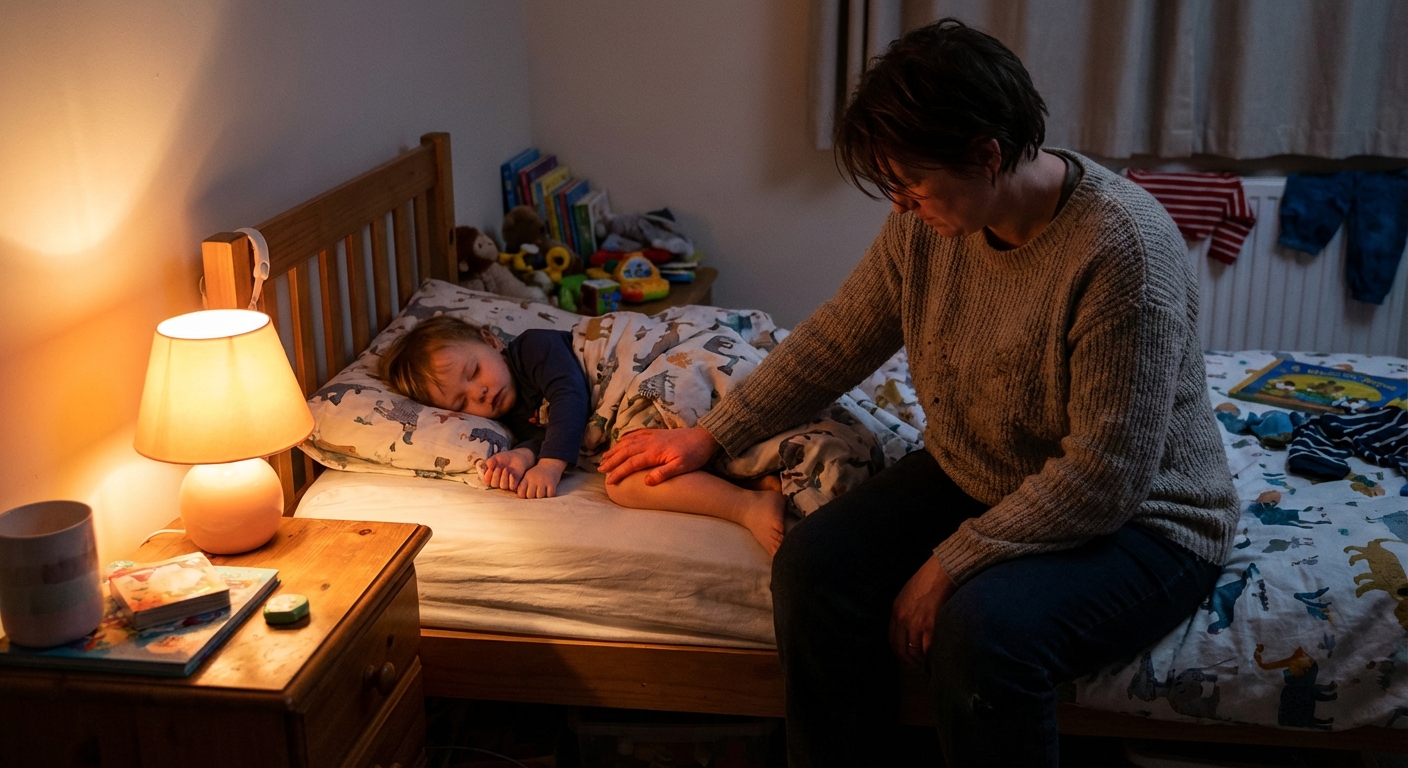
You do not need a perfect routine. You need a boring, repeatable one that helps the nervous system power down.
Comfort measures for aches and cramps
- Warmth: Warm bath, or a warm compress for 10 to 15 minutes. If you use a heating pad, keep it on low, place it over a layer of clothing, and do not let your child fall asleep with it (burn risk).
- Massage: Gentle calf and thigh massage. Kids often relax fastest when you keep pressure steady and slow.
- Stretching: Light calf stretches and hamstring stretches. No aggressive stretching that makes them yelp.
- Hydration: Offer water. If they were very active, consider a small snack plus water.
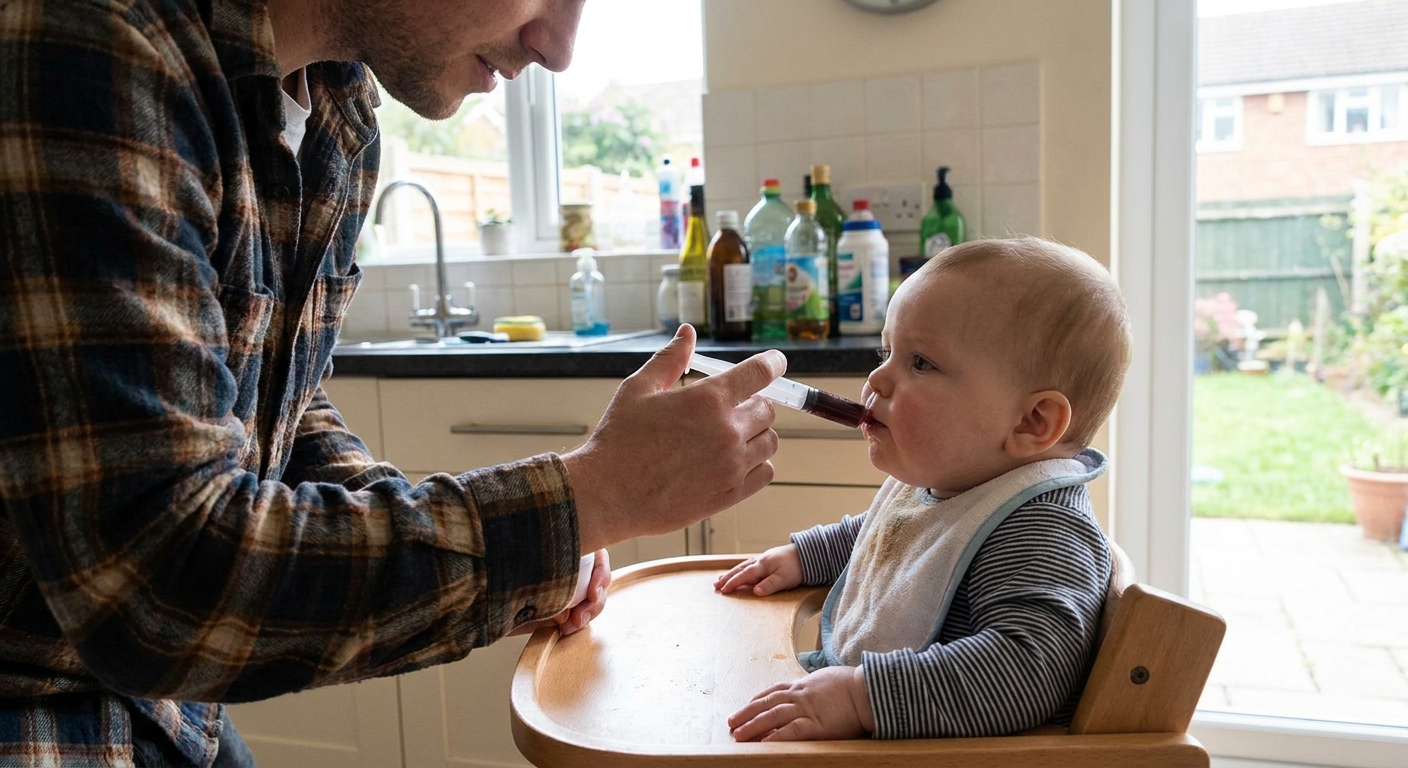
- Appropriate pain relief: If your clinician has told you it is safe for your child, weight-based acetaminophen or ibuprofen can be reasonable for true pain. Avoid aspirin in children.
Strategies that specifically help restless legs
- Move then rest: A short walk around the house, a few squats, or a quick stretch session, then back to bed.
- Warm or cool trial: Some kids prefer warmth, others a cool pack wrapped in a towel. Try one for a few minutes and see what they pick.
- Leg “pressure”: Some children like a snug sleep sack, tucked-in blanket, or gentle compression socks. Stop if it feels uncomfortable, causes tingling, or leaves marks. Avoid compression if your child has circulation or sensation problems unless a clinician has advised it.
- Cut the hidden caffeine: Chocolate, iced tea, soda, energy drinks, and some pre-workout style supplements for teens can worsen symptoms.

Sleep habits that matter
When kids are exhausted, everything feels louder, itchier, and harder to tolerate, including leg sensations. Improving sleep habits will not “cure” every cause, but it can reduce flare-ups and make symptoms easier to manage.
- Keep bedtime and wake time consistent: Even on weekends, try not to shift more than 60 to 90 minutes.
- Build a short wind-down: 20 to 30 minutes of the same steps each night: bathroom, pajamas, brush teeth, story, lights out.
- Protect the hour before bed: Bright screens can delay melatonin and rev up the brain. If you can, swap to reading or audio stories.
- Daytime movement: Regular activity helps sleep, but intense exercise right before bed can backfire for some kids.
- Check the sleep environment: Cool, dark, and quiet tends to reduce restlessness.
When iron studies are considered
One of the most helpful, evidence-supported connections in pediatric restless legs and periodic limb movements is low iron stores. Importantly, a child can have “normal hemoglobin” and still have low iron storage (often reflected by ferritin). That is why clinicians sometimes order iron studies rather than just a basic anemia check.
Testing and treatment are not perfectly standardized across every clinic. Many clinicians will check ferritin along with other iron studies (often iron and TIBC, sometimes with CRP to help interpret ferritin if inflammation is suspected). In sleep medicine practice, a ferritin level below about 50 ng/mL is commonly used as a threshold to consider iron treatment, but targets and decisions can vary by guideline, age, and the whole clinical picture. Ask what ferritin goal your child’s clinician uses.
When to ask about iron testing
- Nighttime leg sensations that improve with movement and repeatedly delay sleep.
- Frequent night wakings with leg discomfort or lots of leg kicking during sleep.
- Daytime sleepiness, irritability, or ADHD-like symptoms plus restless sleep.
- Picky eating with low iron foods, vegetarian or vegan diet without careful iron planning, or heavy menstrual bleeding in teens.
- History of prematurity or known iron deficiency.
Important safety note about iron
Please do not start iron supplements on your own without guidance. Too much iron can be harmful, and dosing is based on weight and lab results. If your clinician recommends iron, ask how to give it, what side effects to expect (constipation is common), and when to recheck labs.
Other possible causes
Most of the time, the categories above explain what is going on. If symptoms are persistent, atypical, or coming with other clues, your child’s clinician may also consider:
- Minor injury or bruise: Especially if the pain is in one spot.
- Footwear or gait issues: Poor support, rapid growth, or foot alignment that strains muscles.
- Constipation or referred discomfort: Belly issues sometimes show up as vague “leg” complaints in younger kids.
- Vitamin D deficiency: The evidence is mixed, but clinicians may consider it in some kids with frequent aches, limited dietary intake, or low sun exposure.
- Inflammatory joint pain: Pain with morning stiffness, swelling, or persistent limitation (this is not “growing pains”).
- Anxiety or sensory needs: Some kids feel body sensations more intensely at night and benefit from calming routines and predictable support.
When a referral makes sense
Many kids can be evaluated and helped by their pediatrician. Referral is considered when symptoms are persistent, disruptive, or the diagnosis is unclear.
You may be referred to sleep medicine or neurology if:
- Nighttime movements or discomfort are happening most nights for several weeks and affecting daytime functioning.
- Iron optimization and sleep routine changes do not improve symptoms.
- There is concern for PLMS that significantly fragments sleep.
- Your child has complex medical needs, neurodevelopmental differences, or multiple sleep concerns.
- There are signs of sleep-disordered breathing such as loud snoring, gasping, or witnessed pauses.
Sometimes a sleep study is recommended, especially when PLMS or breathing concerns are suspected. Not every child needs one, and your clinician can help decide.
Red flags and urgent signs
Most nighttime leg discomfort is benign. But certain symptoms suggest something more serious, and I never want you to “wait and see” on those.
Call your child’s clinician promptly (same day) if:
- Leg pain is only on one side and keeps returning in the same spot.
- Your child has a new limp, morning pain, or refuses to bear weight.
- There is swelling, redness, warmth, or a tender joint.
- Fever, rash, or your child looks ill along with the pain.
- Nighttime pain is getting progressively worse over days to weeks.
- There was a recent injury and pain is not improving as expected.
Seek urgent or emergency care now if:
- Severe pain plus significant swelling, deformity, or inability to move the leg after an injury.
- Calf swelling with shortness of breath or chest pain, especially with risk factors like recent surgery, a cast or immobilization, a central line, estrogen-containing birth control, or a known clotting disorder (rare in kids, but urgent).
- Leg pain plus new weakness, numbness, loss of bladder or bowel control, or severe back pain.
- Signs of significant dehydration, like very sleepy or hard to wake, no urination for many hours, or persistent vomiting.
If your gut says “this is not normal for my kid,” you are allowed to get them checked. That instinct is data, too.
A simple tracking note
If symptoms keep happening, a short log can speed up help. You can jot this into your phone notes:
- Time: when it starts and how long it lasts
- Description: ache, cramp, tingling, “bugs,” urge to move
- Relief: movement, massage, heat, fluids, medicine
- Location: both legs or one leg, calves vs thighs vs joints
- Day factors: heavy activity, poor sleep, illness, hydration
- Sleep clues: snoring, mouth breathing, lots of kicking
Bottom line
Nighttime leg discomfort in children is common, and most of the time it is not an emergency. Growing pains and overuse aches tend to be evening or nighttime aches that fade by morning. Restless legs tends to feel like an uncomfortable sensation that improves with movement and can be linked to low iron stores. If symptoms are frequent, disrupt sleep, or come with red flags like swelling, fever, or a limp, it is time to loop in your child’s clinician.
And if you are reading this at 3 AM with a kid doing the “bedtime leg dance,” I see you. Start with warmth, gentle stretches, a sip of water, and a calm routine. Then make a plan to bring it up at the next visit, especially if this is becoming a pattern.
Publishing note: The <img> tags in this draft do not include src attributes. If your CMS auto-populates images via data-search, great. If not, add src values before publishing so images render correctly.
Sarah Mitchell
Sarah Mitchell is a Registered Pediatric Nurse and a mother of three who has spent over a decade helping families navigate the beautiful, chaotic early years of childhood. She combines evidence-based medical knowledge with real-world parenting experience to offer practical, compassionate advice. At Awesome Parent, Sarah's mission is to help exhausted parents find solutions, trust their instincts, and finally get some sleep.