Reye Syndrome and Aspirin: Why Kids Should Avoid It

Sarah Mitchell
Sarah Mitchell is a Registered Pediatric Nurse and a mother of three who has spent over a decade helping families navigate the beautiful, chaotic early years of childhood. She combines evidence-based medical knowledge with real-world parenting experience to offer practical, compassionate advice. At Awesome Parent, Sarah's mission is to help exhausted parents find solutions, trust their instincts, and finally get some sleep.
If you have ever stood in your kitchen at 2 a.m. holding a miserable kid and squinting at a medicine label, you are not alone. One of the most important medication safety rules for children is also one of the simplest: do not give aspirin to children or teens when they are sick with a suspected or confirmed viral illness, unless your child’s doctor has specifically told you to.
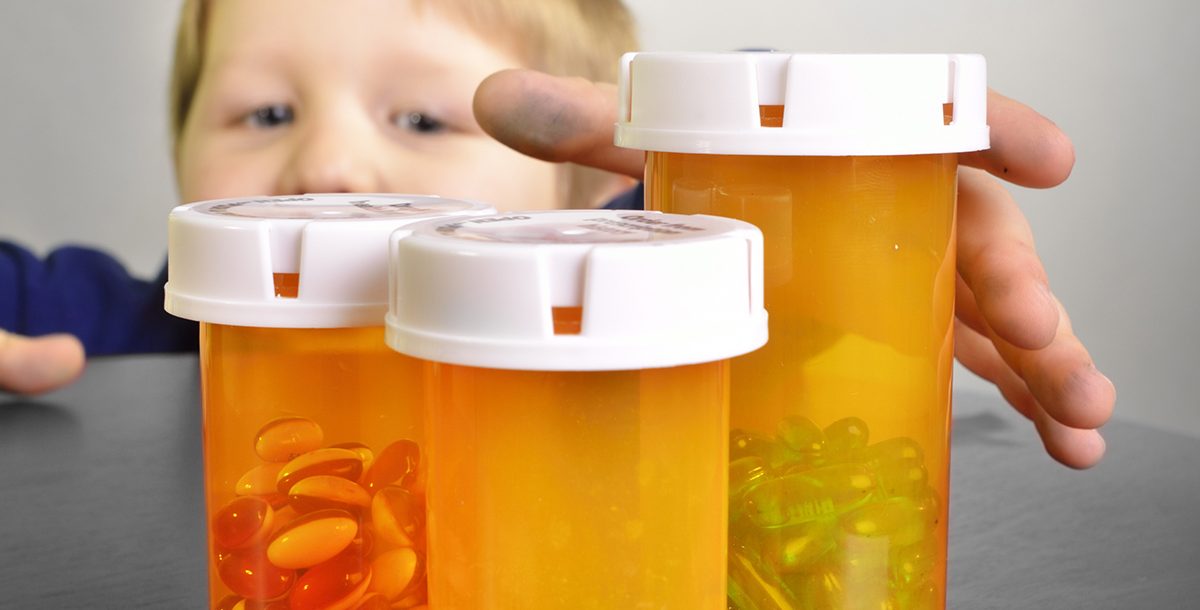
The reason is rare but serious: Reye syndrome, a life-threatening condition that can cause rapid swelling of the liver and brain. It is uncommon today largely because we stopped routinely giving aspirin to kids, but it is still reported rarely. And it can move fast.
What is Reye syndrome?
Reye syndrome is a sudden illness that most often affects children and teenagers who are recovering from a viral infection, most commonly:
- Influenza (the flu)
- Chickenpox (varicella)
It has also been reported after other viral infections. That is one reason the guidance is broad when it comes to aspirin and sick kids.
Reye syndrome can cause liver injury and brain swelling, which may lead to seizures, coma, and, in severe cases, death. Even with treatment, it can be devastating. The key point is that early symptoms can look like a child who is “just getting sicker”, which is why we take it seriously.
Why is aspirin the concern?
Aspirin belongs to a family of medicines called salicylates. Researchers have found a strong link between salicylate exposure during certain viral illnesses and the development of Reye syndrome in children and teens.
The exact mechanism is not fully understood. One leading theory, in plain language, is this:
- During a viral illness, some kids’ bodies are already under metabolic stress.
- In susceptible children, aspirin may affect how cells handle energy, especially in the liver.
- In rare cases, that combination seems to trigger a cascade that leads to fat buildup and dysfunction in the liver and swelling in the brain.
That is why the “rule” is not only about age, but also about timing. The risk is classically associated with aspirin given during or shortly after certain viral infections.
Which products count as aspirin or salicylates?
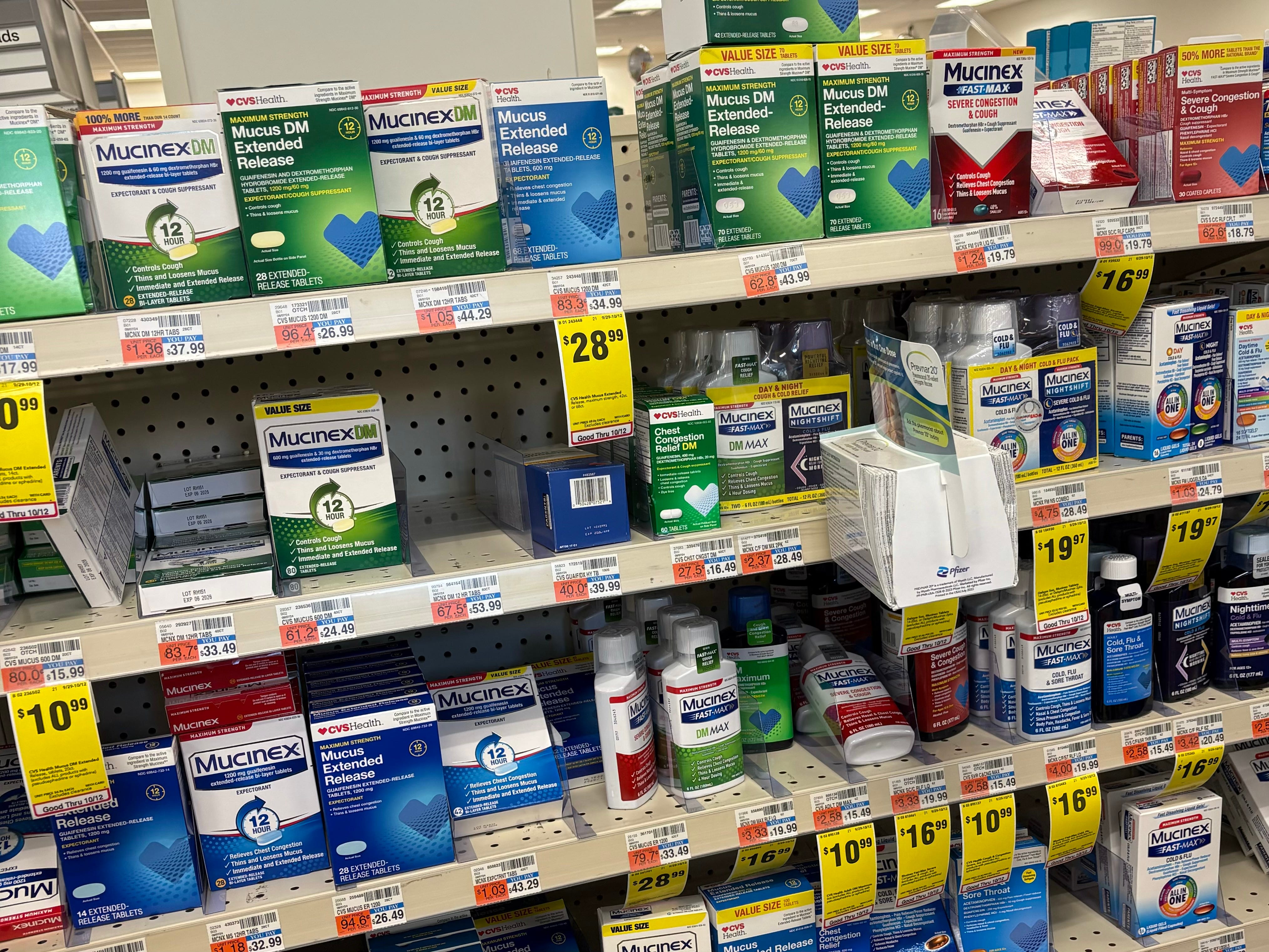
Parents are often careful about a bottle that literally says “aspirin,” but salicylates can sneak in. Look for words like aspirin, acetylsalicylic acid, or salicylate on the label.
Common examples to watch for
- Aspirin tablets (regular, chewable, or “low-dose” aspirin)
- Combination cold or flu products that include aspirin (always check active ingredients)
- Bismuth subsalicylate (a salicylate found in some upset-stomach medicines). Because it contains a salicylate, many labels advise against use in children under certain ages and during viral illness. When in doubt, follow the label and ask your clinician.
- Topical products with methyl salicylate (some muscle rubs). These are not the same as giving oral aspirin. The main concern is accidental ingestion or salicylate toxicity, especially in toddlers who might lick or swallow products. Store these well out of reach.
If you are unsure, snap a photo of the front and the active ingredients panel and ask your pediatrician or pharmacist. That is a completely normal question, and it is one I answered all the time in triage.
What can kids take instead?
For most children, the preferred over-the-counter options for fever, aches, and pain are:
- Acetaminophen (Tylenol): commonly used for fever and pain in infants, children, and teens when dosed correctly.
- Ibuprofen (Advil, Motrin): commonly used for fever, pain, and inflammation in children who are old enough and able to stay hydrated. Many products are labeled for use starting at 6 months. Follow your clinician’s guidance for younger infants.
These medicines have their own safety rules, so always use the dosing device that comes with the product and dose based on your child’s weight when possible. If your child has liver disease, kidney disease, bleeding disorders, asthma triggered by NSAIDs, is dehydrated, or takes other medications, check with your pediatrician first.
When doctors still use aspirin
There are a few pediatric conditions where aspirin is used on purpose because the benefits outweigh the risks, and the child is monitored closely. The classic example is Kawasaki disease, and occasionally certain heart conditions.
If your child is in one of these situations, you will not be guessing. You will have a plan, a dose, and follow-up instructions from your child’s specialist. If your child on prescribed aspirin gets a viral illness, call the prescribing clinician for next steps rather than stopping it on your own.
Emergency symptoms
Reye syndrome can start after a viral illness when a child seemed to be improving. If your child has had a recent viral infection and has taken aspirin or a salicylate, take these symptoms seriously.
Go to the ER or call emergency services right away if your child has:
- Repeated, forceful vomiting, especially if it is sudden or persistent
- Extreme sleepiness, difficulty waking, or unusual lethargy
- Confusion, disorientation, or behavior that is clearly “not them”
- Seizures
- Fainting or loss of consciousness
- Weakness or trouble walking or moving normally
- Rapid breathing or worsening mental status
Even if you are not sure aspirin was involved, the combination of vomiting plus neurologic changes (sleepiness, confusion, seizures) is always urgent in children.
If you already gave aspirin
First, take a breath. Many parents have given a medication once without realizing the risk, especially when it is labeled “low-dose” or was in a family medicine cabinet.
Here is what to do next:
- Stop giving aspirin unless a doctor has explicitly instructed it for a specific condition.
- Check the product label for aspirin, acetylsalicylic acid, or salicylate ingredients.
- Call your pediatrician for guidance, especially if your child has a current or recent viral illness.
- Call Poison Control (in the United States: 1-800-222-1222) if you are worried about dose, accidental ingestion, or multiple products. They are fast, calm, and incredibly helpful.
- Seek emergency care if any red-flag symptoms appear, particularly vomiting with unusual sleepiness or confusion.
Quick label tips
When you are sleep-deprived, label reading gets… creative. These are the shortcuts that actually help (from a nurse and a tired mom):
- Read the “Active ingredients” box, not just the front marketing words.
- Avoid multi-symptom cold and flu products for young kids unless your pediatrician recommends one. It is easier to accidentally double-dose or give an ingredient you did not intend.
- Be cautious with “baby aspirin”. The name refers to dose, not safety for babies or children.
- Keep a household list of which products contain acetaminophen (many do). This prevents accidental stacking.
Bottom line
Aspirin is not a routine pain or fever medicine for children. Standard public health guidance is to avoid aspirin in anyone under 19 during or after viral illness unless a clinician specifically instructs it. In children and teenagers, especially during or after viral illnesses like the flu or chickenpox, aspirin and other salicylates have been linked to Reye syndrome, a rare but life-threatening condition.
For most families, the safer go-to options for pain and fever are acetaminophen and ibuprofen, used correctly and with your pediatrician’s guidance when needed. And if your child has persistent vomiting with unusual sleepiness, confusion, or seizures, treat that as an emergency.
If you are ever unsure, you do not have to guess. Call your pediatrician, ask a pharmacist, or call Poison Control. That is what those resources are for, and you deserve a calm answer in the middle of a long night.
References
- MedlinePlus (U.S. National Library of Medicine): “Reye syndrome.”
- American Academy of Pediatrics (AAP): Guidance on fever and pain management and medication safety for children.
- National Organization for Rare Disorders (NORD): “Reye Syndrome.”
- Poison Control (U.S.): 1-800-222-1222 and poisonhelp.org