Rotavirus in Babies: Symptoms, Vaccine, and Dehydration Signs

Sarah Mitchell
Sarah Mitchell is a Registered Pediatric Nurse and a mother of three who has spent over a decade helping families navigate the beautiful, chaotic early years of childhood. She combines evidence-based medical knowledge with real-world parenting experience to offer practical, compassionate advice. At Awesome Parent, Sarah's mission is to help exhausted parents find solutions, trust their instincts, and finally get some sleep.
If your baby is suddenly vomiting and having watery diarrhea, I know the panic spiral that can start at 2:47 AM. Rotavirus is one of the classic causes of “stomach bug” symptoms in babies and toddlers, and the biggest risk is not the virus itself. It is dehydration.
The good news: since the rotavirus vaccine became routine, severe cases and hospitalizations are much less common. The still-not-so-fun news: vaccinated kids can still get stomach viruses, and rotavirus can still make babies miserable for a few days. Let’s walk through what rotavirus looks like, what to do at home, and the red flags that mean your child needs urgent evaluation.
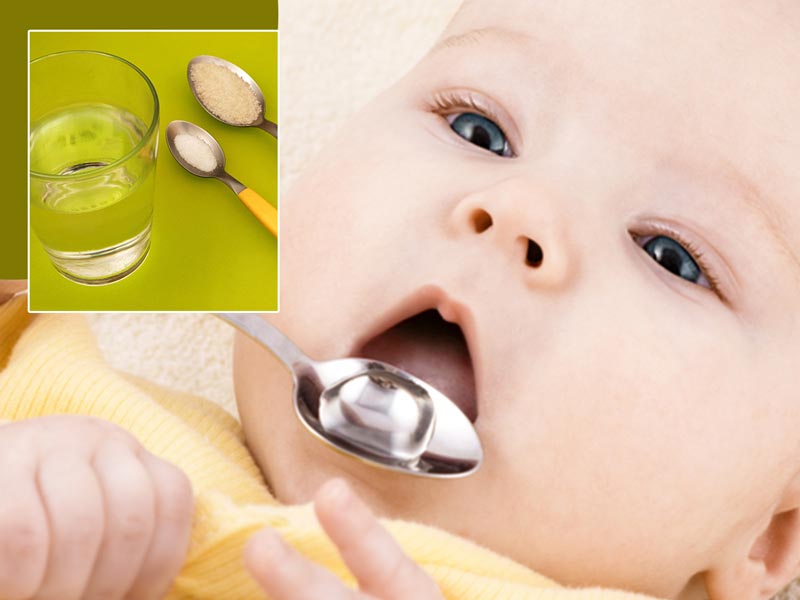
What is rotavirus?
Rotavirus is a highly contagious virus that causes inflammation in the gut. In babies and young children it can trigger sudden vomiting, watery diarrhea, and fever. Before the vaccine, rotavirus was one of the most common reasons young kids needed emergency care for dehydration.
It spreads easily through tiny amounts of stool on hands, surfaces, toys, and changing tables. It can also spread when kids put shared objects in their mouths, which is basically their favorite hobby.
How long does it last?
Symptoms often last about 3 to 8 days. Diarrhea can sometimes hang on longer, up to around 10 days, even after your child seems otherwise improved.
Rotavirus symptoms in babies
Rotavirus can look like other stomach viruses, but a few patterns are common.
- Vomiting (often sudden and frequent at the beginning)
- Watery diarrhea (can be large-volume and frequent)
- Fever
- Belly pain or cramping (fussiness, pulling legs up)
- Less interest in feeding
- Sleepiness or irritability
Because babies are small, they can dehydrate faster than older kids. That is why we focus so much on fluids, diapers, and behavior.

Rotavirus and the vaccine
The rotavirus vaccine has been a game changer. It does not prevent every episode of vomiting and diarrhea, but it greatly reduces the risk of severe dehydration and hospitalization from rotavirus.
Which vaccine is it?
In the US, two oral (by-mouth) rotavirus vaccines are commonly used:
- Rotarix: 2-dose series
- RotaTeq: 3-dose series
Age cutoffs (important)
Rotavirus vaccine has strict age limits. In the US, the first dose must be given by 14 weeks 6 days of age, and the final dose must be given by 8 months 0 days. If your baby is close to those windows, call your pediatrician’s office so you do not miss the chance to finish the series.
Can a vaccinated baby still get rotavirus?
Yes. Vaccinated children can still get rotavirus or other stomach viruses. But vaccination makes severe illness much less likely, which is the outcome we care about most at 3 AM when your baby cannot keep anything down.
Day by day
Every child is different, but here is a realistic timeline I used to tell families in triage. It can help you decide whether things are on-track, improving, or heading in the wrong direction.
Day 1
- Vomiting often starts first and can be frequent.
- Fever may appear.
- Your baby may refuse feeds or vomit soon after.
Days 2 to 3
- Diarrhea becomes prominent, often very watery.
- Vomiting may continue but often starts to slow.
- This is a common window for dehydration to show up if intake is poor.
Days 4 to 6
- Vomiting usually improves.
- Diarrhea can still be frequent.
- Energy slowly returns if hydration stays adequate.
Days 7 to 10
- Stools begin to firm up and frequency decreases.
- Appetite gradually normalizes.
If your baby is getting worse after initial improvement, has persistent high fever, develops blood in stool, or you see signs of dehydration, get checked.
Main goal: hydration
When babies have vomiting and diarrhea, we prioritize hydration over calories for a short stretch. The safest and most effective tool is oral rehydration solution (ORS).
What counts as ORS?
Look for products like Pedialyte or store-brand oral rehydration solutions. These are balanced with the right amount of sugar and salts to replace what is lost in diarrhea and vomit.
Avoid using plain water as the only fluid for a young baby with significant vomiting and diarrhea, and avoid sugary drinks (juice, soda, sports drinks) which can worsen diarrhea.
How to give fluids when your baby keeps vomiting
This is the part nobody wants, but it works: go slow and steady.
- Wait 10 to 15 minutes after a vomit, then restart.
- Offer tiny amounts frequently: 1 to 2 teaspoons (5 to 10 mL) at a time, or a few milliliters by syringe every few minutes.
- Increase gradually as vomiting improves.
If your baby is breastfed, you can continue breastfeeding. If formula-fed, many babies can continue formula too, but if vomiting is intense, your pediatrician may suggest a short stretch of ORS first, then easing back into usual feeds.
If you want a target, many clinicians use a rough goal of about 50 to 100 mL per kg over 4 hours for rehydration, depending on how dehydrated a child seems. That said, this is not one-size-fits-all. If you are worried, call your pediatrician for a weight-based plan.
What about solid foods?
If your baby is on solids and interested, bland foods are fine once vomiting slows (think: bananas, rice, applesauce, toast, crackers, oatmeal). Do not force solids. Fluids matter most early on.
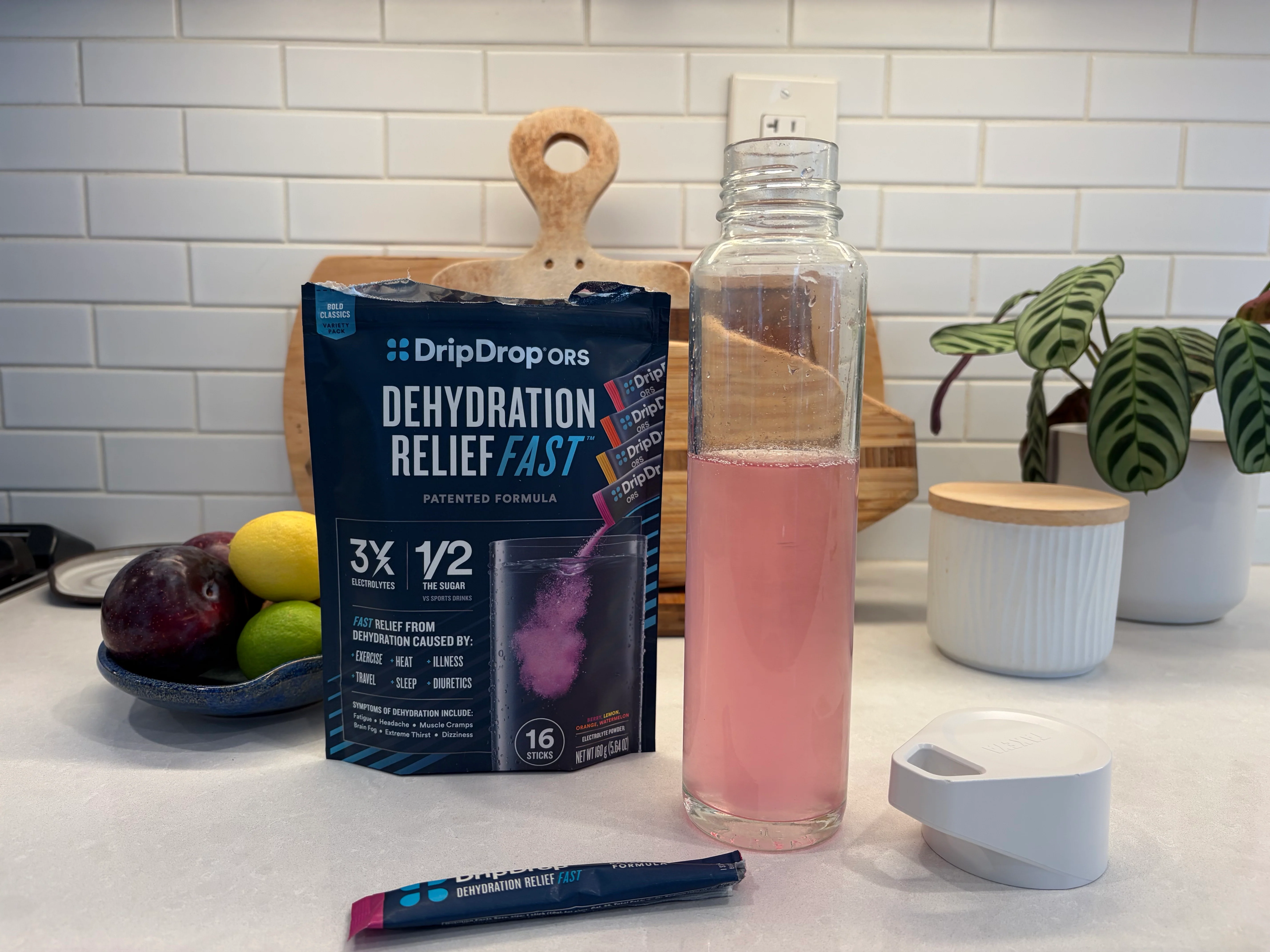
Dehydration signs
Parents often ask, “How do I know if this is dehydration or just a rough day?” Here are the signs I take seriously in triage.
Call your pediatrician urgently or seek same-day care if you notice:
- Fewer wet diapers than usual (for many infants, no wet diaper for 6 to 8 hours is a concern)
- Very dry mouth, no saliva, or cracked lips
- No tears when crying (in a baby who usually makes tears)
- Sunken soft spot on the head
- Cool hands and feet, mottled skin, or looking unusually pale
- Sleepiness, limpness, or hard to wake
- Fast breathing or a very fast heart rate
- Very dark urine can be a clue, especially if paired with other signs, but on its own it is less reliable
Go to the ER now (or call emergency services) for:
- Severe lethargy (hard to wake, not interacting)
- Signs of shock (very weak, clammy, gray or blue color, very rapid breathing)
- Cannot keep even tiny sips down for hours and urine output is dropping
- Dehydration in a young infant, especially under 3 months, should be evaluated promptly
If you are unsure, trust the “this is not my kid” feeling. That instinct counts.
Green vomit is an emergency
Let’s be very clear here: bright green vomit (bilious vomiting) is not a typical stomach bug symptom in babies. It can be a sign of a blockage in the intestines and needs urgent evaluation.
Call emergency services or go to the ER right away if your baby vomits green fluid, especially if there is belly swelling, severe pain, or the baby looks ill.
Yellow spit-up can happen with reflux and can be less concerning, but true bilious vomit is usually vivid green. If you are debating what color it was, err on the side of being seen.
When it might not be rotavirus
Most vomiting and diarrhea in kids is viral, but some patterns deserve a closer look.
- Blood or mucus in stool, especially with fever or significant belly pain (can suggest bacterial infection or another cause)
- Severe belly pain that comes in waves, sudden inconsolable crying, drawing legs up, or a child who seems fine then suddenly in intense pain (ask about intussusception, especially if there is blood in stool)
- High fever that persists, or a fever in a young infant (follow your pediatrician’s age-based fever guidance)
- Vomiting without much diarrhea plus fussiness or fever in an infant (sometimes a UTI can show up this way)
- Localized right-sided belly pain, worsening pain, or a very distended belly (needs evaluation)
Rotavirus is common, but not every stomach bug is rotavirus. Your pediatrician can help decide whether testing, anti-nausea medication, or additional evaluation is needed.
One helpful expectation-setter: stool tests are not always needed for typical viral gastroenteritis. They are more likely if there is blood in stool, severe symptoms, recent travel, immune compromise, or concerns for an outbreak.
Diaper rash help
Watery diarrhea is brutal on baby skin. A few small steps can prevent a big rash.
- Use a thick barrier cream (zinc oxide or petroleum-based) and reapply generously.
- Rinse with water or use gentle wipes, then pat dry rather than rubbing.
- Change diapers quickly and give some air time if you can.
Protect the rest of the house
Rotavirus is tough because it spreads easily and can live on surfaces. A little prevention goes a long way.
- Wash hands with soap and water after diaper changes (hand sanitizer is helpful, but soap and water is better for many stomach viruses).
- Clean high-touch surfaces like changing tables, faucets, doorknobs, and toys.
- Separate towels and avoid sharing cups and utensils.
- Keep kids home from daycare or school as advised by your program. Many require 24 hours without vomiting and improving diarrhea.
How long is it contagious?
Kids are most contagious while they are sick, but rotavirus can be shed in stool for days after symptoms improve. That is why the handwashing and surface cleaning really matter, even once your child seems better.
A quick pep talk
If you are in the thick of this, you do not need to be perfect. You just need a plan: tiny frequent ORS, track diapers, and watch for dehydration and green vomit. If your gut says your baby is not doing okay, get them seen. No one gets a medal for waiting it out.
And when this passes, please accept my official permission slip to go to bed at an embarrassingly early hour.