RSV in Babies: Symptoms, Treatment, and When to Worry

Sarah Mitchell
Sarah Mitchell is a Registered Pediatric Nurse and a mother of three who has spent over a decade helping families navigate the beautiful, chaotic early years of childhood. She combines evidence-based medical knowledge with real-world parenting experience to offer practical, compassionate advice. At Awesome Parent, Sarah's mission is to help exhausted parents find solutions, trust their instincts, and finally get some sleep.
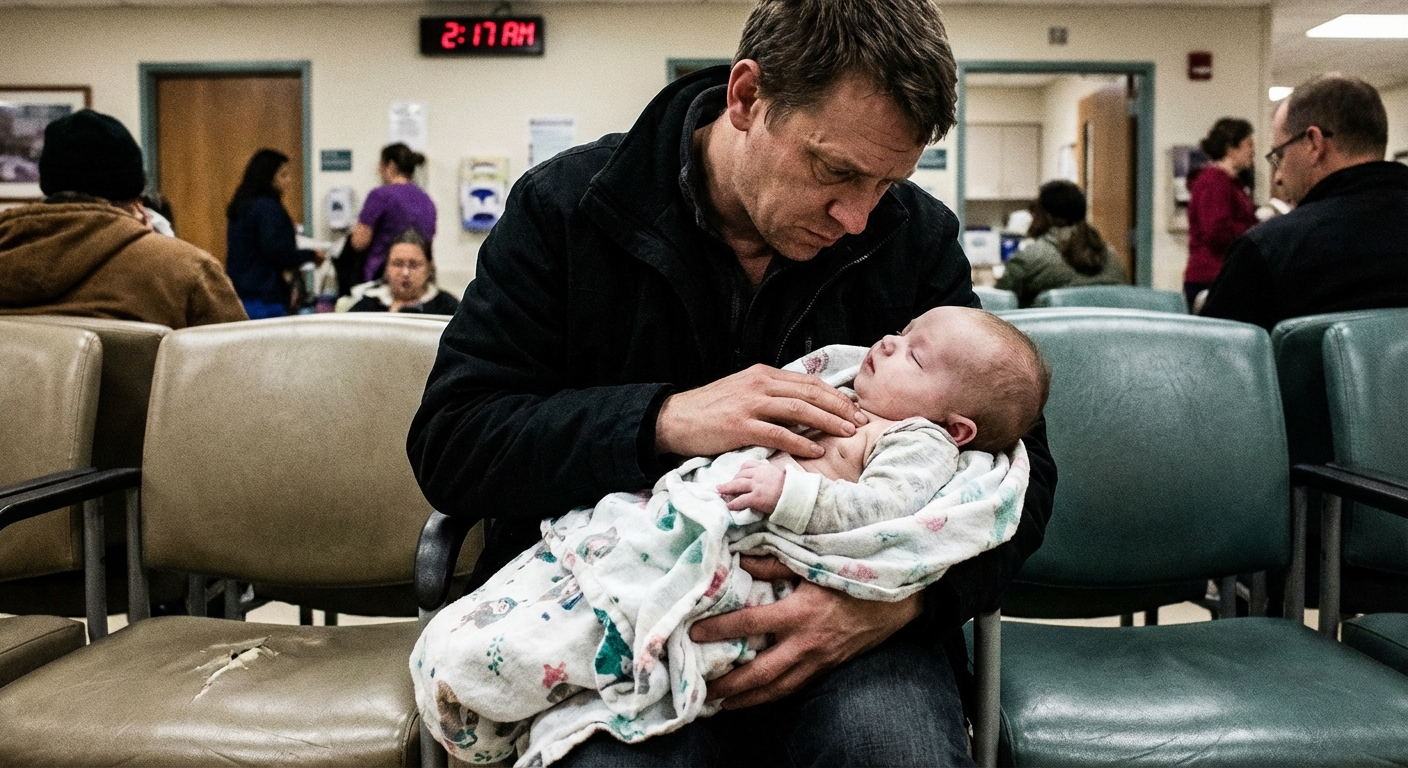
If you’re reading this at 2 a.m. with a stuffy, coughing baby on your chest, I see you. RSV is one of those viruses that can look like a basic cold at first, then suddenly feel a whole lot scarier, especially in infants. The good news is that most kids recover at home with supportive care. The key is knowing what’s normal, what’s not, and when to get help.
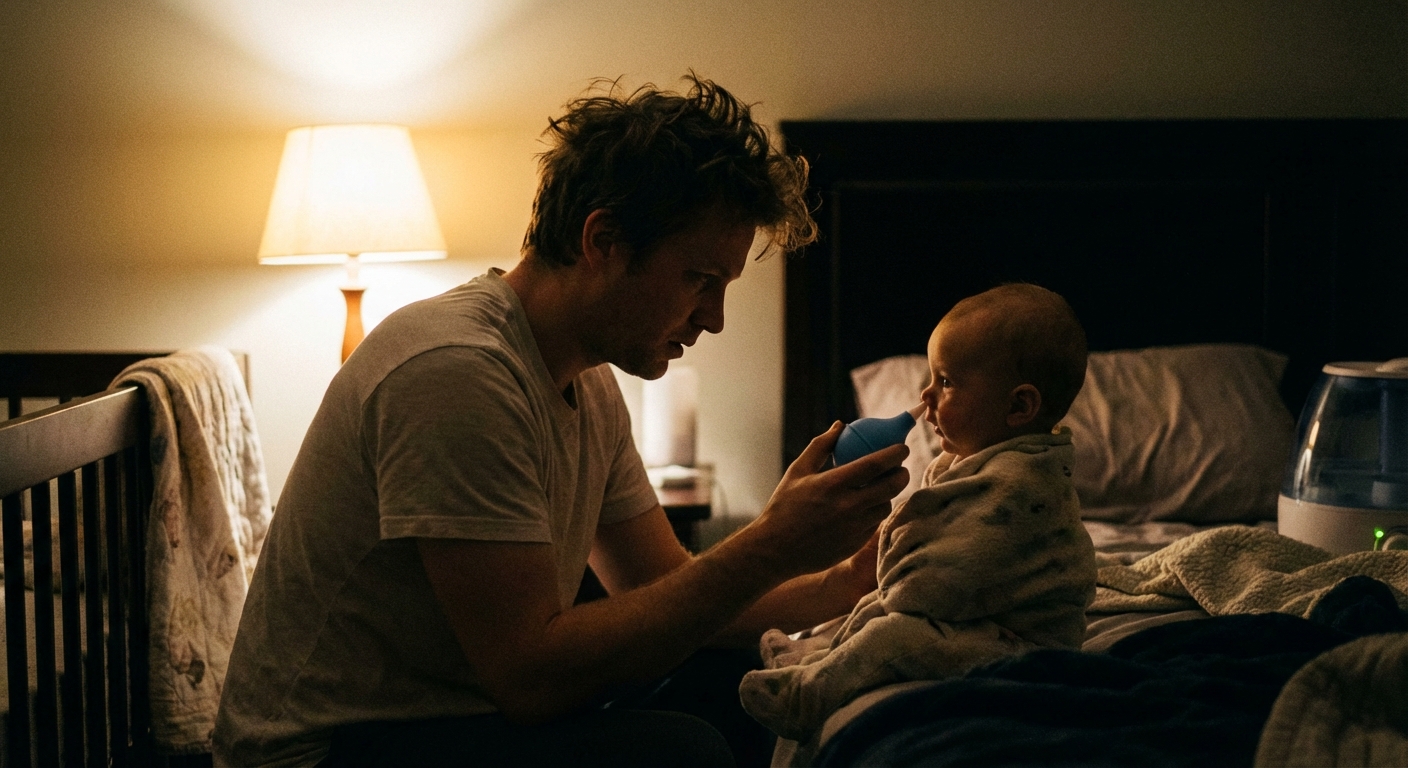
This article covers what RSV is, how it spreads, symptoms in babies versus toddlers, what to do at home, and the specific signs that mean you should call your pediatrician or head to the ER.
What is RSV?
RSV stands for respiratory syncytial virus. It is a very common virus that infects the nose, throat, and lungs. Most children have had RSV by age 2.
In older kids and adults, RSV often looks like a regular cold. In babies, especially younger infants, it can travel into the lower airways and cause bronchiolitis (inflammation of the small breathing tubes in the lungs). That’s when breathing and feeding can get tough.
How RSV spreads
RSV spreads through:
- Droplets from coughing or sneezing
- Direct contact like kissing a baby’s face or touching hands
- Contaminated surfaces (RSV can survive for several hours on hard surfaces, depending on conditions)
It’s very common for an older sibling to bring RSV home from school or daycare with a mild cold, and for a baby to end up with stronger symptoms a few days later.
How long is RSV contagious?
Many kids are contagious for 3 to 8 days. Babies and children with weakened immune systems can sometimes spread the virus longer, sometimes for weeks.
When is RSV season?
In many places, RSV is more common in fall and winter. Season timing can vary by region and can shift year to year, so your local public health updates and your pediatrician’s office are often the best “what’s going around” source.
RSV vs. a cold
RSV can look just like a common cold at first. The tricky part is you often cannot tell in the beginning.
Here’s the simple way I explain it in clinic: a cold usually stays “up top” (nose and throat). RSV sometimes moves “down low” (lungs), especially in babies.
More typical cold signs
- Runny or stuffy nose
- Sneezing
- Mild cough
- Low-grade fever or no fever
- Kid still drinks and plays fairly normally
More concerning RSV signs
- Cough that worsens over a few days
- Wheezing (a whistling sound) or noisy breathing
- Fast breathing or working hard to breathe
- Trouble feeding because breathing is hard
- Fewer wet diapers
One more nuance that helps: stuffy upper-airway congestion can sound loud and can be mistaken for wheeze. True wheezing tends to be a whistling sound on the exhale. If you are unsure, it is worth a call.
Important note: other viruses, including flu and COVID, can also cause breathing trouble. If your child is struggling to breathe, the name of the virus matters less than getting help quickly.
RSV symptoms by age
Babies (especially under 6 months)
In infants, RSV may start mildly and peak around days 3 to 5.
- Runny nose (often the first sign)
- Decreased appetite or shorter feeds
- Cough
- Fever (sometimes, not always)
- Wheezing or rattly/crackly breathing
- Fast breathing
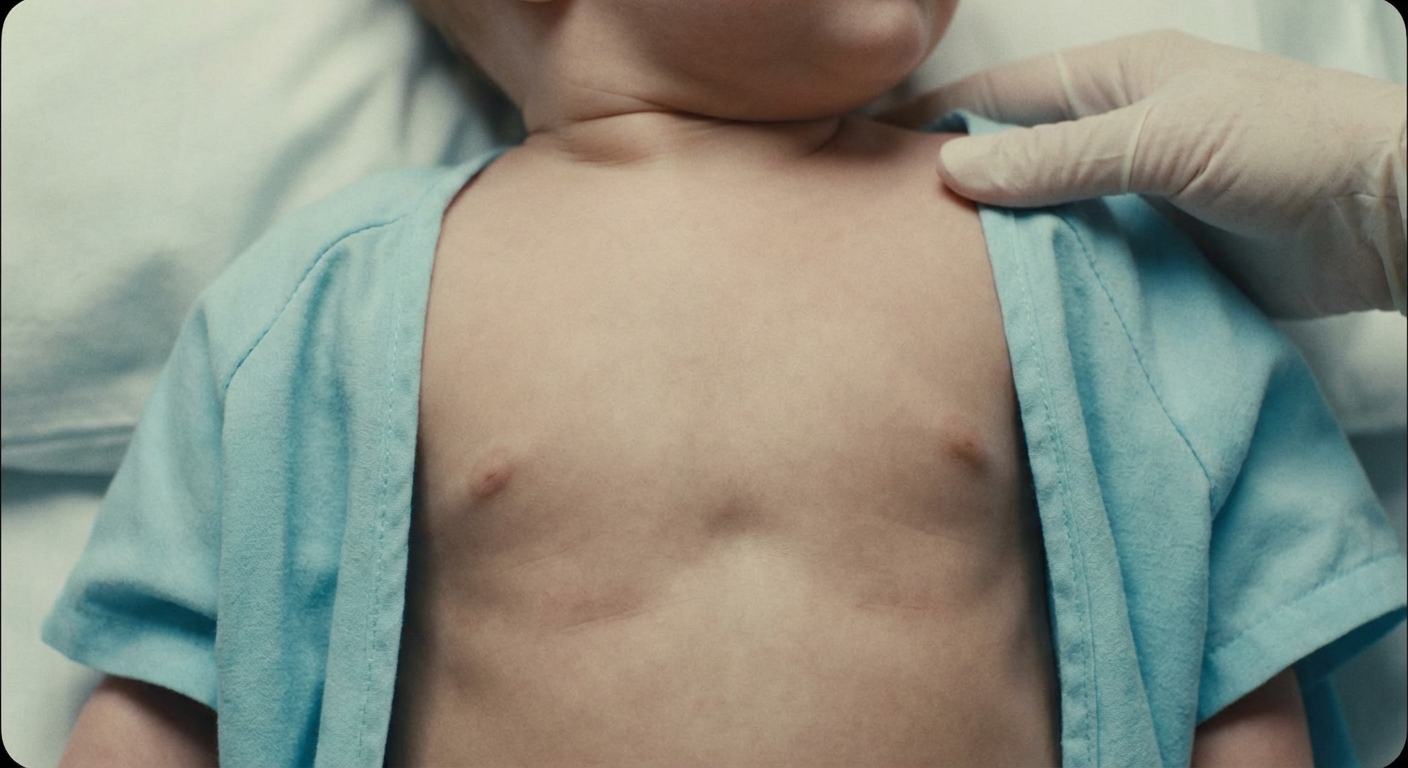
- Retractions (skin pulling in between ribs, under the ribs, or at the base of the throat when breathing)
- Apnea (pauses in breathing) in very young infants, especially premature babies
A note to calm the anxiety a bit: babies often have some belly movement when they breathe. What worries us is working hard to breathe like strong retractions, nostril flaring, grunting, head bobbing, or a baby who cannot comfortably feed because they need to breathe.
Toddlers
Toddlers usually have more reserve. They may act like they have a heavy cold, but some still get wheezing or bronchiolitis.
- Runny nose
- Wet or persistent cough
- Fever
- Sore throat or irritability
- Less energy
- Occasional wheeze
If a toddler has asthma or a history of wheezing, RSV can trigger a flare. That’s a good reason to check in with your pediatrician early.
Home care for RSV
RSV is a virus, so antibiotics do not help unless there is a separate bacterial infection (like an ear infection) diagnosed by your child’s pediatrician. For most children, treatment is supportive, meaning we focus on breathing comfort and hydration while the virus runs its course.
1) Clear the nose
Young babies are mostly nose-breathers. A stuffy nose can make feeding feel impossible.
- Use saline drops or spray, then suction with a bulb syringe or nasal aspirator.
- Do this before feeds and sleep, not constantly all day (too much suctioning can irritate the nose).
2) Hydration
- Offer smaller feeds more often.
- If your baby is struggling to take a bottle or nurse, call your pediatrician for strategies. Sometimes we temporarily use oral rehydration solution in older infants and toddlers, but always follow your pediatrician’s guidance for young babies.
3) Humidity and comfort
- A cool-mist humidifier can help loosen congestion.
- Warm baths can help some kids breathe more comfortably.
- Keep your child upright while awake to ease breathing.
Safe sleep reminder
When it is time to sleep, stick with safe sleep basics even when your baby is congested: on their back, on a firm, flat surface, with no loose blankets or pillows. Avoid letting a baby sleep upright in swings, car seats, or loungers at home (unless you are traveling and using a car seat properly in the car).
4) Fever and pain relief
- Use acetaminophen or ibuprofen only if your child is old enough and you have dosing guidance from your pediatrician.
- No honey for cough under age 1.
What to avoid
- Over-the-counter cough and cold meds for young children unless specifically directed by a pediatrician
- Essential oils applied to the skin or used near infants, which can irritate airways
- Smoke exposure of any kind (including vaping), which can significantly worsen symptoms
Real-life tip from a pediatric nurse mom: For babies with RSV, your “job” is often just two things: clear the nose and keep them drinking. Everything else is bonus.
When to call the pediatrician
Call your pediatrician if you’re unsure. You are not bothering anyone. RSV can change quickly in little ones, and it’s okay to want a second set of eyes.
Reach out the same day if your child has:
- Worsening cough or wheeze
- Fever in a baby who seems uncomfortable or is hard to console
- Feeding that’s clearly reduced
- Wet diapers that are noticeably fewer than usual
- New ear pain, persistent fussiness, or signs of an ear infection
- Underlying risk factors (prematurity, chronic lung disease, congenital heart disease, immune compromise)
- A very young infant with any new breathing change that worries you
When to go to the ER
This is the section I wish every exhausted parent could screenshot. RSV becomes an emergency when breathing or hydration is at risk.
Go now for breathing trouble
- Struggling to breathe, including retractions (pulling in between ribs, under ribs, or at the base of the throat)
- Nostrils flaring with each breath
- Grunting or repeated head bobbing in infants
- Breathing very fast or your child cannot feed because they need to breathe
- Lips or face turning blue or gray
- Pauses in breathing (apnea), especially in young infants
Go now for dehydration
- Very few wet diapers or a big drop from your child’s normal (for many babies, fewer than about 3 in 24 hours can be concerning, but this can be age-dependent)
- Very dark urine
- Dry mouth, no tears when crying
- Sunken soft spot on the head in young babies
- Too sleepy or weak to drink
Fever in young infants
If your baby is under 3 months, a fever needs prompt medical advice, even if it seems like a simple virus. In many practices, fever means 100.4°F (38°C) or higher (rectal). Follow your pediatrician’s guidance on how to take your baby’s temperature and what to do next.
What doctors do for RSV
Most children do not need specific antiviral treatment for RSV. In the pediatrician’s office or hospital, care focuses on supporting breathing and hydration.
Depending on severity, your child may receive:
- Oxygen if levels are low
- Nasal suctioning (often more thorough than at home)
- IV fluids or tube feeds if they can’t drink enough
- Monitoring for breathing pauses in very young infants
Parents often ask about breathing treatments or steroids. These can help in certain situations (like asthma), but they are not routinely effective for typical RSV bronchiolitis. Your child’s pediatrician will decide based on history and exam.
How long RSV lasts
Typical timeline:
- Days 1 to 3: runny nose, mild cough, mild fever
- Days 3 to 5: symptoms often peak, this is when wheezing and feeding issues may show up
- Days 7 to 14: gradual improvement, though the cough can linger
A lingering cough after a viral illness can be normal. If your child’s cough is getting worse instead of better, or sleep and breathing are still significantly disrupted after two weeks, check in with your pediatrician.
Who is at higher risk
Any baby can get sick with RSV, but these groups have higher risk of complications:
- Premature infants
- Babies under 6 months, especially under 3 months
- Children with chronic lung disease
- Children with congenital heart disease
- Children with weakened immune systems
- Infants exposed to tobacco smoke
If your baby falls into one of these categories, it’s worth having a proactive plan with your pediatrician before RSV season ramps up.
RSV prevention tips
You cannot bubble-wrap your child (if you figure out how, please email me, because my toddler is basically a tiny parkour athlete). But you can lower the odds.
At home and on the go
- Wash hands before holding the baby, especially after school or daycare
- Limit close contact with sick people, even if it’s “just a cold”
- Clean high-touch surfaces (phones, doorknobs, toys)
- Avoid smoke exposure
- Teach toddlers to cough into their elbow and to use tissues
Daycare and sibling reality
If you have older kids, your best strategy is often “harm reduction”:
- Shoes off at the door
- Wash hands as soon as they come home
- Change clothes after daycare if RSV is going around
- Try to avoid face kisses on the baby during peak season
Vaccines and preventive options
Depending on your baby’s age, health history, and local recommendations, your pediatrician may discuss newer prevention tools that reduce the risk of severe RSV:
- RSV vaccination during pregnancy (in some regions, this includes vaccines such as Abrysvo)
- A long-acting RSV antibody for babies (in some regions, nirsevimab, brand name Beyfortus)
- Monthly RSV antibody injections for select high-risk infants (palivizumab)
Your pediatrician can tell you what’s available and appropriate for your family.
Quick checklist
If you only remember a few things, let it be these:
- Clear the nose before feeds and sleep.
- Watch hydration by tracking wet diapers and how much they drink.
- Breathing comes first. Working hard to breathe is an ER-level concern.
- Symptoms often peak around days 3 to 5.
- When in doubt, call your pediatrician. That’s what they are there for.
FAQs
Can my baby get RSV more than once?
Yes. Immunity is not long-lasting, so reinfections can happen. The good news is that for many children, infections tend to be less severe as they get older.
Does RSV always cause wheezing?
No. Some kids only have upper-respiratory symptoms like congestion and cough. Wheezing is more common when the lower airways are involved. Also, loud nasal congestion can mimic wheeze, so check in if you are not sure what you are hearing.
Should I ask for an RSV test?
In many outpatient cases, testing does not change home treatment. Pediatricians may test in certain situations (high-risk infants, hospital decisions, outbreaks), but the care focus is still breathing and hydration.
Can I treat RSV with antibiotics?
Antibiotics do not treat viruses. Your child may need antibiotics only if a pediatrician diagnoses a bacterial infection in addition to RSV.
A final calm word
RSV is common, and it’s also genuinely stressful when your baby is coughing, congested, and not eating well. Trust your instincts. If your child’s breathing looks wrong, if they are too tired to drink, or if that little voice in your head keeps saying “something isn’t right,” get medical help. You are not overreacting. You’re parenting.