Salmonella in Kids: Symptoms, Hydration, and When to Go to the ER

Sarah Mitchell
Sarah Mitchell is a Registered Pediatric Nurse and a mother of three who has spent over a decade helping families navigate the beautiful, chaotic early years of childhood. She combines evidence-based medical knowledge with real-world parenting experience to offer practical, compassionate advice. At Awesome Parent, Sarah's mission is to help exhausted parents find solutions, trust their instincts, and finally get some sleep.
If your kid is suddenly vomiting, glued to the toilet, and you are staring at the clock wondering, Is this just a stomach bug or something else? you are not alone. Salmonella is a common cause of food poisoning in kids, and it can look a lot like “a bug” at first. The difference is that Salmonella is a bacterial infection, which can hit harder, last longer, and in some cases cause complications that need medical care.
I will walk you through what Salmonella typically looks like, what to do at home, how to tell if dehydration is creeping in, and exactly when it is time to call your pediatrician or head to the ER.

What Salmonella is (vs a stomach bug)
Most “stomach bugs” parents talk about are viral, especially norovirus. Viral gastroenteritis often comes on fast, causes a lot of vomiting early, and often starts to improve within 1 to 3 days, though diarrhea can last longer.
Salmonella is different because it is caused by bacteria (most often Salmonella enterica), typically from contaminated food or contact with infected animals. It can still start suddenly, but symptoms often last longer and may include more intense belly cramps and diarrhea.
Clues it might be Salmonella
- Diarrhea is prominent, sometimes severe, and can last several days.
- Fever is common and can be higher than you would expect with a mild viral bug.
- Symptoms show up 6 hours to 6 days after exposure (often 12 to 72 hours). That delay can make it harder to connect to a specific meal.
- Blood or mucus in stool can be a clue for bacterial causes, including Salmonella (though it is not exclusive to Salmonella).
- Kid seems more wiped out than usual gastroenteritis, especially as dehydration sets in.
That said, you cannot diagnose this by symptoms alone. If symptoms are significant or your child is high-risk (especially infants), your pediatrician may recommend testing.
Salmonella symptoms in kids
Common symptoms include:
- Diarrhea (watery, sometimes urgent, sometimes explosive)
- Stomach cramps and belly pain
- Fever
- Nausea and vomiting
- Headache, body aches, general fatigue
- Decreased appetite
Most otherwise healthy kids recover with supportive care, but dehydration is the big risk in the short term.
Timeline (day by day)
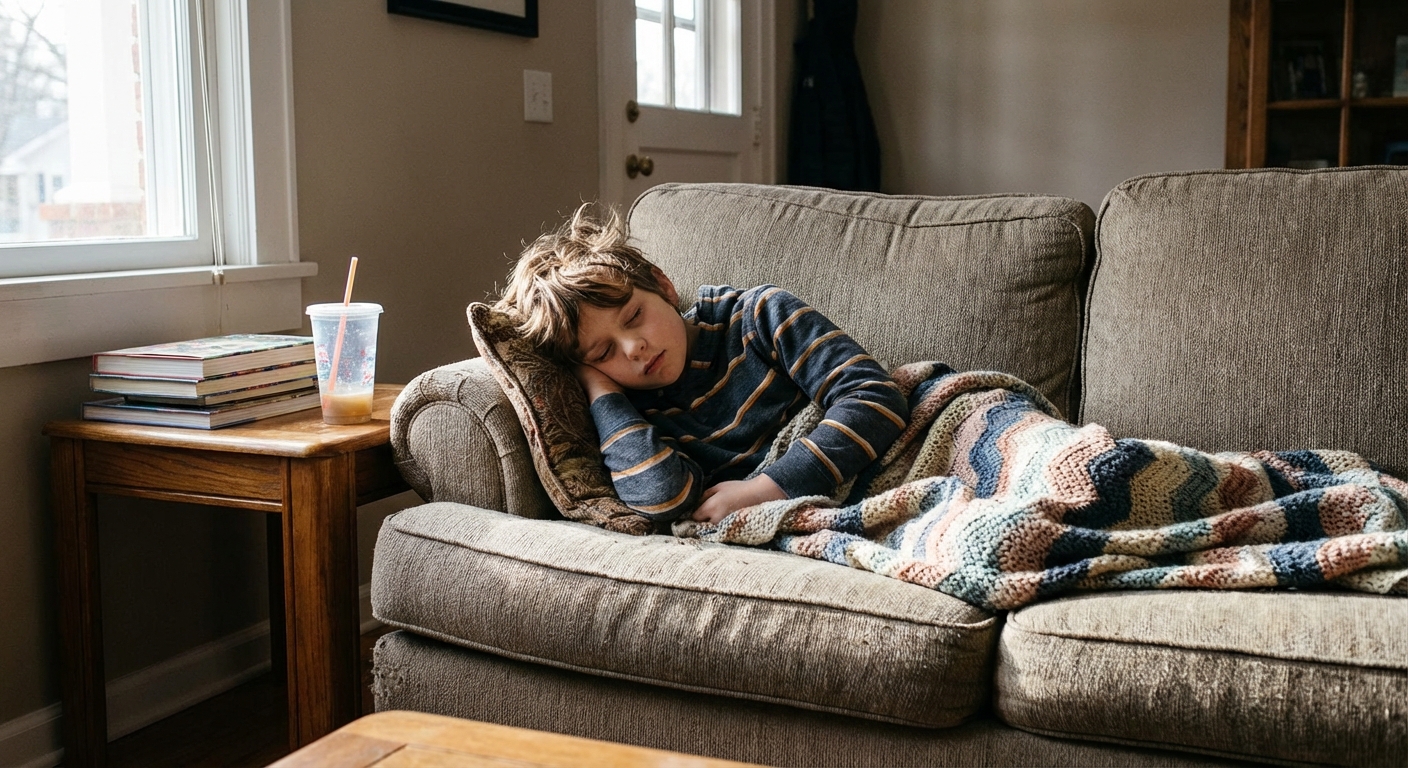
Every kid is different, but this is a common pattern families describe. Many kids feel significantly better in 4 to 7 days, even if stools stay loose longer.
First 24 hours
- Fever and belly cramps may start first.
- Vomiting can happen, but some kids have little to no vomiting.
- Diarrhea often starts within the first day and may be frequent.
Days 2 to 3
- Diarrhea is usually the main event.
- Cramps can continue.
- Fever may persist.
- Appetite is low, and hydration becomes the priority.
Days 4 to 7
- Many kids gradually improve.
- Stools may still be loose for several days even as energy returns.
Sometimes longer
It is not unusual for bowel habits to take a bit to normalize after any GI illness. But if diarrhea is still significant beyond a week, if it is worsening, or if blood is present, call your pediatrician.
Hydration first (at-home plan)
When kids have diarrhea (and sometimes vomiting), the most important job is replacing fluids and electrolytes faster than they are being lost. You are not trying to win a nutrition award on day one. You are trying to keep them peeing.
What to offer
- Oral rehydration solution (ORS) is best (like Pedialyte or store brands). This has the right balance of sugar and salts.
- Breast milk or formula for babies: keep offering frequently. If vomiting is happening, smaller, more frequent feeds help.
- Water is fine for older kids in addition to ORS, but if diarrhea is heavy, ORS should be the main fluid.
- Ice chips or popsicles made with ORS can be easier for kids who refuse to drink.
What to avoid (or use carefully)
- Juice and soda: high sugar can worsen diarrhea.
- Sports drinks: not the same as ORS. They are often too sugary and not balanced for younger kids.
- Plain water only for infants: babies need the right electrolyte balance and calories, so follow your pediatrician’s guidance.
How much is enough?
Instead of forcing a big cup (which often triggers vomiting), aim for small sips every 2 to 5 minutes for an hour, then reassess. If your child vomits, wait 10 minutes and restart with tiny amounts.
If you want a simple checkpoint: your goal is steady improvement in alertness and urine output. If pee is disappearing, you need help.
Dehydration checkpoints
Parents often ask, “How do I know if it is dehydration or just being sick and cranky?” Here are practical checkpoints.
Signs hydration is probably OK
- They are drinking at least some fluids and keeping some down.
- They are peeing at regular-ish intervals.
- Mouth looks moist, tears are present when crying.
- They perk up at times, even if they are tired.
Concerning dehydration (call today)
- Less pee: fewer wet diapers, or an older kid is barely urinating.
- Dry mouth, cracked lips, no saliva.
- No tears when crying.
- Sunken eyes or they look unusually “drawn.”
- Dizziness when standing, unusual weakness.
- Fast breathing or fast heartbeat compared with normal.
Red-flag dehydration (urgent care or ER now)
- Infant under 3 months with vomiting or diarrhea, especially with fever or poor feeding.
- No urine for about 8 hours in older kids, or about 6 hours in infants, or markedly fewer wet diapers than usual.
- Very sleepy, hard to wake, floppy, confused, or not making eye contact.
- Unable to keep fluids down due to repeated vomiting.
- Signs of shock (very pale or mottled skin, cold hands/feet, weak or rapid pulse).
If you are on the fence, trust your gut. Dehydration can sneak up quickly, especially in babies and toddlers.
When to go to the ER
Go to the ER now or seek emergency care if your child has any of the following:
- Age under 3 months with vomiting or diarrhea, or any fever per your pediatrician’s guidance.
- Blood in stool (especially more than a streak).
- Black, tarry stools (this can sometimes happen from iron supplements or bismuth, but in a sick child it still needs urgent evaluation).
- Severe abdominal pain, a hard belly, or pain that is worsening or localized (especially right lower belly).
- Signs of moderate to severe dehydration (no urine, very dry mouth, lethargy, not drinking).
- Persistent vomiting that prevents hydration.
- High fever that concerns you, or fever plus a child who looks very ill.
- Seizure, stiff neck, severe headache, or trouble breathing.
- High-risk medical conditions (immune suppression, cancer treatment, sickle cell disease or other hemoglobin disorders, medically complex kids, significant chronic illness) with GI symptoms.
Also seek care urgently if your child is improving and then suddenly gets worse again.
Testing and diagnosis
If your pediatrician suspects Salmonella, they may recommend a stool test (culture and or PCR panel). Testing is more likely if symptoms are severe, diarrhea is persistent, there is blood in stool, there is a high fever, your child is very young, or your child has medical risk factors.
In mild cases, test results may not change what you do at home (hydration and time), but testing can matter for public health reporting, outbreak tracking, and deciding when antibiotics might help.
Do kids need antibiotics?
Most kids with uncomplicated Salmonella gastroenteritis do not need antibiotics. Supportive care and hydration is the main treatment.
Why not antibiotics for everyone? In many cases, antibiotics do not shorten illness and may prolong the time Salmonella is shed in stool (this can vary by situation and medication). Pediatricians are more likely to consider antibiotics for specific situations, such as:
- Infants (often especially those under 3 months), depending on presentation
- Kids with weakened immune systems
- Severe disease, severe dehydration, or a child who looks systemically ill
- Concern for spread beyond the gut (like bacteremia)
Your clinician will decide based on age, symptoms, exam, and sometimes stool or blood testing.
Foods linked to outbreaks
Salmonella is usually spread through food that is contaminated, undercooked, or cross-contaminated during preparation. Common culprits include:
- Undercooked poultry (chicken, turkey) and drippings that contaminate counters
- Eggs (especially raw or undercooked, or foods made with them)
- Unpasteurized milk or juice
- Raw flour and raw dough (yes, the cookie dough tastes amazing, but it is a frequent offender)
- Produce (including bagged salads, cut fruit, sprouts) when contaminated during processing
- Peanut butter and other processed foods during specific outbreaks
Another less obvious source: pet reptiles and amphibians (turtles, lizards, snakes, frogs) can carry Salmonella even when they look perfectly healthy. Washing hands after handling them and keeping them away from kitchen areas matters.
Food safety tips
- Cook poultry and eggs fully. Use a food thermometer when you can.
- Prevent cross-contamination: keep raw poultry and eggs away from ready-to-eat foods, use separate cutting boards, and wash knives and counters with hot soapy water.
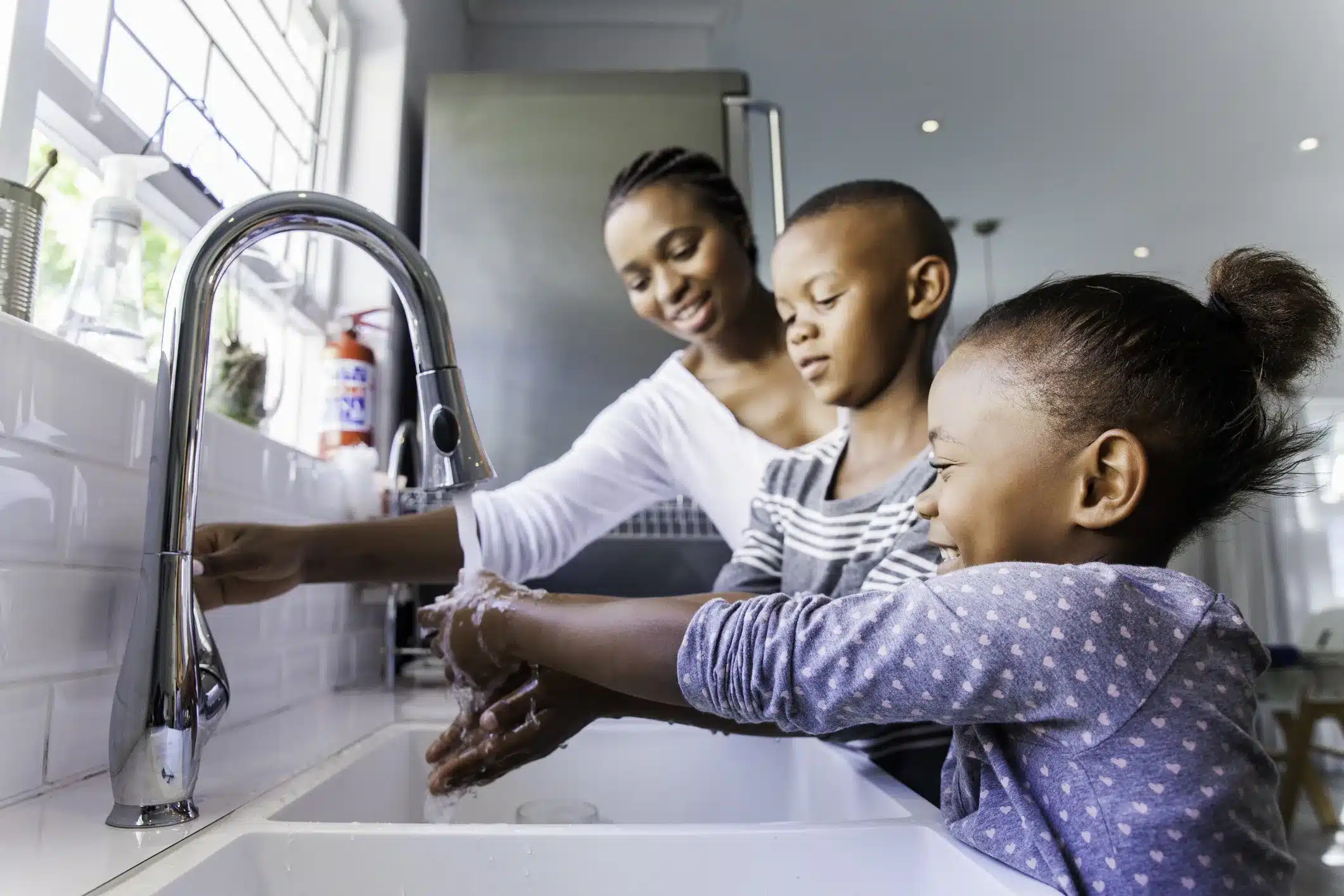
- Wash hands after handling raw meat, eggs, or flour.
- Chill leftovers promptly and do not leave perishable foods out for long stretches.
What to feed your child
Once vomiting is calming down and your child is asking for food, you can restart simple meals. There is no one perfect “sick diet,” but these tend to be gentle:
- Toast, crackers, pretzels
- Rice, pasta, oatmeal
- Bananas, applesauce
- Soup, broth, plain chicken (fully cooked)
- Yogurt if tolerated (some kids do fine, some get more gassy)
Avoid greasy, spicy foods at first. If dairy seems to worsen diarrhea, take a short break and try again later.
Preventing spread at home
Salmonella can spread through stool, especially in diapered kids. A few practical steps reduce the odds that the whole household goes down:
- Handwashing with soap and water after every diaper change and bathroom trip.
- Separate towels for the sick child if possible.
- Disinfect bathroom surfaces and high-touch areas (flush handle, faucet knobs, doorknobs).
- Launder soiled clothing promptly with hot water when possible.
- Keep sick kids out of pools and shared baths.
Quick FAQs
How long is Salmonella contagious?
Kids can shed Salmonella in stool for days to weeks after symptoms improve. Good hand hygiene is your best protection. Daycare and school rules vary, so check their policy if diarrhea is ongoing.
Can Salmonella cause blood in stool?
It can. Blood is a reason to call your pediatrician the same day, and if it is significant or your child looks ill, go to urgent care or the ER.
Should I give anti-diarrhea medicine?
In kids, anti-diarrhea medications are generally not recommended unless specifically advised by a clinician. This includes loperamide (Imodium). It is especially important to avoid it if there is fever or bloody diarrhea.
When to call your pediatrician
- Diarrhea lasting more than 3 days without improvement
- Fever lasting more than 72 hours, or any fever that worries you
- Blood or mucus in stool
- Significant belly pain
- Not drinking well, peeing less, or unusually tired
- Infant age, prematurity history, or chronic medical conditions
You are not bothering anyone by calling. This is exactly what pediatric offices and nurse lines are for.
A final reassurance
Most cases of Salmonella in healthy kids are miserable but manageable at home with a hydration-first plan and close observation. The goal is not to “power through” or force meals. The goal is steady fluids, urine output, and a child who is gradually more alert each day.
If your child is very young, cannot stay hydrated, has blood in stool, or just looks truly unwell, skip the second-guessing and get seen. You know your kid best.