Secondary Drowning and Dry Drowning: Facts and Red Flags

Sarah Mitchell
Sarah Mitchell is a Registered Pediatric Nurse and a mother of three who has spent over a decade helping families navigate the beautiful, chaotic early years of childhood. She combines evidence-based medical knowledge with real-world parenting experience to offer practical, compassionate advice. At Awesome Parent, Sarah's mission is to help exhausted parents find solutions, trust their instincts, and finally get some sleep.
If you have ever watched your child cough after swallowing pool water and felt your stomach drop, you are not alone. I have taken late-night triage calls from parents whispering, “I read about dry drowning… should I take them in?”
Let’s replace the viral headlines with something steadier: what actually happens in the body after a water scare, which symptoms truly matter, and how to keep kids safe around water.
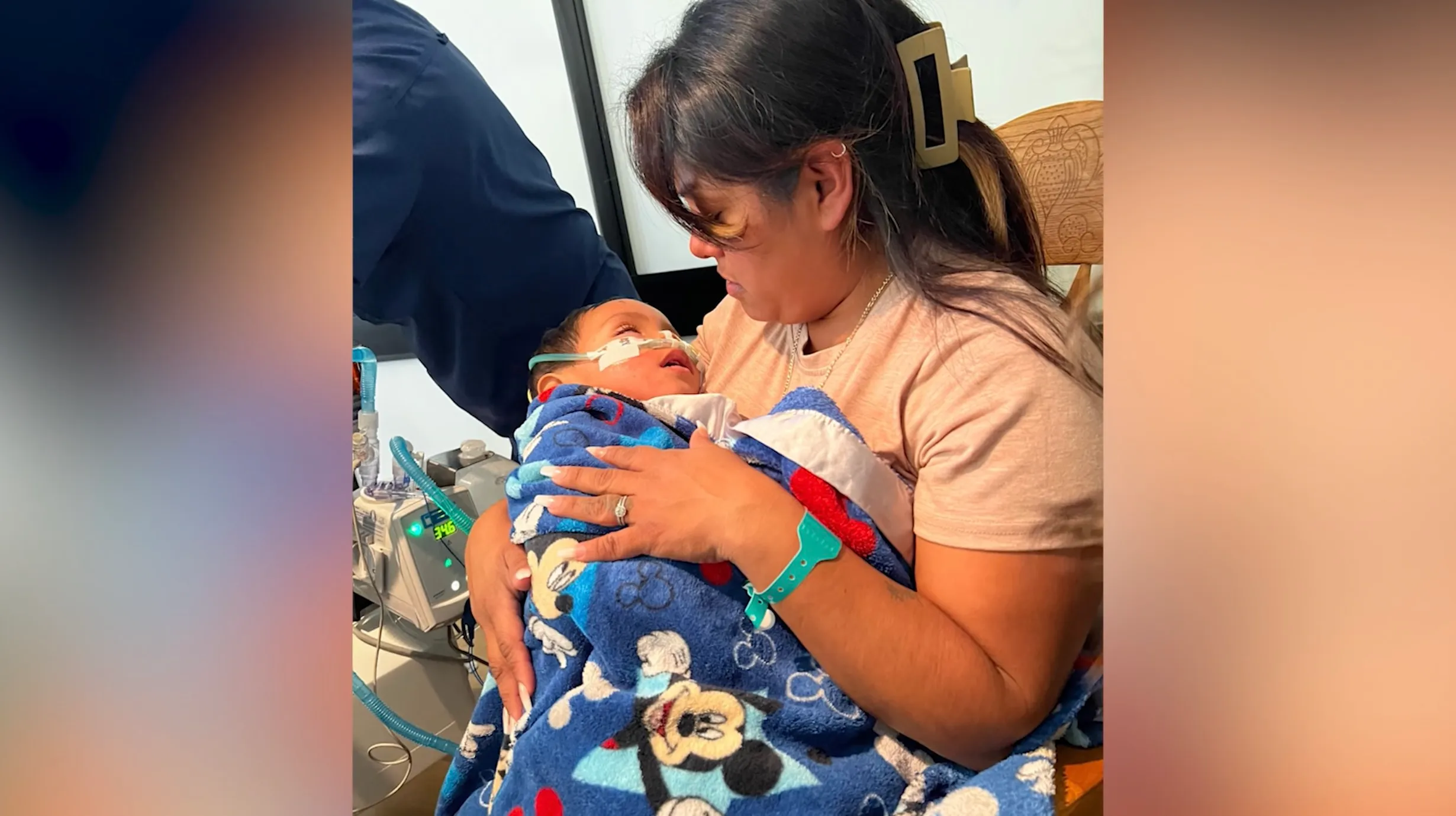
First, the myth reset
“Dry drowning” and “secondary drowning” are not medical diagnoses
You may see the terms dry drowning and secondary drowning online, but most major medical organizations do not use them as official diagnoses. These are catch-all phrases that can make normal, brief coughing sound like a hidden emergency.
What clinicians do talk about is drowning and breathing problems after water exposure. In plain language, the concern is simple: if water is inhaled into the airway or lungs, it can irritate them, and in some cases that irritation can worsen breathing over the next several hours.
Can a child seem fine and then get sick later?
Yes, occasionally a child can look okay at first and then develop breathing symptoms later. That is why watching for specific red flags for the rest of the day is reasonable after a meaningful water incident.
But no, kids do not typically “drown in their sleep” days later from a little splash or a single cough. When problems happen, they usually show up within the first several hours. Many clinicians use a monitoring window of about 4 to 8 hours, and some guidance advises staying alert for symptoms for up to 24 hours, especially after a more serious event. If symptoms show up at any time, treat what you are seeing, not the clock.
What actually happens
Here is the simple version I give families in clinic:
- Swallowing is not the same as inhaling. Water that goes into the stomach may cause gagging or a one-off cough. The bigger concern is water that gets into the airway.
- The airway reacts. Coughing, gagging, and sputtering are the body’s way of protecting the lungs.
- Irritation can linger if water was aspirated. If water is inhaled, it can irritate the lining of the airway and lungs. In some cases, that irritation leads to swelling and extra fluid in the lungs, which can make it harder to move oxygen.
The key takeaway: the issue is breathing. If a child is breathing comfortably and acting normally after a water incident, the risk of a serious delayed problem is low. If breathing becomes difficult, that is an emergency until proven otherwise.
What counts as concerning
Parents often ask, “Does this apply to any time they swallow water?” Not necessarily. The situations that deserve closer attention are the ones where a child may have inhaled water or had a true submersion scare.
Higher concern situations
- Any submersion where the child’s face was under water, especially if they struggled, panicked, or you think they inhaled water.
- Any time a child needed help getting out of the water or was rescued.
- CPR or rescue breaths were needed, even if the child seems fine afterward. Call emergency services and get evaluated.
- Persistent coughing, choking, or gagging right after the event.
- Altered behavior afterward, like unusual sleepiness, confusion, or “not acting right.”
Lower concern situations
- A quick swallow of water followed by a few coughs and then back to normal breathing and normal behavior.
- Water splashing the face with no choking and no breathing changes.
If you are unsure where your situation fits, it is always appropriate to call your pediatrician, nurse line, or local urgent care for guidance.
Red flags to watch
After a concerning water event, keep your child within sight and check in regularly for the rest of the day. You do not need to hover with a stopwatch, but you do want to notice changes.
Go to the ER or call emergency services now if you notice:
- Trouble breathing: fast breathing, working hard to breathe, ribs pulling in, nostrils flaring, or the child cannot speak or cry normally because of breathing.
- Persistent or worsening cough, especially if it keeps coming back or is not settling.
- Chest pain or a child who says it hurts to breathe.
- Blue, gray, or very pale lips/skin.
- Severe sleepiness, hard to wake, confusion, or behavior that feels “off.”
- Fainting or collapse.
Call your pediatrician same day for advice if you notice:
- New wheezing or noisy breathing.
- Vomiting repeatedly after the incident.
- Fever later plus cough or breathing symptoms, especially after lake, river, or ocean water. Fever is not always infection, and infection is not usually immediate, but contaminated water exposure can raise the stakes. In that situation, it is worth getting guidance.
- You are worried and your gut is not settling, even if symptoms seem mild.
Practical parent note: after a long day of swimming, kids are often tired and may nap hard. What we do not want is a child who is unusually drowsy, difficult to rouse, or acting unlike themselves.
Extra caution is reasonable if your child has higher risk medical issues (for example, significant asthma or chronic lung disease, neurologic impairment, or a condition that affects swallowing). If that is your child, I would use a lower threshold to call for advice or be seen.
How long to monitor
Most symptoms that matter show up within 4 to 8 hours after a meaningful water incident, which is why many emergency departments use an observation period in that range depending on what happened and what symptoms are present.
If your child is breathing normally, has normal color, is acting like themselves, and is not developing new coughing or breathing issues during that window, the likelihood of a serious delayed problem becomes very low.
Some clinicians still recommend staying alert for new symptoms for the rest of the day, and occasionally up to 24 hours after a more serious event. If symptoms show up later, treat what you are seeing, not the clock. New breathing trouble at any time deserves medical attention.
What we do in the ER
In triage, we focus on breathing and oxygen.
- Vital signs and a careful lung exam
- Pulse oximetry (a painless sensor to check oxygen level)
- Sometimes a period of observation to be sure symptoms are not progressing
- In some cases, a chest X-ray or other tests if symptoms suggest lung involvement
A helpful expectation to set: chest X-rays can look normal early on, and decisions are usually driven more by symptoms and oxygen levels than by a single image.
Treatment depends on how the child looks. Some kids only need monitoring. Kids who are struggling to breathe may need oxygen and additional care.
What not to do
- Do not force coughing or try to “get the water out.” If a child is coughing effectively, let them. If they cannot breathe, that is an emergency.
- Do not do back blows unless you are treating true choking on an object and have been trained in what to do. A water coughing spell after swimming is usually not that situation.
- Do not assume vomiting means they are fine. Vomiting can happen with coughing or swallowed water, but it does not rule out lung irritation.
- Do not let fear-mongering posts make the decision for you. Use symptoms and the reality of the event to guide next steps.
Prevention matters most
If I could bottle one message from pediatrics and hand it to every family at pool season, it would be this: drowning is fast and quiet. Prevention is where we make the biggest difference.
Water safety habits that matter
- Touch supervision for toddlers and preschoolers: an adult within arm’s reach in or near water.
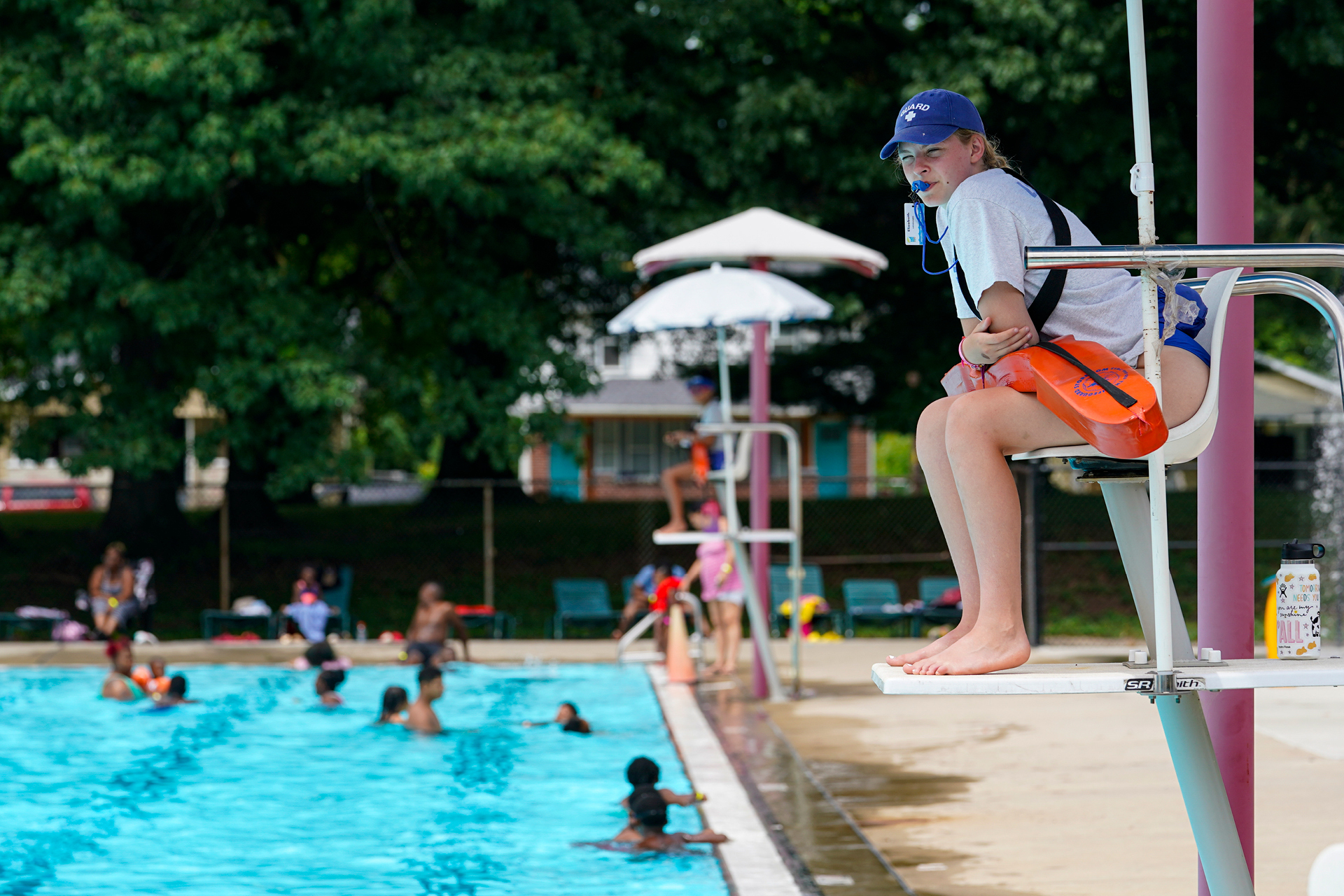
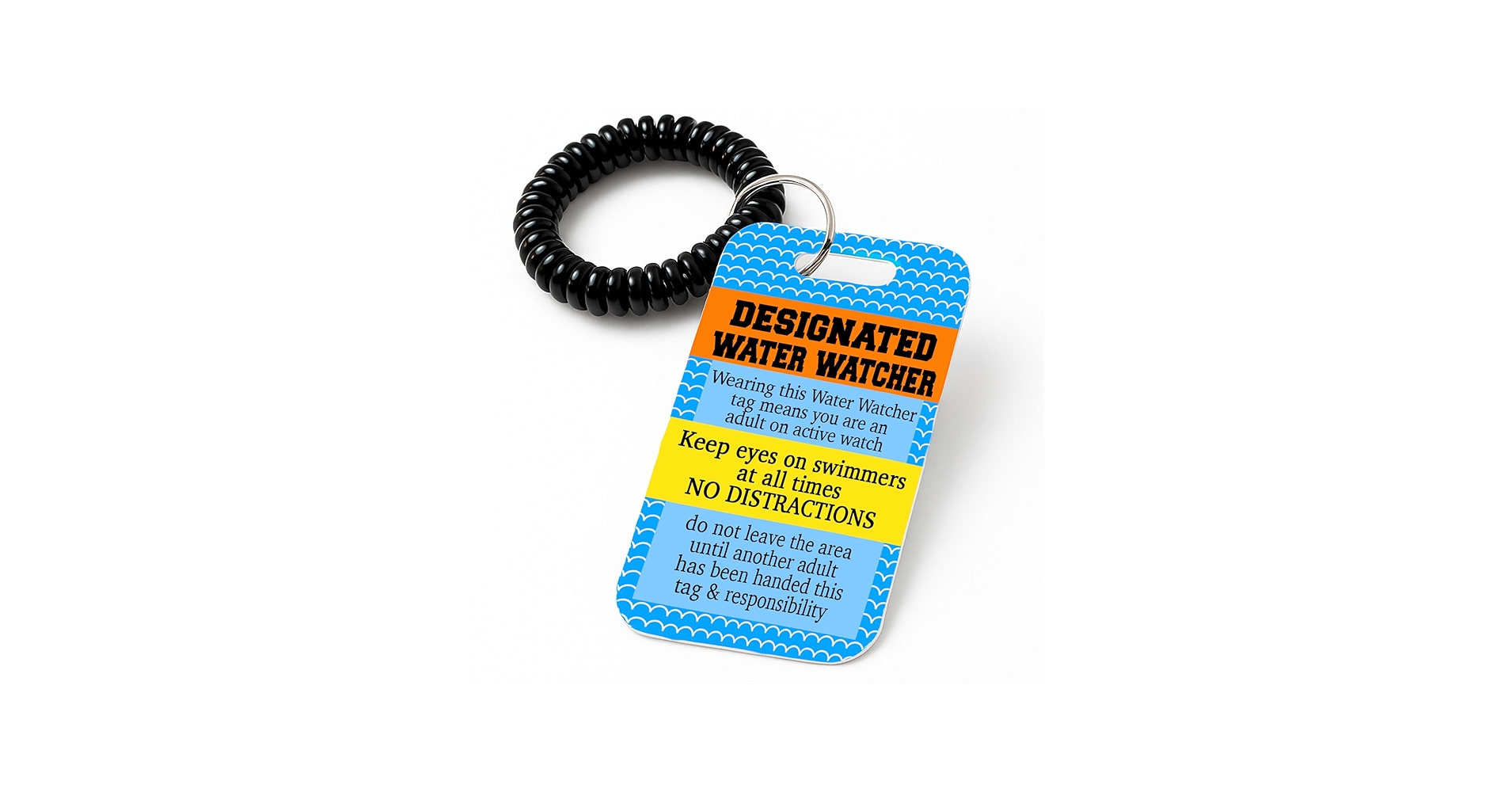
- Designate a water watcher: one adult whose only job is watching the kids, no phone, no chatting, no “I thought you had them.” Rotate every 15 minutes if needed.
- Use barriers: a four-sided pool fence with a self-latching gate is a major safety layer.
- Life jackets: U.S. Coast Guard approved life jackets for open water and for kids who cannot swim confidently. Pool noodles and floaties are toys, not safety devices.
- Swim lessons: helpful, but not a substitute for supervision. Even strong swimmers can get into trouble.
- Learn CPR: it is empowering and can save a life while waiting for emergency help.
Quick checklist
If your child had a water incident and you are deciding what to do next, use this quick checklist.
Seek emergency care now if
- Your child is having any trouble breathing, persistent or worsening cough, blue lips, or unusual sleepiness.
- Your child needed rescue, rescue breaths, or CPR.
- Your child is not acting like themselves in a way that worries you.
- You are unable to keep them awake, calm, or comfortable.
Call for same-day advice if
- Symptoms are mild but new, like wheezing or a cough that is not settling.
- You are unsure how serious the incident was or whether water was inhaled.
- Your child has underlying lung or neurologic conditions and had any concerning exposure.
Home observation is usually reasonable if
- Your child had a brief cough after swallowing water and quickly returned to normal breathing, normal color, and normal behavior.
If you are reading this at 3 AM, let me be the calm voice for a second: you do not have to be a perfect parent to keep your child safe. You just need solid information, a watchful eye after a scare, and the confidence to get help when symptoms say you should.
Medical note
This article is for general education and cannot diagnose your child. If your child has breathing trouble, call your local emergency number immediately. If you are unsure, contact your pediatrician or a local nurse advice line for guidance based on your child’s specific situation.