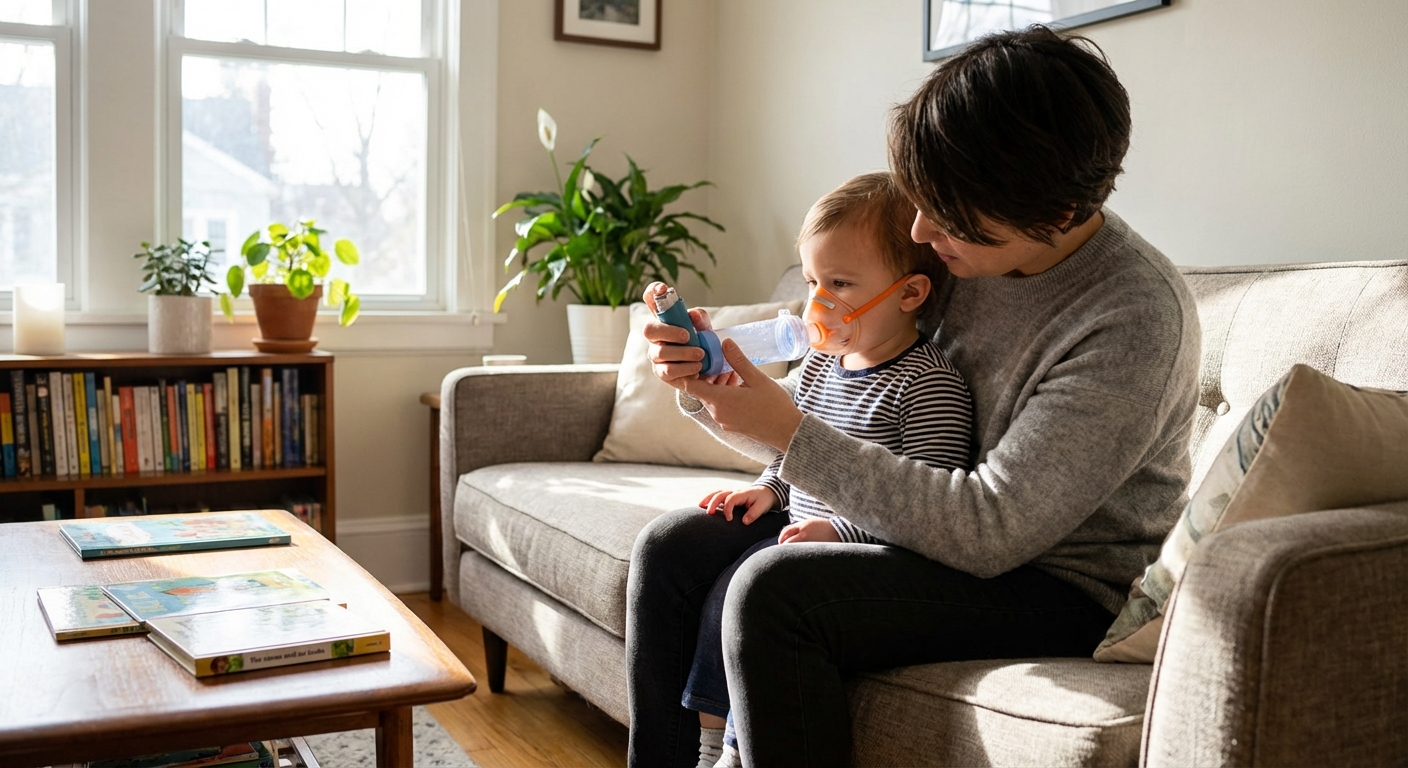
Wheezing, nighttime cough, or breathing trouble during play? Here are toddler asthma warning signs, how diagnosis works, treatments (including spacers), and ...
Secondhand Smoke and Young Kids

Sarah Mitchell
Sarah Mitchell is a Registered Pediatric Nurse and a mother of three who has spent over a decade helping families navigate the beautiful, chaotic early years of childhood. She combines evidence-based medical knowledge with real-world parenting experience to offer practical, compassionate advice. At Awesome Parent, Sarah's mission is to help exhausted parents find solutions, trust their instincts, and finally get some sleep.
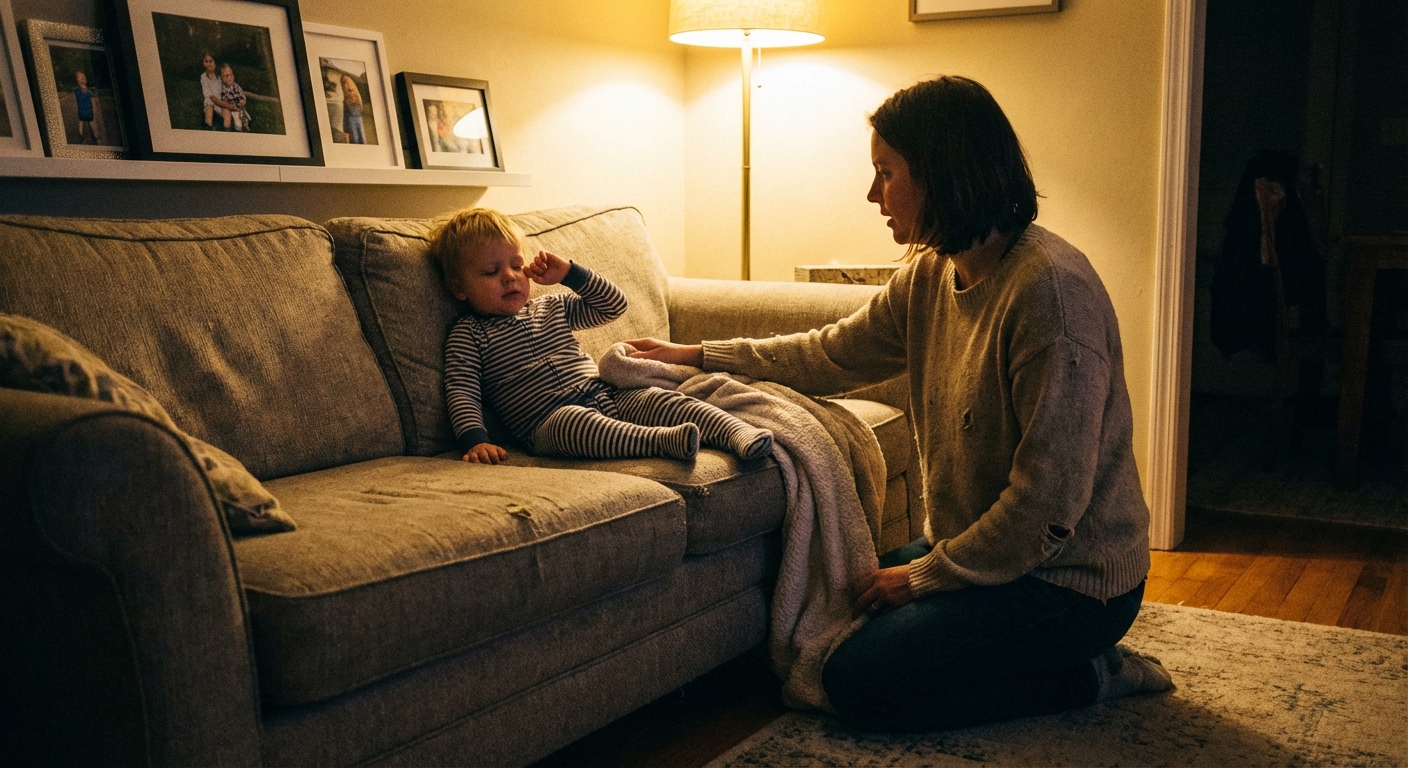
If you are reading this at an odd hour with a kid who cannot breathe through their nose or is clutching their ear, I want you to hear this first: you are not being “dramatic” for worrying about smoke exposure. In pediatric triage, I saw the pattern over and over. Little kids with repeat ear infections , chronic cough, and asthma flare-ups often had one common thread: smoke in their environment, even when adults tried to be careful.
This article is not about shaming anyone who smokes or vapes. It is about reducing a very real exposure risk for tiny lungs and tiny ear tubes, with steps that actually work in real homes.
Quick note: I am sharing general education and practical harm-reduction tips, plus what I have seen clinically. This is not medical advice for your specific child. If you are worried about breathing, ear pain, or asthma control, your pediatrician is the right partner.
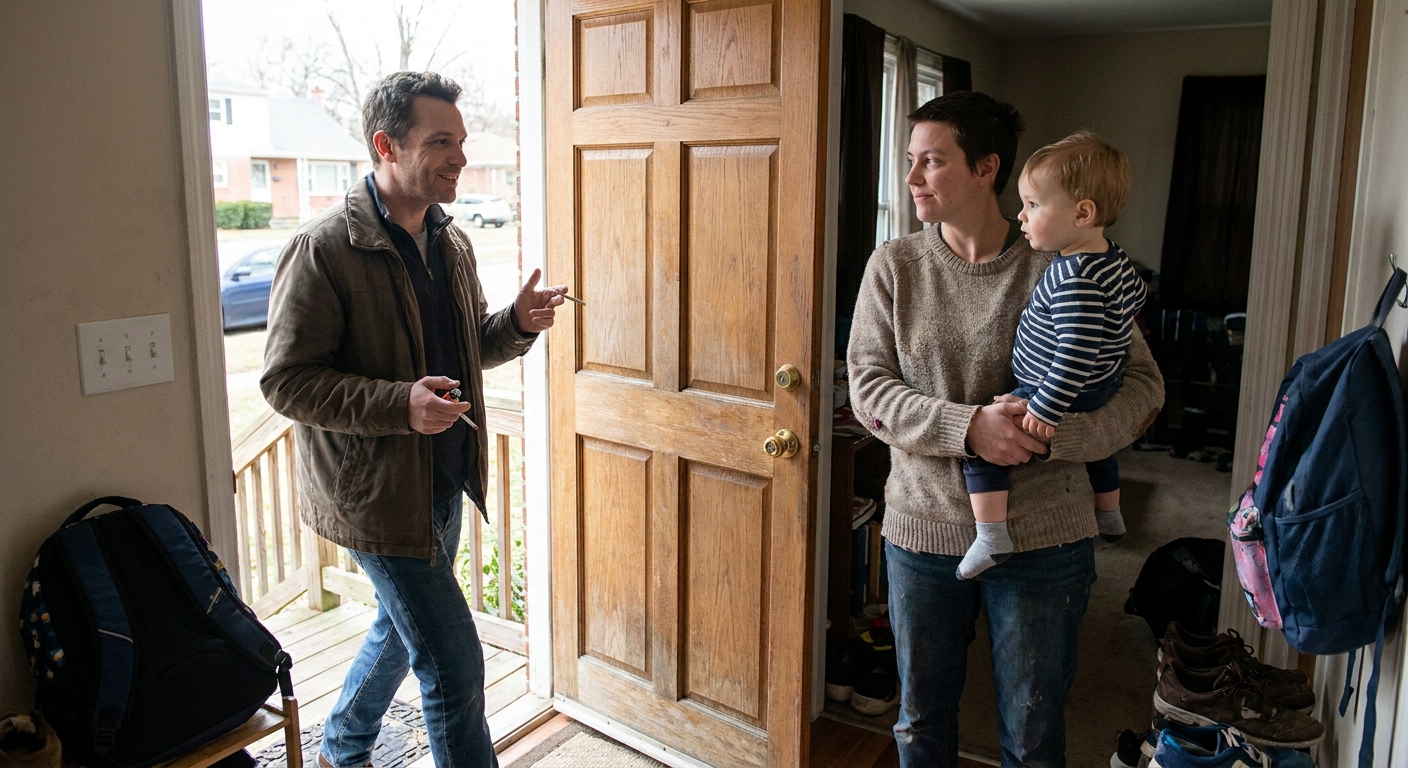
What counts as smoke exposure
Most parents have heard of secondhand smoke, but there are a few forms of exposure that matter for kids:
- Secondhand smoke: Smoke you breathe in from someone else’s cigarette, cigar, pipe, hookah, or marijuana.
- Thirdhand smoke: Residue that sticks to hair, skin, clothes, furniture, carpets, car seats, and walls after the smoke clears. You cannot always smell it, but it can still be there. Research is still evolving, and how long residue persists varies by surface type, how often smoking happens, cleaning, and ventilation. The safest assumption with small kids is that “no smell” does not automatically mean “no exposure.”
- Vape aerosol: Not “just water vapor.” E-cigarette aerosol can contain nicotine, ultrafine particles, flavoring chemicals, and other compounds. Kids can breathe it in, and some residue can settle on surfaces.
Young kids are extra vulnerable because they breathe faster than adults, their airways are smaller, and they spend more time close to surfaces where residue collects. Babies also mouth everything, which is basically an exposure pathway on fast forward.
Why smoke exposure hits ears and lungs
Ear infections
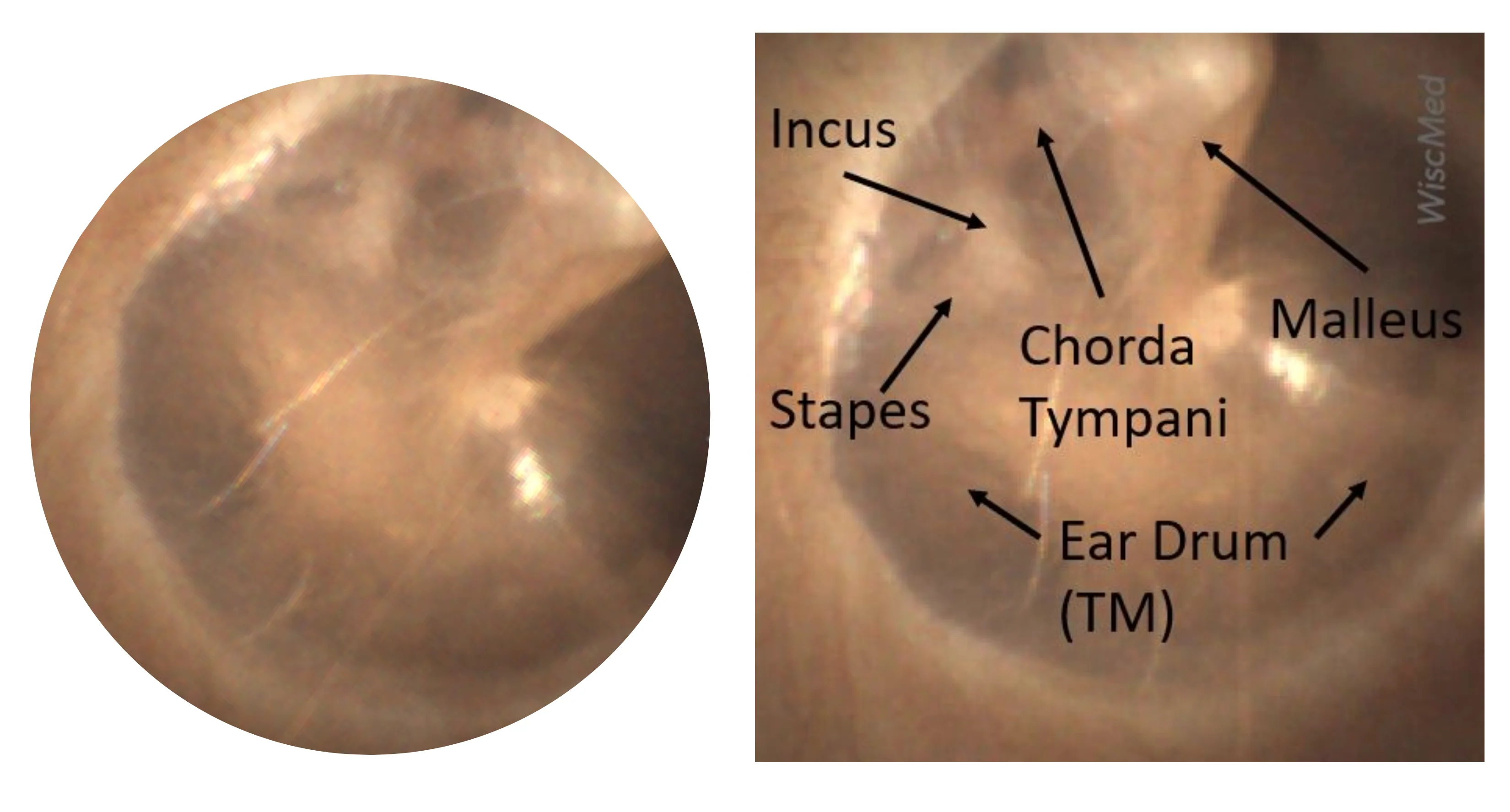
Little kids have short, narrow Eustachian tubes (the tiny tunnels that help drain fluid from the middle ear). Smoke exposure can irritate the lining of the nose and throat, increase swelling, and interfere with normal drainage. When fluid sits behind the eardrum, it becomes a perfect hangout spot for germs.
In plain terms: smoke can make kids more “plugged up,” and plugged up ears get infected more easily.
Asthma and wheeze
Smoke and aerosol particles irritate the airways. For a child with asthma or reactive airways, that irritation can mean:
- More coughing at night
- More wheezing or chest tightness
- More need for rescue inhaler treatments
- More urgent care or ER visits during flares
Even for children without an asthma diagnosis, smoke exposure can contribute to more frequent respiratory infections and more wheezy episodes with colds.
Other things parents notice
- More colds that linger and turn into prolonged coughs
- More sore throats and nasal congestion
- Sleep disruption for everyone, because coughing kids do not sleep and parents do not either
The car problem
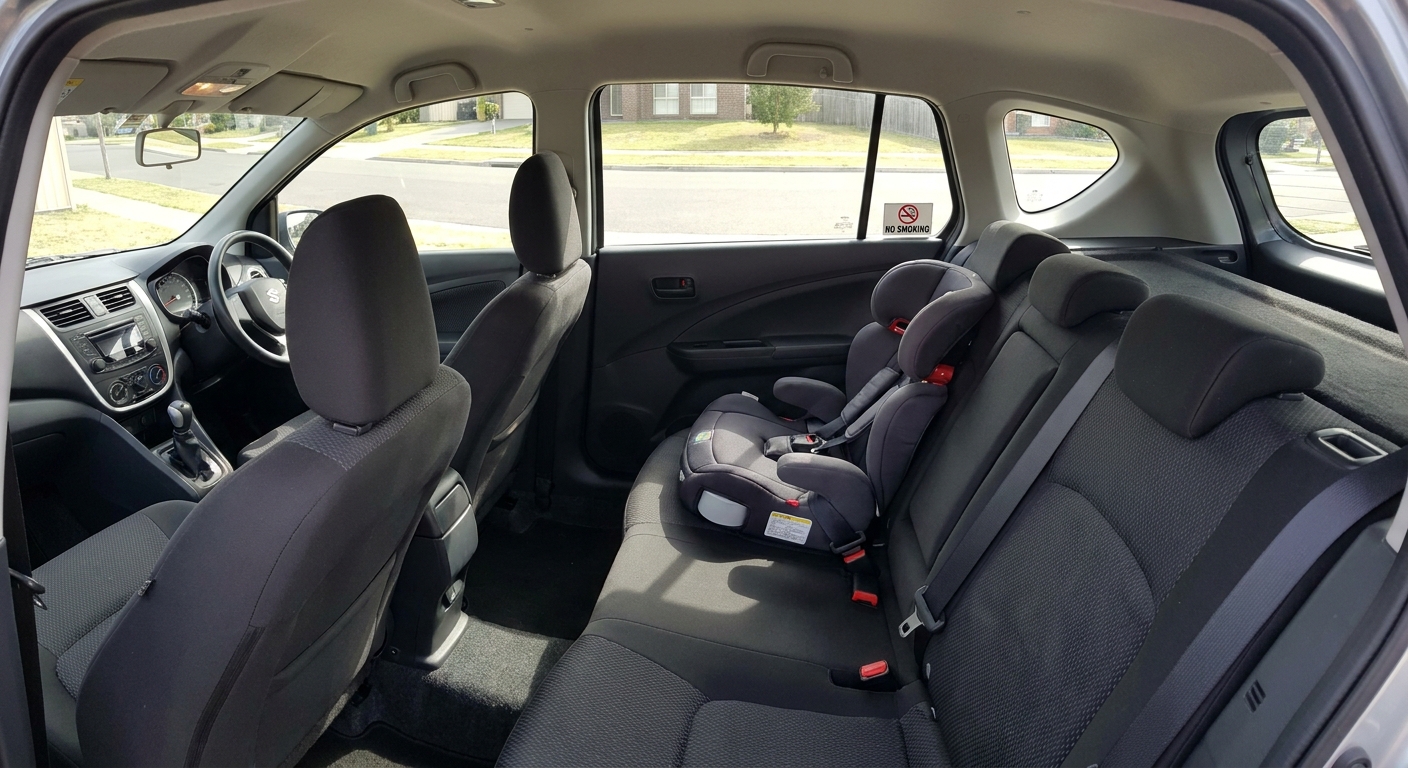
Cars concentrate pollutants in a small space. Even with windows down, smoke and residue can linger in upholstery and the car seat. And the car seat is not just near the smoke. It is made of materials that can hold onto residue.
If you want one rule that gives you the biggest payoff, it is this:
No smoking or vaping in the car, ever.
That includes when kids are not in the car. The goal is to prevent residue buildup so kids are not strapped into a smoky environment later.
Apartments and multi-unit housing
If you live in a multi-unit building, you may be dealing with smoke drifting in through vents, hallways, balconies, or shared walls. This is frustrating because it feels like you cannot control it, and honestly, sometimes you cannot control it fully. But you can still reduce exposure.
Practical steps
- Identify entry points: Check around doors, windows, baseboards, and wall outlets. Smoke can travel through surprisingly small gaps.
- Weather-strip and seal: Door sweeps, window seals, and outlet gaskets can reduce air leakage.
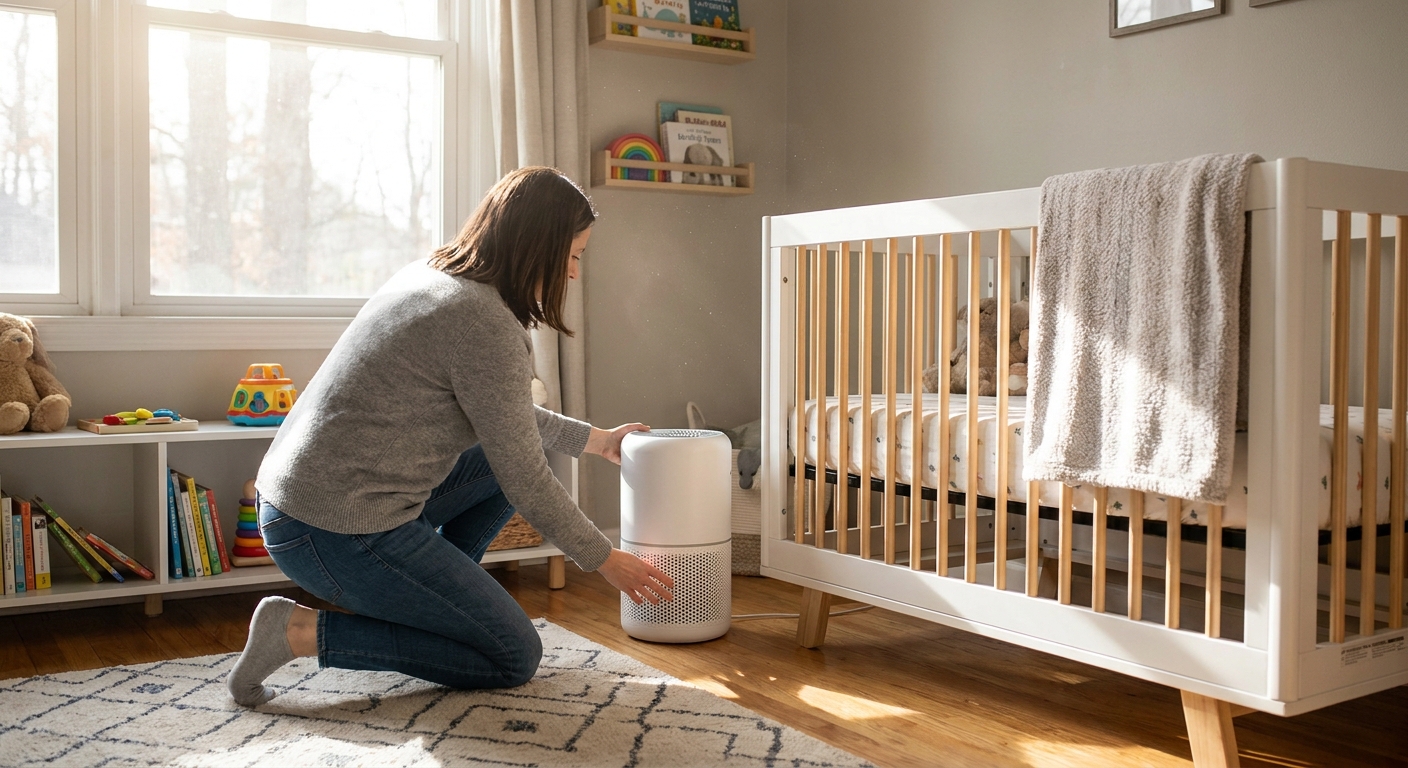
- Use HEPA air cleaning: A true HEPA air purifier in the child’s bedroom and main living area can reduce airborne particles. Put the unit where your child sleeps if you can only afford one.
- Create a clean-air sleep zone: Keep bedroom doors closed, run the purifier consistently, and keep fabric clutter to a minimum. You do not have to remove normal comfort items. Just launder bedding and washable loveys regularly and avoid piles of extra pillows, blankets, and stuffed animals that collect residue and dust.
- Talk to management: Ask about smoke-free policies, designated smoking areas away from entries, or relocation options if a specific unit is a persistent source.
What to avoid
- Ozone generators: These are sometimes marketed for odors, but ozone is a respiratory irritant and is not recommended for occupied spaces.
- Masking the smell: Sprays and candles add irritants and do not remove particles.
Smoking outside helps, but residue matters
Families often ask me: “If I smoke outside, is that fine?” Smoking outside is absolutely better than smoking indoors. It is a meaningful harm-reduction step. But thirdhand smoke residue can still come in on clothes, hair, and skin.
High-impact harm reduction
- Smoke outside, away from doors and windows (not in the garage or by an open sliding door).
- Use a dedicated smoking layer: A hoodie or jacket worn only for smoking, then removed before holding the baby.
- Wash hands before touching kids, bottles, pacifiers, or snacks.
- If possible, change your shirt before close contact with a baby, especially a newborn or medically fragile child.
- About “waiting before cuddling”: A short buffer may reduce odor, but it does not erase residue. The most meaningful steps are outside only, a dedicated outer layer, and handwashing (plus a clean shirt when you can).
Is this perfect? No. Is it miles better than smoking inside or in the car? Yes.
What about vaping
Vaping is often sold as “cleaner,” which can lead to more indoor use. From a pediatric health perspective, the goal is still the same: keep kids from breathing aerosol and reduce residue on surfaces.
- Nicotine exposure matters: Nicotine is not harmless for developing brains.
- Aerosol still contains particles: Those particles can irritate airways.
- Flavorings are not designed for lungs: Many chemicals are approved to eat, not inhale.
If a caregiver will not stop vaping, treat it like smoking for boundaries: no indoor vaping, no car vaping, and wash hands before handling the child.
Marijuana smoke
Cannabis smoke still contains fine particulate matter and airway irritants. For kids, the practical rules are the same: keep it out of the home and car, and do it outside away from doors and windows.
Smoke-free rules that work
Parents often think they need a “perfect” script. You do not. You need a clear, boring policy that you repeat like a broken record.
Simple rules
- No smoking or vaping inside our home.
- No smoking or vaping in the car, even when kids are not present.
- If you smoke, please do it outside, away from the door, and wash your hands before holding the kids.
Make it easy
- Keep a small hand soap pump visible by the sink.
- Set up a comfortable outdoor spot away from entrances.
- Offer a jacket or ask visitors to bring one for smoking.
- Have gum or mints available. Not as a fix, but as a courtesy.

How to talk to family
This is the part that keeps parents up at night, and not just because of the baby monitor. When a grandparent or babysitter feels criticized, they can get defensive fast.
A calm script
Try: “We are keeping the house and car smoke-free because it affects ear infections and breathing. If you want to smoke or vape, that is your choice. At our place, it needs to be outside, and please wash your hands before holding the kids.”
If they argue
Try: “I am not asking you to agree with me. I am telling you what we are doing for the kids.”
If they say, “I smoked with you”
Try: “I know you did your best. We know more now, so we are making a different choice.”
If they keep forgetting
At triage we call this “data.” If someone cannot or will not follow the boundary, you may need to adjust the plan:
- Meet outdoors or in public spaces.
- Shorten visits.
- Choose childcare with a smoke-free policy.
- Require a clean shirt and handwashing before contact with the baby.
Non-judgmental truth: you can love someone and still not allow smoke exposure around your kids.
Cleaning after indoor smoking
If smoke has been in your home or a caregiver’s home, you can reduce residue, but it takes more than opening a window.
Steps that help
- Ventilation: Open windows when outdoor air quality is good.
- HEPA vacuuming: Use a vacuum with a HEPA filter for carpets and upholstery.
- Launder soft items: Curtains, bedding, throw blankets, washable couch covers.
- Hard-surface cleaning: Wipe walls near smoking areas, baseboards, and frequently touched surfaces.
- Replace HVAC filters regularly if you have forced air.
Reality check
In spaces where smoking happens regularly, residue can build up in materials and be hard to fully remove. If your child has frequent symptoms, the most effective intervention is stopping indoor smoking and keeping the child away from the smoke environment.
Signs smoke may be a factor
These symptoms can have many causes, but smoke exposure can be a contributor:
- Frequent or recurrent ear infections
- Chronic runny nose or nasal congestion
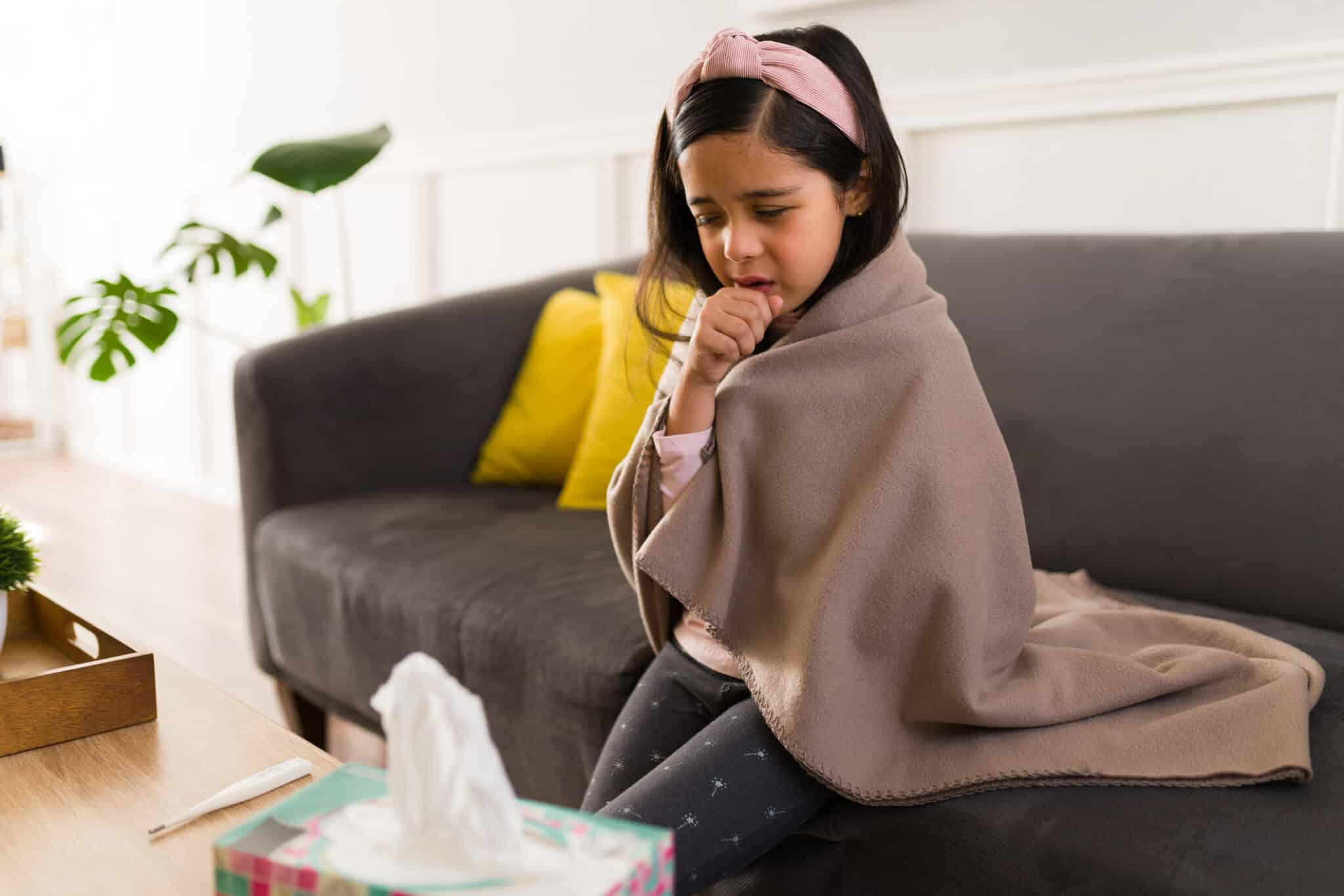
- Night cough that lasts more than a couple of weeks
- Wheezing or shortness of breath during colds
- Asthma flares that seem to happen after visits with certain caregivers or in certain homes
If you notice a pattern, trust that instinct. Patterns are valuable clinical information.
When to call urgently
Smoke exposure is a risk factor, but breathing symptoms still need timely care. Seek urgent medical help if your child has:
- Working hard to breathe (rib pulling in, belly breathing, flaring nostrils)
- Blue or gray lips or face
- Wheezing that is not improving with their usual rescue plan
- Very fast breathing, lethargy, or difficulty speaking or crying due to breathlessness
- Ear pain with high fever, severe symptoms, or a child who is inconsolable
If your child has asthma, ask your pediatrician for an asthma action plan and share any concerns about smoke or vape exposure. Environmental triggers are a key part of asthma control.
Want help quitting
If you smoke or vape and want help stopping, you deserve support, not lectures. You can talk with your clinician about evidence-based options, and in the U.S. you can call 1-800-QUIT-NOW for free quit coaching and resources.
What this covers
This article focuses on tobacco smoke, vape aerosol, and marijuana smoke in homes, cars, and shared buildings. If you are dealing with wildfire smoke, the strategies overlap (clean indoor air, HEPA filtration), but the guidance and timelines can be different based on outdoor air quality. If you want, I can write a separate wildfire smoke guide for kids.
Bottom line
For young kids, smoke exposure is not just “a smell.” It is an environmental trigger that can contribute to ear infections, coughing, and asthma flares. The most protective steps are also the simplest to say out loud:
- Smoke-free home
- Smoke-free car
- Outside only, away from doors and windows
- Hands washed before holding kids
If you are trying to set these rules while also keeping a baby alive on two hours of sleep, I see you. Pick one boundary to start with today. The “no smoke in the car” rule is a great first win.
Helpful references: American Academy of Pediatrics (AAP), Centers for Disease Control and Prevention (CDC), U.S. Environmental Protection Agency (EPA) guidance on indoor air and ozone generators.