Selective Mutism in Toddlers and Preschoolers
Sarah Mitchell
Sarah Mitchell is a Registered Pediatric Nurse and a mother of three who has spent over a decade helping families navigate the beautiful, chaotic early years of childhood. She combines evidence-based medical knowledge with real-world parenting experience to offer practical, compassionate advice. At Awesome Parent, Sarah's mission is to help exhausted parents find solutions, trust their instincts, and finally get some sleep.
If your child is chatty at home but freezes at preschool drop-off or pickup, won’t answer the teacher, or whispers so quietly no one can hear, you are not alone. As a pediatric nurse and a mom, I’ve seen this exact scenario make kind, attentive parents feel panicked and confused.
Here is the reassuring truth: for many kids, this isn’t defiance and it isn’t a “bad habit.” In some children it’s selective mutism, an anxiety-based condition where a child can speak but feels unable to speak in specific settings, often school.
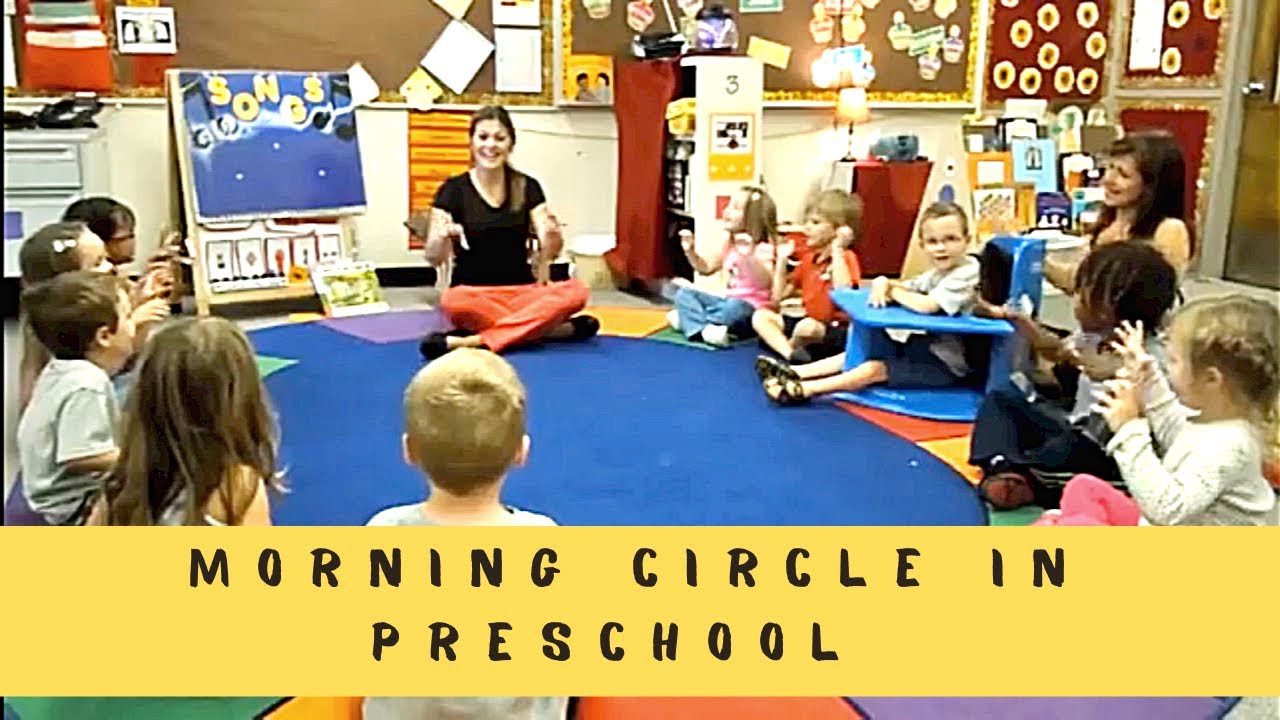
This article will help you sort out shyness versus selective mutism, understand what’s happening in your child’s brain and body, and walk into school conversations with practical next steps.
Quick note: This is educational information, not a diagnosis. If you’re worried, it is always okay to ask your pediatrician or a child therapist for an evaluation.
What selective mutism looks like
Selective mutism (SM) is most commonly seen in early childhood and is strongly linked to anxiety. Kids with SM usually speak normally and comfortably in at least one place, often at home with immediate family, but become silent in other settings, most commonly school or childcare.
Common signs in toddlers and preschoolers
- Talks freely at home but does not speak to teachers or peers at school.
- Freezes when expected to talk, like when being greeted, asked a question, or called on.
- Communicates nonverbally at school: nodding, shaking head, pointing, shrugging, or using facial expressions.
- Whispers only to one trusted adult, or speaks only when no one else is listening.
- Clings to a caregiver at drop-off, avoids eye contact, or looks “shut down.”
- Seems capable academically and at play, but avoids speaking-related tasks.
SM can be present even if your child is warm and talkative once they feel safe. Many children with SM actually want to talk. Their bodies just hit the panic brakes.
Shy or selective mutism?
Shyness and selective mutism can look similar at first, especially in the first few weeks of a new classroom. The difference is not “how outgoing” your child is. The difference is whether speech is consistently blocked by anxiety in specific settings.
Shyness usually looks like this
- Warm-up time helps. Your child may be quiet at first but gradually talks more as they get comfortable.
- Your child can answer simple questions when needed, even if softly or briefly.
- Speech increases with familiarity, routine, and positive experiences.
Selective mutism often looks like this
- The silence is persistent, not just the first week or two.
- Your child may seem physically unable to speak in that setting, even for basic needs like “bathroom.”
- They may appear “frozen” or panicky when pressured to talk.
- Speech may be situational: they can talk to you in the hallway, then go silent the moment they enter the classroom.
A helpful rule of thumb: Shy kids are cautious. Kids with selective mutism are stuck.
Why a child talks at home but not at school
Selective mutism is best understood as an anxiety response. In a high-pressure or unfamiliar setting, your child’s nervous system can shift into a fight, flight, or freeze state. For many kids with SM, the “freeze” response dominates, and speech is one of the first things to shut down.
Why school is such a common trigger
- Performance pressure: Being asked questions on the spot can feel like being put on stage.
- Unpredictability: New routines, new adults, and lots of transitions.
- Social evaluation: Other children listening can amplify anxiety.
- Sensory load: Busy, loud classrooms can be overwhelming for some kids, making it harder to access speech.
This isn’t a parenting failure, and it’s not because your child is “manipulative” or “choosing to ignore.” Anxiety can be incredibly convincing in a small body.
What else could it be?
Selective mutism is one possible explanation, but it is not the only one. If you are unsure, a thoughtful evaluation can help you avoid guessing and get the right support.
Bilingual kids and the “silent period”
If your child is learning a new language (or the school language is different from home), a normal adjustment called a silent period can happen. Many dual-language learners listen and observe more than they speak at first, especially in a brand-new classroom. This can look like selective mutism, but it may be typical language development.
Other reasons a child may not speak at school
- Hearing or vision concerns that make communication harder.
- Speech and language differences (expressive language delay, articulation difficulties) that make speaking feel risky.
- Autism or social communication differences, where the challenge is broader than speech in one setting.
- Stress or trauma responses, especially if there has been a recent big change, loss, or frightening event.
None of these possibilities are a label you need to pin on your child at home. They are simply reasons it is worth talking with your pediatrician, a child psychologist, and in many cases a speech-language pathologist, especially one familiar with anxiety and SM.
What not to do
When adults get worried, they often accidentally turn up the pressure, which tends to make selective mutism worse. These are the common traps I see:
- Forcing speech: “Say hi. Use your words. Tell her your name.”
- Speaking for your child nonstop: It can prevent your child from practicing low-pressure communication.
- High-stakes rewards or consequences tied to speaking: Bribes, threats, or “you get a treat if you talk” can backfire by raising the pressure. In treatment, clinicians often use gentle reinforcement for small approach behaviors, but it is kept supportive and low-pressure.
- Big public discussions: Talking about the silence in front of the child can add shame and self-consciousness.
- Labeling: “She’s just shy” or “He’s being stubborn” can block needed support.
If you’ve done any of these, you’re in good company. Most parents try them because they work for typical shyness. Selective mutism is different.
Gentle strategies that help
The goal is not to “make your child talk.” The goal is to lower anxiety and build speaking comfort step by step, in a way that feels safe.
Think gradual exposure
Selective mutism treatment often uses gradual exposure principles. In plain language, that means we help your child practice small, manageable steps toward communication in the setting that feels hard.
- Start where they are successful: nonverbal communication counts.
- Make steps small: a nod, then a whisper to one person, then a quiet voice, then short answers.
- Repeat often: predictable practice builds comfort.
- Keep it low pressure: the moment it feels like a test, anxiety spikes.
Build communication without demanding speech
- Teach your child simple signals for needs (bathroom, help, hungry) using gestures or picture cards.
- Practice “brave communication” at home through play: school role-play with stuffed animals, taking turns being the teacher.
- Use choice questions that can be answered nonverbally: “Do you want the red cup or blue cup?” while pointing.
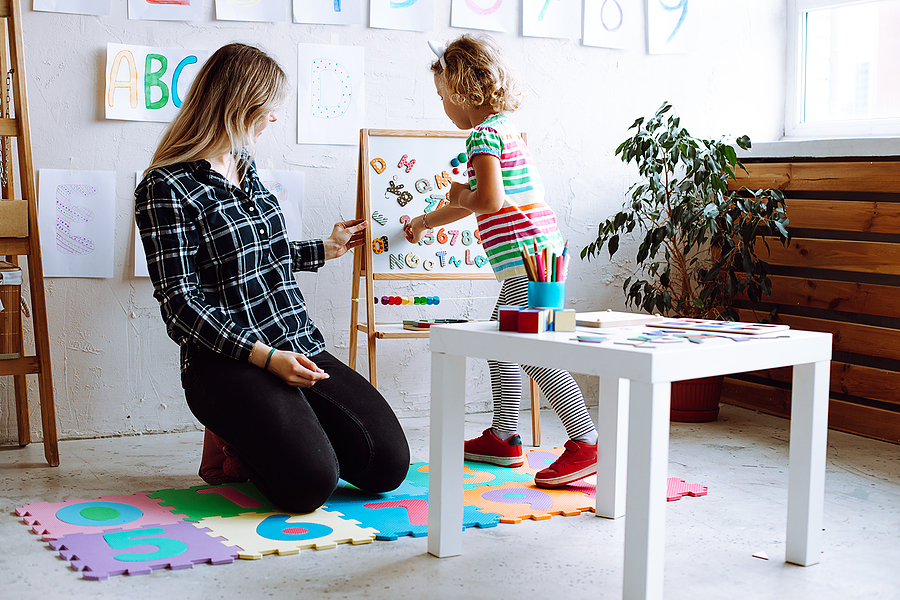
In-the-moment responses
One of the most helpful shifts is changing what adults do in the exact moment a child is expected to speak.
When someone asks your child a question
- Reduce the spotlight: A warm statement like “You can show me” or “You can point” lowers pressure.
- Give wait time: Ask once, then pause. Rapid repeats can feel like a countdown.
- Offer a choice: “This one or this one?” is often easier than open-ended questions.
- Accept nonverbal answers: Nod, point, a card, or showing an item is still communication.
- Model calmly: If needed, you can answer yourself once, then move on, instead of turning it into a standoff.
Think: connection first, communication second.
How to work with school
Schools and childcare providers are crucial partners. Many teachers have not received specific training on selective mutism, so coming in with calm, clear information can change everything.
What to tell the teacher
You can say something like:
“At home, she speaks normally. In school, she gets anxious and her speech shuts down. We’re not asking you to force talking. We’d love to create a plan that helps her feel safe and communicate gradually.”
Classroom supports that help
- Warm, predictable greeting without requiring a response. A smile and “I’m happy you’re here” is perfect.
- No spotlighting: avoid calling on the child in front of the group early on.
- Offer structured choices they can answer by pointing or nodding.
- Use a buddy system with a kind peer for transitions.
- Give wait time and keep your tone neutral and friendly.
- Designated safe communication path: a picture card, a hand signal, or showing the teacher an item.
- Start with 1:1 or small group interactions rather than whole-class demands.
Gradual exposure ideas for school
- Step 1: Child communicates by pointing or nodding with teacher.
- Step 2: Child whispers to parent in the classroom when teacher is nearby but not directly engaged.
- Step 3: Child whispers to teacher during a quiet activity in a corner of the room.
- Step 4: Child answers yes or no softly to teacher.
- Step 5: Child uses a normal voice in a small group, then gradually in more settings.
Progress can be non-linear. That’s normal. We celebrate steps, not perfection.
Plans and accommodations
If SM is impacting school participation, ask what supports are available. Depending on where you live and your child’s needs, this might include a school support plan or formal accommodations (for example, a 504 Plan or IEP in the U.S.). Helpful accommodations can include alternative ways to demonstrate knowledge, reduced pressure for verbal performance, and a structured communication plan.
When to seek professional help
If you suspect selective mutism, early support is a big deal. The longer a child practices silence in a setting, the more “sticky” it can become. You are not late, and you do not have to wait for it to get worse to ask for help.
Consider an evaluation if
- Silence at school lasts more than a month beyond the initial adjustment period. (Clinicians often use the “one month” guideline, with the understanding that the first month of a new school setting can be an exception.)
- Your child cannot speak to meet basic needs at school (bathroom, asking for help).
- Your child shows significant distress around school or social situations.
- The school experience is being limited by the inability to speak (participation, friendships, assessments).
Who can help
- Child psychologist or licensed therapist with experience in anxiety and selective mutism (often using CBT and behavioral approaches).
- Pediatrician to coordinate care and screen for contributing factors like hearing concerns.
- Speech-language pathologist can be helpful, especially when experienced with selective mutism and anxiety. SM is not the same as a speech delay, but an SLP can support communication goals and collaboration with school.
What to look for in a provider
- Experience specifically with selective mutism or school-based anxiety.
- A plan that uses gradual exposure and skills-building, not forcing.
- Willingness to collaborate with your child’s teacher or school team.
- Comfort supporting bilingual families when relevant, including coordinating with interpreters if needed.
If you are not sure where to start, ask your pediatrician for a referral specifically for selective mutism or school-based anxiety, and ask the provider about their experience with SM.
Questions parents ask at 3 AM
Will my child grow out of it?
Some shy behaviors improve with time. True selective mutism often needs support. With the right approach, many children make meaningful gains within months, though timelines vary based on severity, other anxiety, and school support.
Should I stop speaking for my child?
Think balance. It’s okay to help your child communicate essential needs. At the same time, we want to build opportunities for your child to communicate in low-pressure ways, like pointing, nodding, handing a card, or later whispering.
Is it my fault?
No. Selective mutism is not caused by “not socializing enough” or being too attached. It is an anxiety response with a strong temperament component. What matters most now is the plan going forward.
A calm next step
If you take nothing else from this article, take this: pressure to talk usually backfires, and small, safe steps are how we move forward.
Today, you can:
- Message the teacher to schedule a quick, private chat.
- Share that you suspect anxiety-based selective mutism (or that you’re seeing anxiety-based silence) and want a no-pressure plan.
- Ask the teacher what your child currently does to communicate (nod, point, shows an item) and build from there.
Your child is not being difficult. They are having a hard moment in a hard setting. With consistent support from home and school, many kids find their voice again, one small brave step at a time.