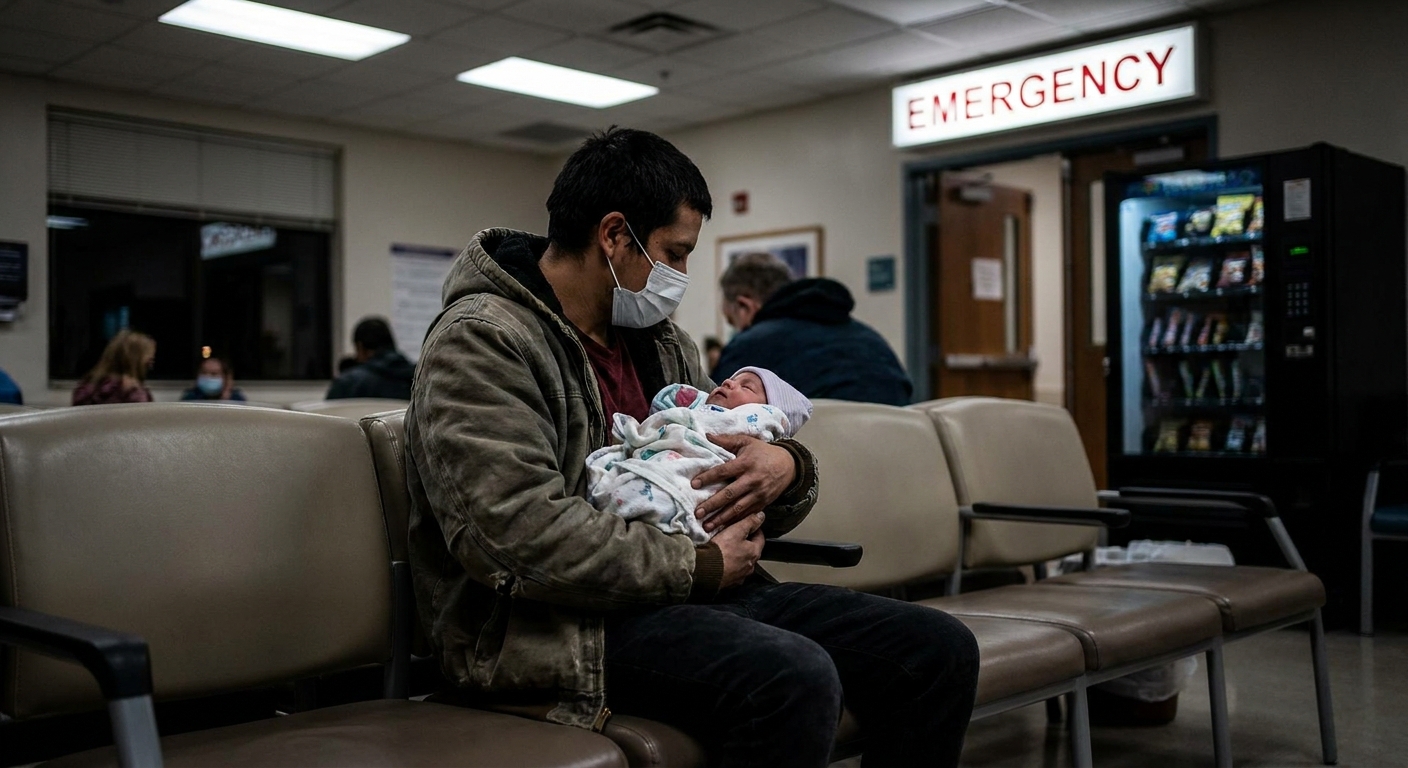
Worried about meningitis? Here are age-specific warning signs in infants and toddlers, how fast symptoms can change, and when to seek emergency care immediat...
Sepsis Warning Signs in Babies and Toddlers

Sarah Mitchell
Sarah Mitchell is a Registered Pediatric Nurse and a mother of three who has spent over a decade helping families navigate the beautiful, chaotic early years of childhood. She combines evidence-based medical knowledge with real-world parenting experience to offer practical, compassionate advice. At Awesome Parent, Sarah's mission is to help exhausted parents find solutions, trust their instincts, and finally get some sleep.
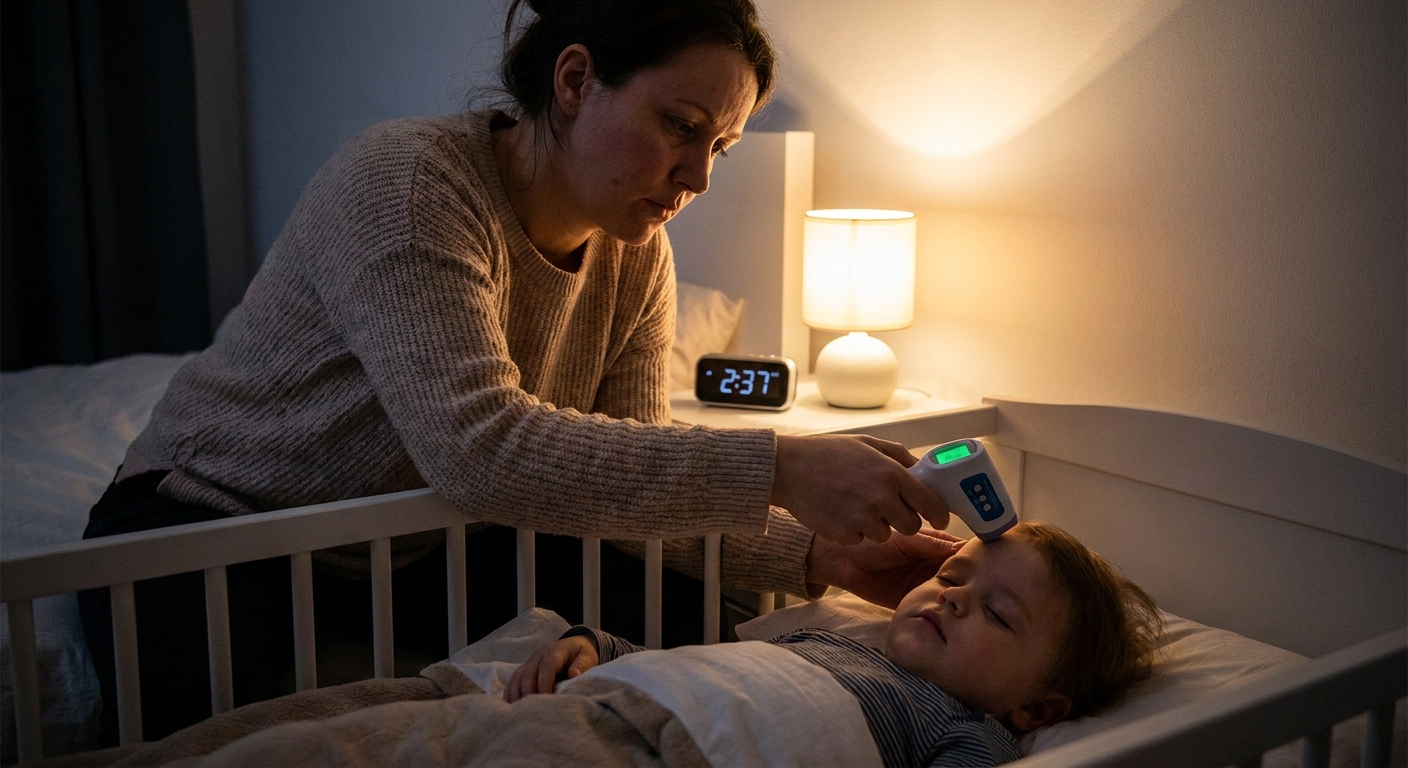
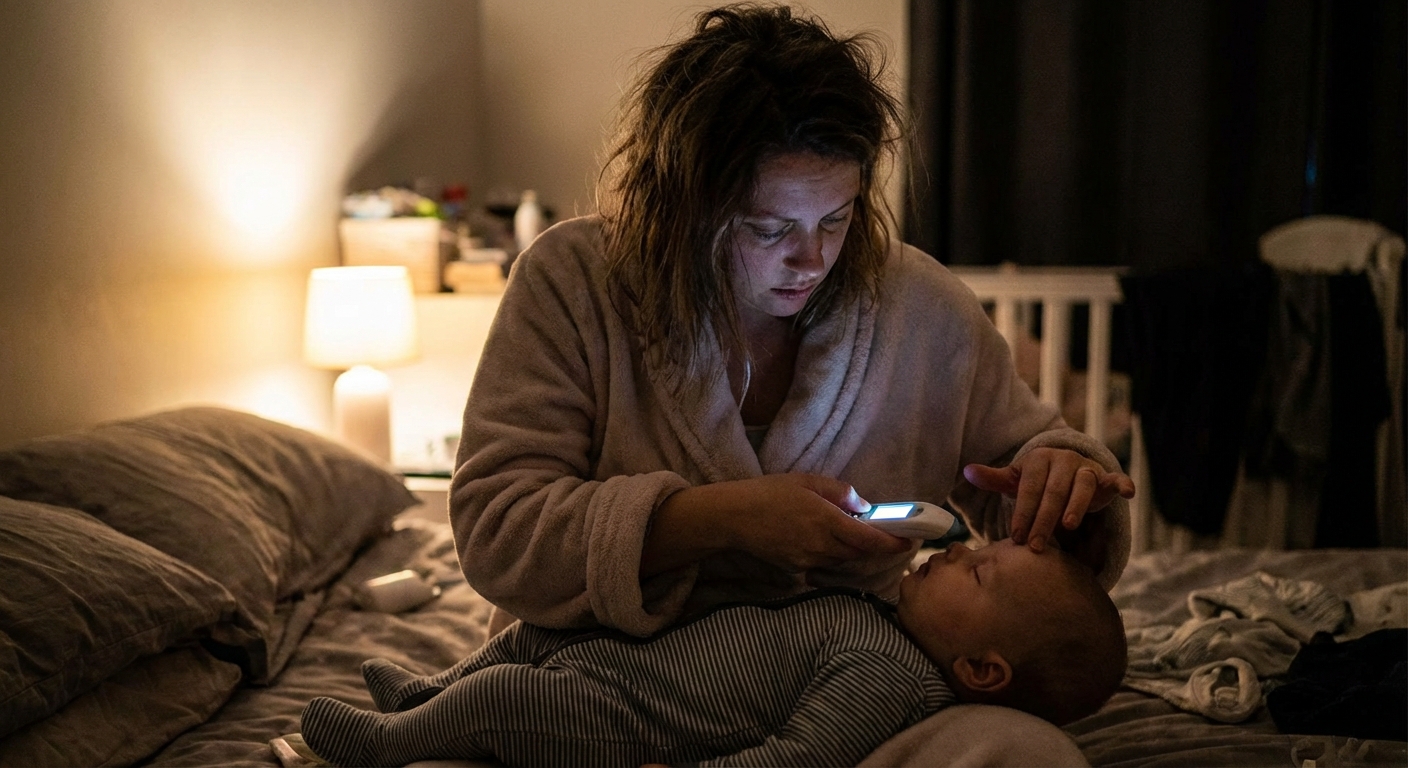
If you have ever stared at a thermometer at 2 AM thinking, Is this just a virus, or is something really wrong? you are not alone. Many fevers in babies and toddlers are caused by viral infections and get better with time, fluids, and a lot of cuddles.
But some infections, viral or bacterial, can tip into a small, important category where the body’s response starts to affect vital organs and circulation. That is sepsis , and it can escalate quickly.
This page is here to teach you a “sepsis mindset” in plain language, not to scare you. You do not need to diagnose sepsis at home. Your job is to notice red flags and get help fast.
Important: This is general education, not medical advice for your specific child. If you are worried, trust that and call your pediatrician, nurse line, or emergency services. If you are outside the US, use your local emergency number.
What sepsis is
Sepsis happens when an infection triggers an extreme whole-body response. Instead of staying contained, the illness starts to impact how well your child is breathing, how their heart is pumping blood, and how well oxygen is reaching tissues.
Here is the key: sepsis is more about the child’s overall condition than the number on the thermometer. A child can have a “not that high” fever and still be very sick. Or they can have a high fever and look, act, and hydrate well.
If you take nothing else from this article, take this: watch the child, not just the fever.
Call 911 now
If your baby or toddler has any of the following, treat it as an emergency. Call 911 (or your local emergency number). If your child is hard to wake, struggling to breathe, or turning blue or gray, calling EMS is safer than trying to drive (unless emergency services are not available and you have no safe alternative).
- Severe trouble breathing : struggling, gasping, grunting, pauses in breathing, or ribs pulling in deeply
- Blue, gray, or very pale lips/face
- Unresponsiveness: very hard to wake, not making eye contact, not reacting normally to your voice or touch
- Seizure (especially a first seizure)
- New non-blanching rash with a sick appearance (rash spots that do not fade when pressed)
- Signs of shock: limp, cold and mottled skin, very weak cry, or your child seems like they are “shutting down”
Trust the urgency you feel in your body. Parents are often right when they say, “This is not my kid.”
Go to the ER today
These symptoms can indicate sepsis or another serious illness. If you are seeing them, this is not a next-week appointment situation. It is an ER today situation, especially in babies and young toddlers.
One quick bridge to keep in mind: sepsis red flags are often about breathing, circulation, and brain (alertness and interaction). Pattern changes matter too.
Fast breathing at rest
Kids breathe faster when they have a fever or are upset. What concerns me is breathing that stays fast when your child is calm, or breathing that looks like hard work.
- Breathing looks labored or “tight”
- They cannot comfortably drink, talk, or cry because breathing is taking over
- You see the skin pulling in between ribs or above the collarbone
Poor perfusion signs
This is one of the biggest “sepsis mindset” clues. Poor perfusion means the body is not moving blood and oxygen to tissues the way it should.
- Cold hands and feet with a warm body
- Mottled or marbled-looking skin
- Capillary refill seems slow: press on a fingernail or the skin on the chest for a second, release, and watch the color return. If it takes more than about 2 seconds, or looks clearly slower than usual, that can be concerning. Cold rooms and cold hands can make this less reliable.
- New puffiness or swelling of hands/feet plus a very ill appearance or other red flags (swelling alone has many causes, but in combination it raises concern)
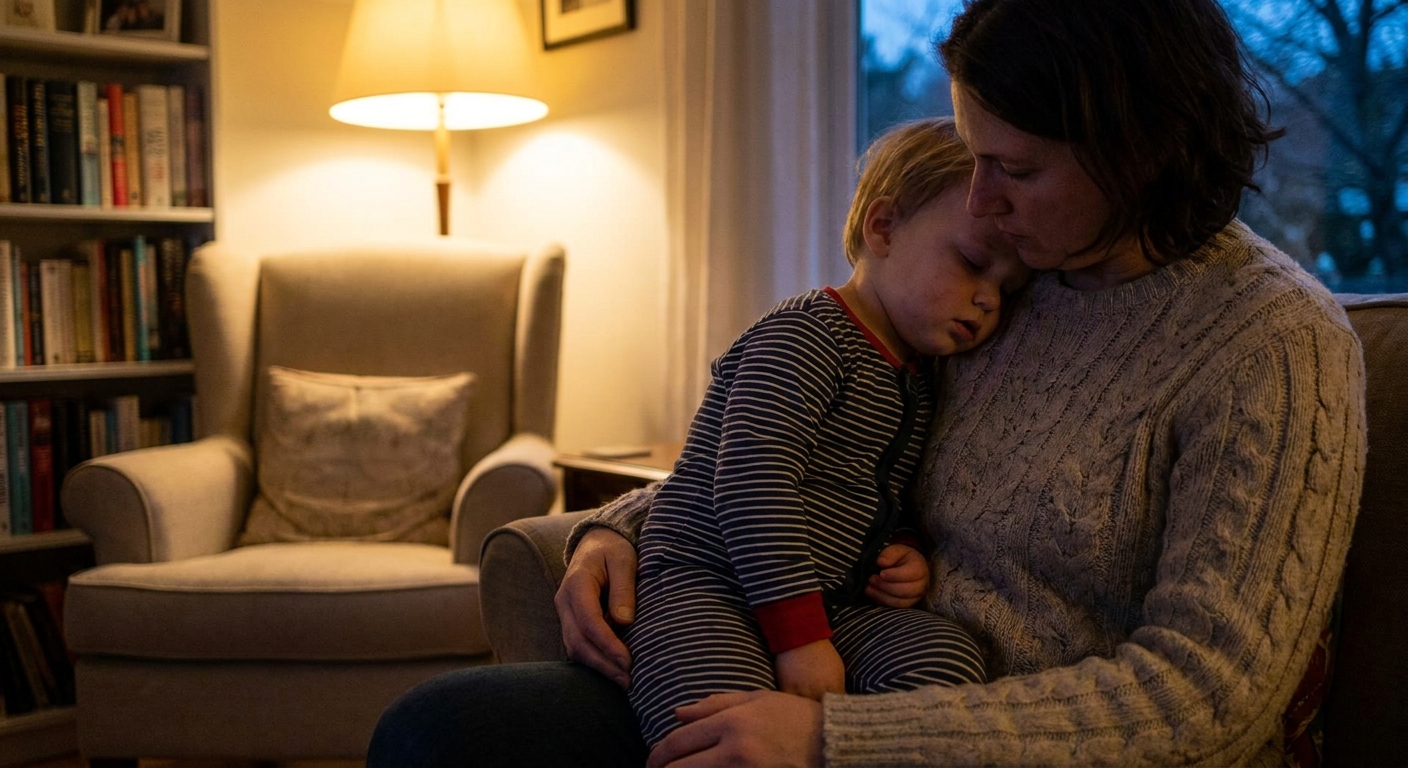
Very sleepy or not themselves
There is a big difference between a tired, cuddly sick kid and a child who is not interacting normally.
- Hard to wake or keep awake
- Floppy, weak, or unusually limp
- Not making eye contact, not engaging, not tracking you
- High-pitched, inconsolable crying or a cry that sounds weak and unusual
Sudden feeding refusal
Lots of viral illnesses cause reduced appetite. What worries me is a sudden drop-off that comes with weakness, sleepiness, fast breathing, or fewer wet diapers. I call this “feeding collapse,” meaning a sudden inability or refusal to feed like usual.
- Baby cannot coordinate sucking and swallowing like usual
- Toddler refuses all fluids or cannot keep anything down
- Repeated vomiting plus lethargy or fast breathing
Dehydration with concerning behavior
Dehydration can overlap with serious illness. Signs like a dry mouth, no tears, and fewer wet diapers matter most when paired with red flags like unusual sleepiness, fast breathing, or mottled and cold skin.
- Much fewer wet diapers or peeing much less than usual
- Very dry mouth, no saliva, or no tears when crying
- Sunken eyes or a sunken soft spot (in babies)
- Dehydration plus lethargy, fast breathing, or poor perfusion
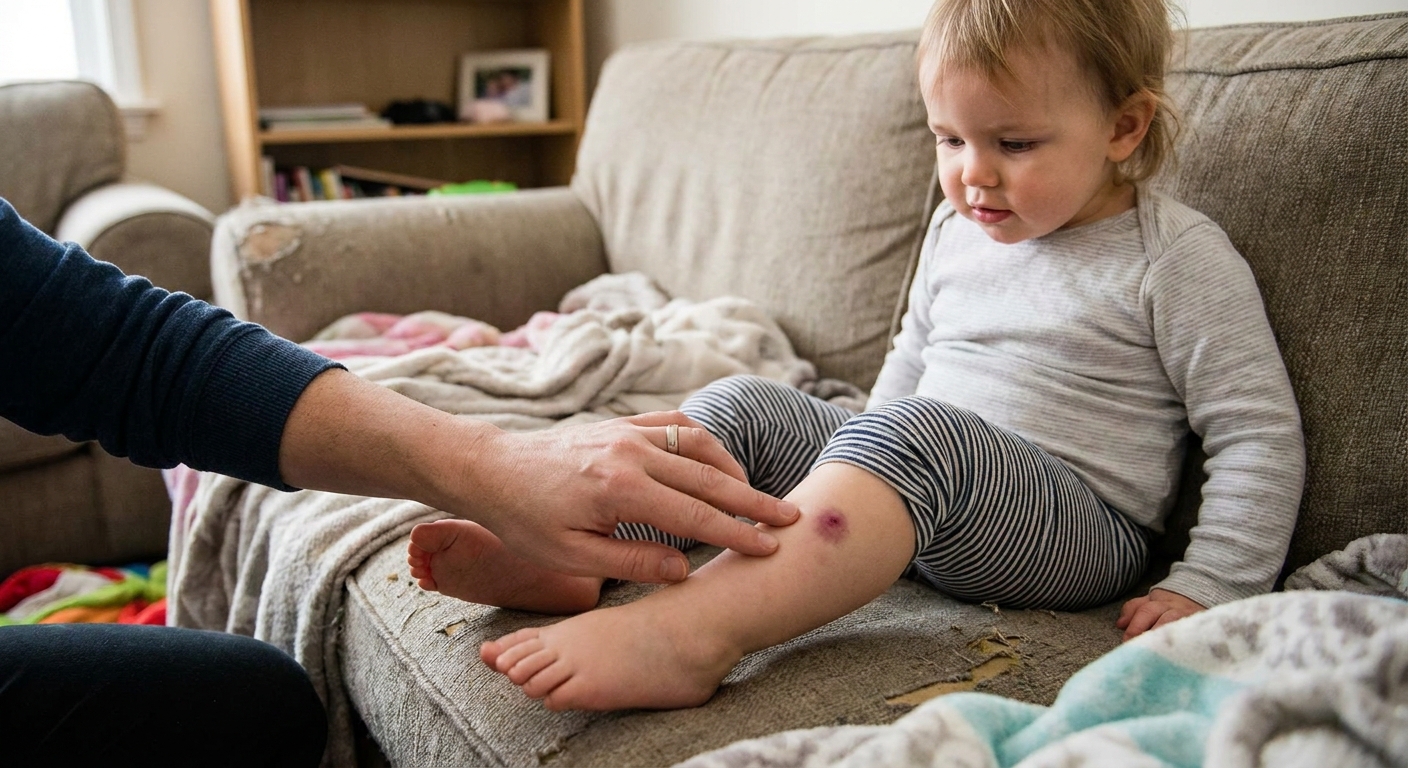
Non-blanching rash
A rash can be benign. A rash can also be a warning sign when paired with a very sick child.
A non-blanching rash means spots do not fade when you press on them. These may look like tiny red or purple pinpoints or larger bruise-like patches.
If your child has a new non-blanching rash and looks ill, treat it as urgent. If they also have severe trouble breathing, are hard to wake, or look pale, blue, or gray, follow the Call 911 guidance above.
When it is not just a fever
Parents often tell me, “It started like a normal cold.” That is common. Early serious infections can look like typical illness at first. The difference is what happens next.
Here are pattern changes that should raise your concern:
- Rapid worsening over hours instead of gradual improvement day by day
- Fever plus: fever paired with fast breathing, mottled skin, unusual sleepiness, or new confusion
- Fever that returns after your child seemed to be improving
- Child looks sicker than expected for a “simple virus”
Again, you are not trying to label the illness. You are noticing the trajectory and the whole-child picture.
Age matters
Newborns and young infants
In very young babies, serious infection can be subtle. A baby might not mount a high fever. Sometimes the temperature is normal or even low.
- Any rectal temperature of 38.0°C (100.4°F) or higher in a baby under 3 months should be evaluated urgently the same day. Babies under 28 days are typically evaluated in an emergency department. For 29 to 60 (sometimes up to 90) days, recommendations can vary by guideline, clinician judgment, and your baby’s risk factors.
- Refusing feeds, weak suck, fewer wet diapers
- Unusual sleepiness or irritability
- Breathing changes, color changes, floppy tone
If you are checking temperature in a young infant, many clinicians consider a rectal temperature the most accurate. Follow your pediatrician’s guidance for how to take it safely.
Toddlers
Toddlers can compensate, until they cannot. You might see bursts of play followed by a crash. Pay attention to the overall trend.
- Not walking or moving like usual
- Staring, not responding normally, or acting confused
- Very fast breathing, persistent vomiting, or signs of dehydration plus lethargy
Higher risk kids
Some children have a higher risk of serious infection and a lower threshold for urgent evaluation. If your child fits any of these, call your pediatrician’s nurse line early, and consider the ER sooner with fever or “not right” behavior:
- Young infants, especially under 3 months
- Prematurity (especially if still very young)
- Immune suppression (steroids, chemo, transplant, immune disorders)
- Sickle cell disease or no spleen (asplenia)
- Indwelling lines or devices (central lines, shunts, ports)
- Recent surgery or hospitalization
Your gut check matters
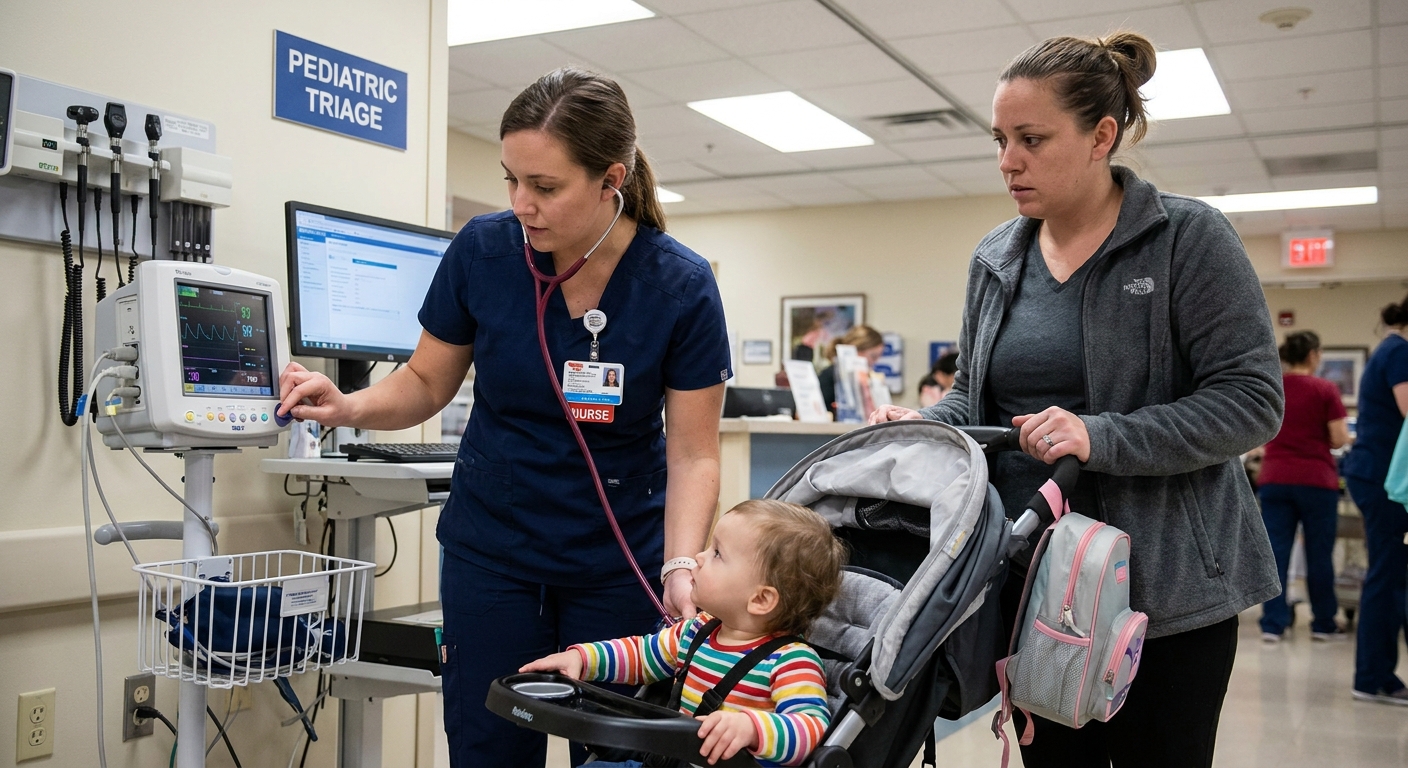
As a triage nurse, one signal we take very seriously is a caregiver who says:
“Something is off. This is not my child.”
You are the expert on your kid’s normal. If your instincts are screaming, listen. It is okay to “overreact” in order to be safe. ER teams would much rather reassure you than meet you after a dangerous delay.
What to do right now
1) Decide between 911, ER, and urgent call
- Call 911 for severe breathing trouble, blue or gray color, unresponsiveness, seizure, or a very ill child with a new non-blanching rash.
- Go to the ER now for fast breathing that persists when calm, mottled and cold skin with weakness, extreme sleepiness, sudden feeding refusal, dehydration with lethargy, or “getting worse fast.”
- Call your pediatrician or nurse line urgently if you are unsure, especially for infants and any child with significant medical conditions.
2) Bring the right info
This helps triage move faster:
- How long symptoms have been going on and how quickly they changed
- Highest temperature and how you took it (forehead, ear, rectal)
- Last wet diaper or last time they peed
- How much they drank today, and if vomiting is present
- Any rash and when it started
- Any chronic conditions, prematurity, immune issues, recent surgery, or devices like shunts or central lines
- All medications given and times (including acetaminophen or ibuprofen)
3) Do not chase the perfect fever number
Fever reducers can make a child look temporarily better, and that is fine, but do not let that lull you into ignoring breathing, circulation, or alertness changes.
If your child looks very ill, go in even if the fever comes down.
Common questions
Can a child have sepsis without a fever?
Yes. Especially in very young infants, children with weakened immune systems, or in some severe infections, fever may be absent. A low temperature with a very sick-appearing baby is also urgent.
What is the “glass test” for a rash?
Parents sometimes press a clear glass against a rash to see if spots fade. You can also press with a finger. If spots do not fade and your child looks unwell, treat it as urgent.
My child has a virus diagnosis. Does that rule out sepsis?
No. Viral illnesses can make kids feel awful but are usually self-limited. Rarely, a child can have a bacterial infection on top of a virus, or become much sicker than expected. If your child is worsening rapidly or has red flags, they need reevaluation.
Prevention basics
Sepsis is not caused by “missing something” as a parent. Still, a few basics lower risk of serious infections:
- Keep vaccinations up to date (they reduce risk of several severe infections)
- Wash hands, especially during respiratory virus season
- Seek prompt care for newborn fever and for worsening symptoms
- Follow wound care guidance for cuts, bites, or skin infections
And please remember: you are not failing because you are worried. You are parenting.
A calming rule of thumb
If your baby or toddler has a fever and is drinking okay, peeing regularly, breathing comfortably, and perks up at least a bit between symptoms, it is often reasonable to monitor with your pediatrician’s guidance.
If your child has fever plus fast breathing, mottled or cold skin, extreme sleepiness, sudden feeding refusal, or a non-blanching rash , do not “sleep on it.” Go in.
You are allowed to get help early. In sepsis, early matters.