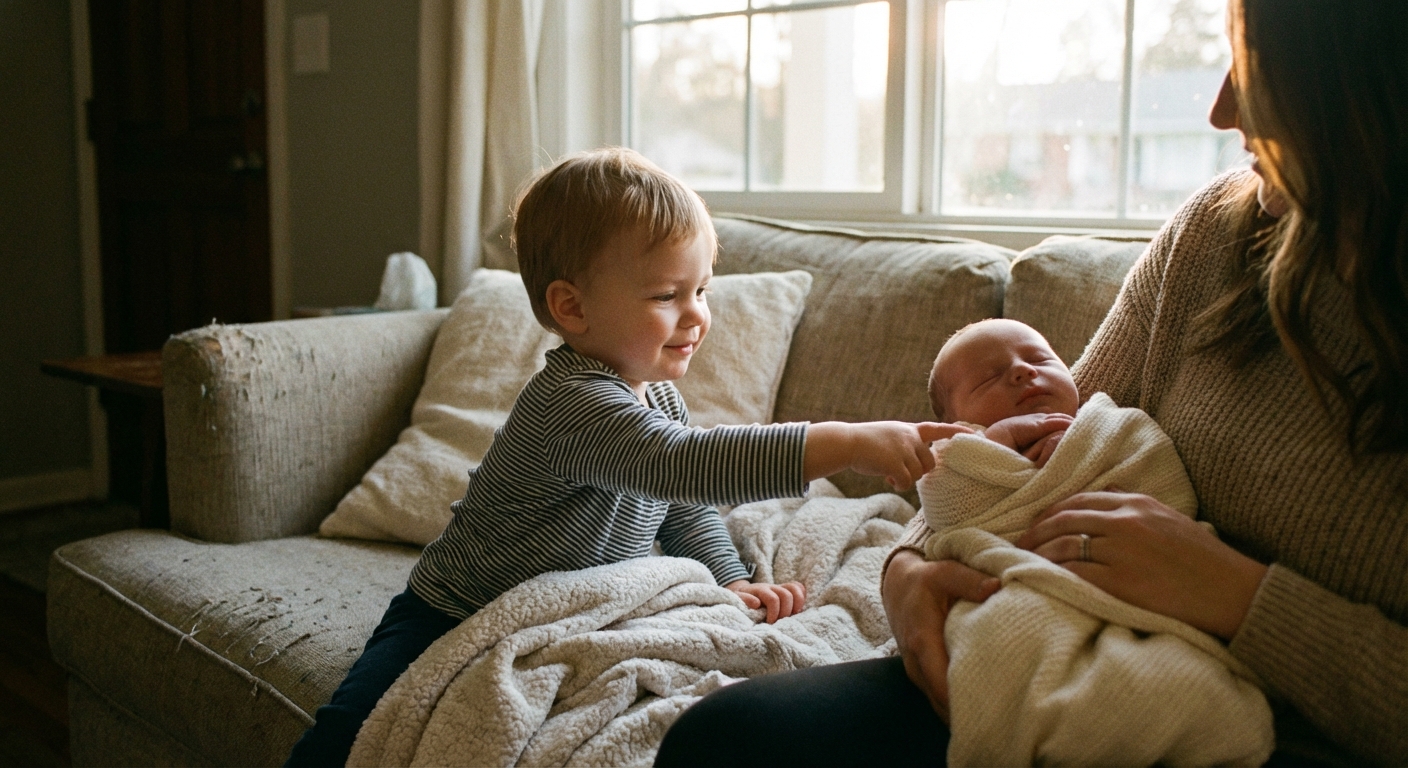
A calm, realistic plan to introduce your toddler to a newborn, manage visitors, reduce sibling jealousy, and handle big feelings, behavior changes, and sleep...
Sibling Rivalry After a New Baby

Sarah Mitchell
Sarah Mitchell is a Registered Pediatric Nurse and a mother of three who has spent over a decade helping families navigate the beautiful, chaotic early years of childhood. She combines evidence-based medical knowledge with real-world parenting experience to offer practical, compassionate advice. At Awesome Parent, Sarah's mission is to help exhausted parents find solutions, trust their instincts, and finally get some sleep.
If you are living in the strange new world where your toddler is suddenly hitting , whining, “You love the baby more,” or insisting they cannot possibly use the potty anymore, take a breath. This is one of the most common “after the baby arrives” plot twists, and it is usually a sign of stress and insecurity, not a sign your child is becoming a bully.
As a pediatric nurse and a mom of three, I will tell you the truth I wish every exhausted parent heard sooner: sibling rivalry is not a parenting failure. It is a family adjustment. With a few steady boundaries, a lot of connection, and some ready-to-go phrases for those heated moments, you can calm both kids and protect everyone’s safety.
Quick note: This article is general education, not medical advice. If you are worried about safety or your child’s health, call your pediatrician.
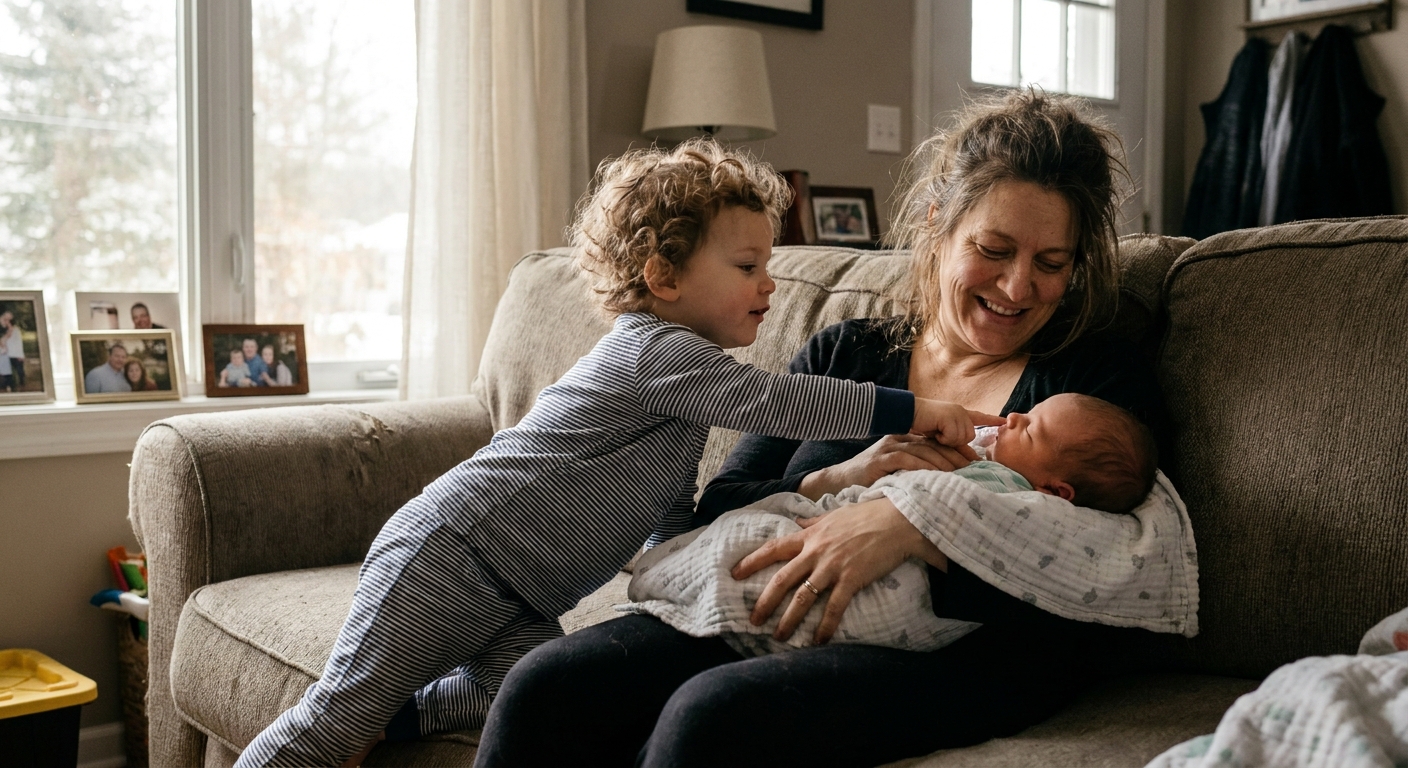
Normal jealousy vs ongoing rivalry
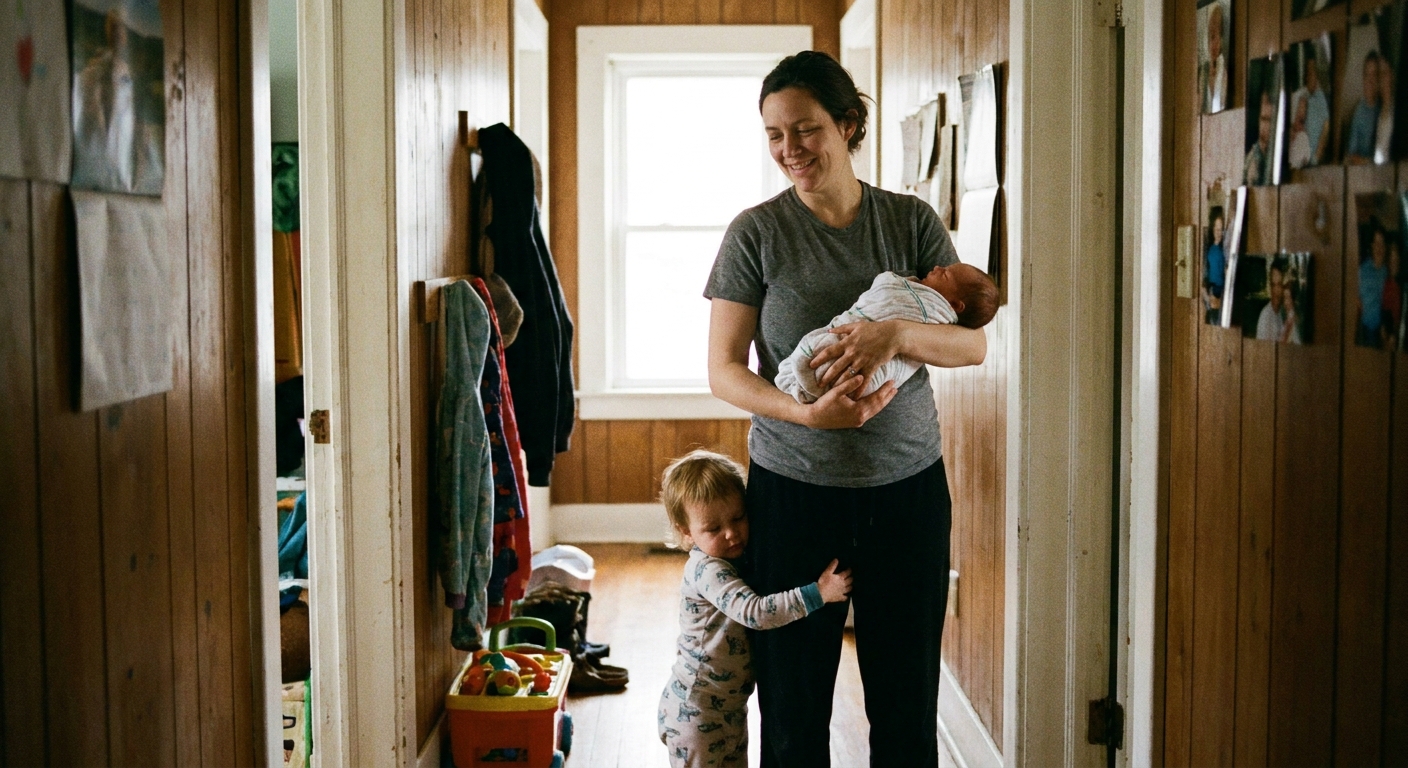
Jealousy after a new baby is developmentally normal. Your older child’s brain is doing the math: less attention plus a loud new roommate equals worry. Worry often comes out sideways as bossiness, aggression, clinginess, or sudden baby talk.
What is usually normal early on
- More tantrums, especially during baby feeding, diaper changes, and bedtime
- Testing limits with phrases like “No!” or “You can’t make me!”
- Attention-seeking behavior: whining, interrupting, acting younger than their age
- Mixed feelings: loving the baby one minute, angry the next
- “Baby” behaviors: wanting to be carried, wanting a bottle, asking for diapers
Signs it may need extra support
Rivalry needs extra support when patterns are intense, persistent, or unsafe.
- Aggression that escalates (hitting, kicking, biting, throwing objects at baby)
- Daily hostility that is not improving over several weeks to a couple of months (many clinicians look for a gradual shift with support and consistency)
- Constant conflict that disrupts sleep, childcare, or school
- Regression that becomes extreme (complete refusal to eat, severe sleep disruption for weeks)
- Parental burnout where you feel on edge all day, every day
If your gut says, “This is bigger than typical adjustment,” that is worth listening to. You do not have to wait until things are unbearable.
Why aggression and regression happen
Most older siblings are not trying to be mean. They are trying to feel safe again.
Why you might see hitting, yelling, or rough play
- Impulse control is still developing. Toddlers can have loving intentions and still use clumsy hands.
- Big feelings, tiny vocabulary. “I miss you” comes out as “Move the baby!”
- Attention works. Even negative attention can feel better than being invisible.
- They are copying what gets a fast response. Babies cry and adults rush in. Toddlers notice.
Why you might see regression
- Stress: their nervous system is working overtime
- Grief: even happy changes come with loss of the old routine
- Control: “I decide if I eat, sleep, or potty” can feel like power in a world that changed
Regression is usually communication. The response is not punishment. The response is steady leadership plus extra connection.
Transition tips that help early
If you are still pregnant or you are in those first weeks home, a few small choices can lower the temperature fast.
- Greet the older child first when you come home or when you walk in the room. Then bring them to the baby with you.
- Let the baby “wait” sometimes (as long as baby is safe). Say out loud, “Baby, I hear you. I am helping your brother first, then I will help you.” This is powerful for your older child to hear.
- Use a “gift from baby” if it fits your family. Simple is fine. A small book, stickers, a new truck. The point is ritual, not bribery.
- Keep one anchor routine. One daily ritual that stays familiar (bedtime story, morning snuggle, a walk) can steady the whole day.
Regression checklist
Here is what I see most often in clinic and at home. This is your “is this normal?” decoder.
Sleep regression
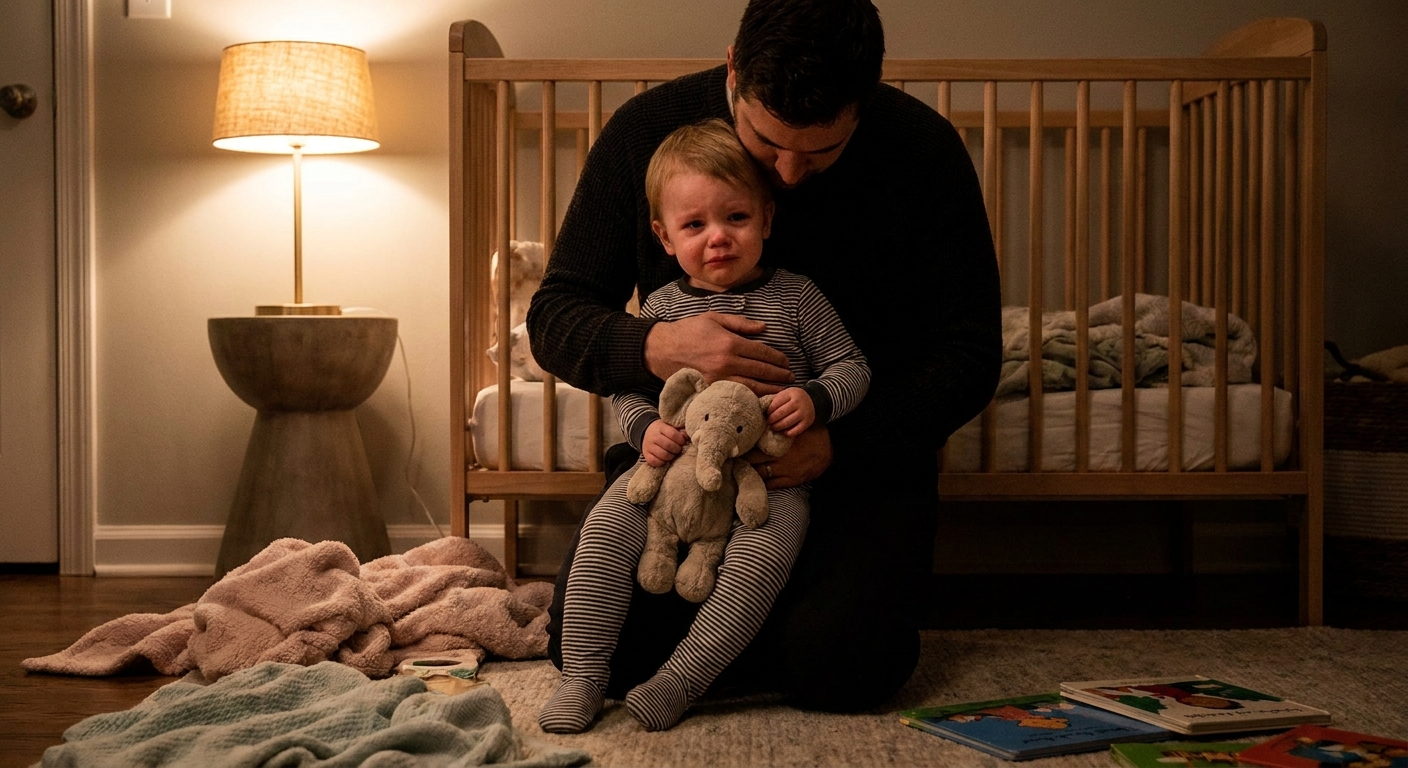
- Fighting bedtime or waking more at night
- Sudden fear of the dark or separation anxiety
- Demanding the “baby routine” like rocking or being held
What helps: Keep bedtime predictable. Add 10 minutes of “solo time” with you right before bed, even if the house is chaos. If they wake at night, respond briefly and neutrally: comfort, reassurance, back to bed.
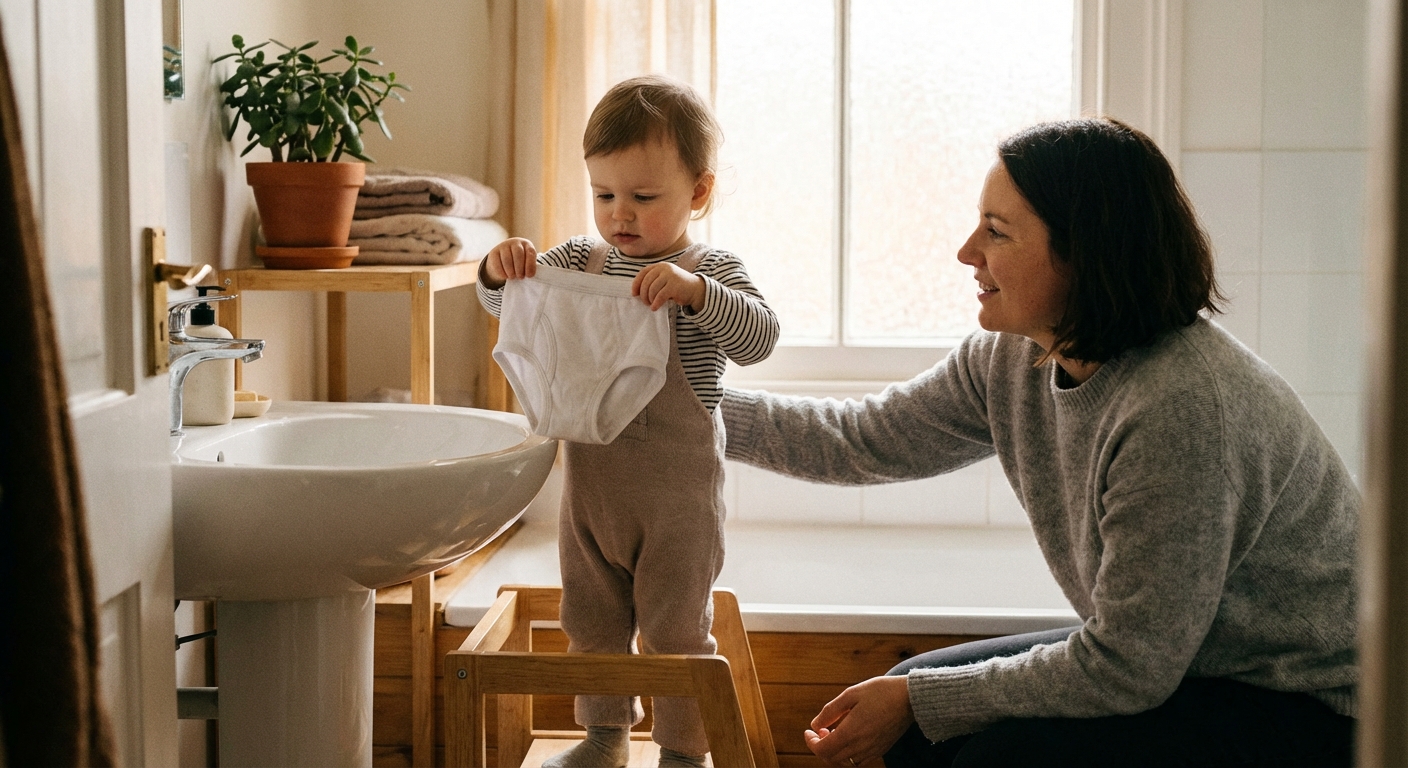
Potty regression
- Accidents after being dry
- Refusing the toilet
- Asking for diapers
What helps: Treat it as information, not defiance. Say, “Bodies forget sometimes when life is busy.” Go back to gentle reminders. Avoid shame or long lectures. If constipation might be involved, talk with your pediatrician, because stool withholding is a very real trigger for potty struggles .
Feeding regression
- Picky eating that suddenly intensifies
- Wanting baby foods or to be spoon-fed
- Refusing meals when you are feeding the baby
What helps: Offer a “toddler snack tray” during baby feedings. Keep a steady feeding structure (you decide what is offered and when, they decide whether to eat and how much), an approach popularized by feeding expert Ellyn Satter. If they want a little spoon-feeding sometimes, it is okay to meet that need briefly without making it the new normal.
Behavior regression
- Baby talk, whining, clinginess
- More tantrums, less patience
- Sudden fearfulness or meltdowns with transitions
What helps: Name the feeling, set the boundary, offer a job or choice. Toddlers calm faster when they feel seen and still held by limits.
Age matters
Your expectations and safety plan should match your older child’s developmental stage.
- 18 to 24 months: Think “all impulse.” They may truly not understand how fragile a baby is. Plan for constant supervision, lots of physical blocking, and very simple language.
- 2 to 3 years: Big feelings plus power struggles. Offer choices, give jobs, and keep baby protected with gates and zones.
- 3 to 5 years: More words, more bargaining, and sometimes more sneaky behavior. You can do more coaching and repair conversations, but you still need a safety-first setup.
Safety plan for aggression
If there is hitting, kicking, biting, or throwing, your first job is safety, not a perfect teachable moment.
Step 1: Block and separate
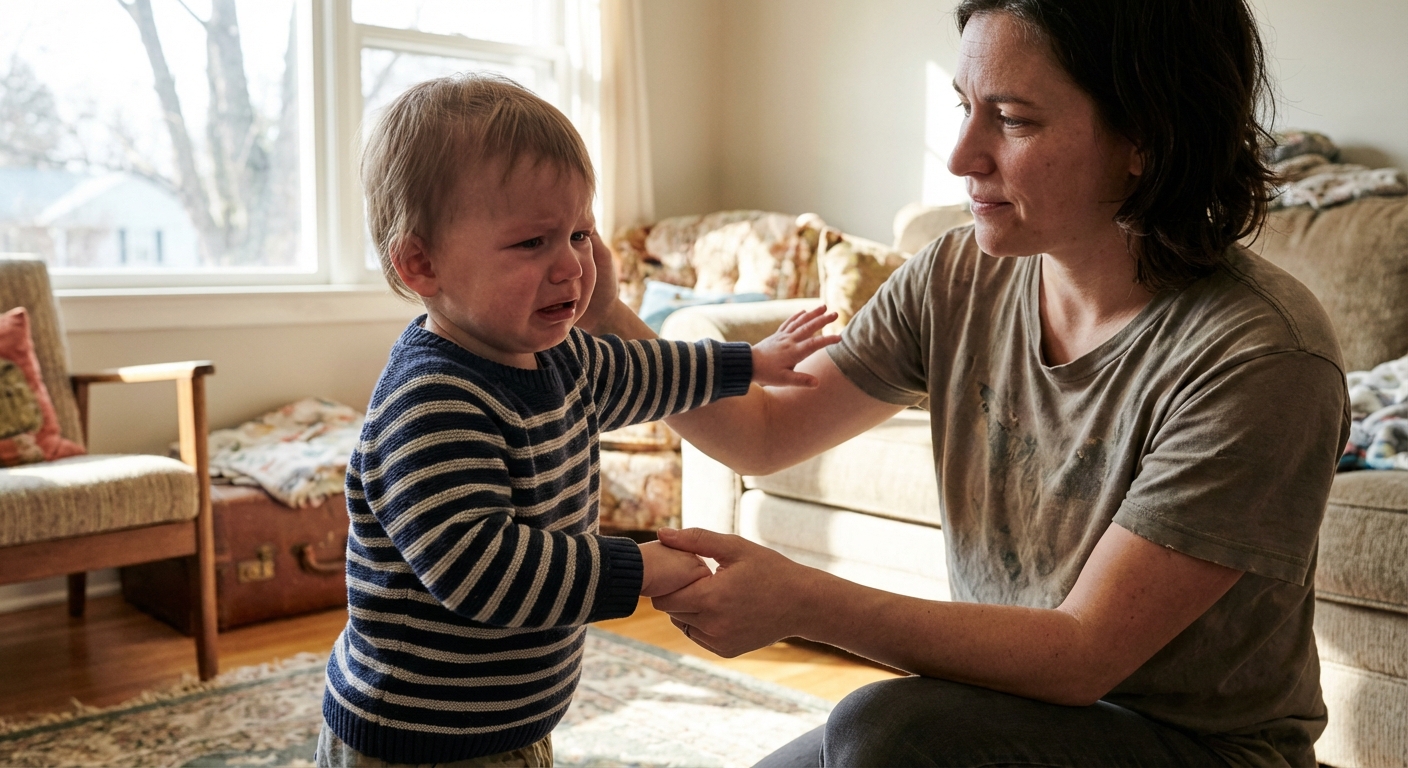
Move your body between them. Pick up the baby or move the toddler to the other side of the room. Use a calm, firm voice.
Say: “I won’t let you hit. Your job is to have feelings. My job is to keep everyone safe.”
Step 2: Help the vulnerable child first
Yes, even if the older child is screaming for you. This is not favoritism. It is safety.
Say: “I’m helping the baby’s body first. Then I will help you.”
Step 3: Repair with the older child
Once everyone is safe and calmer, reconnect with your older child. Most of the time, aggression decreases when kids feel they can get closeness without going nuclear.
Say: “Something felt really hard. Show me with safe hands.”
What to show: “Hands in your lap” or “tap my arm gently if you need me.”
Step 4: Teach the replacement skill when calm
- “Hands can be gentle. You can touch baby’s feet.”
- “If you want me, tap my arm and say, ‘Mom, I need you.’”
- “If you feel mad, stomp on the floor or squeeze a pillow.”
Step 5: Prevent like it is your job
- Never leave baby and toddler unsupervised, even “just for a second.”
- Adult within arm’s reach when baby is on the floor and toddler is nearby.
- Create a baby-safe zone (playpen, bassinet, gated area) where baby can be without toddler access.
- Create a toddler-safe zone where toddler can play without constant “No, not that.”
- Keep small objects out of reach during rough phases (choking hazards plus “projectiles”).
- Catch them being good: “I saw your gentle hands. That helped baby feel safe.”
When they say you love the baby more
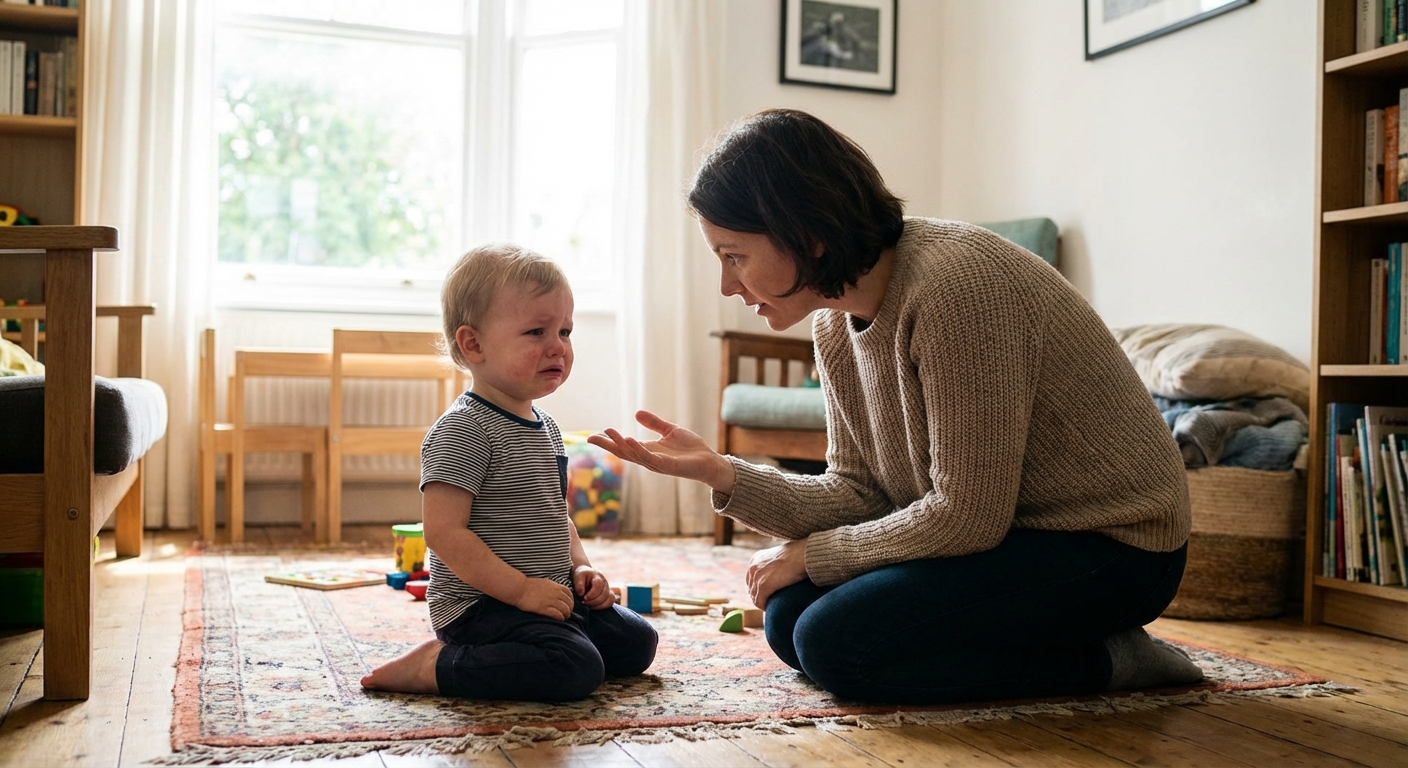
When a child says, “You love the baby more,” it can hit you right in the sleep-deprived heart. Try to hear the translation: “I am scared I don’t matter as much now.” The best response is reassurance plus a concrete plan.
“You love the baby more.”
Say: “I love you and I love the baby. Love is not a pie, it does not run out. I know it feels hard when I’m holding the baby. You want more of me.”
Then do: “After I finish this feeding, it’s your turn for a 10-minute cuddle on the couch.” Set a timer if it helps you follow through.
“Put the baby back.”
Say: “You miss how things used to be. I get it. The baby is staying, and you are safe. Want to sit next to me while I change the diaper, or pick the next book we read?”
“I hate the baby.”
Say: “That tells me you are really mad. You’re allowed to be mad. You are not allowed to hurt. Tell me what you wish was different.”
“You never play with me.”
Say: “You’re right, today has been heavy on baby care. You deserve me too. What would feel best: a quick game now, or a bigger playtime after dinner?”
Notice the pattern: validate, set the truth, then offer a choice or a plan. You are not arguing them out of their feelings. You are guiding them through the storm.
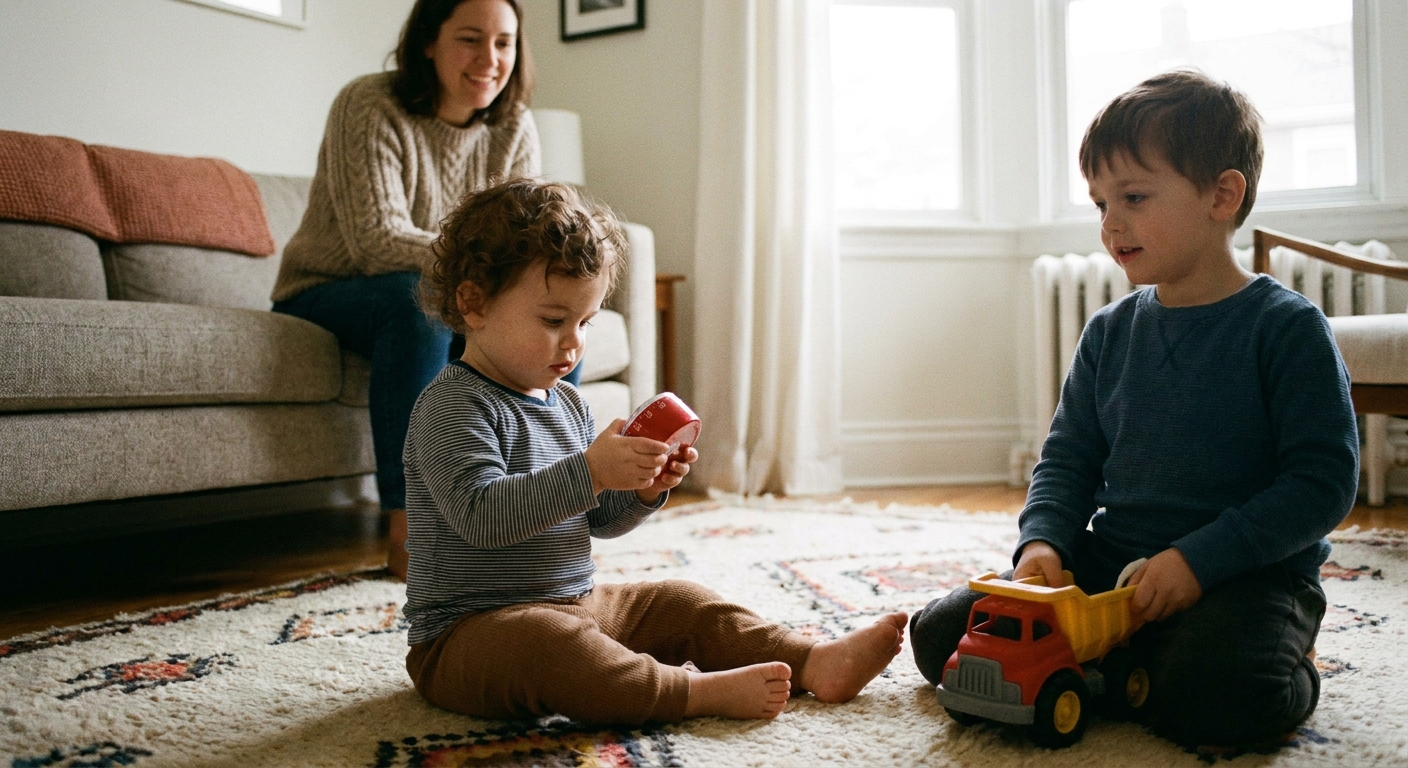
Toy fights and “Mine!”
Toy fights get extra spicy after a new baby because older siblings are often worried there will not be enough attention, time, or toys to go around. Sharing is a long-term skill. In the short term, your goal is fewer explosions and faster repairs.
House rules
- No grabbing from hands. Ask or wait.
- We take turns. Grown-ups help with timing.
- Some toys are not for sharing. Each child can have special items.
When someone grabs
Say: “Stop. I won’t let you grab. You can say, ‘Can I have a turn when you’re done?’”
When they both scream “Mine!”
Say: “Two kids want the same thing. That’s hard. Here are the choices: we set a 2-minute timer for turns, or the toy takes a break.”
When the toddler targets baby’s things
Say: “Baby’s items are for baby’s body. You can touch the baby blanket gently, or you can choose one of your own blankets.”
When the fight is really about you
If the fight magically appears the moment you start nursing, that is your clue.
Say: “You want me while I’m feeding. I can’t get up right now, but you can sit by my feet and pick a book, or you can build next to us. When I’m done, it’s your turn.”
Connection that reduces rivalry
You do not need elaborate activities. You need predictable micro-moments that tell your older child, “You are still anchored to me.”
10 minutes, phone away
Once a day, give your older child 10 minutes of fully present time. Let them choose the play. Narrate what you see. Avoid correcting unless safety is involved. This is powerful even if it is not every day at first.
Give a real job
- “Pick the baby’s pajamas.”
- “Bring me two diapers.”
- “Shake the burp cloth to find the corner.”
- “Choose a song for baby’s diaper change.”
Jobs work best when they are optional. Forced helping can backfire fast.
Protect key routines
If bedtime used to be your thing, try to keep some part of it yours. Even if another adult does the bath, you do the final story. Kids often handle change better when one daily ritual stays familiar.
Talk about the baby like a person
This sounds small, but it matters. “The baby needs to eat” can feel like a bossy rule. “Your sister is hungry” is easier for many kids to accept.
Discipline that works
When parents are fried, we are more likely to swing between ignoring and yelling. A simple, repeatable approach is kinder to everyone.
What helps
- Clear, brief limits: “I won’t let you hit.”
- Immediate physical guidance: move bodies, block hands
- Consistent consequences tied to safety: “If you throw blocks, blocks are done for now.”
- Repair: reconnect after the storm, practice what to do next time
What tends to backfire
- Long lectures during a meltdown
- Forcing apologies before a child is calm (it becomes a performance)
- Comparisons: “Why can’t you be sweet like the baby?”
- Shame: “Big kids don’t act like this.”
If you use time-outs, consider a “calm-down space” instead: a spot where you stay nearby and help them regulate. Many toddlers cannot “go be calm” alone when their brain is on fire.
When to get extra help
I am a big fan of early support. You do not need a crisis to ask for backup.
Call your pediatrician if
- Aggression is frequent and intense, or you are worried the baby could be seriously hurt
- Regression includes painful poops, constipation, stool withholding, or new daytime wetting
- Your child has new sleep issues plus snoring, breathing pauses, or significant behavior changes
- There are signs of anxiety that disrupt daily life (panic at separation, frequent stomachaches, refusing school)
- You suspect postpartum depression or anxiety in yourself or a partner, because parent mental health directly affects family stress
Get urgent help now if
- Your child tries to seriously harm the baby (choking, covering face, throwing heavy objects, using sharp objects)
- Your child talks about harming themselves or you see self-harm behaviors
- You feel unable to keep everyone safe
Consider counseling or parenting support if
- Conflict is constant and you feel like you are refereeing all day
- One child has become the family “scapegoat” or “bad kid” in everyone’s mind
- You and your partner disagree about discipline and it is escalating
- You notice resentment building in yourself toward either child
Support can be short-term and practical. Sometimes a handful of sessions gives you a plan, language for hard moments, and real relief.
Reality check
The postpartum season is loud. Your toddler is not ruined. Your baby is not doomed to grow up in chaos. Many families see sibling rivalry ease as routines stabilize and as your older child learns, through thousands of tiny moments, that they still have a secure place in your arms and your life. And sometimes, families need longer support, different strategies, or professional help. That is not a failure, it is a plan.
Start with two priorities: safety and connection. Use the phrases until they feel natural. And if today was a mess, you can repair tonight. Parenting is not a clean highlight reel. It is a long series of do-overs, and you are allowed to take them.