Signs of Dehydration in Babies and Toddlers

Sarah Mitchell
Sarah Mitchell is a Registered Pediatric Nurse and a mother of three who has spent over a decade helping families navigate the beautiful, chaotic early years of childhood. She combines evidence-based medical knowledge with real-world parenting experience to offer practical, compassionate advice. At Awesome Parent, Sarah's mission is to help exhausted parents find solutions, trust their instincts, and finally get some sleep.
If you are here because your baby has been sick, refusing fluids, or spent a little too long in the heat, take a breath. Dehydration can sneak up quickly in little kids, but there are clear signs you can watch for and simple steps you can take at home. And if things feel “off,” I will also tell you exactly when it is time to stop troubleshooting and get medical help.
Quick safety note: If your baby is hard to wake, has trouble breathing, has a bluish color around lips/face, you suspect heat illness, or you are worried about severe dehydration, skip to the ER section and go now.

Why dehydration happens faster in babies and toddlers
Little bodies have less fluid “backup” than adults and they lose water faster. A small amount of vomiting, diarrhea, fever, or simply refusing to drink can tip them into dehydration more quickly than you would expect.
- Babies: higher fluid needs per pound, plus more risk if they cannot take in enough breast milk or formula.
- Toddlers: busy, stubborn, and easily distracted from drinking, especially when sick.
Heat note: Being in a hot car, overdressed, in a warm room, or out in the sun can speed fluid loss. Kids can go from “fine” to “not fine” surprisingly fast.
Early signs of dehydration
These are the “yellow light” signs. One sign alone does not always mean dehydration, but clusters matter.
- Fewer wet diapers or less peeing: often the earliest clue.
- Darker, stronger-smelling urine (more relevant for toddlers).
- Dry mouth or tongue: lips look dry, saliva seems thick or stringy.
- Crying with fewer tears (older infants and toddlers).
- More tired than usual or less playful.
- Drinking poorly: shorter breastfeeds, refusing bottles, pushing away cups.
- Mild dizziness in toddlers (they may say “my head feels funny” or seem unsteady).
If you are seeing early signs, jump to the home management section. Most kids can be safely supported at home if they are alert and still taking some fluids.
Serious signs (red flags)
These signs suggest moderate to severe dehydration or a child who is getting worse. This is when I want you to call your pediatrician urgently, go to urgent care, or head to the ER depending on severity and age.
- Very sleepy, hard to wake, or unusually limp
- No urine output for a concerning stretch of time (see age guidance below)
- Fast breathing or very fast heartbeat
- Sunken eyes
- Cool, blotchy hands and feet or poor color
- Dry diapers plus ongoing vomiting or diarrhea
- Baby’s soft spot looks sunken (fontanelle) along with other dehydration signs
- Signs of shock: extreme lethargy, weak pulses, pale or gray skin, confusion in older toddlers
How to check at home
Parents often ask me, “Is there a way to know for sure?” There is no single perfect home test, but these checks together give you a solid picture.
1) Wet diaper and pee count
This is one of the most useful indicators because it reflects what is happening inside the body. These are general guideposts, not a diagnosis, and diaper type and feeding patterns matter.
- After the first week (many babies): often around 6 or more wet diapers in 24 hours. Some healthy babies may have a bit less, but a big drop from their normal matters.
- Young infants (rough guide): if there is no wet diaper for about 6 to 8 hours and intake is down, I want you to call for advice the same day.
- Older infants and toddlers: I start worrying when there is no pee for 8 hours, especially if they are not drinking well or look tired and dry.
- More urgent: 10 to 12 hours with no wet diaper (or very minimal urine plus lethargy) is a strong reason to be seen urgently.
Extra-important for very young babies: If your baby is under 3 months, or a young infant is feeding significantly less than usual, do not “wait it out.” Call your pediatrician or go in based on their guidance.
Tip: Disposable diapers can hide small amounts of urine. If you are unsure, place a tissue inside the diaper briefly to see if it gets wet, or note whether the diaper feels heavier than before.
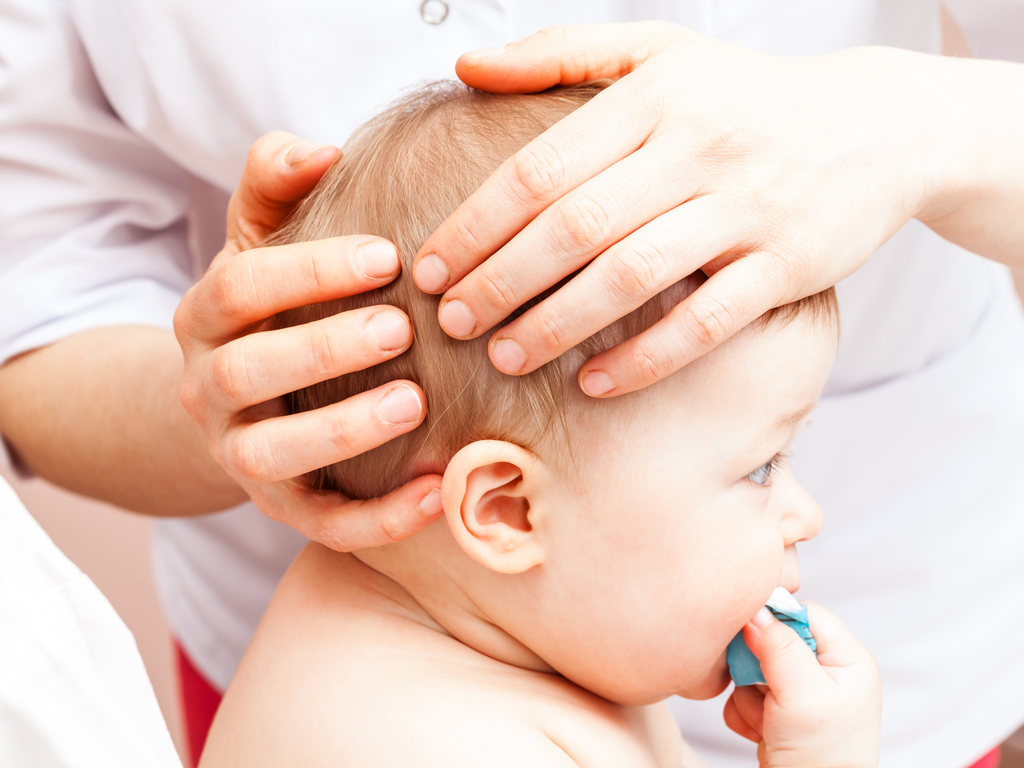
2) Soft spot (fontanelle)
The fontanelle is the soft spot on the top of a baby’s head. When babies are dehydrated, it can appear more sunken than usual.
- How to check: Hold your baby upright when calm. Look gently, do not press hard. A normal soft spot may look flat or slightly curved inward.
- What is concerning for dehydration: a clearly sunken soft spot paired with fewer wet diapers, dry mouth, or lethargy.
Important: The soft spot can look different when baby is crying or sitting upright versus lying down. Use it as one clue, not the only clue.
Separate urgent issue: A bulging fontanelle (especially with fever, unusual sleepiness, or persistent vomiting) is not a dehydration sign and needs urgent medical evaluation.
3) Skin pinch test
This is a classic dehydration check, but it is easy to misread in babies. Still, it can help when combined with the other signs.
- How: Gently pinch a small area of skin on the belly (not the back of the hand in little kids), then release.
- Normal: skin snaps back quickly.
- Concerning: skin “tents” and returns slowly.
Babies have softer skin and extra baby fat, so this test is not perfect. Trust wet diapers and overall behavior more.
4) Behavior and alertness
In triage, one of the biggest things we watch is how a child looks overall.
- Reassuring: your child is alert, makes eye contact, and perks up between symptoms.
- Concerning: your child is difficult to wake, stares past you, is floppy, has a weak cry, or cannot keep fluids down.
Common causes
Dehydration is not only a stomach bug issue. Here are common scenarios and what I watch most closely.
Fever
Fever increases fluid loss through faster breathing and can increase sweating. Kids also tend to drink less when they feel lousy.
- Offer frequent sips even if they “do not want it.”
- Watch wet diapers and energy level.
Vomiting
With vomiting, the biggest risk is not being able to keep fluids down.
- Think tiny amounts often, not big cups or full bottles.
Diarrhea
Diarrhea causes significant fluid and electrolyte loss, especially in younger babies.
- Oral rehydration solution is usually the best tool here.
Heat and sweating
Hot weather, heavy clothing, warm rooms, hot cars, or long outdoor play can all increase risk.
- For most toddlers with routine play sweating, water is usually fine.
- ORS helps most when losses are bigger: vomiting, diarrhea, prolonged heavy sweating, heat illness symptoms, or clear dehydration signs.
Refusal to drink
Teething, sore throat, ear infections, and mouth sores can all make drinking painful.
- Cold fluids, popsicles, and spoonfuls of oral rehydration solution can help.
What to do at home
If your child is alert and able to take some fluids, you can often manage mild dehydration at home.
Use oral rehydration solution (ORS)
For vomiting, diarrhea, or clear dehydration signs, oral rehydration solution (like Pedialyte or a store brand equivalent) is usually better than plain water or juice because it replaces both fluid and electrolytes.
- Under 6 months: call your pediatrician for guidance, especially if intake is down.
- 6 months and up: ORS is generally appropriate unless your clinician has told you otherwise.
If they keep throwing up
This is the part no one enjoys at 2 AM, but it works.
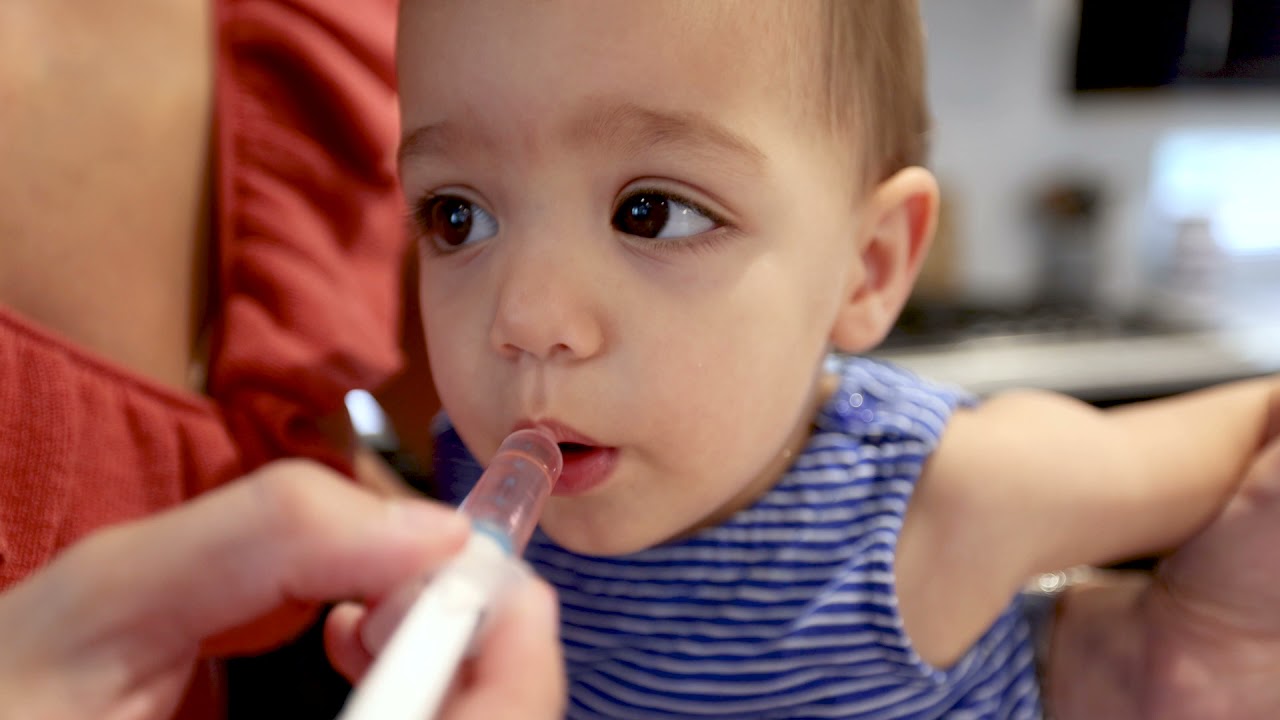
- Start with 5 to 10 mL (1 to 2 teaspoons) every 2 to 5 minutes.
- If that stays down for 20 to 30 minutes, slowly increase the amount.
- Use a syringe, spoon, or tiny sips from a cup.
If your child vomits, wait 10 minutes and try again with smaller amounts.
Breast milk and formula
- Breastfeeding: keep going. Offer more frequent feeds.
- Formula: usually continue as tolerated. If vomiting is significant, your pediatrician may recommend ORS first, then returning to formula gradually.
Food and solids
If your toddler wants to eat, you can usually let them. Aim for simple foods and their usual diet as tolerated. Do not stress about solids if fluids are the battle. Hydration comes first.
What to avoid (or limit)
- Juice and soda: can worsen diarrhea and do not replace electrolytes well.
- Sports drinks: not ideal for young kids with stomach illness because the sugar and electrolyte balance is not designed for rehydration in toddlers.
- Plain water only for babies with significant vomiting or diarrhea: water alone does not replace electrolytes. For toddlers with mild dehydration from heat, water can be fine, but ORS is safer if they are clearly depleted.
When not to force fluids
If your child is very drowsy, unable to sit up safely, choking, or not swallowing normally, do not keep pushing oral fluids at home. That is a “get seen now” situation.
When to go to the ER
Parents often worry about “overreacting.” In pediatrics, I would rather you come in early than arrive when a child is already severely dehydrated. Use these guardrails.
Go to the ER now
- Hard to wake, very weak, floppy, or not responding normally
- Signs of breathing trouble or bluish lips or face
- Age under 3 months with vomiting, diarrhea, fever, poor feeding, or any dehydration concern
- No urine plus worsening overall appearance (especially if 10 to 12 hours with no wet diaper in a baby)
- Repeated vomiting and your child cannot keep even small sips down
- Blood in vomit or stool, or black or tarry stool
- Sunken fontanelle plus lethargy or very dry diapers
- Seizure, severe headache with stiff neck, or your child looks “dangerously sick” to you
- Concern for heat illness with confusion, fainting, very hot skin, or symptoms after being in a hot car
Call your pediatrician today
- Fewer wet diapers than usual and drinking poorly
- Vomiting or diarrhea lasting more than 24 hours in a young child, or sooner if worsening
- Fever with poor intake, especially if your child is less interactive
- Dry mouth, no tears, or sunken eyes without severe lethargy
Home care and close monitoring
- Your child is alert, has some urine output, and is able to take fluids
- Symptoms are mild and improving with ORS and rest
Trust the parent gut check: If your child is not acting like themselves and you cannot put your finger on why, that is a valid reason to be seen.
How fast can it happen?
It depends on age and cause. A baby with frequent vomiting or watery diarrhea can become dehydrated within hours. Toddlers can slide faster than expected in hot weather or when they refuse fluids all day. If you are watching worsening symptoms over a short period, treat it as urgent even if it has not been “that long.”
FAQ parents ask at 3 AM
My child has a wet diaper but still seems dehydrated. Is that possible?
Yes. A single wet diaper is reassuring, but you want a pattern of regular urination plus an alert, improving child. If diapers are getting lighter, urine is very dark, or behavior is worsening, treat it seriously.
What if my toddler refuses Pedialyte?
You have options: try it cold, offer tiny sips through a straw, use a syringe, or offer ORS popsicles. If they will only take water, give water while you keep trying ORS. Any fluid is better than none, but persistent refusal plus low urine means it is time to call the pediatrician.
Can I make my own rehydration drink?
In a pinch, some public health recipes exist (WHO and CDC). But for babies and toddlers, I strongly prefer commercially prepared ORS because the ratio matters. Mixing it incorrectly can be unsafe, especially for infants.
Quick checklist
First steps at home: ORS for vomiting or diarrhea, tiny sips often, keep breastfeeding or formula as tolerated, and track wet diapers.
Yellow lights: fewer wet diapers, dark urine, dry mouth, no tears, low energy, poor drinking.
Red flags: hard to wake, no urine for many hours with worsening appearance, cannot keep even small sips down, breathing trouble, bluish color, blood in vomit or stool, signs of heat illness, or age under 3 months with any concern.
A final calm check-in
If your child is peeing regularly, alert, and able to keep down fluids, you are probably in “monitor and rehydrate” territory. If wet diapers are dropping, the soft spot looks sunken, your child is unusually sleepy, or you cannot get fluids in, it is time to get help. You are not being dramatic. You are being a good parent.