Sinus Infection in Toddlers: Symptoms and When It’s More Than a Cold

Sarah Mitchell
Sarah Mitchell is a Registered Pediatric Nurse and a mother of three who has spent over a decade helping families navigate the beautiful, chaotic early years of childhood. She combines evidence-based medical knowledge with real-world parenting experience to offer practical, compassionate advice. At Awesome Parent, Sarah's mission is to help exhausted parents find solutions, trust their instincts, and finally get some sleep.
If your toddler’s runny nose has been hanging around long enough to deserve a name and a tiny apartment lease, you are not alone. In pediatrics, most of what looks like a “sinus infection” starts as a plain old virus. The tricky part is figuring out when it is still a cold doing cold things, and when it has turned into a bacterial sinus infection that may need a different plan.
Let’s walk through the symptoms that matter, what pediatric clinicians mean by “sinusitis,” and the realistic, safe steps you can take tonight while you watch and wait.

Quick basics: what it is
Your child has small air spaces around the nose called sinuses. In toddlers, some sinuses are still developing (the frontal sinuses, for example, develop later), but the nose and nearby sinus spaces can still get inflamed during illnesses.
When a virus causes a cold, the nose and sinuses get swollen and make extra mucus. Most of the time, that swelling and mucus clear up on their own.
Sometimes, the swollen drainage pathways stay blocked long enough that bacteria can overgrow in that trapped mucus. That is what clinicians mean by acute bacterial sinusitis.
Important toddler reality check: It is very common for toddlers to have back-to-back viral colds, especially in daycare seasons. So “two weeks of snot” can still be viral, just with a second cold stacked on top of the first.
Cold vs. sinus infection: 3 patterns
In pediatric triage, we look for a few clinical patterns that raise suspicion for acute bacterial sinusitis. Exam findings vary, and your child’s clinician will combine the timeline with what they see and hear in the office.
1) Lasting 10+ days without improvement
This is the big one. If your toddler has nasal discharge (any color) and/or daytime cough that lasts more than 10 days and is not getting better, sinusitis moves up the list.
- What counts: persistent runny nose (any color), daytime cough, stuffiness, bad breath.
- What does not count: they were clearly improving by day 7 to 9 and then catch a new cold with new symptoms.
2) Severe symptoms early
Acute bacterial sinusitis can present with a stronger hit at the start, such as:
- Fever 102.2°F (39°C) or higher for at least 3 days
- Thick nasal discharge (often yellow or green) along with that fever
- A child who looks truly unwell, not just “grumpy sick”
3) Double-worsening
This pattern is very telling: your toddler starts to recover from a cold, then a few days later symptoms ramp back up.
- Classic signs: fever returns, nasal discharge increases, cough worsens, sleep gets worse again.
One myth to retire gently: Green mucus alone does not prove a bacterial infection. Mucus often turns yellow or green as a normal part of viral illness because of immune cells, not because antibiotics are needed.
Common symptoms in toddlers
Toddlers cannot always explain what hurts, so sinus symptoms often show up as behavior changes and sleep trouble. Also, facial pain and headache symptoms are often clearer in older kids. In younger toddlers, you are more likely to see rubbing, irritability, or sleep changes than a clear “my face hurts” complaint.
- Thick nasal discharge (clear, yellow, or green), especially if persistent
- Stuffy nose with mouth breathing
- Cough, often worse at night or upon waking due to post-nasal drip
- Bad breath that does not improve with brushing (from mucus drainage)
- Facial pressure or pain (your toddler may rub cheeks, nose bridge, or eyes)
- Headache (may show up as irritability, wanting to lie down, avoiding light)
- Fever, especially if it is high, persistent, or returns after improving
- Low appetite and poor sleep

Ear symptoms can tag along: congestion can cause ear pressure, and ear infections sometimes occur at the same time as sinus infections. If your toddler has significant ear pain or new fussiness when lying down, an ear check is worth it.
When to call vs. urgent care
Call your pediatrician within 24 hours if:
- Cold symptoms last 10+ days with no meaningful improvement
- Your child has double-worsening (better, then worse again)
- Fever is back after being gone
- Your toddler has suspected facial pain, persistent bad breath, or sleep-disrupting cough
- Your child has asthma or other chronic lung issues and cough is escalating
Go in urgently now if you notice:
- Swelling or redness around the eye, especially on one side
- Pain with eye movement, bulging eye, or vision changes
- Severe headache, stiff neck, confusion, unusual sleepiness, or persistent vomiting
- Breathing difficulty, bluish lips, or ribs pulling in with breaths
- Signs of dehydration (very dry mouth, no tears, significantly fewer wet diapers/urination)
Those eye and neurologic symptoms are uncommon, but they matter because sinuses sit close to the eyes and brain. Trust your gut. If something feels off beyond a typical respiratory bug, it is okay to be “that parent” and get them seen.
Do they need antibiotics?
Sometimes yes, and sometimes no. The decision depends on how your child fits the patterns above, how severe symptoms are, and what their exam looks like.
When antibiotics are more likely to help
Antibiotics can be beneficial when a clinician diagnoses acute bacterial sinusitis, especially with:
- Severe onset (high fever plus thick discharge for several days)
- Double-worsening
- Persistent symptoms beyond 10 days that are not improving
When watchful waiting can be reasonable
For toddlers who have persistent symptoms but are otherwise stable and not severely ill, many clinicians offer watchful waiting for a short window (often up to 3 days) before starting antibiotics, as long as you have clear return precautions and a plan for follow-up.
Why the caution with antibiotics? Most sinus symptoms in young kids are viral. Antibiotics do not treat viruses, and unnecessary antibiotics can cause side effects like diarrhea, diaper rash, and allergic reactions. They also contribute to antibiotic resistance over time.
What about “just in case” antibiotics? I get the appeal at 3 AM. But in pediatrics we try to be strategic, so when your child truly needs an antibiotic, it works as well as possible and with the least collateral damage.
Home comfort measures
You cannot magically drain toddler sinuses on command. But you can make breathing easier, improve sleep, and reduce irritation while their body recovers.
Saline and gentle suction
- Saline drops or spray loosen thick mucus.
- For younger toddlers, gentle suction after saline can help, especially before sleep.
- Aim for comfort, not perfection. Over-suctioning can irritate the nose.
Humidity and warm steam
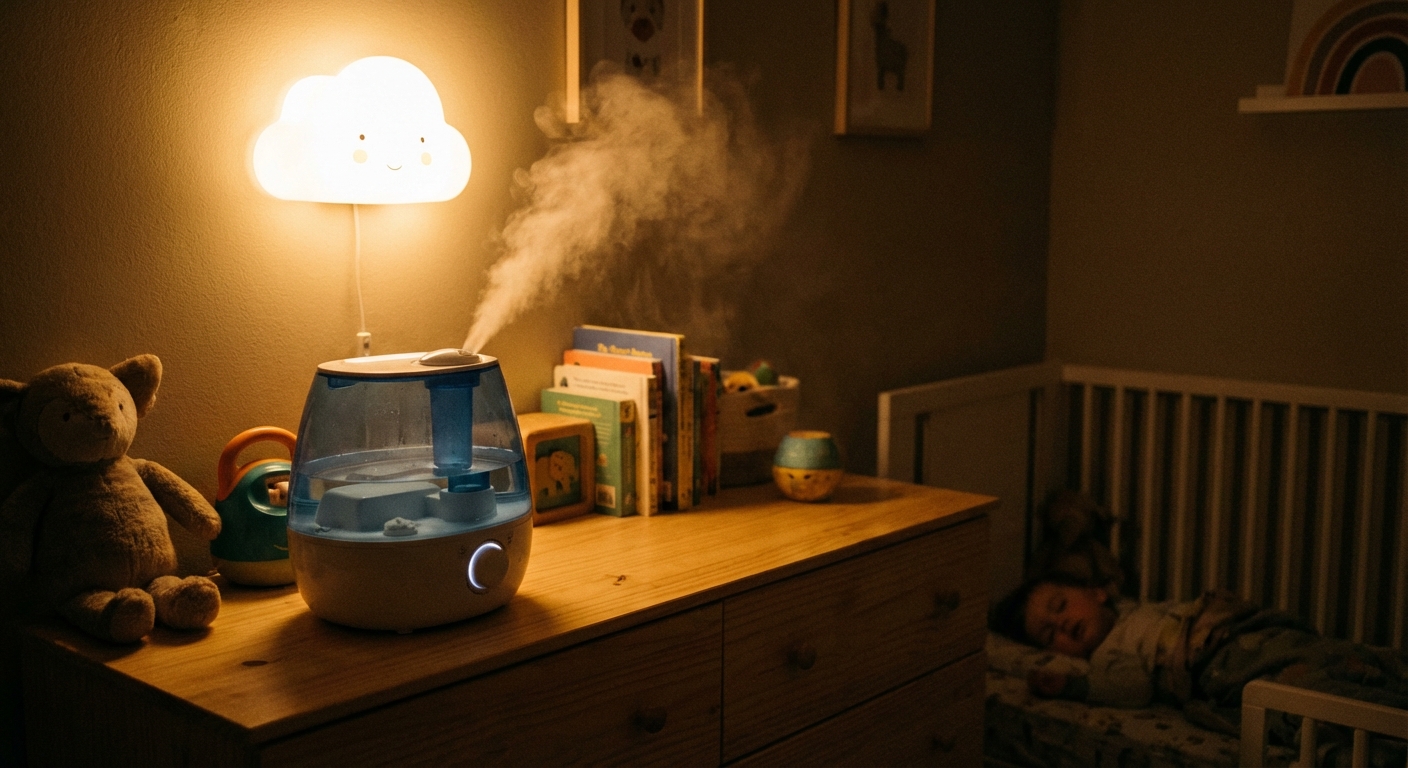
- Use a cool-mist humidifier in the bedroom at night.
- A steamy bathroom (hot shower running, toddler in the room with you) for 10 to 15 minutes can help loosen congestion.
- Steam safety: keep your child well away from hot water and faucets, and do not use bowls of hot water or “steam over the sink” methods due to burn risk.
Hydration
- Offer water frequently. Warm liquids like broth can be soothing if your toddler will take them.
- If appetite is down, prioritize fluids over solid food for a day or two.
Honey for cough (age 1+)
- For toddlers older than 12 months, 1/2 to 1 teaspoon (2.5 to 5 mL) of honey before bed can ease cough from post-nasal drip.
- No honey under 1 year due to botulism risk.
Pain and fever relief
If your child is uncomfortable, ask your pediatrician about using age-appropriate fever and pain relievers (typically acetaminophen or ibuprofen, depending on age and medical history). Follow dosing instructions carefully and avoid multi-symptom cold medicines unless your clinician specifically recommends them.
Sleep positioning
- For toddlers in a bed, slight head elevation can help congestion. Use safe methods like a slightly elevated mattress angle if recommended by your pediatrician.
- For cribs, avoid pillows or loose bedding. Stick with safe sleep practices.
What I generally avoid in toddlers
- OTC cough and cold meds for young children unless specifically directed by your clinician
- Essential oils applied to skin or put in the mouth
- Topical decongestant nasal sprays (like oxymetazoline or phenylephrine) unless specifically directed. Overuse for several days can cause rebound congestion and make things worse.
If your toddler is miserable and you are staring at a wall of products at the pharmacy, it is absolutely okay to call your pediatrician’s nurse line and ask what is appropriate for your child’s age.
How long does it last?
With viral colds, many toddlers improve within 7 to 10 days, but cough can linger a bit longer.
With acute bacterial sinusitis:
- Symptoms may improve within a few days of starting the right antibiotic, if one is needed.
- Congestion and cough can still take 1 to 2 weeks to fully settle, even with treatment.
Whether you are using watchful waiting or antibiotics, you should see a trend toward improvement. If symptoms are staying the same or worsening, it is time to check back in.
3 AM questions
Is green snot always a sinus infection?
No. Color change is common in viral colds. What matters more is duration, severity, and double-worsening.
Can teething cause these symptoms?
Teething can increase drool and mild fussiness. It does not typically cause 10 days of thick nasal discharge or a worsening cough. If symptoms look like a cold, treat it like a cold.
Can my toddler have a sinus infection without a fever?
Yes. Many kids with acute bacterial sinusitis do not have a fever. Persistent symptoms and the overall pattern still matter.
Do I need imaging (X-ray/CT) to diagnose it?
Usually no. In most uncomplicated cases, clinicians diagnose sinusitis based on history and exam. Imaging is typically reserved for unusual, severe, or complicated cases.
Quick checklist
If you want a quick gut-check, acute bacterial sinusitis is more likely when you see one of these:
- No improvement after 10 days of nasal discharge and/or daytime cough
- High fever with thick nasal discharge for several days
- Better, then worse again, especially fever returning
- Facial pain/pressure behavior (rubbing cheeks, more discomfort bending forward)
If you are in the gray zone, you are not failing. This is legitimately hard, and toddlers are not known for giving clear, concise symptom reports. When in doubt, call your pediatrician, tell them the day-by-day timeline, and let that timeline do the talking.
My triage nurse tip: Before you call, jot down three things: the day symptoms started, whether they ever improved, and the highest fever and when it happened. That alone often clarifies the next step.
This article is for general education and does not replace medical advice. If you are worried about your child’s breathing, hydration, eye swelling, or overall alertness, seek urgent medical care.