Sleepwalking and Sleep Talking in Toddlers

Sarah Mitchell
Sarah Mitchell is a Registered Pediatric Nurse and a mother of three who has spent over a decade helping families navigate the beautiful, chaotic early years of childhood. She combines evidence-based medical knowledge with real-world parenting experience to offer practical, compassionate advice. At Awesome Parent, Sarah's mission is to help exhausted parents find solutions, trust their instincts, and finally get some sleep.
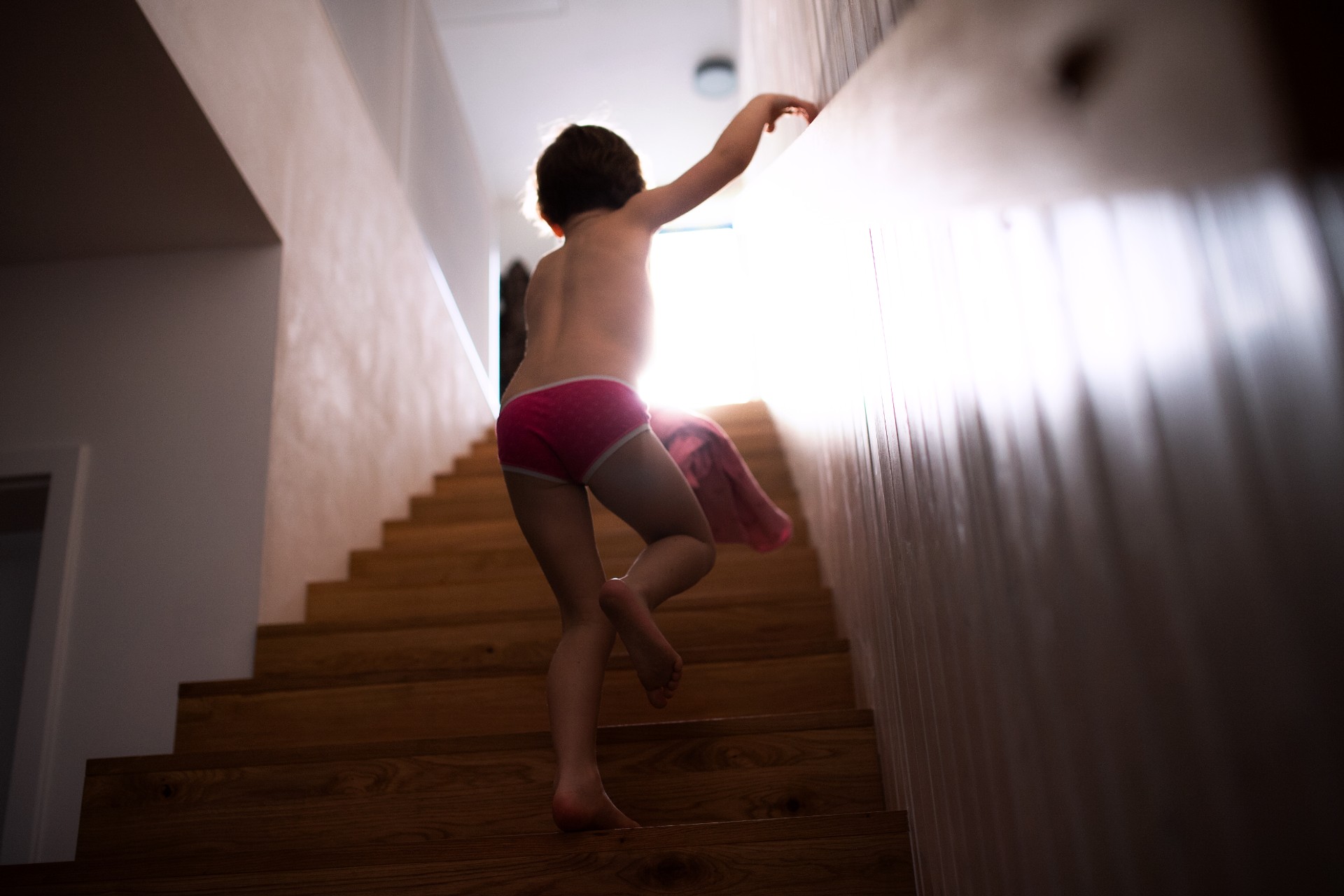
If you have ever found your toddler standing in the hallway at midnight, eyes half-open, mumbling about a toy that is definitely not there, welcome. You are not alone, and you are not doing anything wrong. Sleepwalking and sleep talking are both common childhood parasomnias, which is a fancy umbrella term for unusual behaviors during sleep.
Most of the time, they are harmless and temporary. The goal is not to stop it overnight, but to keep your child safe, protect everyone’s sleep as much as possible, and know what signs mean it is time to loop in your pediatrician or a sleep specialist.
What counts as sleepwalking or sleep talking?
Sleep talking
Sleep talking can sound like soft murmurs, full sentences, giggles, yelling, or emotional-sounding speech. Most toddlers who sleep talk will not remember it in the morning. It can happen during different sleep stages, often around brief arousals, and it tends to come and go with illness, stress, or overtiredness.
Sleepwalking
Sleepwalking is more than just sitting up. Your child may:
- Get out of bed and wander
- Open and close doors or drawers
- Look awake but seem confused or glassy-eyed
- Be hard to redirect with words alone
- Not remember anything the next day
In children, sleepwalking often happens in the first third of the night, when deep sleep is most concentrated.
One age note that matters: true sleepwalking is more common in preschool and school-age kids than in very young toddlers. If your child is under about 3 and you are seeing frequent nighttime wandering, it is worth a quick check-in with your pediatrician to make sure nothing else is going on (like discomfort, breathing issues, or another type of partial arousal).
Parasomnias vs night terrors
Parents often lump everything into night terrors, especially when there is crying or yelling involved. Here is a helpful way to separate them:
- Sleepwalking: Your child is up and moving, with reduced awareness.
- Sleep talking: Your child is vocal, but usually stays in bed.
- Night terrors: Your child may scream, sweat, and look terrified, but is not truly awake and is very difficult to comfort.
These can overlap. A toddler may talk during sleepwalking or sound panicked while partially aroused from deep sleep. The good news is that the safety approach is similar: keep them protected, avoid turning it into a big interaction, and focus on prevention basics.
Why it happens
In clinic, I used to see exhausted parents convinced something was wrong because their child suddenly started doing weird things at night. Most of the time, sleepwalking and sleep talking happen because a toddler’s brain is still learning how to move smoothly between sleep stages.
Common triggers include:
- Overtiredness: missed naps, late bedtime, or a stretch of poor sleep
- Illness or fever: even a mild cold can disrupt sleep
- Stress or big changes: travel, a new sibling, starting daycare
- Sleeping in an unfamiliar place: hotels, grandparents’ house
- Some medications: especially those that affect the nervous system (ask your pediatrician if you are unsure)
- Family history: parasomnias often run in families
Sleep deprivation is a big driver, which is why an earlier bedtime is often the highest-yield change when episodes pop up.
How to respond
Your job is to keep your child safe, not to make them snap out of it. Waking a sleepwalking child is not dangerous, but it can be difficult and may increase agitation or confusion.
What to do
- Stay calm and keep the lights low. Bright light can be more stimulating or disorienting.
- Use gentle guidance, not arguments. Simple phrases like “I’m right here” and “Let’s go back to bed” work better than questions.
- Guide them with your body. Stand beside them and lightly steer them by the shoulders or hold their hand back to bed.
- Keep it boring. No snacks, no screens, no long conversations.
- Wait until they are settled. Make sure breathing looks relaxed and they are safely in bed before you leave.
What not to do
- Do not shake them or yell. (You will both end up more awake.)
- Do not try to teach a lesson. They are not being defiant.
- Do not ask them to explain. Their brain is not fully online.
If your toddler sleep talks, you usually do not need to intervene unless they are escalating into distress. Often, it passes in seconds to minutes.
Safety-proofing
This is the part that helps parents breathe again. Sleepwalking is usually harmless until a child bumps into furniture, reaches stairs, or wanders toward a door. Think of this like baby-proofing, just with a taller tiny human who is running on autopilot.
High-impact safety steps
- Secure stairs. Use hardware-mounted gates at the top and bottom if possible.
- Lock exterior doors. Use childproof door knob covers, a high slide lock, or an alarm that chimes when the door opens.
- Block access to kitchens and bathrooms. Knives, cleaning products, and water hazards are the big ones.
- Lock windows. Especially on upper floors. Consider window guards where appropriate.
- Clear the floor. Pick up toys, rugs that slide, and anything that becomes a trip hazard at night.
- Move sharp or breakable items. Nightstands with heavy lamps, glass frames, and unstable furniture should be reconsidered.
- Anchor furniture. Dressers and bookshelves should be secured to the wall, especially if your child could pull on them while wandering.
- Avoid top bunks. If you have bunk beds, do not let a child who sleepwalks sleep on the top bunk.
- Consider a low bed. If your child falls asleep again quickly, a floor bed or low toddler bed reduces injury risk.
Helpful extras
- Motion-activated nightlight in the hallway. Enough to prevent falls, not so bright it fully wakes them.
- Baby monitor with sound and motion. Especially if their bedroom is far away.
- Door alarm on their bedroom door. A gentle chime can alert you without frightening them.
One note from my nurse brain: if you use any kind of lock, always make sure adults can open it quickly in an emergency. Fire safety matters too.
Also, if other adults ever handle bedtime (grandparents, babysitters, a coparent on a different schedule), give them the quick plan: keep it calm, guide back to bed, do not force a big wake-up, and prioritize safety.
How concerned should I be?
Most toddler sleep talking is normal and needs no medical workup. Sleepwalking is often normal too, but it deserves more attention because of injury risk.
Usually normal
- Episodes are brief and your child returns to sleep easily
- They are otherwise healthy and developing typically
- It happens during periods of overtiredness, illness, or travel
- No daytime sleepiness beyond what you would expect for a toddler
- No signs of breathing trouble at night
More concerning
- Episodes happen multiple times a week and are increasing
- Your child is leaving the room or attempting stairs regularly
- They are getting injured or you are close to a serious accident
- There are major daytime behavior changes, new anxiety, or significant sleepiness
- There is loud snoring, gasping, pauses in breathing, or very restless sleep
- Episodes include unusual movements you cannot interrupt or that look seizure-like
- New parasomnias start after a head injury
- Your child is on a new medication and symptoms began soon after
If your gut is telling you this is more than quirky sleep stuff, you deserve a reassuring, thorough conversation with your child’s clinician.
When to see a sleep doctor
A pediatric sleep specialist can be helpful when episodes are frequent, risky, or confusing. You do not need to wait for things to become a crisis.
Common reasons for a referral include:
- Safety risk: wandering outside the bedroom, access to stairs, repeated near-misses
- High frequency: several nights per week for more than a few weeks despite good sleep habits
- Possible sleep apnea: loud nightly snoring, gasping, mouth breathing, or pauses
- Unclear diagnosis: events that might be seizures, reflux-related arousals, or another condition
- Significant daytime impairment: excessive sleepiness, attention issues, irritability beyond typical toddler levels
Sometimes, the sleepwalking is really a sign of fragmented sleep from breathing problems, or from very restless sleep. In some children, low iron or low ferritin can contribute to restless sleep patterns. Addressing the underlying issue can dramatically improve nights.
What an evaluation looks like
Most of the time, the first step is a careful history. In triage, the best clues usually came from patterns and details, not from one dramatic night.
What your clinician may ask
- What time of night it happens (first third vs later)
- How long episodes last
- Whether your child can be redirected
- Any snoring, gasping, or mouth breathing
- Sleep schedule, naps, and total sleep
- Illness, stressors, or new medications
- Family history of parasomnias
What you can do
- Keep a simple sleep log for 1 to 2 weeks. Bedtime, wake time, naps, episodes, illness, and anything unusual.
- Record a short video if you can do it safely. This can be incredibly helpful for diagnosis.
Some children need a sleep study, but many do not. Often, the plan is focused on safety, improving sleep quantity and consistency, and treating triggers like sleep apnea if present.
Prevention that helps
You cannot always prevent parasomnias, but you can lower the odds.
1) Protect bedtime
- Keep bedtime and wake time consistent, even on weekends (within reason)
- Aim for an age-appropriate amount of sleep in 24 hours
- Watch for sneaky overtiredness: late afternoon meltdowns, early wake-ups, extra clinging
2) Keep wind-down predictable
- Same order each night: bath, pajamas, books, cuddle, lights out
- Limit stimulating screens before bed
- Consider a comfort object if it helps your child settle
3) Manage triggers
- Treat fevers and discomfort so sleep is less disrupted
- Address allergies or nasal congestion if they affect breathing at night
- If snoring is a theme, bring it up, even if your child is too young for sleep apnea (they are not)
4) Try scheduled awakenings
If episodes happen at about the same time each night, some families have success waking the child gently about 15 minutes before the usual episode time, keeping them awake just long enough to reset the sleep cycle, then letting them fall back asleep. This is not for everyone, but it can be worth discussing with your pediatrician if things are frequent.
Questions parents ask
Should I wake my toddler up when they are sleepwalking?
Usually no. It can make them more confused and upset. Your best move is gentle, quiet guidance back to bed and safety-proofing to prevent injury. If you do need to wake them for safety, do it calmly and expect it to take a minute.
Will they remember any of it?
Most children do not. Sleepwalking and many sleep talking episodes happen when the brain is not forming clear memories.
Is sleep talking a sign of stress?
Sometimes it can pop up during stressful periods, but it is also extremely common in otherwise happy, secure kids. Look at the whole picture: daytime mood, sleep quantity, recent changes, and whether your child seems well-rested.
Can I use melatonin?
Please talk with your pediatrician first. Melatonin can be helpful in specific situations, but timing and dosing matter. It is not a blanket fix for parasomnias. In some kids it improves sleep consistency, and in others it can lead to more vivid dreams or a shifted sleep schedule. Your clinician can help you decide whether it is worth trying.
Call urgently if
Most parasomnias are not emergencies, but trust your instincts. Seek urgent medical advice if:
- Your child is injured during an episode
- You suspect a seizure (rhythmic jerking, stiffening, blue color, prolonged unresponsiveness, or events that look the same every time)
- There are breathing pauses, persistent gasping, or your child turns blue
- Episodes start after a head injury
- Your child is difficult to arouse in a way that is not typical for them, even after the episode ends
The bottom line
Sleepwalking and sleep talking in toddlers can feel unsettling, mostly because it is so unfamiliar. But in most cases, it is a normal developmental glitch, not a sign that something is seriously wrong.
Focus on two things: safety-proofing (because toddlers are talented at finding danger) and healthy, consistent sleep (because overtired brains do stranger things at night). And if episodes are frequent, risky, happening in a very young toddler, or paired with snoring or unusual movements, you are not overreacting by asking for an evaluation. You are being exactly the kind of parent your child needs.