A parent-friendly guide to common bites and stings, normal vs allergic reactions, tick removal, home treatment, antihistamines, prevention tips, and emergenc...
Snakebites on Kids: Myths to Skip, Steps That Matter

Sarah Mitchell
Sarah Mitchell is a Registered Pediatric Nurse and a mother of three who has spent over a decade helping families navigate the beautiful, chaotic early years of childhood. She combines evidence-based medical knowledge with real-world parenting experience to offer practical, compassionate advice. At Awesome Parent, Sarah's mission is to help exhausted parents find solutions, trust their instincts, and finally get some sleep.
Snakebites are one of those parenting fears that spikes your adrenaline so fast you can practically hear your heartbeat in your ears. I have triaged a lot of “maybe it was a snake” calls, and I have also been the parent in the yard thinking, please tell me that was just a stick.
The good news: most kids with suspected snakebites do well when adults focus on a few calm, boring steps and skip the dramatic stuff you have seen in movies. Let’s trade tourniquet lore for what actually protects your child on the way to care.
Quick context: the first aid steps below are written for North American snakebites, especially pit vipers (rattlesnakes, copperheads, cottonmouths). In other regions, some dangerous snakes (for example, many Australian elapids) are managed with pressure immobilization, which is a different technique. If you are outside North America, follow local guidance and call your local emergency number or poison center right away.
First: assume it could be venomous and get help moving
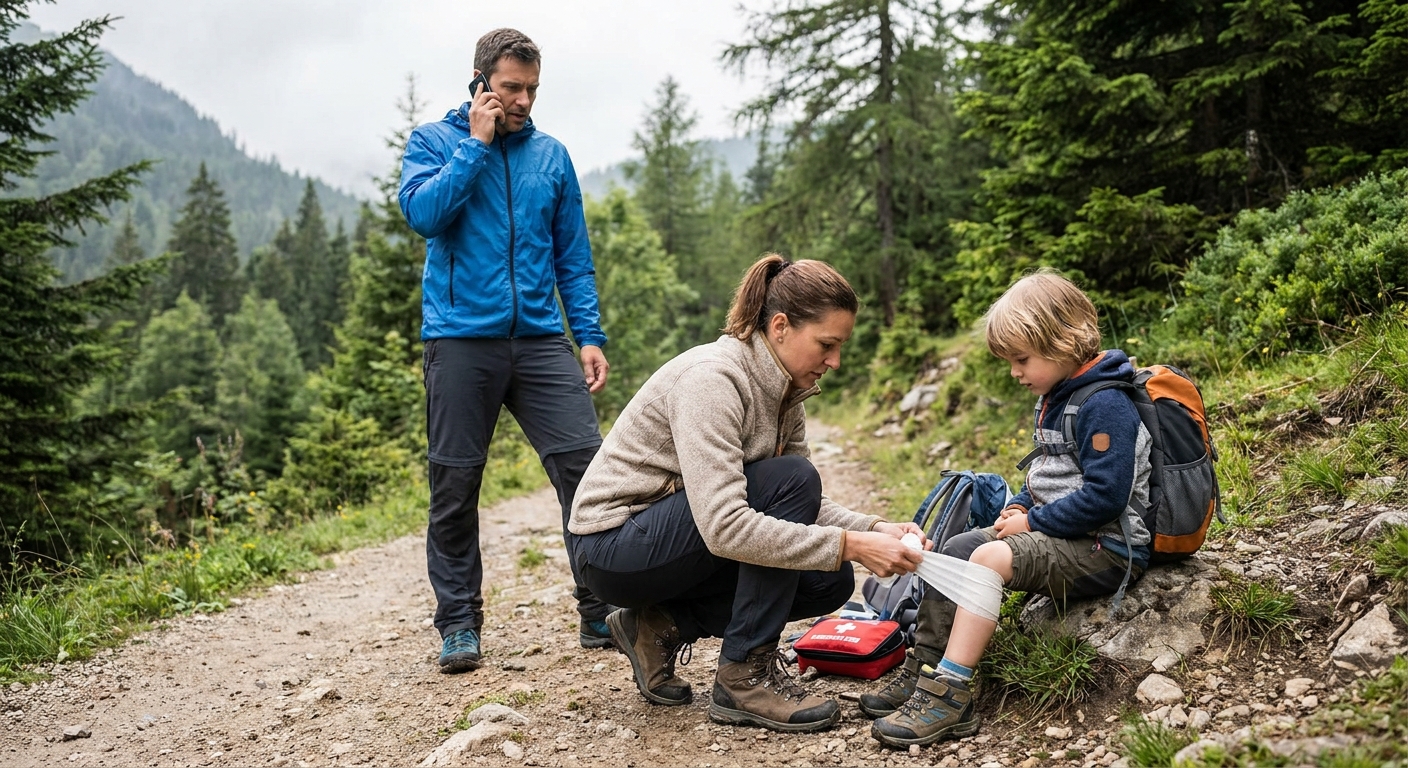
You do not need to identify the snake to do the right thing. The priorities are to get professional help, minimize exertion (movement can increase venom absorption), and keep your child safe on the way to care.
Also worth saying out loud: many suspected bites are not venomous (and some are not snakebites at all). Still, in kids, it is safest to treat any suspected snakebite as potentially serious until evaluated.
Call for help
- Call 911 if your child has trouble breathing, fainting, confusion, extreme sleepiness, repeated vomiting, severe swelling, bleeding, or rapidly worsening pain. Also call 911 if you are far from a vehicle or cannot safely transport.
- Call Poison Control (US): 1-800-222-1222 for guidance while you are arranging care. They can help you decide urgency based on symptoms and location, and they will often coordinate with local emergency departments.
- If outside the US, call your local emergency number or poison center.
If you are in cell dead zones, send one adult to get reception or help while another stays with the child.
Myths parents should skip (and what to do instead)
These are the “please don’t” steps I have repeated most often on the phone. They are common because they sound proactive, but they can make injury worse.
Myth: Put on a tourniquet
Skip it. Tourniquets can cut off blood flow and increase tissue damage. They also do not reliably prevent venom spread.
Do this instead: Keep the bitten limb still and supported, like you would with a sprain.
Myth: Cut the bite and suck out venom
Skip it. Cutting increases bleeding and infection risk, and suction does not remove meaningful venom.
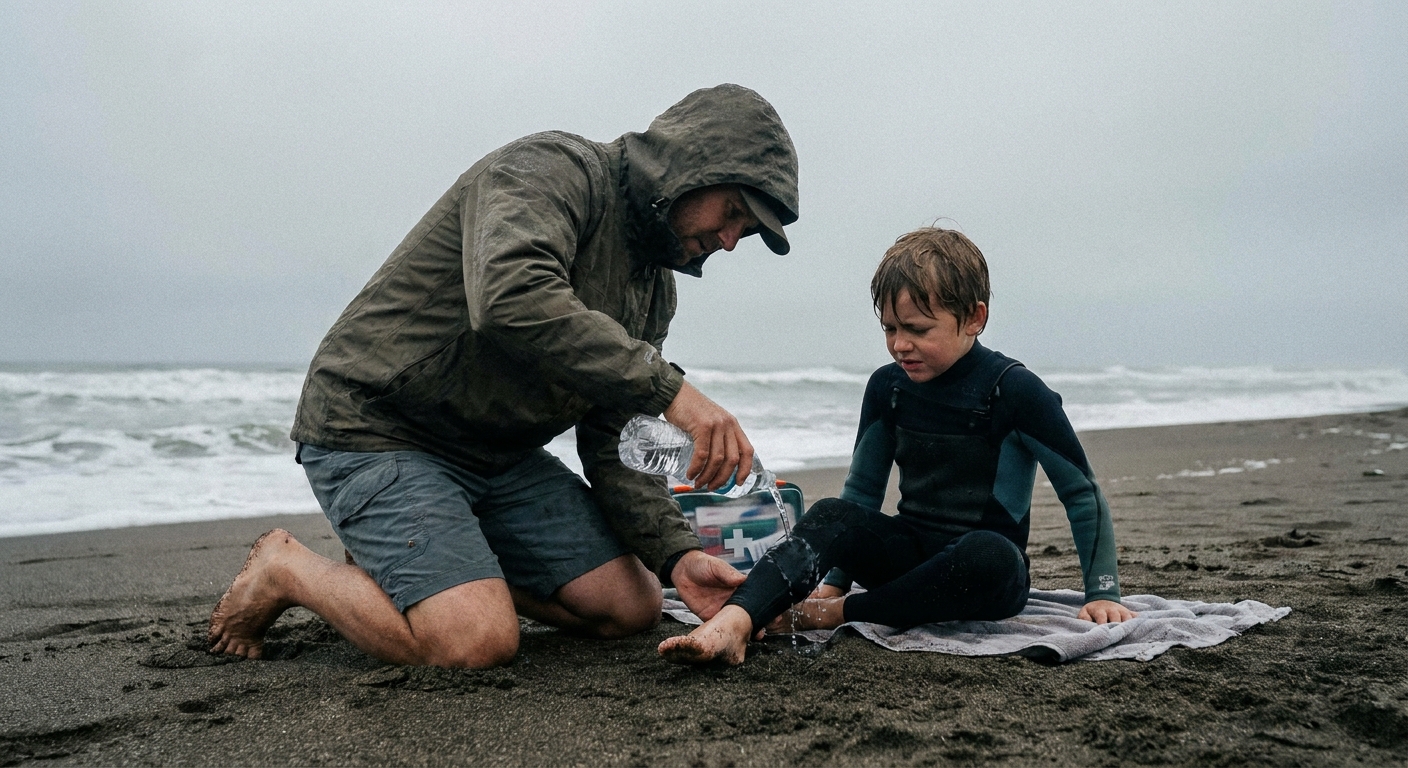
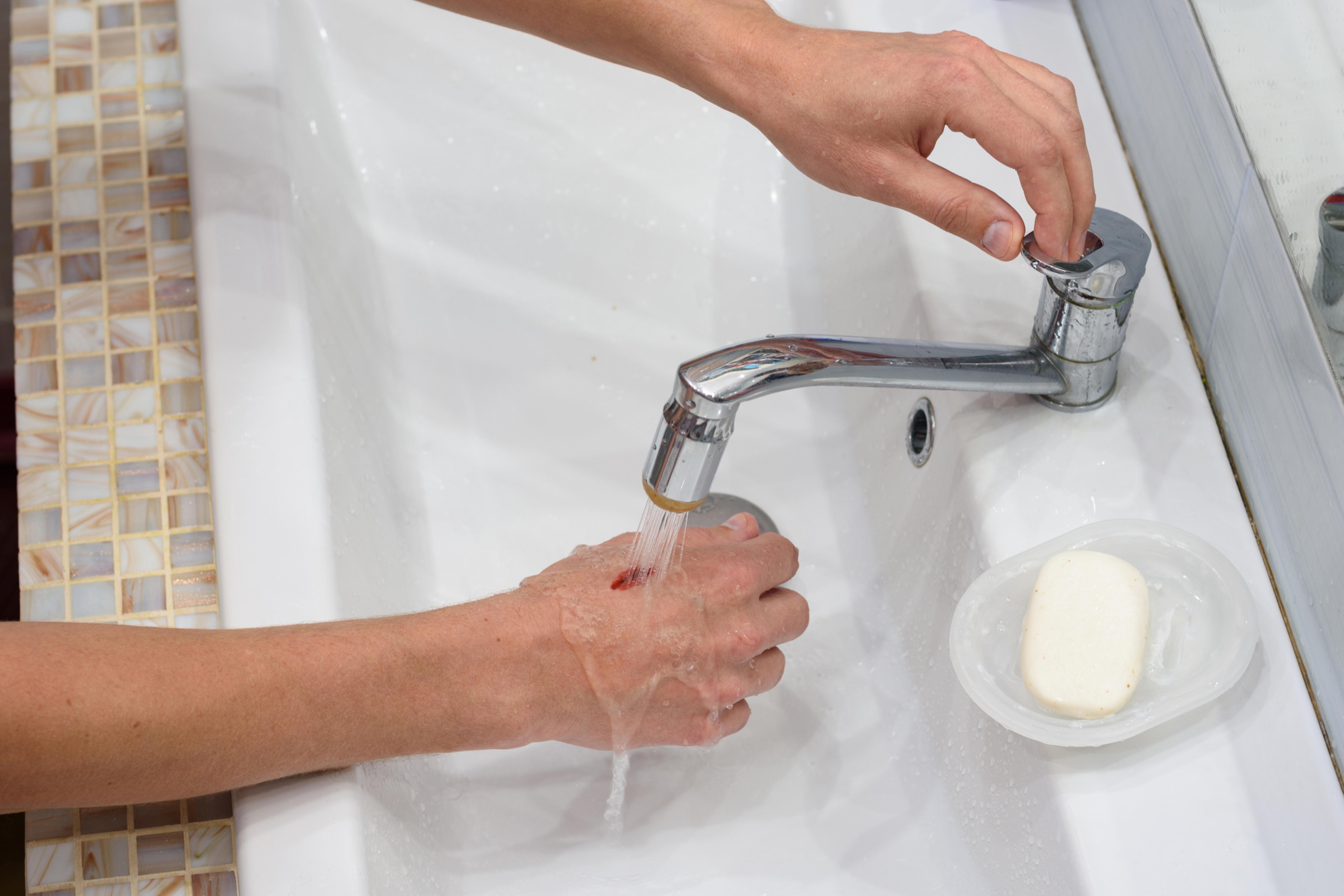
Do this instead: If it does not delay getting help, gently rinse with soap and water, then leave it alone.
Myth: Ice it or soak it
Skip ice packs and cold-water soaking. Extreme cold can worsen tissue injury, and soaking can introduce bacteria.
Do this instead: Keep the area clean and dry.
Myth: Give alcohol, energy drinks, or “stimulate them”
Skip it. Alcohol is unsafe for kids, and stimulants can increase heart rate, which is not what you want.
Do this instead: Offer small sips of water only if your child is fully awake and not nauseated. Otherwise, hold off on food and drink until evaluated.
Myth: Try to catch or kill the snake
Skip it. This is how a second person gets bitten.
Do this instead: Get everyone away from the area. If the snake is still visible, note its general color and pattern from a safe distance.
What to do right away: the steps that actually matter
1) Get to a safe spot
Move your child and bystanders away from brush, rocks, tall grass, woodpiles, or wherever the snake was. Do not run if you can avoid it. Slow and steady is safer.
2) Keep your child still and calm
Less movement is better. Kids also breathe faster when they panic. Your calm helps more than you think.
- Have them sit or lie down.
- Coach slow breaths: in for 3, out for 4.
- Use simple, confident words: “I’m going to keep your leg still and we’re going to the doctor now.”
3) Immobilize the limb
Goal: minimize muscle movement in the bitten area while you get help.
- Keep the bitten arm or leg still and supported.
- If you can do so gently, use a simple splint (rolled jacket, towel, or a piece of cardboard) and secure it loosely with cloth.
- Remove rings, bracelets, anklets, tight shoes, or tight clothing near the bite because swelling can happen fast.
- Avoid compression wraps unless Poison Control or EMS specifically instructs you to use one (this varies by region and snake type).
4) Rinse lightly, then leave it alone
If you have clean water and soap, and it does not delay getting help, gently wash the area. Do not scrub. Do not apply chemicals or herbal pastes. A light, dry covering is fine.
5) Track changes without fuss
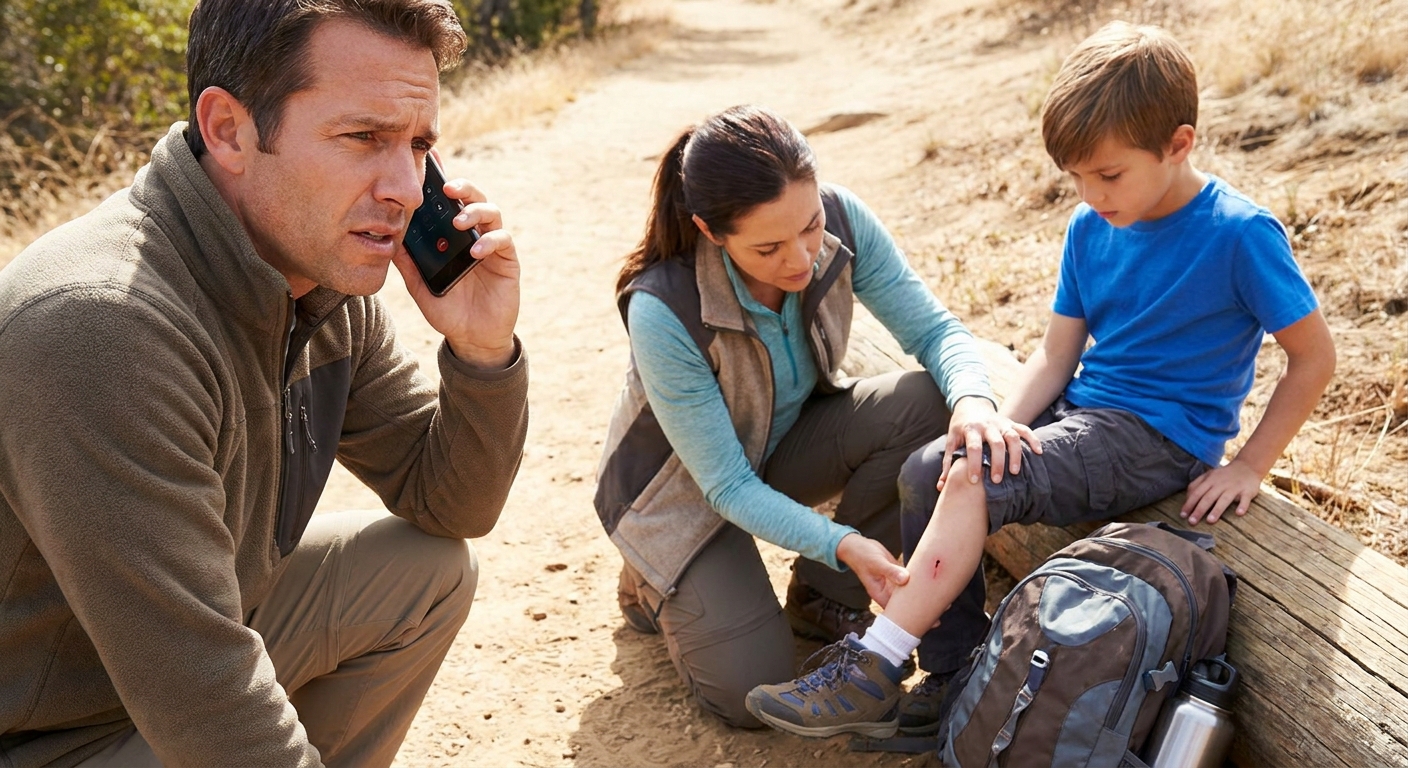
If swelling is present and you can do it without delaying transport, you can note where it ends on the skin with a pen and write the time. This can help clinicians see progression. Do not wrap tightly to “measure.”
Should you take a photo of the snake?
Only if it is already at a safe distance and you can do it without moving toward it.
- A quick photo can sometimes help with identification.
- Never try to get closer for a better shot.
- Never handle a snake that appears dead. Reflex bites can still happen.
If you did not get a photo, that is completely fine. Hospitals treat based on symptoms, exam findings, and local snake patterns. When species identification matters for antivenom choice, clinicians will factor that in.
How to transport safely: the “en route” plan
If you are not waiting for EMS and you can transport safely:
- Carry your child if possible. Less walking is better.
- Keep the limb still in the car seat or on the seat next to them. Use pillows, towels, or a folded jacket to support it.
- Position: keep the limb supported at or slightly below heart level. Do not raise it above the heart. Do not let it dangle.
- Have one adult sit near the child to watch breathing, color, alertness, and swelling.
- If vomiting happens, turn their head to the side and keep the airway clear.
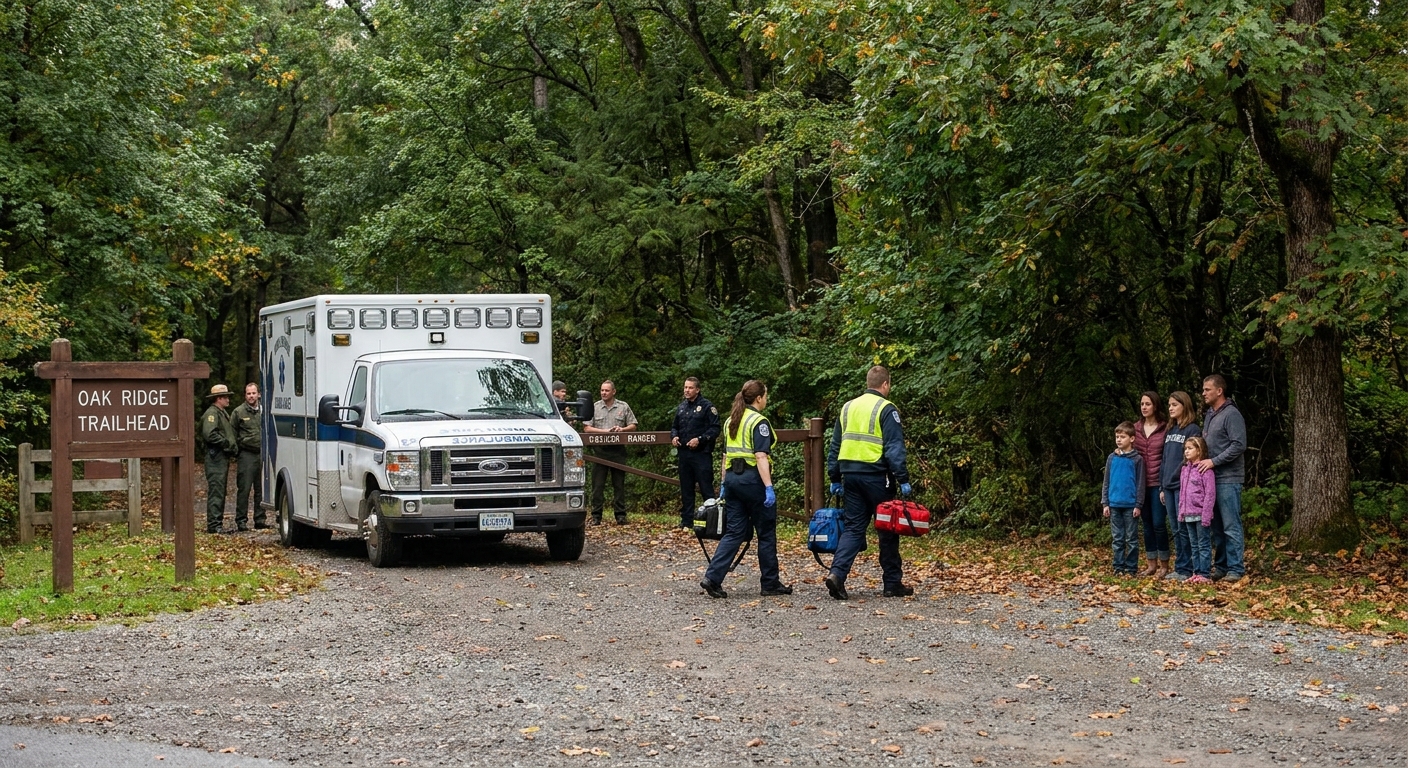
If symptoms are worsening quickly, you are far from care, or your child looks very ill, call 911 and wait in a safe, visible area if advised.
What symptoms actually matter
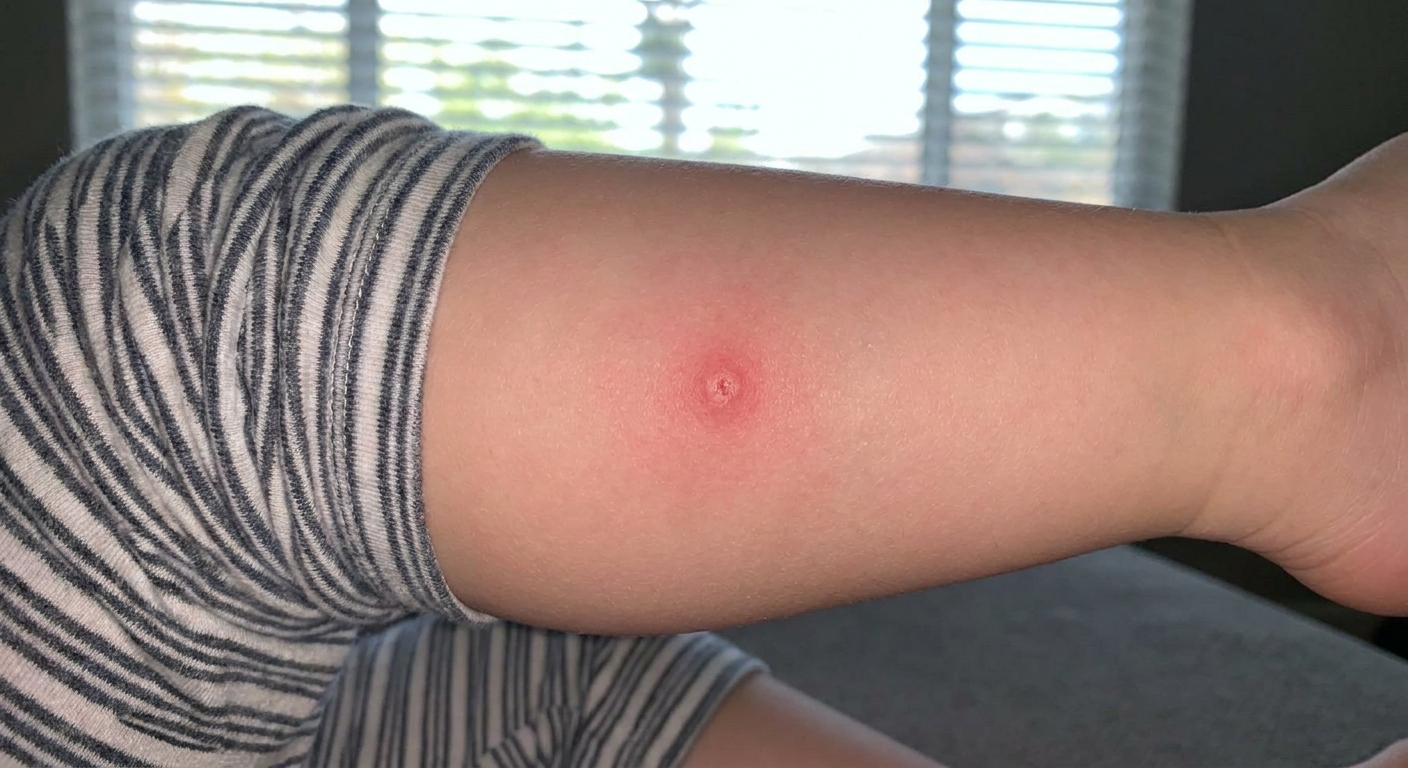
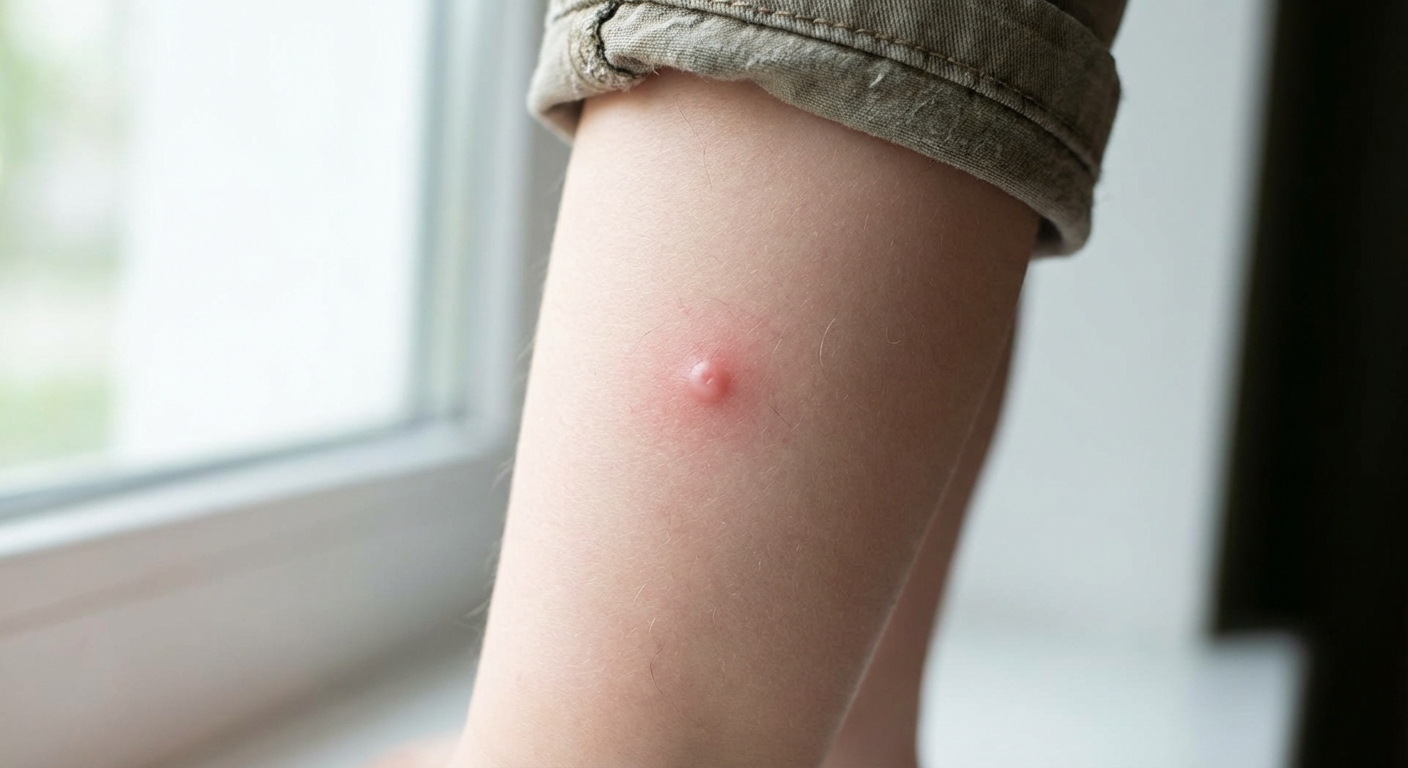
Some bites leave only two tiny punctures and mild pain. Others worsen over minutes to hours. Either way, medical evaluation is important for kids because their smaller body size can make effects more significant.
Call 911 now if you see:
- Airway or allergic-type symptoms: difficulty breathing, wheezing, throat tightness, drooling, or trouble swallowing
- Fainting, confusion, extreme sleepiness, or seizures
- Rapidly spreading swelling, severe pain, or bruising
- Bleeding from gums or nose, widespread bruising, or blood in vomit or urine
- Weakness, trouble walking, droopy eyelids, or slurred speech
Still needs urgent evaluation:
- Any suspected venomous snakebite, even if it “doesn’t look that bad” at first
- Worsening redness, swelling, pain, or numbness
- Uncertain bite with puncture marks after outdoor play, hiking, or yard work in snake areas
A quick note on pain medicine
Do not give aspirin. Unless Poison Control or your clinician advises otherwise, it is often safest to avoid ibuprofen or naproxen early on because some envenomations can affect bleeding. If pain control is needed, ask Poison Control or your child’s clinician what is appropriate for your child.
What to expect at the hospital (including antivenom)
This is where parents often feel whiplash: the ER might move fast, or they might watch your child for a while before giving treatment. Both can be appropriate.
Common steps
- Vitals, pain control, and a close look at the bite
- Measuring swelling over time
- Blood tests to look at clotting and other venom effects
- IV access and fluids if needed
- Tetanus update if indicated
About antivenom
Antivenom is not “automatic,” but it is a powerful, evidence-based treatment when needed. Teams consider it when there is:
- Progressive swelling
- Significant pain and tissue effects
- Abnormal bleeding or blood test changes
- Neurologic symptoms (weakness, droopy eyelids, trouble speaking)
- Systemic symptoms like low blood pressure or severe vomiting
Hospitals also monitor for allergic reactions during treatment, and they will keep watching your child afterward because symptoms can evolve.
Quick checklist
Do
- Get away from the snake
- Call 911 for severe symptoms or if you cannot transport safely
- Call Poison Control in the US: 1-800-222-1222
- Keep your child still, calm, and the limb supported
- Remove tight jewelry, shoes, and clothing near the bite
- If it does not delay care, gently rinse with soap and water
Don’t
- Do not apply a tourniquet
- Do not cut, suck, or try suction devices
- Do not use ice, electricity, or chemicals
- Do not use compression bandages unless instructed by Poison Control or EMS
- Do not let your child run around “to walk it off”
- Do not try to capture or kill the snake
Prevention that fits real life
You cannot bubble-wrap nature, and you should not have to. A few habits dramatically cut risk:
- Shoes outside: closed-toe shoes in tall grass, woods, and around rocks or woodpiles.
- Light at dusk and dawn: snake activity varies by region and species, but low-light hours are a common time for surprise encounters. Use a flashlight on walks and in yards.
- Teach “freeze and back up”: kids should stop, take two steps back, and call for an adult if they see a snake.
- Yard cleanup: keep grass trimmed and reduce hiding spots like brush piles.
- Leash dogs: pets often find snakes first, then bring chaos back to you.
When in doubt, choose cautious
If you are reading this after a scary afternoon, here is the takeaway I want to hand you like a warm mug of coffee: minimize movement, support the limb, and get professional help fast. The internet loves dramatic snakebite hacks. Your child’s body loves calm, steady, evidence-based care.
If you suspect a snakebite, call Poison Control (1-800-222-1222 in the US) or your local poison center right away, and call 911 for any breathing problems, severe or rapidly worsening symptoms, or if you cannot transport safely.
Sarah Mitchell
Sarah Mitchell is a Registered Pediatric Nurse and a mother of three who has spent over a decade helping families navigate the beautiful, chaotic early years of childhood. She combines evidence-based medical knowledge with real-world parenting experience to offer practical, compassionate advice. At Awesome Parent, Sarah's mission is to help exhausted parents find solutions, trust their instincts, and finally get some sleep.