How to tell thrush-type nipple pain from latch pain and other look-alikes, what treatments typically work, when baby needs treatment too, and the hygiene ste...
Sore and Cracked Nipples While Breastfeeding

Sarah Mitchell
Sarah Mitchell is a Registered Pediatric Nurse and a mother of three who has spent over a decade helping families navigate the beautiful, chaotic early years of childhood. She combines evidence-based medical knowledge with real-world parenting experience to offer practical, compassionate advice. At Awesome Parent, Sarah's mission is to help exhausted parents find solutions, trust their instincts, and finally get some sleep.
If breastfeeding feels like you are bracing for impact every time your baby latches, you are not alone. Sore nipples are one of the most common reasons parents consider stopping, especially in the first couple of weeks. The good news is that most nipple pain has a fixable cause, and you do not have to “tough it out” to succeed.
As a pediatric nurse and a mom who has nursed three kids through all kinds of phases, here is what I want you to know at 3 AM: breastfeeding should not be toe-curling painful. Mild tenderness early on can happen, but cracking, bleeding, or sharp pain is your body asking for an adjustment and sometimes medical support.

What sore nipples feel like, and what is normal
Common, usually temporary: mild tenderness when baby first latches that eases within 10 to 20 seconds, nipples that look a little pink but not damaged, and discomfort that improves day by day.
Not normal and deserves troubleshooting: sharp, pinching, burning, or “glass-cutting” pain during the whole feed, nipples that come out creased like a new lipstick, cracking or scabbing, bleeding, blisters, or pain that is getting worse instead of better.
If you are dreading feeds or clenching your fists through them, it is a good sign something needs adjusting, often latch, positioning, milk flow, pumping setup, or irritation or infection.
Common causes of sore and cracked nipples
1) Shallow latch (the biggest culprit)
A deep latch means your baby takes in a good mouthful of breast tissue, not just the nipple. When latch is shallow, the nipple gets compressed and rubbed, which can quickly lead to cracks.
- Clues: clicking sounds, baby’s lips tucked in, cheeks dimpling, nipple looks pinched or angled after a feed, pain lasts throughout feeding.
- Often linked to: sleepy newborns, fast milk flow, tongue-tie or oral tension, or positioning that makes it hard for baby to open wide.
2) Positioning that pulls the nipple
Even with a decent latch, if baby’s body is not well supported, they may tug, slide, or “hang” on the nipple. Think of it like trying to drink from a straw while someone is gently pulling it away.
- Clues: your nipple hurts more on one side, pain worsens as the feed goes on, baby’s head is turning toward the breast instead of their whole body being aligned.
3) Engorgement and a hard-to-grab breast
When breasts are very full, the areola can get firm and flat. Baby may struggle to latch deeply and end up on the nipple tip.
- Clues: breasts feel tight and shiny, baby slips off repeatedly, latch suddenly worsened when milk “came in.”
4) Oversupply or forceful letdown
If milk is flowing fast, some babies respond by clamping down or popping on and off to manage the flow. That can be rough on nipples, even when latch looks “pretty good.”
- Clues: coughing or sputtering at letdown, frequent unlatching, clicking, gassiness, milk leaking or spraying, baby seems frantic at the breast.
- What can help: laid-back nursing, offering one breast per feed for a stretch if recommended by your lactation consultant, and hand expressing a small amount before latch to soften the initial surge.
5) Pumping friction or incorrect flange size
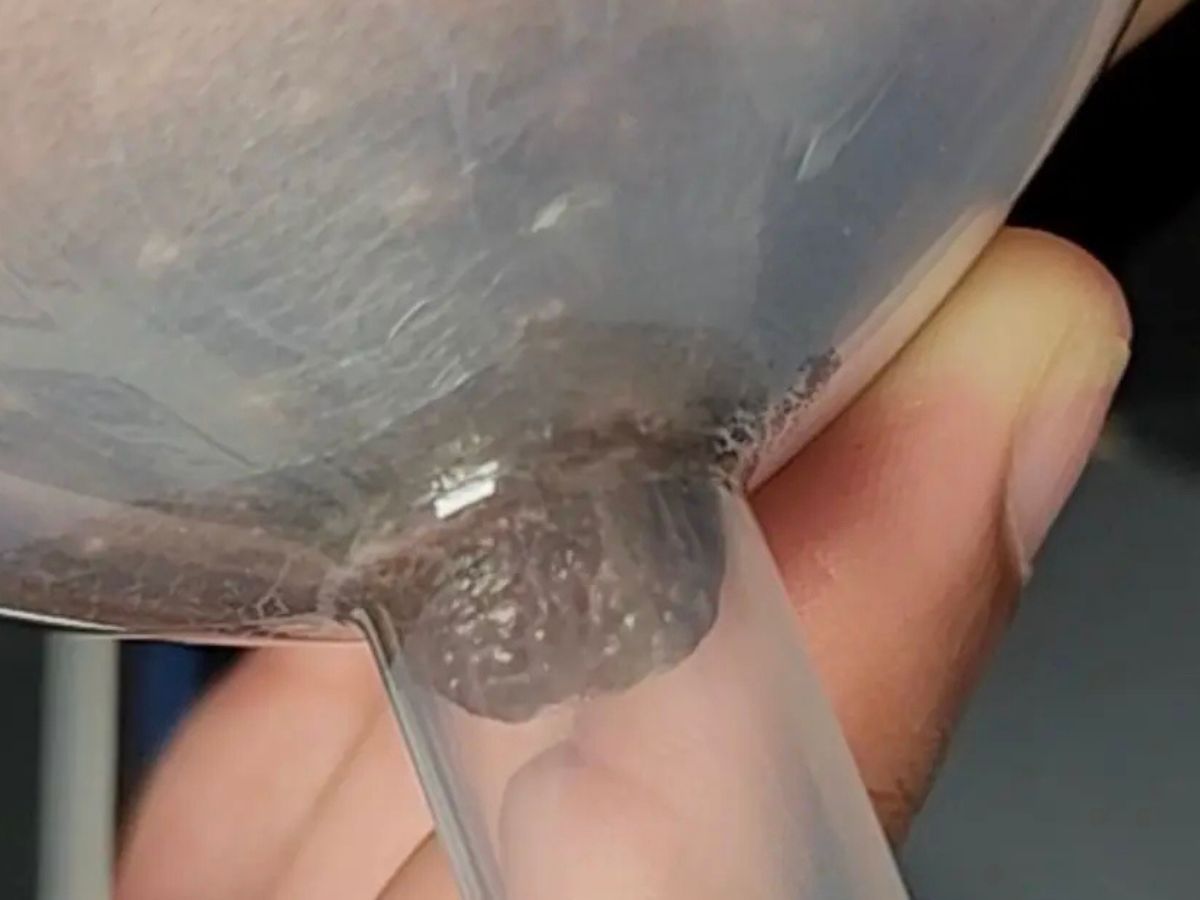
Pumping should not cause rubbing, blisters, or worsening cracks. Flanges that are too large or too small can pull too much areola into the tunnel or pinch the nipple, leading to swelling and abrasions. High suction can also contribute.
- Clues: nipple looks swollen or white after pumping, you see a ring of rubbing, you feel pain during pumping, nipples worsen on pumping days.
6) Baby’s mouth factors (including tongue-tie)
Some babies have limited tongue mobility, a high palate, or tight facial muscles that make a deep latch difficult. Tongue-tie is one possible factor, but it is not the only one and it should be assessed by someone trained, not guessed from photos online.
- Clues: persistent pain despite good positioning help, baby struggles to stay latched, slow weight gain, long feeds, or you hear frequent clicking.
7) Skin irritation, dermatitis, and products
Overwashing, harsh soaps, fragrance, or certain nipple creams can irritate already tender skin. So can breast pads that trap moisture. Some parents also have eczema or contact dermatitis that needs different care than “more nipple balm.”
- Clues: itching, rashy redness beyond the nipple tip, flaking, symptoms worsen after applying a product, or irritation that shows up on both sides.
- Next step: stop any new products, switch to breathable pads, and ask your clinician if a short course of a breastfeeding-compatible topical steroid is appropriate for suspected dermatitis.
Warning signs: when soreness may be infection or another problem
Cracks can open the door to infection. Also, some conditions mimic “simple soreness” but need a different approach.
Possible bacterial infection (nipple or skin)
- Increasing redness, swelling, warmth, or shiny skin around the crack
- Yellow crusting or pus-like drainage
- Worsening pain between feeds
- Fever or feeling flu-like can occur if infection spreads
Thrush (yeast) vs dermatitis or other causes
True thrush is less common than people think, and many cases labeled “yeast” are actually dermatitis, vasospasm, or bacterial imbalance. Diagnosis is clinical, and empiric antifungals are not always the right move. Still, these clues are worth a call to your clinician or lactation consultant:
- Burning, stinging, or shooting pain during and after feeds
- Nipples look bright pink or shiny, sometimes with flaking
- Itching
- Baby may have white patches in the mouth that do not wipe away easily or a stubborn diaper rash
Vasospasm (nipple blanching)
This is when blood vessels spasm, often triggered by cold or nipple trauma.
- Nipple turns white, then may look blue or red as it warms
- Sharp, burning pain after feeding
- Often worse with cold air or after a shower
Milk blisters (blebs)
- A small white or yellow dot on the nipple pore
- Localized sharp pain at latch
Blebs are their own thing and do not respond to the same approach as cracks. If you suspect one, get help before picking at it.
Step-by-step: how to soothe and heal cracked nipples
Here is your practical plan. Many people see meaningful improvement in 24 to 72 hours once the cause is corrected, but deeper fissures, vasospasm, oral restrictions, and infections can take longer. If things are not improving, you do not have to keep guessing alone.
Step 1: Fix the latch first (because creams cannot outwork friction)
- Start nose-to-nipple: line baby up so their nose is opposite your nipple, then wait for a wide yawn.
- Bring baby to you: support baby’s shoulders and upper back so their head can tip back slightly. Avoid pushing the back of the head.
- Aim the nipple toward the roof of the mouth: chin should land into the breast first, then baby takes a big mouthful.
- Look for flanged lips: top and bottom lips should be turned outward like fish lips.
- Break suction if it hurts: slip a clean finger into the corner of baby’s mouth, unlatch, and try again. You do not need to “push through.”
Positioning shortcuts that often help:
- Laid-back nursing: recline slightly and let baby’s body rest on you, gravity helps deepen latch and can slow a forceful letdown.
- Football hold: great for small babies or large breasts because you can see the latch clearly.
- Side-lying: helpful for rest, but make sure baby’s body is aligned belly-to-belly, not twisted.
Step 2: Keep feeding, but reduce trauma while you heal
- Start on the less sore side so letdown happens before baby reaches the painful side.
- Use gentle compression to keep milk flowing so baby does not “chew” to stimulate flow.
- Limit long comfort-sucking sessions until latch is comfortable. If baby needs extra soothing, try skin-to-skin, rocking, or a clean finger for a minute while you reset.
If nipples are bleeding, it can look dramatic. Small amounts of blood in milk are generally not harmful for most babies, but call your clinician if bleeding is heavy, persistent, you have significant pain, or your baby is premature or has any medical issues.
Step 3: Moist wound care (the kind that actually helps skin close)
- Optional: after a feed, you can express a few drops of breast milk and let it air-dry on the nipple if it feels soothing and your skin tolerates it. Skip this if you suspect yeast, bacterial infection, or you notice irritation worsening, since moisture and milk sugars can aggravate some infections and rashes.
- Apply a thin layer of medical-grade lanolin or a breastfeeding-safe ointment recommended by your clinician. You do not need a thick glob.
- Hydrogel pads can be very soothing for cracks. Follow package directions and keep them clean.
- Change breast pads often so the area stays comfortably dry, not soggy.
If you notice a rash or itching after a product, stop it. Sometimes the “helpful” cream is the irritant.
Step 4: Try comfort measures that are safe
- Cool compresses between feeds can reduce swelling and pain.
- Warmth before feeds can help milk flow if you are engorged.
- Pain relief: acetaminophen or ibuprofen are commonly used postpartum and are generally compatible with breastfeeding for most parents, but check with your own clinician, especially if you have medical conditions or take other meds.
Step 5: Protect nipples from rubbing
- Go bra-free at home when possible to reduce friction.
- Choose breathable fabrics and avoid tight bras that press on cracks.
- Consider silicone nipple shields only with guidance from a lactation consultant. They can be a short-term tool to keep feeding possible while you fix latch and heal, but fit and milk transfer matter, and your baby’s intake and your supply should be monitored.

Safe nipple hygiene: what to do and what to skip
Do
- Wash hands before feeds and before applying any cream
- Rinse nipples with plain water if they are visibly soiled, then pat dry
- Keep breast pads clean and dry
- Wash pump parts according to manufacturer guidance and let them fully air-dry
Skip
- Soap, alcohol wipes, hydrogen peroxide, or harsh antiseptics on nipples. These can dry skin and delay healing.
- Excessive scrubbing to “keep it clean.” Gentle is better.
- Leaving nipples constantly wet under a pad. Warmth and trapped moisture can encourage irritant dermatitis and sometimes overgrowth of yeast or bacteria.
If pumping is part of your routine: reduce friction fast
- Check flange fit: your nipple should move freely in the tunnel with minimal areola pulled in. Too much rubbing or swelling is a sign to reassess size.
- Turn suction down: more suction is not more milk. Use the lowest suction that effectively removes milk.
- Center the nipple before starting the pump.
- Lubricate if needed: a tiny amount of breastfeeding-safe ointment on the inside rim of the flange can reduce rubbing for some parents.
- Shorten sessions temporarily while nipples heal, and replace pumping with direct nursing if latch is comfortable, or vice versa if nursing is too painful.
If pumping is extremely painful or causing blisters, get help promptly. A quick flange adjustment can be a game changer.
How sore nipples differ from mastitis and thrush
Mastitis
Mastitis is inflammation in the breast that can be infectious or non-infectious. It often starts with milk stasis, swelling, and worsening breast pain.
- More than nipple pain: a wedge-shaped area of redness, breast warmth, swelling, and tenderness
- Systemic symptoms: fever, chills, body aches, feeling very unwell
- What helps: continuing milk removal as tolerated (not aggressive extra pumping), rest, hydration, and anti-inflammatory measures. Antibiotics are sometimes needed depending on severity, duration, and your clinician’s assessment.
Thrush or dermatitis
Thrush is often described as burning pain that can continue after feeds, and it may come with shiny, pink nipples. Dermatitis can mimic this and may be triggered by products or moisture. Because these look alike, it is worth getting a real assessment instead of self-treating for weeks.
- More burning than “raw”: pain can feel deep or shooting
- May affect both sides
- Often needs targeted treatment from a clinician rather than just latch fixes
Plain cracked-nipple pain is most often mechanical, meaning it is from friction and compression. It tends to improve once latch and positioning improve and the skin is protected, even if full healing takes more time.
When to get professional help
You do not have to wait until you are truly miserable. Early support can save your breastfeeding journey and your sanity.
Call a lactation consultant or your clinician within 24 to 48 hours if:
- Pain is severe, or you cannot nurse on one side
- Nipples are cracked, bleeding, blistered, or scabbed
- Pain is not improving after you adjust latch and pumping settings
- Your baby is not having enough wet diapers, seems very sleepy at the breast, or you are worried about weight gain
- You suspect tongue-tie or baby cannot maintain a deep latch
If you are wondering what “enough diapers” means, a common basic guide after day 4 is about 6 or more wet diapers in 24 hours and several stools (often 3 or more), but patterns vary. If output drops, stools stay very dark after the first days, or you just have a gut feeling something is off, call your pediatrician or IBCLC.
Seek urgent care the same day if:
- You have a fever (100.4°F or 38°C or higher), chills, or feel flu-like
- A breast area becomes increasingly red, hot, swollen, or very painful
- You see pus-like drainage, rapidly spreading redness, or red streaking
- You are immunocompromised or recently had breast surgery and develop significant breast symptoms
Trust your gut. If something feels “off” beyond typical soreness, it is worth a call.
Quick troubleshooting checklist for the next feed
- Are you bringing baby to the breast, not breast to baby?
- Is baby’s body aligned belly-to-belly, ear-shoulder-hip in a line?
- Do you see a wide-open mouth before latch?
- Is baby’s chin buried in the breast and nose free?
- Do you hear swallowing and see relaxed cheeks?
- Does pain fade quickly after latch, or persist?
- Does your nipple come out round, not creased?
If you cannot get a comfortable latch after a few tries, take a pause, do a minute of skin-to-skin, and then try again. You are not failing. You are gathering data.
A final note from a nurse and a mom
Cracked nipples can make you feel like breastfeeding is a test you did not study for. It is not. It is a skill for both you and your baby, and skills improve with the right support.
You deserve feeding that is safe and sustainable, whether that is nursing, pumping, combo feeding, or formula. If you want to keep breastfeeding, help is absolutely available and most causes of nipple pain are fixable.

Sarah Mitchell
Sarah Mitchell is a Registered Pediatric Nurse and a mother of three who has spent over a decade helping families navigate the beautiful, chaotic early years of childhood. She combines evidence-based medical knowledge with real-world parenting experience to offer practical, compassionate advice. At Awesome Parent, Sarah's mission is to help exhausted parents find solutions, trust their instincts, and finally get some sleep.