A calm, clear guide to fetal kidney dilation: grades, prenatal and newborn follow-up, VCUG decisions, antibiotic considerations, UTI watch-outs, and when to ...
Spina Bifida in Babies

Sarah Mitchell
Sarah Mitchell is a Registered Pediatric Nurse and a mother of three who has spent over a decade helping families navigate the beautiful, chaotic early years of childhood. She combines evidence-based medical knowledge with real-world parenting experience to offer practical, compassionate advice. At Awesome Parent, Sarah's mission is to help exhausted parents find solutions, trust their instincts, and finally get some sleep.
If you have just heard the words spina bifida, you are probably doing what every loving parent does in a scary moment: searching for answers and trying to picture your baby’s future. Take a breath with me. Spina bifida can look very different from one child to the next, and many babies grow into kids who learn, play, and thrive with the right supports.
As a pediatric nurse and a mom, I want you to leave this page with three things: a clear explanation in plain language, a realistic sense of what care can involve, and a reminder that you do not have to figure this out alone.
What spina bifida is, in parent language
Spina bifida is a condition that happens early in pregnancy when the bones of the spine, and sometimes the tissues over the spinal cord, do not form and close completely. Because the spine and nerves are involved, some children have differences in leg movement or feeling, and some need help with bladder and bowel function.
Think of it like this: the spine is the protective “tunnel” for the spinal cord. If part of that tunnel is not fully formed, the nerves inside can be affected depending on where on the spine the opening is (upper back vs lower back) and how much is involved.
Types: occulta, meningocele, myelomeningocele
Spina bifida occulta
Occulta means “hidden.” In occulta, the bones of the spine do not fully close, but the spinal cord and nerves are usually in place and covered by skin. Many people with occulta never know they have it unless it is found on an imaging test for another reason.
Some babies have a clue on the skin over the lower back, like a small dimple, a patch of hair, or a birthmark. A simple dimple (small, shallow, and close to the anus) is often harmless. But some midline skin markers are higher risk for an underlying spinal issue and should be evaluated, such as a deeper or higher-up dimple, a hemangioma , a fatty lump, a skin tag or tail-like bump, or a crooked gluteal cleft. These findings can prompt your clinician to check for something called a tethered cord, where the spinal cord is held too tightly and may need monitoring or treatment.
Meningocele
Meningocele is less common. In meningocele, a fluid-filled sac may bulge through an opening in the spine, but the spinal cord tissue itself is usually not in the sac. Some babies have mild symptoms, and some still need surgery and follow-up depending on what imaging shows.
Myelomeningocele
Myelomeningocele is the type people most commonly mean when they say “spina bifida.” It is an open neural tube defect where the spinal canal does not close and a sac on the baby’s back contains spinal cord tissue and nerves. This type usually requires surgery and ongoing follow-up because nerves can be affected.
The level on the spine matters. In general, the higher on the back the opening is, the more likely it is that movement, sensation, and bladder and bowel function will need support. But children can still surprise you in the best ways. Prognosis is individualized, and your baby’s team will help you understand what this means specifically for your child.
- Occulta: often mild or symptom-free, sometimes monitored for tethered cord.
- Meningocele: sac present, spinal cord usually not in the sac, may need surgery and follow-up.
- Myelomeningocele: spinal cord and nerves involved, typically needs surgical care and long-term follow-up.
How it is found: pregnancy and newborn
What families may learn during pregnancy
Spina bifida is sometimes suspected during a routine anatomy ultrasound. If there are concerns, you may be referred for a more detailed ultrasound and sometimes a fetal MRI, along with a visit with specialists like maternal-fetal medicine and pediatric neurosurgery.
Families also sometimes hear about screening and diagnostic tests, depending on timing and your care plan, such as:
- Maternal blood screening (often AFP) that can be higher with open neural tube defects.
- Amniocentesis in select situations, which can test amniotic fluid markers (AFP and sometimes acetylcholinesterase).
Ultrasound may show related findings that can come along with myelomeningocele, such as brain shape changes often described as “lemon” and “banana” signs, which are associated with Chiari II. Hearing about all these pieces at once can be overwhelming. It is okay to ask your team to slow down and repeat information, and it is okay to bring someone with you to take notes.
Fetal surgery (for some pregnancies)
If a pregnancy is diagnosed with myelomeningocele, some families are offered the option of fetal surgery, which is repair done during pregnancy at specialized centers. It is not the right choice for everyone, and not everyone is a candidate. It has potential benefits for some babies, and it also carries real risks for the pregnant person and the pregnancy (including preterm birth). Your team can walk you through eligibility, timing, and what it could mean for delivery and future pregnancies.
What families may learn after birth
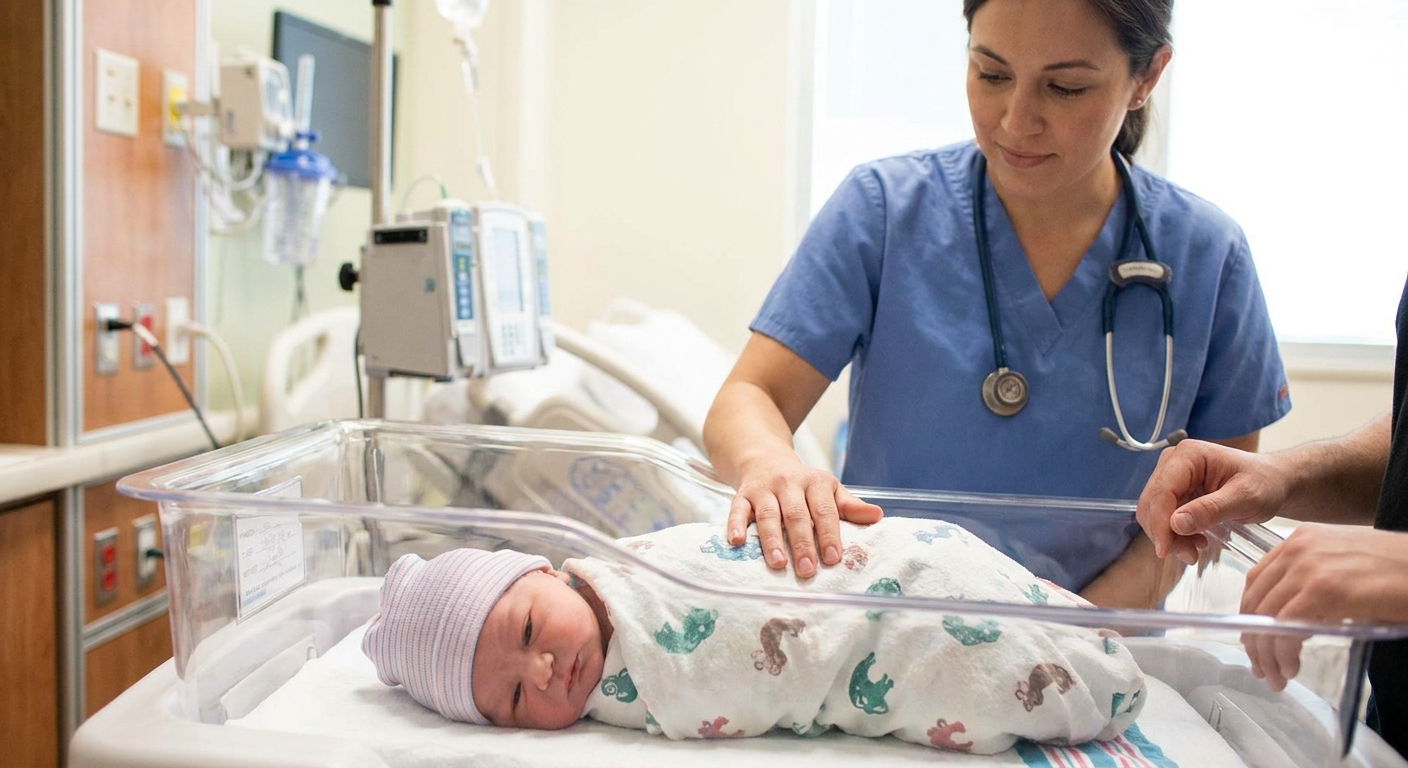
Some types are obvious on the newborn exam, especially myelomeningocele. Others are subtle. In the hospital, the team may:
- Examine the baby’s back and skin closely.
- Check leg movement and reflexes.
- Assess breathing, feeding, and overall stability.
- Order imaging such as spinal ultrasound or MRI if needed.
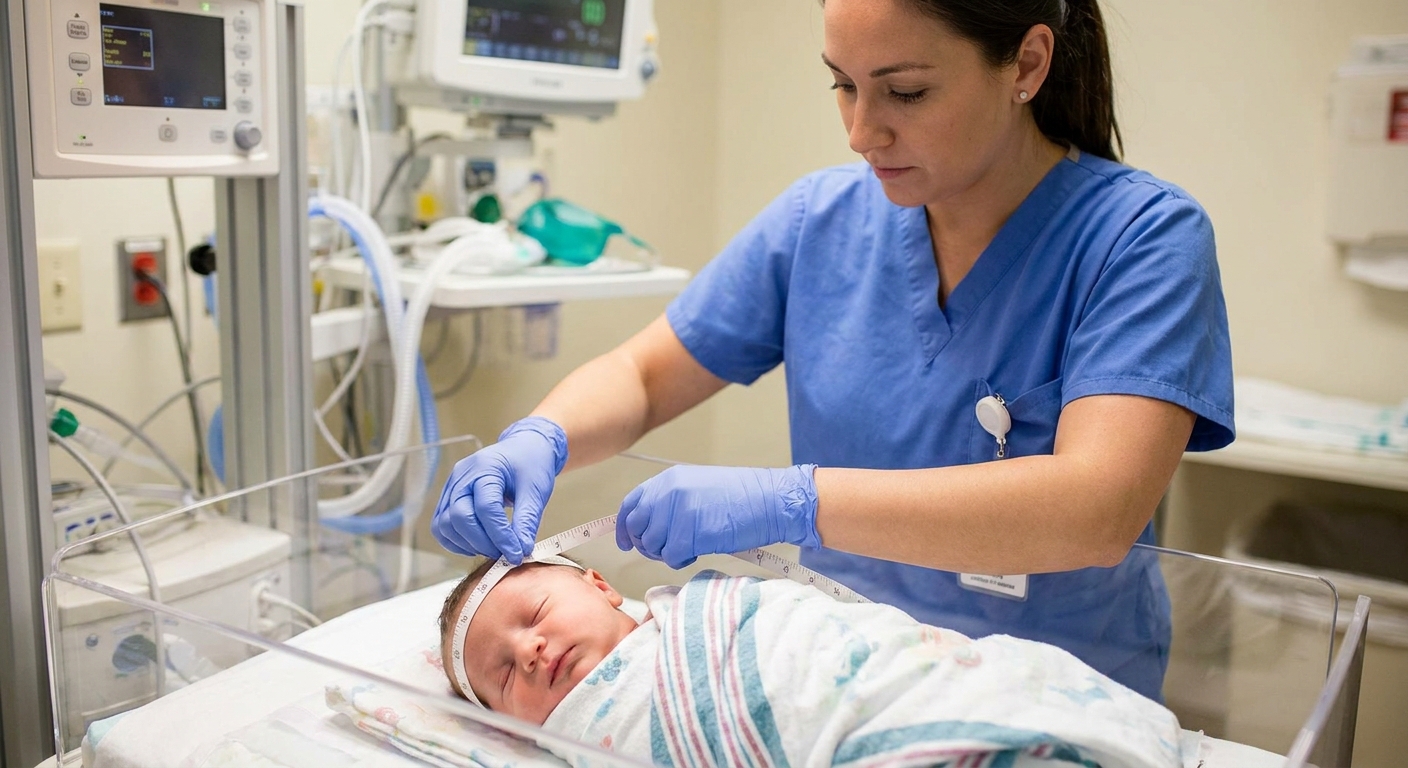
- Measure head size and sometimes do a head ultrasound to monitor for hydrocephalus .
Early steps after birth (myelomeningocele)
If your baby is born with an open lesion (like myelomeningocele), the early priorities are usually about protecting the sac and preventing infection while the team plans repair. Exact steps vary by hospital, but families often see things like:
- Positioning the baby on their belly or side to protect the area.
- Keeping the lesion covered with a sterile, moist dressing per your team’s protocol.
- Antibiotics and careful temperature and skin monitoring.
- Surgical closure often within the first day or two when medically appropriate, based on your baby’s stability and the surgeon’s plan.
It can feel jarring to see your newborn positioned differently than you expected. Ask the bedside nurse to explain what they are doing and why. You deserve that clarity.
The early care team
Spina bifida care is usually coordinated by a multidisciplinary team. That is a fancy way of saying: instead of you running in ten directions, specialists work together. Depending on your baby’s type and needs, you might meet:
- Pediatric neurosurgery for spinal closure surgery and monitoring for hydrocephalus.
- Urology for bladder function, kidney protection, and catheterization planning if needed.
- Orthopedics for hips, feet, spine alignment, and mobility supports.
- Physical and occupational therapy for strength, positioning, movement, and adaptive skills.
- Rehab medicine for long-term function, equipment, and school planning.
- Social work and care coordination for resources, insurance navigation, and emotional support.
If it helps, ask one person on the team, often a nurse coordinator or social worker, to be your “point person.” When your brain is tired, having one reliable contact can be everything.
Mobility support
Mobility needs in spina bifida range widely. Some children walk independently. Some walk with braces or crutches. Some use a wheelchair for part or all of the day, especially for longer distances. None of these outcomes are a failure. Mobility tools are independence tools.
Physical therapy (PT)
PT often starts early. Therapy may focus on:
- Positioning and gentle range-of-motion to prevent tight muscles.
- Building trunk and hip strength for sitting and balance.
- Helping your child learn movement skills in the safest way for their body.
- Teaching you home exercises that fit into real life, not a perfect schedule.
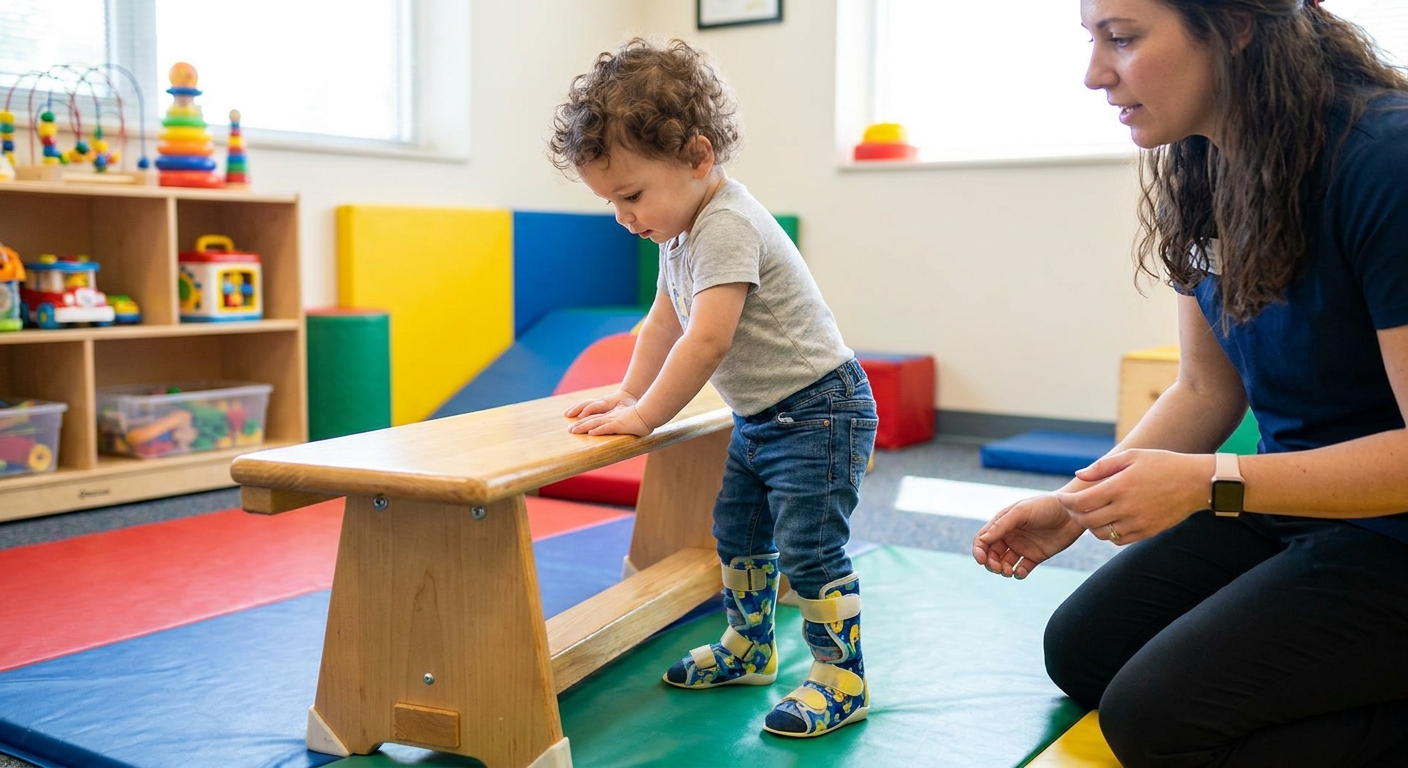
Orthotics and equipment
Your team might recommend braces or supports called orthotics to help with alignment and stability. Equipment may include a stander, walker, or wheelchair depending on your child’s needs and goals.
Bladder care (and why it matters)
Many babies with spina bifida have a bladder that does not empty normally. This is not just about diapers. The main goal is protecting the kidneys over the long term.
What evaluation may include
Urology may recommend tests such as kidney and bladder ultrasound and, depending on age and local practice, measurements of how well the bladder empties and studies that measure how the bladder stores and releases urine (urodynamics). The specific timing depends on your child’s situation and your center’s approach.
Catheterization basics (high level)
If your baby cannot empty their bladder well, the team may teach you clean intermittent catheterization, often called CIC. This is using a small catheter to drain urine at scheduled times. Parents often tell me it sounds terrifying until they are shown step-by-step, then it becomes another routine like bottle washing.
- CIC is usually done on a schedule to keep the bladder from overfilling.
- Your urology nurse will teach you how to do it safely and comfortably.
- Many families use lubrication and calming strategies to make the process easier.
Signs to call your child’s clinician
Because UTIs can happen, contact your medical team if your baby has fever, unusual fussiness, vomiting, seems less interested in feeding, has fewer wet diapers than expected, or you notice other changes that concern you. Strong-smelling urine can happen for many reasons in babies, so treat it as a possible clue rather than a stand-alone answer. You never need to apologize for asking.
Bowel care
Bowel function can also be affected because the same nerves that help the legs move help the bowel and bladder work. Some children have constipation, stool leakage, or trouble sensing when they need to go.
The goal is comfort, skin protection, and predictable routines. What bowel care looks like depends on age. For babies, this often means:
- Preventing constipation early, since hard stools can quickly become a cycle.
- Watching for discomfort, belly bloating, or very infrequent stools.
- Talking with your pediatrician before using any laxatives, suppositories, or enemas.
As children get older, some families use a structured bowel program with diet changes, scheduled toilet sitting, medications, or other strategies recommended by their team. If you are thinking, “How will we ever do all this,” you are not alone. One step at a time is still progress.

Skin care
When sensation is reduced, skin can get irritated or injured without a child noticing. This is especially important for kids who use braces, casts, or wheelchairs.
- Check skin daily, especially feet, ankles, knees, and diaper area.
- Watch for redness that does not fade after 10 to 15 minutes.
- Keep diapers and clothing dry when possible, and use barrier cream as recommended.
- Make sure braces fit well and report rubbing quickly.
Latex precautions
Many children with spina bifida have a higher risk of developing latex sensitivity or allergy, especially after repeated medical exposures. This is one of those safety details that is easy to miss early on.
- Ask your child’s care team about using a latex-free approach in clinic, the hospital, and dental offices.
- At home, choose latex-free items when possible (for example, some gloves, some pacifiers, and some elastic products may contain latex).
If your child ever has hives, wheezing, swelling, or vomiting after a possible latex exposure, seek urgent medical care and tell the team latex is a concern.
Hydrocephalus and shunts
Some babies with myelomeningocele develop hydrocephalus, which is a buildup of fluid in the brain’s ventricles. If fluid builds up and creates pressure, treatment might include a shunt or another procedure recommended by neurosurgery.
In some centers and in select infants, an option called endoscopic third ventriculostomy (sometimes combined with choroid plexus cauterization, or ETV/CPC) may be considered. Your neurosurgery team will tell you what fits your baby’s situation.
Signs to take seriously
Your team will teach you what to watch for based on your baby’s age and medical plan. In general, seek urgent care if you are worried about symptoms like repeated vomiting, unusual sleepiness or hard-to-wake behavior, increasing irritability, a bulging soft spot, rapid head growth, or eyes that look like they are “stuck looking down.” Trust your instincts and follow your team’s guidance.
Feeding, growth, and everyday baby stuff
Yes, spina bifida can bring extra appointments. But your baby is still a baby. You will still be thinking about feeding schedules, burping, reflux, sleep, and those “is this normal” diapers.
If your baby has been in the NICU or had surgery, feeding plans may include extra support from lactation, a speech-language pathologist (for feeding skills), or a dietitian. Ask for practical advice you can actually use at home: positioning, pacing, and what to do if feeding feels stressful.
Development and learning
Many children with spina bifida do well in school and enjoy full lives, and some need extra support with attention, executive function (planning and organizing), or learning, especially if hydrocephalus is part of their story. If concerns pop up later, supports like early intervention, neuropsychological testing, and school accommodations can make a meaningful difference.
Why it happens (and folic acid)
This is the part where many parents quietly wonder, “Did I do something wrong?” Spina bifida is usually multifactorial, meaning it can involve a mix of genetics, environment, and chance, and it is not something most parents could have prevented.
One clear piece we do know: getting enough folic acid before pregnancy and in early pregnancy lowers the risk of neural tube defects. If you are planning future pregnancies, ask your clinician what dose is right for you, especially if you have a history of a neural tube defect in a prior pregnancy.
Questions to ask at appointments
When you are overwhelmed, it helps to have a short list. Consider bringing these to your next visit:
- What type of spina bifida does my child have, and what level on the spine is involved?
- What movement and sensation do you see today, and what might change over time?
- What is our plan for bladder and kidney monitoring?
- Do you recommend CIC now, later, or not at all? What will determine that?
- What is our bowel plan right now, and what should we do if constipation starts?
- What therapies should we start first, and what can we do at home?
- Do we need latex precautions in all care settings?
- Who is our main care coordinator if we have questions between visits?
- What symptoms should send us to urgent care or the ER?
Family resources and support
You deserve support that is practical and not scary. These are good places to start:
- Spina Bifida Association (SBA): education, community resources, and guidance for families.
- Early Intervention (US): therapy services for babies and toddlers, typically accessed through your state program.
- Hospital social work and case management: help with equipment, home nursing questions, and insurance navigation.
- Parent support groups: online or local groups can be a lifeline, especially for tips that only other parents know.

A note about medical advice
This article is here to help you feel more oriented, not to replace your child’s medical team. Spina bifida care is individualized. If you are unsure about a symptom or a plan, call your pediatrician or specialist. If your baby seems very ill, is hard to wake, has breathing trouble, or you are seeing signs your team told you are urgent, seek emergency care.
And from one tired human to another: you do not have to be perfect to be a great parent. You just have to keep showing up, asking questions, and letting other people help carry the load.