Stomach Bug in Toddlers: Dehydration Signs and When to Call the Doctor

Sarah Mitchell
Sarah Mitchell is a Registered Pediatric Nurse and a mother of three who has spent over a decade helping families navigate the beautiful, chaotic early years of childhood. She combines evidence-based medical knowledge with real-world parenting experience to offer practical, compassionate advice. At Awesome Parent, Sarah's mission is to help exhausted parents find solutions, trust their instincts, and finally get some sleep.
If your toddler has a stomach bug, it can feel like your whole house is on high alert. One minute they are playing, the next they are vomiting on your favorite blanket. The good news is that most toddler stomach bugs are short-lived and can be managed safely at home. The main thing we worry about is dehydration, because little bodies can dry out quickly.
I am going to walk you through what typically causes toddler gastroenteritis, what to watch for, how to rehydrate in a way that actually works, and the clear red flags that mean it is time to call the doctor.
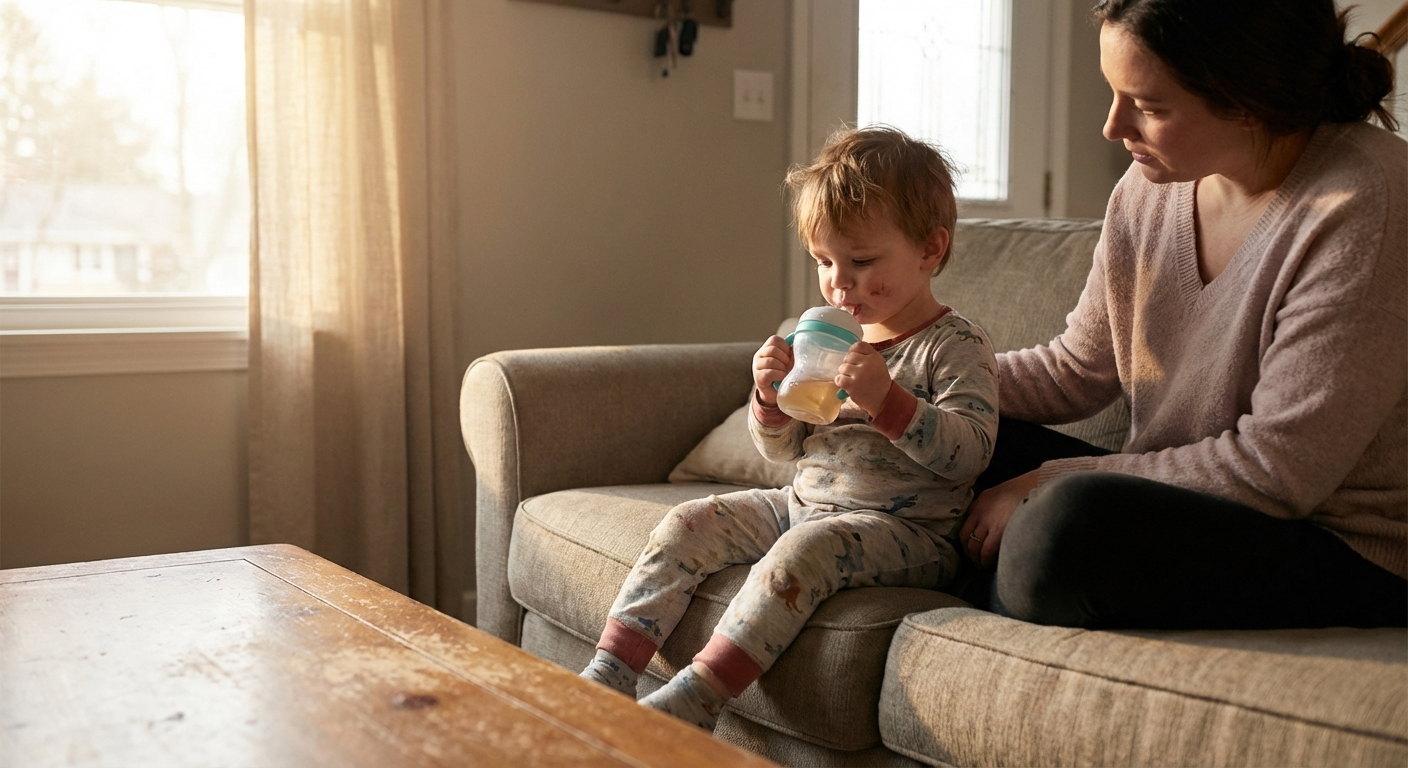
What a stomach bug usually is
When parents say “stomach bug,” they usually mean viral gastroenteritis, an infection that irritates the stomach and intestines. It commonly causes vomiting, diarrhea, belly cramps, low appetite, and sometimes fever.
Common causes
- Norovirus: Very contagious, spreads easily in families and childcare settings. Often causes sudden vomiting and diarrhea.
- Rotavirus: Once a leading cause of severe diarrhea in young kids. The rotavirus vaccine has made a huge difference, but infections can still happen, especially if a child is unvaccinated or partially vaccinated.
- Other viruses: Adenovirus, astrovirus, and others can also cause similar symptoms.
Less commonly, vomiting and diarrhea can be caused by food poisoning, certain bacterial infections, parasites, medication side effects, or something unrelated to infection (like constipation with overflow diarrhea). If something feels “off script,” trust your instincts and call your pediatrician.
How long it usually lasts
Parents deserve a realistic timeline. Viral stomach bugs can vary, but here is what is typical.
- Vomiting often peaks early, usually in the first 12 to 24 hours. Some kids stop sooner, and some can vomit on and off for 24 to 48 hours.
- Diarrhea often lasts several days and can take up to about a week to fully resolve.
- Energy and appetite usually come back gradually as hydration improves.
When “longer than expected” matters: If vomiting keeps going beyond 48 hours, diarrhea is not improving after several days, or your child is getting worse instead of better, check in with your pediatrician to consider other causes.
What to watch for
Every child is different, but these are the patterns we often see with viral gastroenteritis.
Vomiting
- Often peaks early, then gradually improves.
- Some toddlers vomit a few times and then stop. Others vomit repeatedly for a day or two.
- Ongoing vomiting that prevents keeping down any fluids is the big concern.
Diarrhea
- Diarrhea can last several days, sometimes up to a week.
- What matters most is frequency and hydration. A toddler who is drinking and peeing is usually in a safer zone than a toddler with fewer stools who cannot keep fluids down.
- Very frequent diarrhea can look like stools every hour, constant leakage, or so many diapers you cannot keep up with replacing fluids.
Fever
- Low-grade fevers are common with viruses.
- A fever does not automatically mean it is serious, but it can increase fluid loss.
Quick reality check: When kids stop eating for a day or two during a stomach bug, that is usually okay. Hydration matters much more than calories in the short term.
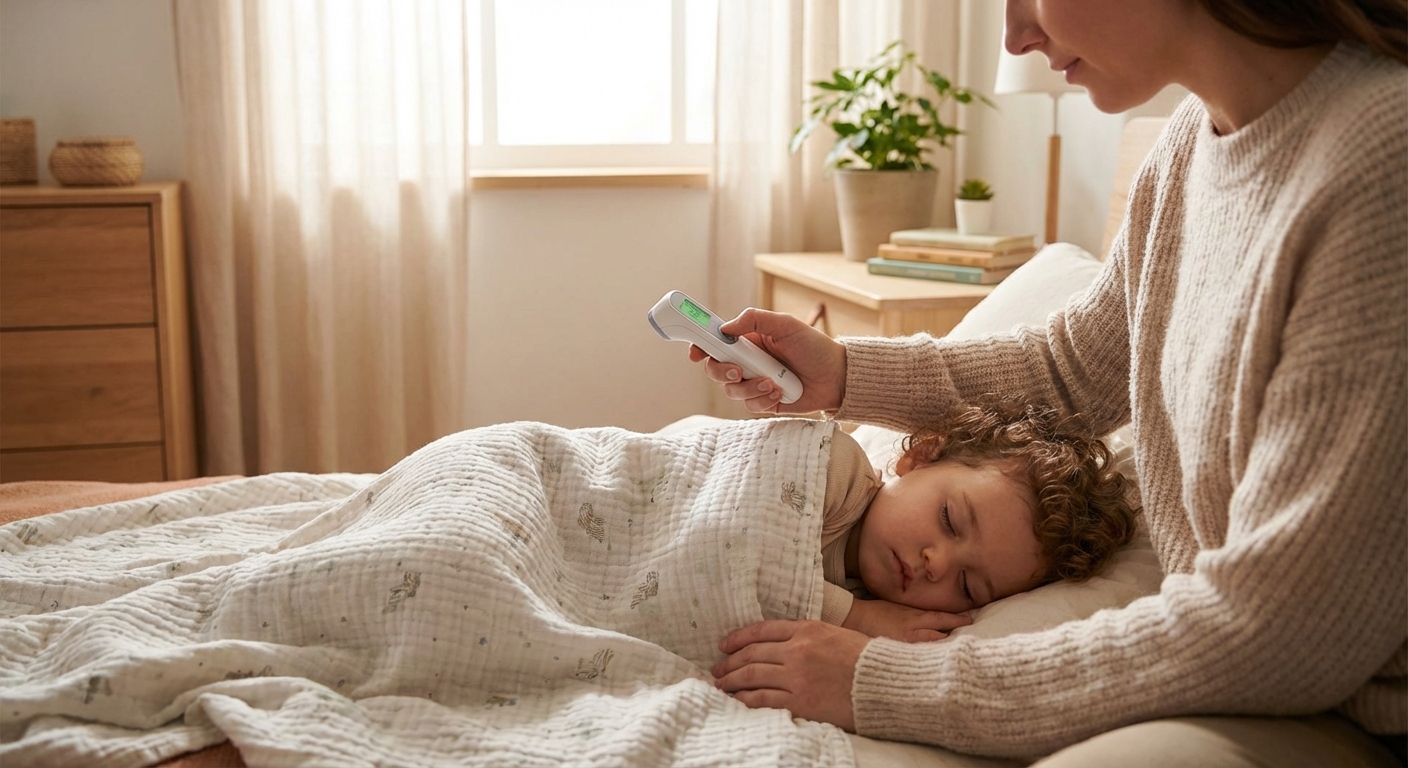
Signs of dehydration in toddlers
Dehydration is the main reason stomach bugs become dangerous in young children. Here is what I want you looking for at home.
Mild dehydration (watch closely and push fluids)
- Dry lips or a dry tongue
- Thirstier than usual
- Slightly fewer wet diapers or fewer trips to the toilet
- Less energetic than usual but still responsive
Moderate dehydration (call your pediatrician today)
- Significantly fewer wet diapers or urinating much less often
- No urine for about 8 to 12 hours (or a big drop from their normal pattern)
- Very dry mouth, cracked lips
- No tears when crying
- Sunken eyes
- Heart beating much faster than usual
- Irritable or unusually sleepy
Severe dehydration (urgent, seek care now)
- Very sleepy, hard to wake, confused, or floppy
- Not urinating for 12 hours or more, or only a tiny amount of very dark urine
- Cold or mottled hands and feet
- Breathing much faster than usual, breathing that looks labored, or you cannot get them to fully perk up
- Signs of shock (pale, weak, dizzy, very lethargic)
What about a sunken fontanelle?
The “soft spot” (fontanelle) is mostly relevant for babies. Many toddlers have a closed fontanelle by 18 months, but if your child still has an open soft spot and it looks sunken along with other dehydration signs, that is a reason to call promptly.
My triage-nurse shortcut: If you are not sure, focus on two things: Are they able to keep fluids down? and Are they peeing regularly? If the answer to either is “no,” call.
Another parent-friendly clue: If your toddler is not interacting the way they usually do, not making eye contact, not responding to you normally, or seems “checked out,” treat that like a higher-level warning sign.
How to rehydrate
When vomiting is happening, big gulps almost always come right back up. The trick is small, frequent sips.
Best choice: oral rehydration solution (ORS)
Products like Pedialyte (or store-brand ORS) have the right balance of salt and sugar to help the gut absorb water efficiently.
- Offer 1 to 2 teaspoons every 1 to 2 minutes at first if vomiting is active.
- If that stays down for 15 to 30 minutes, gradually increase to small sips every few minutes.
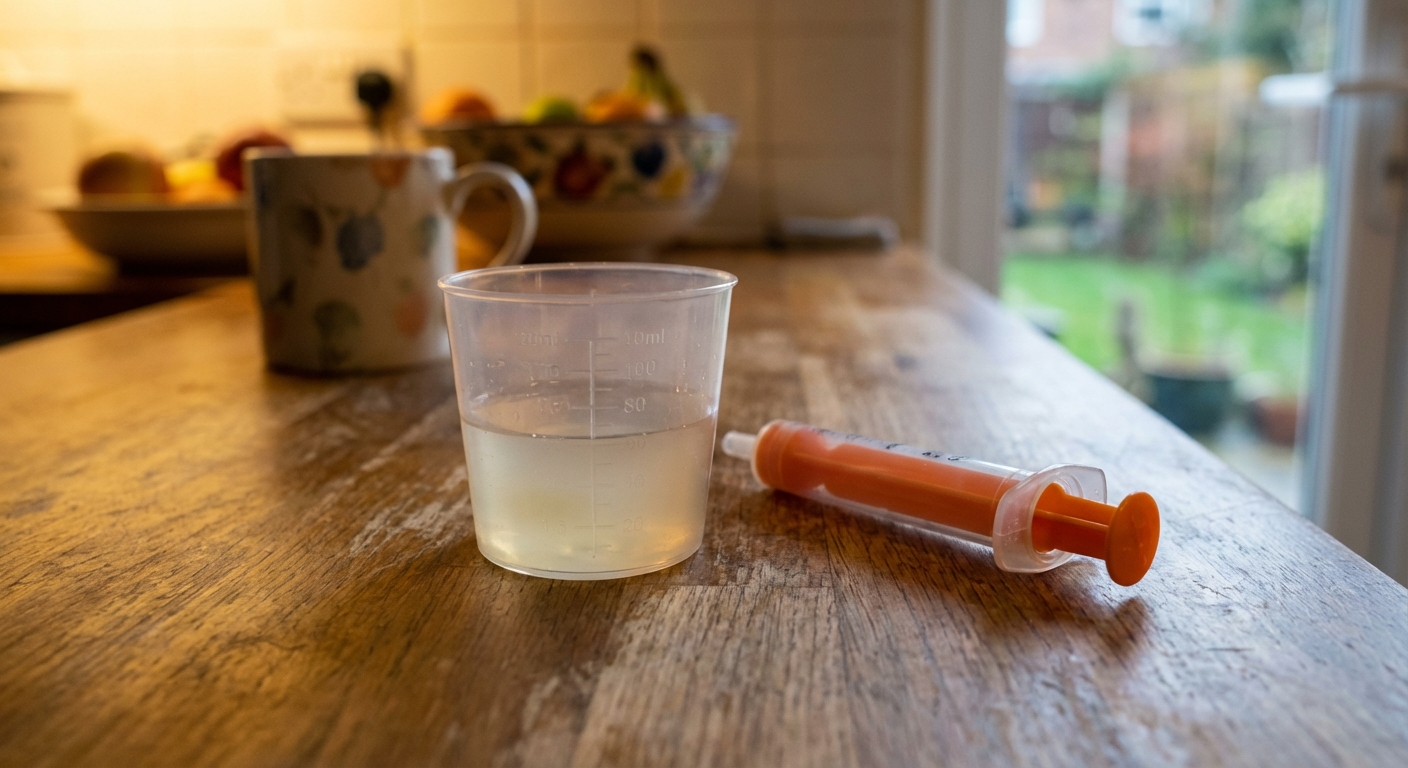
- Use a syringe, medicine cup, spoon, or an open cup if that is easier than a bottle.
If your toddler refuses Pedialyte
- Try it cold or as ORS popsicles.
- Offer tiny amounts in a fun cup or with a straw if they are old enough and safe with it.
- If they will only take breast milk or formula, that is often okay. Offer smaller, more frequent feeds.
Fluids to be careful with early on
- Juice, soda, and sports drinks: Too much sugar can worsen diarrhea.
- Plain water: Small amounts of water are fine. The issue is using only water for long stretches when vomiting and diarrhea are ongoing, because it does not replace salts. When losses are significant, ORS is the better tool.
When vomiting will not stop
If your toddler vomits repeatedly and cannot keep down even tiny sips, call your pediatrician. Some children may benefit from an anti-nausea medication prescribed by a clinician, depending on age and situation.
Food basics
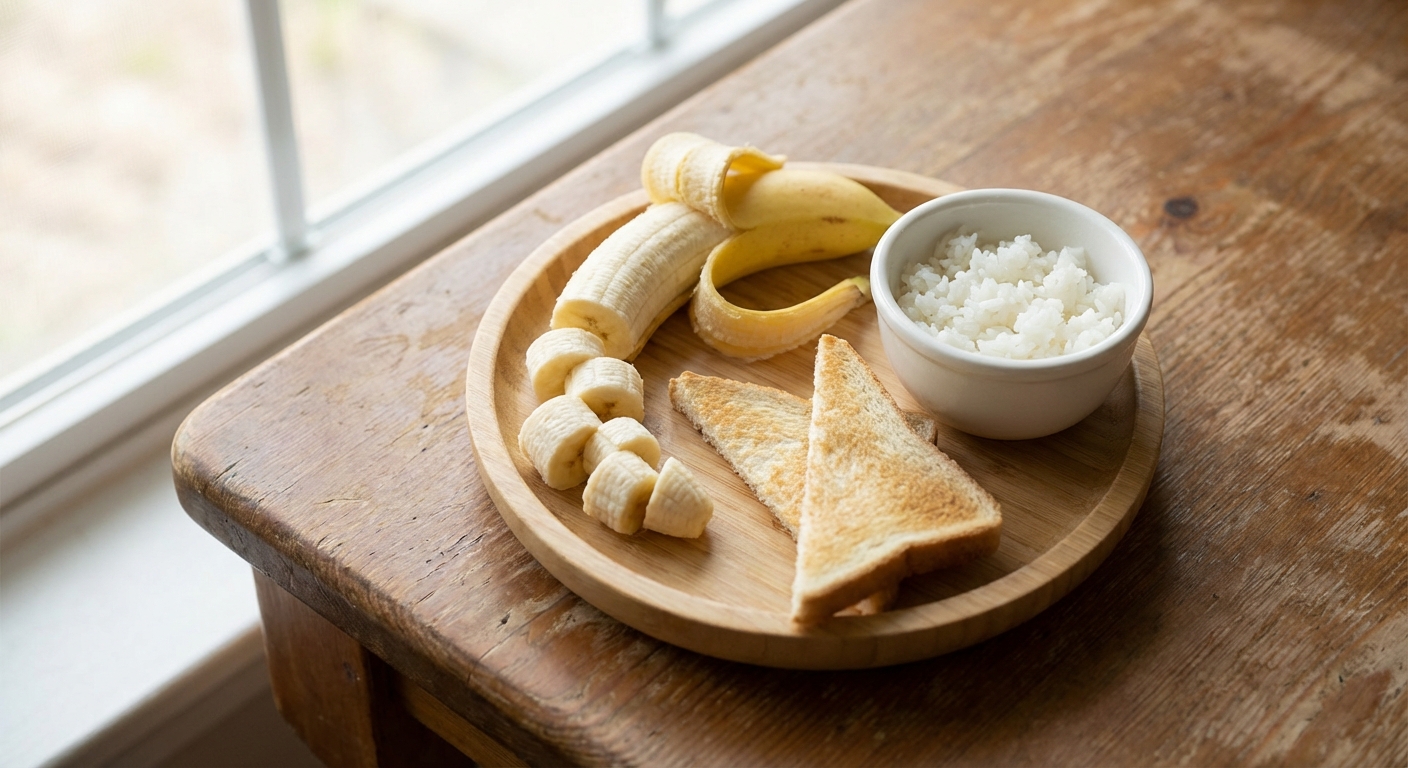
You may have heard of the BRAT diet (bananas, rice, applesauce, toast). Those foods can be gentle and are fine as part of what your child eats, but we no longer recommend BRAT as the only plan for days because it can be low in protein and calories.
A simple, realistic approach
- First goal: fluids. If your child is vomiting, focus on ORS until things settle.
- Then add bland foods when they show interest: crackers, toast, rice, noodles, bananas, applesauce, oatmeal, soup, yogurt if tolerated.
- Return to a normal diet as soon as they can tolerate it. Many kids do fine with regular foods within 24 to 48 hours.
Foods that can make things worse
- Very greasy or fried foods
- Large amounts of sugary foods or drinks
- New or heavy foods if your toddler is still nauseated
One more helpful heads-up: After a stomach bug, some toddlers get temporary lactose sensitivity (a short-term dip in lactase). If diarrhea lingers and milk seems to trigger it, try a brief break. Some families do better with lactose-free milk, smaller servings of dairy, or yogurt, which can be easier to tolerate. It is usually temporary, but ask your pediatrician if you are not sure.
Medication notes
A few quick safety points that come up a lot during stomach bugs:
- Avoid OTC anti-diarrhea medicines (like loperamide) in young children unless a clinician specifically tells you to use them.
- Fever and discomfort: Ask your pediatrician about the right dosing for acetaminophen or ibuprofen. In general, if your child is vomiting a lot or dehydrated, be cautious with any medication and prioritize rehydration.
When to call the doctor
Most stomach bugs are manageable at home, but there are clear situations where you should get help.
Call your pediatrician today if
- Your toddler shows moderate dehydration signs (very dry mouth, no tears, fewer wet diapers, or no urine for about 8 to 12 hours)
- Vomiting lasts more than 24 to 48 hours, or is frequent and your child cannot keep fluids down
- Diarrhea is very frequent (for example, every hour or so frequent you cannot keep up with fluids), especially if it is not slowing down after a day
- Fever is high, persistent, or your child looks particularly unwell
- Your child has significant belly pain, is refusing all fluids, or you are worried for any reason
- You suspect food poisoning or bacterial illness due to higher fever, severe belly pain, blood or mucus in stool, recent travel, or a known exposure
Seek urgent care or emergency help now if you notice
- Signs of severe dehydration (very sleepy or hard to wake, not urinating 12 hours or more, weak, floppy)
- Blood in vomit or vomit that looks like coffee grounds
- Blood in stool or black, tar-like stool
- Bright green (bilious) vomit, which can signal a blockage and needs urgent evaluation
- Severe or worsening abdominal pain, a hard belly, or your child cannot stand up straight due to pain
- Breathing trouble, blue lips, or other signs your child is not getting enough oxygen
- A child who is very young, has complex medical needs, or is immunocompromised and is vomiting or having diarrhea
If you are not sure
That is exactly what pediatric nurse lines and on-call pediatricians are for. You are not “overreacting.” You are parenting.
Stop it from spreading
Stomach viruses spread fast. A few steps can reduce the damage.
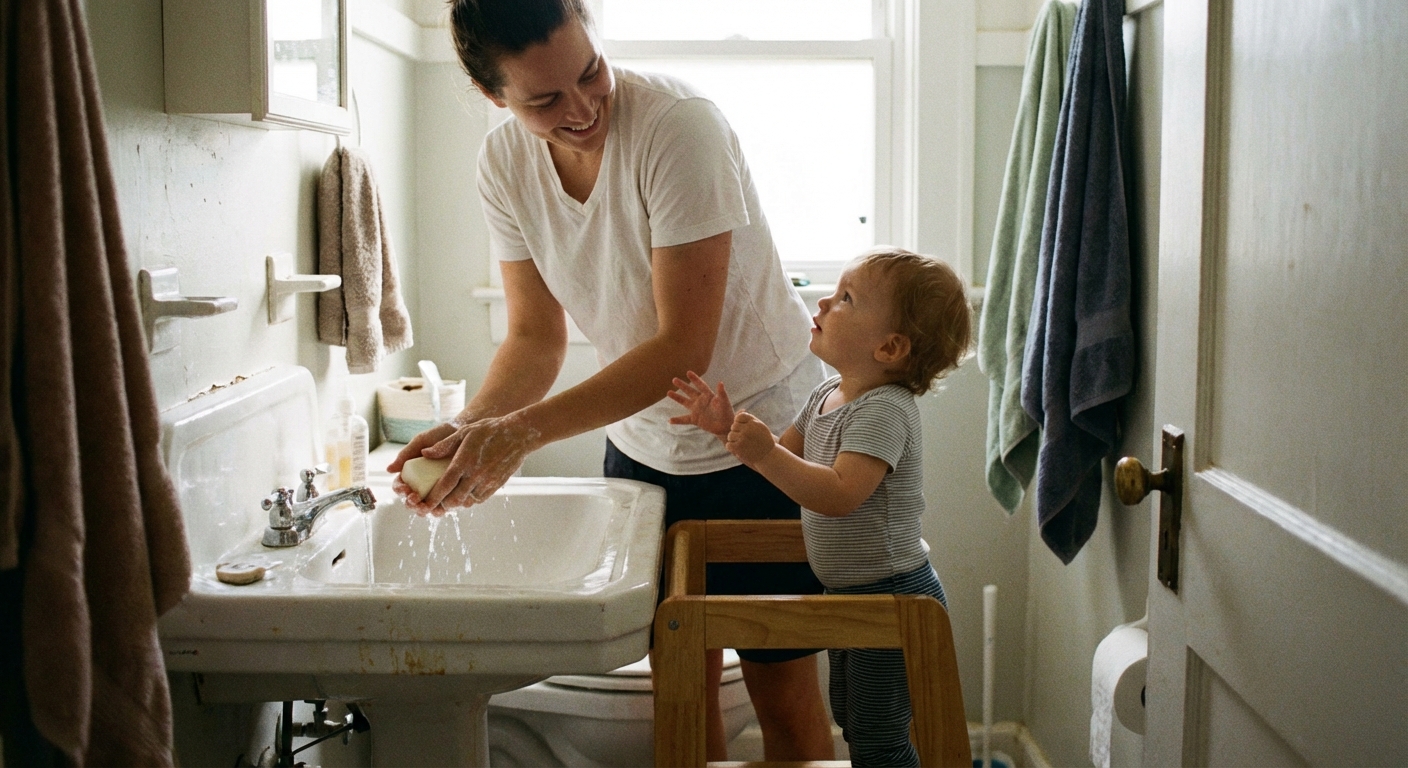
- Handwashing with soap and water for at least 20 seconds, especially after diaper changes and bathroom trips. Hand sanitizer is helpful, but soap and water works better for norovirus.
- Clean high-touch surfaces (bathroom, doorknobs, light switches). For norovirus, many public health agencies recommend a bleach-based disinfectant or an EPA-registered product labeled for norovirus. Always follow the product label and ventilate the area.
- Laundry: Wash soiled clothing and bedding promptly. Use hot water if the fabric allows.
- Keep your toddler home until vomiting stops and diarrhea is improving, and follow childcare rules for return.
Plan for the next 12 hours
If your toddler is in the thick of it tonight, here is a practical plan you can follow.
- Start with tiny sips of oral rehydration solution every 1 to 2 minutes.
- Pause for 10 to 15 minutes after any vomit, then restart with even smaller amounts.
- Track pee: diaper output or bathroom trips. Fewer wet diapers is often the earliest dehydration clue. No urine for about 8 to 12 hours is a reason to call.
- Skip food pressure. When they ask for food and are keeping fluids down, offer bland options.
- Reassess every few hours: Is vomiting easing? Are they drinking? Are they peeing? Are they alert and interacting more normally? If not, call.
Parent-to-parent reminder: A stomach bug is miserable, but it is usually temporary. Your job is not to stop every symptom. Your job is to keep your kid hydrated and safe until their body does the healing.
Medical note: This article is educational and does not replace medical care. If you are concerned about your child’s symptoms, contact your pediatrician or seek urgent evaluation.