Strabismus and Lazy Eye in Toddlers

Sarah Mitchell
Sarah Mitchell is a Registered Pediatric Nurse and a mother of three who has spent over a decade helping families navigate the beautiful, chaotic early years of childhood. She combines evidence-based medical knowledge with real-world parenting experience to offer practical, compassionate advice. At Awesome Parent, Sarah's mission is to help exhausted parents find solutions, trust their instincts, and finally get some sleep.
If you have ever looked at a photo of your toddler and thought, “Wait… why does one eye look like it is drifting?” you are not alone. In pediatric triage, I heard this concern constantly, and now as a mom, I have had the same heart-skip moment when the lighting hits just wrong.
The good news is that some “eye turns” are optical tricks. The other good news is that when it is a true eye alignment issue, early treatment is often very effective. This article will help you understand what you are seeing, what pediatric eye doctors are looking for, and why timing matters, without trying to give you prescription-level advice.
Quick definitions (without the medical word soup)
What is strabismus?
Strabismus means the eyes are not consistently aligned. One eye may turn in, out, up, or down while the other eye looks straight ahead. It can be constant or come and go.
What is “lazy eye” (amblyopia)?
Amblyopia, often called lazy eye, is when the brain starts favoring one eye because the image from the other eye is blurry or misaligned. Over time, the “ignored” eye can fall behind in vision development.
Important note: a child can have strabismus without amblyopia and amblyopia without obvious strabismus. They are related, but not identical.
What eye turns can look like
Parents often describe this as “crossed eyes” or a “wandering eye,” but there are a few distinct patterns. These descriptions are general, and a proper exam is the only way to know what is truly happening.
Eye turns inward (esotropia)
One eye points toward the nose. This can be constant or show up when your child is tired, sick, or focusing up close. Sometimes it is related to farsightedness and focusing effort (you may hear the term accommodative esotropia).
Eye turns outward (exotropia)
One eye drifts outward, sometimes more noticeable in bright sunlight or when your child is daydreaming.
Vertical turns (hypertropia or hypotropia)
One eye sits higher or lower than the other. Parents may notice a head tilt or that one eye seems “off” in certain positions.
Any persistent or recurring eye turn deserves an eye exam, even if it comes and goes.

Pseudostrabismus: when it looks crossed but is not
Pseudostrabismus is a very common situation where the eyes appear crossed even though they are aligned. It is often caused by:
- A wide, flat nasal bridge (common in babies and many toddler facial shapes)
- Prominent eyelid folds near the inner corners of the eyes
- Camera angle or lighting that creates the illusion of a turn
A helpful at-home clue is the “light reflection” you see in photos. Clinicians look at whether the little bright reflections (corneal light reflexes) appear symmetric in both eyes. If they are consistently not symmetric across multiple straight-on photos, it is worth checking. Photos can be misleading if your child is looking slightly off to the side, so try not to overinterpret a single image. This is not a diagnosis, just a nudge to get an exam.
One safety note: you do not need to recreate a flash test up close. Avoid shining harsh smartphone flashes directly into your child’s eyes at close range. Natural window light and normal photos are plenty.
Even when we strongly suspect pseudostrabismus in clinic, we still take parent concerns seriously because true strabismus and pseudostrabismus can look very similar.
Why early evaluation matters (and why photos sometimes catch it first)
Toddlers are busy little people. They do not sit still, follow instructions reliably, or tell you, “Hey, my left eye is blurry.” That is why:
- Parents notice patterns first like squinting, head turns, or frequent eye rubbing.
- Photos reveal misalignment that you may not catch during play.
- Brains are building vision fast in the early years, which makes treatment timing important.
Amblyopia treatment tends to work best during the early childhood “sensitive period” for vision development (often discussed as strongest up to around age 7 to 8, with some flexibility beyond). That is why eye doctors take early alignment and focusing issues seriously, even when kids seem unbothered.
Signs parents often notice
Some toddlers with strabismus or amblyopia show obvious signs. Others seem totally fine and it is caught at a well visit. Here are common clues that should prompt a conversation with your pediatrician or an eye specialist:
- One eye consistently turns in, out, up, or down
- Intermittent drifting that happens daily or weekly, especially when tired or sick
- Closing one eye in bright light or outdoors
- Head tilt or face turn to look at things
- Frequent squinting or bringing objects very close
- More bumping and missteps than usual (missing steps, bumping into door frames)
- Unequal “red reflex” in photos (one pupil looks white, dull, or very different from the other)
The last one deserves a special note: photos can produce odd reflections, especially with off-axis flash. But if you repeatedly see a true white or gray pupil in different photos or in person, call your pediatrician promptly for guidance and referral. Persistent leukocoria needs same-day attention.
Vision screening at well visits
In most pediatric offices, vision checks evolve as your child grows:
- Newborn to infancy: pediatricians look at eye structure, basic tracking, and the red reflex.
- Toddler years: screening may include photoscreening devices that estimate risk for amblyopia causes like significant farsightedness, nearsightedness, or astigmatism.
- Preschool and beyond: kids begin formal vision charts and more cooperative testing.
Even if your child “passes” a screening, trust your gut. Screenings are great, but they are not perfect. If you are seeing an eye turn, ask for a referral to a pediatric eye specialist (often a pediatric ophthalmologist, or an optometrist who routinely works with young children).
How amblyopia happens (the simple version)
Your toddler’s brain is trying to build one clear picture of the world. If the inputs do not match, the brain often chooses the clearer one.
Common reasons one eye may get “downweighted” include:
- Strabismus: the eyes point different directions, so the images do not line up.
- Refractive error: one or both eyes are significantly farsighted, nearsighted, or have astigmatism, causing blur.
- Anisometropia: the prescription needs are very different between the two eyes.
- Something blocking vision: like a cataract or significant eyelid droop (less common, but important).
The key idea is this: amblyopia is a brain-vision development problem, not a weakness in the eyeball muscles. That is why treatment often focuses on giving the brain better input and encouraging it to use the weaker eye.
Glasses timing
Many families are surprised to learn that for certain types of strabismus and many amblyopia risks, glasses are the first and most important treatment.
Glasses can help by:
- Clearing blur so the brain gets a sharp image
- Reducing an inward turn that is triggered by focusing effort (common in some inward-turn patterns)
- Balancing the two eyes when one has a very different prescription need
Timing-wise, if an eye specialist recommends glasses, it is usually because your child’s visual system needs that clarity now, not “eventually.” The goal is to support normal development while the brain is most adaptable.
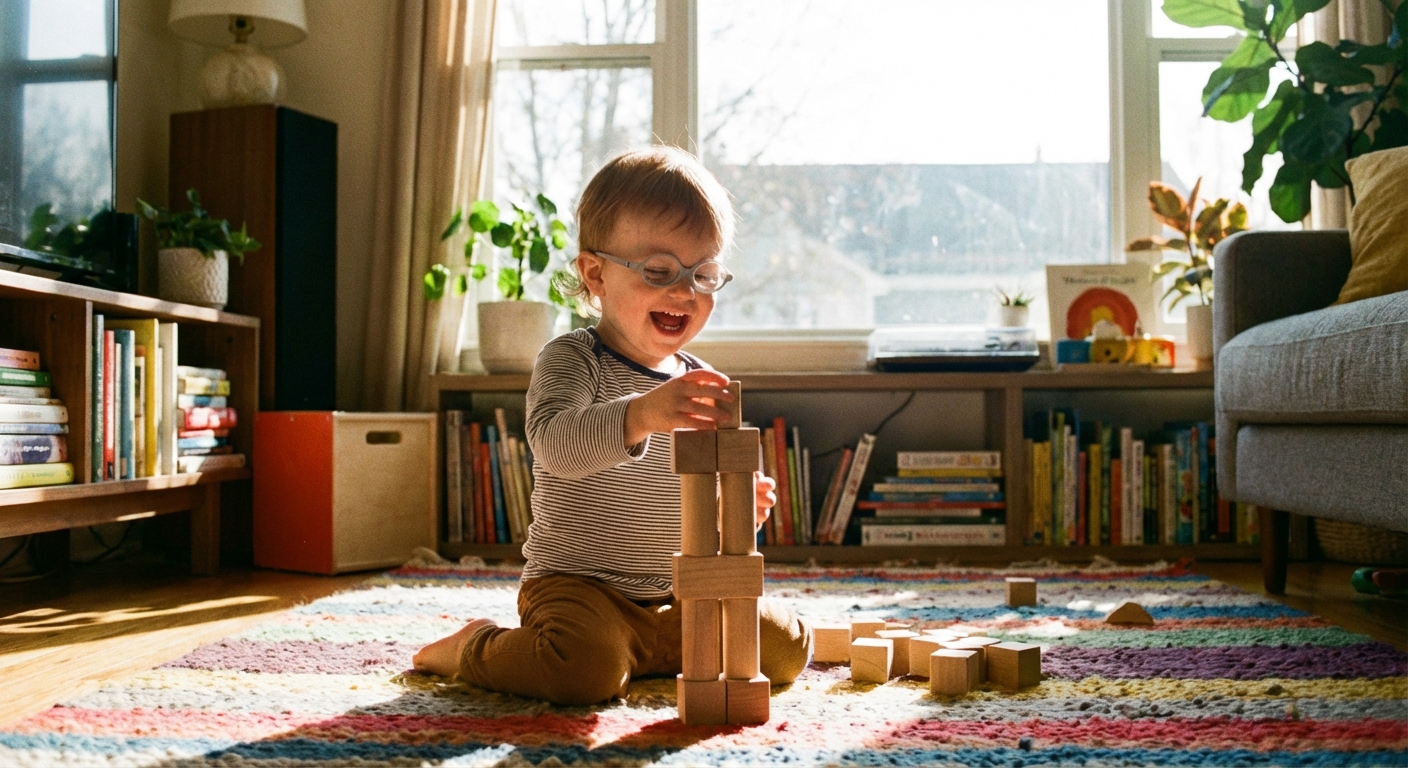
I will say the quiet part out loud: toddlers do not always love glasses on day one. Most do adapt with consistency, comfortable fit, and lots of calm persistence.
Patching timing
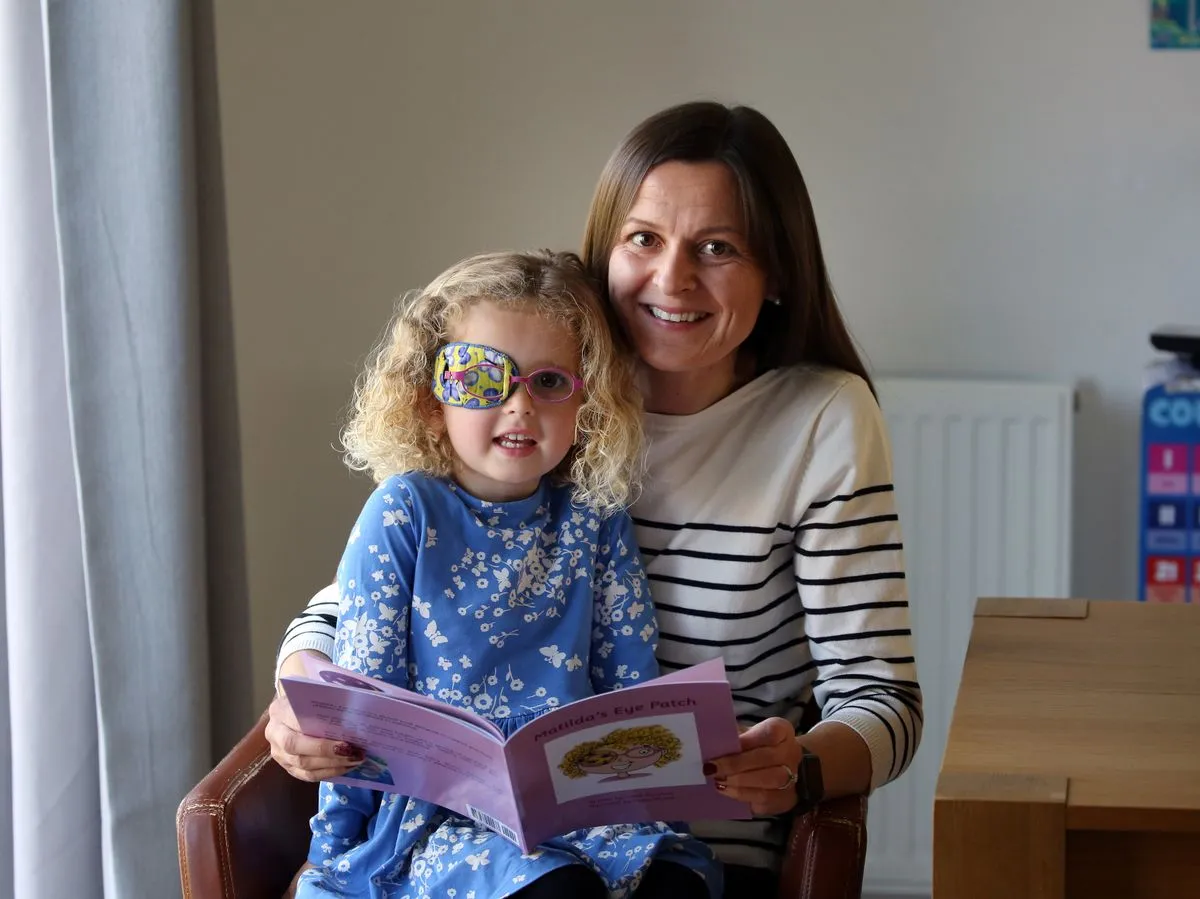
Patching is commonly used to treat amblyopia. The concept is simple: temporarily cover the stronger eye so the brain is nudged to use the weaker eye.
Some important parent expectations:
- Patching is timed and tailored. It might be a certain number of hours per day, not all day, and it can change over time.
- It often follows glasses. If blur is part of the problem, correcting vision first helps patching work better.
- It can be emotionally messy at first. A toddler who suddenly has to rely on their weaker eye may get frustrated, clingy, or angry. That does not automatically mean it is “hurting” them. It often means the weaker eye is truly weaker and needs practice.
One caveat: if your child seems to have eye pain, severe headaches, unusual behavior changes, or anything that worries you during patching, call the prescribing clinician. Patching plans should be adjusted safely.
Because patching schedules are individualized, your eye doctor is the right person to set the plan and adjust it over time.
Atropine drops (a patch alternative)
If your toddler absolutely refuses a patch, ask your eye specialist about atropine eye drops (sometimes called penalization). These drops blur the stronger eye up close, which encourages the brain to use the weaker eye without physically covering anything.
Atropine is not right for every child and it has its own rules and side effects, so it should only be used under guidance from your pediatric eye team. But it is a real, commonly discussed option, and many parents feel relieved just knowing there is another tool.
Other treatments you may hear about
Depending on the cause and pattern, treatment may include more than glasses and amblyopia therapy. In some cases, an eye specialist may recommend:
- Strabismus surgery to improve alignment
- Prism or other optical strategies in select situations
If surgery is ever on the table, it does not mean you “missed” something. It often means the alignment needs a mechanical reset so the eyes can work together better. Your specialist will talk you through timing, goals, and expected outcomes.
What a toddler eye visit is like
If you are picturing your toddler reading tiny letters like an adult, take a breath. Pediatric eye teams have many ways to test vision without requiring perfect cooperation.
You may see some or all of the following:
- Alignment checks with lights and simple cover tests
- Age-appropriate vision testing using shapes, matching, or looking preferences
- Dilating drops to measure focusing and prescription needs more accurately
- Eye health exam to rule out anything blocking vision
Bring snacks, a comfort item, and your toddler’s best “brave face.” Also bring your questions. This is one of those visits where you deserve to understand the “why,” not just the “do this.”
Look-alikes
- Torticollis (head tilt): sometimes a head tilt comes from tight neck muscles, but it can also be a compensation for an eye alignment issue. If you see a persistent head tilt, mention both neck and vision concerns.
- Pink eye: redness and discharge do not cause a true eye turn, but irritation can make a toddler squint or keep one eye partly closed.
- Normal toddler “weird faces”: squinting in bright sunlight is common. Closing one eye repeatedly outdoors can also be a clue for an outward drift, so patterns matter.
When to seek urgent care
Most eye turns are not an emergency, but certain symptoms should be checked quickly:
- Sudden new eye crossing or drifting, especially if it is constant
- Eye turn plus new droopy eyelid
- Eye turn plus headache, vomiting, or balance changes
- New bulging of one eye
- White or gray pupil noticed repeatedly in photos or in person
- Eye pain or significant light sensitivity
If your toddler has any of these, contact your pediatrician the same day or seek urgent evaluation as advised.
How parents can help at home
You do not need a flashlight exam at 2 AM. What helps most is calm observation and good documentation.
- Take a few natural photos in good light when you notice the issue. Try straight-on and relaxed moments, not forced poses.
- Write down patterns: Which eye? Inward or outward? How often? Worse when tired or in bright light?
- Bring glasses and patch info to visits if your child already uses them. Fit problems and skin irritation are solvable.
- Support treatment routines with consistency and simple rewards. Think stickers, a special book, or a show that only happens during patch time.
And please hear this: if patching or glasses are a struggle, that is not a parenting failure. That is a toddler being a toddler.
Common questions
“Will my toddler outgrow it?”
Some intermittent drifting can change with growth, but true strabismus and amblyopia risk should not be assumed to resolve on their own. It is worth an evaluation rather than a wait-and-see approach.
“If it is only in photos, is it still real?”
Sometimes photos catch pseudostrabismus. Sometimes they catch a real, intermittent misalignment that is hard to see live. Either way, photos are useful data for your clinician.
“Is patching cruel?”
Patching can feel intense, especially at first. But when it is recommended, it is because the alternative can be permanent reduced vision in one eye. The goal is to strengthen vision during the window when improvement is most possible.
The bottom line
If you suspect an eye turn or you have been told your toddler might have amblyopia risk, you are doing the right thing by looking into it. Strabismus and lazy eye are common, treatable, and much less scary when you have a clear plan.
Start with your pediatrician, ask about vision screening and referral to a pediatric eye specialist when needed, and know this: early support with glasses and/or patching (and sometimes drops) is not about perfection. It is about giving your child the best chance at strong, comfortable vision for life.