Swimmer’s Itch in Kids

Sarah Mitchell
Sarah Mitchell is a Registered Pediatric Nurse and a mother of three who has spent over a decade helping families navigate the beautiful, chaotic early years of childhood. She combines evidence-based medical knowledge with real-world parenting experience to offer practical, compassionate advice. At Awesome Parent, Sarah's mission is to help exhausted parents find solutions, trust their instincts, and finally get some sleep.
If your child had a great day swimming and then, hours later, starts scratching like they rolled in invisible poison ivy, you are not alone. A common culprit after lake days is swimmer’s itch, also called cercarial dermatitis. It looks scary, feels miserable, and usually clears up on its own, but it can absolutely ruin bedtime.
Let’s walk through what it is, when it shows up, how to calm the itch safely, what to watch for, and how to lower your odds of getting it again.
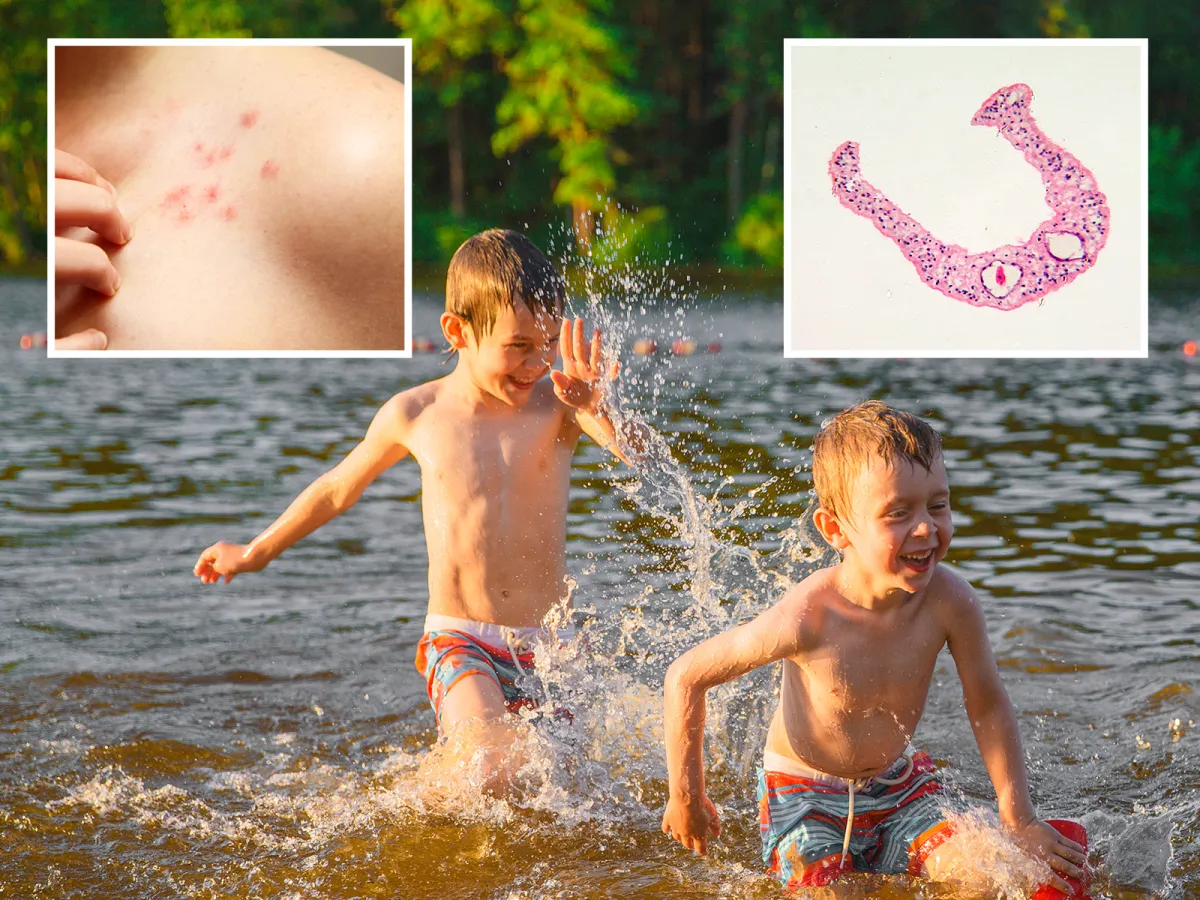
What swimmer’s itch is
Swimmer’s itch is a skin reaction that happens when the larval stage of certain parasitic flatworms briefly gets into the outer layer of skin. These larvae are called cercariae, so you will also hear the term cercarial dermatitis.
Here is the key reassuring part: humans are not the parasite’s intended host. In people, the larvae cannot survive. The rash is your child’s immune system reacting to the exposure, not an ongoing infection that spreads through the body.
Where it comes from (the simple version)
In many lakes, ponds, and sometimes coastal waters, the parasite’s life cycle involves waterfowl (like ducks and geese) and snails. When conditions are right, free-swimming larvae end up in the water, especially in shallow areas near shore.
When it shows up after swimming
The timing is one of the biggest clues.
- Sometimes within minutes to a couple hours: mild tingling, itching, or tiny red spots may start soon after leaving the water.
- More commonly within 2 to 24 hours: the itch ramps up and bumps or small blisters can appear.
- It often peaks over the next 1 to 3 days, then gradually improves.
The rash tends to show up on skin that was directly exposed, especially areas that were not covered by a swimsuit or wetsuit. It can be worse where water lingers against skin, like along snug suit edges, elastic lines, or straps.
What it looks and feels like
Swimmer’s itch can look different from kid to kid and even from one exposure to the next.
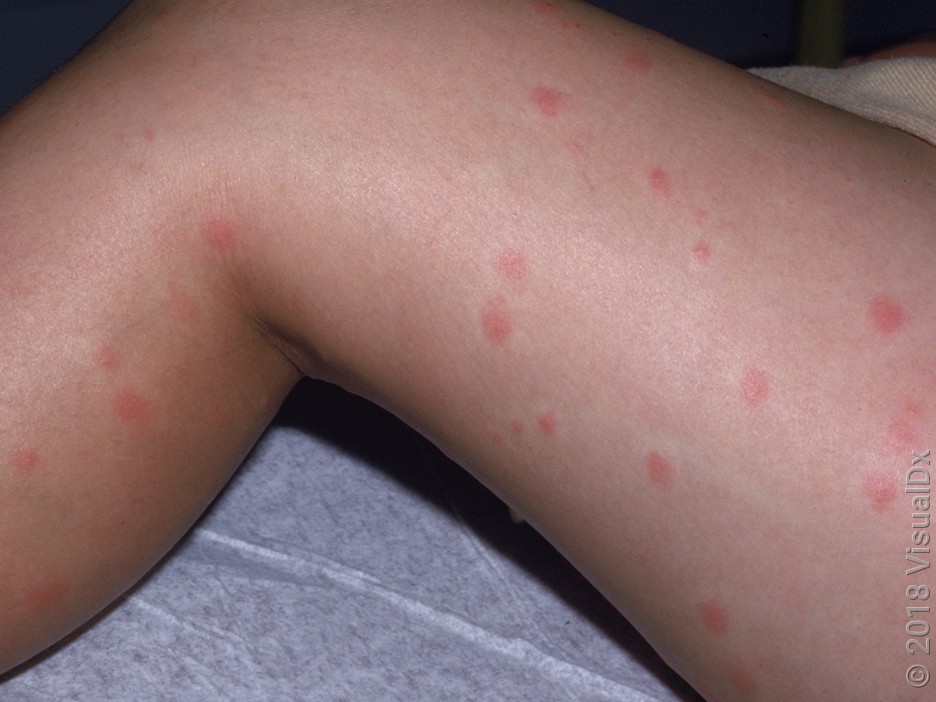
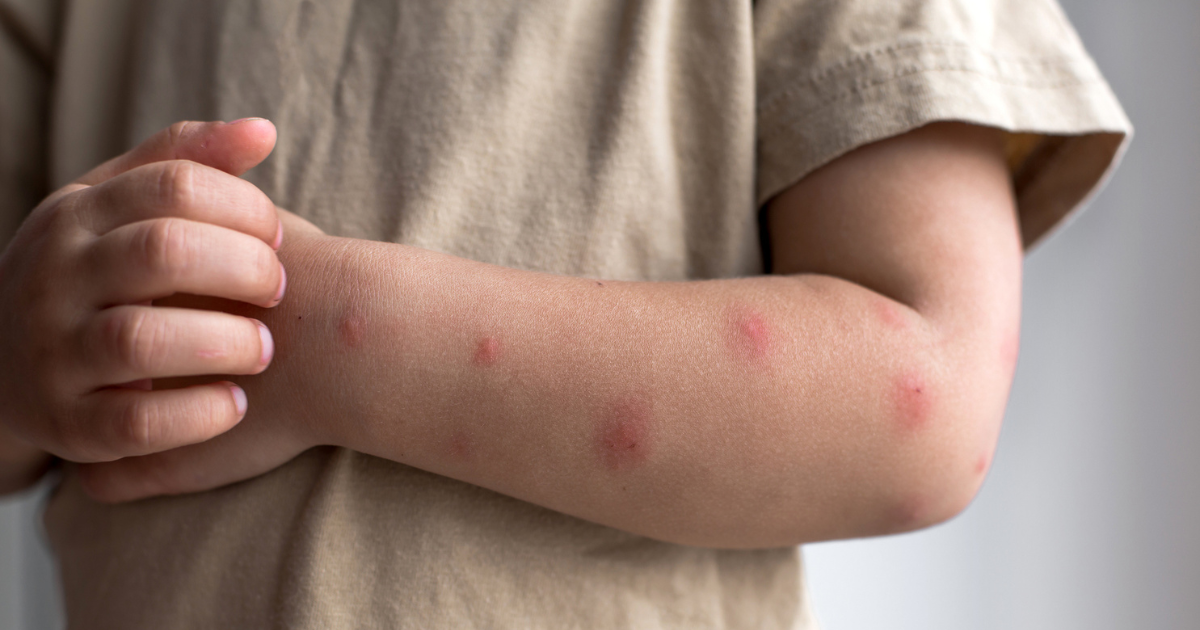
- Small red bumps or raised welts
- Hives-like patches
- Tiny blisters in some cases
- Intense itching, often out of proportion to how “mild” the rash looks
Scratching is the main reason swimmer’s itch becomes a bigger problem. The rash itself is usually self-limited, but broken skin can invite bacteria in for a secondary infection.
Swimmer’s itch vs other rashes
These get mixed up constantly. They are different problems with different treatments.
Swimmer’s itch
- Where: exposed skin
- When: usually hours after lake, pond, or sometimes ocean swimming
- Main symptom: very itchy rash
Swimmer’s ear (otitis externa)
- Where: inside the ear canal
- When: often 1 to 3 days after swimming
- Main symptoms: ear pain (often worse when tugging the ear), itchiness in the ear, muffled hearing, sometimes drainage
- Treatment: often prescription ear drops
Heat rash (miliaria)
- Where: sweaty, covered areas like neck folds, chest, back, groin, under straps
- When: during hot, humid weather or after heavy sweating
- Main symptoms: prickly, irritated tiny bumps, usually less intensely itchy than swimmer’s itch
- Treatment: cooling, breathable clothing, keeping skin dry
Seabather’s eruption (sea lice)
- Where: typically under the swimsuit or in areas where fabric traps organisms
- When: after ocean swimming in certain regions
- Main symptom: very itchy rash that can concentrate under suit lines
If your child’s main complaint is ear pain, think swimmer’s ear. If the rash is mostly in sweaty folds under clothing, think heat rash. If it is mainly under the swimsuit after ocean swimming, seabather’s eruption may fit better than swimmer’s itch.
At-home itch relief that helps
The goal is to calm inflammation, reduce scratching, and help everyone sleep.
Right after swimming
- Rinse well with clean water as soon as possible.
- Towel-dry briskly rather than air-drying. This may help physically remove organisms before they irritate or penetrate the skin.
- Change out of wet clothes quickly.
For the itch
- Cool compresses for 10 to 15 minutes at a time.
- Oatmeal bath (colloidal oatmeal) can soothe widespread itching.
- 1% hydrocortisone cream thin layer to itchy spots 1 to 2 times daily for a few days, if your child can use it. Avoid on broken skin, and avoid prolonged use unless your clinician advises it.
- Oral antihistamine can help itching, especially at night. Use an age-appropriate product and dose. For very young children (especially under 2), check with your clinician before using any antihistamine.
Help them not scratch
- Keep nails short and consider socks over hands for sleep in younger kids.
- Loose, breathable pajamas reduce friction.
- Distraction counts. Screens are not my favorite babysitter, but neither is a skin infection at 2 AM.
What to avoid
- Hot showers and hot baths, which can crank up itching.
- Scratching (I know), especially once bumps start to crust.
- Topical numbing creams (like benzocaine) unless your clinician recommends them. They can irritate skin and sometimes cause allergic reactions.
- Topical antihistamine creams (like diphenhydramine) unless your clinician recommends them, since they can trigger irritation or allergic contact dermatitis in some kids.
How long it lasts
Most kids improve within a few days, but the rash can hang around up to 1 to 2 weeks. It can last longer if it is heavily scratched or if your child has had swimmer’s itch before. Repeat exposures can trigger a bigger reaction.
If the rash is worsening after day 3 to 4 instead of gradually calming down, I start thinking about secondary infection or a different diagnosis.
When to worry
Swimmer’s itch itself is usually not dangerous, but skin that gets scratched open can become infected.
Call your child’s clinician if you notice
- Increasing redness spreading beyond the bumps
- Warmth, swelling, or tenderness in one area
- Pus, crusting, or yellow drainage
- Red streaks moving away from a spot
- Fever or your child seems significantly unwell
- One area getting much worse while the rest improves
Seek urgent care now if
- There is rapidly spreading redness with fever
- Your child has facial swelling, trouble breathing, or widespread hives right after swimming (think allergic reaction, not swimmer’s itch)
- The rash involves the eyes or there is severe swelling around the eyes
Prevention for next time
You cannot control every microscopic creature in the water, but you can lower the odds of swimmer’s itch.
- Avoid shallow, warm water near shore when you can, especially in areas with lots of ducks, geese, or snails.
- Don’t feed waterfowl. It encourages them to hang around swimming areas, which can increase contamination.
- Choose less weedy areas and avoid stagnant water.
- Rinse and towel-dry right away after getting out.
- Change out of wet swimsuits promptly.
- Consider protective swimwear like rash guards or swim leggings if your child is prone to it.
If your child has had swimmer’s itch before, they may react more strongly the next time. That does not mean they can never swim again, but it does mean prevention steps matter more.
Common questions
Is swimmer’s itch contagious?
No. Your child cannot “give” swimmer’s itch to someone else. It comes from water exposure, not from contact with the rash.
Can it happen in the ocean?
Yes, but it is less common than in freshwater. Also, not every “ocean itch” is swimmer’s itch. If the rash is mostly under the swimsuit after ocean swimming, seabather’s eruption (sea lice) can be a better match.
Do we need a prescription?
Often, no. Most cases respond to home care like cool compresses and over-the-counter anti-itch options. You may need a prescription if there is a secondary infection, severe inflammation, or the diagnosis is unclear.
Could it be something else?
Possibly. Bug bites, contact dermatitis (like a reaction to sunscreen), scabies, and some viral rashes can look similar. The combination of lake or ocean exposure plus itchy bumps starting within hours is what makes swimmer’s itch stand out.
If the rash is mostly under a swimsuit or wherever fabric trapped water, think seabather’s eruption (ocean) or contact dermatitis. If the itching is intense at night and other household members are itching too, scabies moves higher on the list.
Recap for tired parents
- Swimmer’s itch is an itchy skin reaction after swimming, most often in lakes and ponds.
- It usually starts within hours and can peak over 1 to 3 days.
- Focus on cooling the skin, reducing itch, and preventing scratching.
- Watch for infection signs like spreading redness, warmth, pus, fever, or worsening pain.
- Prevention is mostly about where you swim and rinsing and towel-drying right after.
If you are not sure it is swimmer’s itch, or your child seems increasingly uncomfortable instead of improving, contact your child’s clinician for guidance.