Toddler Diarrhea: Causes, What to Feed, and When to Worry

Sarah Mitchell
Sarah Mitchell is a Registered Pediatric Nurse and a mother of three who has spent over a decade helping families navigate the beautiful, chaotic early years of childhood. She combines evidence-based medical knowledge with real-world parenting experience to offer practical, compassionate advice. At Awesome Parent, Sarah's mission is to help exhausted parents find solutions, trust their instincts, and finally get some sleep.
Diarrhea in toddlers is one of those parenting plot twists that shows up at the worst possible time. Sometimes it is a classic stomach bug, but often it is something less dramatic and more fixable like too much juice, a new food, antibiotics, or the very real phenomenon of “toddler’s diarrhea.”
Let’s walk through what’s common, what to feed, how to keep your child hydrated, and the clear signs it’s time to call your pediatrician.
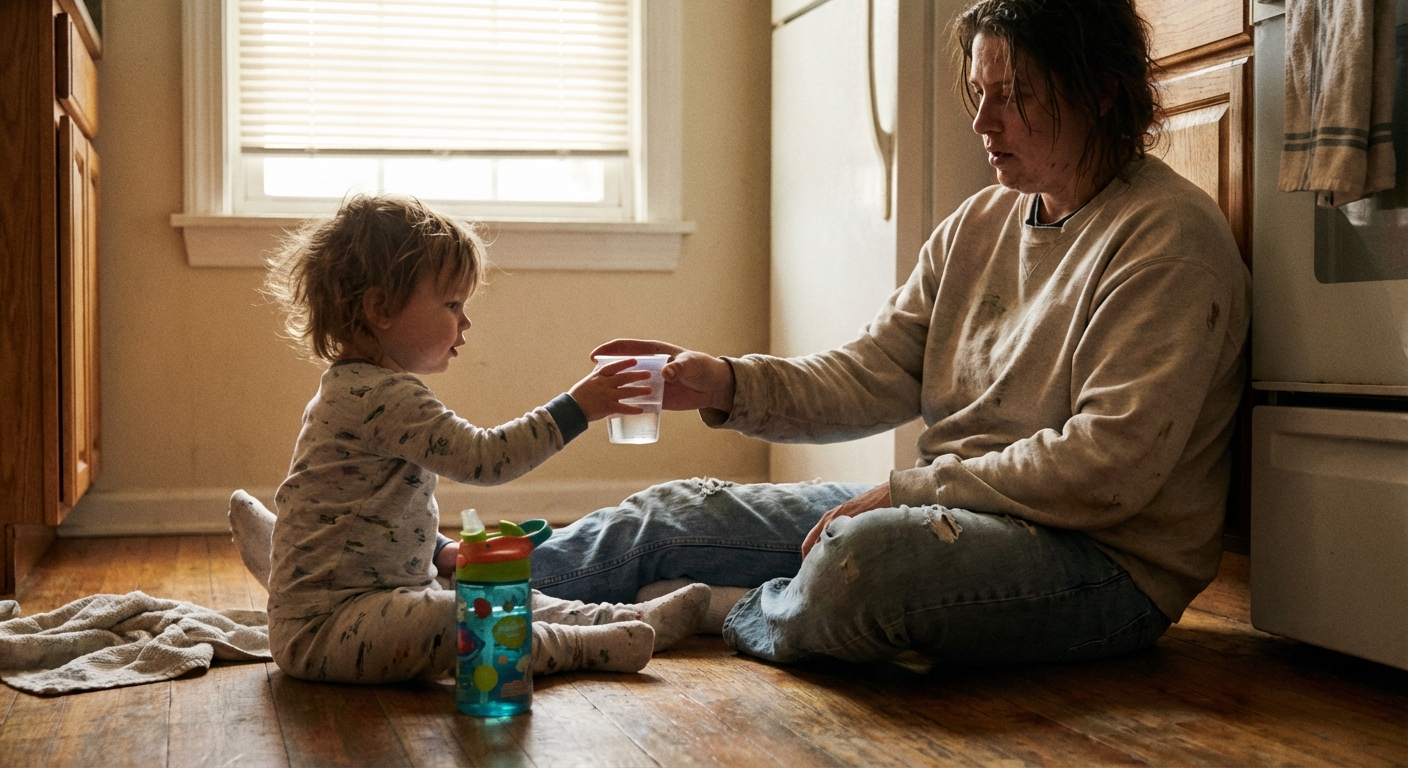
What counts as diarrhea in a toddler?
Most toddlers do not have perfectly predictable poop. One day it is “normal,” the next day it is suspiciously soft, and then you’re Googling at 2 AM. In general, diarrhea means:
- Stools that are looser or more watery than your child’s usual
- More frequent stools than normal
- Sometimes with urgency or accidents in a potty-trained child
A single loose stool can happen for lots of harmless reasons. We worry more when loose stools keep coming for a day or two, are very watery, or are paired with dehydration, significant pain, or blood.
Common causes of toddler diarrhea
Viral gastroenteritis is common, yes. But in clinic, the “why” is often something else. Here are the big ones.
1) Diet changes and “too much of a good thing”
Toddler guts are sensitive. A sudden increase in:
- Fruit juice (especially apple, pear, and prune juice)
- High-fructose foods (lots of fruit snacks, sweetened yogurt, fruit pouches)
- Sorbitol (often in “no sugar added” foods and some juices)
- New foods at daycare, holidays, travel, or picky-eating compromises
…can lead to loose stools without your child being truly sick. Juice is a frequent culprit because it pulls water into the intestines and moves things along.
2) Antibiotics
Antibiotics can disrupt normal gut bacteria and cause diarrhea during the course or even shortly after. Most antibiotic-associated diarrhea is mild, but call your clinician if:
- Diarrhea is severe or very frequent
- There is blood or mucus
- Your child has significant belly pain or fever
- Symptoms start after several days on antibiotics or continue after finishing
3) Toddler’s diarrhea
This is a classic pattern in kids roughly 1 to 5 years old. It can look alarming because it can go on for weeks, but the child otherwise seems well.
Typical clues:
- Loose stools most days, often 2 to 5 times/day
- Stools may have undigested food bits
- Often worse later in the day
- No fever, no vomiting, and the child is playful
- Normal growth and appetite overall
It is commonly linked to a combo of too much juice/fructose, low fat intake, and a fast-moving toddler gut.
4) Teething (yes, sort of)
Teething does not directly cause true diarrhea, but teething weeks often come with changes that can. Extra drool, gnawing on toys, swallowing more saliva, and eating a different mix of foods can all coincide with looser stools. If stools are very watery, frequent, or your child seems ill, do not blame teeth alone.
5) Milk issues: lactose intolerance vs. milk protein allergy
Lactose intolerance can cause loose stools, gas, and belly discomfort, often after dairy. It can be temporary after a stomach bug because the gut lining needs time to recover.
Milk protein allergy is different and more common in infants than older toddlers, but some kids react with mucus or blood in stool, eczema, vomiting, or poor growth. If you see blood, persistent mucus, or weight concerns, call your pediatrician.
6) Food intolerance or sensitivity
Some toddlers get diarrhea from specific foods (for example, very greasy foods, certain artificial sweeteners, or particular fruits). A simple food diary for a week can be surprisingly helpful.
7) Constipation with overflow diarrhea
This one is sneaky. If a toddler is constipated, loose stool can leak around a hard stool plug. Clues include:
- History of hard, painful stools
- Stool accidents with a smear or “muddy” stool
- Belly bloating
- Very large stools occasionally
If this sounds familiar, treating constipation (not restricting food) is usually the fix.
8) Less common causes
- Bacterial infection (more likely with high fever, blood, severe cramps, or exposure to undercooked foods)
- Parasites (persistent diarrhea, daycare outbreaks, travel, or exposure to untreated water)
- Celiac disease (chronic diarrhea, belly bloating, poor growth, anemia)
- Inflammatory bowel disease (blood, weight loss, significant ongoing symptoms)
These are not the most common, but they are reasons to involve your clinician when diarrhea is persistent or severe.
What to feed a toddler with diarrhea
Your goal is to keep nutrition steady and avoid foods that worsen diarrhea. Most toddlers do better with small, frequent meals instead of big plates.
The BRAT diet
You have probably heard of the BRAT diet (bananas, rice, applesauce, toast). These foods can be gentle and binding, but BRAT alone is too restrictive if used for more than a short time. Toddlers need protein, fat, and calories to recover.
Use BRAT foods as tools alongside a normal, balanced diet as tolerated.
Best foods to offer
- Starchy foods: rice, pasta, potatoes, oatmeal, crackers, pretzels, toast
- Bananas and applesauce (whole apples can be harder for some kids)
- Protein: chicken, turkey, eggs, tofu, beans if tolerated
- Yogurt with live cultures (if your child tolerates dairy)
- Soups/broths with noodles or rice for both calories and fluids
Foods to pause
- Juice and sweet drinks (often makes diarrhea worse)
- Very greasy or fried foods
- Spicy foods
- Large amounts of raw fruit or high-fiber foods if they clearly worsen symptoms
- Sports drinks or soda (not the right balance for little kids)
What about milk?
Many toddlers can continue their usual milk intake during mild diarrhea. If diarrhea is clearly worse after dairy, or if they recently had a stomach bug, you can consider a short break from lactose (or switch to lactose-free) and discuss it with your pediatrician.
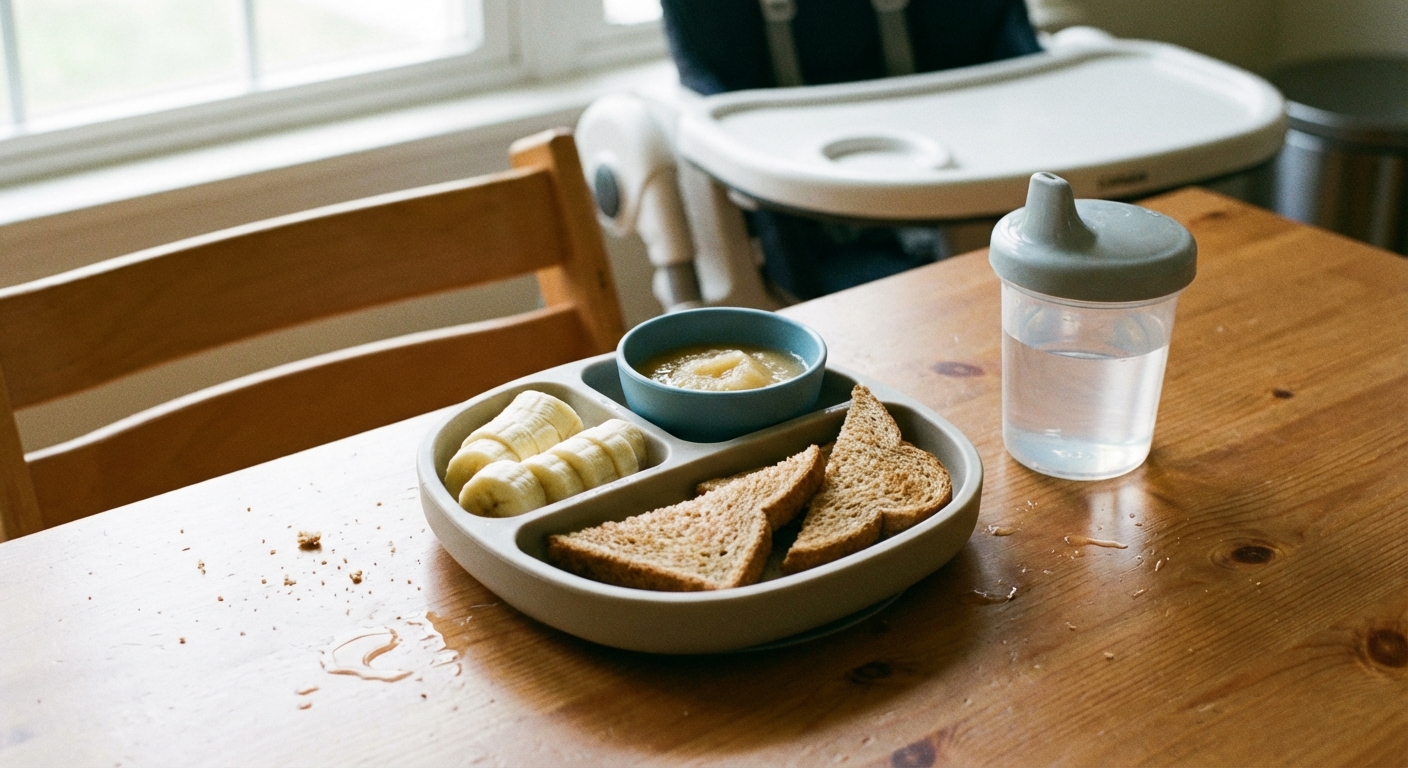
Hydration
With diarrhea, dehydration is the biggest short-term risk. The trick is small amounts often, especially if your toddler is also vomiting or refusing liquids.
Best fluids
- Oral rehydration solution (ORS) like Pedialyte or store-brand ORS. This is the gold standard because it has the right mix of salt and sugar.
- Water (great for mild cases, but ORS is better if diarrhea is frequent or watery).
- Breast milk or formula for younger toddlers still taking them.
How to get fluids into a stubborn toddler
- Offer 1 to 2 teaspoons every few minutes if they are resisting or nauseated, then slowly increase.
- Use a medicine syringe or small open cup if they refuse a sippy cup.
- Try popsicles made from ORS (many kids accept these when they refuse cups).
- Make it boring. Big novelty cups sometimes turn into a power struggle.
Fluids to avoid
- Juice (can worsen diarrhea)
- Soda
- Sports drinks (not designed for toddlers)
- Homemade salt-sugar mixes unless specifically instructed by your clinician
Quick dehydration check
Call your pediatrician if you notice signs of dehydration such as:
- Fewer wet diapers or peeing much less than usual
- Very dark urine
- Dry mouth, no tears when crying
- Sunken eyes
- Unusual sleepiness, weakness, or irritability
How long does diarrhea last?
It depends on the cause:
- Diet-related diarrhea: often improves within 24 to 72 hours after changes
- Viral diarrhea: often 3 to 7 days, sometimes up to 2 weeks
- Antibiotic-related: can last during the course and a few days after
- Toddler’s diarrhea: can persist for weeks or months but the child generally looks well and grows normally
If diarrhea lasts more than 2 weeks, that is a good time to check in, even if your child seems okay. Persistent diarrhea deserves a thoughtful look for triggers, constipation overflow, intolerance, or infection.
Stop the spread
If this seems like a stomach bug, assume it is contagious. Your best defense is boring, old-school handwashing.
- Wash hands with soap and water after diaper changes, using the potty, and before eating or prepping food. This matters because hand sanitizer does not reliably kill norovirus.
- Clean high-touch surfaces (bathroom handles, light switches, changing table) and wash soiled laundry promptly.
- Follow your daycare’s rules, but many want kids fever-free and improving, with diarrhea manageable enough that it is not causing frequent accidents or blowouts.
When to worry and call the doctor
Trust your gut. You know your child. If something feels off, call. And use these red flags as clear “do not wait” guidance.
Call your pediatrician today if:
- Your child has blood in the stool (red or black, especially black and tarry, and not explained by iron supplements or bismuth)
- There is significant mucus with ongoing diarrhea
- Diarrhea is very frequent or very watery (especially if it is hard to keep up with fluids)
- Fever is present and persistent, or your child seems particularly uncomfortable
- Your toddler has moderate belly pain or pain that comes in waves
- Diarrhea lasts more than a couple of days with no improvement, or more than 2 weeks total
- Your child has chronic diarrhea with poor weight gain, fatigue, or appetite changes
Seek urgent care or emergency care now if:
- Signs of dehydration: very little urine, very dry mouth, no tears, lethargy, or your child is hard to wake
- Severe abdominal pain, a hard swollen belly, or your child cannot be comforted
- Repeated vomiting and cannot keep fluids down
- Bloody diarrhea with a sick appearance
- Your child is under 6 months with significant diarrhea (always call promptly for young infants)
If your toddler is acting significantly different than usual, floppy, or unusually sleepy, do not wait for “one more poop” before getting help.
How to help toddler’s diarrhea
If your child’s diarrhea pattern fits toddler’s diarrhea and they are otherwise thriving, these changes often help within a couple of weeks:
- Cut back on juice (many pediatricians recommend avoiding juice entirely for toddlers, or keeping it very limited).
- Increase dietary fat a bit if it is very low (whole milk yogurt, nut butters if age-appropriate and safe for your child, avocado, olive oil on pasta).
- Keep fiber balanced (not zero, not extreme). Too much fruit can worsen loose stools.
- Stick to regular meals and snacks to slow “grazing gut.”
And yes, I know. Asking a toddler to change anything about their diet is like negotiating with a tiny, adorable CEO. Start with one change first, usually juice.
Probiotics and medicines
Probiotics
Some probiotics may modestly shorten diarrhea for certain kids, especially after antibiotics, but results vary by strain and product quality. If you want to try one, check with your pediatrician first, especially if your child is medically complex or immunocompromised.
Anti-diarrhea medications
Do not give over-the-counter anti-diarrhea medicines (like loperamide) to toddlers unless a clinician specifically instructs you to. In young children, these can be unsafe and can mask a problem that needs medical attention.
Diaper rash help
Diarrhea can cause diaper rash fast, and it can get intense. A few practical moves can make a big difference:
- Use a thick barrier cream (zinc oxide) or petroleum jelly at every change.
- Do gentle, frequent diaper changes and pat dry (rubbing hurts inflamed skin).
- If wipes sting, try fragrance-free wipes or a soft cloth with water.
- Give a little “air time” if you can. Even a few minutes helps.
Quick checklist
- Skip juice for now and offer water or ORS.
- Feed simple, starchy foods plus some protein as tolerated.
- Watch for wet diapers or bathroom trips. Hydration matters more than one perfect meal.
- Protect the skin: barrier cream early and often, gentle changes, and some air time if possible.
- Wash hands with soap and water (especially after diaper changes). Sanitizer is not enough for norovirus.
- Call if you see blood, dehydration, severe pain, persistent fever, or diarrhea lasting more than 2 weeks.
You are not failing because your toddler’s stomach is dramatic. You are parenting a small human with a still-developing digestive system and strong opinions. Both can be true.
Medical note
This article is educational and is not a substitute for medical advice. If you are worried about your child or something does not match their usual behavior, contact your pediatrician or seek urgent care.