Toddler Grinding Teeth at Night: Causes and What to Do

Sarah Mitchell
Sarah Mitchell is a Registered Pediatric Nurse and a mother of three who has spent over a decade helping families navigate the beautiful, chaotic early years of childhood. She combines evidence-based medical knowledge with real-world parenting experience to offer practical, compassionate advice. At Awesome Parent, Sarah's mission is to help exhausted parents find solutions, trust their instincts, and finally get some sleep.
If you’ve ever tiptoed into your toddler’s room at night and heard that nails-on-a-chalkboard sound, you’re not alone. Teeth grinding, also called bruxism, is common in toddlers and preschoolers. And yes, it can sound dramatic, like your child is chewing gravel in their sleep.
Here’s the reassuring part: most toddler teeth grinding is temporary and not dangerous. Still, it helps to understand why it happens, how to protect those little teeth, and when it’s time to bring it up to your dentist or pediatrician.
Quick note: bruxism includes both grinding (often noisy) and clenching (often silent). Some kids do both, so you might not always hear it.
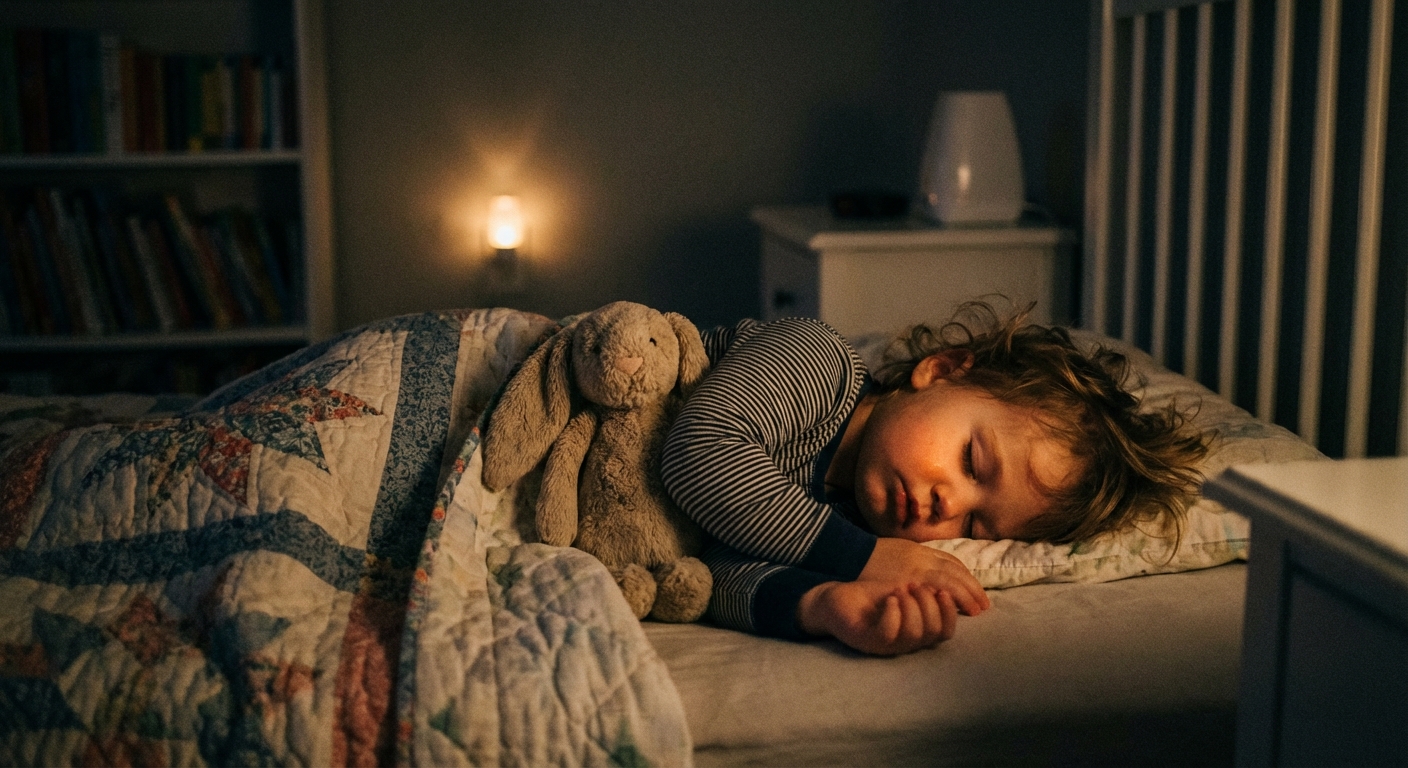
What is bruxism in toddlers?
Bruxism is clenching or grinding the teeth. In toddlers it most often happens during sleep, which is why parents usually notice it on the monitor or during a bedtime check-in.
Some kids grind occasionally. Others do it in short bursts most nights for a while, then stop. It tends to come and go with development and routine changes.
Daytime grinding or clenching can happen too. In toddlers it’s often exploratory or sensory (like testing how their teeth feel together). It’s still worth mentioning if it’s frequent, intense, or paired with pain.
Why toddlers grind their teeth at night
In the pediatric clinic, this is one of those “sounds scary, usually normal” issues. Causes are often multifactorial, and common contributors include:
1) New teeth coming in
Toddlers get a lot of dental action in a short period of time. As teeth erupt, gums can feel sore and bite patterns change. Grinding may be a way your child tests how their new teeth fit together or responds to gum discomfort. (The evidence is mixed, but it’s a common pattern families notice around teething.)
2) Jaw growth and changing bite
Baby teeth shift, jaws grow, and chewing skills mature quickly at this age. The bite is a moving target. Many dentists consider grinding part of normal development for some children, especially when molars are arriving.
3) Sleep changes and overtiredness
Grinding can show up during lighter sleep or partial arousals. If your toddler is in a sleep regression, dropping a nap, traveling, or simply overtired, you might notice more grinding.
4) Stress or big changes
Toddlers absolutely experience stress, just not always in ways that look “stressful” to adults. Common triggers include:
- Starting daycare or preschool
- A new sibling
- Moving homes
- Potty training pressure
- Changes in routine or caregivers
5) Mouth breathing and sleep-disordered breathing
When kids are congested, they often switch to mouth breathing at night. More importantly, pediatric bruxism is sometimes associated with sleep-disordered breathing (like obstructive sleep apnea). If you notice chronic snoring, open-mouth breathing, gasping, pauses in breathing, or very restless sleep, it’s worth discussing with your pediatrician and dentist.
6) Reflux or discomfort
Some children grind more when they’re uncomfortable, and reflux is one possible association. It’s not a leading cause for most toddlers, but if grinding comes with frequent night waking, coughing, sour breath, or discomfort after meals, bring it up with your pediatrician.
7) Medications or neurodevelopmental factors (less common)
Certain medications and some developmental or neurological conditions can be associated with bruxism. Most toddlers who grind have none of these issues. But if your child has additional symptoms or your gut says “this is more than a phase,” it’s worth a conversation.
Is grinding damaging my toddler’s teeth?
Usually, no serious damage happens, especially when it’s mild or short-lived. Baby teeth are meant to be temporary, and many kids outgrow bruxism as their bite and nervous system mature.
That said, grinding can cause problems in some children, particularly if it’s frequent and intense.
Possible effects of ongoing grinding
- Flattened or worn edges on baby teeth
- Increased tooth sensitivity (cold foods hurt)
- Jaw soreness or facial pain, especially in the morning
- Headaches (hard to spot in toddlers, but they may rub their head or seem crankier on waking)
- Chipped teeth (less common)
If you’re thinking, “But the sound is so awful, it must be wrecking their teeth,” I get it. The noise can be disproportionate to the actual wear. Still, it’s smart to keep an eye on it.
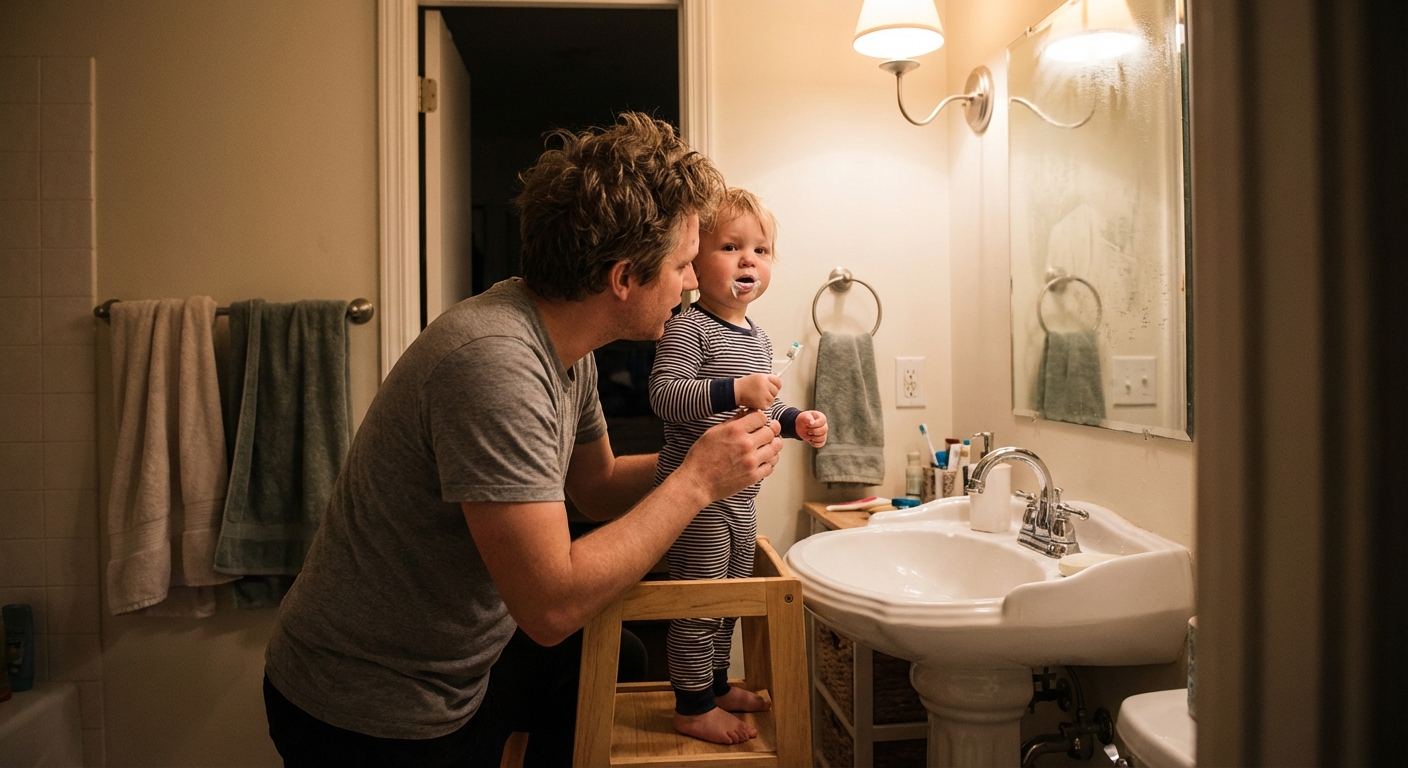
What to track at home
If you do end up talking with a dentist or pediatrician, a few notes can make the visit more useful:
- When it happens (first part of the night, early morning, naps, daytime)
- How often (a few nights a week vs nightly)
- How long it lasts (seconds, minutes)
- Any pain (tooth sensitivity, jaw soreness, chewing avoidance)
- Sleep signs (snoring, mouth breathing, gasping, very restless sleep)
- Any big changes (illness, travel, new sibling, daycare)
When to mention it to the dentist
If your toddler is already seeing a dentist regularly, bring it up at the next visit. If they’re not, this can be a good nudge to schedule. The American Academy of Pediatric Dentistry recommends establishing a dental home by age 1 or within 6 months of the first tooth.
Bring it up soon if you notice:
- Grinding that’s nightly and loud for more than a few weeks
- Tooth pain, sensitivity, or avoiding certain foods
- Chipped teeth, cracks, or visible wear that seems to be worsening
- Jaw pain, trouble opening the mouth, or chewing discomfort
- Morning headaches or frequent face rubbing on waking
- Snoring, pauses in breathing, gasping, or very restless sleep
- Persistent mouth breathing or chronic nasal congestion
What the dentist may do
For many toddlers, the plan is simply to monitor. Your dentist may look for things like wear facets (flat shiny spots), small chips or enamel cracks, tooth mobility, bite alignment, and signs of sensitivity. They’ll also ask about sleep and breathing.
In older kids, a night guard or other appliance may be considered. In toddlers, these are uncommon because they can be hard to fit and tolerate, and they may interfere with normal growth and tooth changes. If an appliance is ever appropriate, a pediatric dentist will decide what’s safest and most effective for your child.
Practical tips to reduce grinding
There’s no magic switch, but these steps can help reduce triggers and support better sleep over time.
1) Keep the bedtime routine boring in the best way
A predictable wind-down helps the nervous system shift into sleep. Aim for the same order most nights:
- Bath or wipe-down
- Brush teeth
- Two short books
- Cuddles
- Lights out
If your toddler is revved up, move high-energy play earlier and keep the last 30 minutes calm.
2) Check for overtiredness
Overtired kids often sleep more restlessly. Consider:
- An earlier bedtime by 15 to 30 minutes for a week
- Protecting nap time (or offering quiet time if naps are fading)
- Keeping sleep and wake times consistent on weekends when possible
3) Offer comfort for teething
If molars are coming in, discomfort may be part of the picture. Helpful options:
- Cold washcloth to chew (supervised)
- Chilled teether (not frozen rock-hard)
- For significant discomfort, ask your pediatrician about age-appropriate pain relief
Avoid numbing gels unless your pediatrician or dentist specifically recommends them.
4) Support easier nighttime breathing
If grinding ramps up during colds or allergies, focus on breathing comfort:
- Cool-mist humidifier in the bedroom
- Saline spray or drops and gentle suction before bed (for younger toddlers who tolerate it)
- Allergy management with guidance from your pediatrician
If snoring is frequent even when your child isn’t sick, mention it to the pediatrician and dentist.
5) Add a simple “jaw relax” cue
Toddlers can’t exactly meditate on command, but you can build a calming habit. During bedtime cuddles, try:
- “Let’s do three big belly breaths together.”
- “Make your face soft like a sleepy kitten.”
- A quick gentle cheek or jaw massage if your child enjoys it
6) Watch for stress and lower the pressure
If you suspect stress is playing a role, think small:
- Extra connection time: 10 minutes of child-led play each day
- Preview changes: “After dinner we’ll brush teeth, then books.”
- Easing up on power struggles near bedtime
And if you’re in the middle of potty training, moving, or adding a new sibling, it’s okay if sleep isn’t perfect right now. Your toddler’s nervous system is doing a lot.
What not to do
- Don’t try to stop the grinding by waking your toddler every time you hear it. You’ll lose sleep, and it usually doesn’t fix the habit.
- Don’t put “adult” mouth guards in your toddler’s mouth. They’re not made for small mouths or growing jaws.
- Don’t panic over a few weeks of grinding. In most cases it fades as the trigger resolves.
Can the sound be worse than the problem?
Yes. The sound can be truly awful, especially through a baby monitor that amplifies it. If the noise is waking you up and spiking your anxiety, consider:
- Turning monitor volume down slightly (as long as you can still hear important cues)
- Using a monitor with less sensitive audio
- Moving the monitor microphone a little farther from your toddler’s head if possible
This isn’t “ignoring” your child. It’s protecting your sleep so you can function tomorrow.
When to call the pediatrician
Call your pediatrician if grinding is paired with symptoms that suggest sleep-disordered breathing or another medical issue:
- Loud snoring most nights
- Pauses in breathing, gasping, or choking sounds during sleep
- Persistent mouth breathing or chronic congestion
- Frequent night waking with arching, coughing, or signs of reflux
- Daytime sleepiness, behavior changes, or trouble focusing beyond what’s typical for age
If there’s a tooth fracture, bleeding, significant pain, or sudden worsening, call your dentist promptly as well.
Sometimes addressing airway issues, allergies, or reflux can make a noticeable difference in sleep quality and grinding.
FAQ
Will my toddler grow out of grinding their teeth?
Many do. Grinding often peaks during periods of teething and development and then fades. Some kids grind intermittently for years, especially during stress or illness, but most don’t have long-term problems.
How common is toddler teeth grinding?
Estimates vary widely depending on age and how bruxism is measured (parent report vs sleep studies). The takeaway is simple: it’s common enough that pediatric dentists see it regularly, and most cases are mild and temporary.
Does teeth grinding mean my toddler has worms?
This is a common myth. Teeth grinding can happen for many reasons and is not a reliable sign of pinworms or other parasites. If you suspect pinworms because of intense nighttime itching around the anus, talk with your pediatrician.
Can toddler grinding be a sign of anxiety?
It can be linked with stress, but it doesn’t automatically mean your toddler has an anxiety disorder. Toddlers show stress through sleep changes, clinginess, and big feelings. If grinding appears during a big transition, more comfort and routine often helps.
Should I worry about permanent teeth?
In most cases, toddler bruxism affects baby teeth and doesn’t harm permanent teeth. The key is making sure the grinding isn’t severe enough to cause fractures or significant wear. Your pediatric dentist can monitor this.
The bottom line
Toddler teeth grinding at night is common, often temporary, and usually more disturbing to hear than it is harmful. Focus on strong sleep basics, comfort during teething or illness, and lowering stress where you can. Mention it to your dentist, and call your pediatrician if you notice snoring, breathing pauses, pain, or signs your child isn’t sleeping well.
And from one tired parent to another: if you’re lying awake listening to it, you’re allowed to turn the monitor down a notch and get some rest.