Toddler Head Banging: Why It Happens and When to Worry

Sarah Mitchell
Sarah Mitchell is a Registered Pediatric Nurse and a mother of three who has spent over a decade helping families navigate the beautiful, chaotic early years of childhood. She combines evidence-based medical knowledge with real-world parenting experience to offer practical, compassionate advice. At Awesome Parent, Sarah's mission is to help exhausted parents find solutions, trust their instincts, and finally get some sleep.
If you have ever watched your toddler bang their head against the crib rail, the wall, or the floor, you know it hits a very specific part of your parent brain: pure panic. I have had families call the pediatric clinic in tears over this, and I get it. It looks painful and scary.
Here is the reassuring truth: head banging is often a common, short-lived toddler behavior, especially around sleep or big feelings. Most kids outgrow it. Your job is to keep your child safe, stay as calm as you can, and watch for the handful of signs that mean it is time to dig deeper.
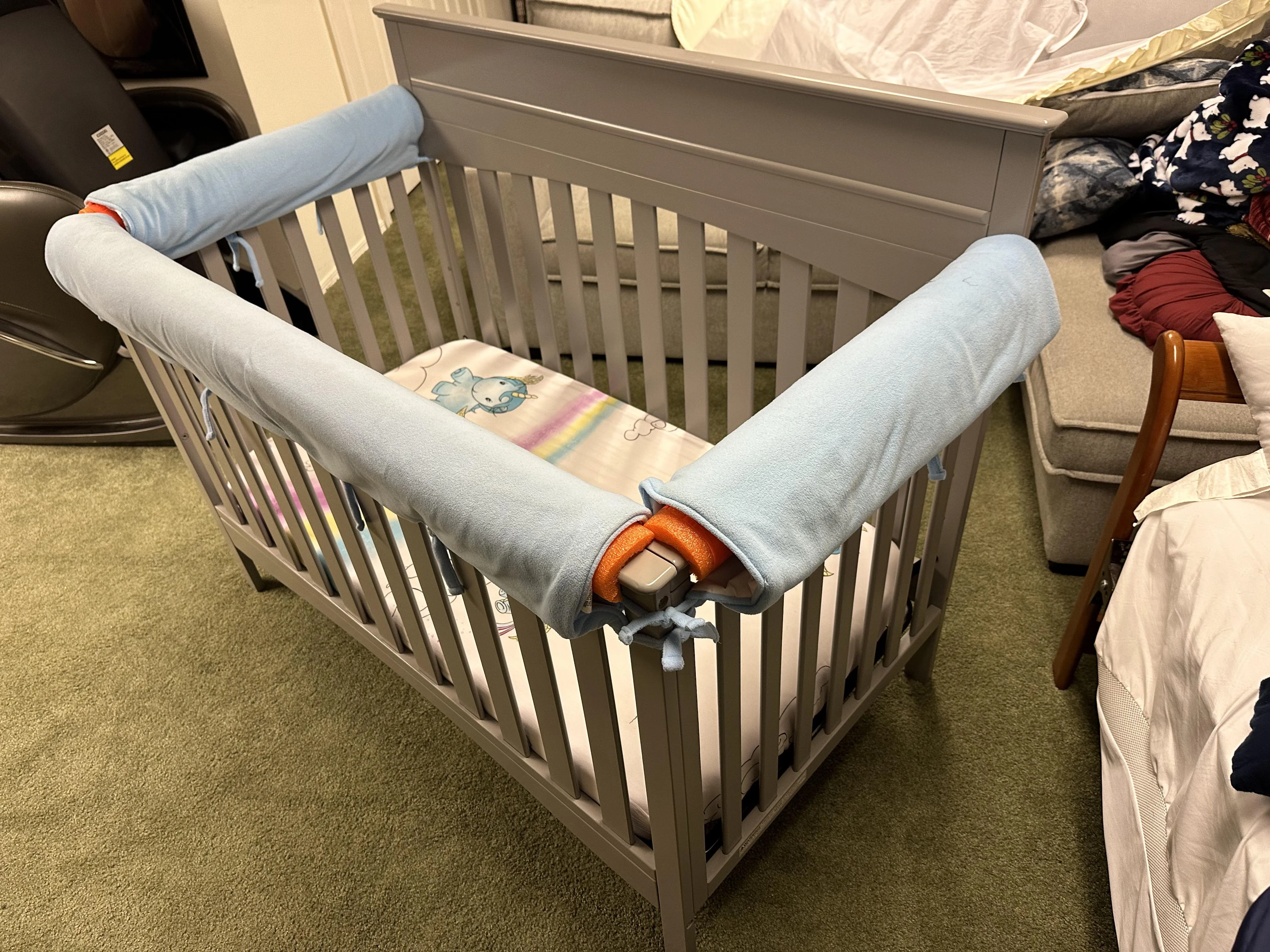
What it can look like
Head banging can be surprisingly rhythmic. Some toddlers do it while sitting up in the crib. Others do it when they are upset on the floor. Some kids only do it when they are tired.
- Most common times: before falling asleep, during night wakings, when frustrated, or when overwhelmed.
- Common surfaces: crib mattress, crib rails, wall, couch cushion, carpeted floor.
- Intensity varies: some kids are gentle, some are loud enough to make you run down the hall.
Why toddlers do it
Toddlers are basically walking emotions with very limited tools. Head banging is usually a form of self-regulation. Here are the most common reasons I see as a pediatric nurse and a parent.
1) Self-soothing
Rhythmic movement can be calming for some kids. It is similar to rocking, humming, or hair twirling. The steady sensory input helps their nervous system settle, especially around sleep.
2) Frustration and big feelings
Toddlers get frustrated constantly: they cannot open the snack, cannot communicate what they want, cannot control the remote, cannot have the blue cup because it is in the dishwasher. When feelings are huge and words are still developing, some kids default to physical expression.
3) Sensory seeking
Some children crave intense sensory feedback: pressure, vibration, and repetitive movement. Head banging can be one way they get that input.
4) Attention (not in a manipulative way)
If head banging reliably brings a big adult reaction, it can become a learned “signal.” This is not your toddler plotting against you. It is your toddler discovering what gets a fast response. The goal is to respond in a way that keeps them safe without accidentally turning the behavior into a powerful attention tool.
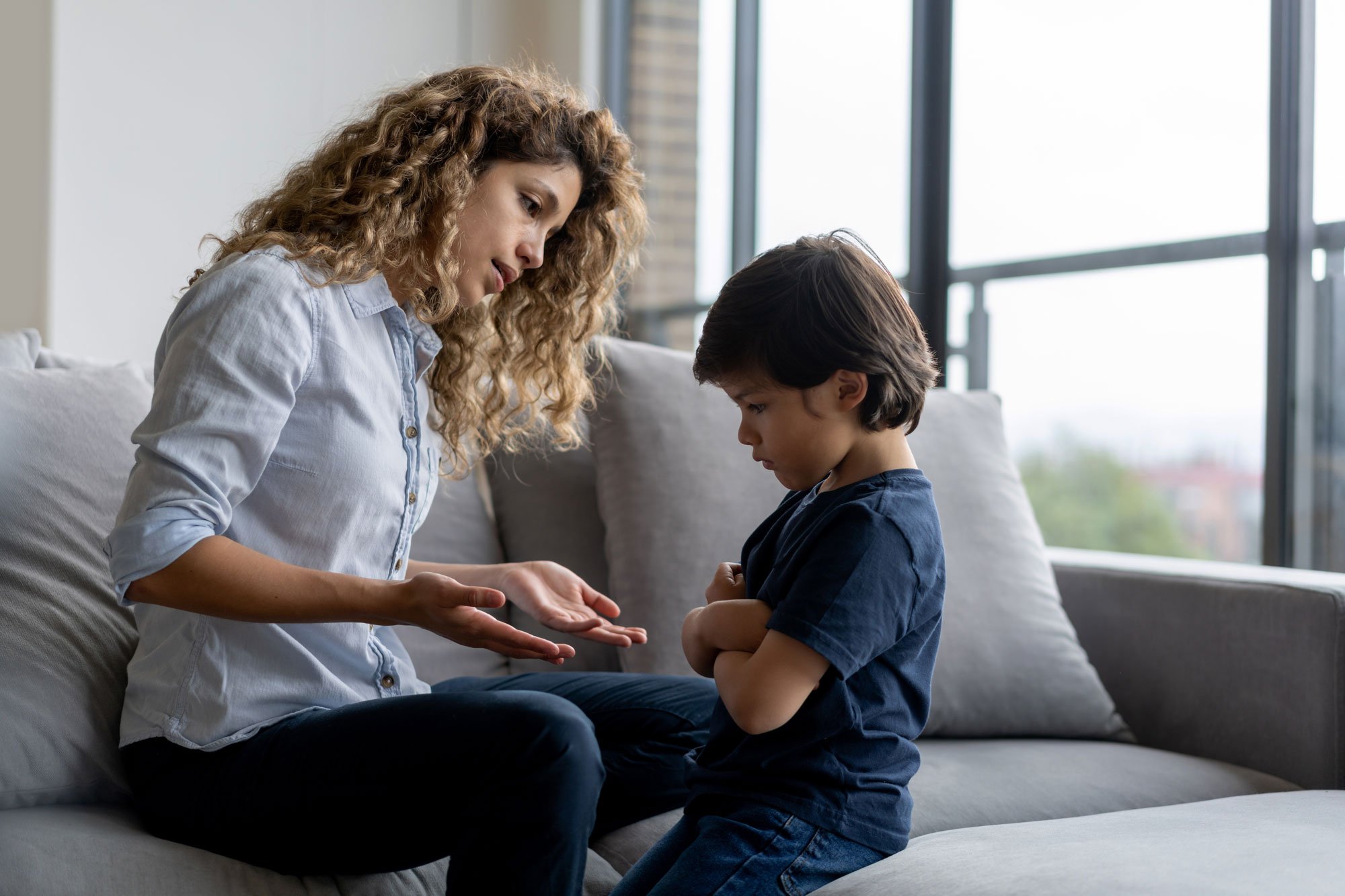
Age: what is typical
Head banging most often shows up in the late baby to toddler years and fades as kids gain language and coping skills. (These ranges are commonly cited in pediatric resources like HealthyChildren.org and clinical references, but every child is different.)
- Often starts: around 9 to 18 months.
- Often most common: 18 months to 3 years.
- Often improves: by age 3 to 4.
Some perfectly healthy kids do it longer, especially if it is tied to sleep. The key is the overall picture: development, safety, and whether it is escalating.
Sleep head banging vs daytime
If this happens mostly at bedtime or during night wakings and looks rhythmic, it can fall under something called sleep-related rhythmic movement. In many toddlers it is a benign, outgrown pattern, similar to rocking.
What tends to be more concerning is frequent all-day head banging, head banging that is clearly self-injuring, or head banging paired with pain signs or developmental red flags. This is where it helps to loop in your child’s clinician.
Could it be pain?
Sometimes head banging is not “behavior” so much as a toddler trying to cope with discomfort they cannot explain. Common culprits include teething, ear infections, headaches, reflux, and (less commonly) vision issues. If head banging is new, sudden, or paired with other symptoms, it is worth checking for a medical cause.
Will my toddler get hurt?
Most toddlers who head bang do not cause serious injury. Many children do not hit with enough force to cause major harm, but injury is still possible depending on the surface, height, and intensity.
Your focus should be prevention and safe boundaries.
Safety basics
- Check the environment: move the crib away from the wall if possible, and keep hard furniture edges away from where your child tends to bang.
- Follow safe sleep rules: avoid adding pillows, loose blankets, or soft bumpers to the crib. If your child is still in a crib, keep the sleep space bare aside from a fitted sheet.
- Talk to your pediatrician before adding any padding products: many “crib padding” items are not recommended for safe sleep.
- Trim nails and watch for skin breakdown: repeated rubbing or banging can irritate skin.
When to worry
Head banging is usually a self-soothing or frustration behavior. But I want you to trust your gut. If something feels off, it is absolutely worth a call.
Call your child’s clinician soon if:
- Your toddler is injuring themselves (bruises, cuts, swelling) or the behavior is escalating in force or frequency.
- Head banging happens all day, not just at sleep times or during occasional meltdowns.
- Your toddler seems in pain or is frequently holding their ears, has fever, is teething intensely, or has signs of headache.
- There are sleep concerns like loud snoring, pauses in breathing, or severe night wakings alongside the behavior.
- You notice developmental concerns (speech delay, loss of skills, not responding to name, limited eye contact, limited gestures like pointing or waving).
- You see other repetitive behaviors that feel different than typical toddler habits, especially paired with communication or social delays.
Seek urgent care or emergency help if:
- Your child has a head injury with loss of consciousness, seizure, repeated vomiting, severe lethargy, worsening headache, or you suspect a serious concussion.
- There is a large swelling on the head, significant bleeding, or your child is not acting like themselves afterward.
If you are unsure, err on the side of checking in. That is what pediatric offices are for.
Is it a sign of autism?
This is one of the biggest fears I hear in clinic, often said quietly. Autism is not a dirty word, and head banging alone is not a reliable sign of autism.
Head banging can occur in typically developing toddlers, and it can also show up in children with autism, sensory processing differences, anxiety, or developmental delays. The difference is usually in the full pattern, not this one behavior by itself.
More likely typical
- It happens mainly around sleep or during occasional frustration.
- Your toddler otherwise has age-appropriate communication and social engagement.
- They make eye contact, seek comfort, bring you toys, point to show interest, and respond to their name most of the time.
- The behavior improves with support and over time.
Worth evaluating if you also notice:
- Speech or language delay (limited words by 18 months, not combining words by around 2 years, or a clear regression).
- Social communication differences: limited pointing, limited back-and-forth interaction, rarely showing you things, not responding to name consistently.
- Repetitive behaviors beyond head banging that are intense, frequent, and interfere with daily life.
- Sensory extremes (very distressed by everyday sounds or textures, or constantly seeking intense sensory input) paired with social or communication concerns.
If any of these ring a bell, ask your pediatrician for a developmental screening and, if appropriate, an early intervention referral. Getting support early is never a “label sentence.” It is tools.

What to do in the moment
Your goal is safety first, then teaching your toddler a safer way to cope. The tricky part is responding without accidentally rewarding the behavior with a huge reaction.
Step 1: Stay boringly calm
I know. You are screaming inside. On the outside, aim for calm and steady. Big reactions can turn head banging into a very effective “button” for your toddler to press.
Step 2: Block and protect
- If your child is banging against a hard surface, you can place a folded towel or small firm pillow between their head and the surface only while they are awake and you are right there. If this is happening in a crib, remove anything loose as soon as your child is settling or you step away and keep the sleep space bare for safe sleep.
- If they are on the floor, gently guide them to a safer spot, like carpet or a play mat.
Step 3: Name the feeling, set the limit
Keep it short:
- “You are mad. I will not let you hurt your head.”
- “That is frustrating. I am here. We keep our body safe.”
Step 4: Offer a replacement action
Give them something to do with that energy:
- Stomp feet
- Push hands against the wall
- Throw soft balls into a basket
- Ask for a hug or squeeze (if they like pressure)
- Take “belly breaths” together, even just 2 or 3
Longer-term strategies
Create a predictable routine
Most toddlers do better when they know what comes next. A simple routine can become a nervous system shortcut.
- Sleep routine: bath, pajamas, two books, lights dim, song, bed.
- Tantrum routine: get low, validate, set limit, offer choice, move on.
Build communication tools
Head banging often drops when kids can communicate. Teach simple phrases and signs:
- “Help.”
- “All done.”
- “More.”
- “Mad.”
If speech is delayed, ask about a speech therapy evaluation. It can be a game-changer for behavior.
Meet sensory needs safely
If your toddler seems sensory-seeking, try safer input:
- Jumping on a mini trampoline with supervision
- Animal walks (bear crawl, crab walk)
- Play dough, kinetic sand, water play
- Big hugs or a “squish sandwich” between couch cushions (only if your child enjoys pressure and you are supervising)
Catch the pattern
Keep a quick mental log for a few days:
- When does it happen?
- Right before meals? Before nap? During transitions?
- After daycare pickup?
Patterns point to solutions, like earlier snacks, more transition warnings, or a quieter wind-down after a busy day.
Praise the alternative
When your toddler uses a safer coping skill, notice it immediately:
“You were so mad, and you stomped your feet instead. That was a safe choice.”
What not to do
- Do not punish or scold in the moment. It usually escalates fear and intensity.
- Do not leave your child unattended near hard surfaces during an episode.
- Do not add unsafe sleep items to the crib (pillows, bumpers, loose blankets) to “cushion” the banging.
- Do not turn it into a show with big reactions, long lectures, or filming to get a response.
Common questions
Should I ignore it?
Ignore the attention-grabbing part, yes. But do not ignore safety. Calmly block, move them to a safer spot, and keep your response low-key.
Should I hold my toddler down to stop it?
Generally, no. Restraining can escalate panic and make the struggle bigger. Instead, block the impact, create space, and offer calming pressure only if your child seeks it and it de-escalates them.
What if it only happens in the crib?
That is often self-soothing or sleep-related rhythmic movement. Make sure the crib is set up safely, check for teething or ear infection symptoms if it is new, and mention it at your next visit or sooner if there is injury.
Can this cause brain damage?
In typical toddler head banging, serious brain injury is uncommon, but risk depends on intensity, surface, and whether there are falls. If the behavior is intense, frequent, or causing injury, talk to your pediatrician and watch for the urgent red flags listed above.
Script for calling the pediatrician
If you are calling and your brain goes blank, try this:
“My toddler is head banging. It started about [timeframe]. It happens [how often] and usually during [sleep, frustration, transitions]. They have or do not have injuries. I am also noticing [any speech, social, sleep, or pain symptoms]. What should we check for, and do you recommend a developmental screening or referral?”
Bottom line
Toddler head banging is often a temporary way of coping with tiredness, frustration, sensory needs, or even discomfort. Your priorities are safety, calm limits, and teaching an alternative. If there are injuries, developmental concerns, pain signs, or your gut says this is more than a phase, loop in your pediatrician. You do not have to sort it out alone at 3 AM.
Note: This article is for education and does not replace medical advice. If you are worried about your child’s safety or symptoms, contact your child’s clinician.